
A.R.T. ACM-102: Power Socket Cover Plate and Plug Locking System Review
The latest offering from Italian company A.R.T. (Audio Reference Technology) has just been released. Information on the official website and online is still forthcoming, but the ACM-102 is a combination of a power socket cover plate and plug locking bracket. According to local sources, the key features of the ACM-102 are:
Meticulous Molded Construction
Unlike typical CNC production methods, A.R.T. employs a mold-making process for the ACM-102. This involves melting and injecting aerospace-grade aluminum into a custom mold. This approach demonstrates a significant commitment and indicates that the product design has undergone thorough consideration before entering formal production, as molds are not easily altered once created.
Furthermore, using a mold to cast aerospace-grade aluminum allows for precise control over the material’s density and even the inclusion of specific additives, granting A.R.T. greater control in fine-tuning the sonic characteristics. This highlights A.R.T. ‘s dedication to achieving a desired sound profile.
Enhanced Safety and Vibration Control
The ACM-102 cover plate is notably thicker than standard options, even surpassing medical-grade versions. With conventional cover plates, the socket often protrudes slightly. However, the ACM-102 design ensures the socket is almost flush with the cover plate surface when installed. This thicker, more robust structure not only enhances safety but also effectively dampens vibrations generated during power transmission. Improved power delivery naturally leads to improved audio performance.
Essential Power Cord Support
Modern high-end power cables are increasingly bulky and heavy. Audiophiles often find their power cords hanging down, with plugs not fully and securely inserted into the socket. This reduced contact area compromises power transfer, negatively impacting sound quality and raising safety concerns. Diminished contact increases the risk of electrical arcing, creating potential safety hazards. The A.R.T. power cord bracket addresses this issue by securely locking the power cord to the socket.
This ensures a firm connection and effectively suppresses vibrations from the power cord at their origin.
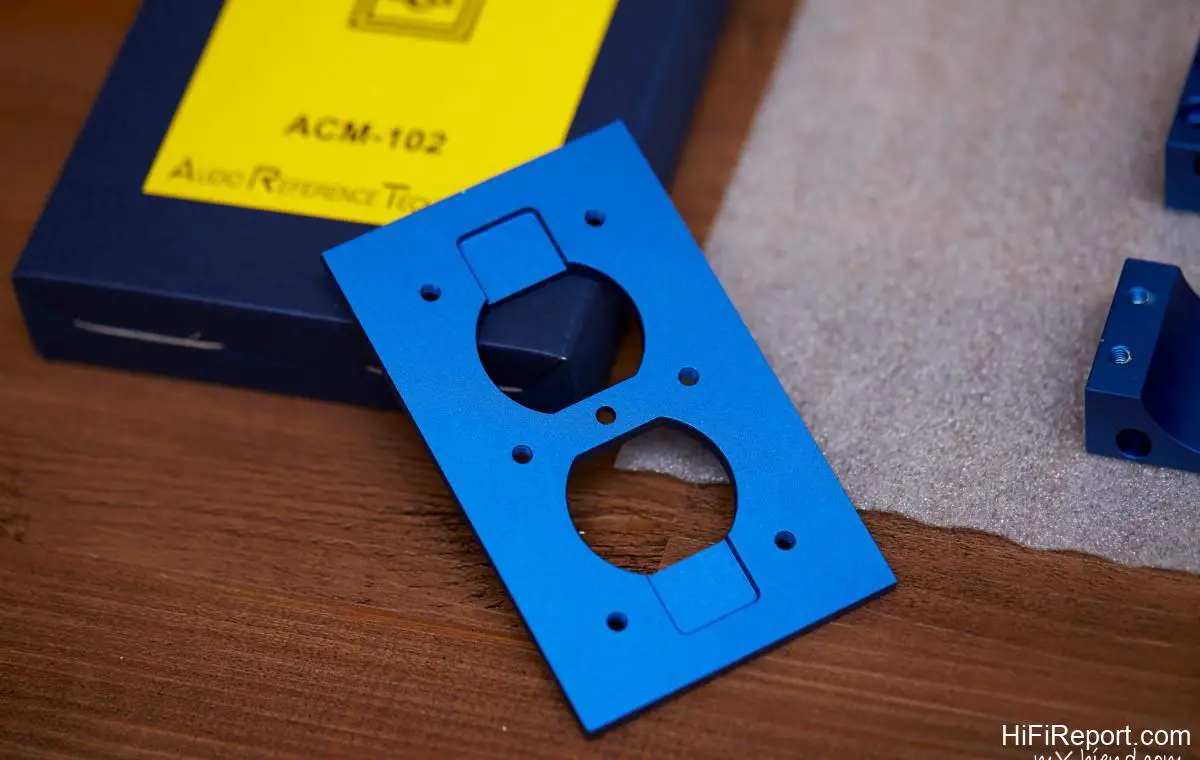
This image shows the back of the cover plate, which is also anodized, indicating no compromise in quality even for unseen areas.
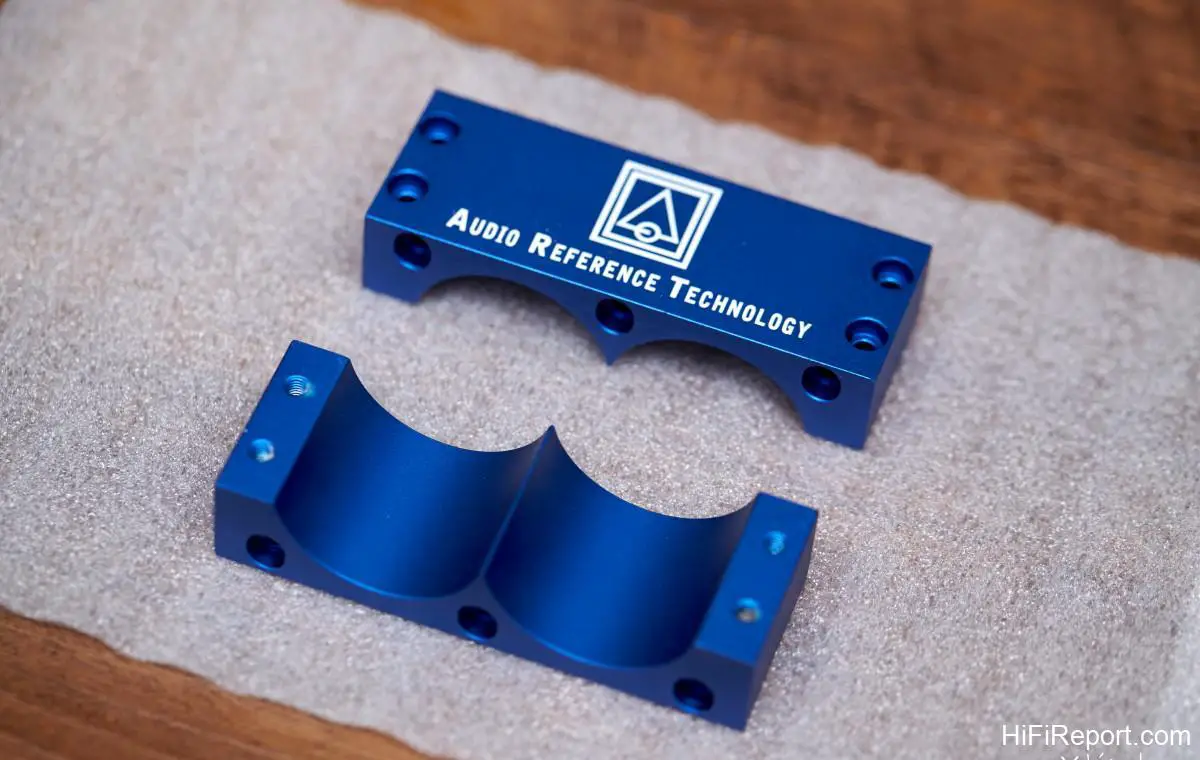
These components are used to secure the power plug to the cover plate.
A single-socket version, the ACM-101, is also available.
After installing the cover plate, these brackets are then mounted to it, perfectly sized to accommodate two power plugs.
Upon opening the A.R.T. packaging, the contents include the cover plate, locking brackets, a small wrench, and screws. The screws are provided in three types, one for attaching the cover plate to the original socket (not needed for this initial setup). The other two types appear similar, but six are slightly longer for securing the locking brackets to the cover plate, while four shorter screws are used to join the two brackets together, clamping the plugs in place.
Further details are explained below.
The four screws on the left are shorter, and the six on the right are longer, differing by a small margin. It’s important to separate them beforehand.
Upon closer inspection, the screw holes on the locking brackets are not threaded. The screws only engage with the cover plate section. The bracket’s screw holes are intentionally designed with clearance. This accommodates variations in power plug sizes. Fixed screw holes might not provide a tight fit or could be incompatible with larger power plugs. This design offers flexible adjustability.
By inverting the locking bracket, the clearance in the screw holes becomes visible, allowing a glimpse of the white wall behind.
The standard procedure involves replacing the original socket cover plate with the A.R.T. cover plate, inserting the plugs, and then securing the locking brackets. I’m skipping the initial step for now and will demonstrate it later. Here, I’ve pre-installed one locking bracket and am now inserting a power plug before attaching the other bracket.
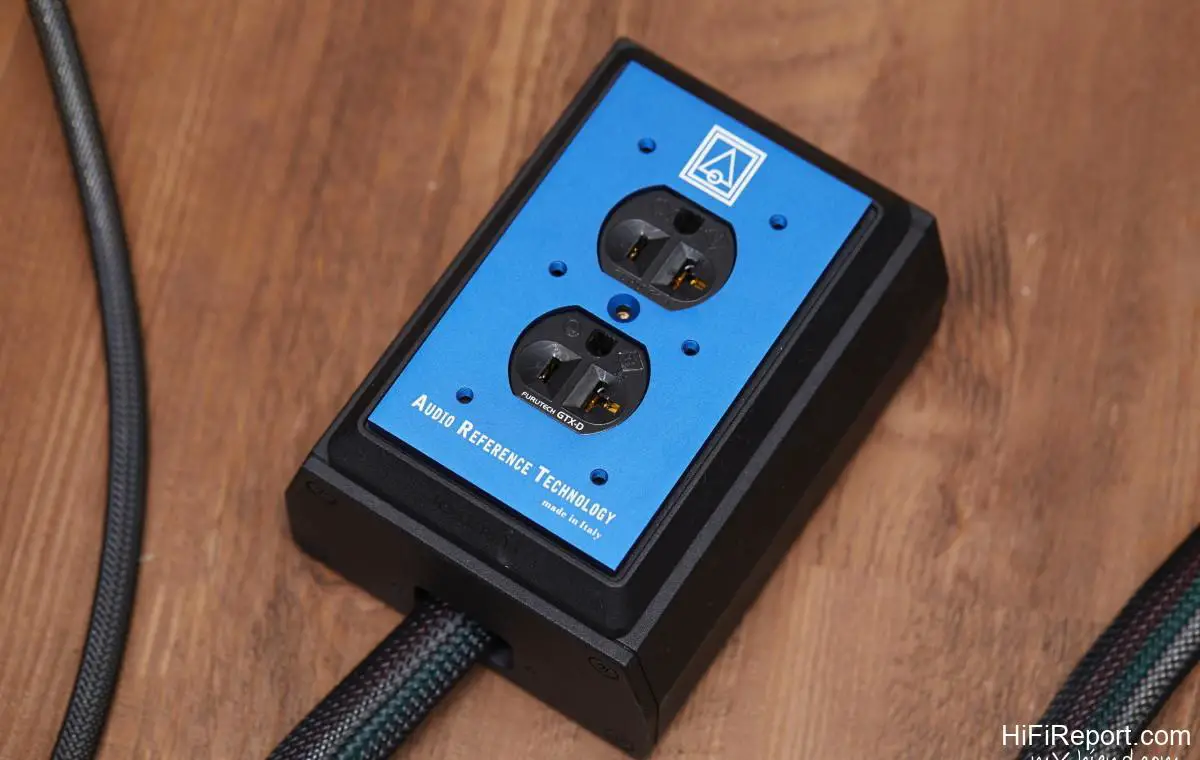
After roughly positioning the power plug, the final step is to tighten the four screws that connect the two locking brackets. This firmly clamps the power plug. It’s recommended that the two power plugs are not vastly different in size, but can it accommodate different sizes? Yes, it can. Each bracket is secured to the cover plate with three screws, with the middle screw acting as a pivot point.
Even if the top plug is larger and the bottom plug is smaller, the clearance in the bracket’s screw holes allows for independent tightening using the connecting screws.
This side shows the bracket section without the connecting screws.
This side shows the bracket section with the connecting screws. Two screws per side allow for adjusting tightness based on plug size variations.
The single-socket cover plate and bracket were also unboxed. Installation is identical, but the bracket is smaller and uses a top-down clamping method instead of the side-clamping design of the dual-socket version.
The adjustable range of the single-socket bracket is even greater than the dual-socket version.
The four connecting screws are visible from the side.
Once tightened, the power plug is extremely secure. Removing it requires loosening the screws first.
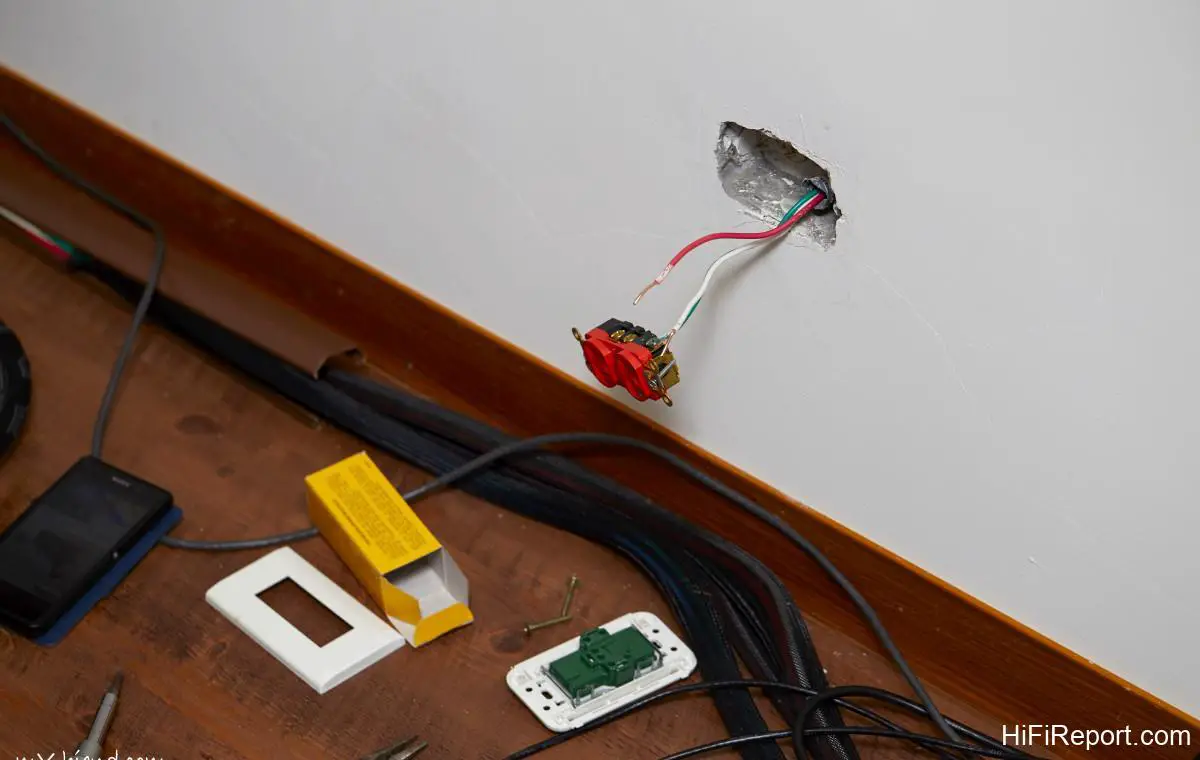
This weekend, I will replace the wall socket with a Hubbell IG8300 and install the A.R.T. ACM-102.
**Important Note:** It is strongly advised to have a qualified electrician perform the replacement. DIY installation may pose safety risks.
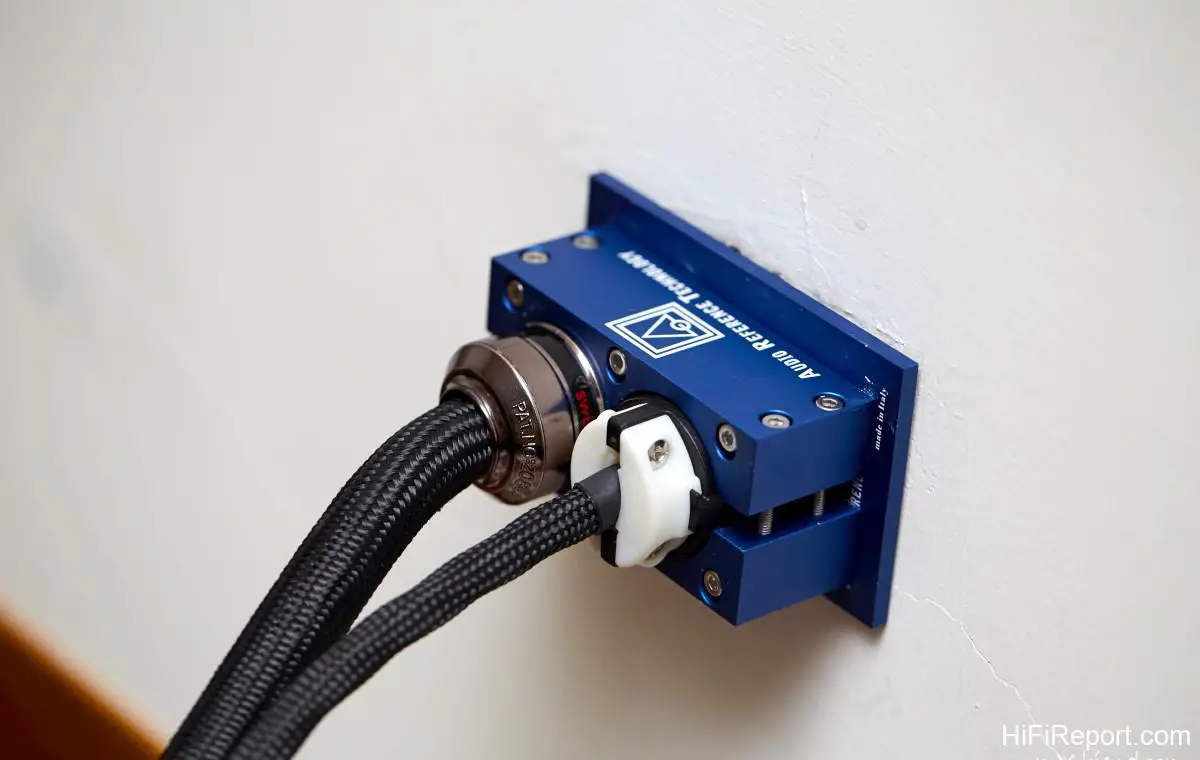
After inserting the power cord and tightening the screws, the power plug is effectively locked in place, ensuring a very stable connection.
Removing the power plug also requires loosening the screws slightly beforehand.
This design is truly a lifesaver for audiophiles, completely eliminating concerns about drooping power cords and loose connections.
This tight connection naturally reduces power impedance, ensuring more complete transmission, which inevitably enhances sound quality.