
A.R.T. Monolith SE Speaker Cable Review
A.R.T. (Audio Reference Technology), an Italian brand specializing in cables and acoustic tuning products, has been diligently cultivated in the market by Sinser for many years. We have reviewed their high-end cables, including power cords and interconnects, on numerous occasions, each time with excellent results. This time, we are testing the Monolith SE speaker cable from their entry-level series. If memory serves, this is my first in-depth audition of A.R.T.
speaker cables, and I am quite eager to hear their performance.
Packaging and Design
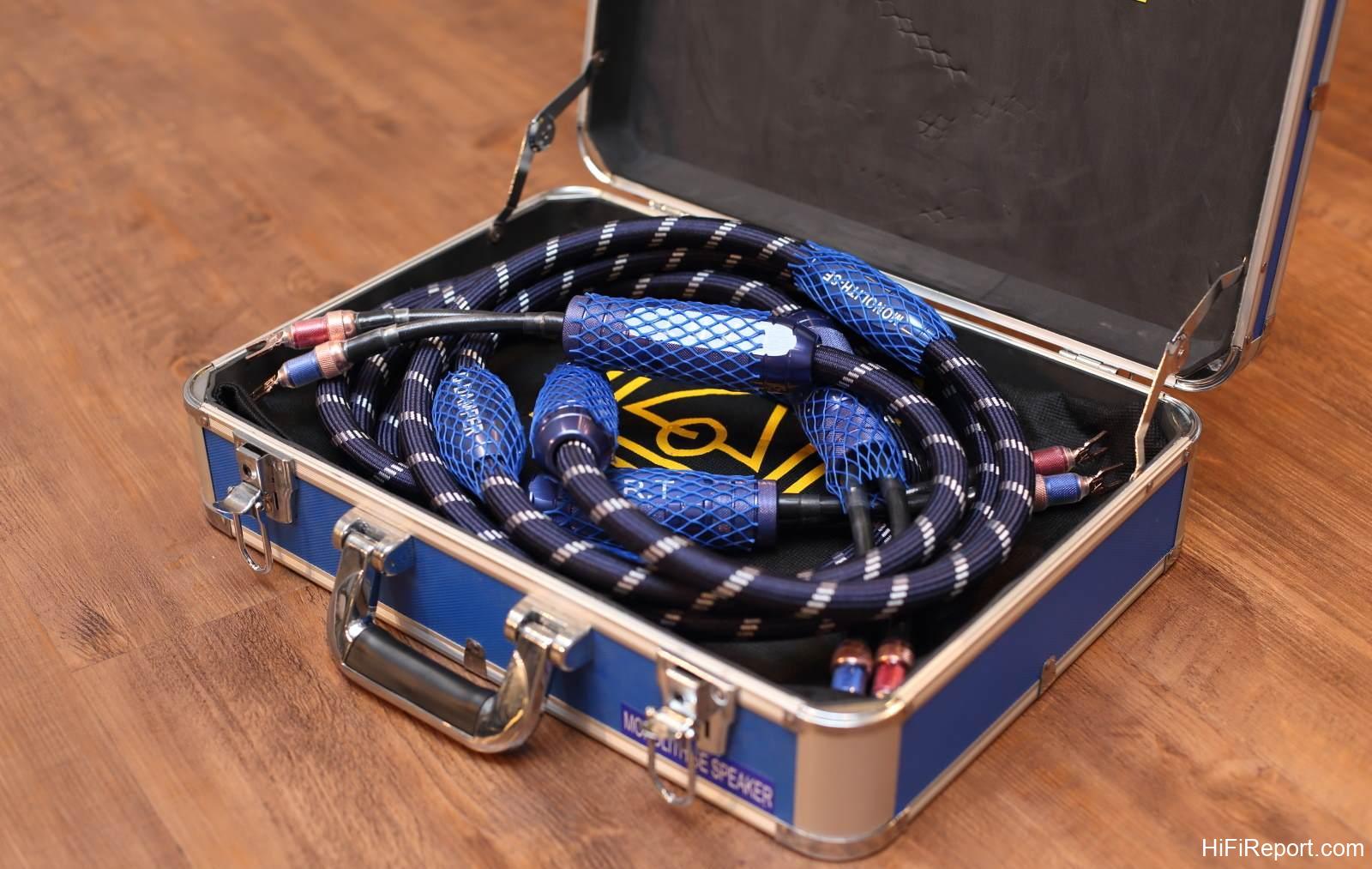
A.R.T. cables are typically quite substantial in weight, and their packaging is notably more elaborate than many other brands. Regardless of the price point, they consistently use boxes to ensure secure protection during shipping, alleviating any concerns about transit damage. A label on the box fastener clearly indicates the model.
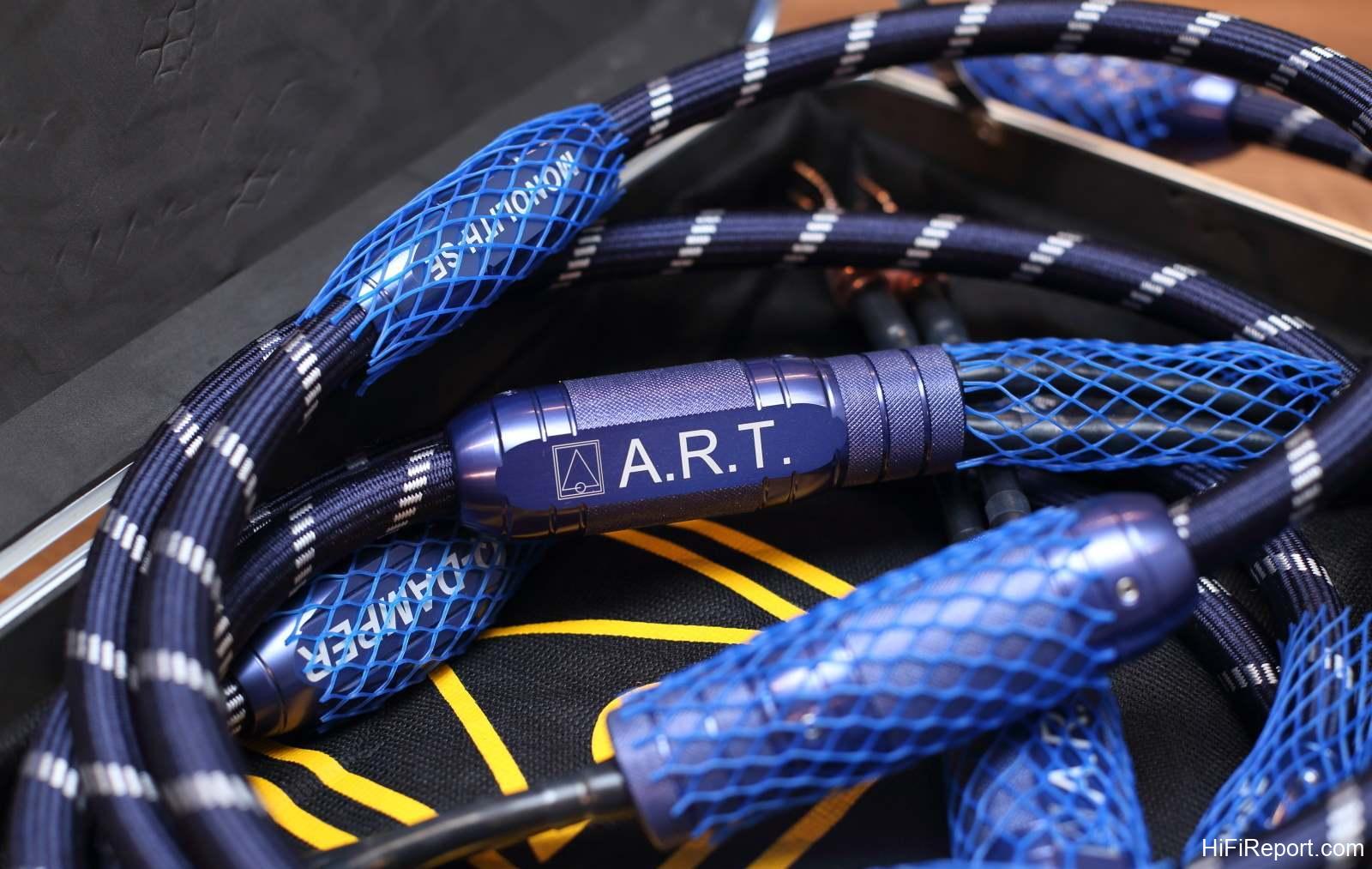
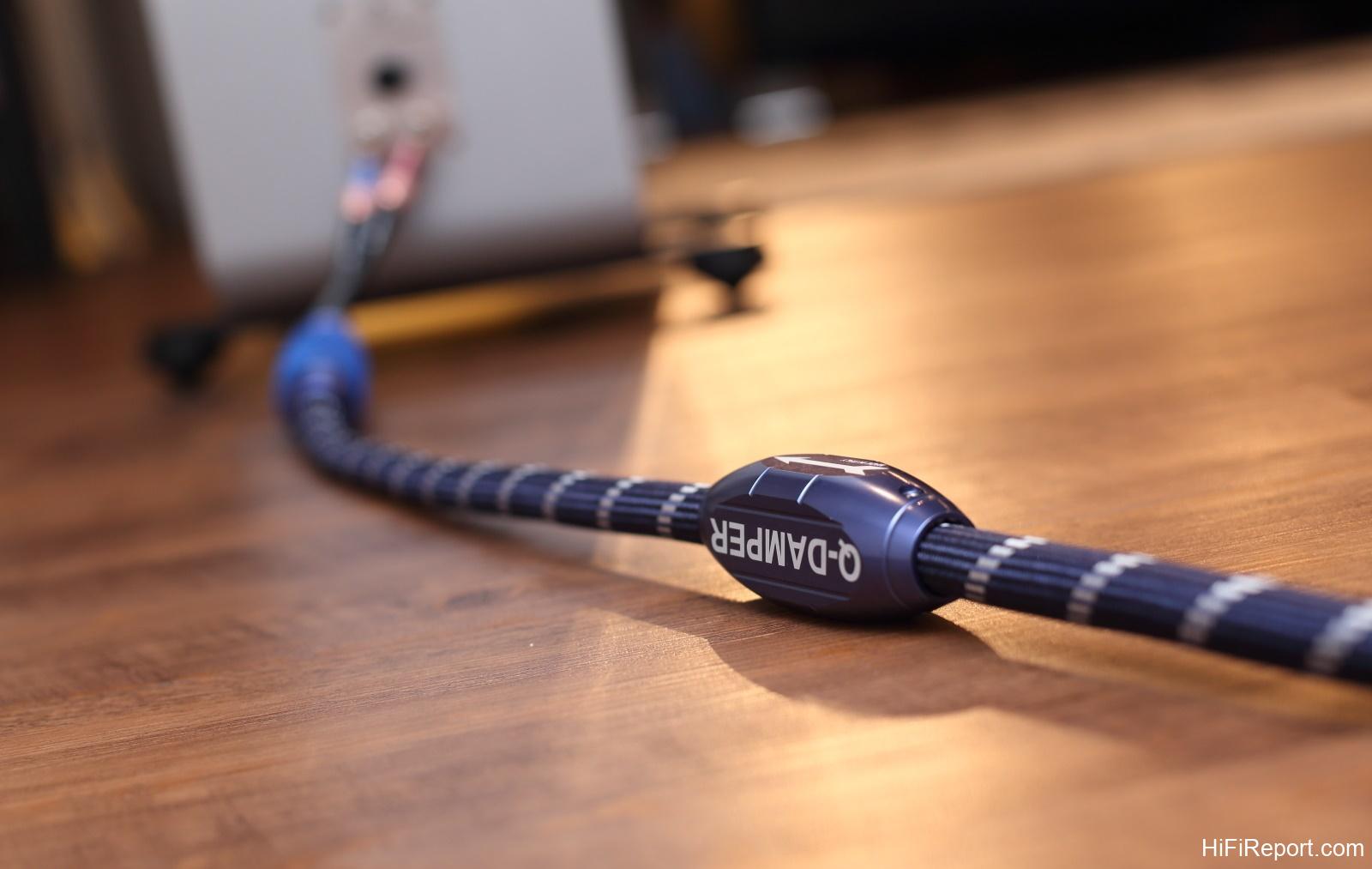
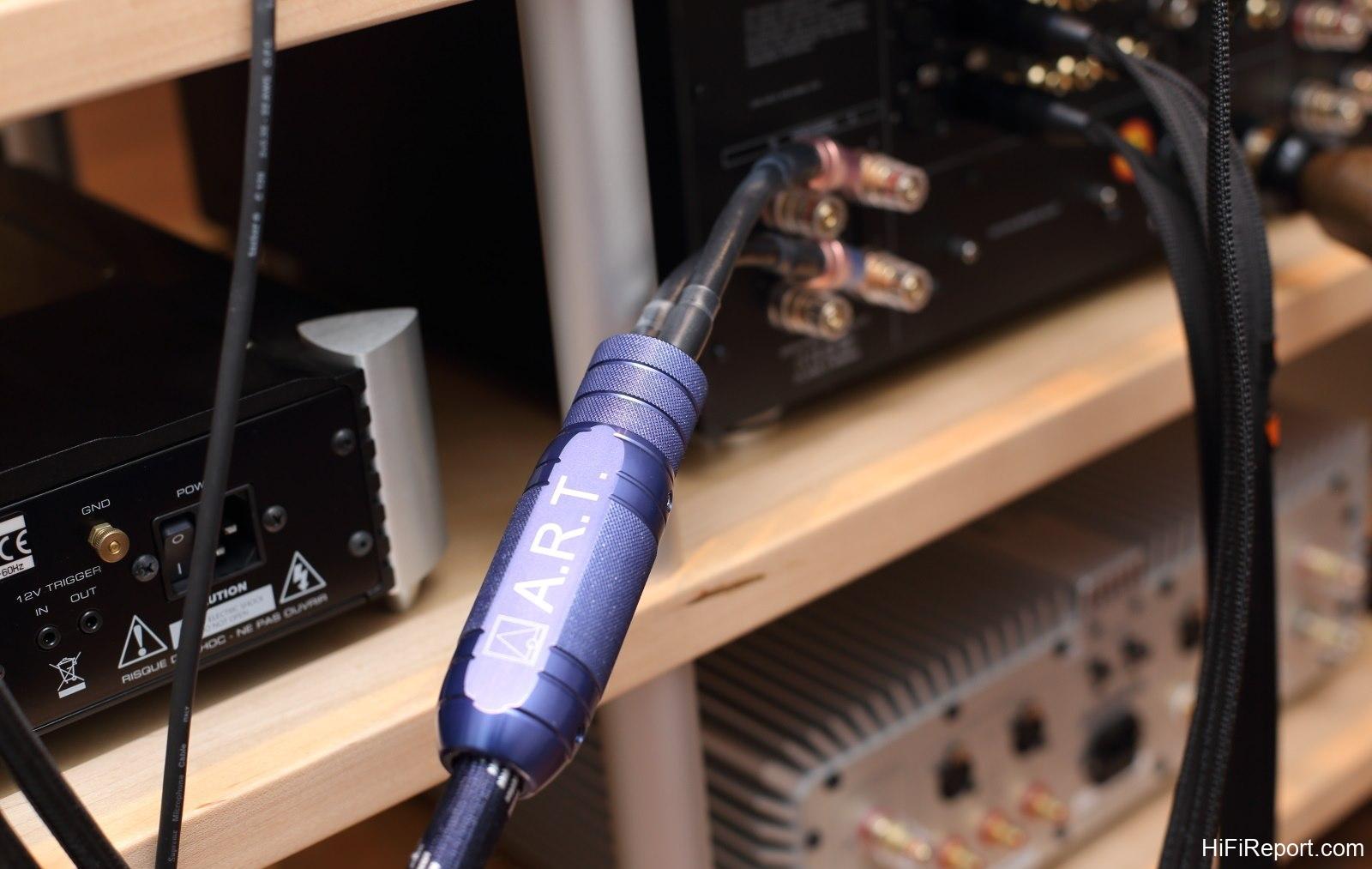
Upon opening the box, one is greeted by the vibrant aesthetics of the cable itself. A.R.T. cables possess a distinctive visual identity that makes them instantly recognizable. The considerable weight of A.R.T. cables is not without reason. They incorporate numerous aluminum alloy rings, housing their core Q-Damper technology. Furthermore, the multi-layered insulation and shielding contribute significantly to their heft.
Consequently, the cables are not particularly flexible, requiring careful consideration of the angle when making connections.
HCC Conductor and Shielding
A defining characteristic of A.R.T. cables is their proprietary HCC (Homogenized Crystal Copper) conductor, a unique blend of specially developed metal alloys and pure copper. This conductor is designed to deliver a sound with enhanced clarity and resolution. Insulation and shielding are paramount features for A.R.T..
They invest significant effort in designing insulation that does not impede the transmission of musical signals within the conductor or compromise the intended sonic characteristics, while also ensuring long-term stability and preventing degradation over time.
A.R.T. places immense emphasis on insulation and shielding, with some of their cables featuring up to 17 layers. This elaborate construction is a primary contributor to their substantial weight. The Monolith SE series, under review here, utilizes an impressive 8 layers of insulation and shielding. A.R.T. ‘s design philosophy prioritizes preventing external interference from penetrating the cable.
This is achieved through meticulously engineered physical principles, and each finished cable undergoes rigorous testing with multiple instruments. The manufacturing process for every cable is entirely manual, underscoring the crucial role of experienced craftsmanship, which directly impacts the success and quality of the final product.
Another key feature is the CNC-machined aerospace-grade aluminum alloy rings visible along the cable’s length. These are designed and developed in-house by A.R.T. and strategically positioned to minimize both internal and external vibrations affecting the cable.
The connectors are equipped with anti-magnetic plating and specialized filters. At the critical junction between the conductor and the connector, a proprietary triangular contact protection technology is employed.
Design Principles
A.R.T.’s cable design principles consistently emphasize four key aspects. First, **vibration control** is paramount, aiming to prevent external vibrations from entering the cable and degrading the audio signal, while also mitigating the impact of internal system vibrations on the sound. Second, **power isolation** is addressed, particularly in power cables, which are designed to filter out noise and instability from the mains power supply, preventing them from entering the system.
Third, **enhanced connector integrity** is crucial. Even with excellent conductor design, the connection point with the connector is a potential weak link. If the connection is not carefully executed with specialized know-how, the audio signal can be compromised at the final stage. A.R.T. has dedicated significant effort to this aspect, developing unique manufacturing techniques to ensure optimal connection.
Fourth, during signal transmission, it is essential to **minimize environmental influences**, such as external radio frequency interference or electromagnetic fields. Therefore, A.R.T. places particular emphasis on effective shielding.
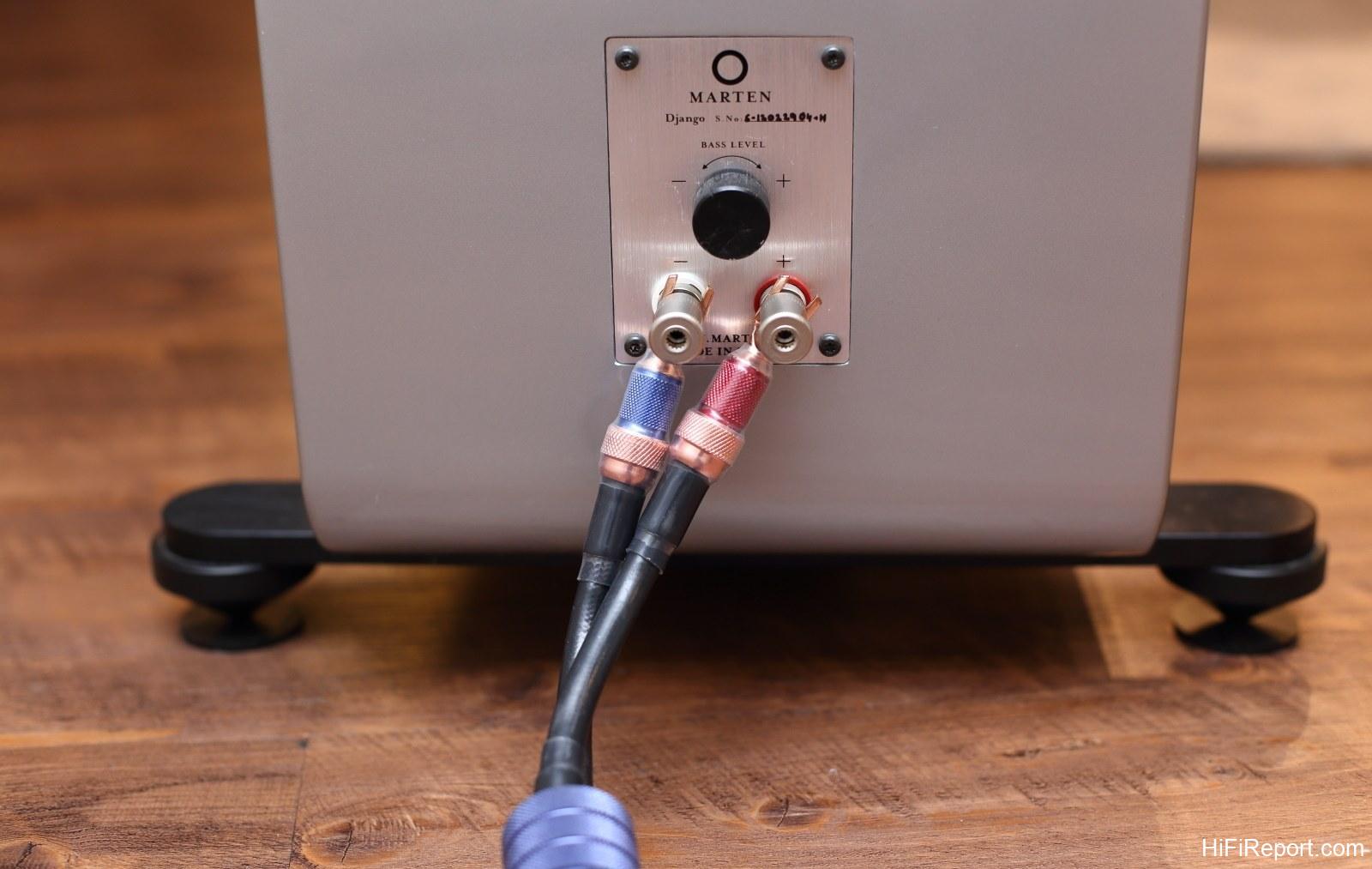
When connecting the A.R.T. Monolith SE to equipment and speakers, the cable ends exhibit a degree of flexibility, allowing for some bending. Despite the thick gauge and relative stiffness, installation is straightforward. The only consideration is the cable’s weight; it is advisable to avoid excessively lightweight amplifiers that might be unduly stressed by the cable’s mass.
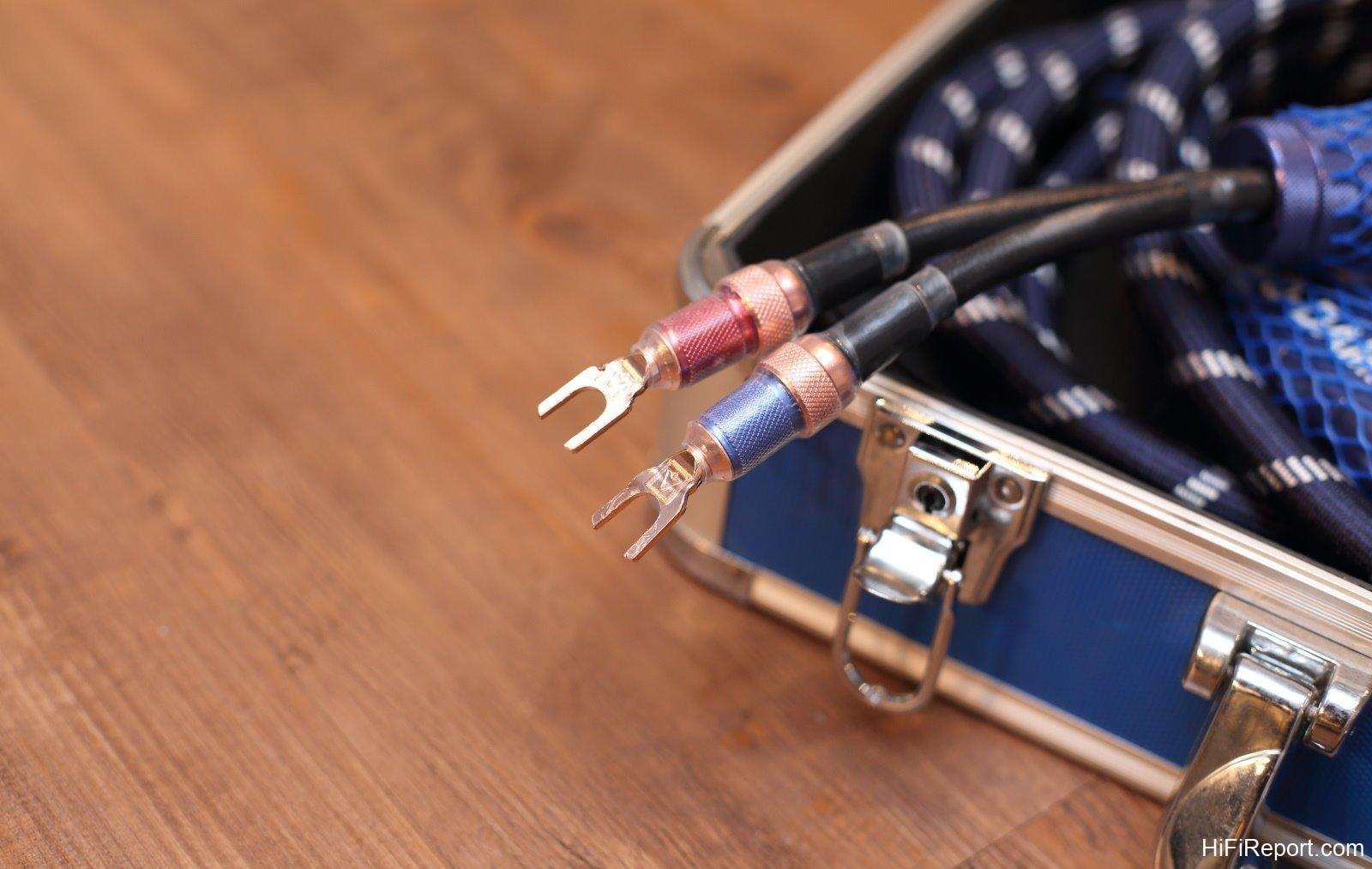
Ensuring firm connector contact is essential to achieve complete and lossless sound transmission.
Updated Power Cable
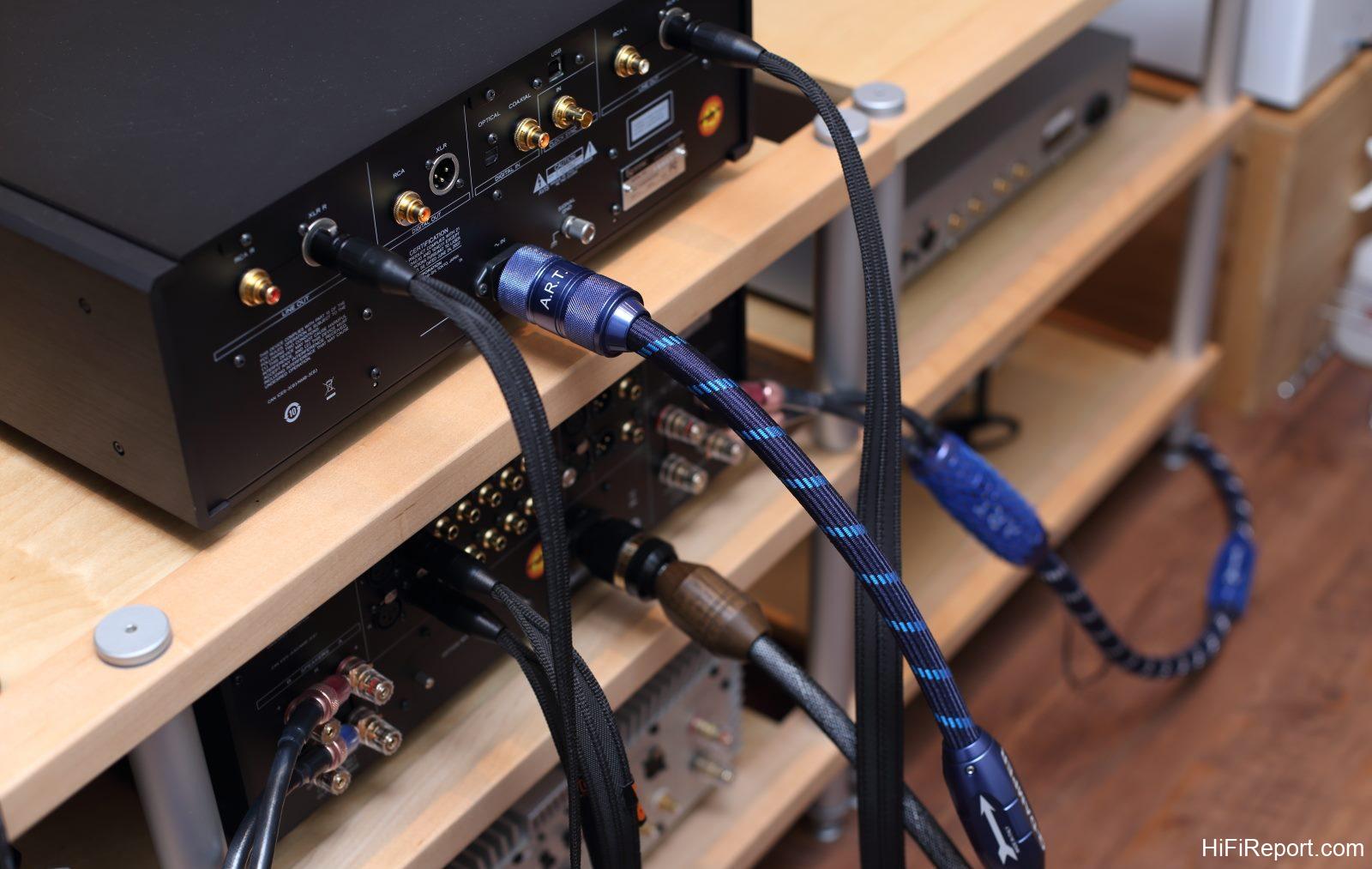
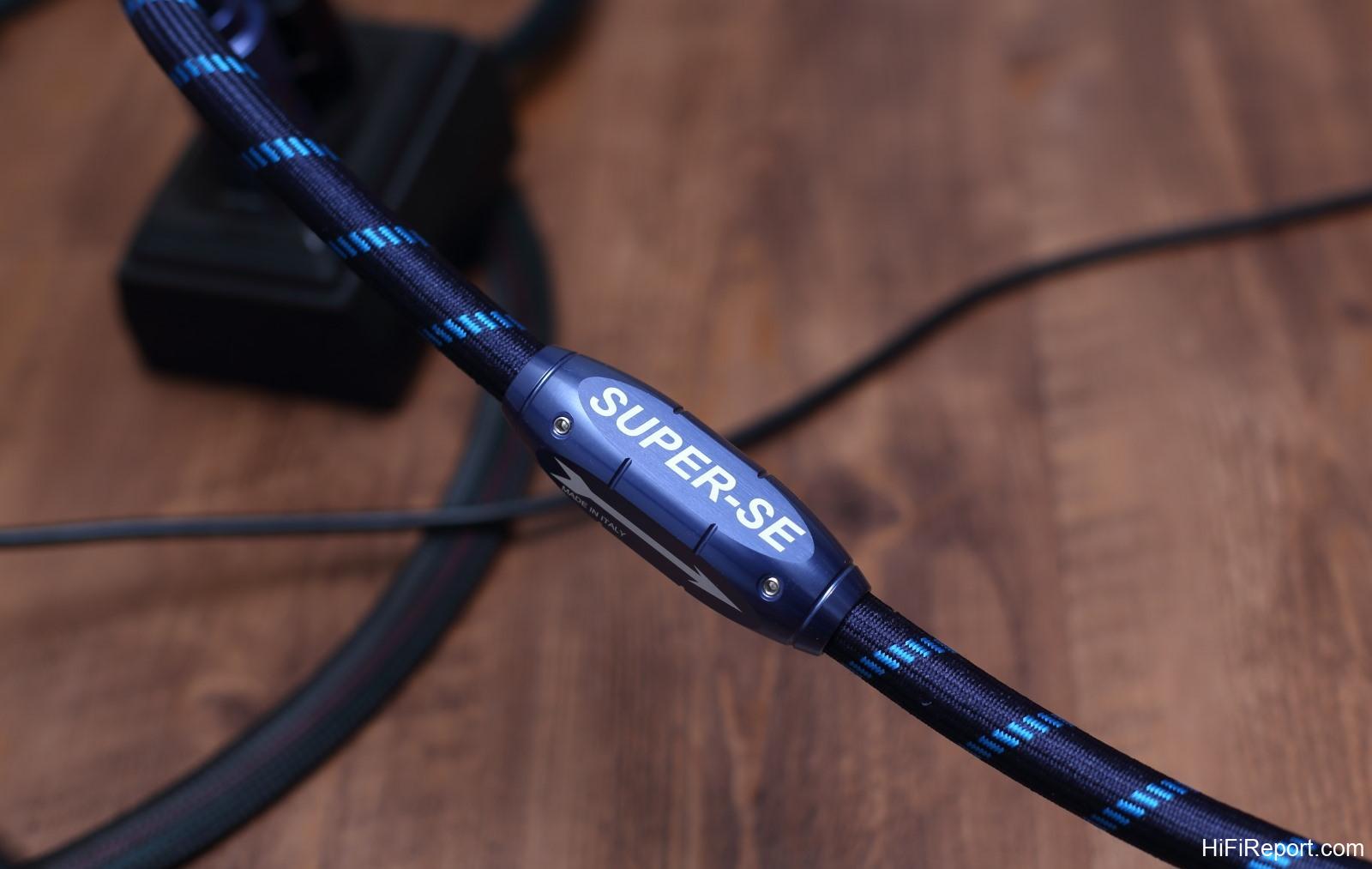
The power cable used in this review is also from A.R.T., the SUPER SE series. This model recently underwent a subtle revision, and the version used here represents the latest iteration of the SUPER SE power cable. The primary modification involves a slight increase in the silver content within the conductor alloy. This refinement is intended to yield a more refined sound with enhanced detail and a wider frequency bandwidth compared to its predecessor.
The core conductor of the A.R.T. SUPER SE consists of multi-stranded HCC (homogenized Crystal Copper) pure copper combined with a specially formulated alloy. A thin layer of amber is applied to prevent oxidation. Woven Triguard shielding, a specialized braided shield, effectively mitigates electromagnetic interference and stabilizes stray capacitance within the dielectric.
The shielding employs two layers of 0.05mm heat-treated pure copper mesh, separated by two layers of woven polyethylene, configured to avoid forming electrical loops or rings, thus preventing magnetic effects.
Soundstage and Detail
For the listening evaluation, the first selection was the 2017 Hong Kong High-End Audio Visual Show Commemorative Album, <2017 The Perfect Sound>. Immediately upon connecting the A.R.T. Monolith SE speaker cables, the sound exhibited remarkable stability and exceptional background quietness. This overall improvement was consistently noticeable across all albums auditioned.
Listening to the first track, “Jin Xiao Duo Zhen Zhong” performed by Danny Chan Bak Keung, despite the use of numerous instruments, the arrangement is not overly complex. The playback was remarkably organized and progressive, with a naturally extended frequency range that felt unforced and balanced. Crucially, the sound was naturally balanced, devoid of any noticeable discontinuities between frequency ranges. The spatial presentation was appropriately rendered.
During the seventh track, “Vittorio Monti: Csardas,” featuring a cello performance, the spatial reverberation and the cello’s body were conveyed with remarkable naturalness. Coupled with the subtle breathing sounds of the performer, the listening experience became deeply immersive, almost allowing one to perceive the performer’s movements and physical presence.
Imaging and Layering
Next, I played Anne Akiko Meyers’
. Under the guidance of the A.R.T. Monolith SE, the performance became even more pristine. During solo violin passages, the sensation was of utter silence surrounding the instrument, highlighting the exceptionally low noise floor. The soundstage exhibited ample depth and appropriate width, with precise and stable instrument imaging and excellent layering.
The relative positions of instruments, both near and far, were clearly delineated. Slow passages were rendered with gentle roundness, while rapid bowing was conveyed with clarity and precision. The overall sound was exceptionally natural and engaging for extended listening.
Live Performance Realism
Moving on to , the entire stage materialized in the listening room. The percussive footwork, of course, was prominent, but the album’s other instruments and vocalizations possessed remarkable three-dimensionality. The overall spatial presentation was strikingly realistic, creating the illusion of sitting in the audience, witnessing a live performance. The stage footwork was captivating, revealing the resonant space beneath the stage floor, contained within the stage itself.
The rapid and weighty foot stomps also demonstrated the low-frequency agility and control of the system. The A.R.T. Monolith SE provided ample low-frequency extension without excessive quantity. The bass was fast and deep, with equally rapid decay, avoiding any sense of sluggishness. It presented a refreshingly balanced tri-frequency distribution.
Audiophile Recording Quality
Finally, I played Allan Taylor’s , produced by Stockfisch Records. This album features the captivating vocals of one of the most alluring male voices. I have always been particularly fond of his singing, a blend of weathered experience and uplifting country-rock sensibilities. Listening to his songs is akin to hearing a story unfold, evoking a sense of both poignancy and joy. The system’s low background noise floor, further enhanced by the A.R.T.
cables, accentuated Allan Taylor’s vocals. The low-frequency performance remained well-controlled, resulting in a more balanced presentation, especially in passages with abundant bass content. The exceptional layering further highlighted the production quality of Stockfisch Records.
A.R.T. Value & Specifications
A.R.T. cables are not only visually striking but also possess considerable technological depth. Through years of experience, it is evident that the manufacturer does not rush to release new models merely to stimulate sales. Instead, they meticulously refine each existing model over time. This approach reflects their confidence in their existing cable designs, believing they already incorporate the most essential technologies.
While technology and materials inevitably advance, such progress is rarely achieved in short, iterative bursts. Continuous refinement is a more realistic and responsible approach. Cables exert a profound influence on an audio system. Consider the quantity of power cords, interconnects, and speaker cables required in a complete system; each component contributes to the final sonic outcome. The level of investment is a personal decision, but the importance of cables should not be underestimated.
A.R.T. cables offer substantial value. The Monolith SE, despite its approachable price point, is an excellent option to experience the merits of A.R.T. cable design.
* **Technology:** HCC (Homogenized Crystal Copper) Conductor, Q-Damper Technology, Multi-layer Insulation and Shielding, Triangular Contact Protection Technology, CNC-machined Aluminum Alloy Rings
* **Insulation/Shielding:** 8 layers
* **Connectors:** Anti-magnetic plated with specialized filters
* **Conductor Material:** Proprietary metal alloy and pure copper HCC
* **Design Principles:** Vibration Control, Power Isolation, Enhanced Connector Integrity, Environmental Interference Minimization