
Ansuz A2 Network Cable Review
With the rise of digital streaming, “audiophile-grade” products have gradually emerged, and now is the time for various cable brands to officially launch network cables. Ansuz, the Danish cable brand, has also introduced several network cables of different levels. This review focuses on the A2 network digital cable, the best entry-level option for those new to Ansuz.
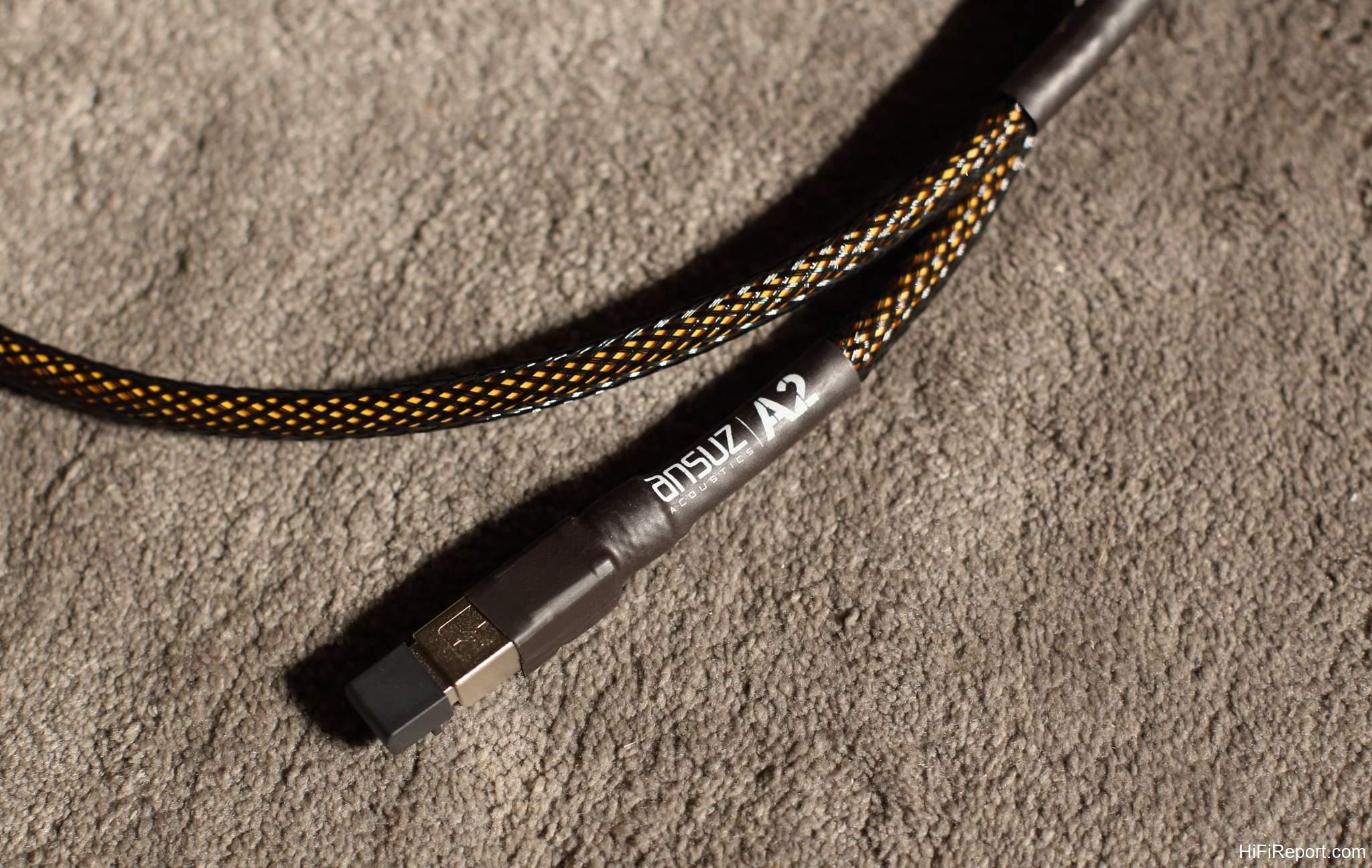
Ansuz currently offers five network cable products, ranging from entry-level to top-tier: X, A2, D2, D-TC, and D-TC Supreme. Ansuz believes that modern digital streaming demands network cables capable of transmitting high-resolution video and audio, requiring ample bandwidth and speed. Each Ansuz network cable is meticulously handcrafted in Denmark using the finest materials and rigorous construction principles, including the connector terminals.
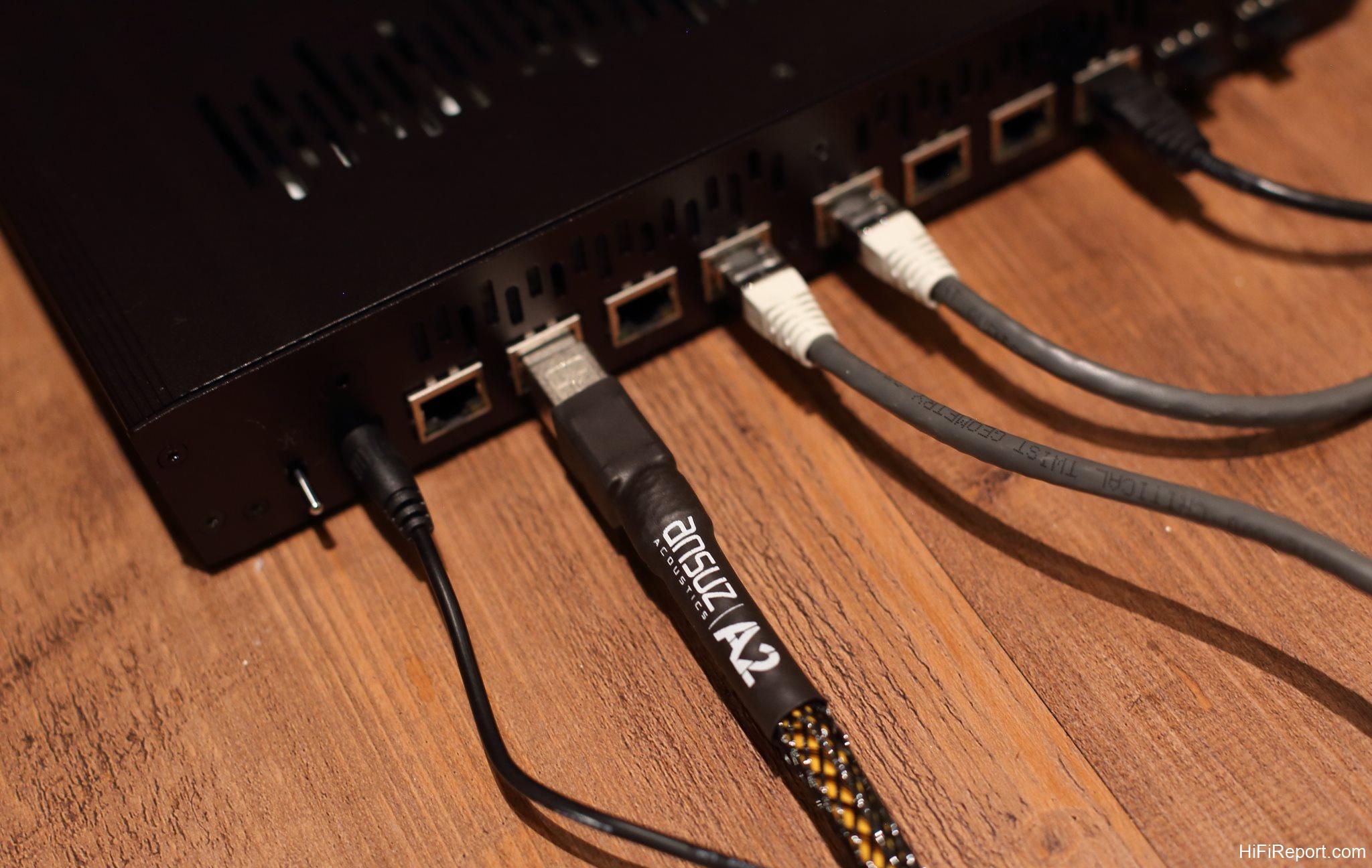
From the outset, the A2’s black braided outer layer and distinctive yellow inner wrap are visually apparent.
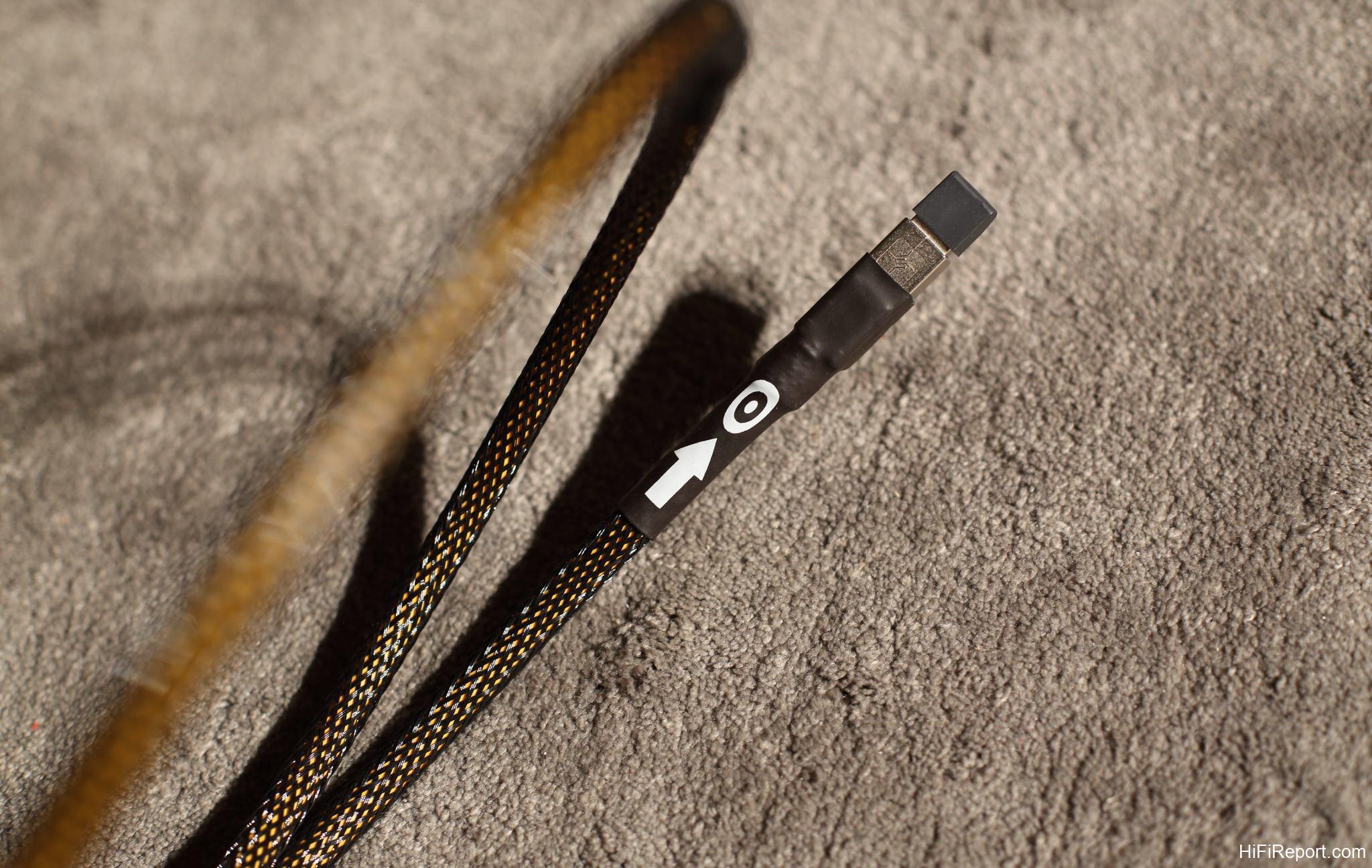
Directional markings near the connector indicate the signal receiving end. The cable itself possesses a degree of stiffness, which straightens out during use.
Ansuz cables generally do not require a specific break-in period, but their performance gradually reaches its optimal state after 100-200 hours of use.
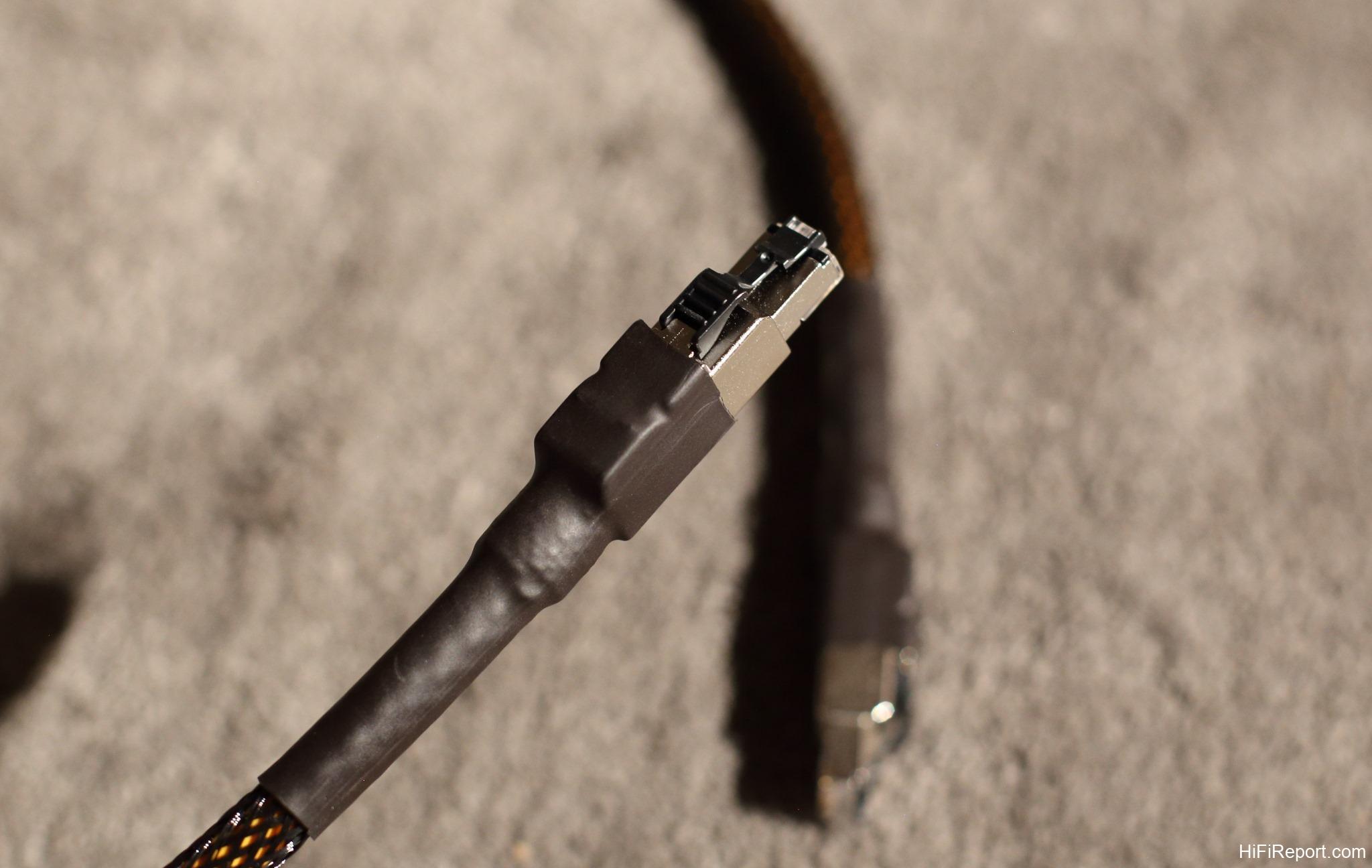
The network connector head features a black latch on top that needs to be pressed when disconnecting from equipment.
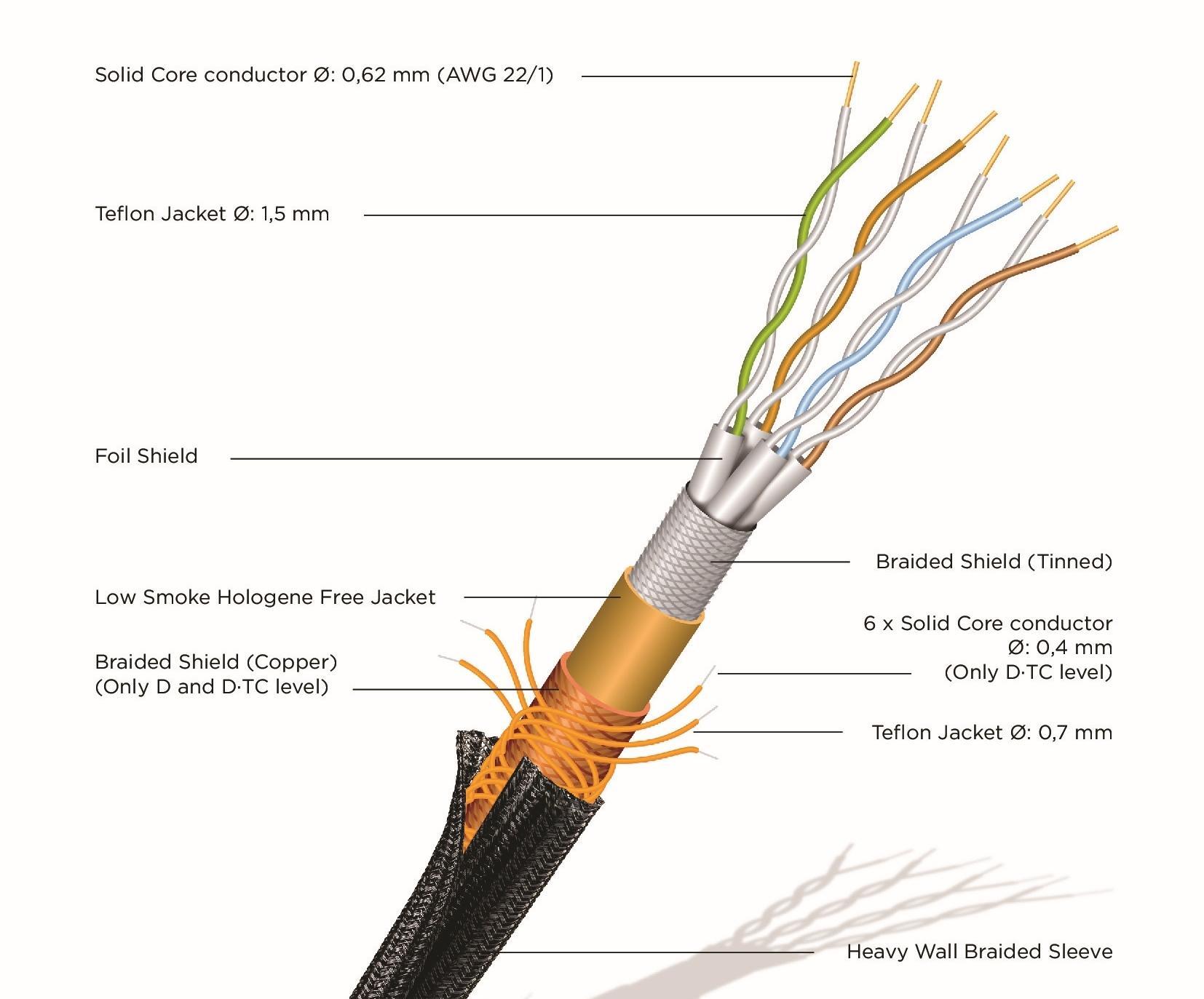
The network cables are configured with four twisted pairs, totaling eight conductors. Ansuz employs 0.62mm diameter solid-core copper conductors, each individually insulated with Teflon as the first layer, resulting in a total diameter of 1.5mm per conductor. Two conductors are then paired and shielded with aluminum foil, followed by a braided shield encasing all four pairs. The outermost layer of the cable is sheathed in a low smoke halogen-free material.
This material enhances safety by preventing the emission of toxic gases when the cable’s interior is heated. Finally, a thick black braided sleeve forms the outermost layer.
Higher-tier series incorporate an additional copper braided shield and copper conductors used in the DTC series, neither of which are included in the A2 model reviewed here. The A2 does, however, incorporate NSC and DHCS technologies.

I connected the A2 to a network HUB distributor, with the other end connected to a device equipped with digital streaming capabilities. However, the distance from the Chunghwa Telecom modem to the network HUB exceeded 30 meters, necessitating the use of our original network cable for that segment – a common scenario for many users, as deploying audiophile-grade network cables over 30-meter runs is generally impractical.
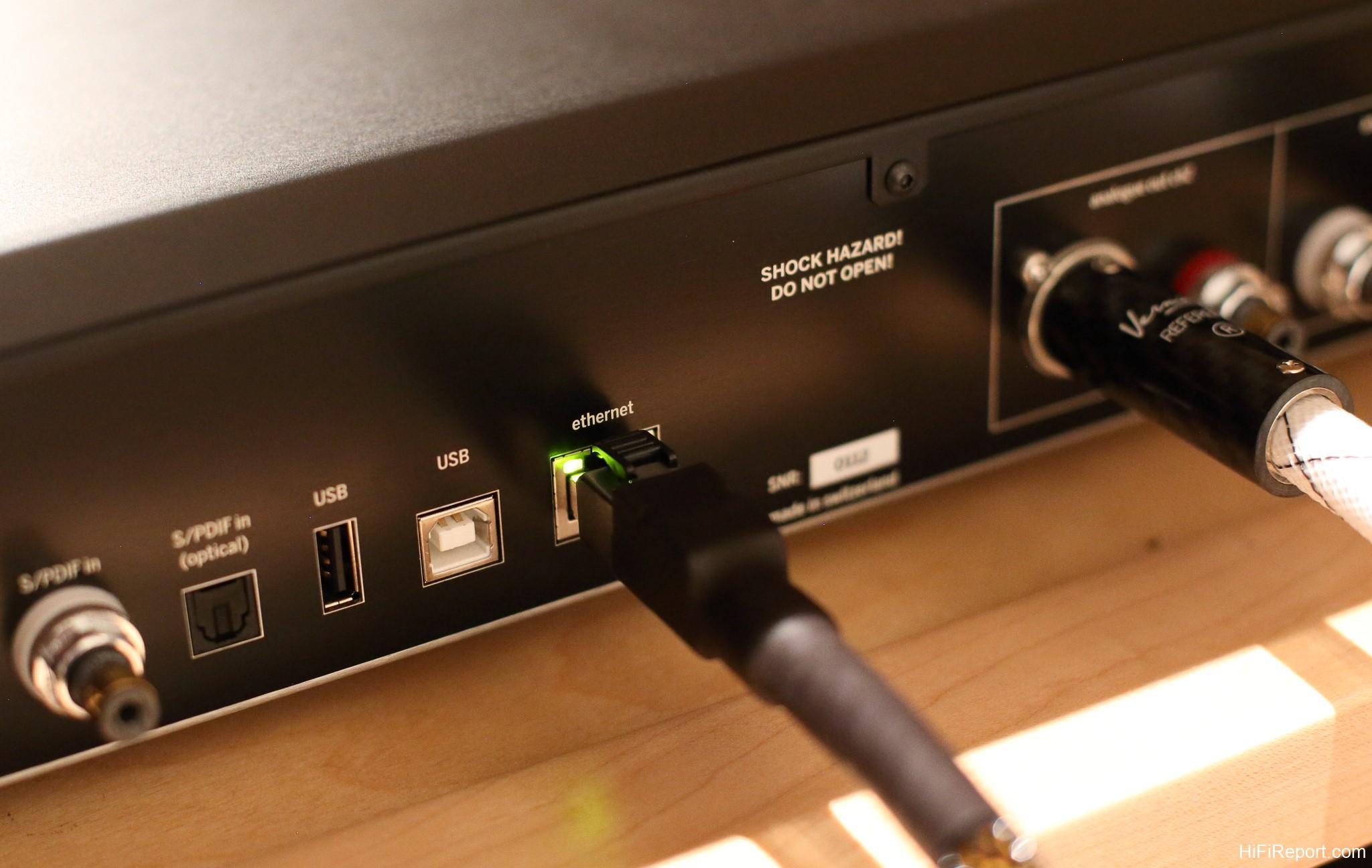
The listening tests were conducted using a Weiss 501 DAC, which features network streaming functionality. Music sources included Tidal online streaming and our own NAS, controlled via Roon. This marked our first experience testing an audiophile-grade network cable, and we were naturally curious about the potential impact – firstly, whether it would affect the sound at all, and if so, to what extent.
Noticeable Sonic Improvement
To discern the differences between our standard network cable and the Ansuz A2, we repeatedly listened to Diana Krall’s “LIVE IN PARIS.” Given the ease and speed of swapping network cables, without even needing to power down the system, I switched cables after each musical passage or song, listening again within roughly 10 seconds. This rapid A/B comparison allowed for a direct and, I believe, accurate assessment of the sonic differences.
Playing “Fly Me to the Moon,” which begins with a brief piano intro before Diana’s vocals enter, followed by enthusiastic audience applause, and then returning to the music, the A2 revealed several sonic characteristics within this roughly one-minute segment. The piano notes became rounder and fuller, and Diana’s vocals exhibited the same quality, also seeming to move slightly forward in the soundstage.
In fact, the entire presentation, including the audience applause, gained a rounder character, losing some of the sharp edges and grain present with the standard cable. With our original network cable, the audience applause sounded somewhat flat and noticeably more strident. In contrast, the A2 rendered the applause with greater nuance, revealing subtle variations in the clapping.
When listening with the original cable, the audience applause following Diana’s vocals tended to momentarily draw my attention away from her singing. However, with the A2, my focus remained more firmly on the vocals. I believe this is because the A2 made her voice sound fuller and more intimate, holding my attention more effectively, while the less strident and somewhat harsh applause was less distracting.

Enhanced Roundness and Fullness
Next, we played the finale from “The Firebird Suite” in 《Tutti》, “L’oiseau de feu, concert suite for orchestra No.2: Finale.” From the outset, the A2 presented a notably quieter background. The strings began with a soft murmur, gradually building as woodwinds and percussion joined, culminating in a powerful crescendo. The timpani in the distance became tighter and more agile. The triangle strikes were particularly revealing of the A2’s impact.
The slight harshness previously present in the percussion was now replaced by greater clarity and stability. As the drums rolled and the brass section entered with full force, the sound became more cohesive, with a reduction in any sense of strain or impending distortion. The A2’s contribution to sonic roundness was consistently evident. Instrumental images became fuller and more substantial, gaining a touch of ‘meatiness,’ with the improvements becoming more pronounced at higher frequencies.
Increased Detail and Soundstage Definition
From Beyond’s compilation album 《SACD Best Collection》, we selected their iconic track “Boundless Oceans, Vast Skies” (). The opening piano chords sounded distinctly clearer and more authoritative through the A2. These initial piano notes immediately highlighted the difference between the A2 and our original network cable.
Regarding the overall performance, perhaps due to recording characteristics, the original network cable made the presentation sound somewhat hollow and distant, as if the band were performing on a large but empty stage – lacking a sense of solidity. However, the A2 improved this aspect, and the trailing details of the vocals became more apparent, such as the subtle vibrato and throat sounds. The A2 brought a greater sense of intimacy to the entire song.
The effect of increased sonic roundness was again evident in the electric guitar and the higher registers of the piano.
The Final Piece of the Digital Streaming Puzzle
After switching to the Ansuz A2, the sound quality undeniably improved. While network cables are solely responsible for transmitting digital signals of 0s and 1s, they, like other digital cables, can influence the final sound. In our tests, the timbre and overall sonic character remained consistent, but the A2 noticeably reduced sonic grain, smoothed out the high frequencies, and enriched the mid-range. Overall, the sound quality was indeed enhanced.
The change wasn’t a dramatic, immediately jaw-dropping transformation, but careful listening revealed a smoother, more enjoyable musicality and the retrieval of finer details. For users primarily relying on digital streaming, I recommend exploring audiophile network cables. They might just be the final piece of the puzzle to complete your system.
Ansuz A2 Network Cable Highlights
* Handcrafted in Denmark
* High Bandwidth, High-Speed Transmission
* Multi-Layer Shielding Structure
* Proprietary NSC and DHCS Technologies
Specifications
* **Conductor Material:** Solid-core copper
* **Conductor Diameter:** 0.62mm
* **Insulation:** Teflon
* **Conductor Bundle Diameter:** 1.5mm
* **Shielding:** Aluminum foil, Braided Shield
* **Outer Sheath Material:** Low Smoke Halogen Free
* **Outer Sleeve:** Black Braided Sleeve
* **Cable Configuration:** Four Twisted Pairs, Eight Conductors
* **Technology:** NSC, DHCS