
Apple AirPods 4 Review
Overview
The Apple AirPods 4 mark the fourth generation of Apple’s iconic open-ear wireless earbuds, released in September 2024. They replace both the AirPods 2 and AirPods 3 in Apple’s lineup, bringing a redesigned shape, the powerful H2 chip borrowed from the AirPods Pro 2, and notably improved sound quality. For the first time, Apple split the AirPods 4 into two distinct versions: a standard model and a step-up model with active noise cancellation. This review focuses on the standard version, which lacks ANC but shares the same driver technology and core audio performance as its more expensive sibling.
The standard AirPods 4 target users who prefer an open-ear design that doesn’t block the ear canal. They sit just outside the canal rather than sealing it with silicone tips, making them appealing for people who find in-ear tips uncomfortable. While this open design carries inherent trade-offs—namely poor isolation and sound leakage—the AirPods 4 manage to deliver surprisingly robust audio for this form factor, with bass response that previous generations simply couldn’t produce.
Apple has positioned these as its most affordable AirPods yet. However, they face stiff competition from other earbuds that offer active noise cancellation, multi-point Bluetooth pairing, and superior sound detail. The question is whether seamless Apple integration and improved audio are enough to justify the compromises.
Design and Build
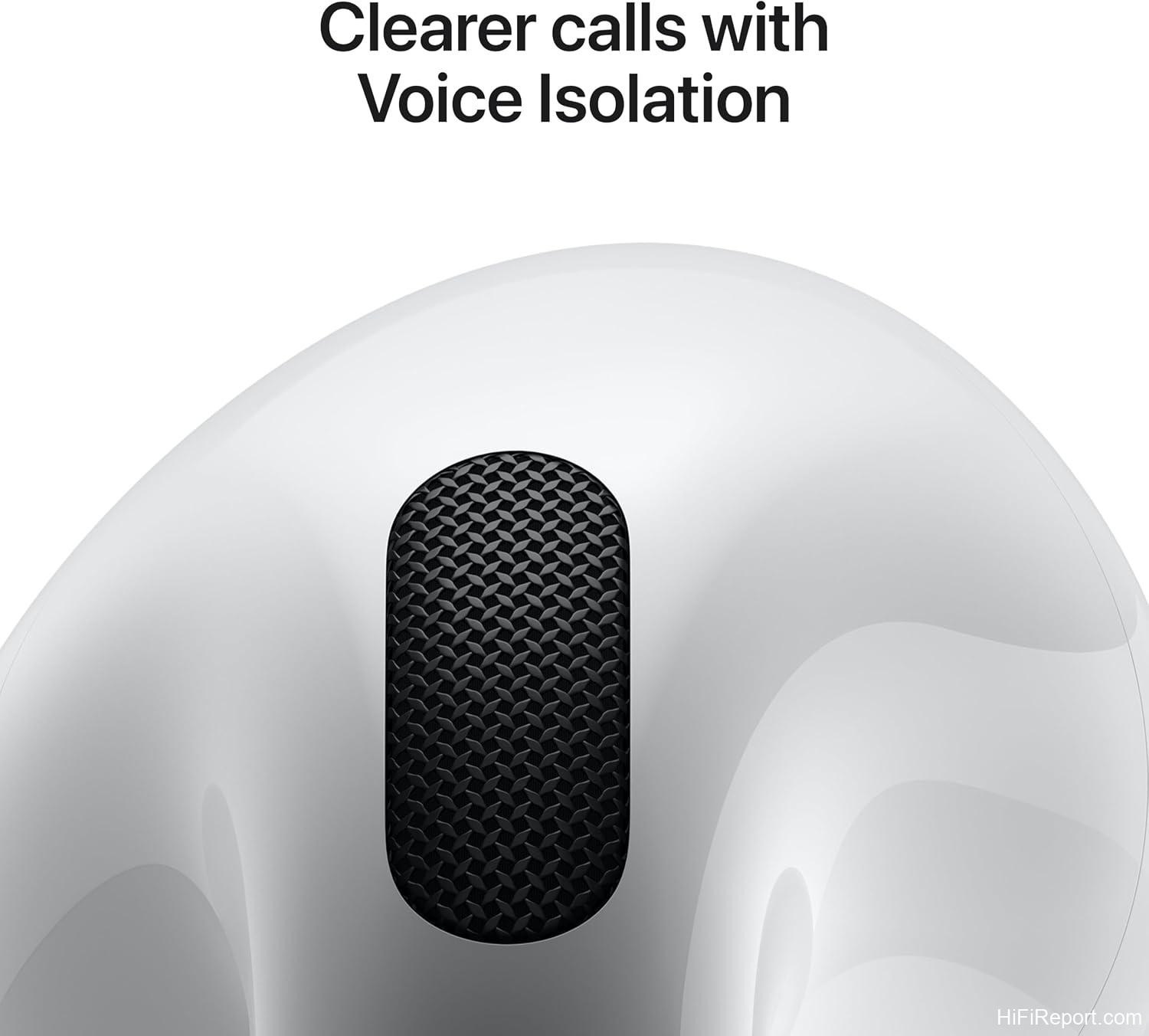
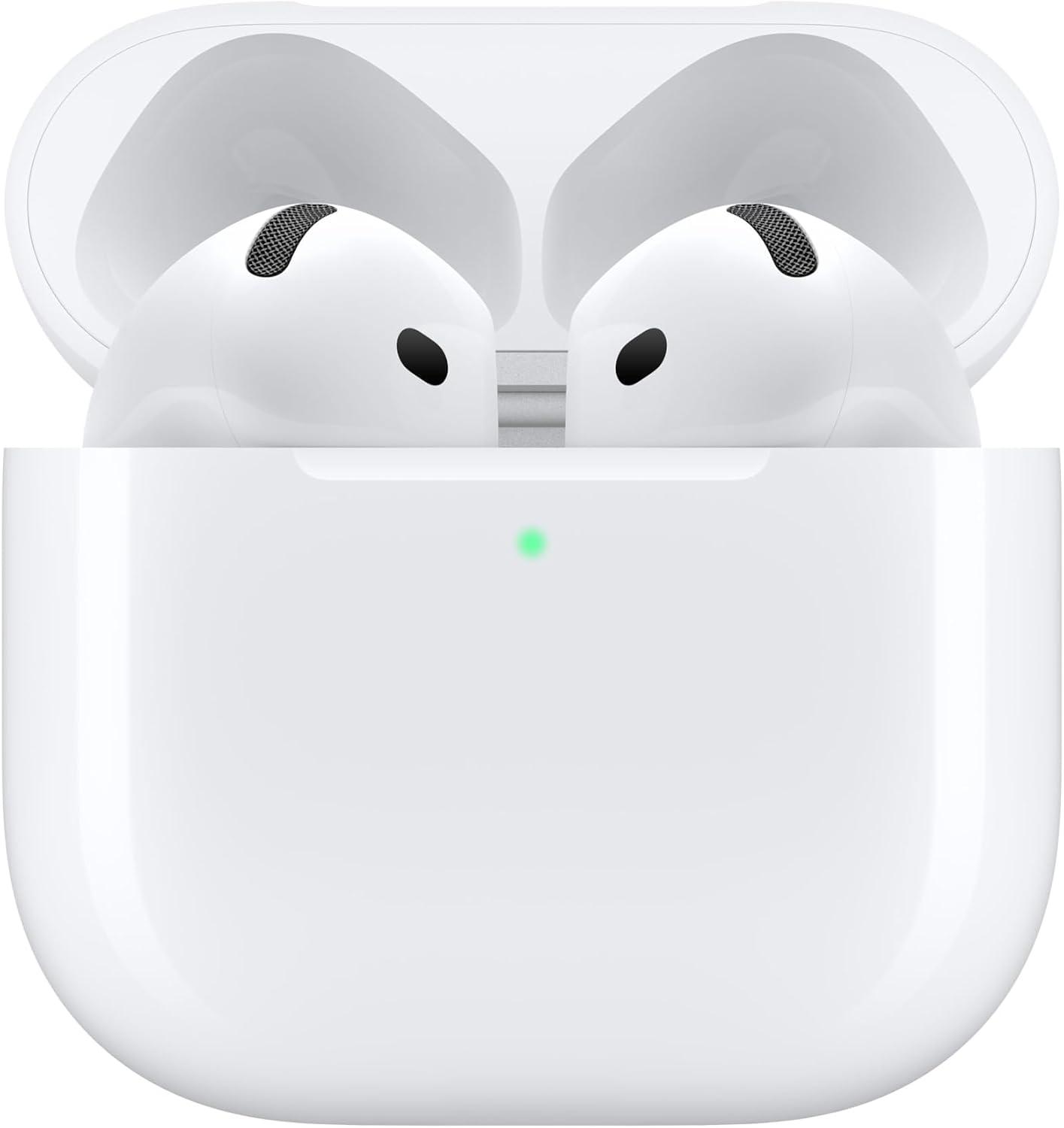
The AirPods 4 closely resemble their predecessors but feature a more refined contour. Apple redesigned the buds with a more angled shape intended to improve fit security across a wider range of ears. The black vents have been repositioned, and the oval grilles are narrower than before. At 4.3 grams per bud, they weigh the same as the AirPods 3, though the overall footprint is slightly smaller—a cross between the AirPods 2 and AirPods 3 in size.
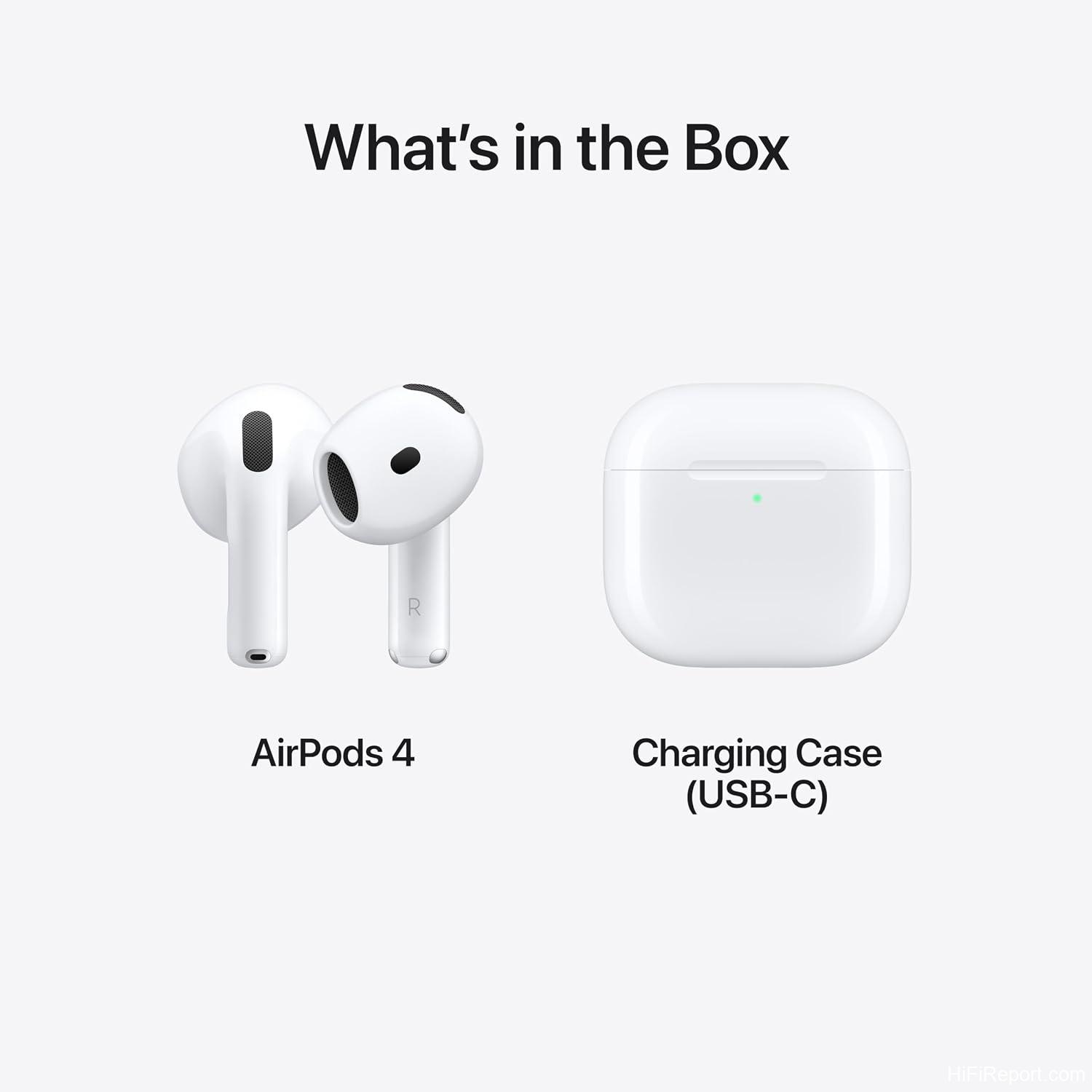
The case has been updated to USB-C charging, aligning with Apple’s broader transition away from Lightning. However, the standard model’s case lacks wireless charging support and doesn’t include the built-in speaker found in the ANC version’s case, which aids Apple’s Find My feature. The case measures 46.2 x 50.1 x 21.2 mm and weighs 32.3 grams, making it quite portable and pocket-friendly.
Build quality is solid, as expected from Apple. The earbuds and case both carry an IP54 rating for dust and water resistance, a meaningful upgrade over previous generations. This makes them suitable for workouts and outdoor use, though they’re not designed for swimming or submersion. The shiny white plastic finish is familiar and retains the classic AirPods aesthetic.
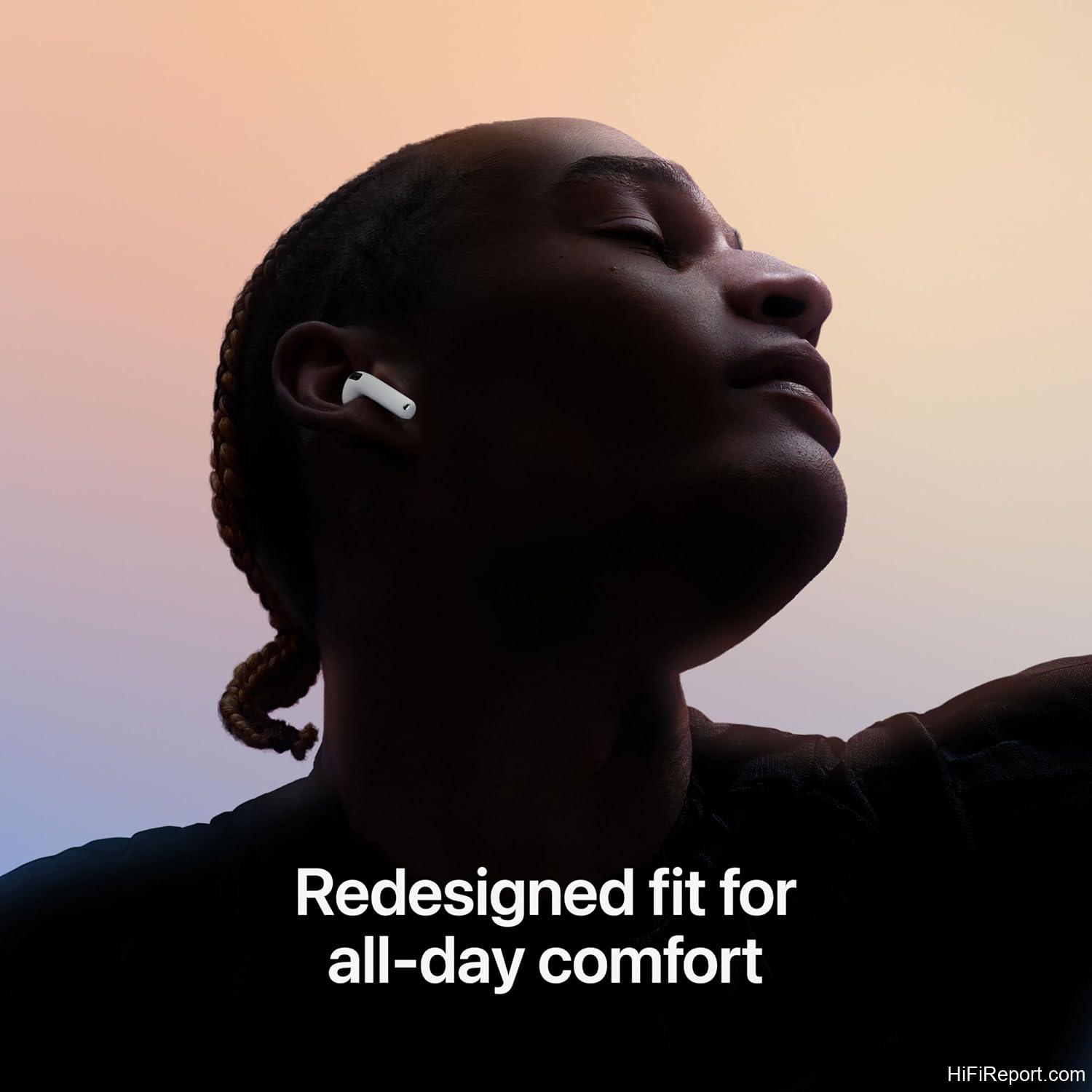
Fit remains the most polarizing aspect. The one-size-fits-all design means your experience will depend heavily on your ear shape. Multiple expert reviewers noted that fit can be inconsistent from ear to ear, with one ear often achieving a more secure fit than the other. This inconsistency can create sound imbalance issues. SoundGuys specifically advised trying them before buying, as the new shape may or may not suit your ears better than the previous generation. CNET’s reviewer noted marginally better fit in their right ear than their left, a common issue with non-customized earbuds.
The force sensor controls on the stems are a highlight. The pinch-style controls are intuitive and easy to use, handling calls, playback, Siri activation, and track navigation. TechRadar praised this control scheme as genuinely likeable, calling it one of the better implementations on the market.
Sound Quality
Sound quality is where the AirPods 4 make their most significant strides. GearLab’s audio experts spent countless hours with the AirPods 4 across a diverse playlist and noted a noticeable improvement over previous generations. More audible low-end frequencies give the audio a richer, more rounded feel. For the first time in an AirPods model, bass frequencies are present and fairly robust. While they won’t satisfy true bass enthusiasts who listen to EDM and hip-hop at high volumes, the low-end adds genuine depth.
The mid-tones are also fuller, with clean and realistic vocals and instruments creating a balanced mix. GearLab’s testing revealed excellent separation between instruments. In one test track, they could discern harmonica, bass, percussion, acoustic guitar, organ, and piano simultaneously, each maintaining its unique timbre while blending harmoniously. The harmonica sounded vibrant rather than piercing, the guitar carried warmth, and the bass provided a subtle foundation without overpowering the mids.
PCMag echoed this assessment, calling the audio performance exceptional for an open-ear design. The AirPods 4 are capable of reproducing sub-bass frequencies—a notable advancement given that the open design doesn’t seal the ear canal. Custom 11mm high-excursion drivers work with high dynamic range amplifiers to deliver this improved sound. PCMag praised both the impressive bass response and crisp highs.
However, the sound isn’t without limitations. TechRadar noted a lack of fine detail compared to mid-range competitors, meaning music lacks that extra layer of realism and deep satisfaction that discerning listeners might crave. The open-ear design also allows significant ambient sound to leak in, which interferes with audio fidelity—especially in noisy environments. There’s no user-adjustable EQ to compensate for these shortcomings.
Adaptive EQ and personalized spatial audio with head tracking add sophistication, but GearLab found they don’t significantly enhance the overall soundscape. That said, TechRadar praised the spatial audio experience with movies, calling it a genuine treat that adds immersion when watching content on Apple devices. The head-tracked spatial audio creates a theater-like experience that few competitors can match within the Apple ecosystem.
Features and Performance
The H2 chip is the centerpiece of the AirPods 4’s feature set. Shared with the AirPods Pro 2, this chip improves overall performance and enables several advanced capabilities. The redesigned venting system and relocated H2 chip, now positioned in the stem, contribute to the improved audio performance and processing efficiency.
Hands-free Siri is a standout feature. You can activate Siri simply by speaking, without needing to tap the earbuds or your device. Gesture-based interactions extend to nodding yes or no to respond to Siri announcements, adding a layer of hands-free convenience that’s particularly useful while exercising or cooking.
Personalized spatial audio with head tracking creates an immersive, theater-like experience when watching movies or TV shows on Apple devices. TechRadar specifically highlighted this as one of the AirPods 4’s best features, noting that spatial audio with movies is always a treat for Apple users. The dynamic head tracking maps the sound field to your movements, creating a convincing sense of space.
Copyright protected. First published on hifireport.com; any unauthorized copy violates the intellectual property rights of hifireport.com.
However, the standard AirPods 4 omit several features found on the ANC version. There’s no active noise cancellation, no Transparency mode, and no Conversation Awareness. The case lacks wireless charging and the Find My speaker. These omissions are significant if you frequently use your earbuds in noisy environments or value the convenience of wireless charging. PCMag noted these differences clearly, pointing out that the entry-level model lacks Conversation Awareness and Transparency modes entirely.
The biggest limitation for non-Apple users is the lack of standard Bluetooth multi-point pairing. Nearly all competitors at this level offer multi-point pairing, allowing seamless switching between an iPhone and a Windows laptop or Chromebook. The AirPods 4 only offer seamless device switching within the Apple ecosystem. TechRadar highlighted this as a major drawback, noting that nearly all competing earbuds offer multi-point pairing along with better sound, ANC options, and on-ear volume control. Multiple reviewers explicitly stated that Android users should look elsewhere, as should anyone seeking cross-platform flexibility.
Battery Life
Battery life is one of the AirPods 4’s weaker areas. The earbuds deliver up to 5 hours of listening time on a single charge, with the case providing additional charges for a total of 25 hours. While these numbers are adequate for daily use, they fall short of what many competitors offer.
GearLab scored battery life at 4.8 out of 10, and SoundGuys rated it 6.4 out of 10—both indicating room for improvement. CNET noted that battery life could be better, listing it as a con for both the standard and ANC versions. The open-ear design may contribute to this limitation, as the earbuds need to work harder to deliver bass without the passive seal that in-ear tips provide.
The USB-C charging case is a welcome update, bringing the AirPods in line with the current standard. However, the standard model’s case doesn’t support wireless charging, a notable omission. If wireless charging matters to you, you’d need to step up to the ANC version. SoundGuys rated portability at 9.6 out of 10, reflecting the compact and lightweight case design that makes the AirPods 4 easy to carry anywhere.
Call Quality
Call quality is a relative strength for the AirPods 4. GearLab scored it at 6.9 out of 10—the highest individual category score in their assessment. CNET praised the excellent voice-calling performance, noting it as a key pro for both versions of the AirPods 4.
The H2 chip’s processing power likely contributes to this strong performance, handling voice isolation and background noise reduction effectively. The microphone array picks up voice clearly while minimizing ambient noise, making the AirPods 4 suitable for phone calls, video conferences, and voice recordings in moderately noisy environments.
This is particularly impressive given the open-ear design, which inherently allows more ambient noise to reach the microphone. The AirPods 4 manage to overcome this limitation through software processing, delivering call quality that exceeds what you might expect from open-style earbuds. For users who take a lot of calls on the go, this is a meaningful advantage.
What Customers Are Saying
The AirPods 4 have earned a 4.6 out of 5 rating on Amazon based on nearly 15,000 ratings. This high aggregate score suggests broad customer satisfaction, particularly given the large sample size. While individual review text wasn’t available for detailed analysis, the rating indicates that most buyers are pleased with their purchase.
The strong rating likely reflects the combination of improved sound quality, comfortable fit, and seamless Apple integration that the AirPods 4 deliver. For users deeply embedded in the Apple ecosystem, the AirPods 4 offer a frictionless experience that’s hard to replicate with third-party earbuds. The auto-switching between Apple devices, hands-free Siri, and spatial audio all contribute to a polished user experience.
However, the rating doesn’t capture the experiences of users who may have returned the product due to fit issues. Given that multiple expert reviewers noted inconsistent fit from ear to ear, some customers likely found the one-size-fits-all design didn’t work for them. The open-ear design’s poor isolation and sound leakage may also disappoint users coming from in-ear models with silicone tips.
Pros and Cons
Pros:
- Improved sound quality with present, fairly robust bass—a first for open-ear AirPods
- H2 chip shared with AirPods Pro 2 enables advanced features and processing
- Excellent call quality with effective voice isolation
- Comfortable open-ear design for those who dislike in-ear tips
- Intuitive force sensor controls with pinch-style operation
- IP54 water and dust resistance for both earbuds and case
- Seamless Apple ecosystem integration with auto-switching and spatial audio
- Hands-free Siri with gesture-based interactions
- USB-C charging case aligns with current standards
- Compact, portable design with smaller footprint than AirPods 3
Cons:
- No active noise cancellation on the standard version
- No Transparency mode or Conversation Awareness
- No wireless charging on the standard case
- No Find My speaker in the standard case
- Inconsistent fit from ear to ear due to one-size-fits-all design
- Poor isolation inherent to the open-ear design
- No user-adjustable EQ
- No Bluetooth multi-point pairing outside Apple ecosystem
- Features limited to iOS—Android users should look elsewhere
- Sound lacks fine detail compared to mid-range competitors
- Battery life could be better at 5 hours per charge
- Sound leakage from open design interferes with audio fidelity
Verdict
The Apple AirPods 4 are a solid upgrade over their predecessors, delivering improved sound quality, a more refined design, and the powerful H2 chip at Apple’s most accessible AirPods price point. For users entrenched in the Apple ecosystem who prefer an open-ear design, they’re an easy recommendation. The seamless integration, hands-free Siri, spatial audio with movies, and excellent call quality create an experience that’s hard to match with third-party alternatives.
However, the standard AirPods 4 aren’t for everyone. The one-size-fits-all design means fit is a gamble—you should try before buying if possible. The lack of active noise cancellation, Transparency mode, and wireless charging on the standard model are notable omissions. The open-ear design’s poor isolation and sound leakage are inherent limitations that no amount of engineering can fully overcome. And if you use Android or Windows devices, most of the features that make these earbuds special simply won’t work.
Expert reviewers were somewhat divided. PCMag rated them 4.0 out of 5, calling them excellent and praising their exceptional audio for an open-ear design. CNET gave the standard version 8.3 out of 10, highlighting the improved sound and voice-calling performance. GearLab was more critical, scoring them 56 out of 100 overall, noting that while better than ever, they still struggle to compete with other top options on the market. TechRadar acknowledged they’re good but suggested you can do better, pointing to competitors that offer ANC and multi-point pairing. SoundGuys rated them 6.4 out of 10, calling them the best value AirPods ever but cautioning that experience depends heavily on fit.
© hifireport.com – Original review content by hifireport.com. Reprinting without written permission is not allowed.
The bottom line: if you’re an Apple user who wants open-ear earbuds with great integration and don’t need noise cancellation, the AirPods 4 are a strong choice. If you need ANC, better isolation, or cross-platform compatibility, look elsewhere—either to the AirPods 4 with ANC or to competing earbuds from Sony, Nothing, and others that offer more features for similar or less money. Pricing varies, so check the product page for current figures.
Specifications
- Brand: Apple
- Model: AirPods 4 (4th Generation)
- Type: Open-style true wireless earbuds
- Chip: H2 headphone chip
- Driver: Custom 11mm high-excursion driver with high dynamic range amplifier
- Connection: Bluetooth
- Color: White
- Weight: 4.3g per earbud; 32.3g case
- Dimensions: 30 x 18 x 18 mm (earbud); 46.2 x 50.1 x 21.2 mm (case)
- Water Resistance: IP54 (earbuds and case)
- Battery Life: Up to 5 hours (earbuds); up to 25 hours total (with case)
- Charging: USB-C
- Controls: Force sensor (calls, playback, Siri, track navigation)
- Spatial Audio: Personalized Spatial Audio with head tracking
- Hands-Free Siri: Yes
- Adaptive EQ: Yes
- Active Noise Cancellation: No
- Transparency Mode: No
- Conversation Awareness: No
- Wireless Charging Case: No
- Find My Speaker: No
- Release Date: September 2024
