
AURALiC ALTAIR DAC Network Streamer Review
AURALiC recently introduced the ALTAIR, a new device focusing on digital streaming. It supports both wired and wireless network streaming and integrates a DAC for direct analog signal output, allowing it to deliver its full potential simply by connecting to a power amplifier. The ALTAIR boasts a wealth of source functionalities, offering various digital input methods.
Through network connectivity, it can access external storage sources like NAS and computers, connect to Airplay and Bluetooth wireless transmission devices, and natively play Tidal, Qobuz, and internet radio. It also supports SongCast and Roon Ready, and even allows for internal hard drive installation for music storage, making it incredibly versatile.
The ALTAIR is currently available in silver and black. As it features wireless transmission, accessories include two antennas, a remote control, a power cord, a USB cable, and a user manual.
In terms of appearance, the ALTAIR shares the exact same dimensions as AURALiC’s VEGA. While the VEGA is a high-caliber standalone DAC, the ALTAIR surpasses it in functionality. Whether you are familiar with AURALiC or not, this is a good opportunity to comprehensively introduce the product positioning and distinctions within this relatively new brand.
AURALiC Product Lineup Explained
In recent years, AURALiC has launched numerous new digital products, some sharing common functionalities, but each with a distinct positioning. Here, we clarify the features and target audience for each of their current digital offerings, which primarily consist of four models:
1. VEGA (High-Quality Digital-to-Analog Converter – DAC): Higher price point, medium size.
2. ARIES (Wireless Streaming Bridge): Mid-range price, small size.
3. ARIES MINI (Mini Wireless Streaming Node): Lower price point, ultra-small size.
4. ALTAIR (Wireless Streaming DAC): Mid-range price, same size as VEGA.
VEGA: Dedicated DAC
Firstly, the VEGA is purely a DAC, ideally suited for high-end systems and priced accordingly. The technology and circuit layout within the VEGA are specifically designed for top-tier setups, with meticulous attention to power purity and isolation from external interference. High-resolution file support is crucial in high-end systems, and the VEGA currently handles DXD and 4x DSD natively. PCM files are internally upsampled to 32Bit/1.5MHz via chip processing.
Furthermore, it incorporates a FemtoSeconds clock, achieving a correction precision within 82 femtoseconds (0.082 picoseconds). (Suitable for audiophiles with higher budgets and demands, who already possess a complete high-end system).
ARIES: Streaming Bridge
The ARIES, named “Wireless Streaming Bridge,” is essentially a digital file streaming processor without an internal DAC. It connects to user’s computers, NAS devices, or online music services like Tidal and internet radio via wired or wireless networks. It then transmits the music files to an external DAC. It boasts high-specification wireless transmission capabilities, including DXD and 2x DSD. Input options include Wi-Fi, Ethernet, and USB, while outputs are USB, AES/EBU, coaxial, and optical.
The ARIES also has a “LE” version with an independent linear power supply, making it an excellent partner for the VEGA in a high-quality streaming system. (Suitable for audiophiles aiming to build a high-quality network streaming playback system).
ARIES MINI: Mini Streaming Node
As the name suggests, the ARIES MINI is a miniaturized version of the ARIES. “Mini” refers to it having all the functionalities of the ARIES, but with a smaller size and simpler architecture. Consequently, its input and output terminals are not as comprehensive as the ARIES. “Extended” implies that the ARIES MINI adds an analog output, meaning it includes a built-in DAC module, utilizing the ESS Sabre ES9018K2M DAC chip. Its format support is remarkably extensive, reaching DXD and 4x DSD files.
Additionally, the ARIES MINI can accommodate a 2.5-inch hard drive internally, further enhancing its functionality compared to the ARIES. With a very affordable price, it offers exceptional value for money, making it ideal for music lovers new to digital systems or audiophiles making their first foray into AURALiC products. (Suitable for music lovers seeking to build a network streaming playback system, emphasizing ease of use and all-in-one functionality).
ALTAIR: Streaming DAC
Choosing the ALTAIR can stem from a few reasons. Firstly, users who find the ARIES MINI convenient and appealing but desire improved sound and performance will find the ALTAIR a natural upgrade. While matching the ARIES MINI in functionality, the ALTAIR offers more comprehensive connectivity, including balanced analog outputs and
Headphone Output
.
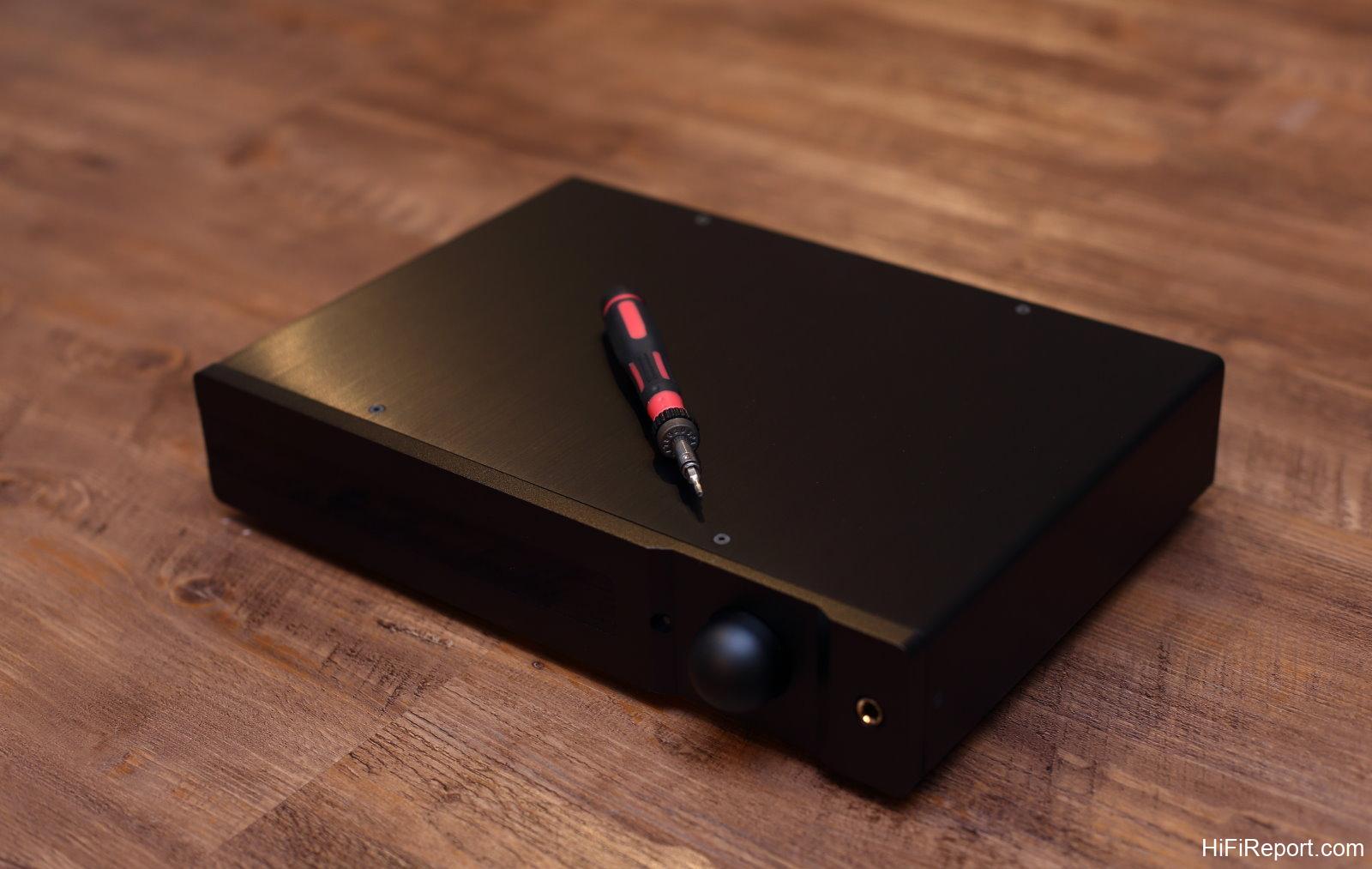
Secondly, for those considering a high-quality network digital source system comprised of a VEGA and ARIES combination, but hesitant due to the higher cost, the ALTAIR provides all the capabilities of the aforementioned three products while maintaining a high standard of quality.
Opting for the 1TB SSD version of ALTAIR = NAS + ARIES + VEGA
, but as an integrated unit, it saves significantly on cost and space.
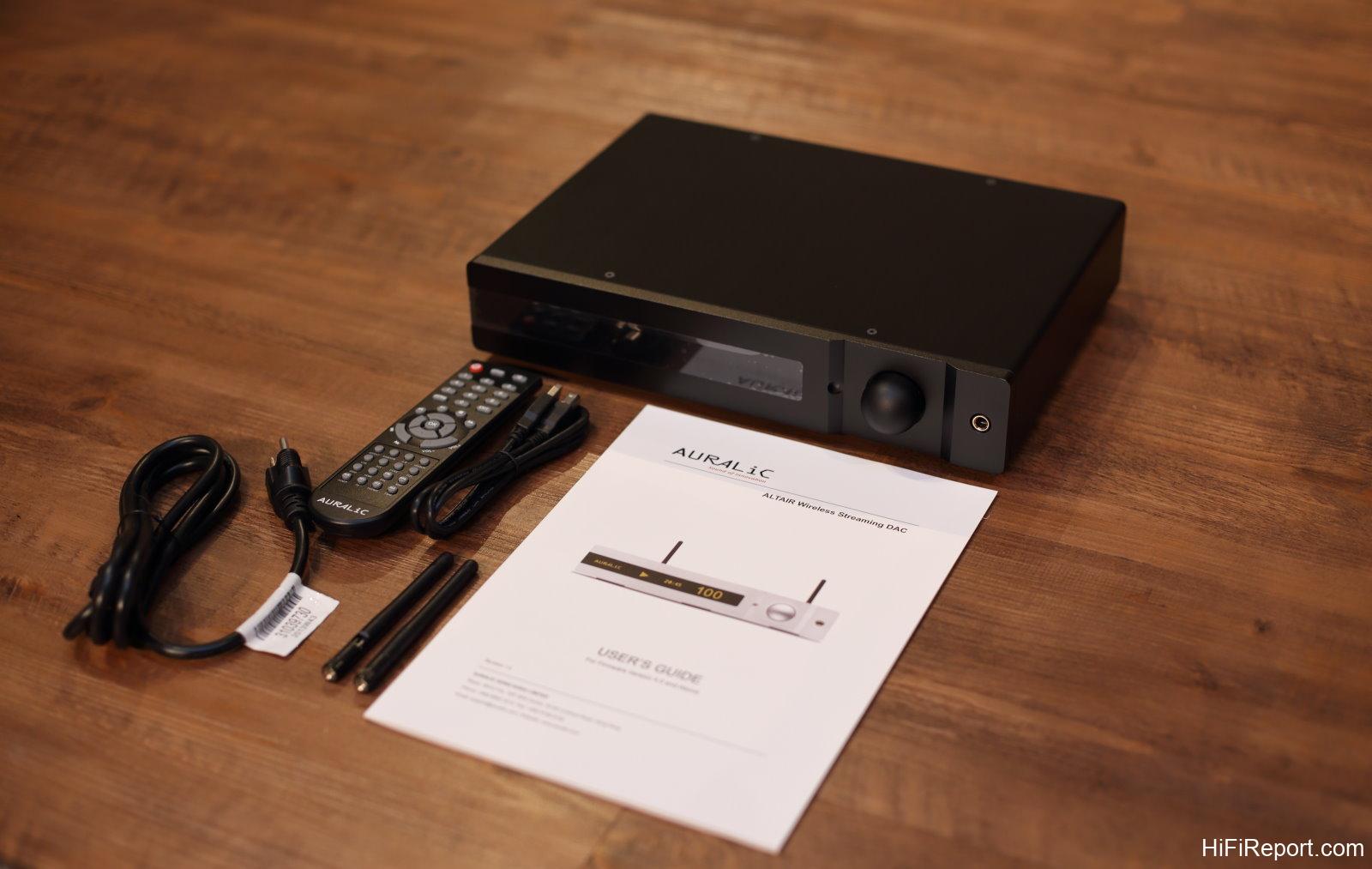
Thirdly, the ALTAIR is priced lower than the VEGA, inheriting the essence of VEGA’s decoding circuitry. For those who admire the VEGA but are deterred by its price, the hard drive-less ALTAIR version becomes a highly worthwhile option, additionally gaining wireless network streaming functionality.
(Suitable for music lovers with sound quality demands but facing space or budget constraints, the ALTAIR balances functionality, price, and performance excellently, encompassing the capabilities of the other three models).
ALTAIR Feature Highlights
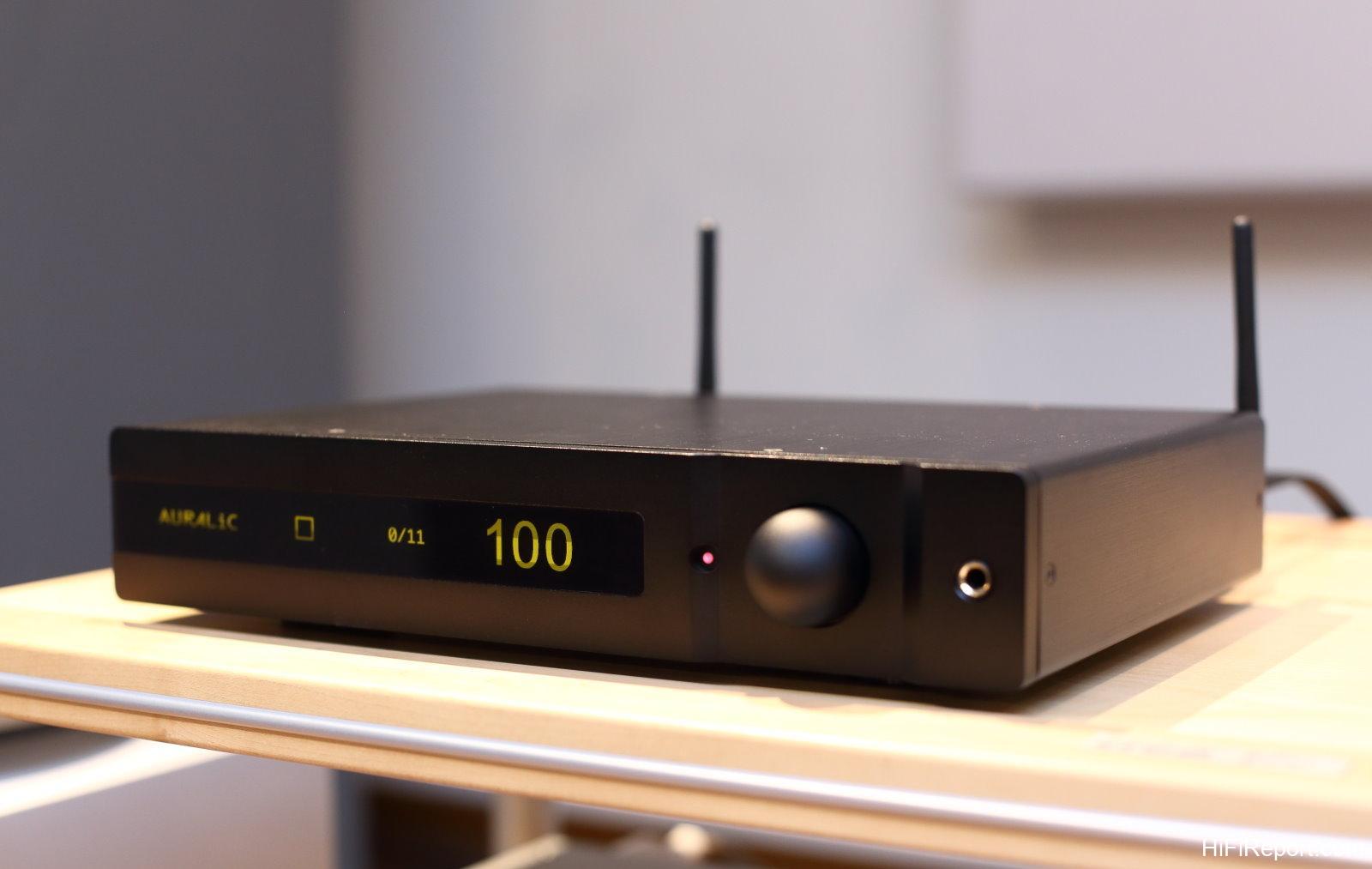
Having gained a preliminary understanding of AURALiC’s product line, let’s return to our main subject, the ALTAIR. The ALTAIR combines network streaming source, wireless transmission, wired transmission, internal storage space, digital-to-analog conversion system, two-channel analog output, and headphone output. From digital signal input to analog signal output, the ALTAIR is virtually all-encompassing.
High-Quality Wireless Streaming & Playback Logic
AURALiC has incorporated numerous outstanding technologies and specifications into the ALTAIR, including “High-End Wireless Streaming.” Leveraging their excellent Lightning streaming technology, AURALiC’s wireless streaming can achieve DXD and 4x DSD file transmission over Wi-Fi, which is remarkable. It also features “gapless playback,” “multi-room functions,” and the latest “memory playback.”
Memory playback technology pre-loads the entire song into the device’s storage system for temporary buffering before playback. During playback, there is no network data transmission, ensuring the best possible sound quality.
Multiple Signal Source Support
The ALTAIR’s compatibility is extensive, designed as the central music hub for the home. It offers up to 15 signal input sources. Using AURALiC’s proprietary Lightning DS app, users can stream TIDAL, Qobuz, internet radio, and it supports AirPlay, Songcast, Bluetooth, Spotify, and any music service transmitted from smart devices or computers. Additionally, AES/EBU, coaxial, optical, and USB inputs are provided for connecting other source devices.
Dual-Frequency Femto Master Clock System
The AURALiC ALTAIR features a dual-frequency Femto Master Clock system. This system is custom-optimized for the internal ESS Sabre DAC chip, providing master clock signals for 44.1kHz and multiples of 44.1kHz, as well as 48kHz and its multiples. It consistently provides the ALTAIR with highly precise clock signals.
The master clock system used in the ALTAIR is identical to the “EXACT mode” in the VEGA’s master clock signal, which is also the most commonly used clock mode by VEGA users (VEGA has different switchable clock modes, while ALTAIR has a fixed mode).
Linear Power Supply
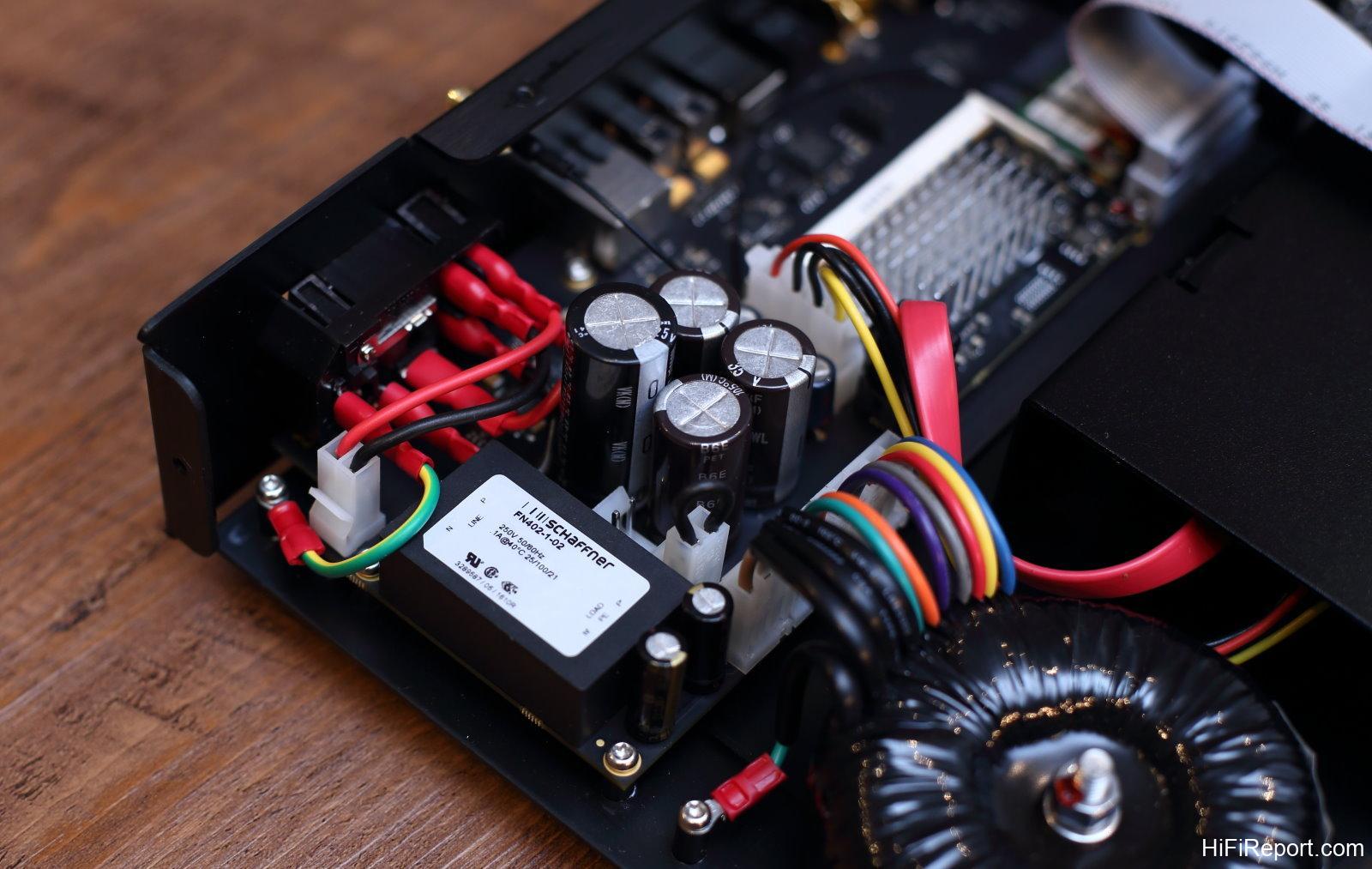
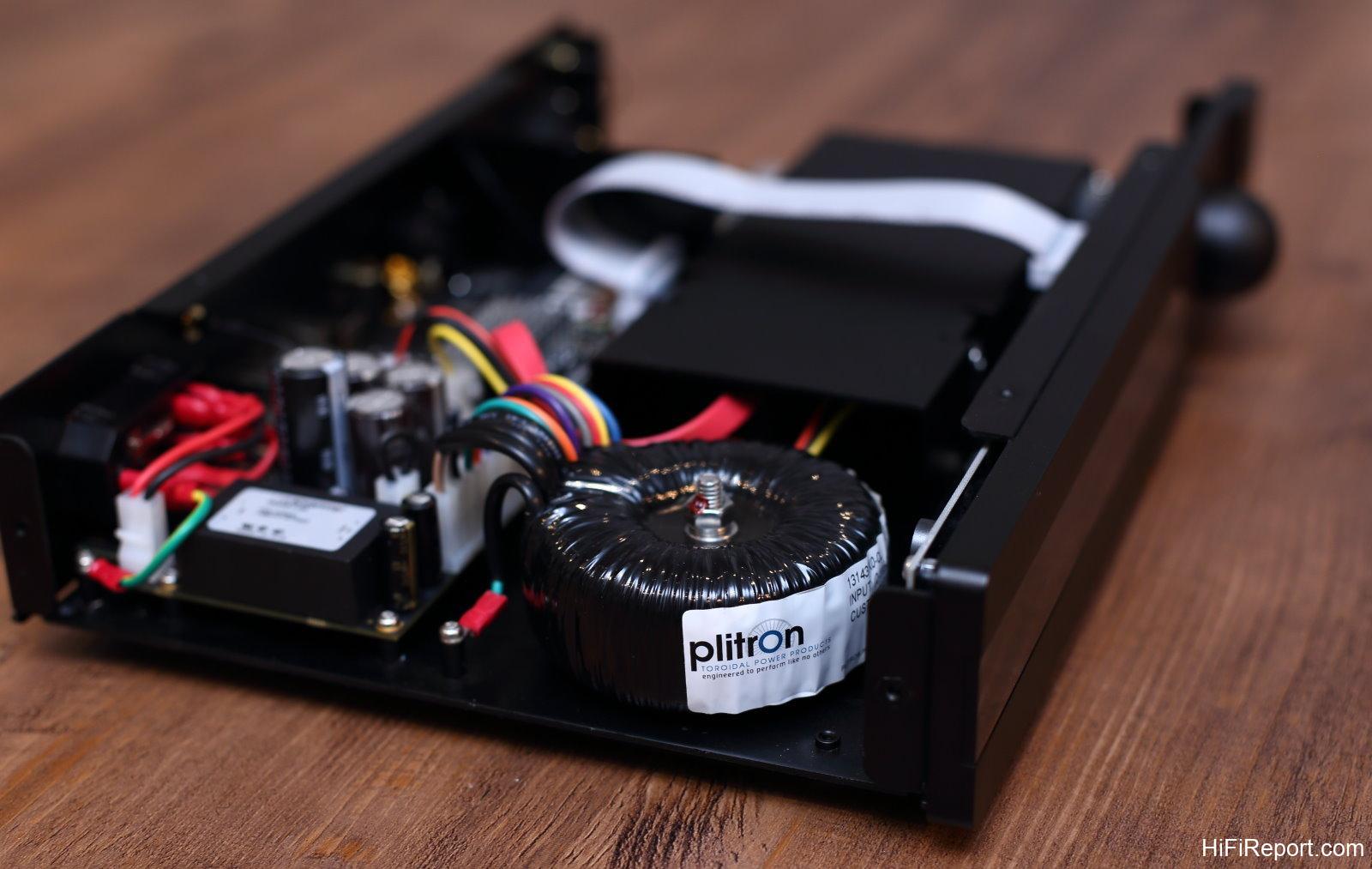
The ALTAIR employs a linear power supply. In this price range, an increasing number of DAC products on the market are adopting cost-effective switching power supplies. However, the ALTAIR uses a more expensive linear power supply, known for its superior signal-to-noise ratio. Through Purer-Power linear power supply technology, AC power input into the ALTAIR is purified via a power purification module, providing clean DC current to the subsequent stages.
Digital Filters for Sound Shaping
The ALTAIR offers four filter modes, allowing users to select the sound profile most suitable for their system and preferences. These filter modes are based on the Flexible Filter Mode of the VEGA Digital Audio Processor, including four options: Precise, Dynamic, Balance, and Smooth.
Comprehensive High-Spec Input Terminals
In the photos, the ALTAIR is on top, and the VEGA is below. You can observe the differences between the two. The ALTAIR, with its source capabilities, has significantly more rear panel connections. Utilizing AURALiC’s Lightning Streaming for file transmission, it supports both Ethernet and Wi-Fi.
The USB port labeled “HDD” can provide 5V/500mA of current to connected devices. However, using self-powered USB storage devices can yield better sound quality. The USB port labeled “DAC” allows users to connect external USB DAC devices. Although the ALTAIR has an internal DAC, users with higher-end or other USB-input DACs can transmit signals through this port.
The central USB input port is USB 2.0 high-speed, utilizing AURALiC-iC’s ActiveUSB technology to reduce jitter in the transmitted signal. This USB input supports 32Bit/384kHz PCM files and native DSD 256 files at maximum. Analog outputs include both single-ended RCA and balanced XLR.
Clean Layout, Quality Components
Next, as usual, let’s take a look inside.
Utilizing a large toroidal transformer.
Power processing section.
Central digital circuit board.
Right-side analog circuit board.
Digital circuit employs XMOS chip for processing.
Wireless receiver circuit uses INTEL components.
Powerful Processing Hub – AURALiC Tesla Specifications
AURALiC’s proprietary Tesla processing hub, featuring a quad-core processor running at 1GHz, 1GB of DDR3 cache memory, and 4GB of system storage capacity. Future software upgrades are planned to add DSD upsampling, MQA support, and Roon is currently supported. (* Quad-Core Coretex-A9 processor running at 1GHz, 1GB DDR3 onboard memory and 4GB system storage.
* Future features planned include DSD Upsampling, Room Acoustic Treatment and MQA support.)
AKM AK4113Vf digital receiver chip.
Gold-plated terminals.
Analog output, RCA gold-plated terminals.