
Avantgarde Acoustic OPUS 1 Horn Loudspeake Review
When it comes to transforming traditional horn loudspeakers into modern works of art that deliver the ultimate in both auditory and visual pleasure, German brand Avantgarde Acoustic is undoubtedly the most successful. What deserves the highest praise is that they never rest on their laurels.
While maintaining their consistently exceptional classic design and craftsmanship, they continually seek out elements that best suit the needs of modern listeners. By seamlessly fusing their proud horn designs with cutting-edge technology, they satisfy even the most demanding audiophiles while making high-end performance more accessible.
The all-new OPUS 1 active floorstanding horn speaker is the ultimate answer—combining heritage and modern tech, streamlining complex systems, and delivering uncompromising performance.
Relentless Innovation
Avantgarde Acoustic’s horn loudspeakers are legendary in high-end audio, with their reputation built firmly on sonic performance and immaculate craftsmanship. I firmly believe this stems from a passionate drive for creative innovation.
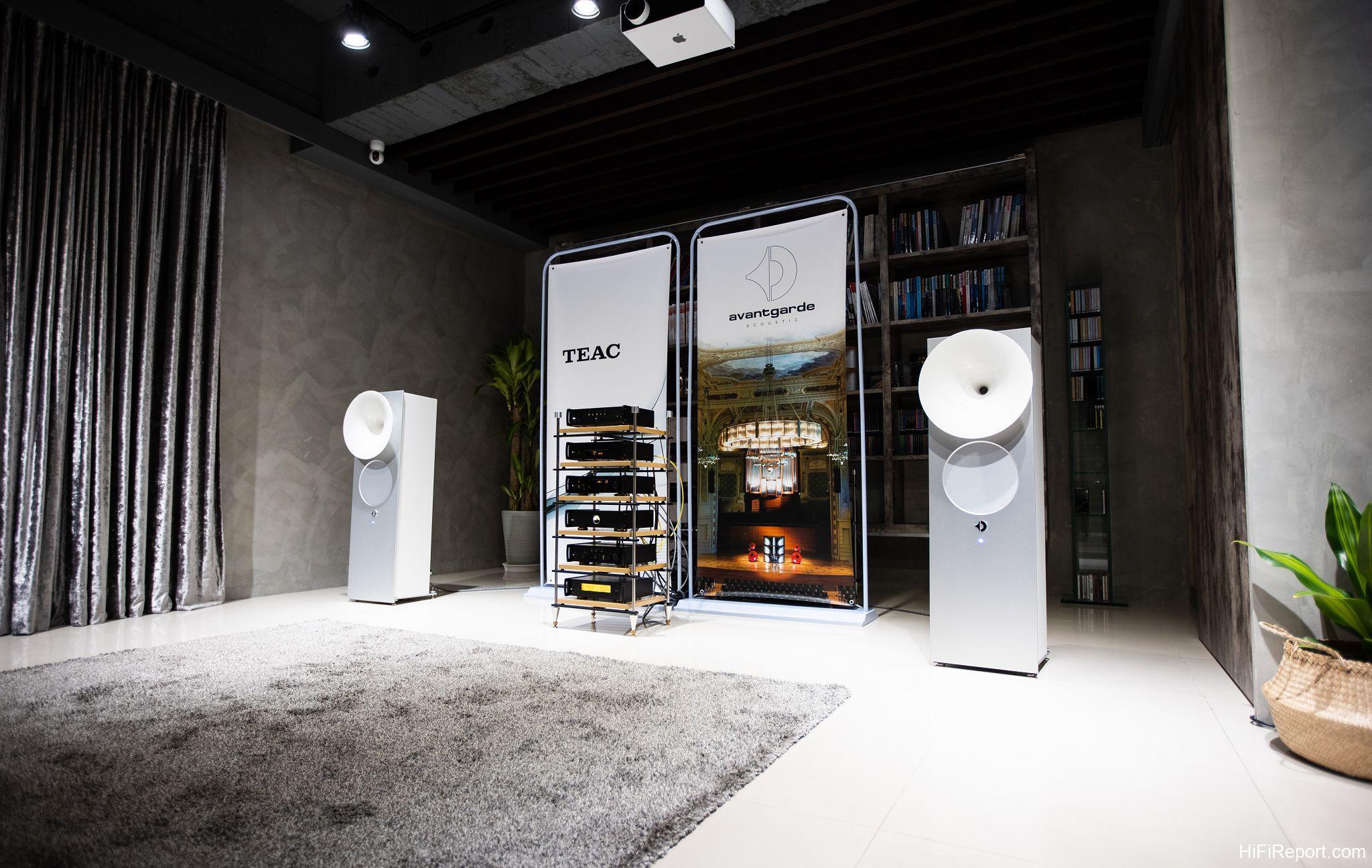
They have refined the traditional horn design to scientific perfection, utilizing precise mathematical modeling to calculate the ideal horn flare, curvature, depth, and complementary driver design. The world’s oldest form of acoustic amplification is presented by Avantgarde Acoustic in its ultimate form, with exquisite craftsmanship clearly visible in every single speaker that leaves their factory.
Overcoming Spatial Constraints
Over the years, Avantgarde Acoustic has consistently incorporated active designs into their horn loudspeakers—such as the Zero active series and the semi-active floorstanders that now make up most of their lineup. The logic behind this approach is compelling. Horn designs rely on compression drivers and physical horns to amplify musical signals, yielding extremely high efficiency and requiring very little amplifier power.
However, bass horns require massive physical dimensions, which is impractical for modern, compact listening spaces.
To address this, the bass drivers forgo horns in favor of dynamic cone designs, which in turn demand substantial amplifier power. To achieve peak audio performance, Avantgarde Acoustic found the ideal solution by building dedicated bass amplifiers directly into the speakers, allowing users to pair them with their favorite amplifier for the mid/high frequencies in a semi-active configuration.
Furthermore, Avantgarde’s proprietary amplification circuitry incorporates DSP control, allowing precise tuning of the low-frequency response curve to resolve room standing waves or frequency dips—another tailor-made solution for small listening spaces. Many models across their lineup offer flexible factory options, such as the flagship Trio G3 available in passive or active versions, as well as models offering semi-active or fully active configurations.
Expanding Market Reach
Two years ago, Avantgarde Acoustic turned heads with the release of the compact Colibri C2 passive loudspeaker. During an in-person meeting, company representatives explained their goal of introducing more accessible, budget-friendly products. With its striking design, space-saving footprint, signature horn sonic benefits, and seamless synergy with the matching Colibri C18 active subwoofer, the Colibri C2 earned widespread market acclaim.
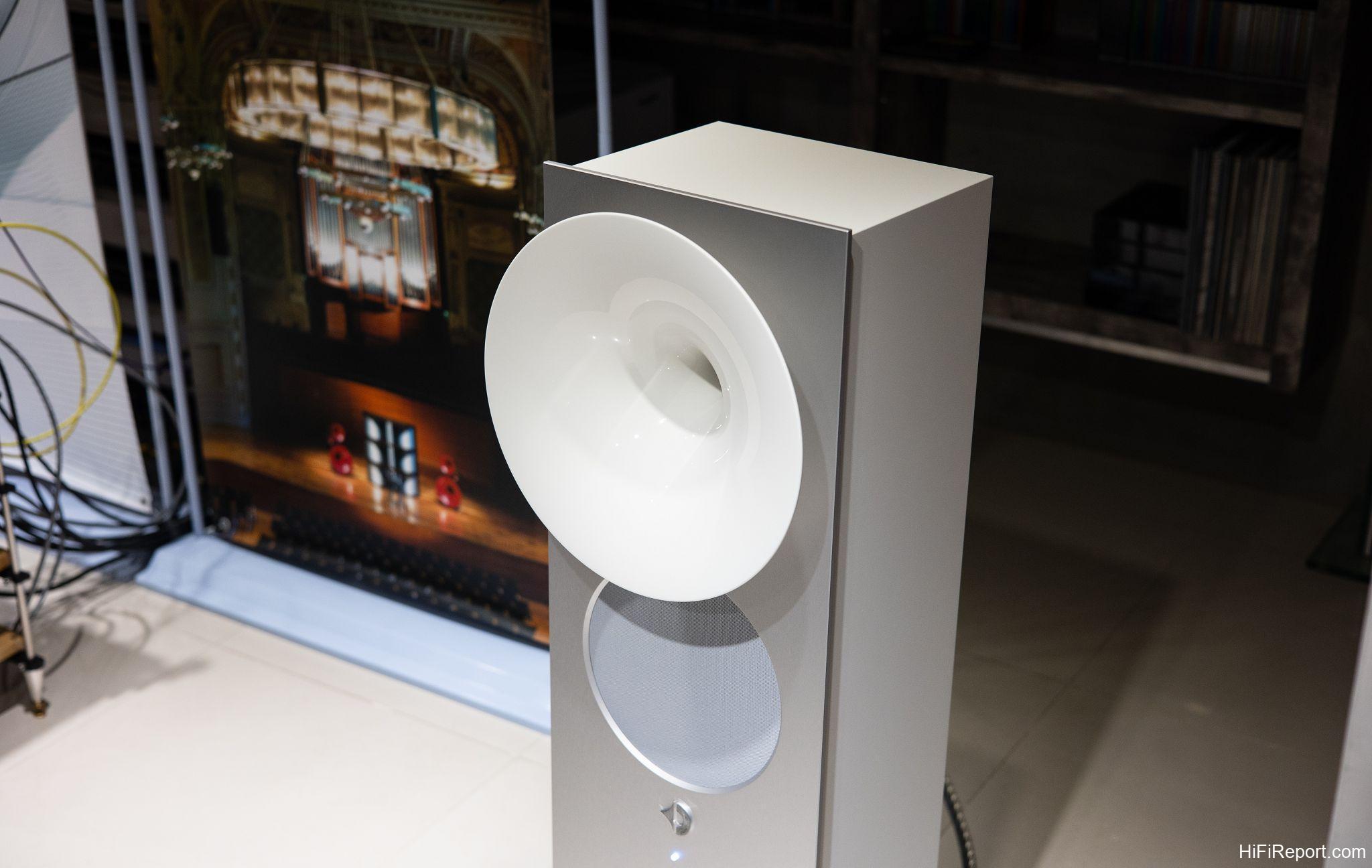
Shortly thereafter, the company announced the OPUS 1 fully active floorstander, bringing us to the star of today’s review.
Listening Environment
Our review took place in our familiar listening room, providing a reliable baseline to evaluate the OPUS 1.
Full-Range Performance
The OPUS 1 is a more complete standalone system than the Colibri C2. Each speaker features a 1-inch horn-loaded compression driver covering frequencies above 700 Hz, paired with a 10-inch non-horn paper cone mid-bass driver for frequencies below 700 Hz. This two-way design yields a frequency response of 35 Hz to 20 kHz, eliminating the need for an external subwoofer.
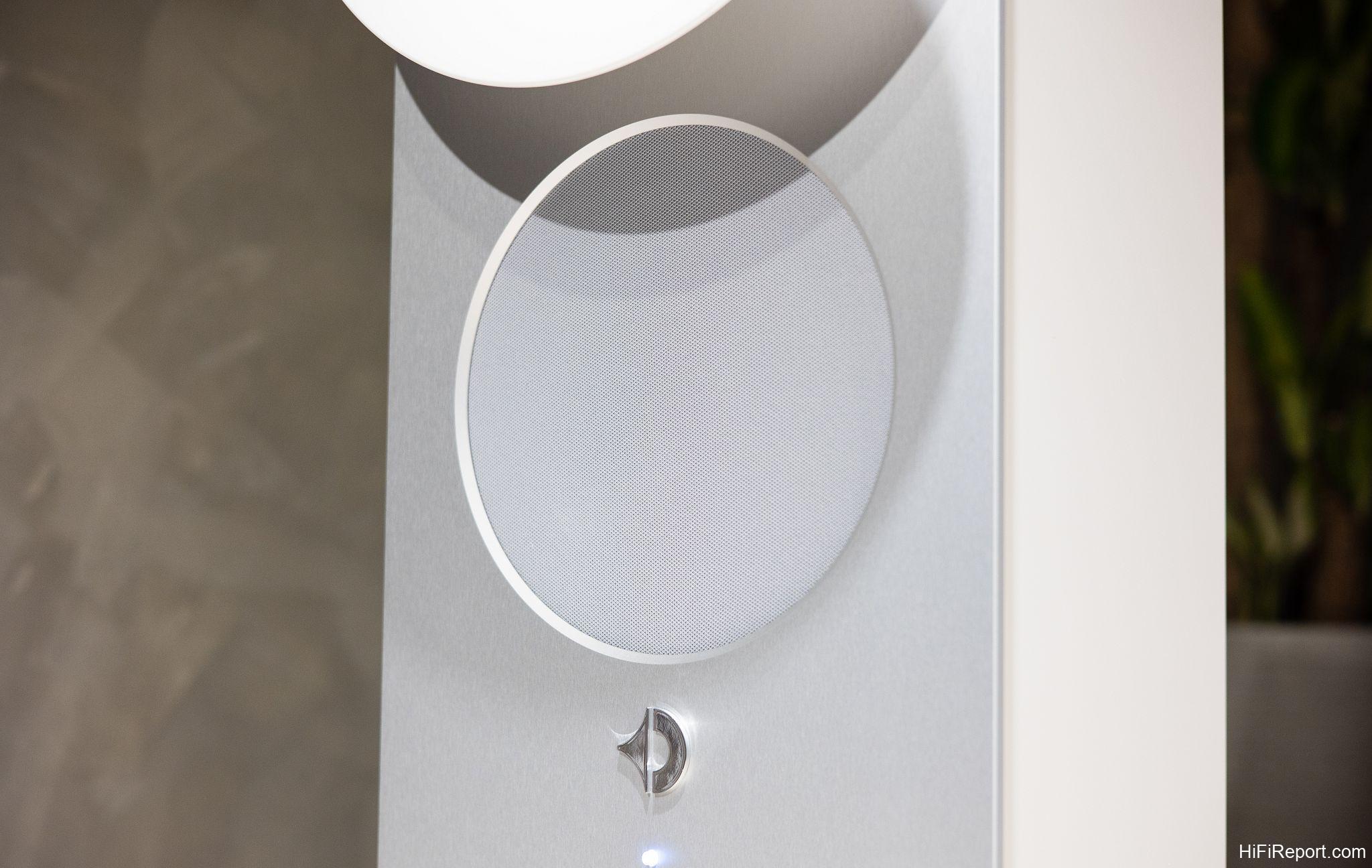
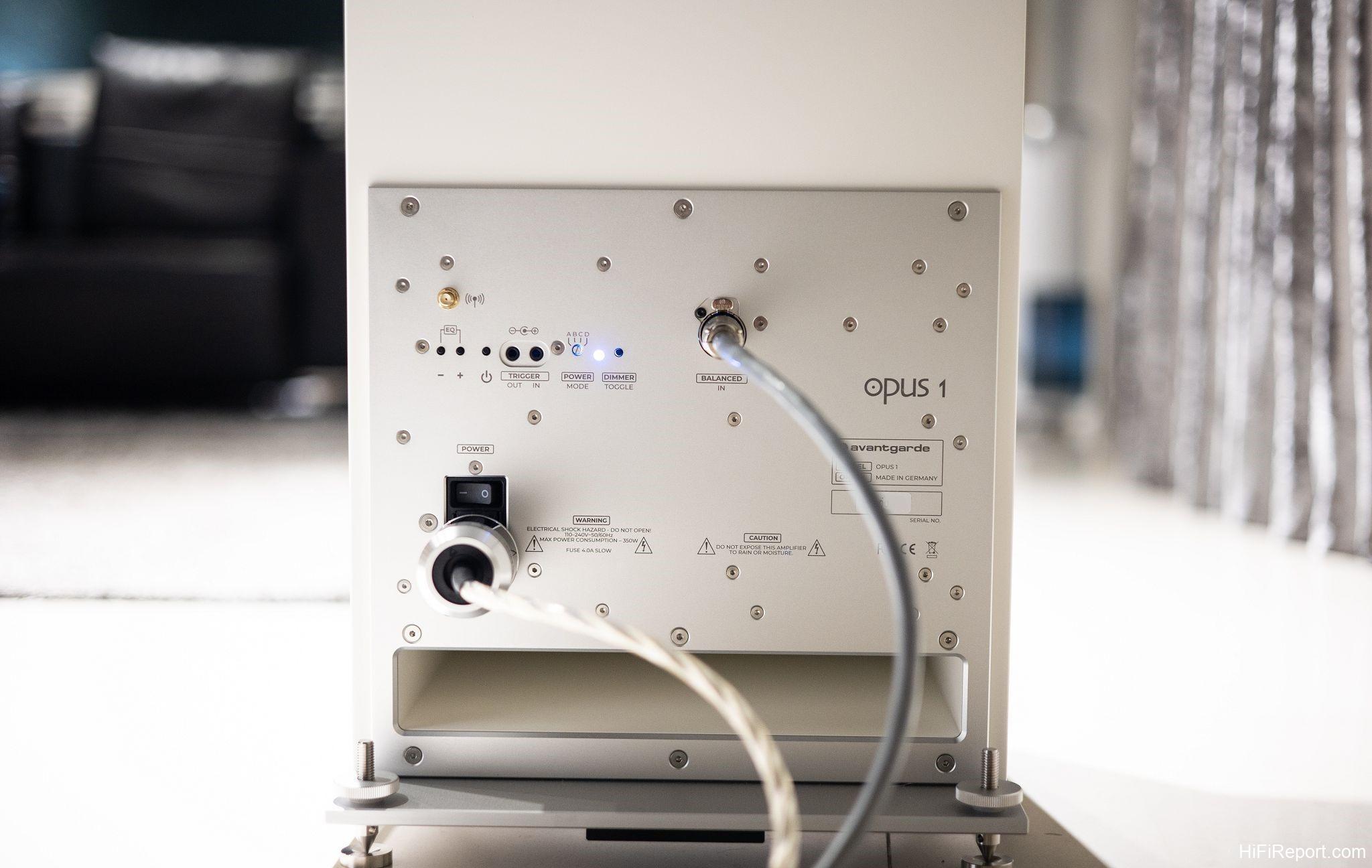
The OPUS 1 is fully active, though it lacks an onboard volume control; users simply pair it with a variable-output source or preamplifier via balanced XLR cables to ensure optimal signal integrity over long runs.
Dedicated Amplification
Inside the OPUS 1 are two independent amplifier circuits driving the two drivers. Because the mid/high frequencies utilize a high-efficiency compression driver and horn, they require only a 10-watt Class AB amplifier circuit, with the first watt operating in pure Class A to prioritize ultimate sound quality. The mid-bass driver, being a non-horn design, is powered by a robust 250-watt Class D amplifier module (into 8 ohms).
This pairing of distinct amplifier topologies tailored to each driver aligns directly with Avantgarde’s mid-to-high-end active system architecture.
Additionally, the OPUS 1 features mid-bass DSP room adaptation. Rather than requiring software tuning on a computer, it provides a 7-position preset switch on the rear panel to adjust the frequency curve below 700 Hz, allowing users to intuitively tailor the response to their room acoustics and personal taste. A bass reflex port is located at the bottom of the rear panel.
World-Class Craftsmanship
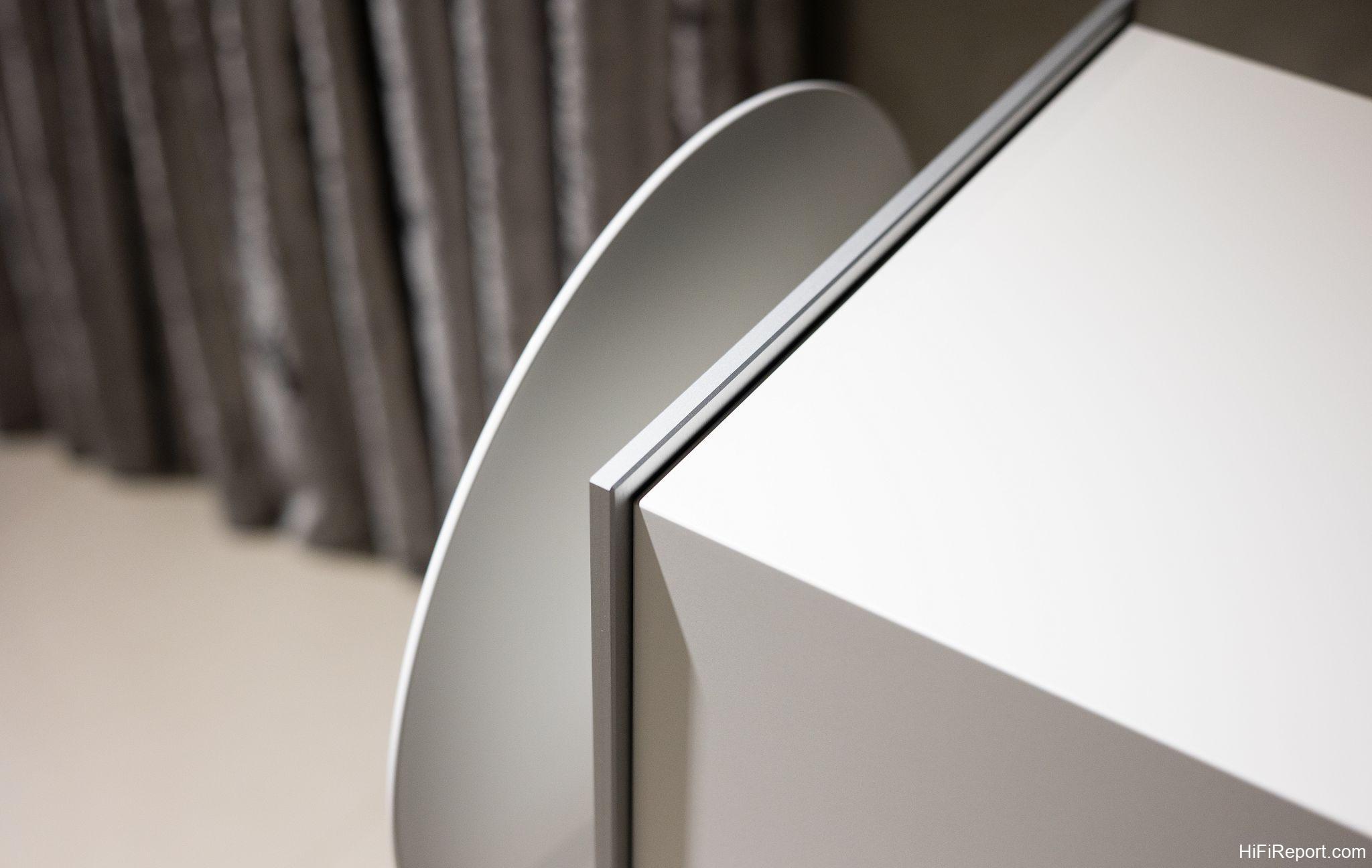
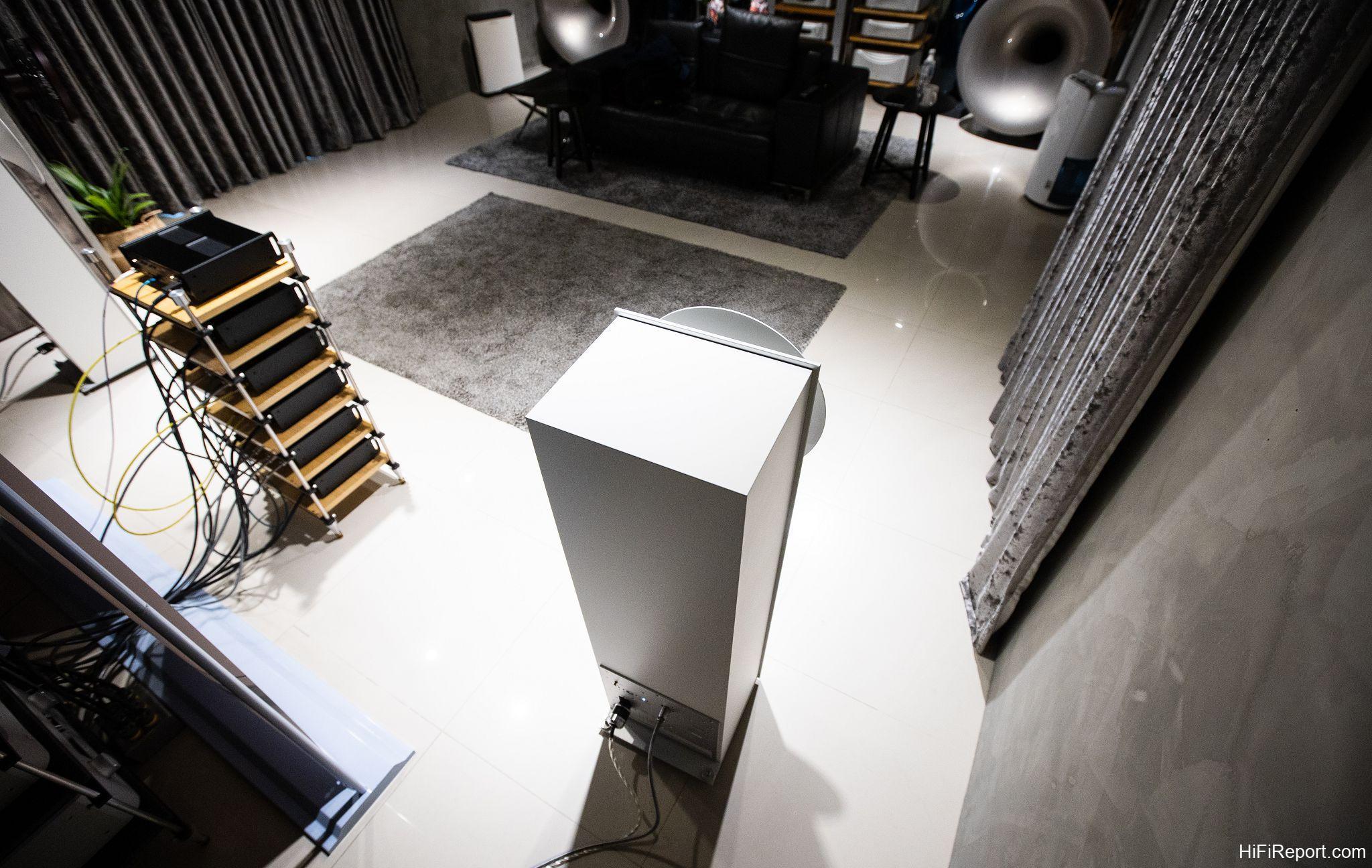
The cabinet of the OPUS 1 combines MDF with aluminum alloy elements, resulting in a clean, modern aesthetic that looks even more striking in person than in photographs. The industrial design is timeless, and the build quality adheres strictly to Avantgarde Acoustic’s legendary standards—showing no compromise despite its lower price relative to higher-end models. It easily achieves luxury-grade status among audio components.
The base features a solid aluminum frame angled upward at 2.7 degrees, supported by four height-adjustable spikes to fine-tune level and tilt. Measuring 110 cm tall (including spikes and stand), 35 cm wide, and 36 cm deep, it boasts a compact floorstanding footprint, serving as Avantgarde Acoustic’s entry-level, fully active floorstander. The OPUS 1 is 100% designed, assembled, and calibrated at the factory in Odenwald, Germany.
High-Value, Efficient Solution
The design of the OPUS 1 makes it ideal for listeners with smaller spaces who want a streamlined system without compromising sound quality. Beyond saving physical space compared to passive setups, active design offers crucial advantages in system synergy and electrical matching. Since its founding in 1991, Avantgarde Acoustic has built a formidable reputation centered on uncompromising sonic performance.
By integrating amplifiers directly into the cabinet, the engineering team optimizes the matching and electrical synergy between amplification, crossovers, and drivers to absolute perfection. Unlocking 100% of the drivers’ potential is where high-end active loudspeakers deliver their true value. For music lovers seeking maximum performance at a given price point, an active design like this is often the smartest choice.
Effortless and Vivid Sound
Auditioning the OPUS 1 in our review room was a genuine pleasure. While the speakers look somewhat compact in this space, horn loading combined with active power delivers micro-detail and dynamic scale far beyond what their physical proportions suggest, fitting the room perfectly.
Listening to Diana Krall’s *Glad Rag Doll*, the vocals were richer and more textured than expected. The sound was vivid and engaging without a hint of harshness, effortlessly spreading the relaxed jazz ambience to every corner of the room. Switching to Michael Jackson’s *Thriller*, the soundstage presented exceptional width and precision imaging, with vivid separation that gave the track a beautifully refined clarity.
Midrange and treble textures were impressive, particularly in handling delicate micro-dynamics, where the continuity and low-level density remained intact. Seamless tonal coherence was maintained across all frequency bands. Auditioned on default DSP settings, the sound profile proved neutral with a pleasing touch of warmth—ideal for vocal tracks and dynamic passages alike.
Authoritative Bass Response
Turning to Hans Zimmer’s *The World Of Hans Zimmer*, it became clear once again that Avantgarde Acoustic’s active bass design never fails when it comes to speed, rhythm, and low-frequency control—even in an entry-level model.
The OPUS 1 performed like an energetic young athlete, effortlessly projecting a sense of grand scale and authority. Bass transients were lightning-fast and clean, exhibiting remarkable punch and agility. Best of all, the transition between the mid-bass cone and horn driver was seamless, showing no audible gap in timbre, acoustic pressure, or image scale. The OPUS 1 is an active loudspeaker with virtually no flaws, making it hard to find a true rival in its size and price category.
Scale, Detail, and Artistry
Starting the second listening session with Adele’s “Hello,” I recalled my previous audition of Avantgarde horn speakers in this room and their impression of vibrant vitality. The OPUS 1 delivered that same vivid character. Center imaging was tightly focused; even with a relatively nearfield setup, Adele’s vocals sounded robust, three-dimensional, and uncompressed. Her powerful delivery and subtle vocal nuances were captured fully without reservation.
Soundstage presentation was equally impressive. Closing my eyes, the physical presence of the speakers vanished completely as music filled the room with high density. Adele’s voice soared above the instrumentation into a vast, boundary-less sonic space with generous depth and height. Within this expansive soundstage, fine details stood out clearly—from the deep, gentle decay of drum strokes to the warm, lifelike impact of the percussion.
Refined Pop Performance
Next up was “HandClap” by Fitz and the Tantrums. Given how energetic pop tracks can sound, I initially kept the volume conservative. However, as the song progressed, I kept dialing it up. Any fear of harshness proved completely unfounded; instead, the OPUS 1 revealed delicate tonal textures amidst the driving rhythm. Handling upbeat pop effortlessly, the speaker produced infectious drive without listening fatigue.
Amidst the heavy beat, nuance remained intact. Handclaps were rendered with realistic texture and tactile snap, delivering sharp transient speed. Brass instruments in the mid-track section sounded lovely—flowing smoothly with a subtle metallic sheen. While bass drums weren’t overly aggressive, they projected a grand, well-defined physical presence, filling the room with punchy, satisfying momentum.
Natural Balance and Harmony
Concluding the session with Ed Sheeran’s “Perfect,” the vocals were again tightly focused. The OPUS 1 rendered Sheeran’s voice neutrally without artificial coloration, capturing his emotional tenderness and vocal modulation naturally. It handled this gentle acoustic ballad with ease and subtlety.
Musical elements across the arrangement were nicely balanced. Soft acoustic nuances retained their distinct presence without masking the central vocal line. Acoustic guitar strings strummed gracefully at the sides of the soundstage with pristine clarity, while the drum beats sounded full-bodied yet restrained. Every element occupied its proper place in the mix, delivering a cohesive, refined, and authentic performance.
Specifications
* Type: Fully active 2-way horn floorstanding loudspeaker
* Horn: 13.8″ spherical horn (700 Hz – 20 kHz)
* Tweeter: OH1 1″ compression driver (103 dB/W/m sensitivity)
* Mid-Bass Driver: OBM10 10″ inverted paper cone driver
* Frequency Response: 35 Hz – 20 kHz
* Crossover Frequency: 700 Hz
* Enclosure Type: Airflow-optimized bass-reflex design
* Bass Amplifier: OAmp1 250 W Class D amplifier module (8 ohms)
* Mid/High Amplifier: 10 W Class AB mode (1 W Class A)
* DSP Control: 7-preset room adaptation control
* Construction: MDF/aluminum hybrid cabinet with solid aluminum base
* Dimensions (H x W x D): 110 x 35 x 36 cm (spike height 2.5 cm)
* Weight: 39 kg per speaker