
Bluesound Powernode 2i Digital Streaming Amplifier Review
In recent years, we’ve seen a proliferation of digital streaming products. While active speakers have become a popular choice for younger audiophiles starting their systems, some music lovers might prefer to continue using inherited systems or upgrade the source/amplification components of their existing setup.
However, with increasingly limited living spaces, many require equipment that integrates streaming and amplification, offering a more compact form factor while maintaining excellent sound quality. This is precisely where the subject of this review, the Bluesound Powernode 2i streaming integrated amplifier, shines.
Before diving into the Powernode 2i, allow me to briefly introduce the Bluesound brand. Although founded in 2013, making it relatively young in the audio world, it’s important to note that Bluesound belongs to Canada’s Lenbrook Group, the same parent company as NAD and PSB.
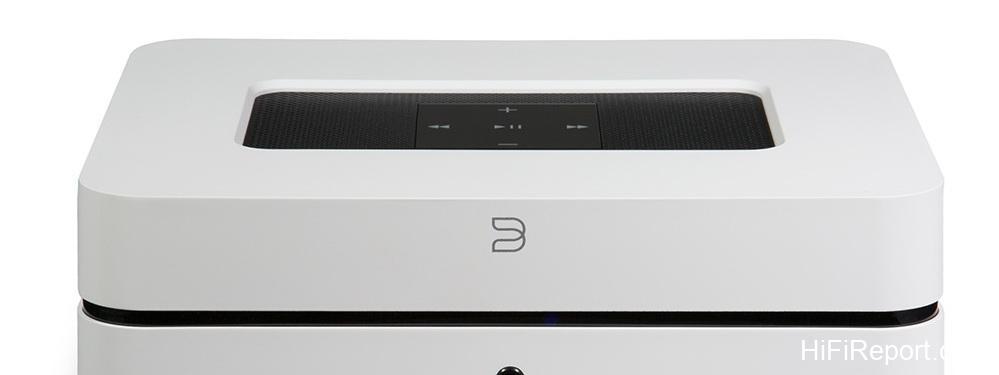
What does this imply? It means Bluesound benefits from the professional electronic engineering and acoustic expertise of NAD and PSB. For example, it leverages NAD Electronics’ advanced amplification technologies and PSB’s loudspeaker acoustic research. Furthermore, many core members currently working at Bluesound – including industrial designers, audio engineers, and veteran audiophiles – have been with NAD since the 1970s.
With this context, it becomes clear that Bluesound components incorporate NAD’s circuit design philosophy and PSB’s acoustic design prowess.
So, what kind of brand is Bluesound? We can look at its product lineup. The current 2i series includes models like the Vault 2i, Node 2i, Powernode 2i, Pulse 2i, Pulse Mini 2i, Pulse Flex 2i, and the Pulse Soundbar 2i. All feature wireless streaming capabilities and can be controlled via the proprietary BluOS app using mobile devices like smartphones or tablets. Coupled with their compact size and versatile features, it’s evident that Bluesound is a brand at the forefront of modern audio.
With streaming music now dominant, consumers looking to upgrade components like sources or amplifiers, or wanting to bring their older audio systems into the modern age, while keeping things simple and easy to use, find the streaming integrated amplifier to be an ideal solution. The Bluesound Powernode 2i, the focus of this review, is a smart choice that satisfies music enthusiasts with its convenience, compact size, and user-friendly operation.
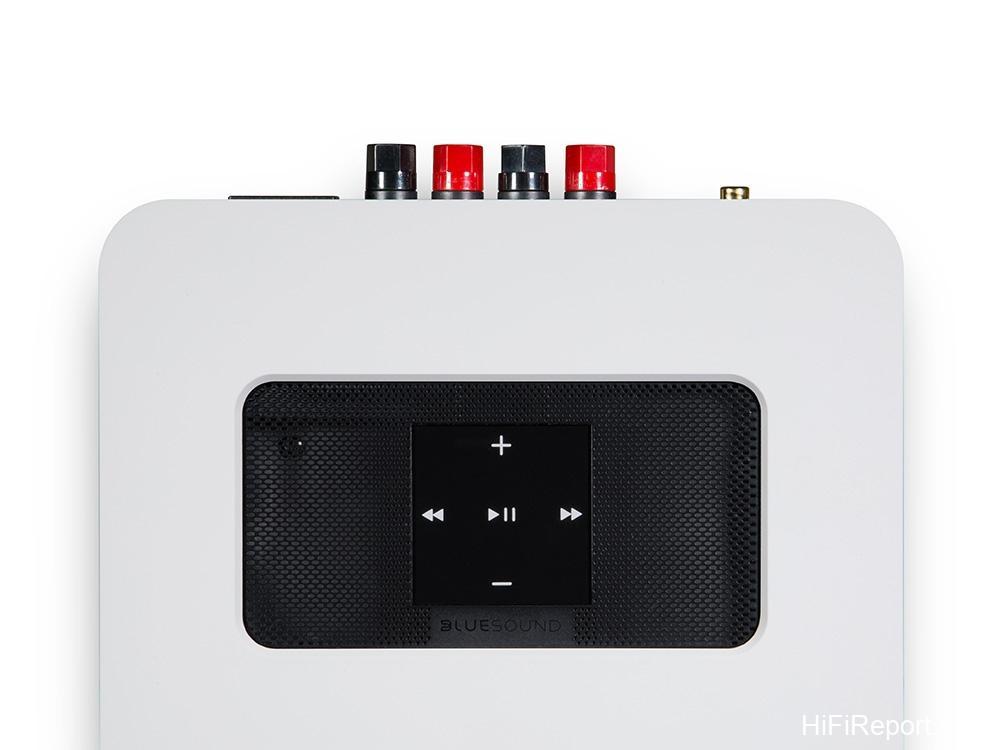
The ‘i’ Factor
You might be curious about the “i” suffix on the Powernode 2i. This signifies that Bluesound has upgraded its second-generation wireless streaming audio components. These enhancements include the addition of Alexa voice control and support for Apple users’ highly anticipated Apple AirPlay 2, as well as dual-band Wi-Fi capabilities.
This means that when using the Bluesound Powernode 2i with AirPlay 2, iPhone or iPad users can control multi-room playback of different music tracks. They can also stream video content to a TV, while simultaneously using the Powernode 2i to output the video’s audio through speakers – a highly convenient feature for Apple product users.
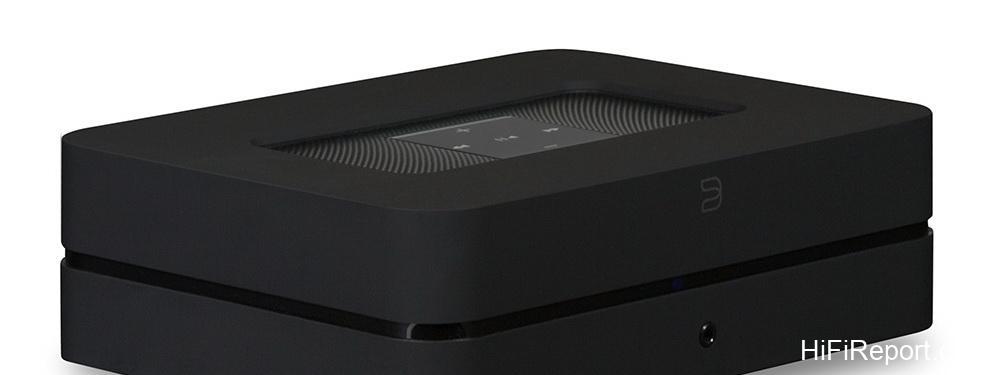
The dual-band Wi-Fi feature caters to the 5G era, providing both 5GHz and 2.4GHz transmission standards for more stable and faster signal reception when listening to music. In terms of voice assistants, the Powernode 2i supports Siri, Alexa, and Google Assistant (English voice support available).
For other wireless transmission needs, the Powernode 2i also features two-way Bluetooth with support for high-quality aptX HD transmission, capable of handling audio up to 48kHz/24bit, allowing for easy high-quality music listening via smartphone.
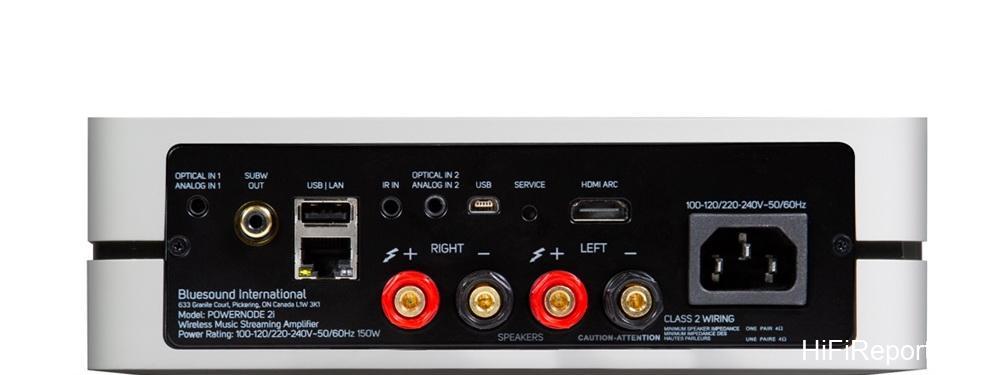
Connectivity
Moving to physical input terminals, the Powernode 2i is equipped with one HDMI port (featuring ARC functionality), allowing seamless integration with smart TVs to replace your TV’s built-in speakers with a Hi-Fi grade two-channel system. The Powernode 2i also includes a USB port that supports music playback from flash drives. Additionally, it features a composite Toslink/3.5mm optical input, which can connect to a CD player or a TV.
Looking at the physical output terminals, the Powernode 2i includes a powered subwoofer output, making it easy to assemble a 2.1 channel system. For headphone users at home, the Powernode 2i also provides a 3.5mm stereo headphone jack. Overall, whether considering wireless or physical input/output configurations, the Powernode 2i is designed to be incredibly comprehensive.

Amplifier Design
Of course, as an integrated amplifier, beyond convenient digital streaming and input/output configuration, the amplifier circuit design must also be noteworthy. According to the manufacturer’s specifications, the Powernode 2i can reliably deliver 60 watts per channel into 8 ohms. However, as mentioned earlier, Bluesound benefits from NAD’s strong circuit design pedigree.
Thus, the Powernode 2i incorporates NAD’s mature HybridDigital circuit design, promising excellent sound performance when driving speakers.

Listening Impressions
During my actual listening tests, I first connected the Powernode 2i to a pair of Canton GLE 426.2 two-way bookshelf speakers and used lossless audio files stored on a Vault 2i as source material. Right from the first notes, I could clearly hear Canton’s characteristic bright high-frequency performance, accompanied by a touch of warmth in the mid-range.
I listened to several tracks and can confidently say that with Bluesound’s tuning, the Canton speakers delivered transparent, focused vocals, solid and elastic bass, and clear, distinct high frequencies. It fully brought out the character of these speakers while maintaining excellent resolution. When listening to classical pieces, the instrument shapes were well-defined, and the layering was clearly discernible.

To truly test the Powernode 2i’s capabilities, I paired it with the magazine’s reference Pioneer S1-EX floorstanding speakers. Surprisingly, this compact integrated amplifier managed to drive these three-way, four-driver speakers with respectable authority and performance across all frequencies.
Listening to American musician Amanda Palmer’s album “There Will Be No Intermission,” I could hear the lead female vocal clearly focused in the center between the two speakers. The voice sounded soft and moist, even having a touch of that classic NAD flavor – a truly captivating sound. For the instruments, the accompanying piano notes were distinct and played with smooth, rapid articulation, while the occasional kick drum accents were incredibly elastic and solid.
The entire album presented with excellent layering.
Next, I listened to jazz band Fourplay’s album “Between The Sheets.” Again, I heard solid, elastic, and full jazz drum sounds, which didn’t falter even during dynamic passages. The piano keys retained a sense of lively, dynamic presence. The Powernode 2i’s outgoing high-frequency characteristic made the piano keys even more prominent, a trait also noticeable in the plucking of the guitar strings.
The overall soundstage was excellent and very vivid, making it impossible not to tap along to the rhythm.
Overall, the Powernode 2i’s sound performance leans towards a younger, more energetic character, making it ideal for music lovers who enjoy lively music. Its bright high frequencies, warm mid-range, and solid, elastic bass are particularly engaging for jazz and pop genres. Notably, the Powernode 2i offers excellent resolution, allowing you to hear the subtle details within the music.
Furthermore, the Powernode 2i can be controlled via Bluesound’s proprietary “BluOS app” using mobile devices like smartphones, tablets, or personal computers. It seamlessly handles music files from various streaming platforms (like Spotify, KKBOX), NAS drives, iTunes, or PC shared folders. It also supports Hi-Res audio formats including FLAC, MQA, WAV, and AIFF.
Considering all this, it’s fair to say the Powernode 2i is a streaming integrated amplifier offering exceptional value for its price point!
Specifications
* Design: Digital Streaming Amplifier
* Digital Processing Core: ARM Cortex A9 (1GHz) processor
* Supported Audio File Formats: WAV, FLAC, ALAC, AIFF, HRA, MQA, WMA, OGG, AAC, MP3
* DAC Chip Specification: 192kHz / 32bit
* Maximum Digital Audio File Support: 192kHz / 32bit
* Amplifier: 60 Watts per channel (8 ohms)
* Connectivity: Ethernet, 802.11b/g/n Wi-Fi, USB Type-A, Bluetooth 5.0 HD aptX HD
* Audio Inputs: HDMI (ARC), Toslink Digital Optical / 3.5mm Analog Composite
* Audio Outputs: RCA Analog, Coaxial Digital, Toslink Optical, 3.5mm Headphone, Subwoofer Signal
* Available Colors: Black, White
* Dimensions: 220 x 70 x 190 mm (W.H.D.)
* Weight: 1.72kg