
Burmester Ambience BA31 Review
In the realm of high-fidelity audio, much like in the worlds of supercars and luxury watches, certain brands evoke a sense of aspirational desire. If one were to conduct a survey of the top ten luxury audio brands, German manufacturer Burmester would undoubtedly secure a prominent position. Since its inception in 1977, Burmester has distinguished itself with its signature mirror-polished chrome finish, a design aesthetic that remains unchanged to this day, becoming the hallmark of the brand.
Of course, the renowned German design and engineering prowess are also deeply ingrained in the brand’s identity. Burmester’s collaborations with automotive giants such as Bugatti, Porsche, and Mercedes-Benz further solidify its unparalleled status in the high-end audio landscape.
This review focuses on the Burmester Ambience BA31 floorstanding speaker, the latest addition to their Ambience series. The “B” signifies Burmester, “A” represents Ambience, and “31” denotes the number of drivers. The BA31 features three drivers on the front baffle and one rear-firing driver, making it a slightly smaller sibling to the flagship BA71, which boasts seven front drivers and one rear driver.
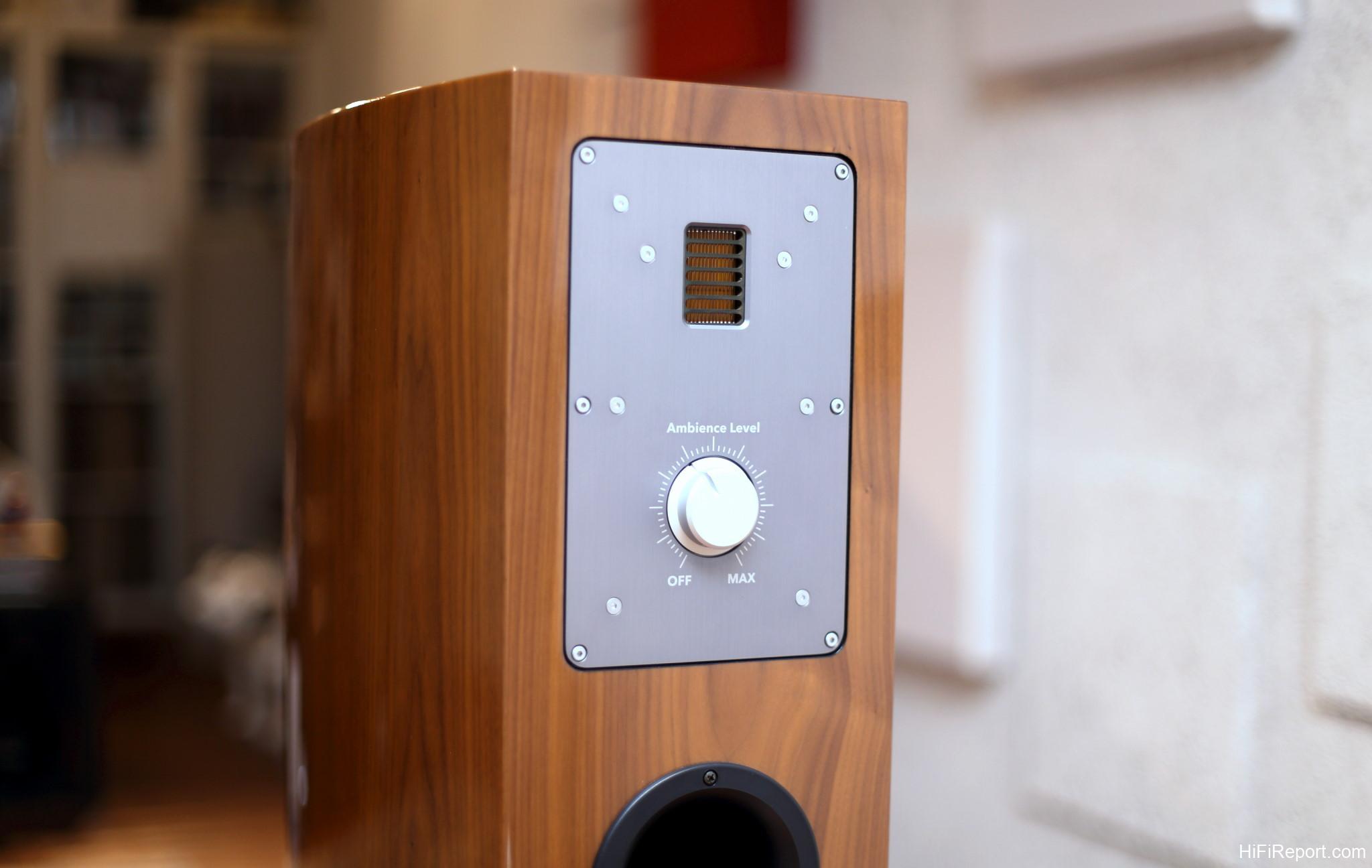
The term “Ambience” itself hints at the speaker’s design philosophy: creating a sense of spaciousness and atmosphere. By incorporating a rear-mounted Air Motion Transformer (AMT) tweeter, the BA31 aims to significantly enhance the soundstage. This rear tweeter also features an adjustable “Ambience Level” control, allowing users to tailor the desired level of spatial effect or even disable it entirely.
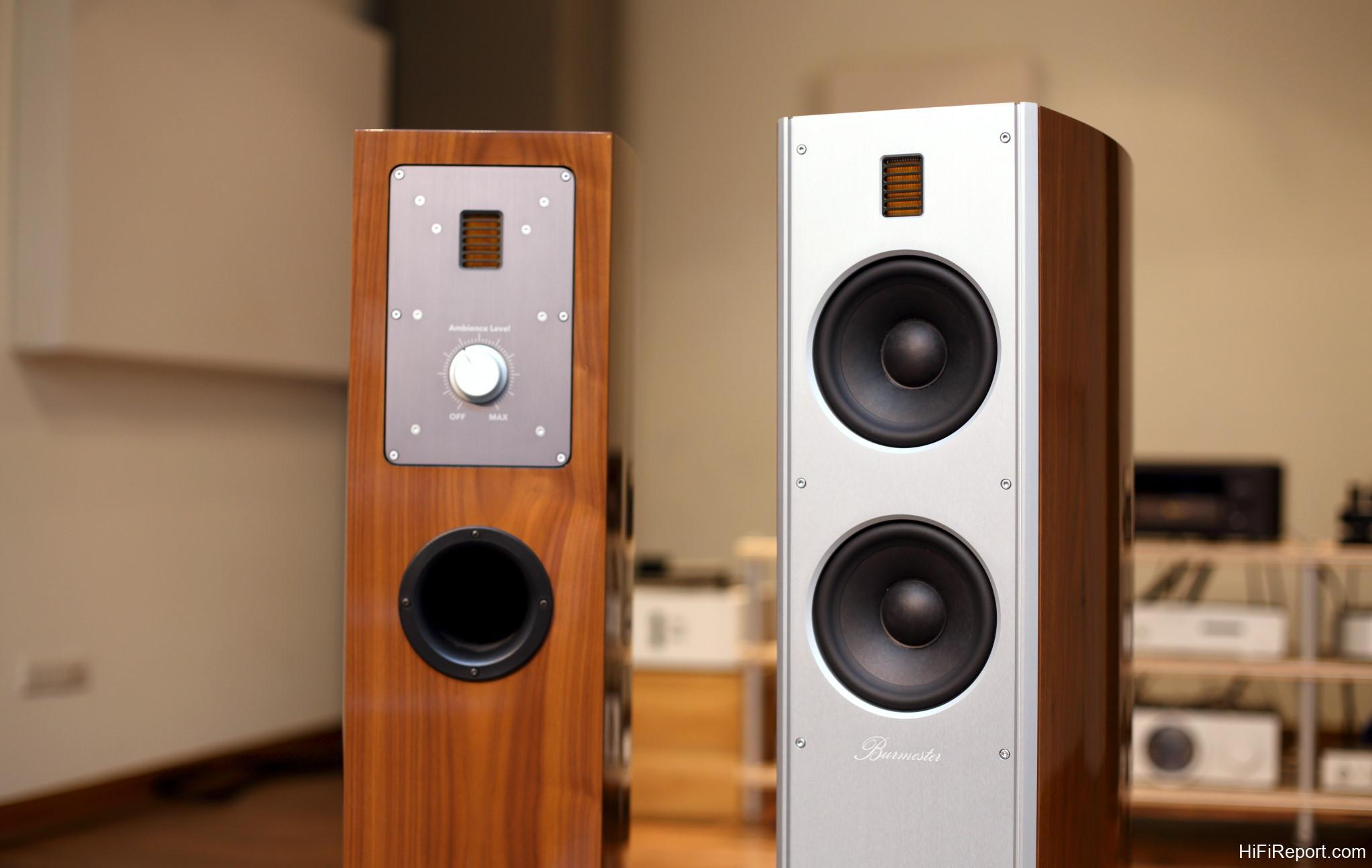
The BA31 employs a 2.5-way design, with specially engineered AMT tweeters at both the front and rear. These tweeters utilize an ultra-lightweight diaphragm and a powerful neodymium magnet, enabling high-frequency extension up to 45kHz. Both the midrange and mid-bass drivers are 170mm units featuring glass fiber diaphragms. The crossover network is located at the base of the speaker cabinet, with crossover frequencies set at 400Hz and 3000Hz.
The “Ambience Level” adjustment circuitry is positioned near the rear AMT tweeter. The BA31’s cabinet is constructed from high-density MDF with a specially designed internal bracing structure. The front baffle is made from a robust aluminum plate, and the bass reflex port is situated behind the mid-bass driver. Each speaker weighs a substantial 40.5kg.
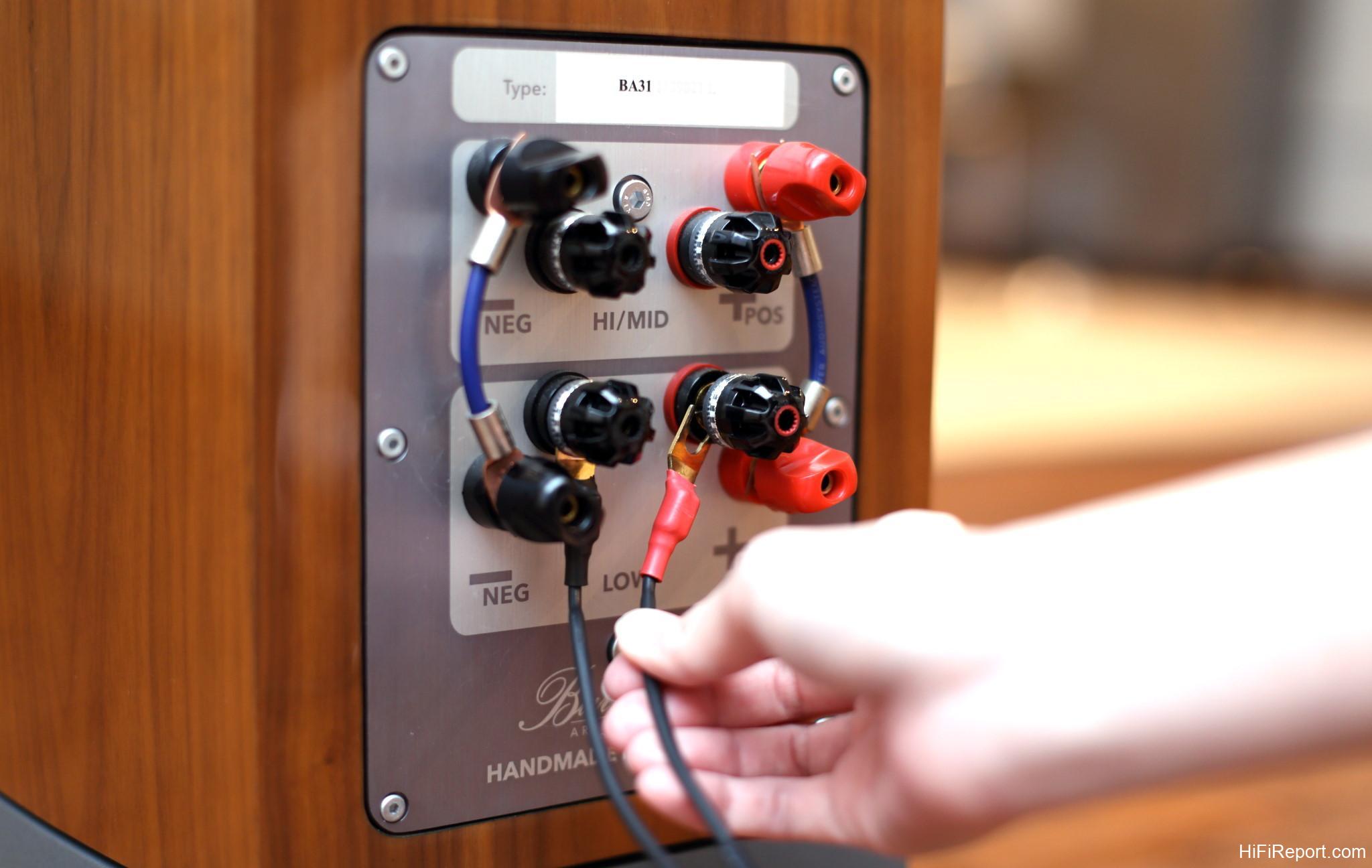
A distinctive feature is the bi-wiring dual input design. The jumper terminals on the BA31 are custom-designed, while the main binding posts are sourced from renowned German manufacturer WBT.
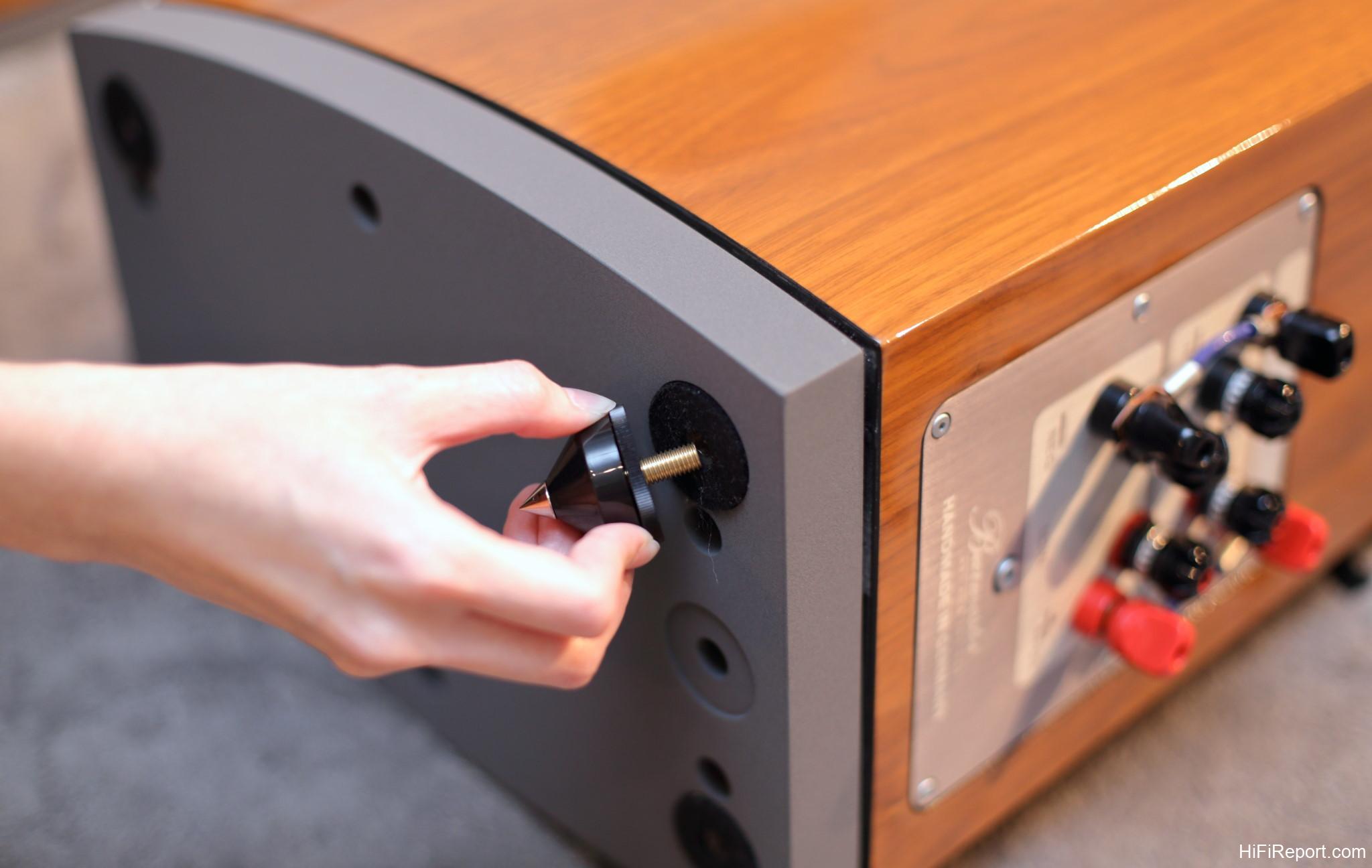
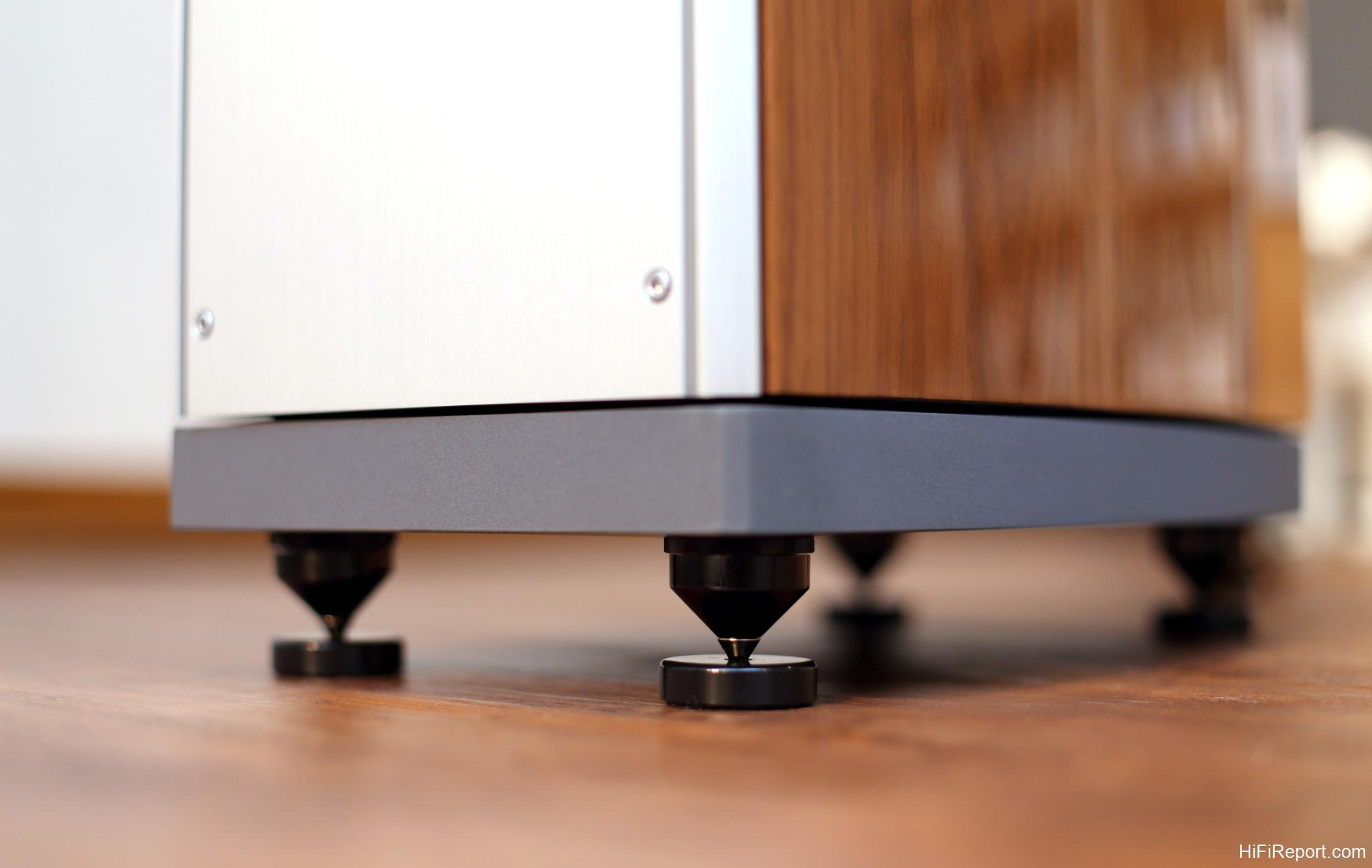
It is imperative to install the original manufacturer’s spikes; they significantly impact the sound quality.
The spikes are height-adjustable, ensuring the speakers are stable and perfectly level.
Detailed Vocal Nuances
Listening to Leonard Cohen’s live album, *Live In London*, recorded before his passing, the BA31 excels at capturing the nuances of his distinctive voice. Cohen’s signature gravelly baritone, imbued with emotion and poetic wisdom, resonated deeply with audiences worldwide. Through the BA31, the subtle details in his vocal delivery are rendered with remarkable clarity. The speaker conveys a natural and substantial sound, mirroring the poignant realism of his lyrics.
While many systems can hint at the allure of his voice, the BA31 strikes an exceptional balance between warmth and clarity.
Impressive Transparency and Extension
Moving to the *2015 Hi-Fi Record Best Audiophile Voices* Hong Kong Audiophile Show SACD compilation, track 2, “The Magnificent Seven,” showcases the BA31’s ability to maintain well-proportioned sonic images across the frequency spectrum, ensuring a spacious and uncrowded soundstage. In this large-scale orchestral piece, the BA31 demonstrates its wide dynamic range capabilities. The brass instruments exhibit impressive transparency and extension, free from any harshness or listening fatigue.
The BA31’s low-frequency performance prioritizes accuracy and speed over sheer quantity. It delivers a deep, controlled, and articulate bass response. Track 12, a cello and piano rendition of “What A Wonderful World,” highlights the BA31’s ability to reproduce the cello’s solo with ample energy, revealing both the richness of its sustained notes and the clarity of bow strokes.
When the piano joins in, the speaker maintains excellent separation, natural and precise soundstage positioning, and a smooth, flowing musicality.
Expressive and Textured Piano Reproduction
Switching to the *Burmester Vorfuhrungs-CD Vol.3* compilation, specifically track 3, Vivaldi’s “Winter” from *The Four Seasons*, this familiar, fast-paced violin movement, often used in advertising, is a revealing test. The BA31 meticulously renders every detail of the bowing and fingering, capturing the subtle variations in pressure and speed. When played alongside the ensemble, the speaker exhibits a fluid and natural dynamic response.
The violin’s timbre is exceptionally textured and expressive, defying simple description; it’s a quality immediately perceptible upon listening. Track 12, Zhang Xiaoyin’s harp performance of “Dream Waltz,” further demonstrates the BA31’s capabilities. The harp is reproduced with a rounded, slightly luminous, and naturally smooth character. The sound possesses a rich, dense quality, clearly revealing the subtle shifts in image size as different registers are played.
Captivating Soundstage and Exquisite Timbre
Playing Earl Wild’s 1981 Carnegie Hall live recording, *The Art Of The Transcription*, the BA31 truly shines. Earl Wild, a former staff pianist for NBC, achieved fame in 1942 with his performance of George Gershwin’s “Rhapsody in Blue.” His playing was characterized by passion, emotional depth, and a dazzlingly varied piano tone, capturing the romantic spirit of the music.
This live recording, engineered by Audiofon’s Peter McGrath, meticulously captures the concert hall’s acoustics and the piano’s sonic nuances. The BA31 brings out the defining characteristics of this recording: a captivating sense of space and exquisite timbre. The speaker’s inherent warmth and clarity allow the piano to flourish. While the actual live performance is beyond our direct experience, the BA31 imbues the reproduced piano sound with an undeniable richness, transparency, and stability.
Furthermore, the speaker excels in conveying the sense of space. The recording includes background noise, which, while perhaps less pristine than modern recordings, adds to the realism and recreates the performance venue’s atmosphere.
Tailoring Ambience with Adjustable Rear Tweeter
The BA31 features a rear-mounted “Ambience Level” control, which governs the operation of the rear AMT tweeter. It can be adjusted from “off” to “max.” In the “off” position, the rear tweeter is completely inactive. Using track 5 from the same *Burmester Vorfuhrungs-CD Vol.3* compilation, Bach’s “Toccata and Fugue in D minor,” I assessed the impact of this tweeter.
With the rear tweeter disabled, the soundstage appeared flatter and shallower, but the sound was cleaner and more precise, particularly reducing background noise from the recording. Engaging the rear tweeter and adjusting the “Ambience Level” to approximately 80% of “max” resulted in a louder and brighter upper midrange and treble.
The background noise of this live recording became more prominent, but simultaneously, the sense of spaciousness increased, the soundstage depth improved, and the overall presentation became more three-dimensional. However, in complex musical passages with dense chords, the reverberation was slightly increased compared to the “off” setting, making it less precise.
The optimal “Ambience Level” setting is subjective, likely depending on the listening space, personal preferences, and even the specific recording. The manufacturer’s inclusion of this adjustable feature allows users to fine-tune the spatial characteristics to their liking. The analog rotary control offers a wide adjustment range with fine gradations.
Although marked with ten major increments, noticeable sonic differences emerge after rotating it by about two increments, offering precise control without requiring overly delicate adjustments.
Enduring Musical Enchantment
The Burmester BA31 presents a sound characterized by warmth, a touch of brilliance, clarity, and a natural, cohesive quality. It lacks any overt, attention-grabbing sonic quirks, but its overall sonic texture is exceptionally refined and remarkably engaging for extended listening sessions. Initial impressions might highlight its pristine clarity, yet pinpointing a singular, striking characteristic may be elusive.
However, as listening time accumulates, the captivating allure of Burmester becomes increasingly apparent. The BA31 exhibits minimal cabinet resonance. Even at high volumes, the sound remains clean and articulate, avoiding any sense of muddiness. The sonic images maintain appropriate scale, without becoming overly lean or bloated with volume changes. The speaker consistently delivers precise and well-defined sonic images. It’s undeniable that Burmester possesses an irreplaceable charm.
One listen is enough to be captivated by its sonic beauty.
Burmester Ambience BA31 Specifications
* Frequency Response: 38 Hz — 45 kHz (±3 dB)
* Power Handling: 200 W
* Sensitivity: 87 dB (2.83 V, 1 m)
* Impedance: 4 — 8 ohms (Nominal 4 ohms)
* Crossover Frequencies: 400 Hz, 3000 Hz
* Dimensions: 253 x 1050 x 375 mm (W x H x D)
* Weight: 40.5 kg