
Densen B-410XS CD Player Review
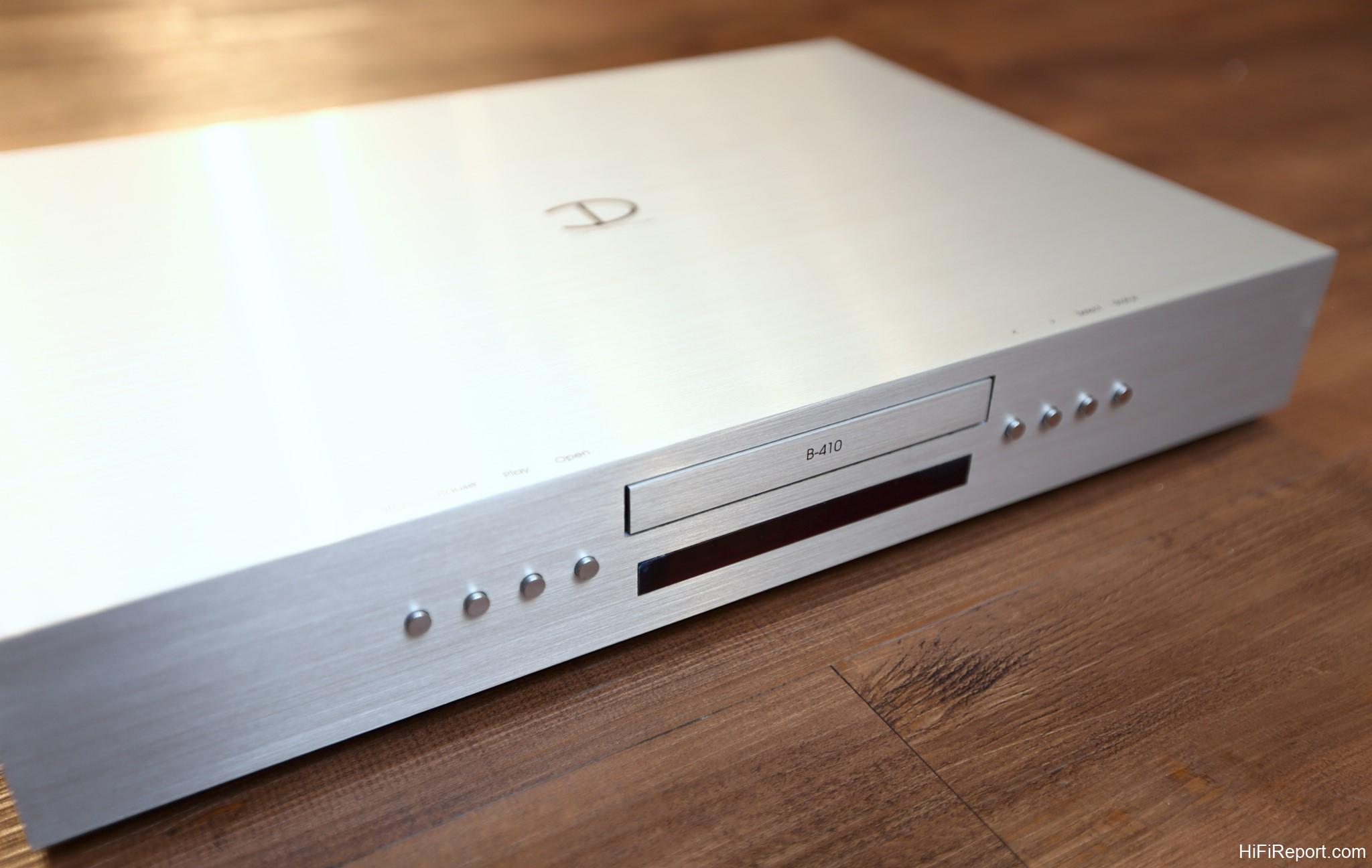
Densen, hailing from Denmark, has maintained a consistent exterior design for its equipment since its inception in 1992. This clean and minimalist aesthetic is a hallmark of Scandinavian design. The meticulously crafted all-aluminum chassis exudes an air of sophistication, reflecting a high level of product completion. This dedication to refinement allows Densen to focus more intently on sonic performance.
The B-410XS CD player under review embodies this philosophy, representing the latest XS version and a significant advancement over its predecessor, the B-410+.
Clear Product Positioning: Sound Quality Defines Class
Densen currently offers four CD players, ranked by hierarchy as B-475, B-440XS, B-420XS, and B-410XS. Visually, they appear identical, including the rear panel interfaces. All four models utilize high-quality extruded aluminum for their main chassis, showcasing a beautiful brushed finish. The all-aluminum construction effectively minimizes vibrations and shields against electromagnetic interference.
The primary distinctions among these four CD players lie in their internal circuitry and components. While all four share a fundamental circuit design, they incorporate non-feedback Pure Class A amplification stages, discrete analog stages, jitter-free clock circuitry, and Densen’s custom-made CD transports.
Mr. Thomas Sillesen, President of Densen, at the factory in Denmark. He is a frequent presence at major international exhibitions.
The differentiations between the CD players become apparent as you move up the range. The B-420XS enhances the power supply compared to the B-410XS, employing a significantly larger toroidal transformer for more robust power delivery. The B-440XS further refines both the digital and analog circuits, while the flagship B-475 adopts a separate, external power supply.
This product strategy clearly prioritizes sonic differentiation over cosmetic upgrades, avoiding inflated prices based on mere visual appeal. The consistent circuit architecture across the four CD players also provides users with a clear upgrade path. Furthermore, users can opt for external power supplies, the DNRG or 2NRG, for enhanced performance.
The flagship B-475 CD player, featuring a separate power supply design.
Custom Components: A CD Player and DAC in One
One key evolution in the XS version is the addition of a digital input interface, transforming the B-410XS into a DAC as well. This allows users to enjoy enhanced audio quality from other digital source devices by utilizing the B-410XS’s decoding capabilities. The improvements in the XS series extend beyond this. The CD transport system now features a new ATAPI control system, incorporating Densen’s proprietary control software.
This system manages not only the CD transport but also the user interface, remote control, and display functions. Densen’s custom CD transport system is meticulously designed in conjunction with the clock control, ensuring that the clock signals for data transmission and reception are synchronized. This precise synchronization minimizes jitter and enhances timing accuracy.
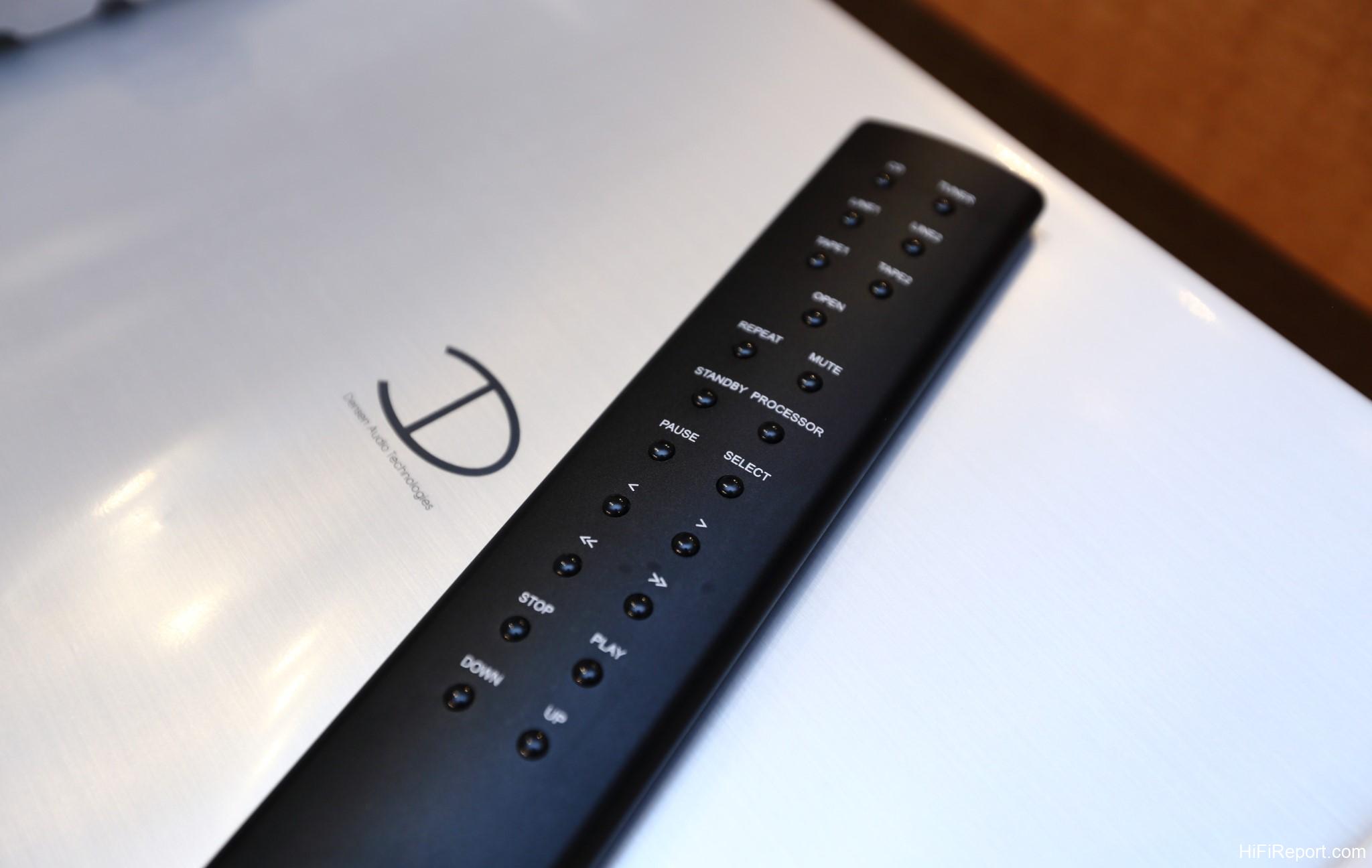
Densen’s in-house manufactured all-aluminum remote control. It has a substantial feel and can control all Densen equipment.
Scandinavian minimalist beauty. The component quality and craftsmanship at this price point are a testament to Densen’s pragmatic approach.
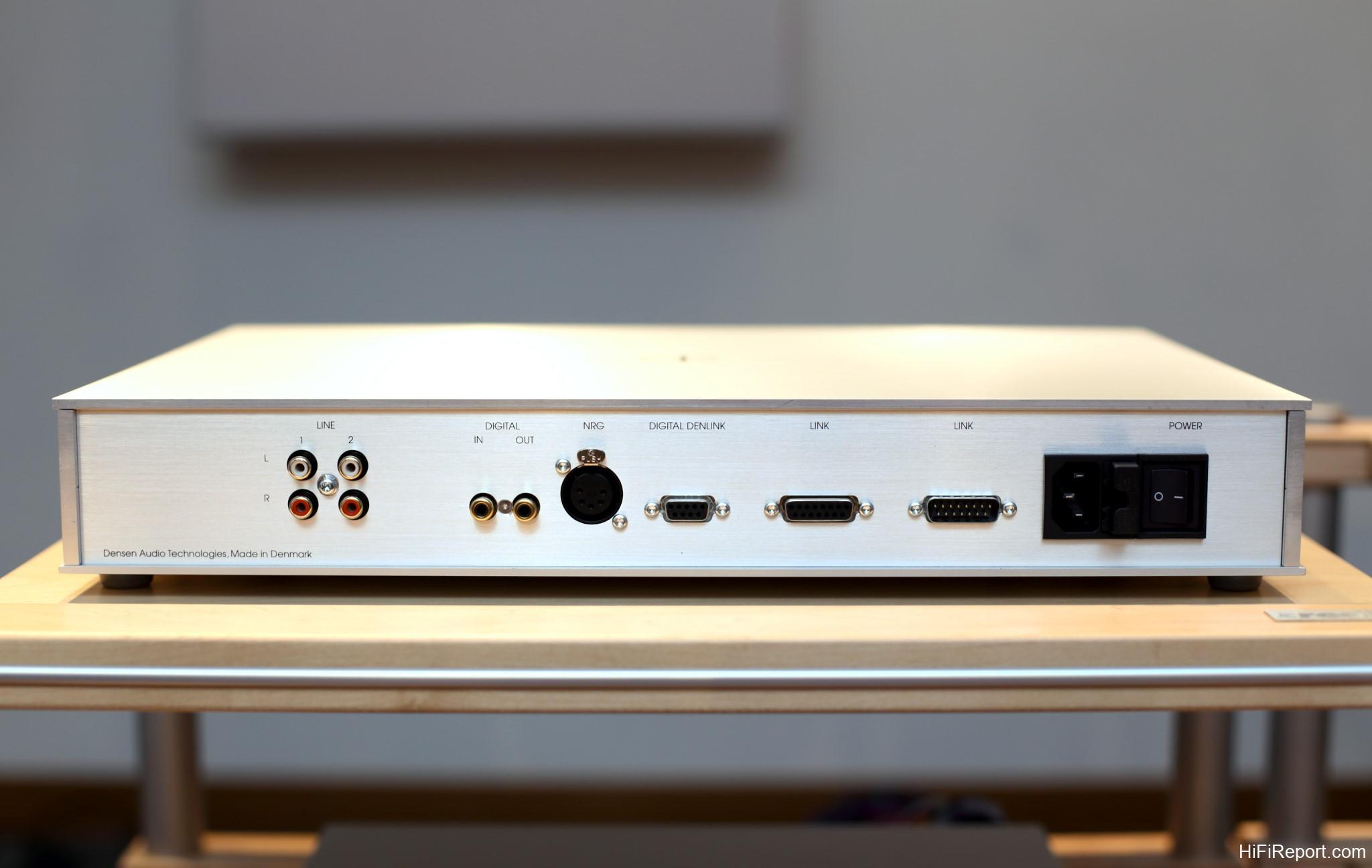
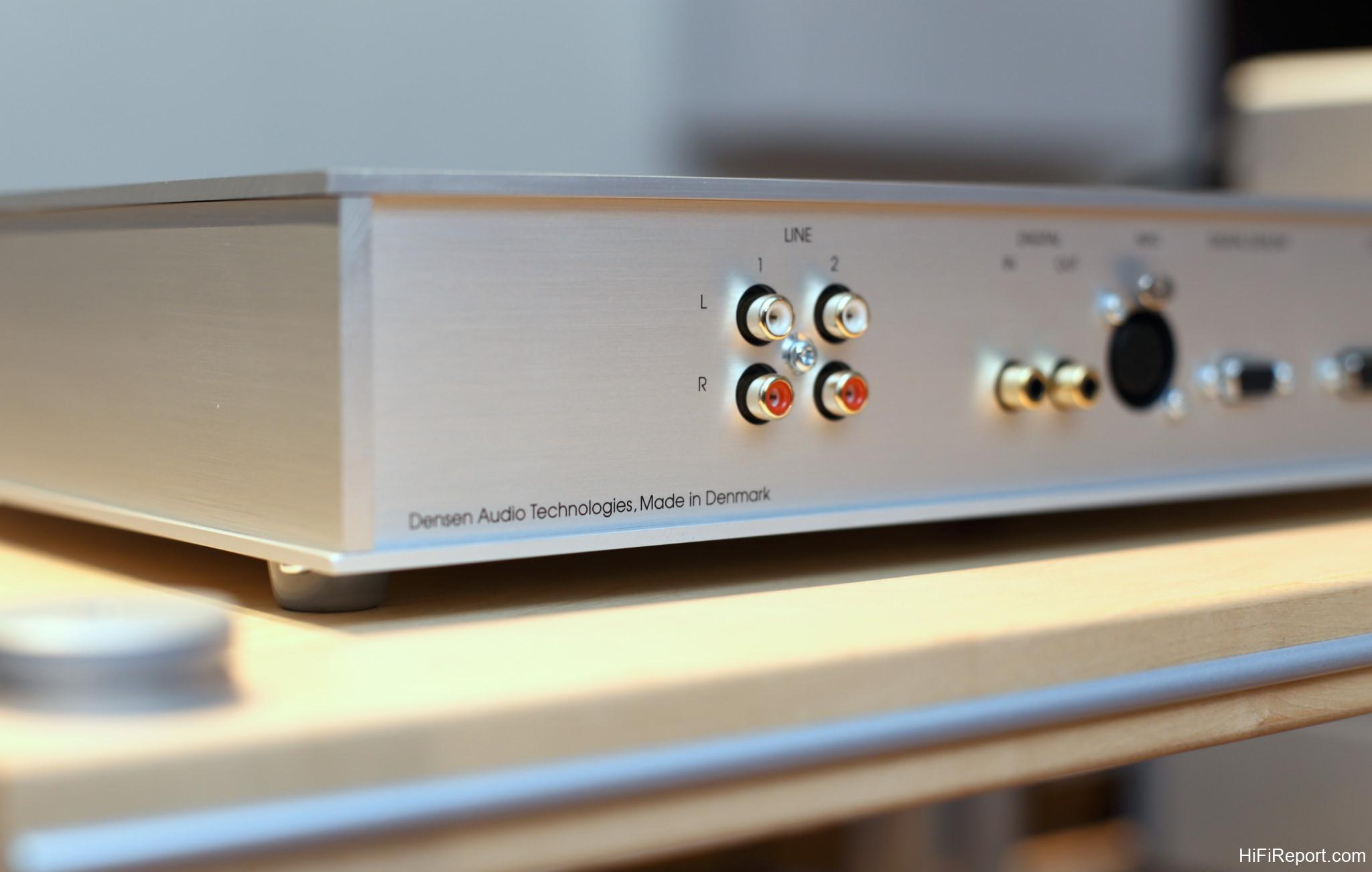
Featuring two sets of RCA analog outputs, one coaxial digital input, and one coaxial digital output. Additionally, it includes an NRG interface for upgrading to an external power supply and Denlink for unified control with other Densen systems.
Made in Denmark.
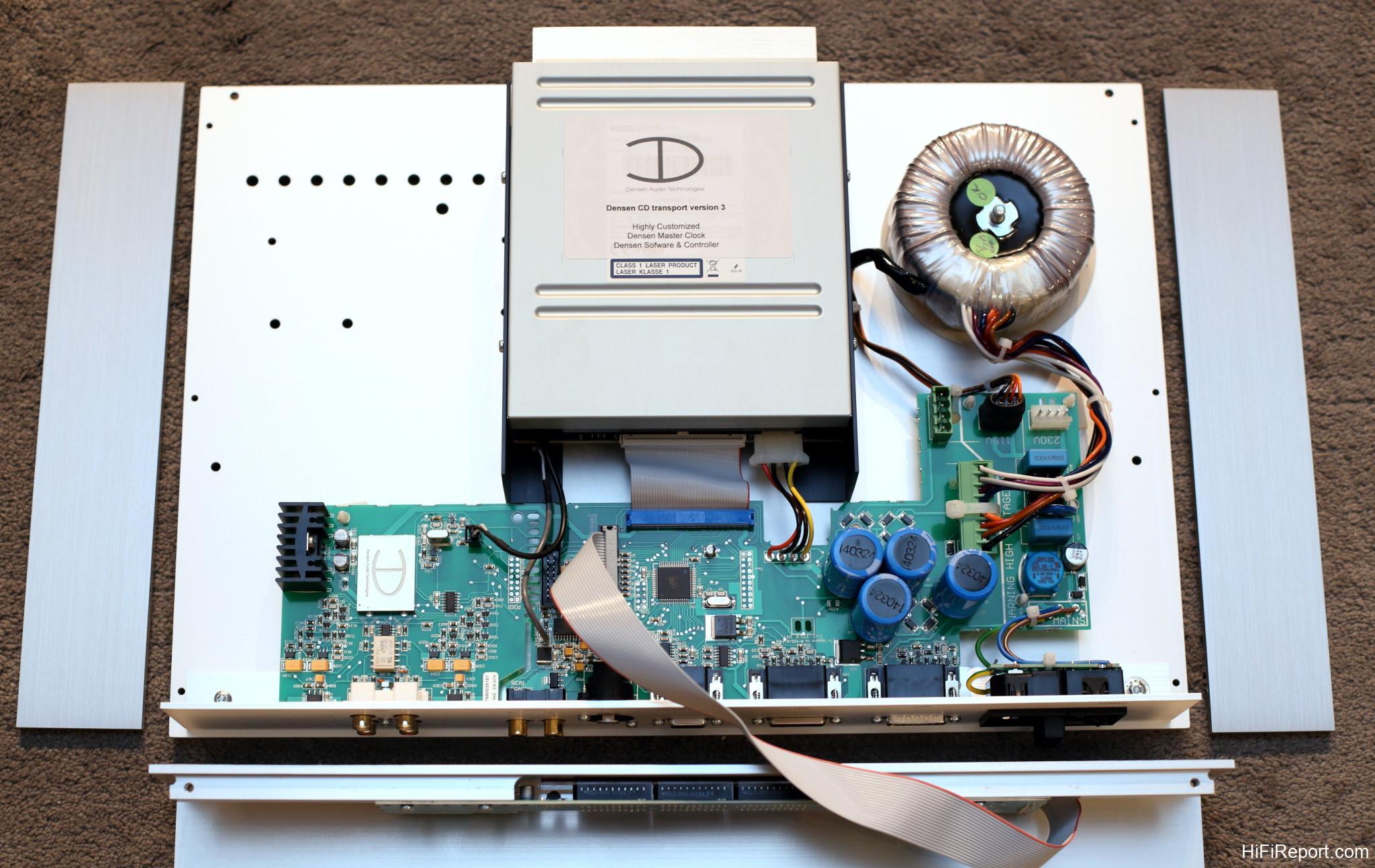
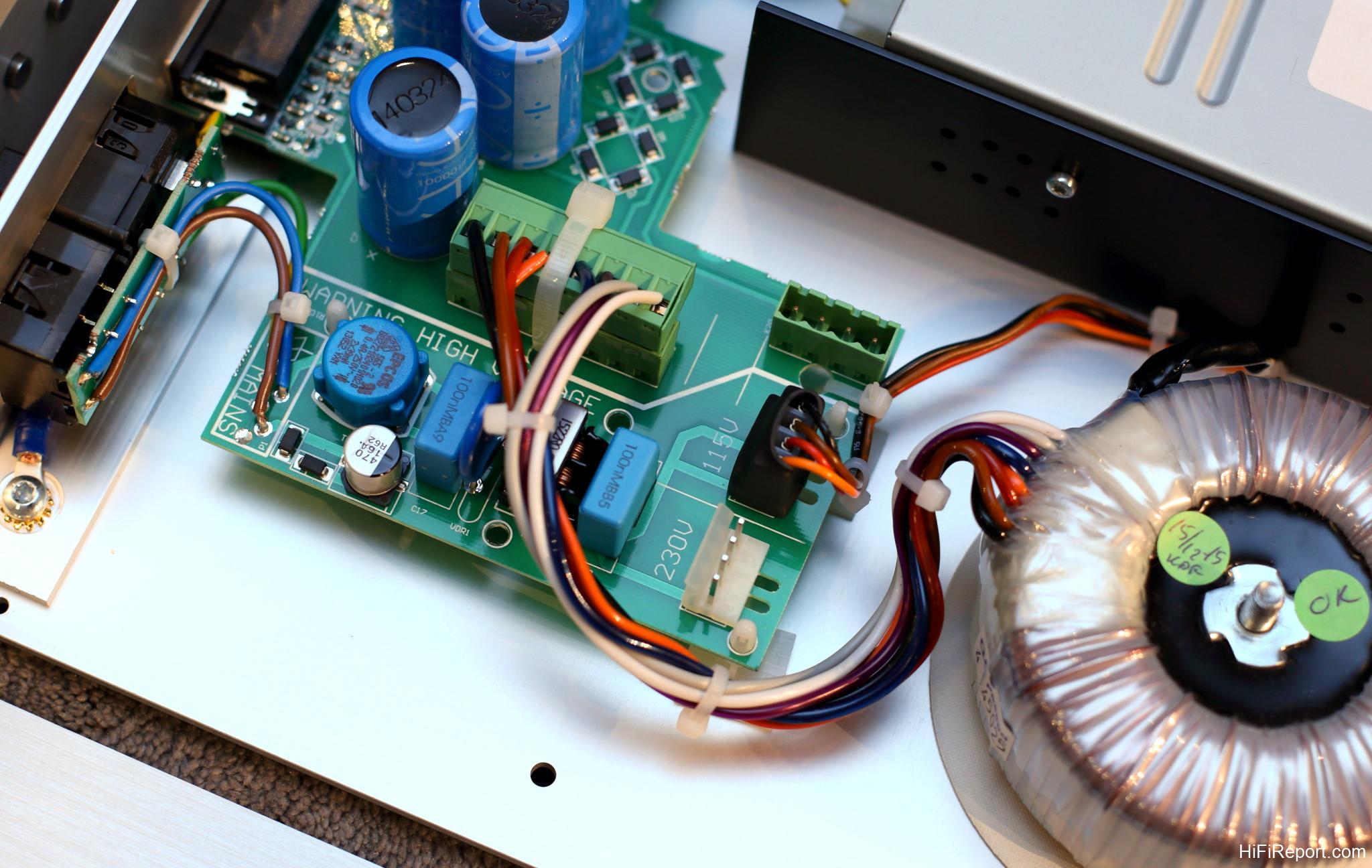
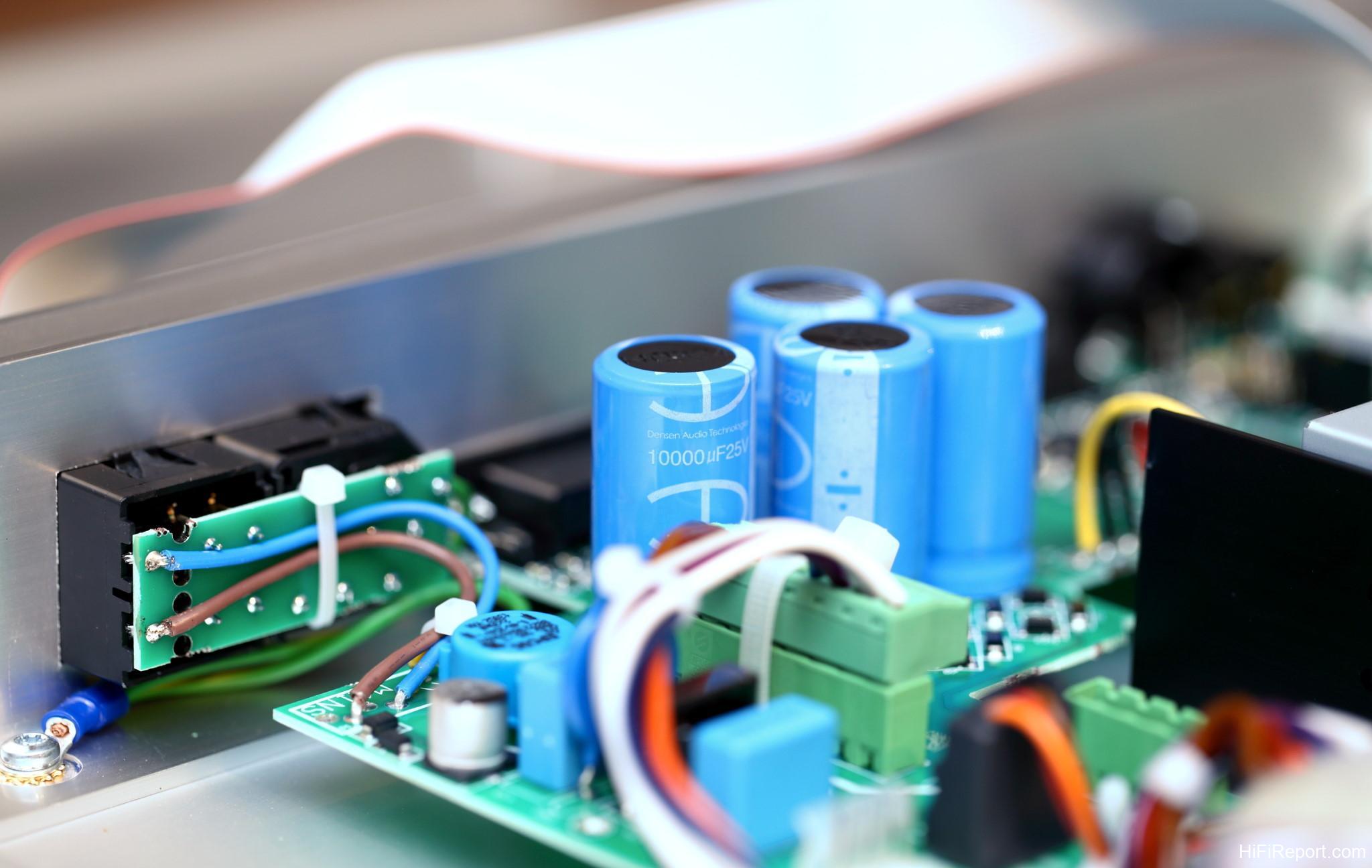
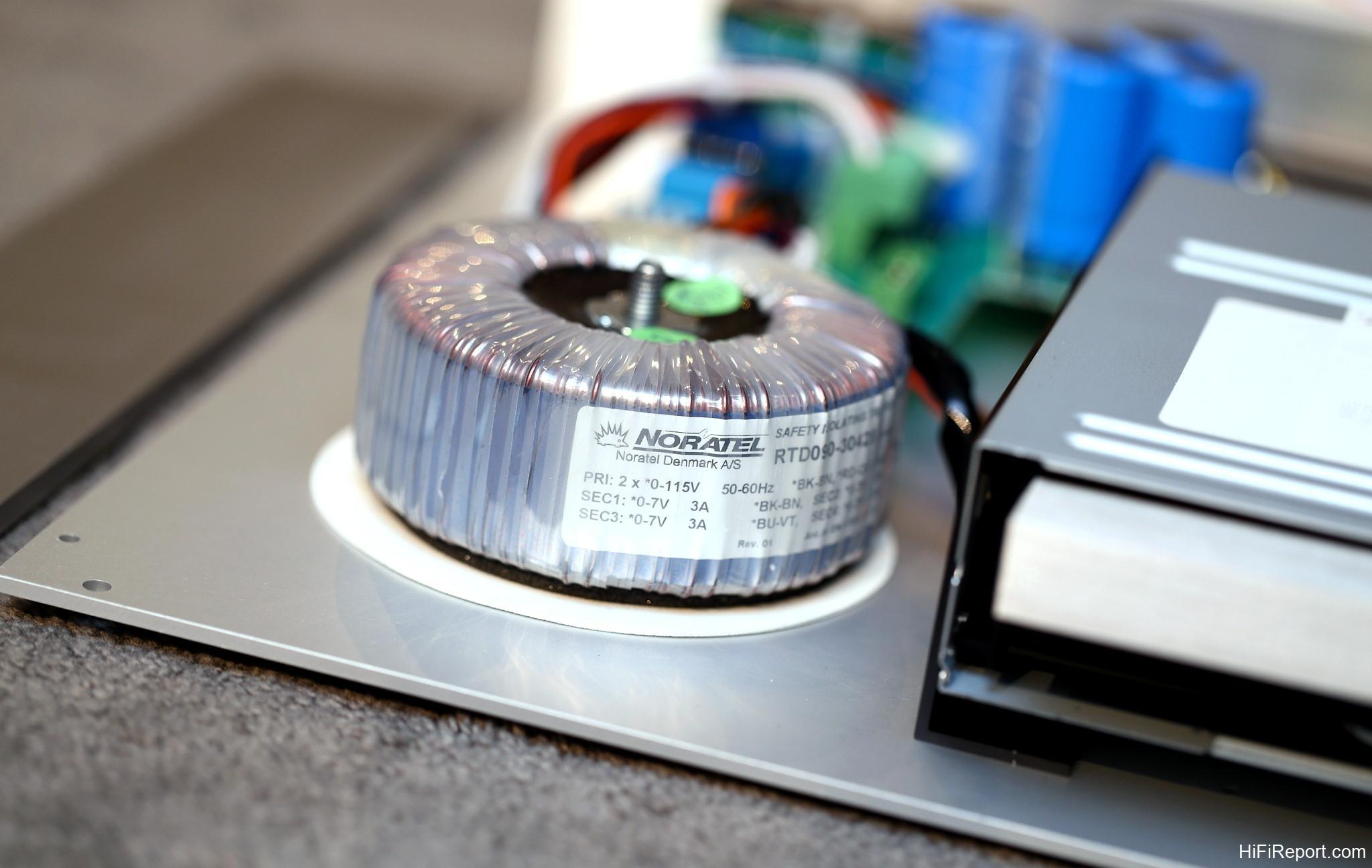
The internal architecture of the B-410XS, representative of Densen’s CD player circuit designs. The B-410XS utilizes a custom Densen toroidal transformer with four independent power output windings and four large 10,000uF capacitors, providing a total capacitance of 40,000uF—more than ample for a CD player. The DAC digital and analog circuits are separated, a design choice that not only enhances sonic purity but also facilitates future upgrades to B-420XS or B-440XS specifications.
However, it’s important to note that upgrading from the original B-410 or B-410+ to the B-410XS is not possible due to the XS generation’s entirely new architecture and components.
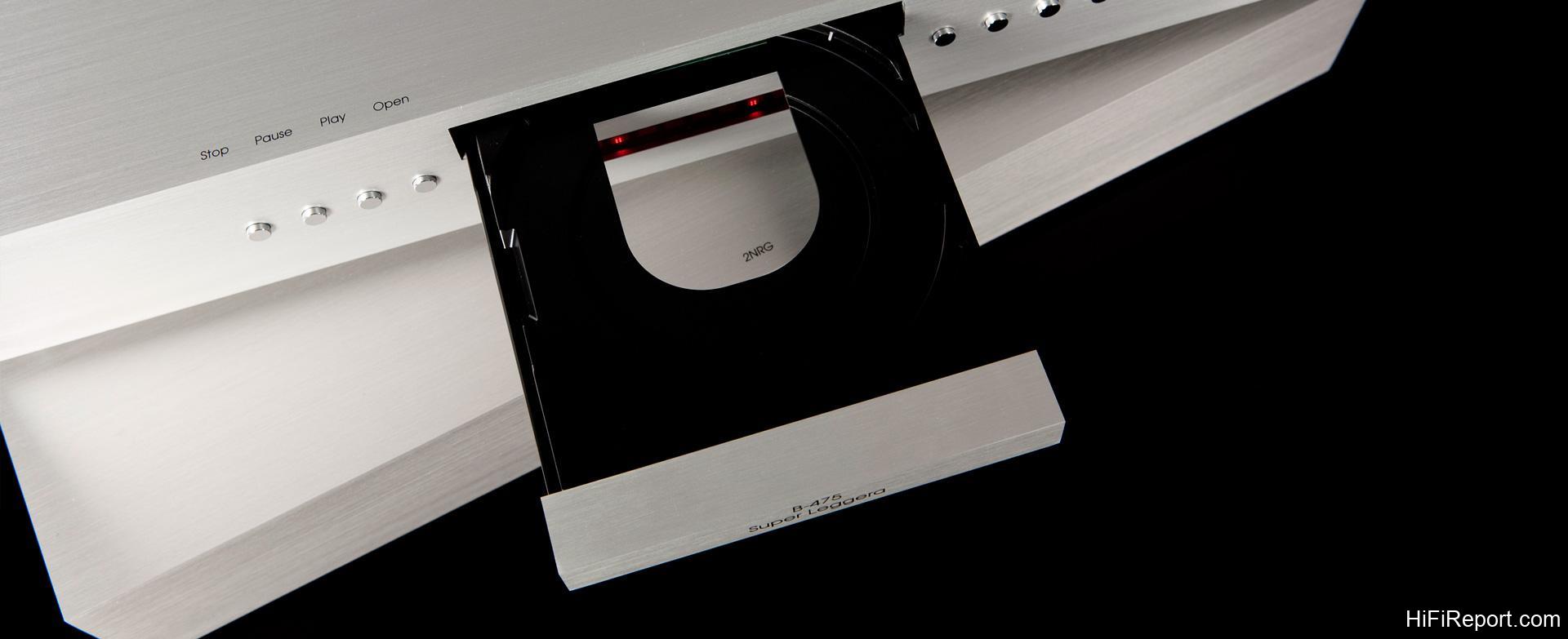
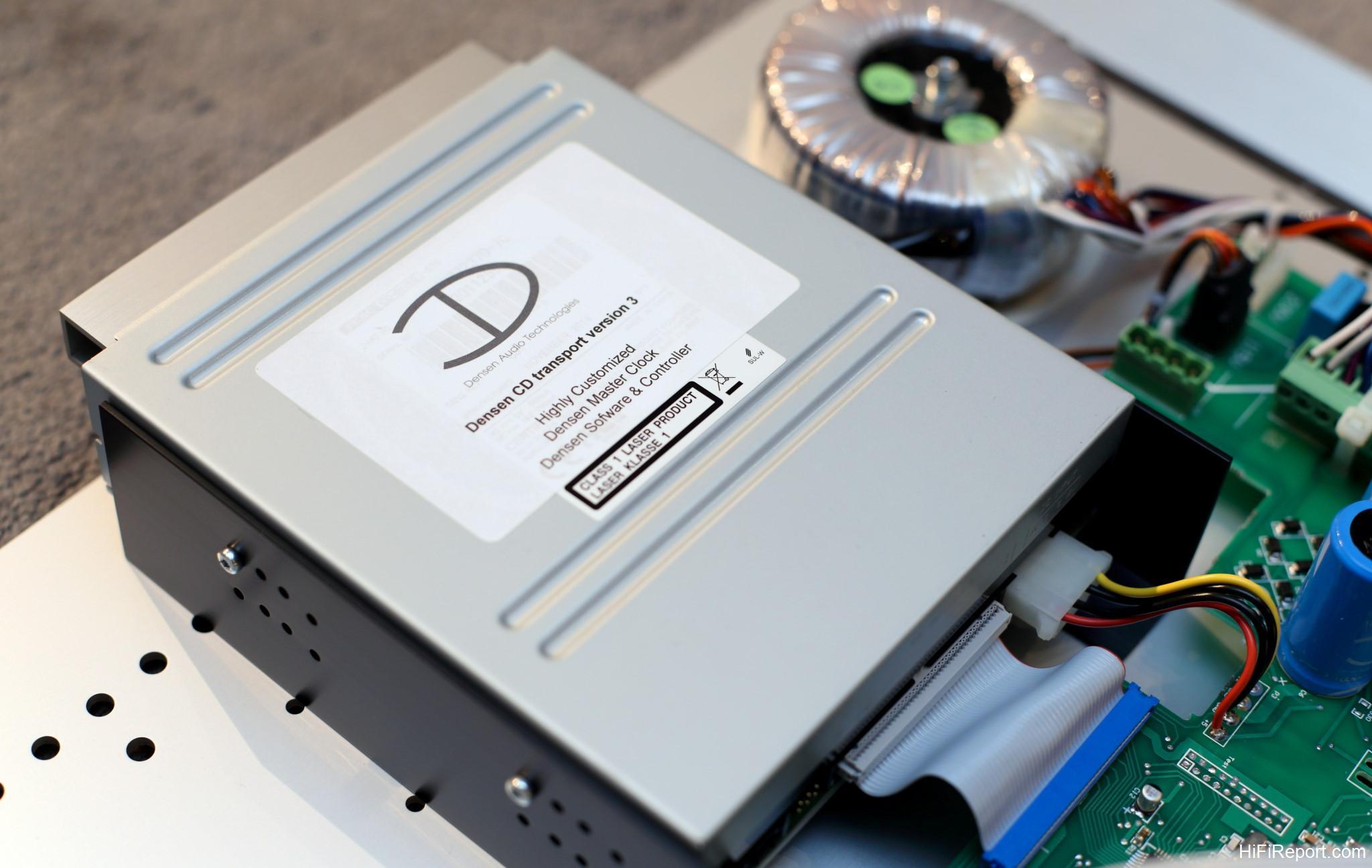
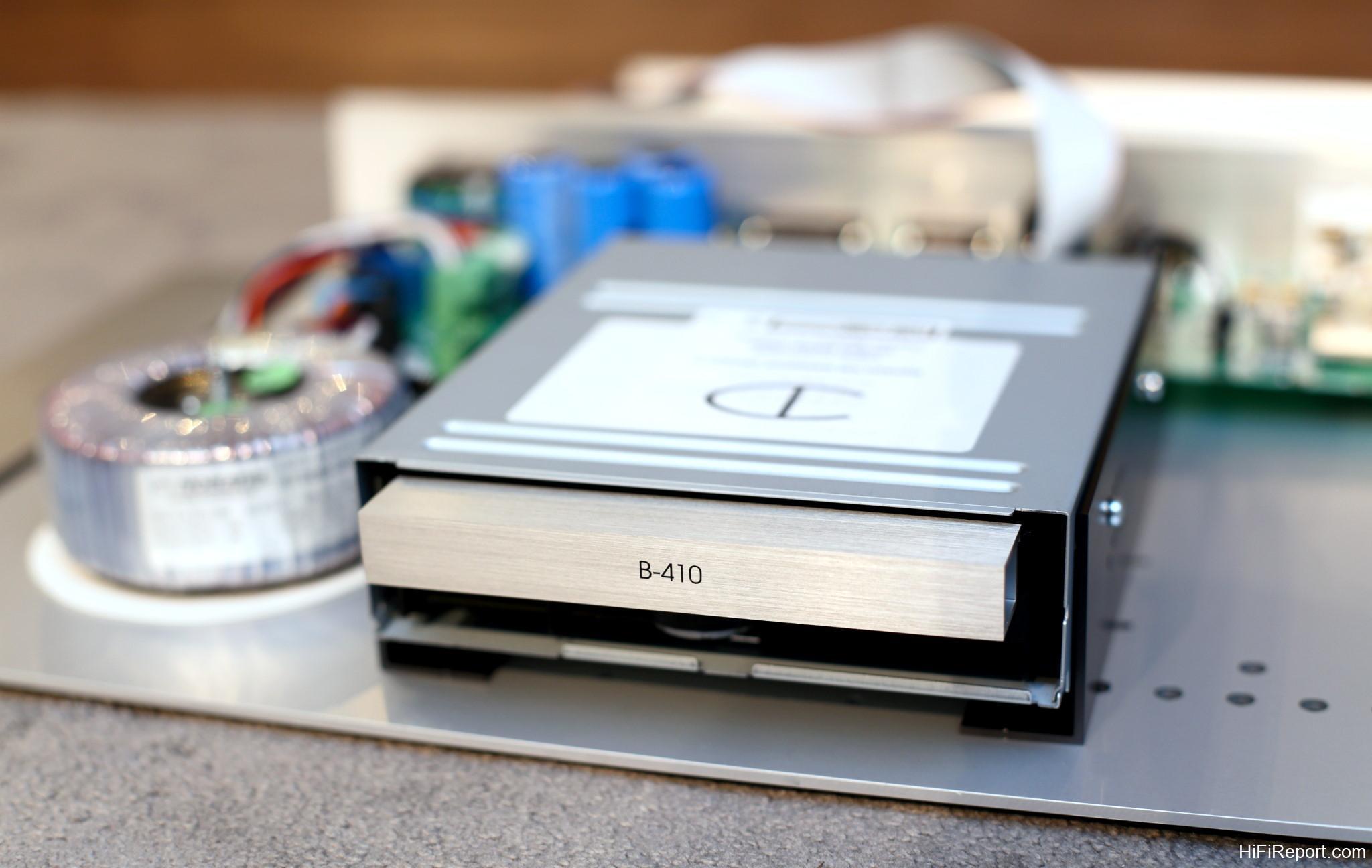
Densen’s custom CD transport system, employing a new ATAPI control system and Densen’s own control software. The CD tray front is also made of aluminum, maintaining visual consistency with the chassis.
This CD transport is the third-generation Version 3, mounted on a metal frame to enhance operational stability.
The large transformer, custom-made for Densen by Norwegian manufacturer NORATEL, features four independent power output circuits and damping feet underneath to minimize transformer vibration.
Four 10,000uF Densen large capacitors, providing a total capacitance of 40,000uF. The Densen logo is visible on top of the capacitors.
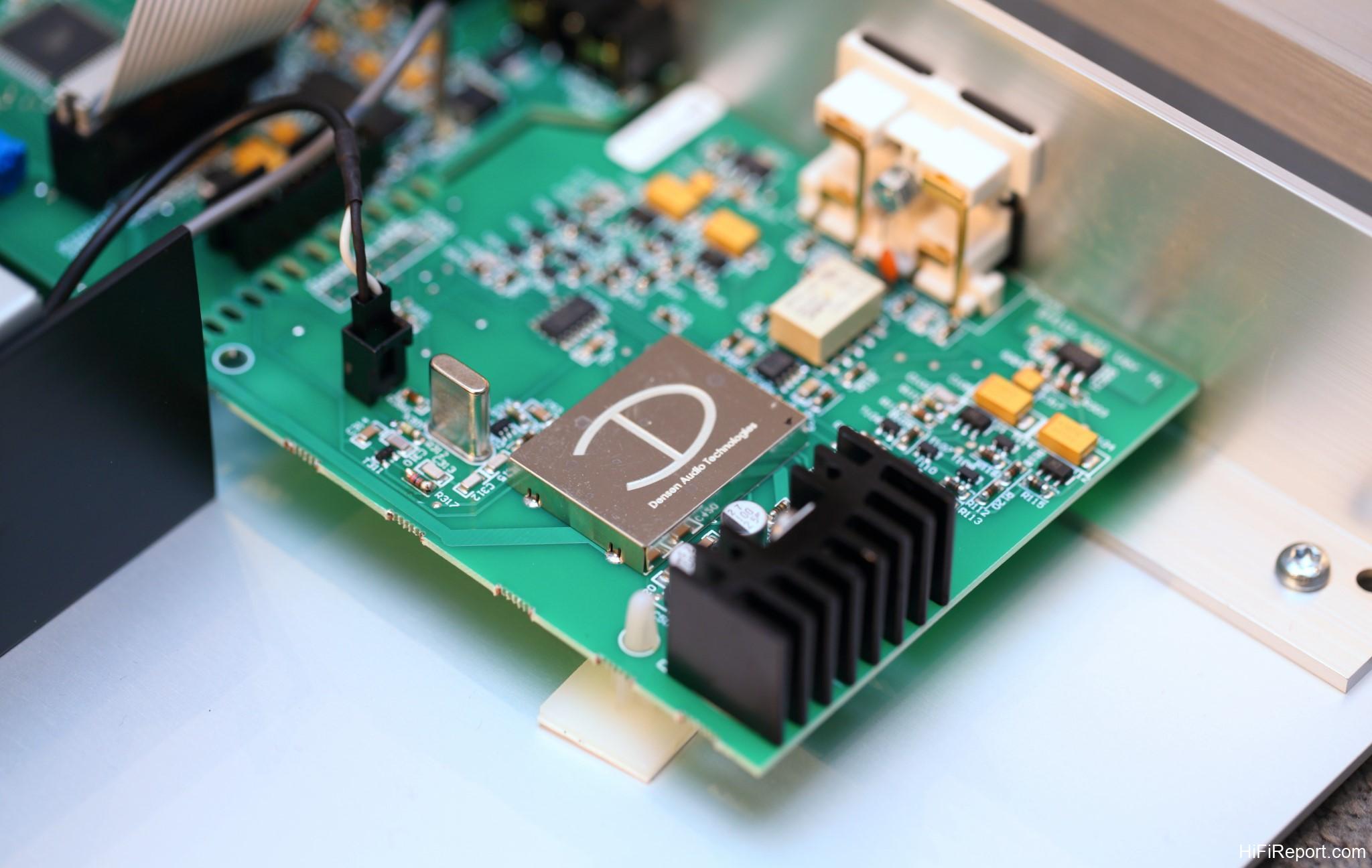
The Densen 24-bit Digital-to-Analog Converter chip, housed in a separate metal shielded enclosure.
Cirrus Logic CS8416-CSZ receiver chip.
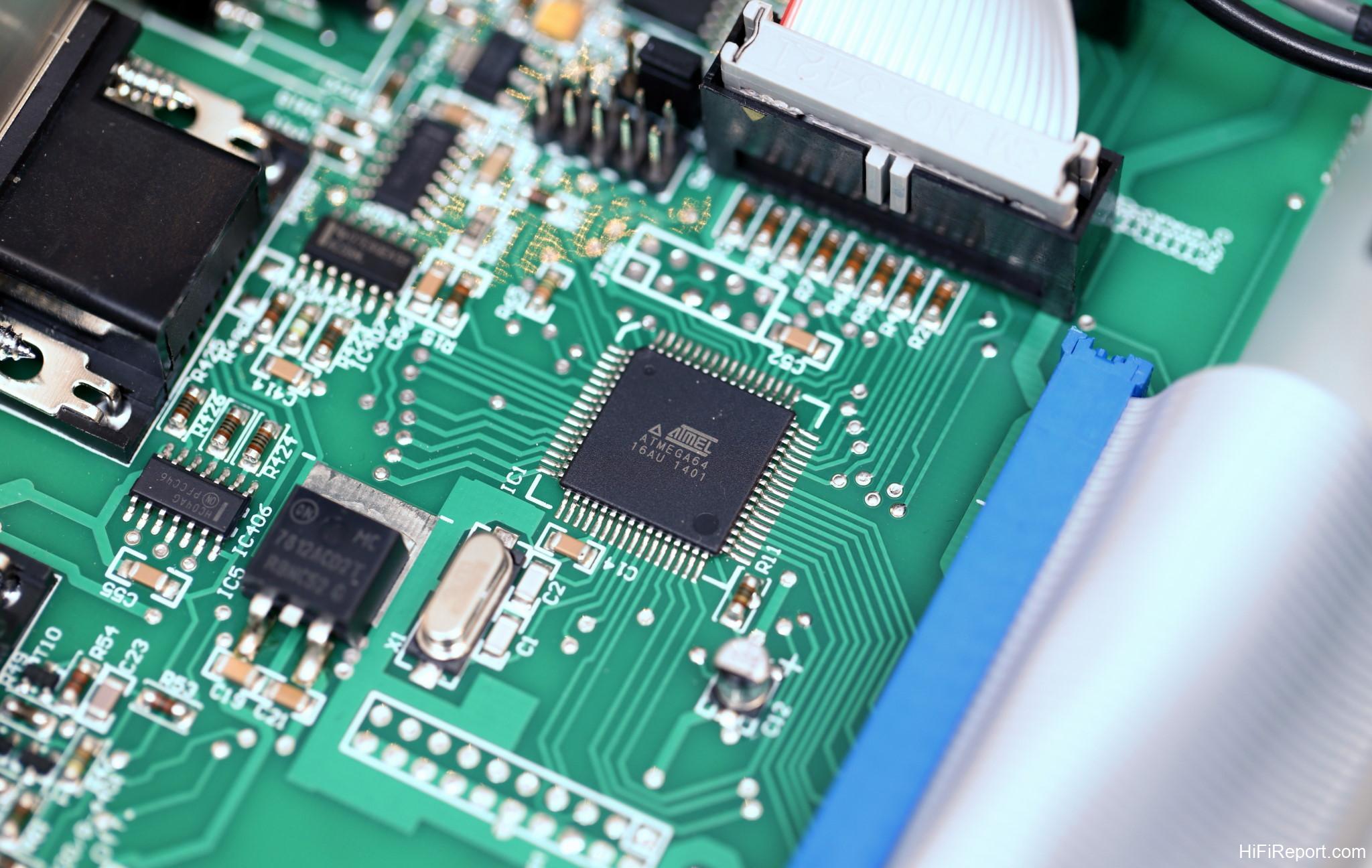
ATMEGA64 Microprocessor chip.
Natural Balance and Rich Harmonics
When listening to Hugh Masekela’s “Hope,” it’s common to focus on exaggerated bass performance. However, the B-410XS takes a different approach. During playback, my attention wasn’t solely drawn to the low frequencies. The balanced reproduction allowed me to appreciate a wealth of sonic detail beyond just the bass. Various instruments and vocals equally captured my attention, and the soundstage presentation was clean and natural.
Clear and Pure, Like Moonlight
Listening to Anne Bisson’s “Blue Mind,” specifically track 6, “September in Montreal,” the delicate cymbal strikes were both clear and distinct, exhibiting excellent realism. The background was clean, and the cymbal sounds were transparent and pure. A similar experience emerged with the trumpet’s penetrating power in track 2, “Uptownship,” from Hugh Masekela’s “Hope.” The transparency enhanced the instrument’s projection.
Throughout the “Blue Mind” album, the B-410XS delivered a remarkably pure sound, virtually devoid of coloration or artificial enhancement. The piano’s key weight and harmonics were natural and appropriately extended. The entire album unfolded with a clarity reminiscent of still lake waters or pure moonlight.
Listening to the B-410XS is akin to enjoying food without excessive seasoning, allowing you to savor the natural flavors of the ingredients, providing a listening experience that remains satisfying over time.