
Dynaudio Confidence 20A Review
We all know Dynaudio speakers possess an elegant aesthetic and, more importantly, deliver exceptional sound. However, they have historically presented a demanding load, requiring careful matching with amplification, which might not be the most user-friendly aspect for mainstream enthusiasts. Furthermore, modern consumers increasingly prioritize interior design aesthetics and lean towards minimalist, space-saving audio systems, naturally eschewing bulky power amplifiers.
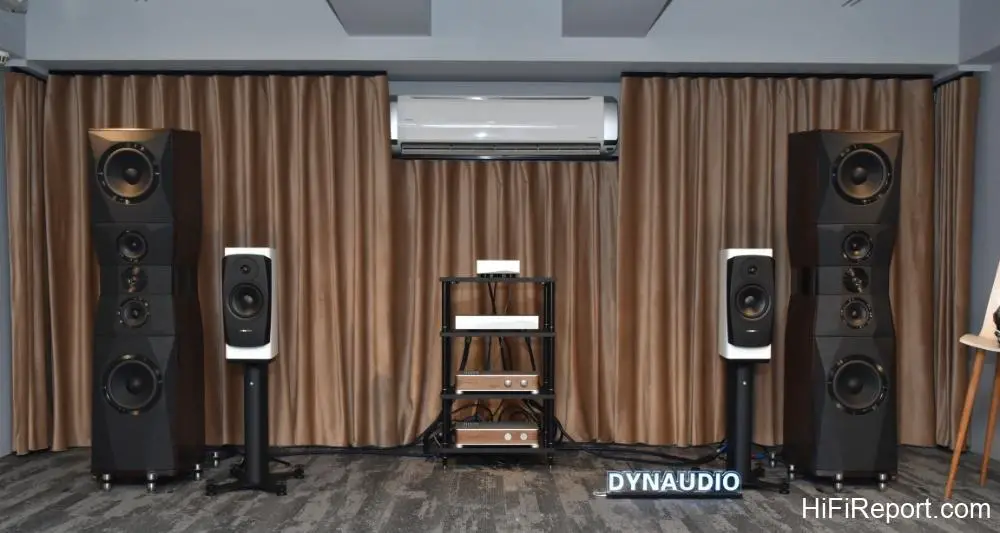
In response to this, Dynaudio has reimagined their smallest Confidence series bookshelf speaker, the Confidence 20, introducing the all-new Confidence 20A active version. This iteration requires only a source component to form a complete audio system, signifying an easier path for enthusiasts to experience the prowess of Dynaudio’s flagship loudspeakers. This is truly news worth broadcasting!
Thus, at the product’s launch, Taifoo promptly arranged a listening session for the Confidence 20A, allowing us an early glimpse into its capabilities.
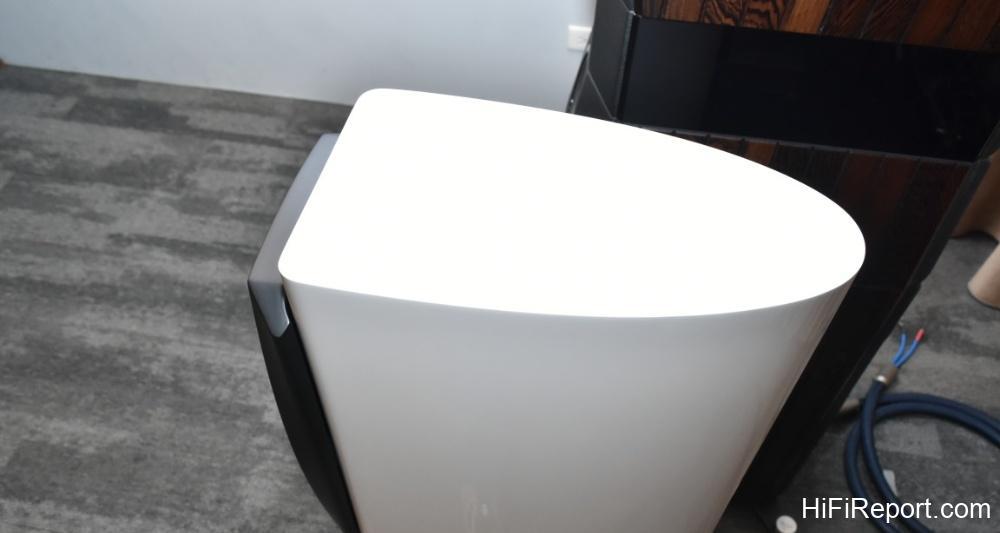
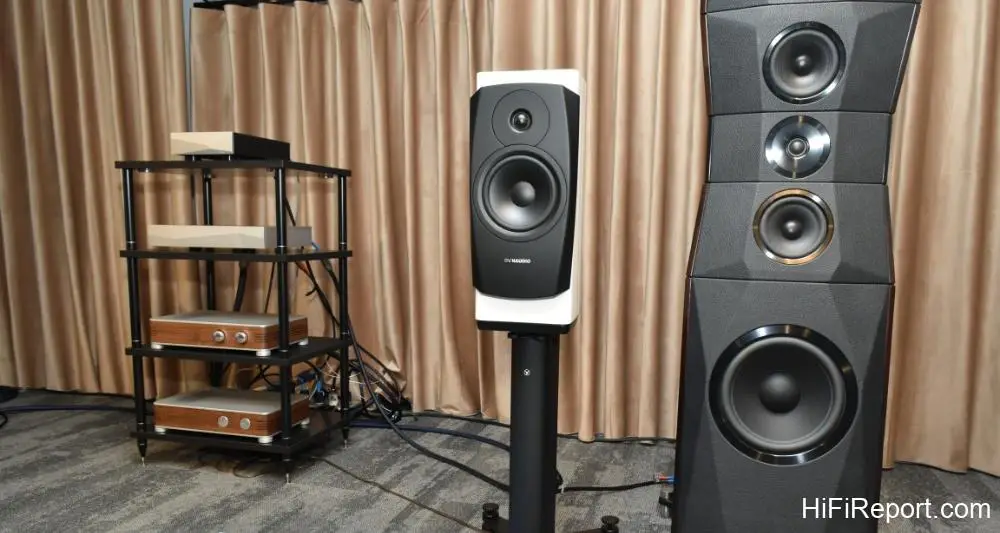
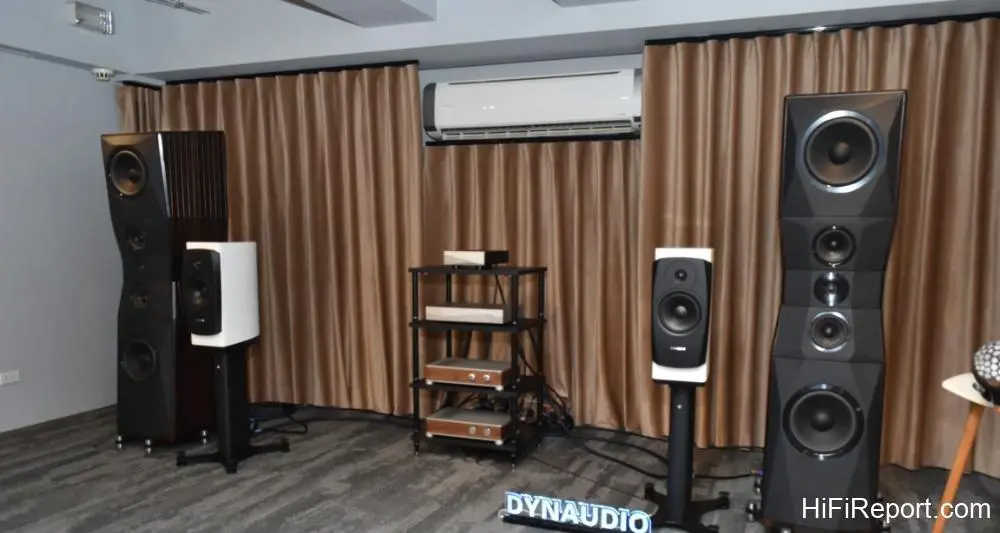
Upon arrival at Taifoo, the Confidence 20A speakers were already warming up. My initial surprise was the dealer’s choice of venue for the demonstration: the office lobby. Anyone familiar with Taifoo knows this space is not only open-plan but also possesses considerable depth, often used to showcase colossal loudspeakers like Peak and Rockport.
It was unexpected that such compact bookshelf speakers as the Confidence 20A could fill this expansive area effortlessly, delivering substantial low-frequency impact. From the moment I entered, my preconceptions were being challenged!
A closer inspection of the Confidence 20A brought further pleasant surprises. Typically, when reviewing active speakers, my first instinct is to examine the rear panel for supported terminals and parameter adjustments. However, curiously, this pair of speakers lacked any adjustment interfaces or speaker terminals, presenting a cleaner design than even passive speakers.
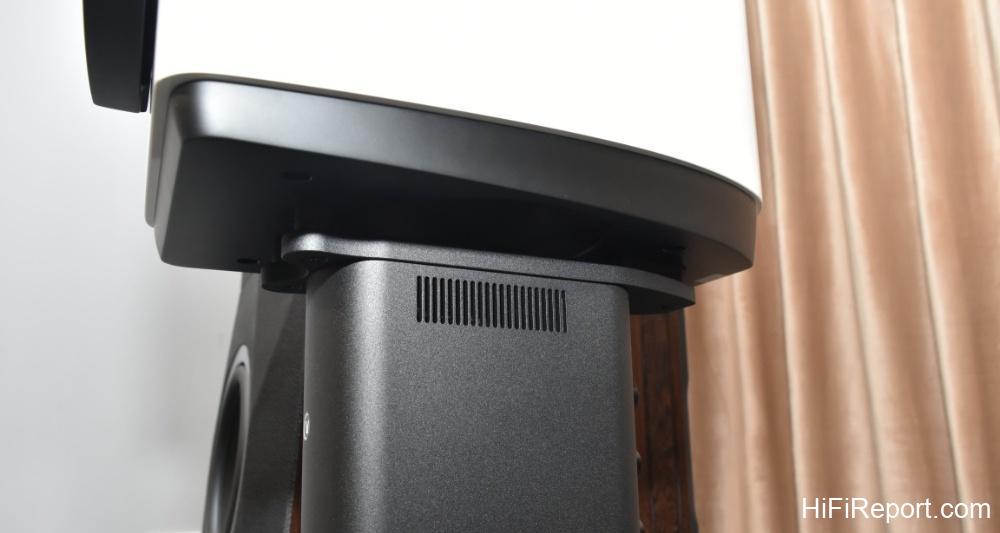
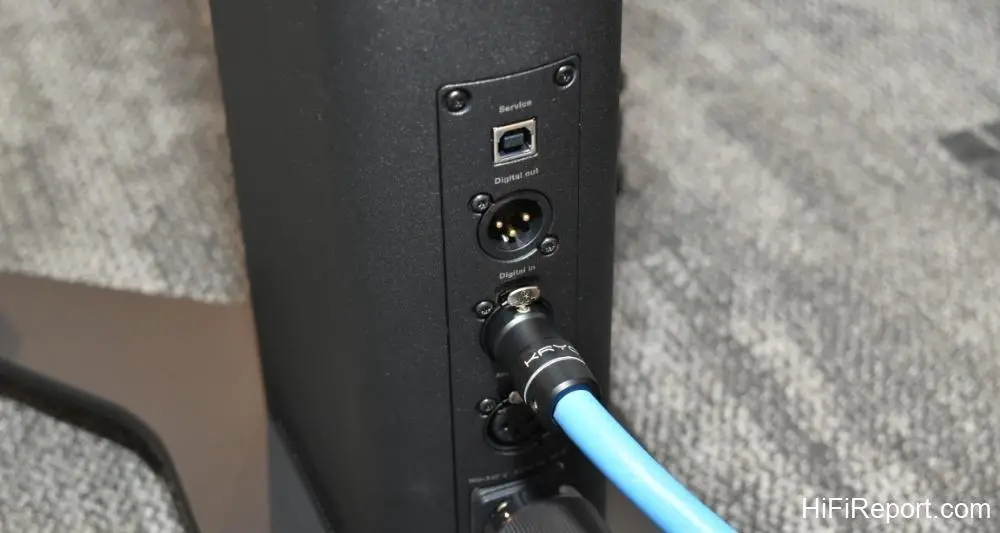
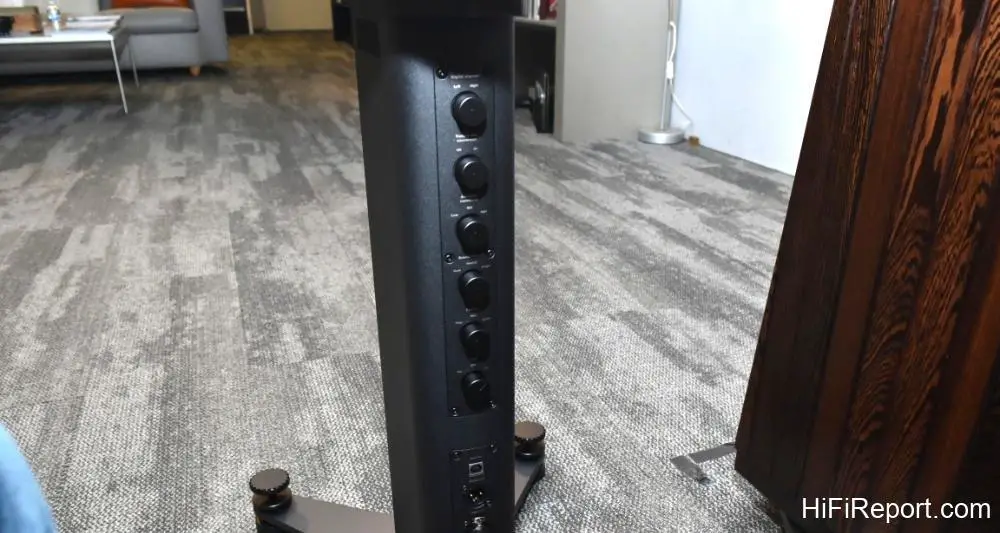
A quick glance downwards revealed that all terminals, control knobs, and even the internal amplification circuitry had been ingeniously relocated into the speaker stands.
This design, while uncommon, offers numerous advantages. Firstly, it effectively isolates the active speaker’s sensitive audio circuitry from the backwave interference generated by the drivers, minimizing resonance’s impact on the electronics. Secondly, by eliminating the amplification circuitry from the cabinet, the internal volume of the speaker is significantly increased, thereby enhancing the low-frequency extension.
This allows the Confidence 20A’s bass to reach down to 33Hz, a marked improvement over the passive version’s 42Hz. Moreover, the aluminum alloy construction of the stands provides excellent heat dissipation for the amplification circuits, a truly multi-faceted design for audiophiles!
A closer observation also reveals a deliberate gap between the Confidence 20A’s stands and the speaker cabinet. The top of the stand features a convex surface positioned towards the speaker’s port, presumably to optimize airflow. Coupled with the newly designed “Exponentially Shaped Dual Flared” (ESDF) bass reflex port, this arrangement significantly reduces port noise. However, this integration also means the Confidence 20A is exclusively compatible with its dedicated speaker stands.
The Confidence 20A boasts comprehensive functionality. In terms of connectivity, it features XLR analog inputs, allowing for connection with preamplifiers or phono stages, effectively utilizing the Confidence 20A as a purely “active speaker.” Furthermore, it astonishingly supports AES/EBU and USB Type-B digital inputs, indicating the presence of powerful internal DSP and decoding capabilities.
Although the manufacturer provides minimal detail regarding the DAC design, the sonic performance achieved by Taifoo, with only an Innuos PULSE streaming transport connected to the front and outputting digital signals to the speakers, was exceptionally impressive. This implies it can be paired with purely digital sources such as CD players, music servers, and NAS drives. A minor drawback is that the USB-B port is designated for factory servicing only and cannot be used for source connections.
Moving to the highlight of the Confidence 20A, a series of knobs adorns the speaker stands’ uprights. While the parameter adjustments might appear complex, the manufacturer assures they are intuitively designed, allowing users to follow simple instructions and tailor settings based on speaker placement and source component matching. The level of adjustability even surpasses that of active studio monitor speakers!
The “Digital Channel” offers “Left” and “Right” options, enabling you to define the stereo channel for each speaker. For speaker placement, the “Position” menu provides three settings: “Free,” “Corner,” and “Wall.” The manufacturer suggests selecting “Free” when speakers are placed more than 50cm from any single wall, “Wall” for less than 50cm, and “Corner” when within 50cm of two walls.
Additionally, users can fine-tune the speaker’s tonal balance using the “Sound Balance” menu, with options like “Dark,” “Neutral,” and “Bright.” This feature is highly recommended for users to leverage, enabling the speakers to integrate more effectively into the listening space and mitigate the impact of “Room Modes.”
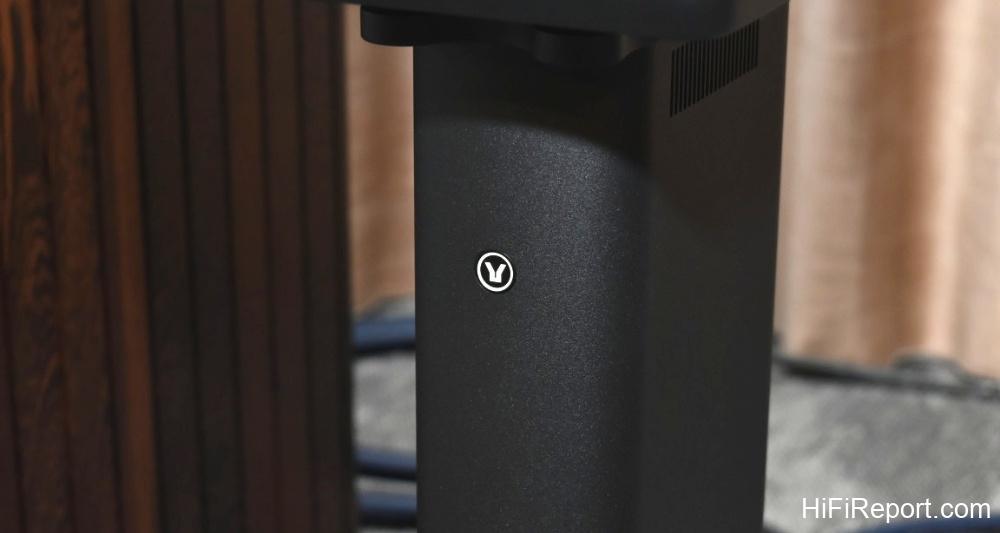
If you are pairing the speakers with analog audio equipment that lacks volume control, such as a pure DAC, you can adjust the “Analogue Sensitivity.” This allows selection from three levels – “Low,” “Mid,” and “High” – based on the analog equipment’s output gain. How does one determine the appropriate setting? It’s simple: the Dynaudio “Y” logo on the front of the Confidence 20A illuminates white when the speaker is active.
However, if the analog gain is too high, it will flash red, indicating you should switch to the “Low” setting. A rapid red flashing signifies the amplifier’s thermal protection mechanism has engaged, prompting the speaker to automatically reduce volume to prevent damage.
When listening to streaming music, it’s common to encounter songs with varying sample rates. In such instances, the Confidence 20A’s “Digital Channel” offers an adjustment. If set to “Off,” there will be a brief mute between tracks as the music’s sample rate remains unchanged, yielding the best sound quality.
However, for a seamless, uninterrupted listening experience, setting it to “On” allows the speaker to automatically adjust the music files to a common sample rate before playback, achieving a fluid, gapless experience.
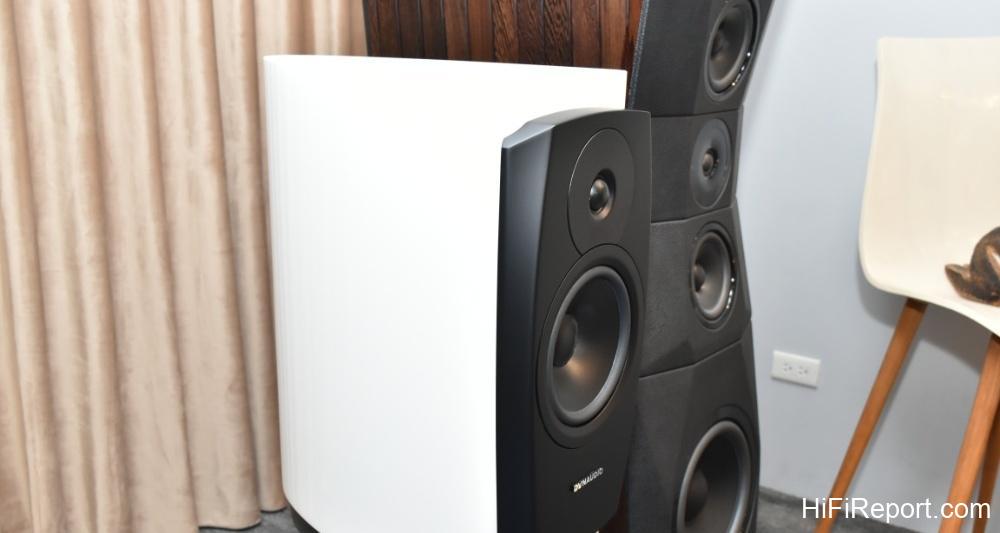
Beyond the dedicated speaker stands, the Confidence 20A’s speaker cabinets maintain a lineage with their passive counterparts, featuring a front-wide, rear-narrow, teardrop-shaped enclosure to minimize acoustic diffraction and enhance soundstage precision. The baffle is separated from the cabinet and constructed from Compex composite material. Beyond its excellent rigidity, Compex possesses high internal damping, significantly reducing coloration caused by driver vibrations.
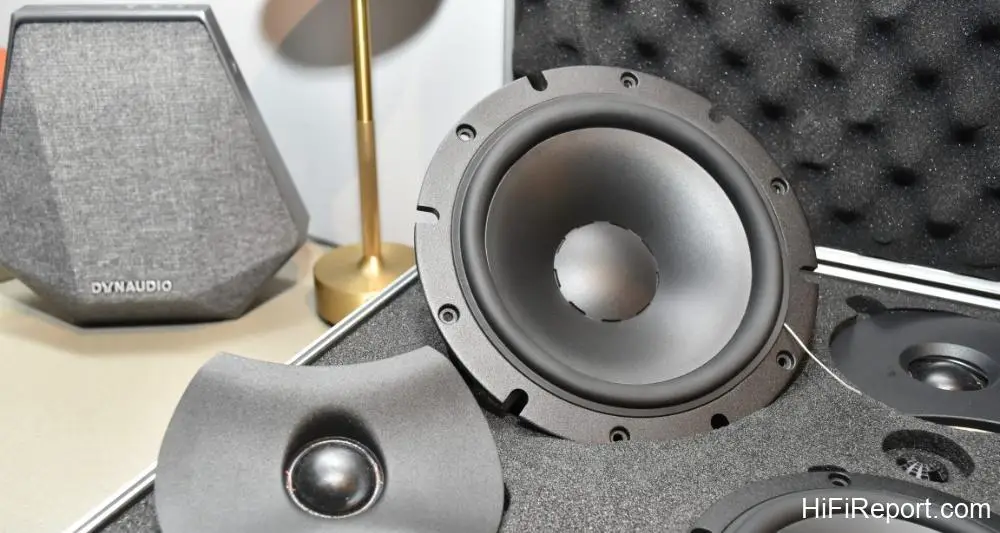
The drivers also inherit the Confidence series’ design, featuring a new-generation Esotar 3 soft-dome tweeter. The manufacturer has incorporated a special Hexis device behind the diaphragm. This is a circular composite frame with low resonance and high damping characteristics, featuring radial holes that increase in size towards the outer edge.
Positioned just 2mm from the diaphragm, it rapidly dissipates the driver’s backwave, resulting in a cleaner treble – a technological evolution unprecedented in soft-dome tweeters.
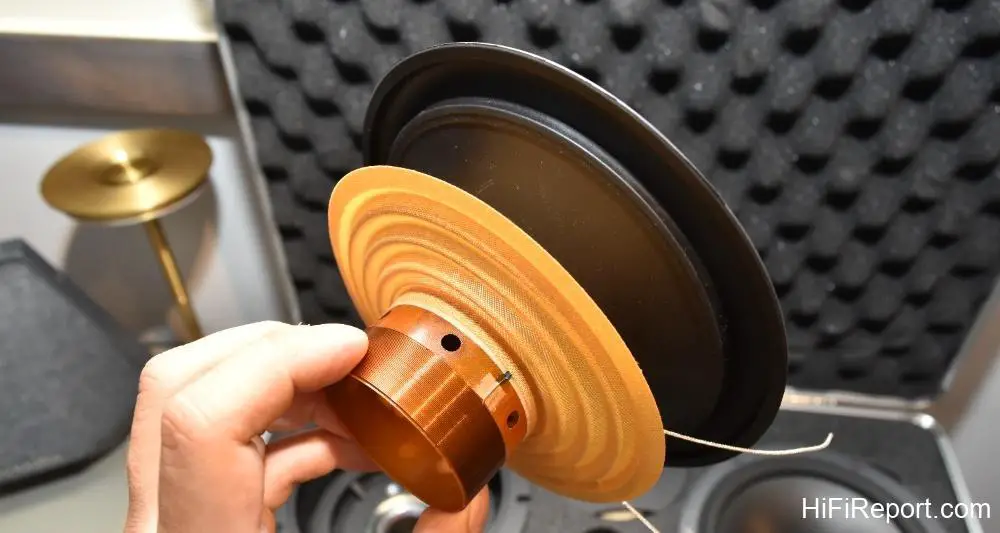
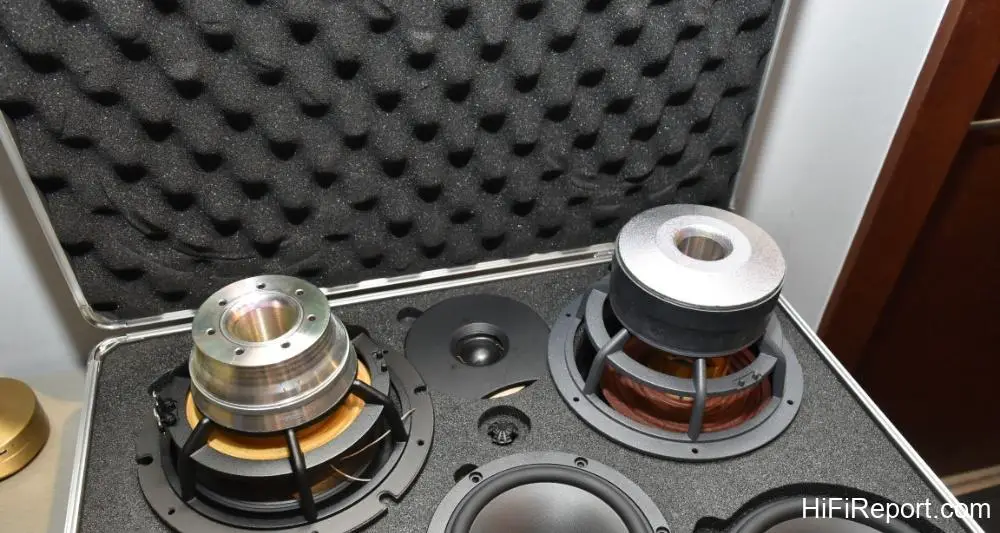
The mid-woofer is a 180mm NeoTec driver with a diaphragm crafted from MSP (Magnesium Silicate Polymer). The manufacturer has updated the magnetic system to utilize neodymium magnets, achieving sufficient control with a smaller footprint and reduced driver weight. Furthermore, the voice coil former for the woofer has been replaced with a glass fiber component, paired with an aluminum voice coil. This lightweight design enhances driver responsiveness.
These premium drivers are the industry’s only products developed through advanced “Jupiter Acoustic Laboratory” measurements, achieving optimal response characteristics, transient response, and low distortion – qualities that will undoubtedly be reflected in the speaker’s sonic performance.
Finally, the drivers in the Confidence 20A are powered by independent Danish Pascal amplifiers, the same used in Dynaudio’s high-end Core series studio monitors: 150 watts for the tweeter and 400 watts for the mid-woofer, providing ample headroom and lower distortion.
Dynaudio’s renowned for its beautifully rendered midrange, so I began my listening session with simple vocals, playing the second track, “Landslide,” from Stacey Kent’s album “Breakfast on the Morning Tram.” As mentioned earlier, the Confidence 20A’s first impressive attribute was its robust sound energy; even at extended listening distances, musical details remained abundant.
To my surprise, when playing such delicately sung female vocals, the presentation retained an intimate feel with a palpable sense of airiness in the treble. Minute vocal tremors and inflections were rendered with crystal clarity! Not only were the vocals transparent and refined, but their physical presence was also palpable and full. The accompanying guitar was imbued with sweetness, its woody resonance warm and lifelike.
The Confidence 20A’s sweet treble translated beautifully to string instruments. Playing “Duets for Two Violins” by Itzhak Perlman and Pinchas Zukerman, the violin lines were rendered with a smooth richness. The sheen of high-position playing was slightly restrained, yet conveyed an understated sweetness. Even with aggressive bowing, there was no sharp, piercing pressure; instead, a consistent, gentle thickness permeated the sound.
Particularly in glissando passages, a captivating sense of sustain was evident, accompanied by a woody resonance that fully showcased the violin’s tonal beauty!
Similarly, listening to “Jewish Life” from Edgar Moreau’s album “Transmission,” the cello reproduction landed squarely in the Confidence 20A’s sweet spot. The physical presence wasn’t about minute detail, but rather a dense, integrated texture, as if the musician were drawing broad, unhurried lines through the air. The trailing notes lingered with a long, resonant decay, imbuing the performance with exceptional musicality.
I then increased the intensity, playing the Japanese jazz pianist Hiromi Uehara’s album “Alive.” The Confidence 20A’s low-frequency quality is truly remarkable, with a depth of extension far exceeding what one would expect from bookshelf speakers of this size! Even when listening from a distance, the impact of the electric bass was visceral, rivaling small floorstanding speakers. Hiromi Uehara’s powerful piano keystrokes were not only weighty but also possessed a vivid sense of physicality.
Even during chordal impacts, one could perceive the grand scale of the piano’s resonance enveloping the listener – a truly impressive feat!
I followed this with “U Can’t Hold No Groove…” from bass master Victor Wooten’s album “A Show of Hands.” This track, performed entirely on electric bass, tests the speaker’s low-frequency control to its limits, showcasing Victor Wooten’s virtuosic technique. The Confidence 20A handled it with composure. The percussive slapping of the electric bass was rendered cleanly and crisply.
Even during rapid funk rhythms, the low-frequency definition remained distinct and articulate, with no discernible lag, demonstrating excellent elasticity and clear string vibration detail. This agile low-frequency responsiveness is precisely where active speakers excel.
Many believe integrated audio systems are merely a compromise in sound quality, often sacrificing comprehensive acoustic design for multi-functionality. The Confidence 20A, however, is entirely different. It not only offers the practicality of DSP digital speakers but adheres to audiophile acoustic design principles in every aspect, even surpassing the advantages of traditional passive audio systems.
If you desire a minimalist, space-saving audio system without compromising on sound quality, the Confidence 20A allows you to effortlessly enjoy Dynaudio’s top-tier sonic beauty within a user-friendly space and budget.
Specifications
* Type: 2-way, 2-driver active bookshelf loudspeaker
* Drivers: 28mm Esotar 3 tweeter, 180mm NeoTec MSP mid-woofer
* Amplifier Power: 400W (mid-woofer), 150W (tweeter)
* Frequency Response: 30Hz-28kHz (-6dB)
* Analog Input: XLR
* Digital Input: AES3
* Digital Output: AES3
* Dimensions (with stands): 1119 x 368 x 457mm (H x W x D)
* Weight (with stands): 28.5kg