
Dynaudio Focus 50 Review
The fusion of wireless streaming and active speakers represents the ideal audio solution for today’s lifestyle. As wireless technology pervades our electronic devices, a truly wireless existence, once a mere concept, has become reality. HiFiReport has long recognized the potential of active speakers.
Dynaudio, with its established pedigree in professional studio monitors, entered the home audio market in 2012 with the original XEO wireless active speakers, placing a strong emphasis on high-fidelity wireless audio transmission, garnering significant attention. While the market is now saturated with wireless active speakers, truly high-fidelity options remain scarce. Dynaudio, however, continues to lead the way, now offering its third-generation Focus series of wireless active speakers.
Decades of Leadership
The concept of combining wireless streaming and active speakers isn’t novel; even a basic Bluetooth speaker fits this description, and can be had for a mere few dollars. So, the primary justification for investing significantly more in products serving the same purpose boils down to one crucial factor: sonic performance. Audio equipment, after all, is designed for listening.
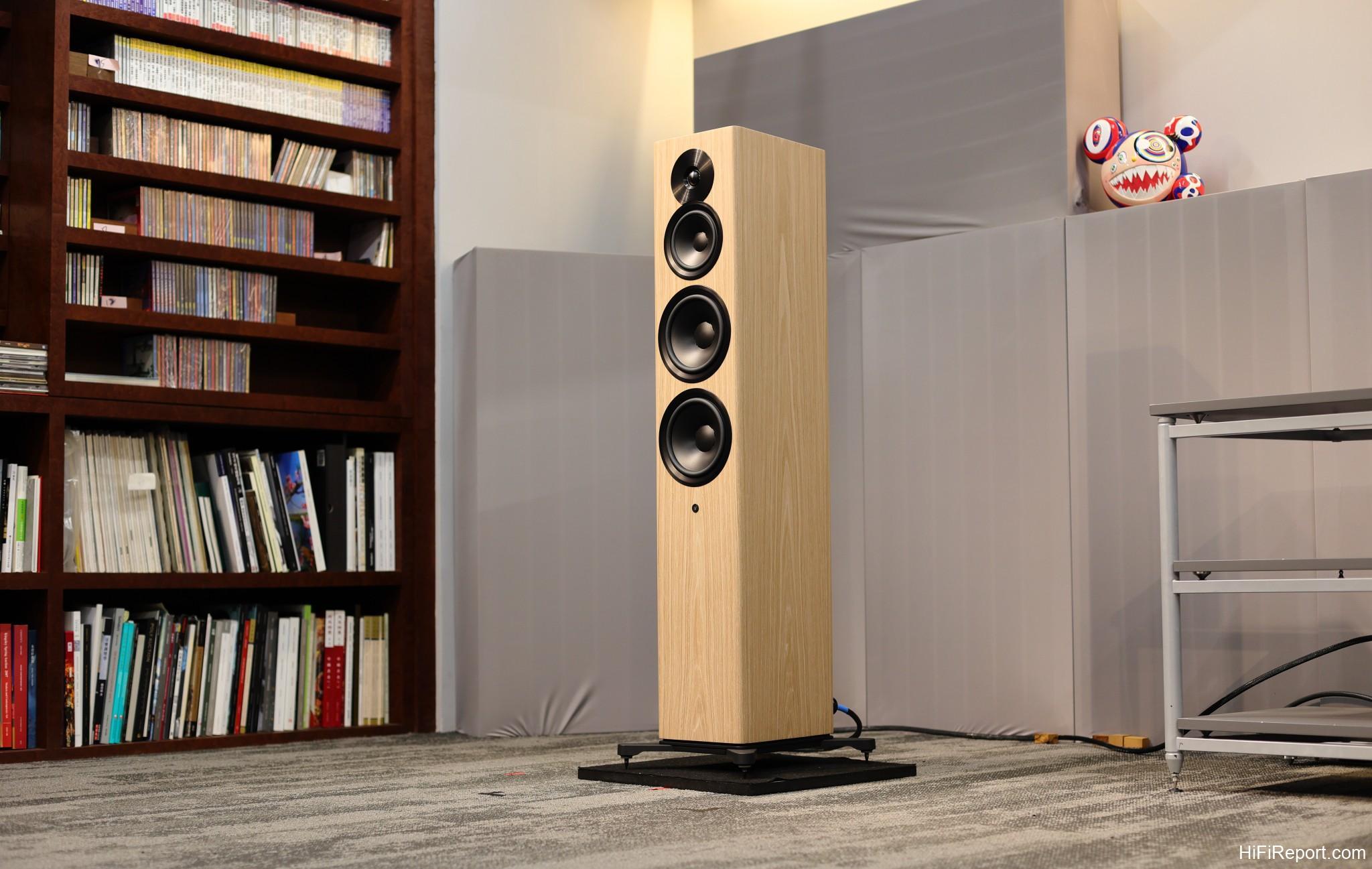
Those with discerning ears naturally prioritize sound quality and are willing to invest in products meticulously engineered for superior audio fidelity. Dynaudio embodies this philosophy. Back in 2012, when they introduced XEO to the home market, their focus was firmly on delivering the best possible sound quality. Unlike companies merely seeking to capitalize on trends, Dynaudio’s commitment to sonic excellence has been unwavering since their inception in 1977.
To this day, their Danish headquarters and research facilities remain dedicated to pushing audio boundaries.
Dynaudio XEO 32012MY-HiEND。
Understanding the Features
The current Focus series represents Dynaudio’s third generation of wireless streaming active loudspeakers, boasting contemporary features. It seamlessly connects to your network, granting access to a plethora of online music services, including Spotify and Tidal, and is Roon Ready, ensuring future compatibility through Dynaudio firmware updates.
Airplay 2, a new addition to this Focus generation, and Google Chromecast are also supported, enabling direct playback of high-resolution audio from virtually any smartphone, tablet, or computer. Bluetooth connectivity is, of course, also readily available. Notably, Focus employs WiSA for inter-speaker communication, a wireless protocol supporting up to 24-bit/96kHz transmission.
If your source device also supports WiSA, a direct connection to the Focus is possible, a feature increasingly found in modern televisions. Traditional connectivity remains comprehensive; optical, coaxial, and analog inputs are all retained, allowing for connection to CD players, turntables, and other legacy sources. A subwoofer output is a new addition in this generation.
For the most streamlined setup, simply connect each speaker to power, establish a WiFi network connection, and control playback via a smartphone or tablet.
User-Friendly App Interface
Dynaudio offers two distinct series of non-traditional wireless streaming active speakers: Focus and Music. Both are controlled by the newly developed Dynaudio Connect App, allowing seamless switching between multiple Dynaudio systems. Screenshots of the App and Roon Ready interface are shown below.
Notably, the app provides extensive user-adjustable settings to optimize sound performance, including speaker placement compensation (wall, corner, free-standing), music frequency profiles (more treble, more bass, neutral), and Dirac room correction. Focus incorporates sensors to automatically detect the acoustic environment and apply basic Dirac adjustments. Users can toggle this feature, and even upgrade to the more advanced Dirac Live.
An innovative feature, new to me, is automatic grille detection with corresponding EQ compensation, highlighting the advantages of digital DSP processing.
Mechanical Configuration
Let’s now delve into the fundamental aspects that underpin Dynaudio’s global reputation and explore what distinguishes the Focus 50 floorstanding speakers. Since its inception in 1977, Dynaudio’s core expertise has been speaker design. Converting passive speakers to active simply involves integrating amplification and digital processing within the speaker cabinet. The fundamental mechanical design of the speaker remains paramount in achieving exceptional sound.
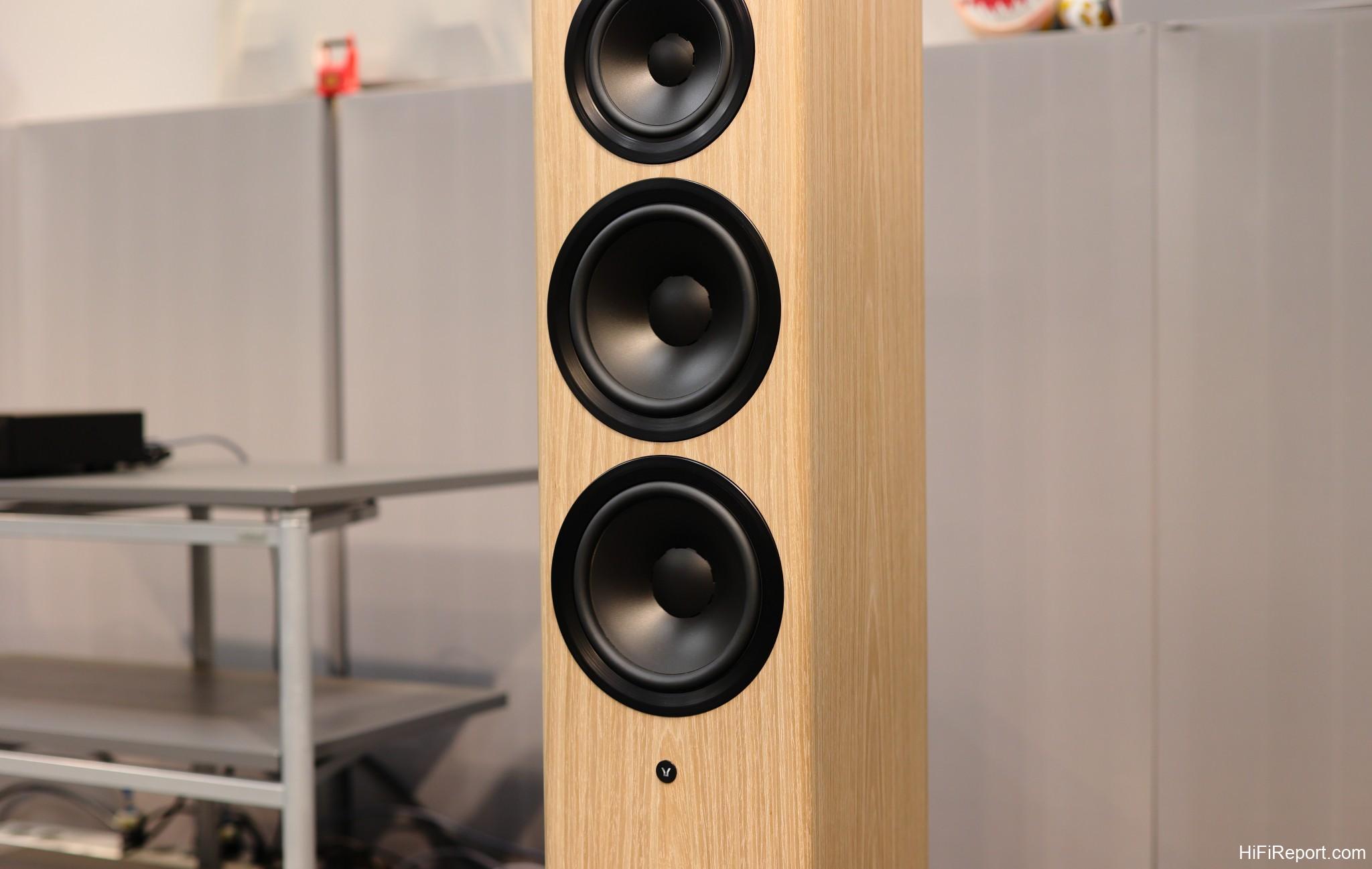
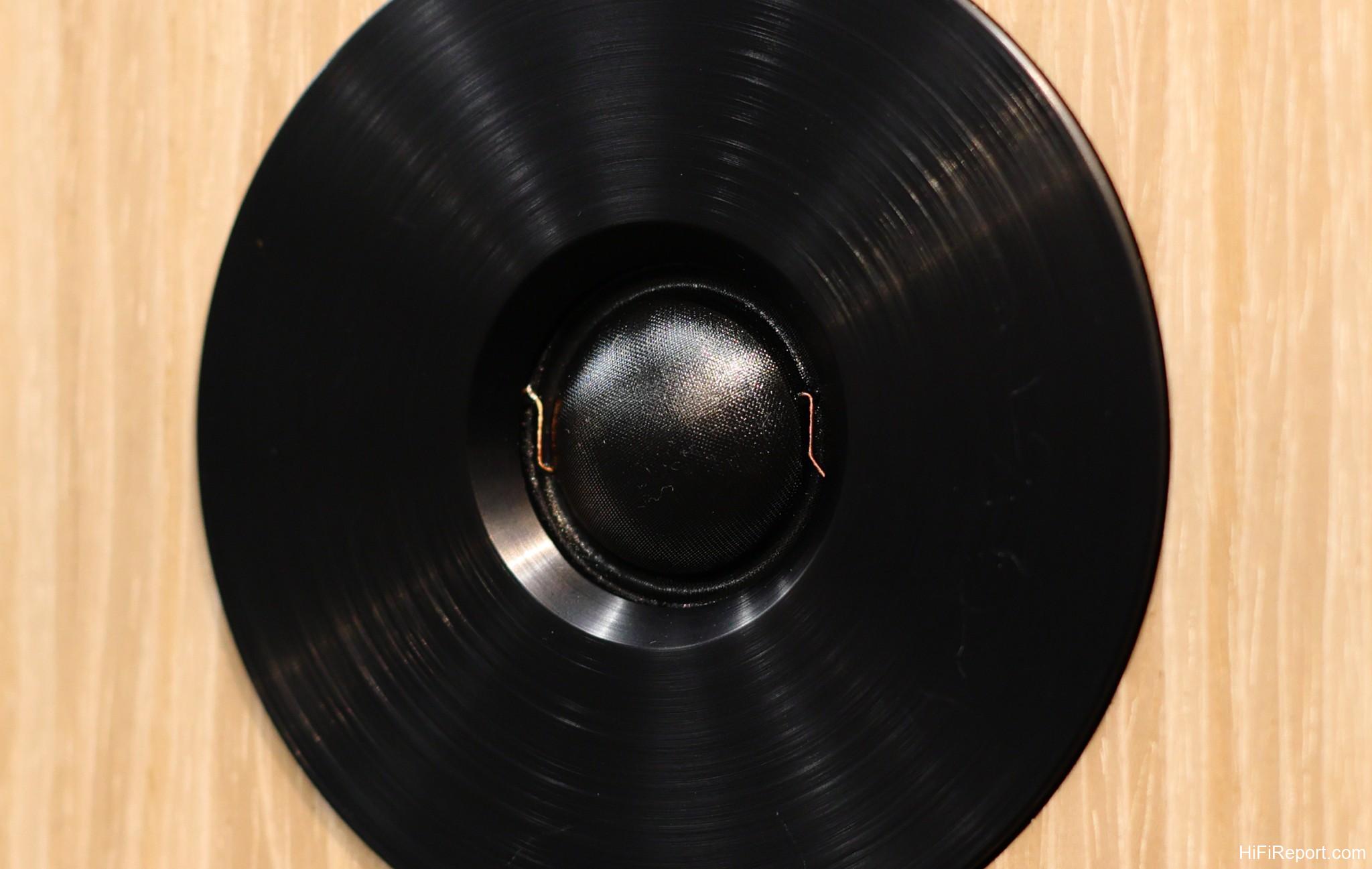
The Focus 50, the largest model in the series, utilizes the most sophisticated driver array. It features a 28mm Cerotar tweeter, shared with the flagship Confidence series, incorporating the Hexis inner dome to manage airflow behind the soft silk dome diaphragm, optimizing dispersion. A strontium carbonate Ferrite+ magnet system maximizes sensitivity.
Positioned below the tweeter is the dedicated midrange driver. The Focus 50 is unique within the series in separating midrange and woofer duties. This 15cm MSP (Magnesium Silicate Polymer) diaphragm midrange driver is derived from the Contour 60, featuring a powerful neodymium magnet, a fiberglass voice coil former, and an aluminum voice coil.
The combination of a potent magnetic field and lightweight coil materials ensures rapid and agile response, providing exceptional control over the midrange frequencies.
Finally, dual 18cm MSP Esotec+ woofers handle the low frequencies. Benefitting from technologies trickled down from the higher-tier Confidence and Contour series, these dedicated woofers are optimized for bass reproduction below 390Hz, free from the demands of midrange frequencies. Consequently, power and control are paramount. To this end, copper voice coils are employed within the magnet structure, a distinction from the other Focus series models.
Evolved Amplification
A crucial element of active loudspeakers is the integrated amplification. The Focus series utilizes amplifier modules custom-designed by Danish specialists Pascal Audio. Each driver—tweeter, midrange, and woofer—is driven by a dedicated amplifier, delivering 110W, 280W, and 280W respectively, with a peak output of 1000W. A 3-way DSP electronic crossover network is employed. Woofer protection circuitry is incorporated to manage driver excursion at high volumes, preventing damage.
Typically, the amplifier section is the least of a user’s concerns in active speakers; the amplifier and drivers are designed to work in perfect synergy, meticulously optimized in the manufacturer’s lab to ensure consistent performance in your home. Provided they are robust, the amplification requires no user intervention.
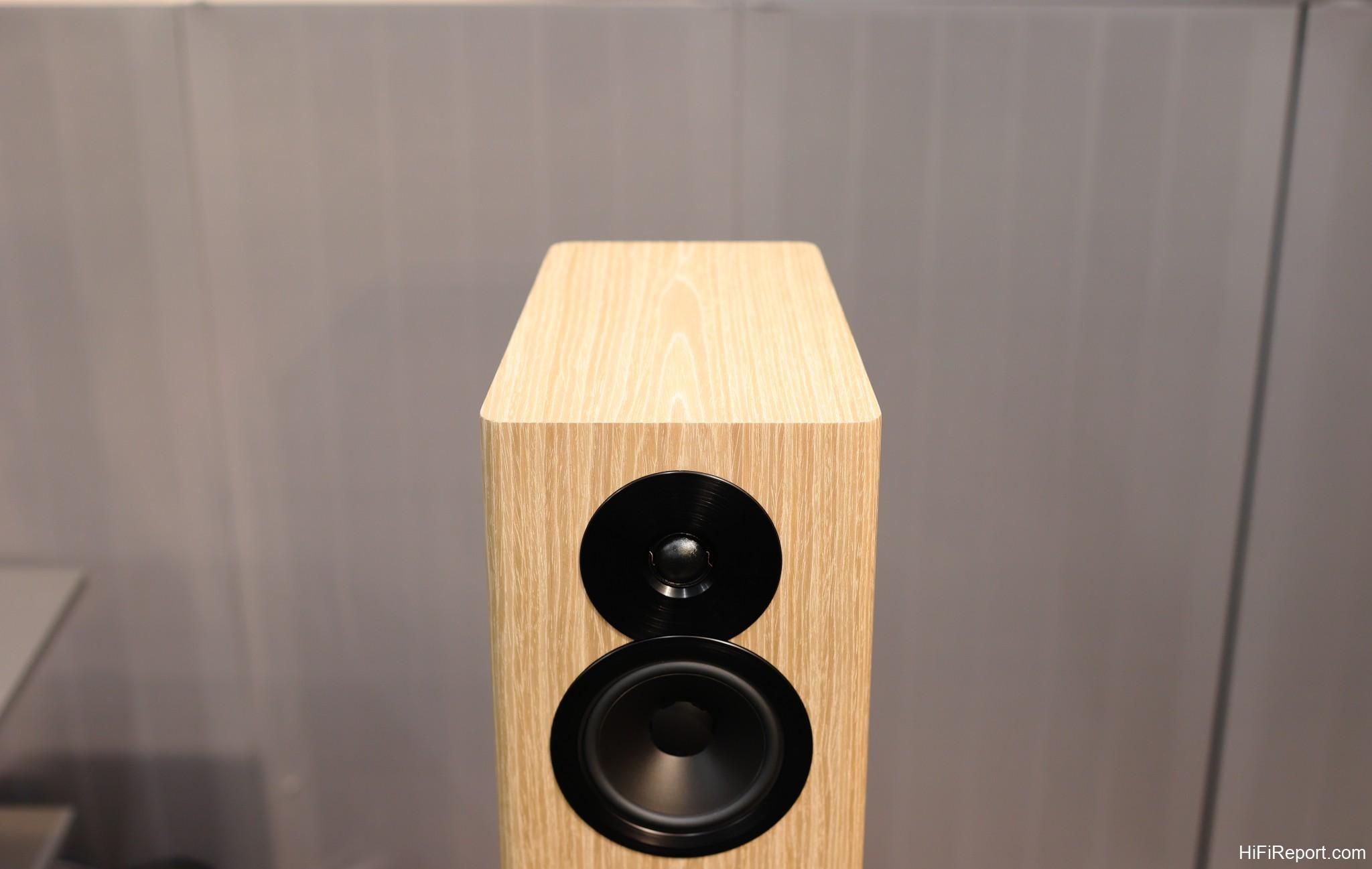
Another notable departure from previous Dynaudio designs in the Focus series is the cabinet construction. While internal details are hidden, the exterior features a trapezoidal shape, wider at the front and narrower at the rear. This design minimizes internal standing waves and enhances aesthetics. Furthermore, this generation is engineered for improved heat dissipation from the internal amplifier modules.
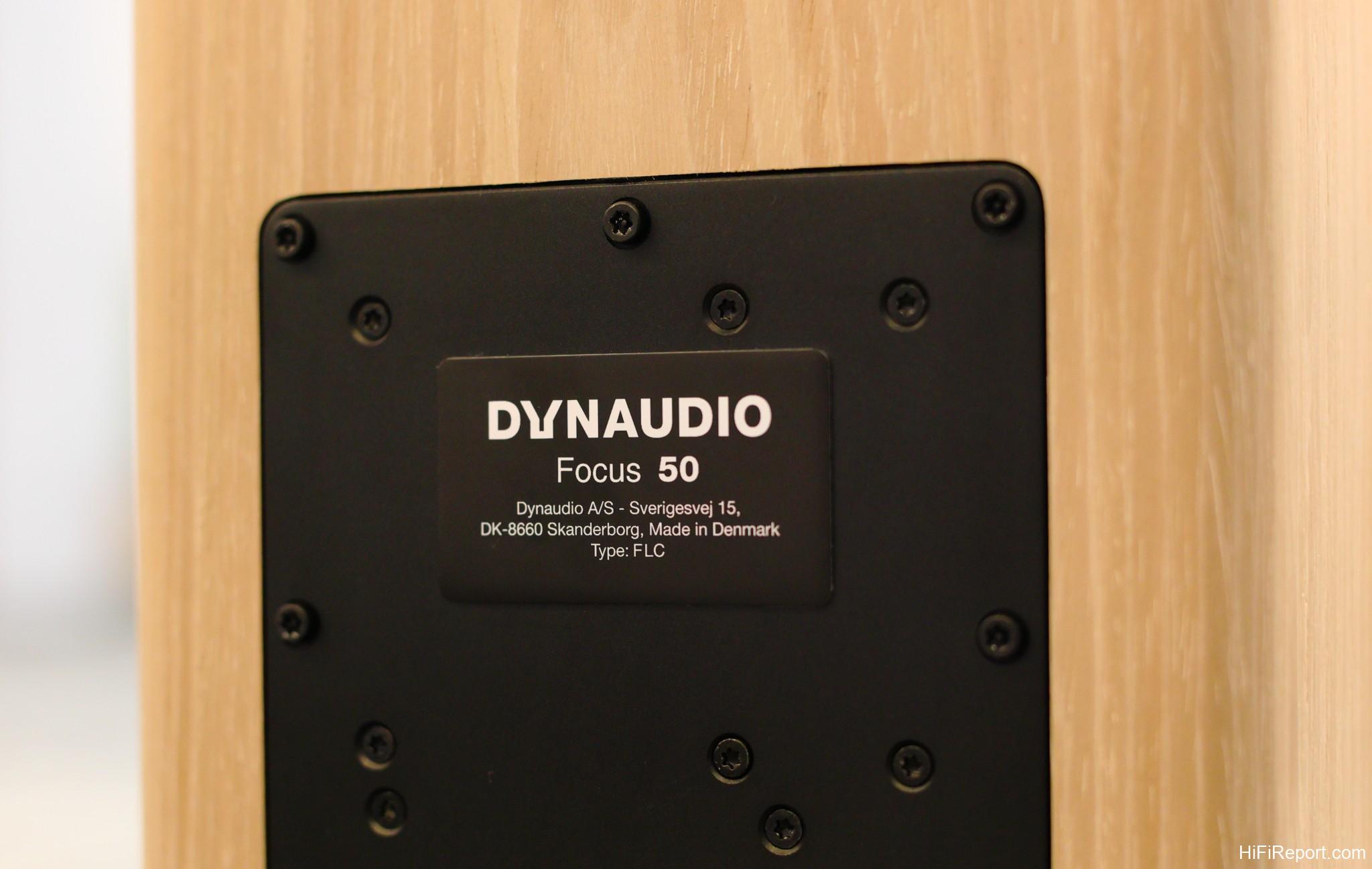
The Focus series also adopts a sealed cabinet design, a significant departure from traditional Dynaudio ported enclosures. Beyond the Blonde Wood finish shown, the Focus 50 is available in Black Piano Lacquer, White Piano Lacquer, and Walnut.
Effortless Setup and Listening
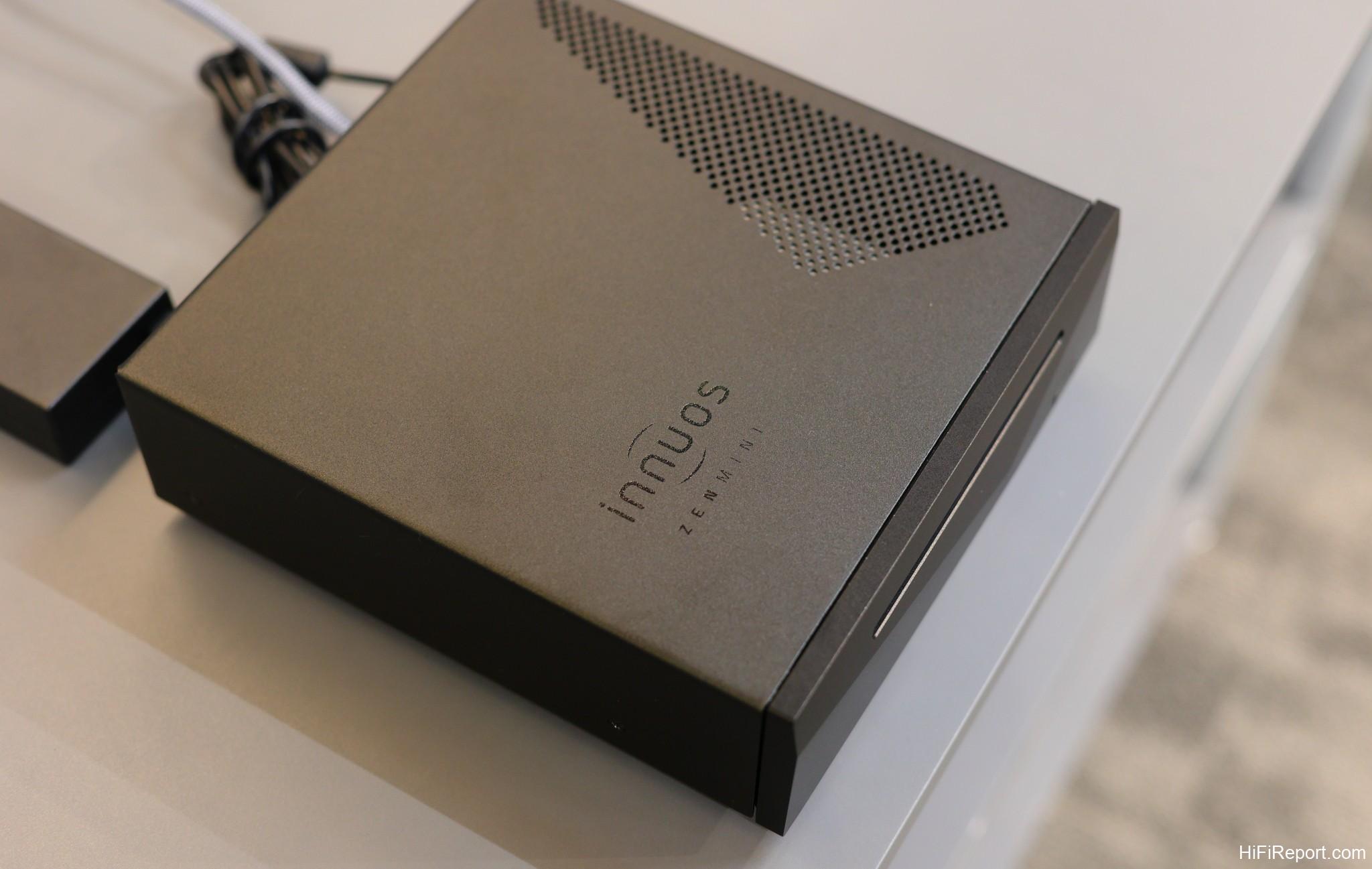
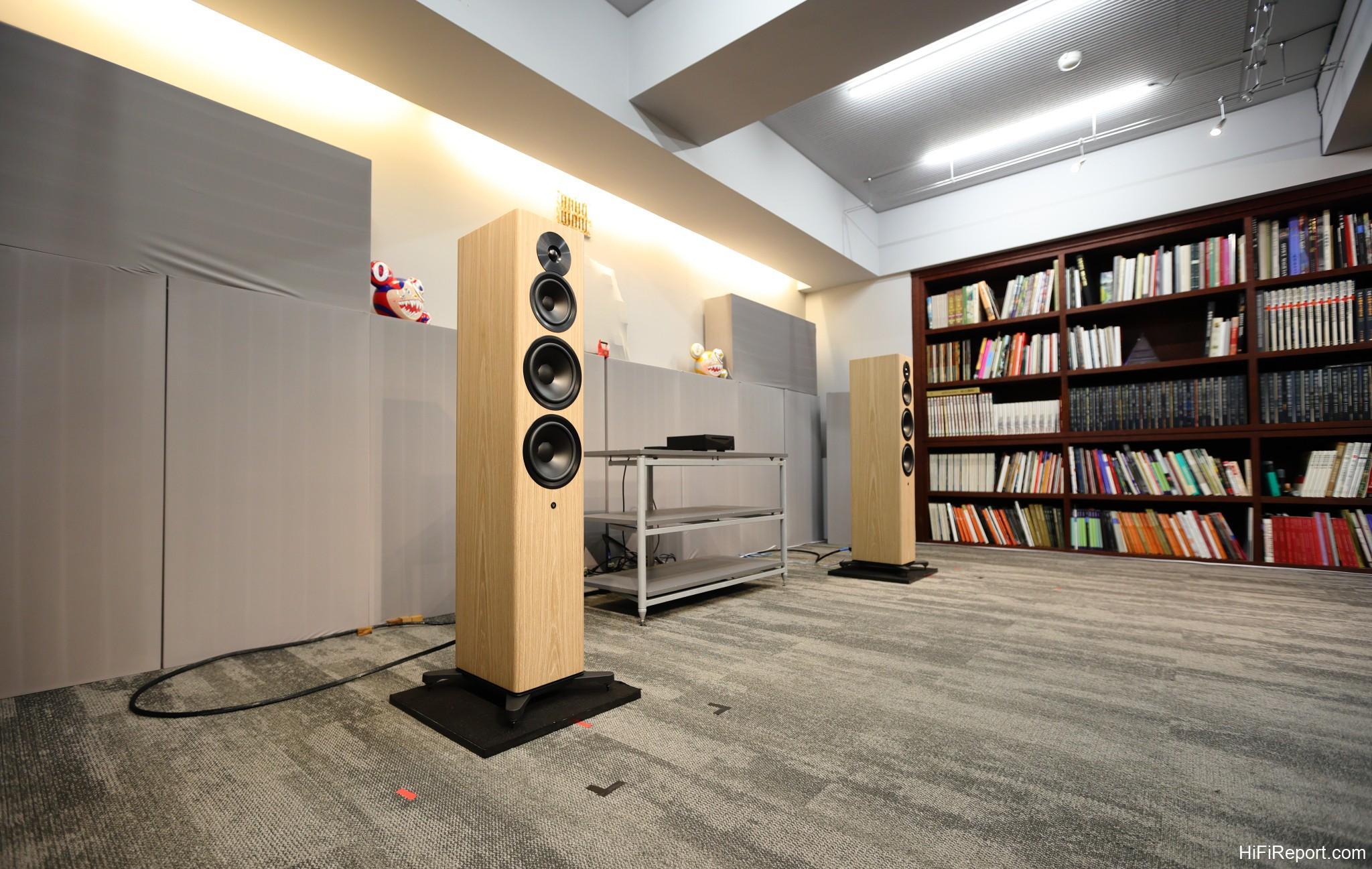
Listening to the Focus 50 in the HiFiReport listening room, the speaker size appeared visually well-suited to the space. Dynaudio recommends a speaker and listening distance of 2-4 meters, aligning perfectly with typical living spaces and mirroring the dimensions of this listening room, providing a representative listening environment. Our listening setup comprised only an Innuos NAS, serving as the Roon Core and music file server, while also streaming Tidal and Qobuz. Is a NAS essential? No.
For an even simpler approach, the free Dynaudio Control App allows direct streaming from Tidal or Spotify in high resolution. However, Roon users will require a computer or NAS to host the Roon Core software.
Neutral and Transparent Sound
Starting with Sarah McLachlan’s “Angel” from *Surfacing*, the Dynaudio Focus 50 beautifully reproduced the song’s delicate and ethereal vocals, conveying a profound sense of space. Piano notes were rendered with clean, precise attack. The overall sonic presentation was direct and transparent, with ample underlying power and agility, even within this gentle musical context.
The tonal character remained true to Dynaudio’s neutral and precise signature, delivering a clean and clear sound, particularly in the midrange and treble, making for extended and fatigue-free listening. The sonic character differed slightly from past experiences with passive Dynaudio speakers, likely attributable to the elimination of external amplifier variables.
Environmental factors aside, the sound of the Dynaudio Focus 50 as experienced in the Danish factory should be virtually identical to what you hear at home, ensuring consistent sound quality and character.
Surprising Bass Performance
What’s the experience of playing Billie Eilish’s “Bad Guy” through the Dynaudio Focus 50? While these are floorstanding speakers, their cabinet volume is not as imposing as many floorstanders, reflecting Dynaudio’s design consideration for home integration. However, this compact size appears to have no detrimental impact on bass performance. The dual 18cm woofers, driven by their dedicated 280W amplifiers, unleash impressive low-frequency capabilities.
While not overtly boomy, the bass is clean, well-controlled, and extends fully across the frequency range. It’s clear why Dynaudio opted for a sealed cabinet design, foregoing bass reflex ports, as the bass output is inherently sufficient. What particularly surprised me was the Focus 50’s ability to reproduce very low frequencies, seemingly surpassing even Dynaudio’s own passive speakers in low-end extension. This was an unexpected revelation upon entering the listening room.
Can the Focus 50 adequately fill this sizeable space? My answer is: bring on an even larger testing environment!
Rich and Immersive Performance (Wacko Wang)
For this HiFiReport audition of the Dynaudio Focus 50 wireless streaming speakers, I began with Diana Krall’s rendition of “Fly Me To The Moon.” Immediately, the airy quality of her vocals was apparent. This wasn’t a sense of looseness, but rather a presentation that facilitated effortless discernment of instrumental details. The positioning of each instrument, the nuances of notes, the rhythmic spacing—all benefited from the distinct sonic layering, rendering timbral subtleties more palpable.
The piano, for instance, was presented with a lively yet nuanced character, a truly captivating performance. Soundstage positioning was precise, with instruments distinctly placed to either side. This wealth of sonic information and detail enriched the overall soundscape, creating a vibrant and immersive experience.
Detail and Texture in Harmony
Next, I turned to Nils Lofgren’s “You,” and here, the Dynaudio Focus 50 wireless streaming speakers demonstrated equally impressive string instrument reproduction. The resonance following each plucked string was clearly and distinctly audible, along with the tangible sense of string rebound, creating a vivid and authentic guitar portrayal. Detail retrieval was exceptional, and the overall sonic performance remained outstanding.
The guitar work in the latter part of the track became quite energetic, with the string sounds ringing out with striking clarity. Each note was distinct, conveying a sense of neutral sonic reproduction—uncolored, unembellished, and devoid of any artificiality. The textural clarity of the timbre was remarkable. Listening to this dynamic music, the Dynaudio Focus 50 wireless streaming speakers unequivocally proved their exceptional capabilities.
Dynaudio Focus 50 Specifications
* Design: Floorstanding, sealed enclosure
* Analog Inputs (Main Speaker): 2 x RCA
* Digital Inputs (Main Speaker): 1 x Toslink, 1 x RCA
* Analog Outputs (Main Speaker): 1 x Subwoofer RCA, 1 x Trigger
* Digital Output (Main Speaker): 1 x RCA (to Client)
* Digital Input: 1 x RCA
* Speaker Interconnection: WiSA (Up to 24-bit/96kHz), RCA (24-bit/192kHz)
* Network: Wi-Fi, Ethernet
* Bluetooth: 4.2
* Streaming Support: Roon, Airplay 2, Chromecast, Tidal Connect, Spotify Connect, Qplay, UPnP
* Amplifier Power: Woofer 280W, Midrange 280W, Tweeter 110W
* Crossover: 3-way DSP
* Crossover Frequencies: 390 / 4700 Hz
* Tweeter: 28mm Cerotar soft dome with Hexis
* Midrange Driver: 15 cm MSP
* Woofer Drivers: 2 x 18 cm MSP
* Weight: 33.5 kg