
Dynaudio New Confidence 60 Review
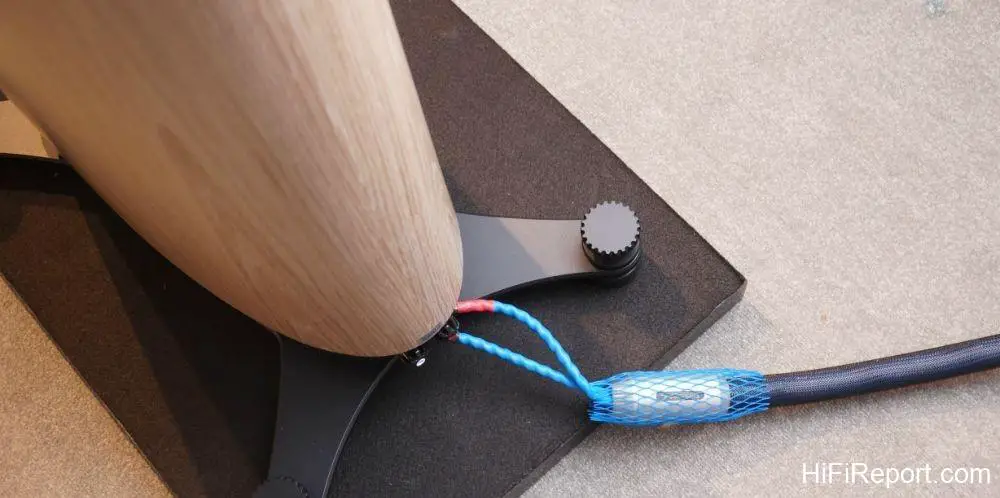
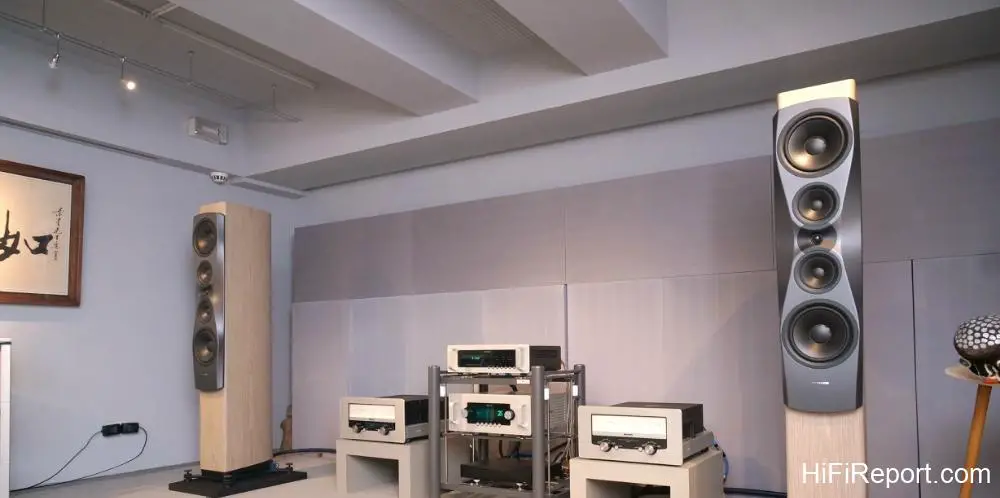
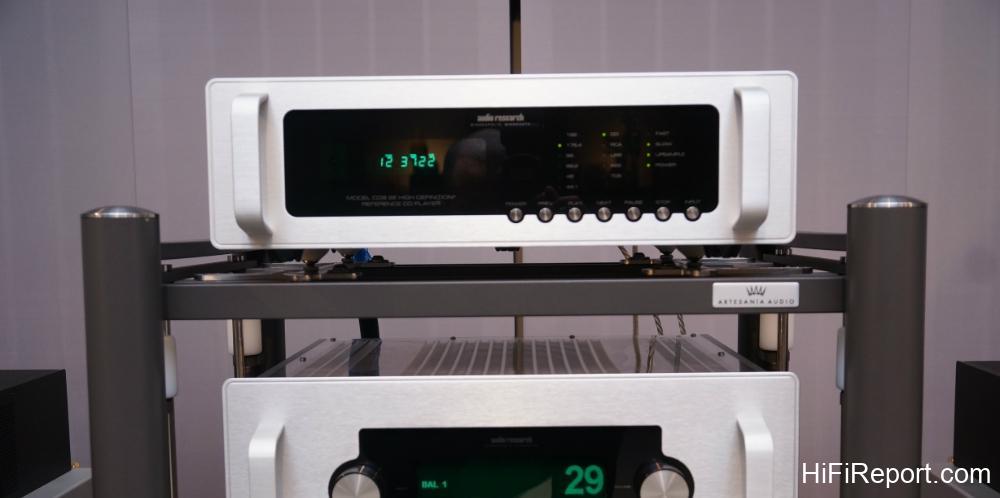
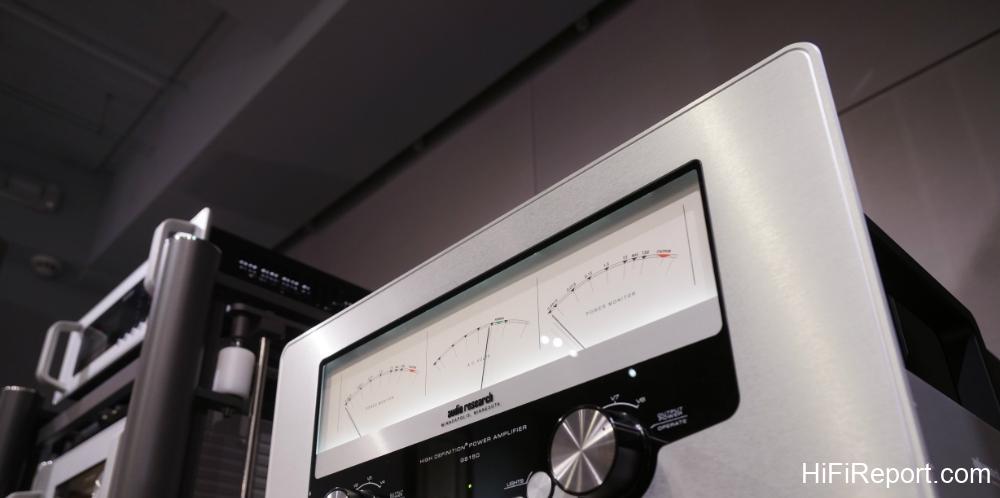
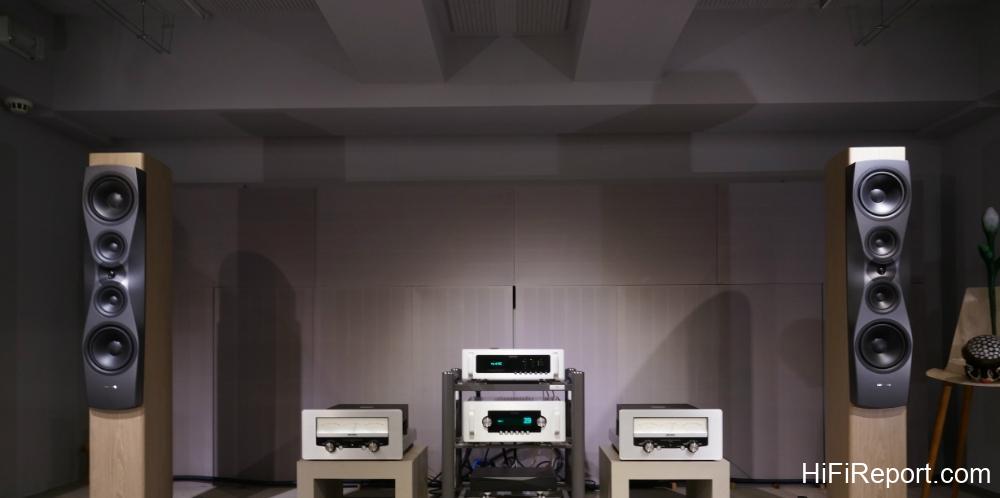
As usual, before I even stepped through the door, Mr. Zhu had already warmed up the audio equipment. After all, the system I was about to listen to included not only the star of this review, the New Confidence 60, but also a full complement of tube-based Audio Research gear: the ARC Reference CD9SE CD player, the ARC Reference 6 tube preamplifier, and two GS150 tube power amplifiers driving the New Confidence 60 in bridged mode.
A Unique Amplifier Setup
Hearing this, you might be curious: Can the GS150 be bridged? Indeed, when I entered and saw two GS150 tube power amplifiers driving the Dynaudio speakers, I was also taken aback. My impression was that the GS150 was a stereo tube power amplifier delivering 150 watts per channel, wasn’t it? Had the factory released a new mono version? Mr. Zhu saw my confusion and immediately clarified.
It turns out that some time ago, Mr. Zhu relayed to the factory that customers were asking if a mono version of the GS150 would be launched. The factory’s surprising response was that there was no need to wait for a revised version; using the existing GS150s with a specific wiring configuration would achieve bridged mode without needing a mode switch.
I asked how much the wattage would increase per channel when two GS150s were bridged. Mr. Zhu replied that the original stereo GS150 delivers 150 watts per channel (into 8 ohms), and bridging increases the output to somewhere between 220 and 250 watts. The GS150 itself uses four KT150 tubes per channel for driving. A single pair of KT150s pushed to their limit can achieve 300 watts per channel. With the bridged GS150s, the tube count for each channel is a staggering eight KT150 tubes.
This should be more than enough to drive the notoriously demanding Dynaudio speakers with ample headroom.
Unpacking the Confidence 60’s Design
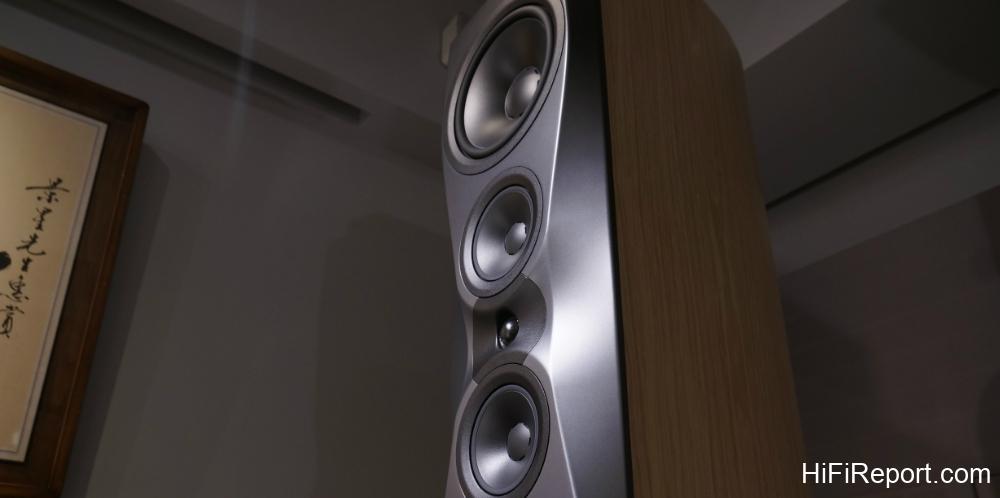
Now, let’s turn our attention back to the New Confidence 60, the subject of this review. It represents a significant departure from the previous generation of the Confidence line. While its exterior retains the classic Dynaudio aesthetic of a refined, elegant cabinet design, the improvements extend far beyond the surface. The drivers, crossover, front baffle, and even the placement of the bass reflex port are all different from the previous model.
Let me guide you through the impressive design features of the New Confidence 60, step by step.
First, the New Confidence 60 features the latest third-generation tweeter, the Esotar3. While its appearance seems unchanged, its performance is twice as strong as the previous generation, with lower distortion and greater capabilities. Naturally, the previous Esotar2 was already a mature design in terms of materials and overall performance, so a third-generation unit required significant technical advancements and a representative breakthrough in driver structure.
From the comparison diagrams provided by the factory, we can see that while the Esotar3 still uses a silk dome tweeter, the chamber and magnetic system behind the driver have been completely revamped. The chamber in the Esotar3 is more spacious, allowing for more efficient backwave dissipation. The increased chamber volume also means better heat dissipation for the magnetic system. These are all advancements hidden from view on the speaker’s exterior.
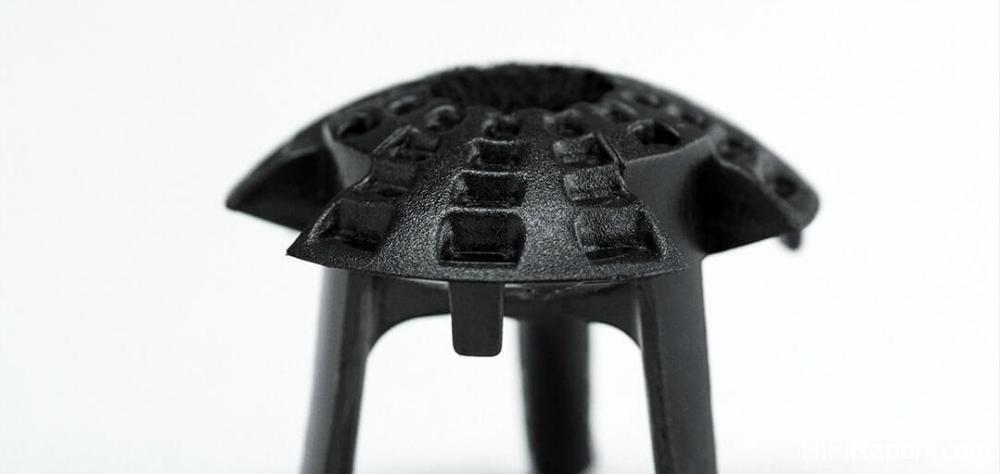
Furthermore, the Esotar3 boasts an unprecedented and truly revolutionary improvement: a special Hexis device installed inside the driver. This device has a spherical shape and is made from a composite material chosen for its low resonance and high damping properties. On the surface of the sphere, the factory has incorporated dimples of varying sizes, arranged in a pattern that radiates outwards from the center. The outer dimples are larger, while those closer to the central core are smaller.
What is the purpose of these dimples? The answer is to dissipate the backwave generated by the tweeter. The factory places this Hexis device approximately 2mm directly behind the tweeter diaphragm. As the diaphragm moves back and forth, the Hexis immediately dissipates the backwave behind it. This, combined with the specially enlarged driver chamber structure mentioned earlier, allows the backwave to dissipate even more quickly.

This design is something Dynaudio has never used before in their speakers.
How has Dynaudio achieved such innovative technical breakthroughs on the silk dome tweeter, a technology seemingly unchanged for so long, in such a short time? This is likely thanks to the significant funding provided by Goertek () after their joint acquisition of Dynaudio, which enabled the construction of a brand-new Jupiter acoustic laboratory.
We were previously briefed on the internal design of the Jupiter acoustic laboratory when Dynaudio representatives visited Taiwan for an interview. Simply put, Jupiter is Dynaudio’s latest acoustic research facility, featuring a primary acoustic space for testing speakers. The environment is a 13-meter cube, roughly four stories high. All of Dynaudio’s newest speakers are tested here.
How is testing conducted? Inside the lab, you’ll see a metal arm that holds the speaker. During measurements, the arm lifts the speaker to a specific height. In front of the speaker, the factory has placed a half-moon-shaped metal device. This device is equipped with a total of 31 microphones (each costing approximately $9,400 USD based on the original NTD price).
When activated, the half-moon device rotates 360 degrees around the speaker under test, centered on the speaker, to measure its Impulse Response in a spherical sound pattern. The half-moon metal device moves completely silently, producing no metallic friction noise that could affect the measurement data. This highlights the high precision of this instrument’s construction.
Beyond the tweeter, the other drivers in the New Confidence 60 have also seen performance enhancements. For instance, the new MSP midrange driver features a newly developed short-stroke surround design, enabling faster driver response with less excursion. For the MSP bass driver, the factory has adapted to the overall change in cabinet volume and the improved driver performance by opting for a long-throw surround design to achieve better low-frequency fullness and quantity.
Additionally, the magnetic system behind the bass driver has been switched to a neodymium magnet design, and the previous aluminum voice coil has been replaced with a slightly wider copper voice coil. This indirectly increases the driving force of the bass driver, substantially improving bass performance. However, using a copper voice coil does introduce a consideration: copper is heavier than aluminum.
To compensate for this added weight, the factory has made efforts to minimize weight elsewhere, for example, by using a lighter fiberglass material for the bass driver’s voice coil former to achieve more precise driver control.

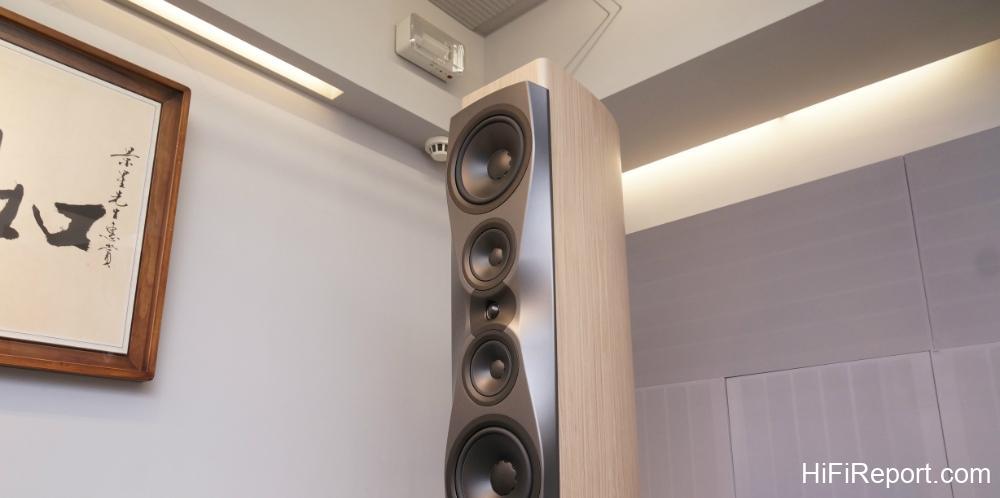
The first thing you’ll notice when you see the New Confidence 60 is that its front baffle design is different from previous models. Previously, it was a single flat baffle with two tweeters positioned in the center, forming the proprietary DDC (Dynaudio Directivity Control) technology. With the brand new New Confidence 60, the front baffle has been redesigned with a slight curvature.
The areas above and below the tweeter are slightly protruding to help dissipate sound energy directed towards the ceiling and floor.
To the sides of the tweeter, the New Confidence 60 features a slightly recessed design. This forces the tweeter’s sound waves to spread outwards effectively in the horizontal plane. According to the factory, this innovative front baffle design achieves an effect similar to the DDC technology. Previously, two tweeters were needed, using precisely calculated angles and phase cancellation to manage directivity.
Now, a single tweeter combined with the baffle design is sufficient to significantly reduce reflections from the ceiling and floor. Furthermore, the use of a single tweeter means the internal crossover can be simplified, making the new Confidence speakers easier to drive.
In fact, the front baffle of the New Confidence 60 has not only changed in shape but also in the material used compared to the previous generation. The traditional material for the previous speakers was conventional MDF. The New Confidence 60, however, uses a newly developed composite material called Compex. Besides possessing excellent rigidity, Compex also has very high internal damping, resulting in lower coloration. It allows for consistent overall rigidity after processing.
Compex is also easier to work with, making it simpler to create the slightly curved front baffle shape featured in this model. It avoids the issue of uneven density between the outer layers and the core that can occur with pressure-formed MDF, representing a more mature overall technological application.
Another design feature of the New Confidence 60 that is less often mentioned is the cabinet’s tapered design, being wider at the front and narrower towards the back. Especially at the very rear, the New Confidence 60 finishes with an almost bullet-like curvature. This has acoustic benefits, helping to break up internal standing waves, and of course, it also adds visual appeal.
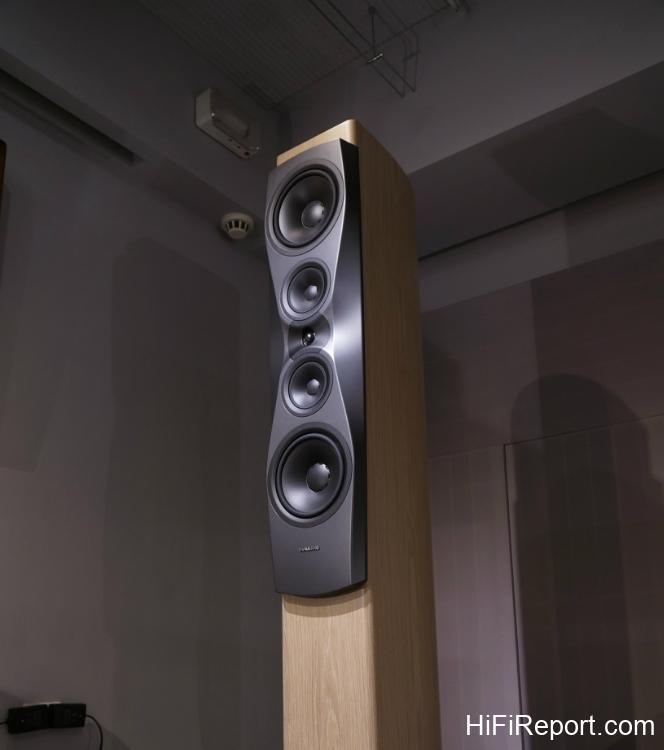
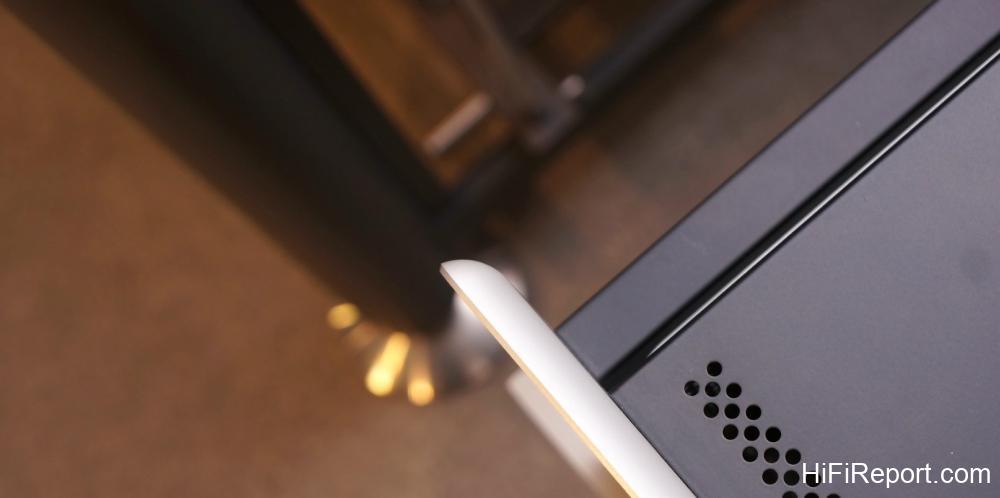
However, this design necessitated relocating the bass reflex port, which was traditionally placed on the rear of the cabinet. In the New Confidence 60, the bass reflex port has been cleverly positioned on the underside of the speaker cabinet. The port fires downwards, and the factory has incorporated a beautifully crafted aluminum plate on the plinth below to act as a diffuser.
This design not only provides more natural bass dispersion but also makes it easier for users to place the speakers closer to the wall. It seems that almost every minor quibble one might have had with the previous generation of Confidence has been addressed, making this the most refined version of the Confidence series to date, the closest it has come to perfection.
The Listening Experience
This listening session took place in the Tai Fu Audio showroom. Given that the reference speakers and power amplifiers were different from my previous visit, overall, I held a positive view of the New Confidence 60’s sound quality performance.
Subjectively, it retained many of the characteristics I have come to appreciate in Dynaudio speakers: delicate sound quality, sweet tonality, appropriately full vocal presentation, and that exquisite, fluid musicality that lends the sound a light, bouncy dynamism, without becoming aggressive or overly analytical. These sonic traits ensure that the sound produced by these speakers connects with the listener immediately; there is no sense of harshness or intrusion.
Playing simple violin chamber music, I must say the musicality of these speakers is truly captivating. Sometimes I feel the term “musicality” can be somewhat abstract, but whenever I hear speakers that are highly sensitive to the dynamic nuances of music, the word “musicality” naturally comes to mind. Indeed, good musicality isn’t about how powerful the sound is, how flamboyant the tone, or how thunderous the bass.

Rather, it’s about a speaker’s extremely refined and fluid control over the entire musical tapestry, allowing the sonic textures to exhibit a delicate quality, devoid of any stiffness.
When I played the album “Bach: Inventions & Partitas” performed by Janine Jansen and others, these speakers managed to make this “uninteresting” small-ensemble string trio sound absolutely wonderful. The string lines were full-bodied, not withdrawn, allowing one to appreciate the beautiful quality of wooden instruments directly. Even though this recording features only string duets or trios, the sound produced by these speakers was far from monotonous.
The subtle texture of the bowing, the granular detail of the strings being frictioned by the bow, simply floated naturally within the soundstage as the bows moved. Moreover, I heard excellent control; with every touch of the bow on the string, I could feel the texture of the string after being tightened and then rubbed by the musician’s bow. The sound of the violin didn’t dissipate; it was focused, as if holding its breath, etched realistically within the sonic image.
Furthermore, despite the system using tube amplification, the noise floor was remarkably low. The musical background was extraordinarily quiet. During the pauses in the string performance, I felt as if the amplifier wasn’t even turned on; the musical canvas was incredibly serene. Only when the music resumed did I feel that rush of energy again. Of course, this level of sound quality is commensurate with the speaker’s price; you get what you pay for, and that’s the simple truth.
Listening to the New Confidence 60 this time, I would describe its tonality as equally gentle. Particularly when playing “Bach: Inventions & Partitas,” these speakers clearly revealed the different tonal textures of each string instrument. The sonic lines were not rigid but possessed a tender quality. And in processing the sound, these speakers didn’t have an overly intense level of resolution and transparency that would make the soundstage feel hot.
It was like slightly dimming the brightness of a photograph to gain more saturated colors – the overall visual perception of the image was very comfortable. Melodies flowed from high to low, each note possessing its own curve, allowing classical music melodies to sound truly elegant.

Switching to the ECM album “Jasmine,” I particularly enjoyed the subtle sheen that adorned the piano notes. The transparent texture was delicate, glistening gently, everything feeling perfectly natural. These speakers were able to wrap the variations in the piano’s timbre within beautiful gradients; the transitions between tones were natural and seamless, including countless harmonic details that were almost too numerous to track.
It was this abundant and unobstructed information that completely built a highly realistic soundstage, allowing a solo piano accompanied by a double bass to remain utterly captivating. No need for excessive enhancement to feel moved.
Having listened to simpler instrumental pieces, it was time for something more lively. I chose the Tokyo Meikyoku-do album, which I hadn’t listened to in a while. This is a live recording, naturally captured without any deliberate sonic effects, but the New Confidence 60 rendered it beautifully. As soon as the saxophone began to play, I heard a rich, golden tone.
The sense of air created by the instantaneous breath was incredibly natural, the form was focused, enveloped by fine granular detail, creating a lovely layered contrast with the other instruments.
As the listening session progressed, I noticed the tube amplifiers gradually warming up, and the sound quality increasingly leaned towards a relaxed, warm, and full-bodied character. For instance, the double bass positioned on the right side of the soundstage in the album had a soft yet elastic texture. Its tone was deep and descended naturally with good extension.
I could even clearly feel the subtle vibrations in the space from the bassist casually tapping his foot on the floor – those waves of bass resonating in the room. Who says Dynaudio speakers don’t produce “meaty” bass? Driving these speakers with two GS150s, combined with the downward-firing bass port, delivered a full and substantial bass performance that I could feel.
Switching to Guo Ding’s “The Cycle of the Propeller,” I further confirmed that this audio system was performing at its best. The vocal presentation was more full-bodied and three-dimensional than I expected, and the vocal image was slightly closer to the listener. Even though I was seated approximately five to six meters from the speakers, this distance did not diminish the energy these speakers possessed.
The electronic sound effects mixed into the background of the music were particularly vivid against the dark, silent backdrop. At this point, I intentionally increased the volume. The sound quality maintained its warmth while appropriately expanding the soundstage forwards, backward, and outwards. Mr. Zhu, seated behind me, immediately asked for the album’s title, exclaiming how excellent the recording was.
Playing tracks four and five, “Thinking of You” and “Mercury Records,” the New Confidence 60 speakers brought out the relaxed beauty that the vocals should possess. Compared to the slight stiffness when the system was first turned on, the current mid-range texture was the speakers’ optimal performance.
The vocals were warm and relaxed, delivered effortlessly, gently reaching towards you, allowing you to unconsciously relax your shoulders, sink into the sofa, and become engrossed in the musical atmosphere of this album.
When listening to “Thinking of You,” the acoustic guitar performance had a rounded texture, and the subtle sound of strumming was significantly magnified. Details I previously had to strain to hear were now naturally dispersed within the soundstage, readily apparent. In the middle of this song, a deep bass drum is introduced. I found the New Confidence 60’s performance in this section particularly captivating, sounding as if produced by speakers with a more substantial physical presence.
A dense and solid volume of air formed around the speakers, lingering longer than I had experienced before. I genuinely wondered if this was a change in the overall musical balance of the new Confidence line, or if driving these speakers with two bridged GS150s truly unleashed their full potential. This is a level of bass performance I have rarely heard when reviewing Dynaudio speakers internally.
Dynaudio speakers are rarely updated, so every time news of a formal model change arrives, it carries revolutionary significance. Aesthetically, the New Confidence 60’s design is equally suited for home environments, with softer lines, perfectly aligning with Dynaudio’s recent efforts to penetrate the home market.
But what truly surprised me about these speakers is their ability to challenge themselves again, even from the already mature state of the previous generation, setting a high standard for not being satisfied with the status quo. The New Confidence 60 is noteworthy from top to bottom; its classic appearance remains, but the content within is packed with substance. It is, in the factory’s view, the most complete version of the Confidence line yet, the closest it has come to perfection.