
EPSON EH-TW8400 Review
Back in 2016, when Epson launched the EH-TW8300, we universally agreed it was the most cost-effective 4K projector on the market. Backed by Epson’s robust technology, it offered exceptional color performance and mature image tuning at a highly competitive price point, around USD 4,000 at the time. Two years later, Epson has finally released its successor: the EH-TW8400. It boasts optimized performance and an even more attractive price, coming in at just over USD 3,300.
If you’re looking for a mature, well-rounded projector at a practical price, the EH-TW8400 is undoubtedly a top choice.
Public Debut and First Impressions
At the Taipei Audio Show late last year, Epson Taiwan rented a large VIP exhibition room. Partnering with an M&K Sound speaker system, they created the largest home theater demonstration at the entire show. The highlight of the visual setup was the newly released EH-TW8400 4K projector.
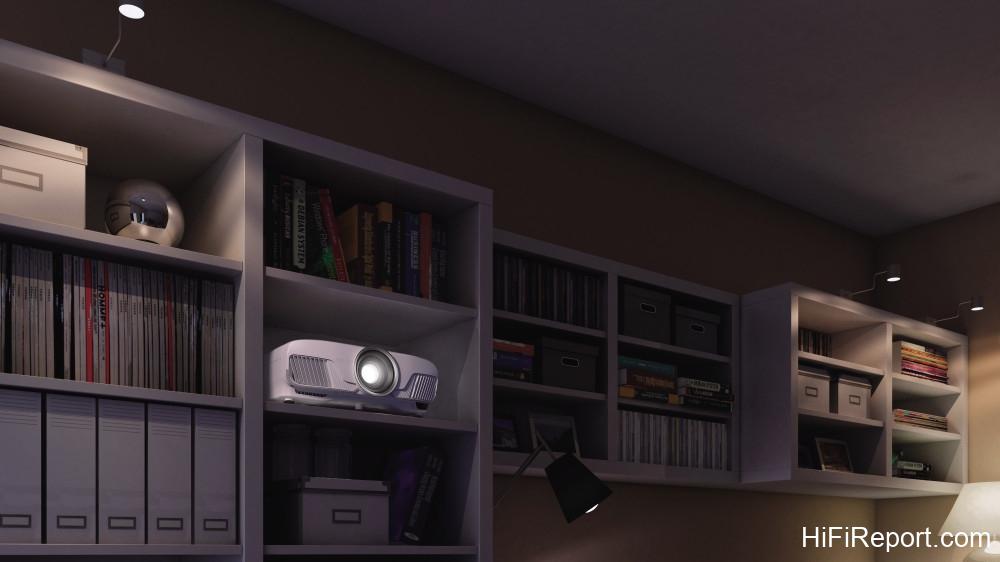
Even without complete blackout conditions in the room and with the projector positioned at an exceptionally long throw distance (likely the furthest of any projector on display at the show), the image was remarkably bright, clear, and vibrant, capturing the attention of numerous visitors.
Inherited Strengths and Market Positioning
The EH-TW8400 retains the physical design of its predecessor, the EH-TW8300, and carries forward many of its strengths. The EH-TW8300 was a 4K projector we highly recommended in the past. As an Epson high-end model, it offered excellent performance, particularly its remarkably wide color gamut and vast Lens Shift capabilities, all while maintaining a very affordable price tag. This made it accessible to most consumers – precisely the kind of product the market needs.

To simulate typical consumer usage and maintain the quality of our reviews, we even acquired an EH-TW8300 as our reference equipment.
However, the market landscape has changed significantly since the EH-TW8300 was released two years ago. Today, there’s increased discussion around native 4K and even 8K technologies. Given that the EH-TW8400 employs the same 4K Enhancement technology as the EH-TW8300 for 4K display, what was the rationale behind this product planning decision? Coincidentally, during my review period, Epson announced the EB-L12000Q, a high-end true 4K resolution engineering projector, in Taiwan.
Epson’s Strategy: Balancing Performance and Price
I took this opportunity to interview Mr. Huang Shao-Bai, Deputy Manager of Epson Taiwan’s Imaging Technology Division.
Mr. Huang stated that Epson certainly has the capability to bring true 4K to the home market. However, Epson has always approached technology and its application separately. On the application side, Epson considers how to create products that are “reasonably” priced and evaluates whether there is sufficient market demand. Looking around today, are there really enough 4K sources readily available to consumers in Taiwan? Epson aims to provide practical products at reasonable prices.
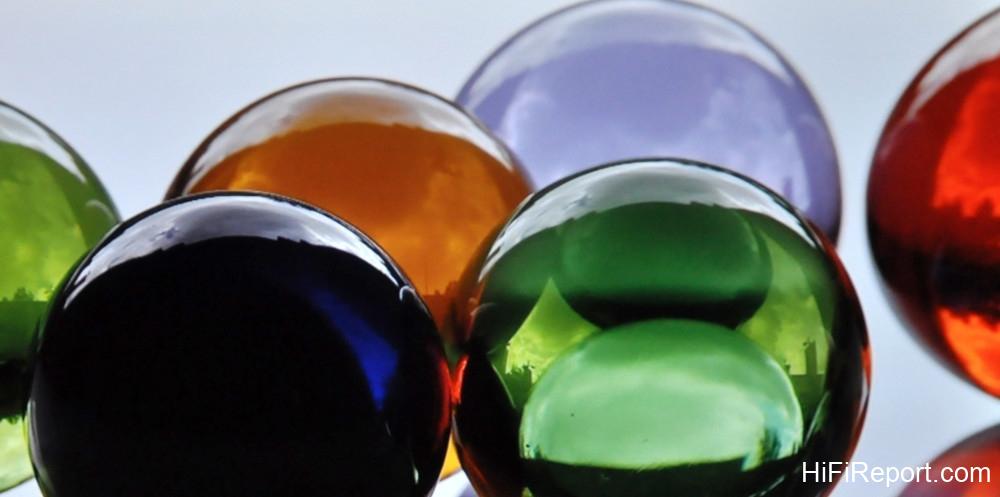
Furthermore, image quality isn’t solely determined by a single specification. A good home theater projector must simultaneously excel in “color,” “gradation,” “brightness,” and “sharpness.”
Mr. Huang’s points are valid. While there are indeed more true 4K resolution products available now, their prices are often significantly higher (sometimes several times more expensive). In today’s landscape, where 4K content is still not ubiquitous, how much budget consumers are willing to allocate is a personal decision. As a company involved in multiple sectors (home theater, engineering projectors, printers, office machines, etc.

), Epson naturally prioritizes market demand and pricing rationality when setting product specifications and prices. Epson believes that 4K Enhancement currently offers the best balance between performance and cost, allowing consumers to enjoy 4K-level quality without paying a premium.
Exceptional Color Reproduction
Epson genuinely stands out when it comes to “color,” which is a fundamental requirement for high image quality. Two years ago, during our review of the EH-TW8300, we were surprised to find that it could meet the DCI-P3 digital cinema standard. The EH-TW8400 naturally inherits this advantage. Our tests confirm that the EH-TW8400’s color gamut fully covers DCI-P3 (for RGBCMY primary and secondary colors), even slightly exceeding it.
Compared to products in its price range, the EH-TW8400’s color reproduction capability is outstanding. It even has the potential to surpass some more expensive projectors. Its color performance today remains truly exceptional.
So, which is more important: resolution or color? If the resolution difference is primarily between true 4K and 4K Enhancement, then many people would likely consider color to be more important. The appearance of an image, including healthy skin tones, the warmth of sunlight, the richness of colors, and the overall naturalness of the picture, is heavily influenced by color.
Key Improvements and Features
As a next-generation product, the EH-TW8400 naturally includes several improvements. Firstly, its light output has increased to 2,600 lumens (up from 2,500 lumens in the previous model). Some people asked me at the audio show if a mere 100-lumen increase wasn’t too small. In reality, the previous model’s 2,500 lumens was already considered high for home use. The optimization in the new model is about making the product better suited for home environments, not merely chasing larger numbers.
If we were just comparing specifications, some of Epson’s engineering projectors offer over 20,000 lumens, but is that necessary for a home? Not necessarily. Blindly increasing light output for a new product might actually negatively impact dark-scene performance and even accelerate lamp aging.
Next, HDR (High Dynamic Range) support has evolved. While the previous model only supported HDR10, the EH-TW8400 adds support for HLG. When playing 4K HDR video, if you select the automatic mode, the EH-TW8400 can automatically switch between different formats like SDR, HDR10, or HLG. Furthermore, the adjustment range for HDR has been significantly expanded, with the brightness/darkness adjustment steps increasing from 4 to 16.
Regardless of the original brightness or darkness of the 4K HDR video, you can fine-tune the image to achieve the most optimal effect for your viewing environment.
Additionally, the EH-TW8400’s HDMI interface has been enhanced. It features two HDMI ports on the back panel, the same as its predecessor, but this time both support HDCP 2.2 (the previous model only had one). Crucially, they now support a high data rate of 18Gbps (up from 10.2Gbps). This means the projector can handle higher bandwidth video specifications, such as 4K/60p with 4:2:2 subsampling and 12-bit color depth.
Finally, an advantage carried over from the EH-TW8300 that is worth highlighting is the EH-TW8400’s exceptionally large Lens Shift capability. It allows for vertical shifts of ±96% and horizontal shifts of ±47%. This extensive range means you can still achieve a properly projected image even if the projector cannot be perfectly centered relative to the screen, making installation significantly easier.
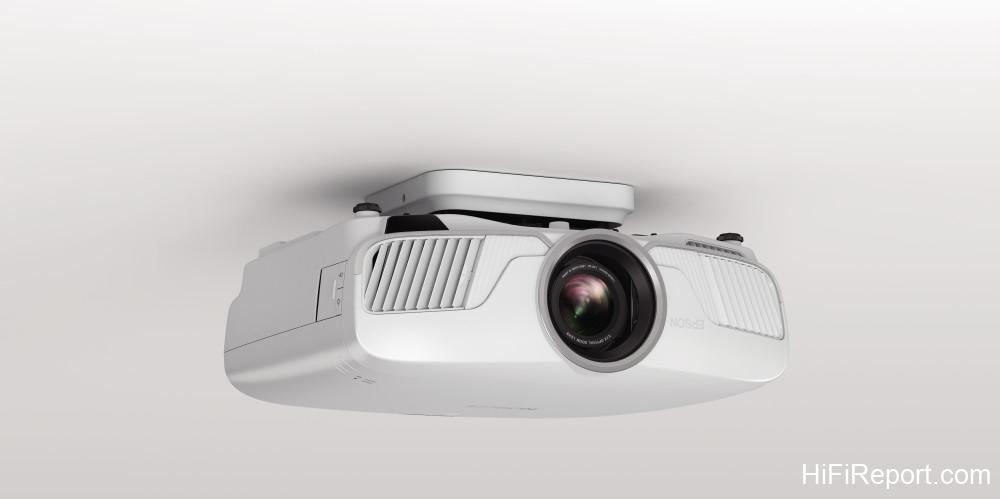
Compared to all projectors on the market (regardless of price point), the EH-TW8400’s Lens Shift is particularly outstanding. This is one reason why Epson models perform exceptionally well in the engineering sector, where installation flexibility is crucial. Importantly, Lens Shift moves the image optically and does not degrade image quality like digital keystone correction, so you can use it with confidence.
Hands-On Review and Image Characteristics
Let’s discuss some observations from the review period. This review was conducted in a well-lighted control room using a 120-inch Kikuchi screen with 0.8 gain. The EH-TW8400’s wide Lens Shift range indeed simplified the setup process, allowing me to position the projector quickly. Since the EH-TW8400 employs 4K Enhancement technology, observing the screen from within one meter reveals that the sharpness still differs from a native 4K projector.
However, because it uses 4K Enhancement, the traditional pixel grid is invisible, resulting in a feeling of high image fill rate.
Of course, this close-up observation is for review purposes; normal viewing distances would be further away. When viewing from a normal distance, the difference between this projector and true 4K models diminishes significantly. I found that from about three meters away, the visual experience becomes excellent. At this distance, the image is sufficiently bright, has a high fill rate, and visually provides a soft, stable, and solid feel.

Playing 4K video at this distance already conveys good detail, although the “brushstrokes” used to depict fine details are relatively softer.
Image Enhancement and Viewing Modes
If you desire a more detailed effect, it’s easily achieved by adjusting settings in the “Image Enhancement” menu, such as “Super-resolution” and “Detail Enhancement.” These settings deepen (by enhancing contrast) and sharpen (by enhancing details) the level of detail and material texture.

The Super-resolution processing also includes “recursive comparison” before and after processing, allowing for natural sharpening without the artificial, hard look often produced by simply increasing the traditional Sharpness setting. With a little adjustment, details like hair and wrinkles become sharper, and surface textures are enhanced.
The EH-TW8400’s image modes can generally be divided into two types. “Dynamic,” “Natural,” and “Bright Cinema” are high-brightness modes. Their advantage is sufficient brightness and better resistance to ambient light, allowing for clear images even in rooms without complete blackout (especially when paired with a high-gain screen). If family members want to play games, sing karaoke, or use the projector like a TV for everyday viewing, the EH-TW8400 can handle it.
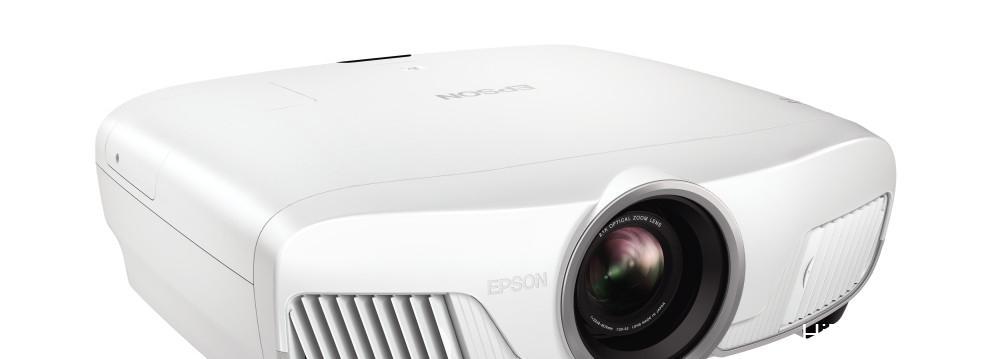
However, these modes don’t showcase the projector’s strongest color performance; the colors are bright and clear in these settings.
Color Tuning and Natural Presentation
The “Cinema” and “Digital Cinema” modes are the wide-gamut types. When selecting these modes, you can hear the internal color filter moving into the light path. This mechanical operation sound is quieter and smoother than on previous models, indicating optimization in this area. Adding the color filter into the light path significantly reduces light output, so viewing in a well-darkened room is recommended. If the picture isn’t bright enough, you can increase the lamp’s output.
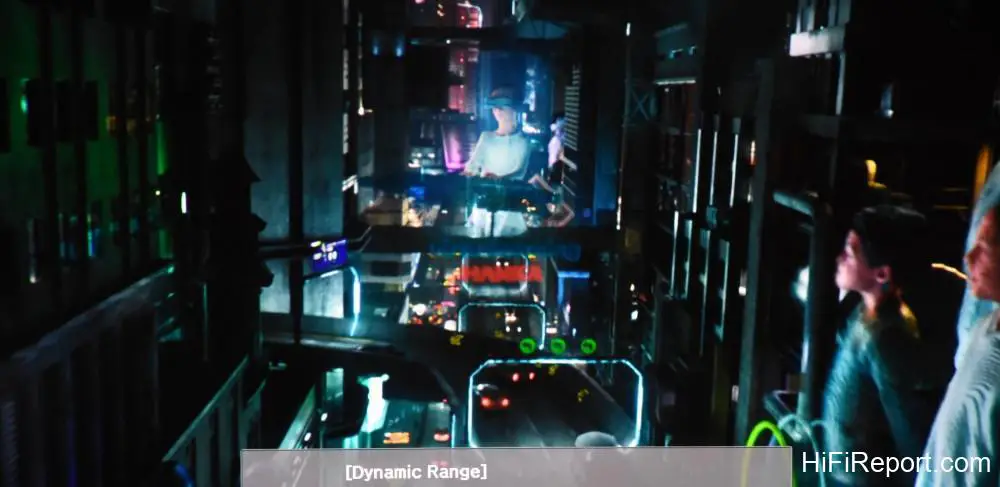
The benefit here is a substantially expanded color gamut. As mentioned earlier, measurements confirm full coverage of DCI-P3, which is a very high standard for display devices today and the most impressive aspect of the EH-TW8400.
Does its strong color reproduction mean the EH-TW8400’s image looks overly saturated? Not at all. If it did, that would be a very crude tuning approach. Strong color reproduction means not only that primary colors (like pure red) can be displayed more vividly but also that there’s a greater range of variation between “very light colors” and “very dark colors.”
The ability to render each step of variation between these extremes in a way that aligns with natural color changes is a test of engineering tuning skill, and this is where the EH-TW8400 demonstrates Epson’s expertise as a major manufacturer.
I can confidently say that the overall color presentation of the EH-TW8400 maintains the refreshing and pleasant style typical of Japanese-made projectors. Colors are rich but not overly saturated, certainly not vulgar. Its default color temperature is slightly high, around 8500K, but it feels very natural and appropriate overall. It doesn’t feel particularly cold, nor do certain colors unnaturally pop out (an issue some wide-gamut displays have).
Using it directly for everyday viewing, documentaries, or landscape films feels just right.
If you want a more standard, warmer look for movie watching, minimal adjustment is needed. Simply change the color temperature setting from the default 8 steps down to 5, and you’ll achieve a color temperature around 6400-6500K, close to the standard 6500K. Crucially, with this adjustment, the color coordinates for all six colors (RGBCMY) automatically align with the standard targets. This indicates very accurate color calibration, which is why the projector can deliver a natural look.
Real-World Performance with Movies
When playing movies, which often feature more exaggerated color palettes, the EH-TW8400’s wide color gamut truly shines, and it is incredibly powerful. For instance, when playing “The Greatest Showman,” the protagonist’s red costume appears exceptionally vibrant and stunning. Other characters’ clothing or accessories, even small details, catch the eye due to their vividness. The newly added 16 steps of HDR brightness adjustment are also very useful.
When cycling through various 4K HDR films with different levels of brightness, I could easily adjust the parameters to achieve a highly suitable effect. The overall performance is very complete.
Conclusion: Value and Recommendation
Today, the projector market is increasingly talking about true 4K and even 8K. Compared to these products, the EH-TW8400 might not be the most groundbreaking or attention-grabbing. However, I must also say that unless you are a wealthy enthusiast with a large budget, most people considering purchasing a projector will factor in cost-effectiveness and practicality. Not everyone can buy the most expensive or newest models. The EH-TW8400 is a highly cost-effective and practical machine.
Specifically, its high brightness performance, excellent color gamut, natural visual feel, and expansive Lens Shift capabilities allow you to enjoy high-quality visuals at a very reasonable budget.
The EH-TW8400 can simultaneously deliver the refreshing style typical of Japanese projectors while also reproducing vibrant and captivating colors. I particularly appreciate its ability to effortlessly transition between “extremely refreshing” and “extremely rich” effects; the image quality is truly charming. Therefore, if any friends or family ask me for a recommendation for a projector around USD 3,300 this year, the EH-TW8400 would absolutely be my top pick.
Specifications
* Utilizes 4K Enhancement technology for 4K display
* Light output increased to 2,600 lumens
* Supports HDR10 and HLG high dynamic range formats
* HDR supports automatic switching and 16 levels of adjustment
* Ultra-wide color gamut, meeting DCI-P3 digital cinema standard
* Features two HDMI ports, both supporting HDCP 2.2
* HDMI supports high data rate transmission of 18Gbps
* Large Lens Shift range provides installation flexibility
* Equipped with a Japanese-made 16-piece high-precision lens
* 10 Lens Position Memory presets offer greater installation flexibility