
EverSolo DMP-A6 Review
Kuoh Siang’s foray into the audio market has naturally sent ripples through the local audiophile community. Kuoh Siang Trading has demonstrated keen insight with its entry into the audio market, starting with the highly popular category of streaming players. Their current flagship product is the EverSolo DMP-A6, which has a deluxe version called the DMP-A6 Master Edition, and above that, a flagship model, the DMP-A8. The subject of this review is the DMP-A6. Due to its extensive use of high-quality components, this unit has been dubbed the “King of Material Stacking” by enthusiasts.
After hands-on testing, we discovered it’s not just the “King of Material Stacking” but also the “King of Features.” Despite its compact size, it’s packed with functionalities, far exceeding most players on the market. It’s truly the Swiss Army knife of streaming players, and we’ll break down its capabilities one by one below.
Hardware Foundation
The DMP-A6 boasts a very attractive price point, with an official retail price under $1000, yet it features luxurious components and functionalities. First, in the crucial DAC chip section, it utilizes the high-spec ESS ES9038Q2M, employing one chip per channel for true dual-mono configuration. The analog circuitry following the DAC processing is configured for fully balanced operation for both left and right channels. This not only enhances channel separation but also reduces distortion.
The use of high-grade DAC chips grants the DMP-A6 excellent Hi-Res file playback capabilities, supporting PCM up to 768kHz/32bit, DSD up to DSD512, and hardware decoding for MQA files.
For optimal sound quality, the DMP-A6 also employs a dual clock processing system, featuring two high-precision crystal oscillators, one dedicated to 44.1kHz audio streams and the other to 48kHz streams and their multiples. For power, the DMP-A6 highlights its specially customized low-noise switching power supply module.
It incorporates a choke filter circuit at the AC input stage to filter ultra-high frequencies, thereby reducing high-frequency noise from the AC power supply and providing clean power to the unit.
Streaming Options
Backed by solid hardware, the DMP-A6 handles both streaming playback and Hi-Res file playback effortlessly. Starting with streaming, if you’re an Apple device user, it supports AirPlay. If you’re a Roon user, it’s a Roon Ready certified device. The DMP-A6 supports numerous streaming music platforms, pre-installed with Tidal, Qobuz, HIGHRESAUDIO, Amazon Music, Deezer, Pandora, Paradise, etc. It also supports Spotify Connect and Tidal Connect, allowing playback directly using the respective apps.
EverSolo App
Even better is EverSolo’s own developed app, named EverSolo Control App. Its interface design is visually appealing. By simply entering your Tidal or Qobuz account credentials within the app, you can directly control playback from these platforms through the EverSolo app. During playback, the app displays detailed information about the format, data rate, MQA status, and more.
This is very convenient for users who care about the format being played from Tidal, offering more complete information than the native Tidal or Qobuz apps. In short, you can manage everything using just the EverSolo Control App.
Third-Party Apps & EOS Engine
In addition to the built-in streaming platforms, you can also download and install other third-party apps via the DMP-A6’s front panel touchscreen. These include Apple Music and KKBOX, which are highly important platforms for users in Taiwan as they offer high-resolution music access without needing a VPN, especially KKBOX with its vast library of Chinese songs, making it very popular among Taiwanese audiophiles.
However, this presents a challenge: the Android system typically imposes an SRC (Sample Rate Converter) output limitation for third-party apps, usually capping the output at 48kHz. Apple Music and KKBOX already support high-resolution lossless audio up to 192kHz/24bit. This limitation means you wouldn’t be able to listen at the highest possible quality. To address this, EverSolo has uniquely developed an audio processing engine called EOS.
This engine can bypass the Android system’s sample rate output limitations, allowing you to enjoy high-resolution audio from Apple Music and KKBOX. This is a capability that many high-end streaming players currently lack, yet the DMP-A6, priced under $1000, provides it.
Network and Cloud Playback
Moving on to Hi-Res file playback capabilities, the DMP-A6 supports local network sharing protocols such as UPnP, NFS, and SMB, allowing it to play music files stored on other devices within the local network, supporting high-resolution formats up to DSD512. The DMP-A6 also supports cloud drives, including Dropbox, OneDrive, and other cloud storage services.
Local Storage and File Management
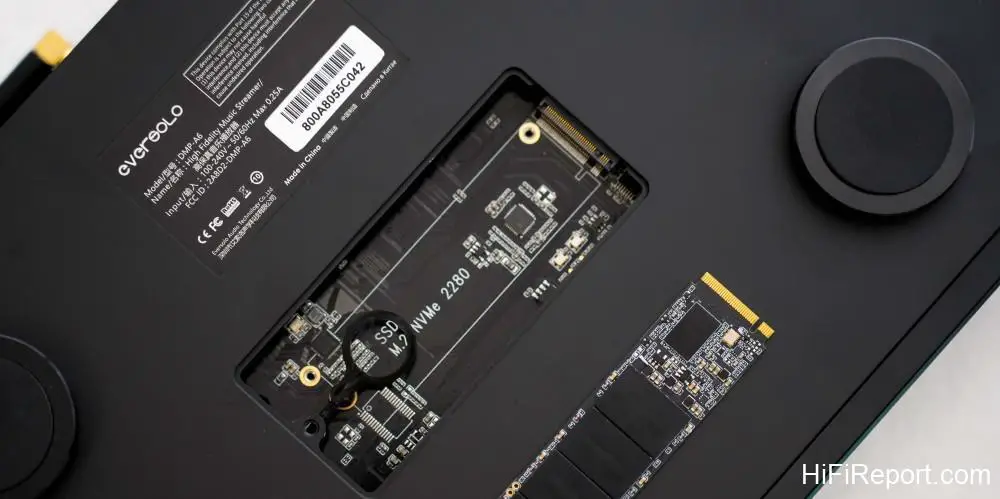
If you prefer not to use network methods (due to concerns about network environmental noise impacting audio), the DMP-A6 itself can store music files, effectively acting as a music server. This offers a level of convenience superior to a simple streaming player. The DMP-A6 has 32GB of internal memory and supports installing an SSD solid-state drive, with a maximum capacity of 4TB, meeting extensive storage needs.
This method provides the shortest possible playback path and avoids the vibration issues associated with traditional hard drives, representing the highest quality playback method. Furthermore, installing an SSD in the DMP-A6 does not require disassembling the unit; you only need to remove the screws on the bottom panel, which is very convenient.
There are also multiple ways to input files. You can use a USB storage device, connect it to a computer for file transfer, or even connect an external USB CD drive to rip CDs directly to the SSD in lossless format.
Connectivity & DAC Function
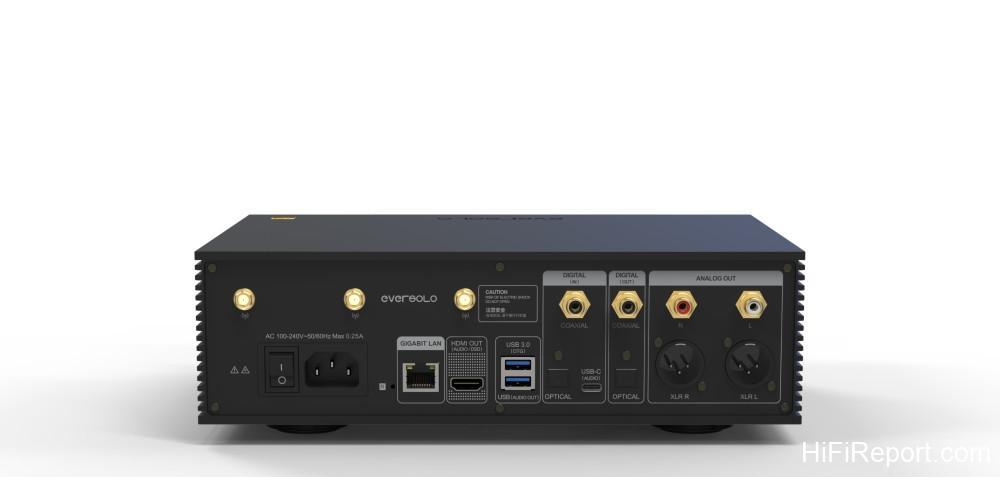
The DMP-A6 offers significant setup flexibility. If you want to feed digital audio from other sources into it, allowing the DMP-A6 to function as a DAC, it provides multiple digital input interfaces including optical, coaxial, and wireless Bluetooth. The Bluetooth functionality supports the apt-X HD high-quality codec.
The USB Type-C port, located on the rear panel, allows you to connect it to a PC or other digital transports with USB audio output to play high-resolution files, effectively using the DMP-A6 as a USB DAC.
For the processed analog output, it provides both RCA and XLR balanced output terminals.
Should you wish to pair the DMP-A6 with a higher-end DAC in the future and use it as a digital transport, it can output digital audio via optical, coaxial, USB Type-A, and HDMI, claiming Bit-Perfect output. In this scenario, the DMP-A6’s output can be switched between “Variable” or “Fixed” output. If the downstream equipment has volume control, you can set the DMP-A6 to fixed output, demonstrating well-thought-out system integration.
Unique HDMI Output
Why the HDMI output? This brings us to the DMP-A6’s unique feature: it is equipped with an exclusive HDMI audio dedicated DOH processing chip, which supports DSD file output via HDMI (including both DSD Native and DoP). It also supports multichannel audio. By connecting it to a multichannel AV receiver, you can enjoy the multichannel audio embedded within DSD files, making the DMP-A6 a rare multichannel music player on the market.
User Interface & Display
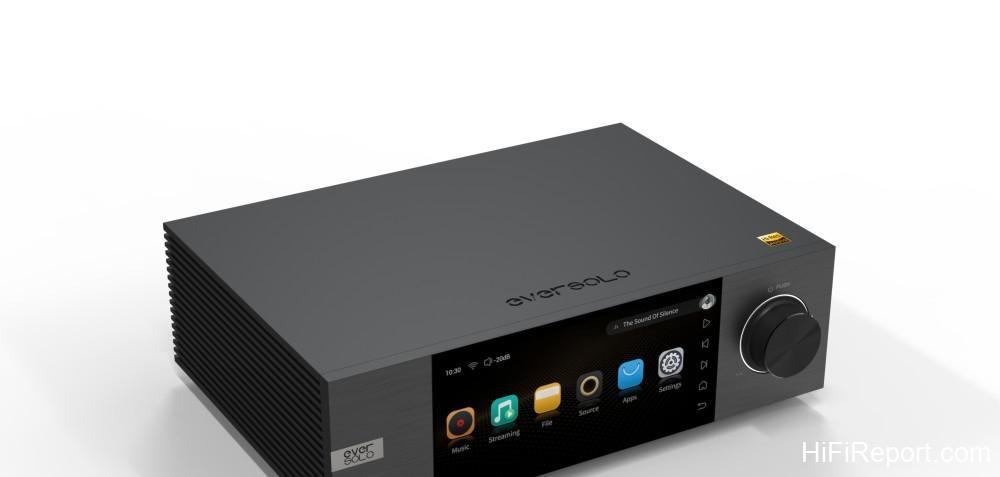
Finally, the exterior of the DMP-A6 is also worth mentioning. Its front panel features a 6-inch color display, comparable in size to a mobile phone screen. This screen can beautifully display album art and detailed song information, including artist, track, album, source, format, sample rate, bit depth, time, etc. This is a significant appeal for streaming enthusiasts. This 6-inch screen is also a touchscreen, allowing you to operate various functions directly.
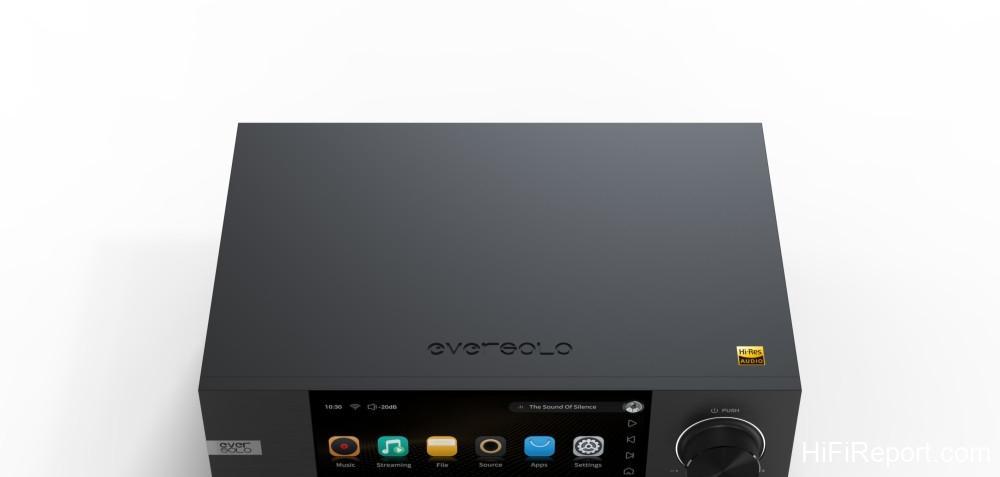
EverSolo’s software is well-written; even using the touchscreen interface here feels complete, fast, and fluid.
Display Modes and Visualizers
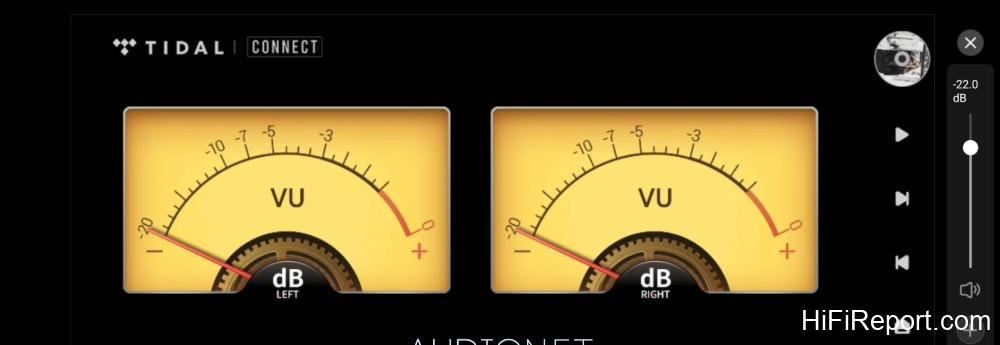
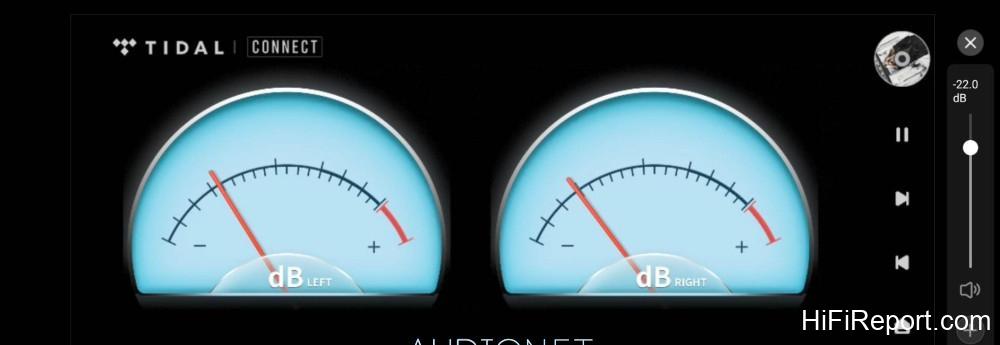
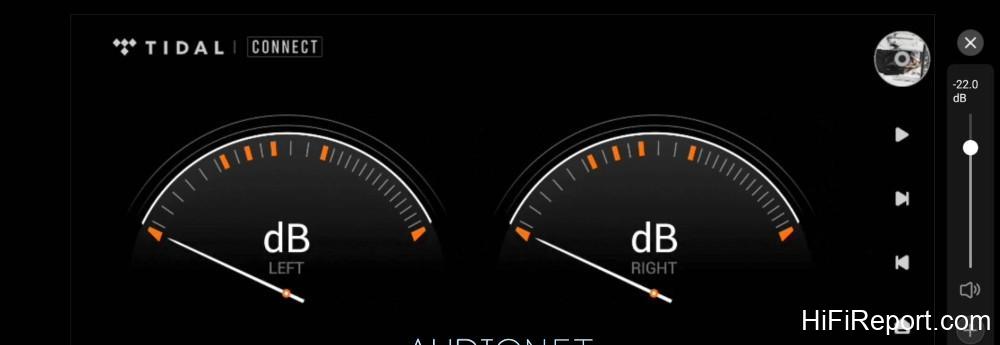
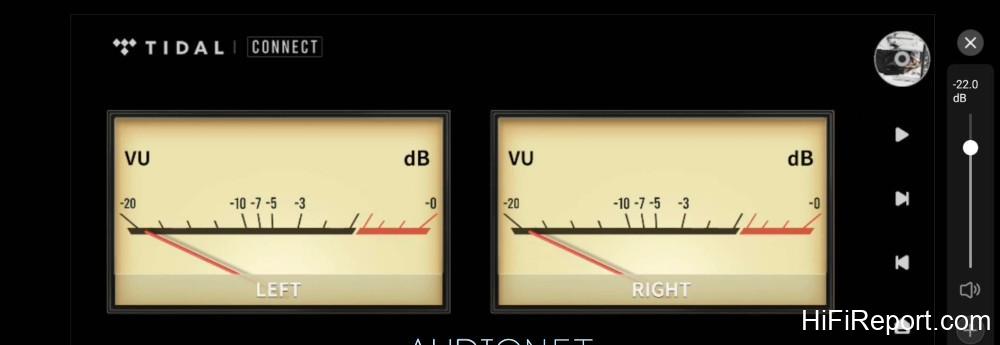
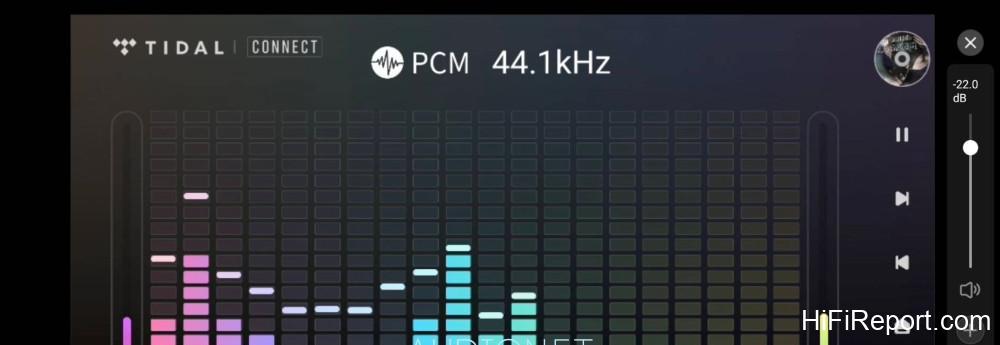
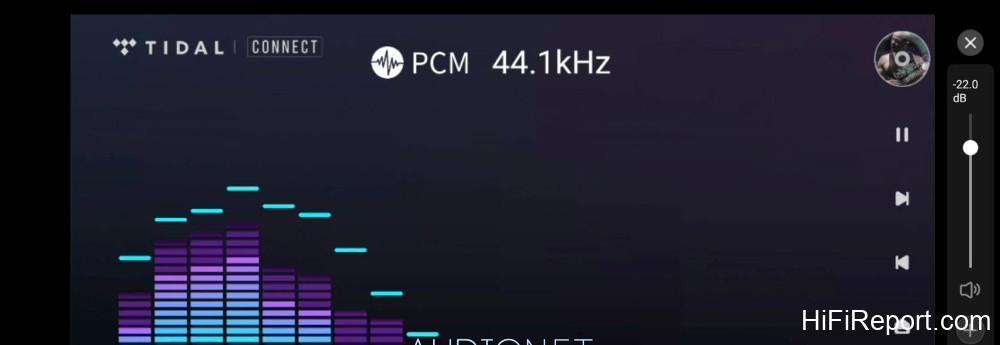
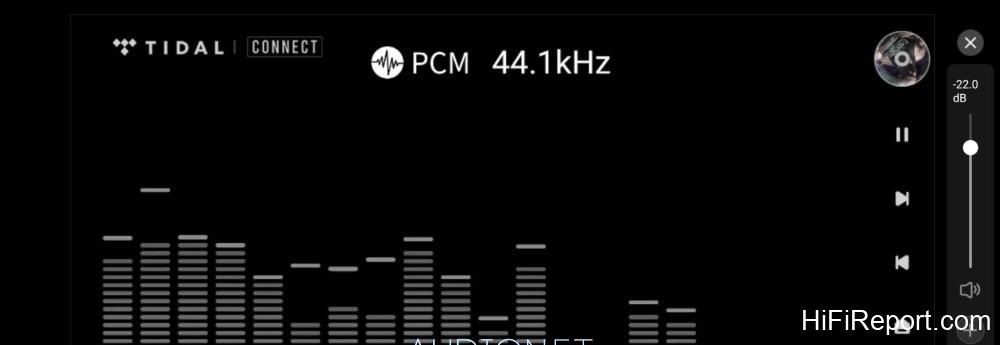
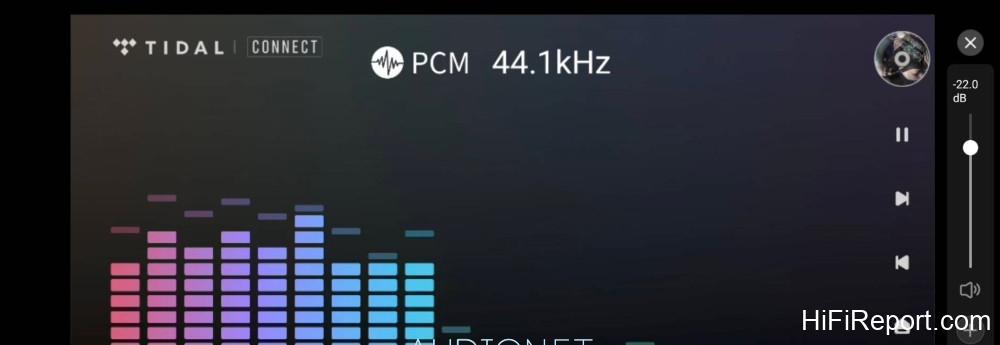
When playing music, the 6-inch color display can also be switched to show classic VU meters or a spectrum analyzer, with multiple styles available for each. There are four different layouts for VU meters and four for the spectrum analyzer, allowing users to choose based on their preference. Watching the VU needles swing or the spectrum analyzer bars dance along with the music provides considerable visual enjoyment.

Listening Impressions
Next, let’s discuss the actual listening experience. For this review, I paired the DMP-A6 with a KECES S300+ integrated amplifier and Pioneer Excellence S-1EX floorstanding speakers. I listened in the simplest manner, directly playing streaming music from Tidal and Qobuz. While this may not be the most ‘Hi-End’ playback method, it’s the easiest and likely how most users will utilize a streaming player.
With this setup, the system presented a rational sound, prioritizing resolution. However, the high frequencies were not sharp or irritating; violins didn’t sound harsh. At the same time, the system demonstrated considerable power and impact. This sound signature was initially pleasing, but after extended listening, the high frequencies felt slightly veiled or dark. This could be a synergy issue with the system components.
Generally, such issues can be addressed through component matching or cable changes. However, the DMP-A6 makes this less cumbersome as it offers seven different digital filter modes that can be switched to alter the sound character.
This function is located within the “System Settings / XLR & RCA Output / DAC Filter Characteristics” menu. The names of these seven digital filters might be confusing for novice users, so the manual includes a detailed explanation page. Their effects include influencing the sound style, soundstage depth, and the sharpness of musical contours. After trying different settings, I personally preferred the “Linear Phase Fast Roll-off” filter.
Compared to the factory default setting, it changed the musical contours from “Neutral” to “Sharp,” while the overall sound style remained “Natural.” This resolved the perceived slight darkness in the high frequencies, and the sound retained its powerful impact. This specific filter choice isn’t universally applicable; results will vary depending on each person’s equipment and preferences. However, the DMP-A6 provides a quick opportunity to experiment and make changes.
Sound Performance
With this system pairing and digital filter setting, the sound I heard was quite accomplished. It delivered the expected sonic performance of a Hi-Fi component, offering clear details, tight and fast bass, and the ability to present powerful sound. With proper speaker placement, it could create a very complete and clear soundstage. For instance, listening to Mutter’s performance of Vivaldi’s Concerto No.
2, “Summer,” from the “Yellow Lounge” album, the rapid, rain-like bowing sounded incredibly powerful. Even with violin performance, you could feel the explosive energy in the sound. Another example is the first track, “Dance Of The Tumblers,” from the “Tutti! Orchestral Sampler” album. The strings played with great power and vigor, conveying a sense of grand momentum.
The theme music from the “Game of Thrones” soundtrack also showcased a magnificent and epic scale, while the cello playing the main melody exhibited a solid, tactile texture of bow against strings, making it very impactful and moving.
The aforementioned musical examples demonstrate the DMP-A6’s ability to handle large-scale performances. How about vocals or smaller pieces? I played “Crying” from The James Blood Ulmer Blues Experience album, which is an excellent live recording. Here, I heard a superb sense of live atmosphere. The soundstage was not only clear but also very deep, with the positioning of each instrument distinctly defined. The audience noise was also clearly audible.
When the vocals entered, it was even more captivating, with a very natural stage presence that made you feel like you were right there. The vocals were not presented in an overly lush or exaggerated manner but excelled in resolution and image focus. Another example, listening to Melody Gardot’s “My One And Only Thrill,” painted another beautiful soundscape. This track revealed the very distinct outline of the lips, and Melody Gardot’s female voice was delicate yet sweet, utterly enchanting.
The DMP-A6’s playback from Tidal already sounded remarkably Hi-Fi to me. However, I suspected this might not be its absolute peak performance, as network transmission inevitably introduces some degree of distortion. So, I subsequently transferred high-resolution files directly into the DMP-A6’s internal memory. This approach represents the shortest path and is least susceptible to interference, providing an opportunity to evaluate playback this way.
As expected, the textural quality improved further, especially when playing DSD files (a format generally unavailable via standard streaming). In this configuration, the system delivered a very delicate, high-resolution sound. Whether it was piano or violin performances, the lingering resonance of the strings was more clearly audible, and the imaging became more concrete, revealing the finer nuances of high-resolution music.
DSD Multichannel
As mentioned earlier, the DMP-A6 has a rare and unique feature: its HDMI output capability for multichannel DSD music. The internal menu of the DMP-A6 allows configuration of the HDMI DSD output format, with options for D2P (DSD to PCM) or DSD Native, to ensure compatibility with downstream equipment. I tested this feature by pairing it with a Lyngdorf MP-60 to form a multichannel system. When successfully playing, the DMP-A6’s front panel screen displayed information such as 5ch DSD64.
In this mode, you experience an effect different from typical two-channel audio; the sound wraps around the listening position, while still maintaining high resolution. It is a fantastic listening experience.
Final Thoughts
After exploring all these features, is this DMP-A6, priced under $1000, nearly perfect and all-capable? To be honest, I must conclude by saying the DMP-A6’s sound quality is very competent, but it doesn’t quite reach the level of top-tier high-end machines. I can hear excellent resolution and tight, agile bass, but it lacks the luminous sheen often found in higher-end models.
However, I believe this expectation is unreasonable given the DMP-A6’s material specifications, rich feature set, and sonic performance, which already far exceed the typical standard for its price range. The emergence of the DMP-A6 is certain to significantly pressure the market share of competing products and has rightfully earned our Best Recommendation. It is particularly suitable for individuals with a limited budget.
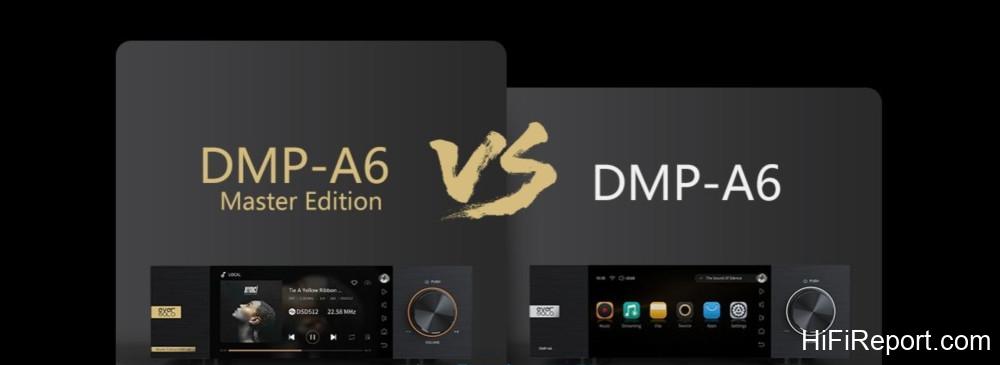
If you demand even higher sound quality, I would suggest considering the higher-tier Master Edition version or even the flagship DMP-A8. I am confident that improved audio quality can be expected from those models, and they still represent excellent value for their price. (End of review)
Specifications
* Equipped with two ES9038Q2M DAC chips
* EverSolo’s exclusive EOS engine
* Supports a large number of streaming music platforms
* Supports Roon Ready, Tidal Connect
* Supports high-resolution audio including DSD512
* Provides USB DAC function
* Supports installation of up to 4TB SSD solid-state drive
* Supports DLNA for playing files within the local network
* Proprietary EverSolo Control App is smooth and user-friendly
* Features a 6-inch color touchscreen on the front panel
* Rare HDMI multichannel output capability
* Display screen: 6-inch LCD touchscreen
* Memory: 4GB DDR4 + 32GB eMMC, expandable with up to 4TB SSD
* Audio DAC: ES9038Q2M × 2
* Audio Processor: XMOS XU316
* Amplifier Chip: OPA1642
* Input Terminals: Optical, Coaxial, USB Type-C (USB DAC), USB Type-A (Storage devices or computer transfer), Network port, Wireless Bluetooth
* Output Terminals: Optical, Coaxial, USB Type-A, HDMI (Outputs DSD multichannel audio), RCA Analog output, XLR Balanced analog output
* Power Input: AC 110~240V 50/60Hz
* Power Consumption: 13W
* Dimensions (L x W x H): 187 × 270 × 90mm
* Weight: 4.7 kg