
Ferrum Wandla DAC Review
Many audiophiles subscribe to the notion that when it comes to hi-fi equipment, bigger and heavier is invariably better. This long-standing belief often leads to a dismissive attitude towards smaller components, which are sometimes unfairly considered as mere toys.
If you are among those who equate size with quality and harbor skepticism towards compact audio devices, you might as well stop reading now. After all, the pursuit of excellent sound is a personal journey, and there’s no need to argue over subjective preferences.
However, if you are open-minded and willing to explore new possibilities in the realm of audio, then this review of a truly remarkable DAC is for you.
Are you ready to delve into the world of high-fidelity in a small package? The choice is yours, but I’m about to share my experience with a DAC that has genuinely impressed me.
Ferrum: Innovation Rooted in Linear Power
What DAC has captured my attention so profoundly? It’s the Wandla DAC, the latest offering from the Polish audio company, Ferrum.
Founded in 2020, Ferrum is a relatively young company, yet in just over three years, they’ve made significant waves in the audio world. They first garnered recognition with their Hypsos linear power supply. While not the first to market, the Hypsos stands out with its continuously adjustable 5V-30V output voltage, a feature still unmatched by competitors.
Despite their initial focus on power solutions, Ferrum’s product line has expanded beyond power supplies. They ventured into amplification with the Oor, a headphone amplifier boasting purely analog inputs and fully balanced circuitry, followed by the Erco, a headphone amp with an integrated DAC.
At the recent Munich High End Show, Ferrum unveiled the “pure” DAC – the Wandla, creating a synergistic pairing with the Oor amplifier.
My first encounter with the Wandla was indeed at the Munich show. Ferrum had two systems on display: a headphone setup featuring the Oor and a minimalist two-channel system with active speakers. However, the bustling show environment made critical listening challenging.
Shortly after the show, I received a Wandla for review, accompanied by a Hypsos linear power supply. The absence of the Oor in the package was a clear indication – Ferrum intended for me to evaluate the Wandla as a source component in a traditional two-channel system.
Design and Ingenuity
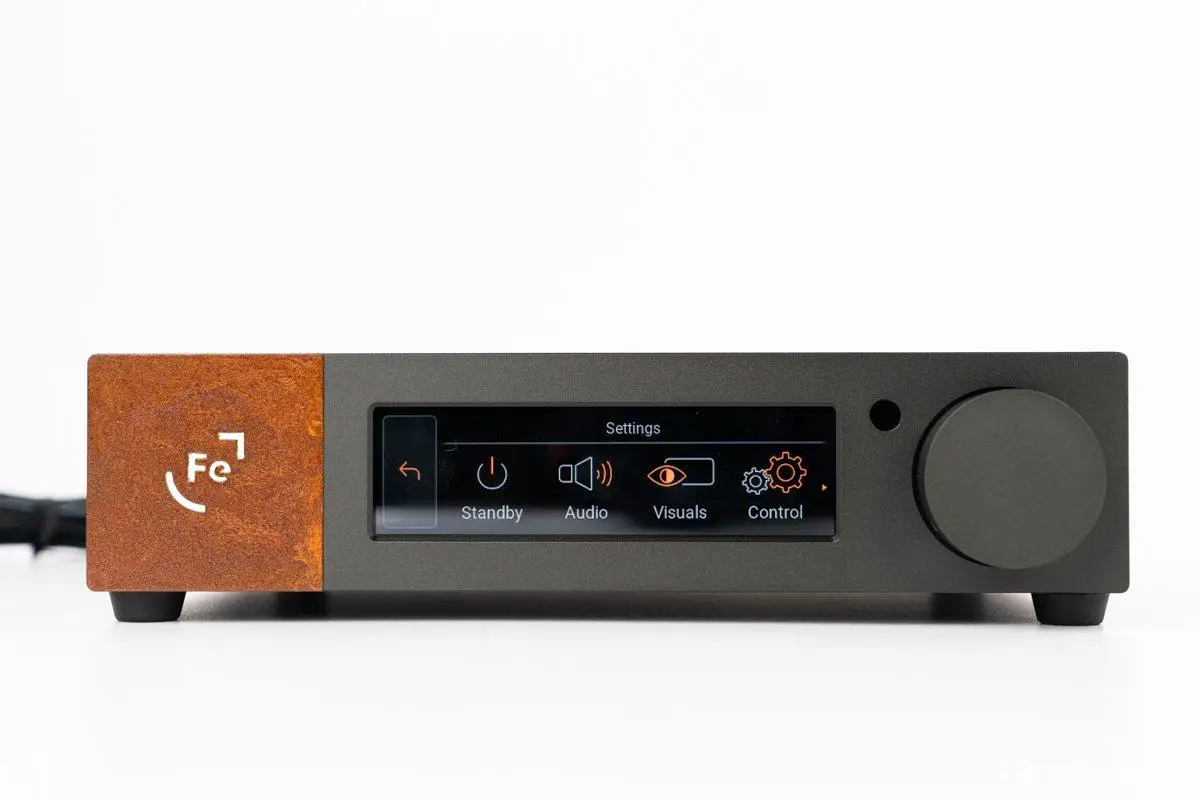
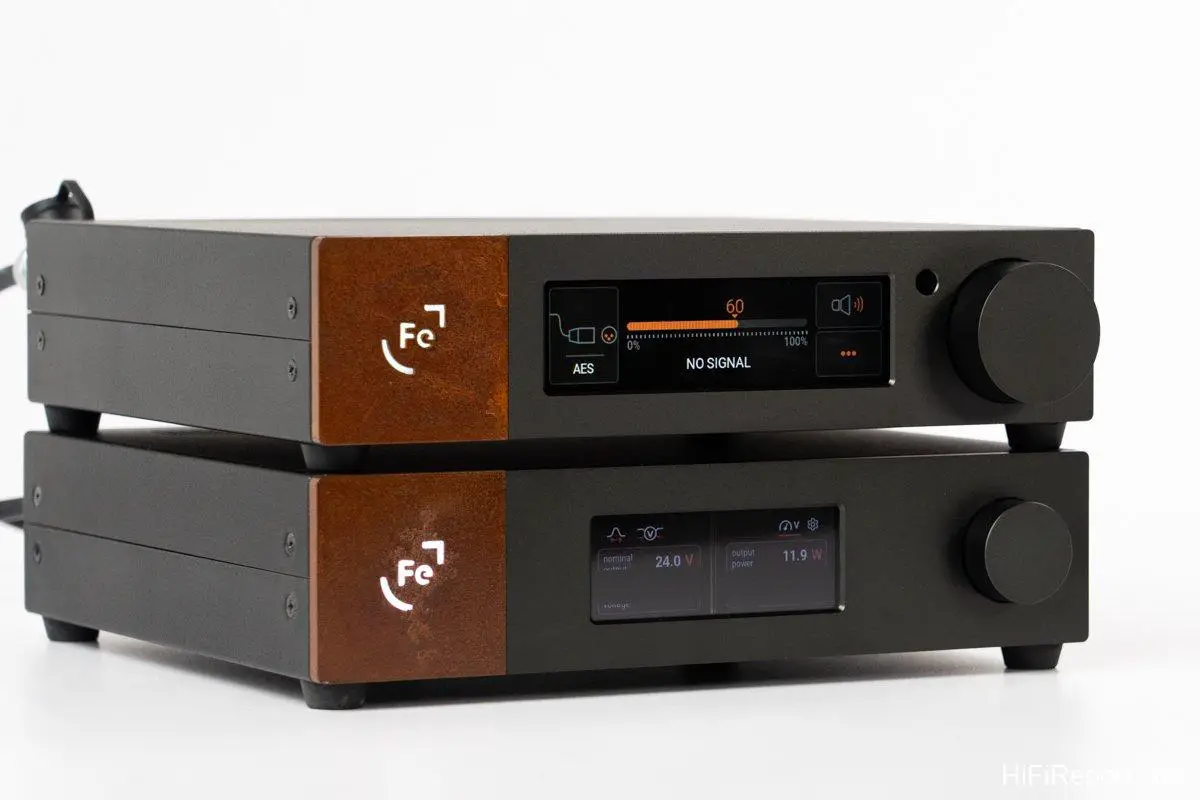
The Wandla, consistent with Ferrum’s design ethos, features a compact yet reassuringly solid chassis. Constructed from meticulously finished metalwork, the unit is encased by sturdy U-shaped top and bottom plates.
The front panel is adorned with a striking corten steel accent. This unique element is crafted from alloy steel that has been naturally oxidized outdoors, resulting in a distinctive ochre-brown hue and a unique textured surface, ensuring each piece is subtly different.
At the heart of this corten steel plate, Ferrum’s stylized “Fe” logo is laser-cut and subtly illuminated with a soft white light, adding a touch of understated elegance.
This single decorative element and gentle illumination inject personality and visual appeal into the otherwise minimalist and functional chassis.
Intuitive Touchscreen and Volume Control
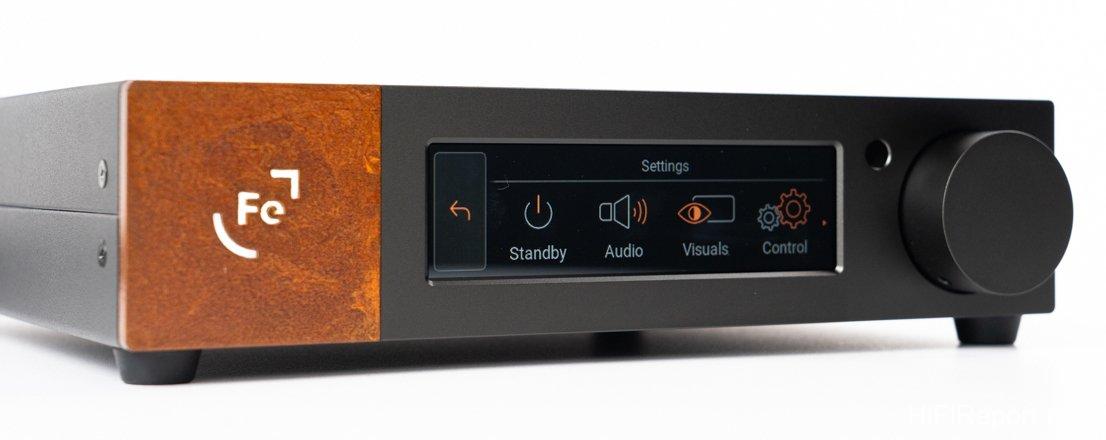
While the Erco and Oor models feature traditional analog knobs, the Hypsos and Wandla incorporate a central color display alongside a right-side rotary knob.
The Wandla elevates user interaction with a touch-sensitive screen. Upon power connection, the ‘Fe’ logo illuminates, but the display remains dark until a gentle touch awakens it. Tapping the power icon initiates the startup sequence, lending a touch of modern technology to the user experience.
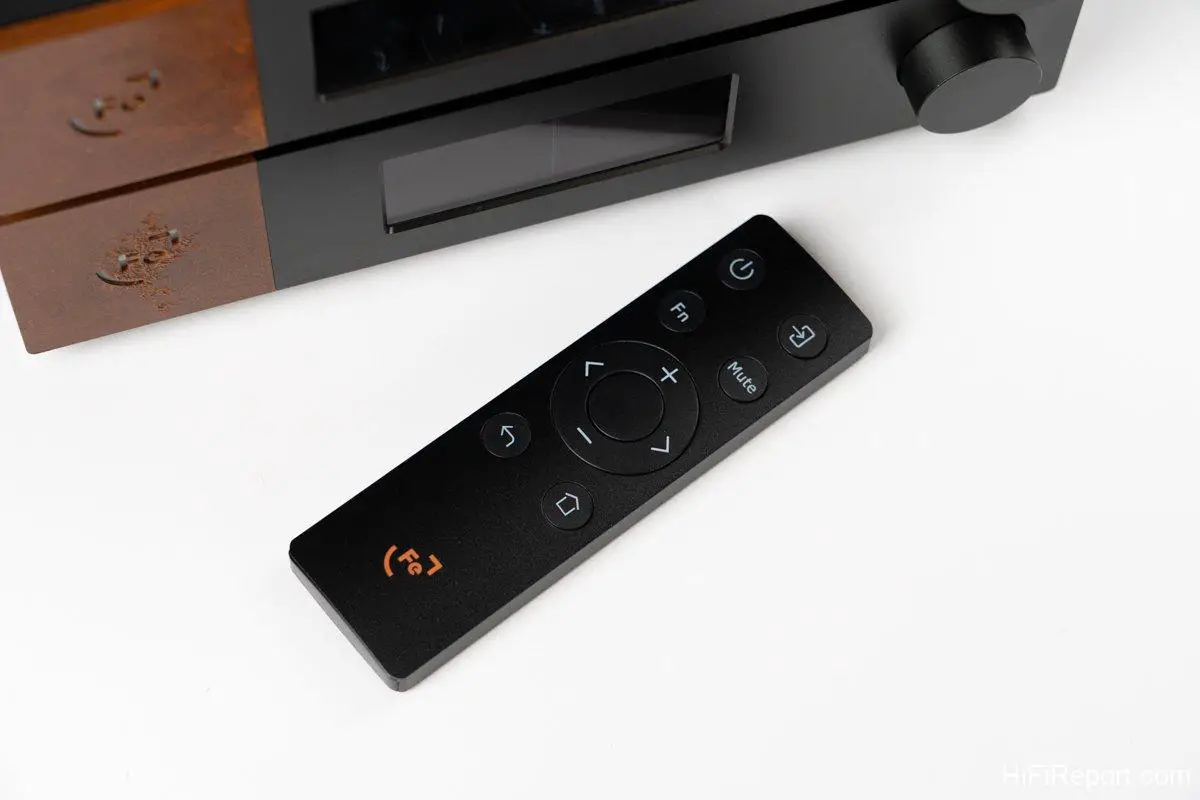
Navigating menus and selecting options are all accomplished via the responsive touchscreen. The rotary knob, in contrast, is dedicated solely to volume adjustment.
The Wandla offers a choice between analog and digital volume control, selectable within the intuitive menu system.
Comprehensive Connectivity, Including HDMI ARC
Despite its diminutive size, the Ferrum Wandla is remarkably well-equipped in terms of connectivity.
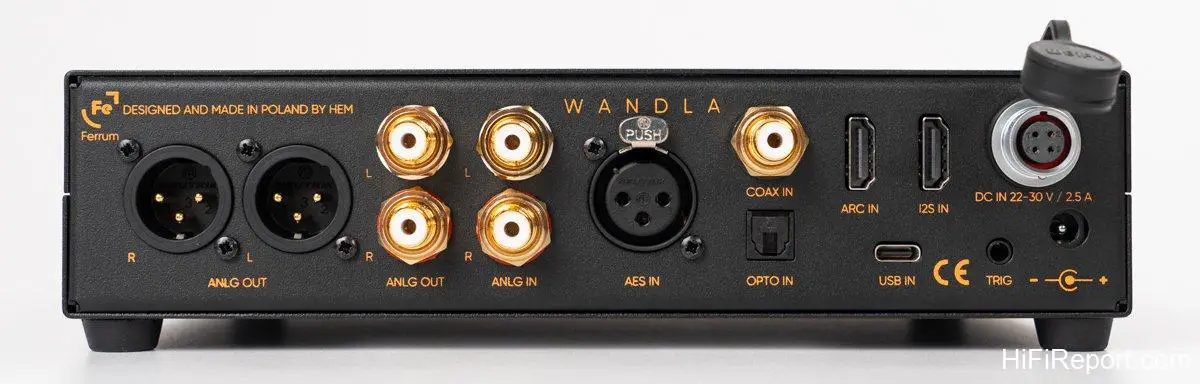
It boasts an impressive array of six digital inputs: AES/EBU, RCA Coaxial, Optical, USB Type-C, I2S (HDMI), and notably, HDMI ARC.
The inclusion of USB Type-C is a forward-thinking choice by Ferrum. When queried about the selection, Ferrum stated that despite potential space constraints, they believe the superior specifications of Type-C represent the future of connectivity. While currently less common in audio, Ferrum is positioning themselves ahead of the curve. Time will tell if this becomes the prevailing standard.
The inclusion of HDMI ARC is another standout feature, enabling seamless integration with televisions. This allows users to tap into the vast libraries of music available on platforms like YouTube and music-centric cable channels, significantly expanding the versatility of a traditional hi-fi system.
A truly insightful addition!
Analog Input and External Power Option
Beyond its extensive digital input suite, the Wandla also incorporates a set of RCA analog inputs.
This analog input effectively allows the Wandla to function as a preamplifier. Combined with its integrated analog volume control, it can be connected directly to a power amplifier, simplifying the audio signal path.
For analog outputs, the Wandla is equipped with both RCA and XLR connections.
Internally, the amplification circuitry is fully balanced, employing Ferrum’s custom-tuned IC-based design. In theory, utilizing the balanced XLR output into a balanced amplifier input should yield optimal sonic performance, characterized by the lowest noise floor, widest dynamic range, and highest channel separation.
Powering the Wandla is exclusively handled via an external power supply.
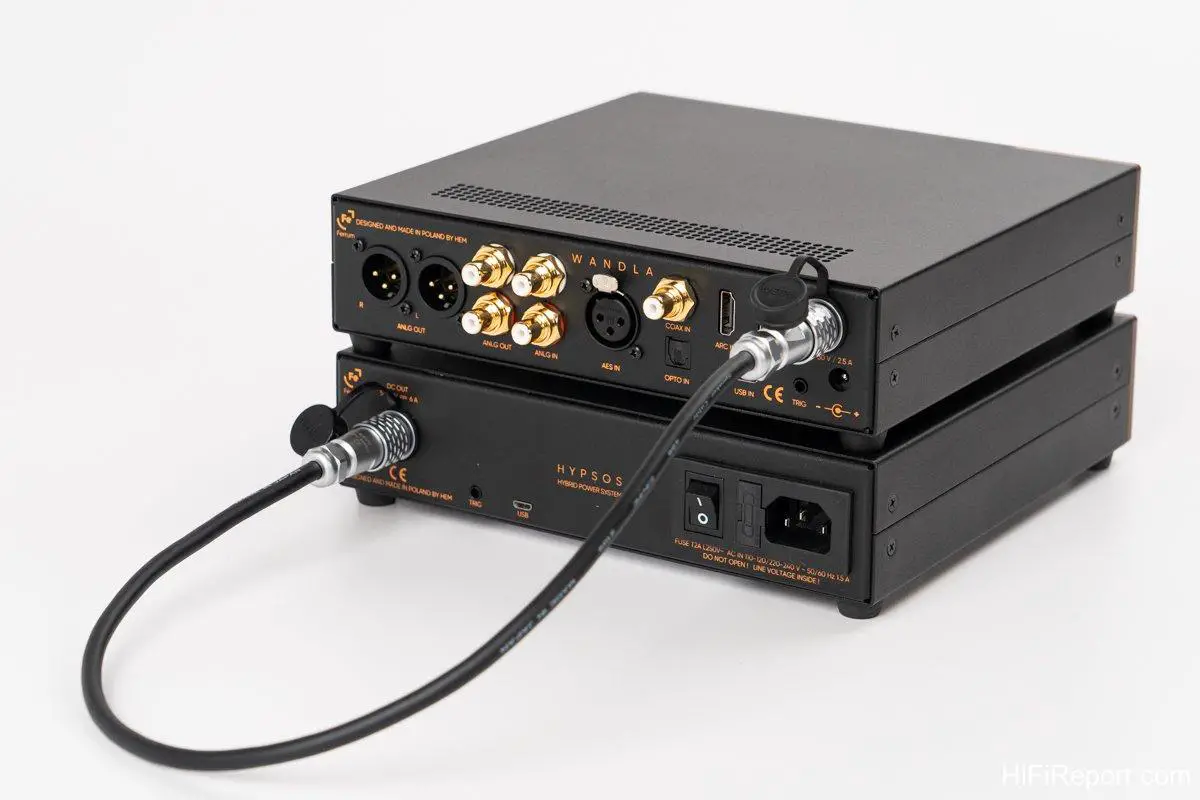
The standard Wandla package includes a 24V switching power supply. However, Ferrum’s product philosophy emphasizes the sonic benefits of their Hypsos linear power supply, designed to elevate the Wandla’s performance to its peak potential.
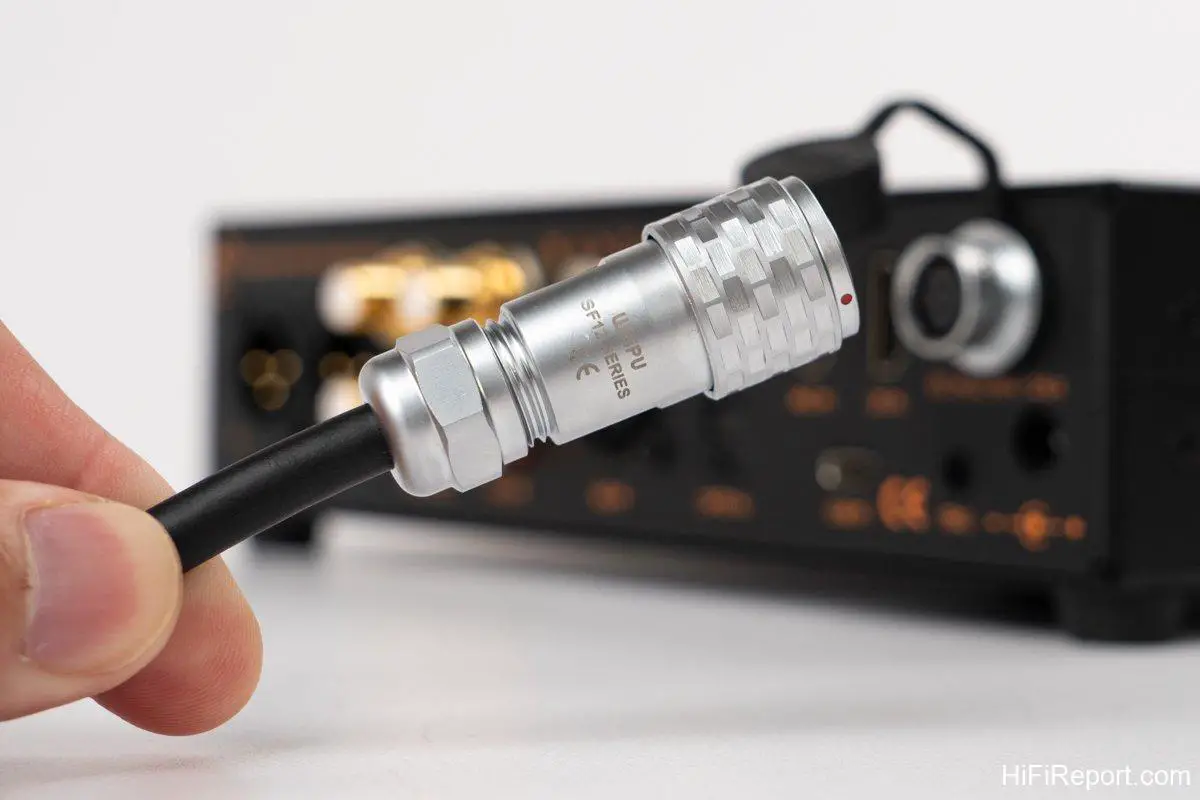
To facilitate this upgrade path, the Wandla includes a dedicated 4-pin Ferrum Power Link connector for seamless integration with the Hypsos.
ES9038 PRO DAC and Proprietary Digital Filtering
At the heart of the Wandla’s digital processing lies the high-performance ES9038 PRO DAC chip. This powerful chip supports high-resolution audio formats up to PCM 32bit/768kHz and DSD 256 (via USB and I2S inputs). Ferrum has further refined the performance with their in-house designed I/V conversion stage.
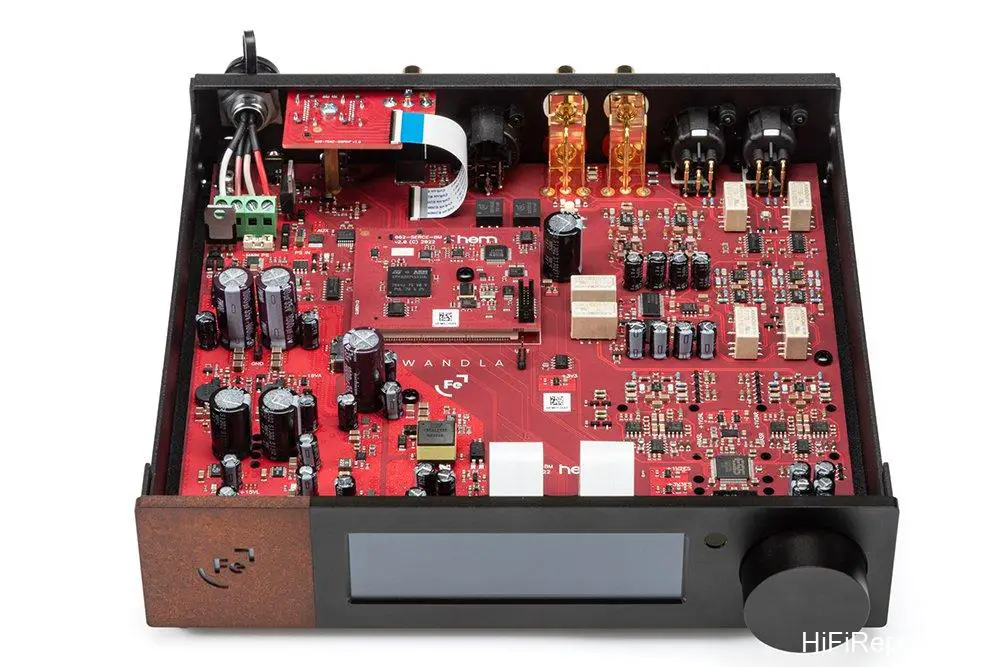
Ferrum’s innovation extends to their proprietary Serce circuitry. This dedicated circuit board, elevated above the main PCB, works in tandem with an ARM processor. The Serce board prioritizes a “shortest path” design and handles critical digital processing tasks including MQA decoding and digital filtering.
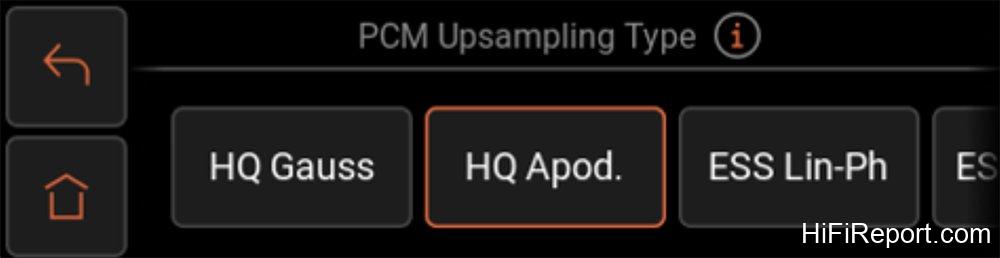
The filtering system is particularly noteworthy, featuring three standard ESS digital filters alongside two unique digital filter modes custom-developed for Ferrum by Signalyst, the creators of the renowned HQ Player software.
Selecting filter modes is straightforward via the intuitive menu. Navigating to the ‘Audio’ section and then ‘Upsampling’ reveals the five available filter options.
For my personal preference as a classical music aficionado, the “HQ Apod.” filter setting stood out. It delivered a sound that was detailed, balanced, vibrant, and imbued with a natural sense of spaciousness.
(Image from Ferrum official website) (Image from Ferrum official website)
Personalized Settings
The Wandla offers a wealth of customizable settings to tailor the unit to individual preferences and system configurations. These include adjustments for the logo light and screen brightness, left/right channel balance, digital and analog input gain, a bypass mode, and I2S pin configuration for DSD compatibility.
While not all of these settings directly impact the sonic performance, their inclusion demonstrates Ferrum’s commitment to providing a comprehensive and user-centric experience.
Audibly Compelling
Ferrum’s design and build quality resonate deeply with my personal preferences. However, my enthusiastic endorsement of the Wandla from the outset stems primarily from its exceptional sonic performance, which has genuinely captivated me.
I’m even considering making the Wandla and Hypsos combination my new reference DAC setup, provided I can secure the necessary funds and don’t encounter a superior alternative in the meantime.
Is it truly that impressive? Unquestionably, yes.
Pristine Sound, Transparent Presentation
The Wandla’s defining sonic characteristic is its remarkable clarity. The sound is exceptionally clean, creating an inky black background that allows individual sonic elements to emerge with striking precision. Even the subtlest nuances and micro-details within the music are rendered with remarkable fidelity.
Take, for example, the recording of Schubert’s “Trout Quintet” performed by the Capucon brothers and other French musicians. This recording is inherently clean, detailed, and transparent. The Wandla, mirroring these qualities, further accentuates the brilliance of the performance.
In this quintet, Schubert ingeniously replaced the second violin with a double bass, lending a richer and deeper foundation to the lower frequencies.
The violin introduces the primary theme, while the piano responds with the secondary theme. Through interplay and repetition, the music unfolds, radiating an atmosphere of joyful exuberance.
The Wandla presents this performance with such purity and clarity that it feels as though no barrier exists between the performers and the listener. The level of transparency is truly exceptional, placing it in a high echelon of audio performance.
The intricate harmonies within the development section are rendered without a trace of muddiness or congestion.
The charming fourth movement, a theme and variations, showcases the violin’s initial statement of the theme, followed by variations presented by other instruments in turn.
The interplay between the featured instrument and the accompanying instruments is clearly delineated, maintaining a distinct hierarchy.
Everything – Schubert’s compositional intent, the musicians’ performance, and the recording’s capture – is faithfully and comprehensively conveyed by the Wandla.
The timbral characteristics of each instrument are vividly rendered, with a natural and pure tonal quality, free from distortion or artificiality.
Whenever I encounter equipment exhibiting exceptional clarity, transparency, and purity, I invariably revisit this “Trout Quintet” recording. The sonic beauty I experienced with the Wandla was truly exceptional.
Vibrant Sonic Character
Beyond its clarity and purity, the Wandla also embodies the energetic spirit of its youthful manufacturer.
Is vitality inherent to new companies? In terms of corporate culture, often yes. My experience at Ferrum’s booth at the Munich show certainly confirmed this impression. Their enthusiastic reception of a journalist from Asia, whom they had never met before, was palpable, almost to the point of offering a celebratory beer.
I previously experienced Ferrum’s sonic signature with the Erco headphone amplifier. That sense of vibrancy made music listening intensely engaging, as if every note, every rhythm, every musical phrase was an invitation to immerse oneself in the performance.
This captivating quality, initially experienced with the Erco, is now reaffirmed with the Wandla.
Unearthing Subtlety and Nuance
To evaluate the Wandla solely based on sibilance or vocal articulation would be a disservice to its capabilities. While many audio products, particularly from Chinese manufacturers, can reproduce such vocal nuances, their often deliberate emphasis can detract from the overall musical experience.
True detail retrieval lies in the ability to faithfully reproduce subtle, delicate, and even imperceptible sonic information. The more nuanced and elusive these details are, the more impactful their accurate reproduction becomes – the true “pièce de résistance.”
Let me illustrate Wandla’s exceptional performance in this area.
Listening to Evgeni Koroliov’s rendition of Tchaikovsky’s “The Seasons” piano cycle, specifically January’s “By the Hearth,” Koroliov employs a flexible tempo and rhythmic approach to evoke the flickering flames.
Tchaikovsky meticulously marked numerous expressive indications throughout the score, including piano, crescendo, diminuendo, poco crescendo, and ‘like strings.’
Within this concise piece, there are layers of interpretative depth to explore.
Similarly, in October’s “Autumn Song,” Tchaikovsky uses dotted rhythms to create rhythmic variation and a sense of ebb and flow, while pedal markings extend chords, adding harmonic richness.
What is the cumulative effect of these compositional details? You must listen to truly understand. And you will gain even greater insight when listening through a system driven by the Wandla DAC.
The mysterious pppp marking at the piece’s conclusion – how does it allow the music to fade and dissolve into the air like a phantom? This is another aspect you must experience firsthand.
The Wandla articulates these subtle and obscure details with clarity, poetry, and beauty.
Alas, such beauty cannot be quantified by instruments! It demands personal experience, appreciation, exploration, and emotional engagement.
Beauty transcends scientific measurement.
Tube-Like Warmth and Resolution
The Wandla’s sonic character is undeniably beautiful, possessing a warmth and richness that evokes the sonic qualities of a tube-based DAC.
This impression, less pronounced with the Erco, becomes fully realized with the Wandla.
Listening to Anne Sofie von Otter’s rendition of Barbara’s “Dis, quand reviendras-tu?” reveals a depth of vocal artistry that transcends typical pop or chanson singers. As a mezzo-soprano, von Otter’s performance exhibits operatic influences in her trills, phrasing, breath control, vocal legato, and the nuanced build-up and release of emotional intensity.
Her refined bel canto technique, distinct from the nasal resonance and overt vocal display often associated with chanson, is emotionally rich yet restrained, evocative but not overtly sensual.
Paired with Brad Mehldau’s piano accompaniment, known for its genre-bending explorations, the blend of classical and jazz influences creates a captivating sonic tapestry. Mehldau’s playing emphasizes clear melodic lines while maintaining a delicate and warm tonal palette, and his use of syncopation adds an element of improvisational spaciousness.
The Wandla masterfully captures the warmth, intimacy, and tangible presence of von Otter’s voice, showcasing the captivating allure she brings to these chanson interpretations.
As a mezzo-soprano, her voice possesses a slightly lower and richer timbre compared to a soprano, making it perhaps even more approachable and intimate.
The Wandla mirrors this approachability. It avoids overtly emphasizing the technical prowess of the ES9038 PRO DAC chip. Instead, it prioritizes conveying the emotional core of the music through a sound that is rich in beauty and warmth, resonating directly with the listener’s heart.
Once again, the essence of beauty is something to be savored personally.
Soundstage Depth and Layering
The Wandla’s soundstage presentation is another area deserving high praise.
Prior to my evaluation, I hadn’t anticipated such a profound sense of depth and layering. Yet, the Wandla delivered a soundstage with remarkable dimensionality, exceeding my expectations and performing exceptionally well – truly, exceptionally well.
For a classical music enthusiast like myself, soundstage depth is often more critical than width.
Soundstage width is generally less variable and can be subtly adjusted through speaker placement. However, the ability to reproduce depth and layering adds a crucial dimension to the musical experience, particularly enriching orchestral music.
Listening to Bruckner’s symphonies, known for their massive orchestral forces and dramatic dynamic contrasts, exemplifies the Wandla’s soundstaging prowess.
During Andris Nelsons’s performance of Bruckner’s Symphony No. 9 with the Leipzig Gewandhaus Orchestra, the Wandla clearly delineated the spatial arrangement of the orchestra. The brass section at the rear, the woodwinds positioned forward, and the string section in the front were all presented with distinct layers and precise placement.
The expansive depth of the soundstage provided crucial breathing room for Bruckner’s dense harmonic textures.
Systems lacking in depth reproduction tend to render Bruckner’s music as congested and monolithic, obscuring its inherent beauty.
The first movement alone, with its three themes interwoven from the exposition to the development, reveals a wealth of musical transformations. The gradual build-ups in dynamics, from quiet passages to powerful tuttis, not only showcased Wandla’s exceptional soundstage layering but also its impressive control over dynamic shifts.
The glorious and exhilarating coda, punctuated by timpani strikes, further solidified these positive impressions.
The second movement reinforces these observations, and the scherzo, with its abrupt dynamic contrasts, further highlights the Wandla’s ability to handle dynamic shifts with composure and precision.
Based on my past experiences with compact DACs, Audiobyte models, including the more affordable Black Dragon and the 1-bit advantage Hydra Vox, have been among my favorites for soundstage depth.
However, a new and formidable contender has emerged – the Ferrum Wandla.
Compact Powerhouse
While the Ferrum Wandla is smaller than a half-width component and its price of approximately $2,850 USD (90,000 NTD) is not exorbitant, it’s also not inexpensive.
Adding the Hypsos power supply elevates the total price to around $4,050 USD (128,000 NTD). In Taiwan, crossing the 100,000 NTD threshold moves a product out of the “budget-friendly” category.
For a component of this size and price point, exceptional performance is essential.
After extensive listening, I can confidently assert that the Wandla’s sonic capabilities fully justify its price. It has undeniably convinced me of its merits, and profoundly so.
Specifications
* Type: Digital-to-Analog Converter
* Input Terminals:
* AES/EBU (up to 192kHz/24bit, DoP 64)
* Optical S/PDIF (up to 192kHz/24bit)
* Coaxial S/PDIF (up to 192kHz/24bit, DoP 64)
* USB-C (up to 768kHz/32bit, DSD 256)
* HDMI ARC (up to 192kHz/24bit), TV input with CEC
* I2S (up to 768kHz/32bit, DSD 256), PS Audio compatible
* MQA Decoding: All inputs supported
* Analog Input: RCA
* Analog Output: RCA, XLR
* Frequency Response: 10Hz – 200kHz / +- 0.1dB
* THD+N: -115dB (unweighted)
* Dynamic Range: 127dB (A-weighted)
* Dimensions: 217.5 × 50 × 206.5 mm (Width × Height × Depth)
* Weight: 1.8 kg