
Focal Aria EVO X N4 Multichannel Review
Focal has made significant strides in their mid-range offerings this year with the introduction of the new Aria EVO X series, unveiled at CES. Building upon the foundation of the highly successful Aria 900 series, the new line boasts exceptional maturity. Notably, this series incorporates advanced technologies, some of which are even found in Focal’s higher-end Sopra range. The quality of materials used nearly surpasses that of the Kanta series, positioned higher in their lineup.
Yet, the Aria EVO X retains the affordability of a mid-range product, offering outstanding value.
Striking Aesthetics
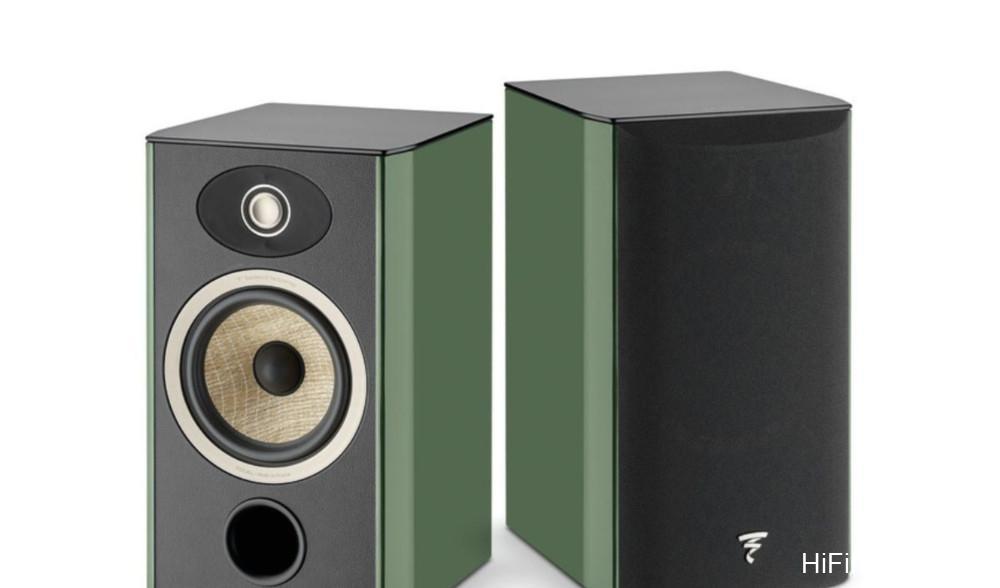
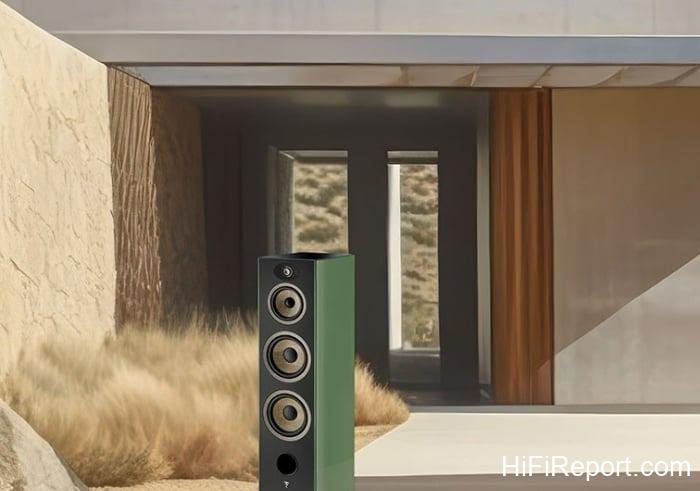
The Aria EVO X series sports a truly beautiful aesthetic. Beyond the classic Natural Walnut and Black High Gloss finishes, it introduces a unique Moss Green High Gloss option. This color lends a touch of modern elegance, setting these speakers apart from traditional designs.
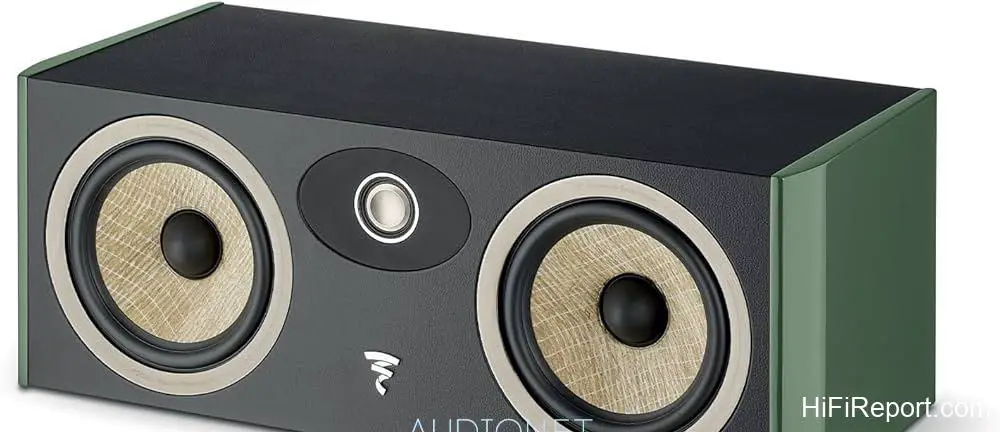
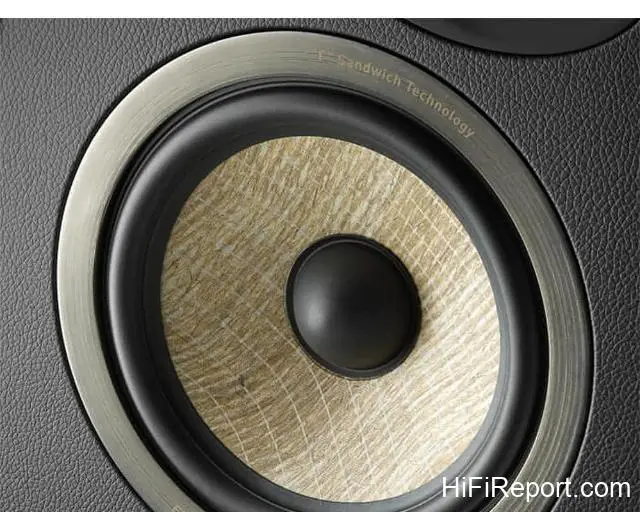
Further enhancing their sophisticated look, Aria EVO X speakers feature a distinctive glass top panel, leather-textured front baffle, and the signature woven texture of their Flax cone drivers – a testament to their intricate design and attention to detail.
Flax Cone Technology
A signature feature of the Aria EVO X series is the distinctive texture on their cones. Known as the Flax Cone, this technology involves sandwiching flax fiber between two layers of glass fiber. This composite structure significantly enhances the cone’s rigidity while maintaining a light mass, thanks to the inherent properties of flax. The resulting cone exhibits superior damping characteristics compared to traditional paper diaphragms.
All mid-range and bass drivers in the Aria EVO X series utilize this innovative Flax Cone technology.
M-Shaped TAM Tweeter
Another highlight of the Aria EVO X series is the tweeter design. Previous Aria series speakers featured TNF inverted dome tweeters. The new Aria EVO X adopts the M-shaped inverted dome TAM tweeter. Its diaphragm is crafted from an Aluminum/Magnesium alloy, pressed into a unique M-shape, and configured in an “inverted dome” arrangement. This means the tweeter diaphragm curves inward, unlike traditional convex dome tweeters.

According to Focal’s research, this design offers enhanced rigidity, reduced deformation, and lower distortion and coloration.
Integrated into the front baffle around this M-shaped tweeter is a shallow waveguide structure that extends outwards (approximating an oval shape). This design improves sound dispersion, resulting in better off-axis response. Previously, this advanced tweeter technology was reserved for Focal’s higher-end products (Sopra and above). Its debut in the Aria EVO X series elevates the sound quality and dispersion capabilities of this range to a new level.
The official specifications boast an excellent high-frequency response extending up to 30kHz.
The Aria EVO X Lineup
The Aria EVO X series comprises five models: the N4, N3, and N2 floorstanding speakers, the N1 bookshelf speaker, and the Center channel speaker, allowing for various system configurations. Given the strong appeal of this series, coupled with its ability to meet the demands of many consumers in terms of price, aesthetics, size, and versatility for both stereo and multichannel applications, we’ve undertaken extensive coverage.
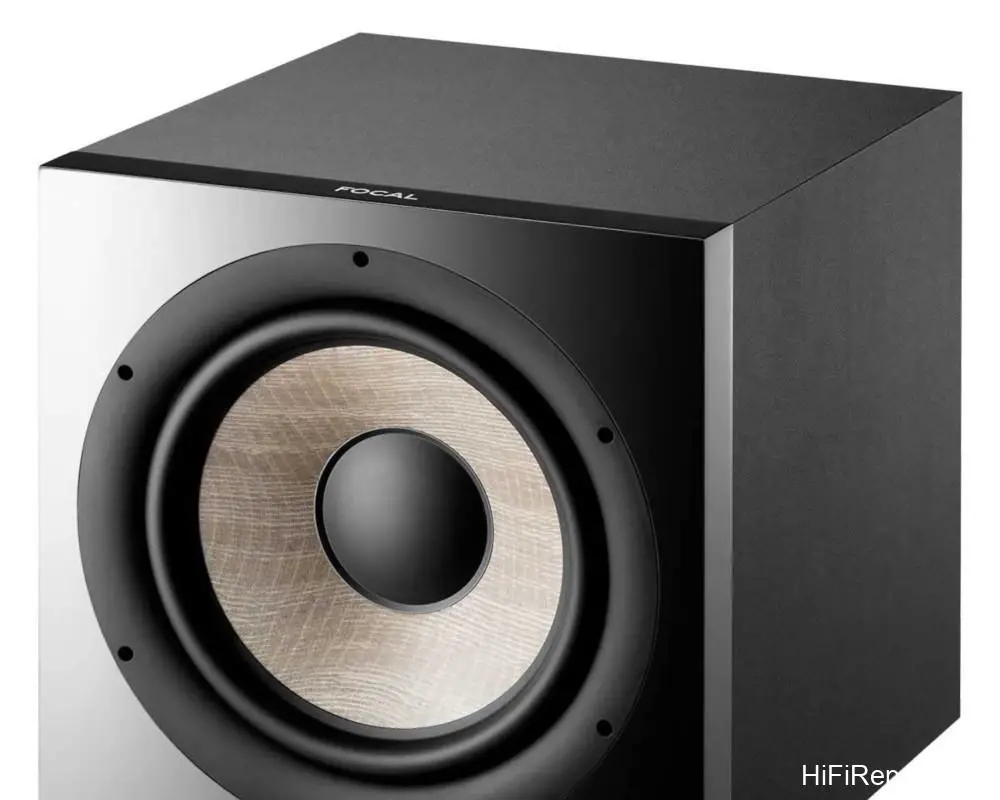
For this review, we assembled a system centered around the largest N4 speakers: N4 for the left and right channels, Center for the center channel, N1 for the surrounds, paired with the Sub 1000F subwoofer to create a 5.1 system. This represents the top-tier configuration within the Aria EVO X series. To power this setup, we specifically chose the high-performance Denon AVR-A10H surround receiver.
Since the N4 is a new face in our reviews of this series and is the flagship floorstanding model in the Aria EVO X lineup, we will dedicate more space to it and spend additional time on a separate N4 stereo listening test before delving into the multichannel experience. We won’t go into detail about the other surround and center speakers here, as they were covered in the aforementioned two articles.
N4 Design
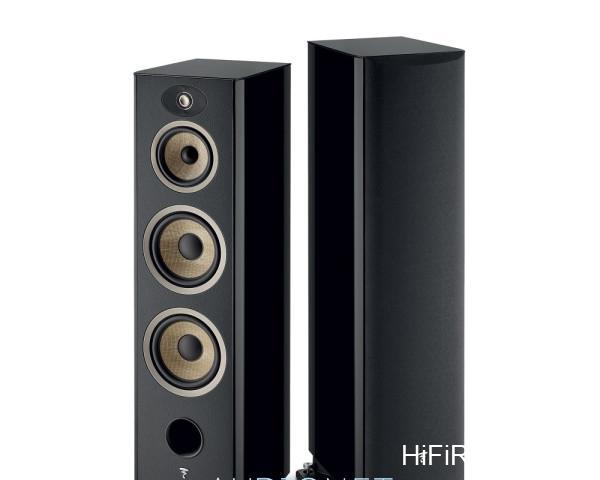
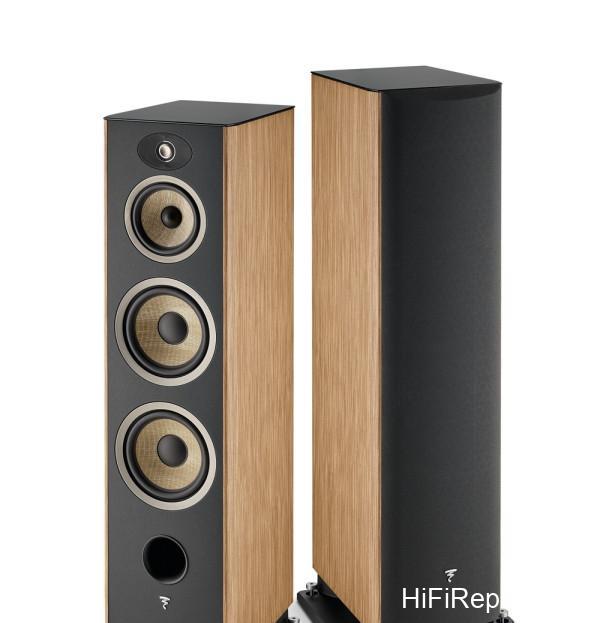
The N4 features a three-way, four-driver, bass-reflex design. Its front baffle houses a 1-inch M-shaped Aluminum/Magnesium tweeter, a 6.5-inch Flax cone mid-range driver, and two 8-inch Flax cone bass drivers. The N4 employs the largest 8-inch bass drivers in the Aria EVO X series, and includes two of them, giving it an inherent advantage in low-frequency output.
Furthermore, its bass-reflex design is noteworthy. This design incorporates ports in the cabinet to release the rear wave energy from the bass drivers. When well-designed, this enhances the performance of the extreme low frequencies. Many speakers only have one port, but the N4 features two: one on the front and one on the bottom, both with substantial diameters, further boosting its bass output.
Placing the ports on the front and bottom, rather than the rear panel, allows the N4 to be placed closer to the wall, leveraging boundary reinforcement to enhance bass even further.
The N4’s dimensions position it firmly in the medium to large speaker category, standing 1150mm tall, 420mm deep, and 371mm wide. These dimensions give it a commanding presence in a living room. The larger cabinet volume also contributes to better low-frequency output. Its specifications list a commendable low-frequency extension down to 37Hz (+/-3dB). From every angle, this is a speaker clearly designed with robust low-frequency performance in mind.
Despite its substantial design, the N4 is not difficult to drive. It boasts a high sensitivity of 92.5dB and a robust power handling capacity of up to 350 watts. This indicates the N4 is easy to power, and pairing it with a high-current amplifier can unlock even greater dynamics and sound pressure levels. This broadens the N4’s compatibility, particularly making it a strong candidate for home theater systems.
Stereo Impressions
I began by listening in stereo, experiencing the N4’s performance on its own without the subwoofer. My source was a Lumin P1 mini streamer, driven by the Denon AVR-A10H in Pure Direct mode to preserve the speaker’s inherent sonic character as much as possible. I streamed high-resolution music from Qobuz.
Even during the initial speaker placement adjustments for the N4, its characteristics were apparent. Compared to other Aria EVO X floorstanders, the N4 clearly possesses more substantial low frequencies and a fuller, more energetic mid-bass. Even pulling them over two meters from the rear wall, the bass remained rich and weighty.
Key Sonic Characteristics
This created an excellent listening condition, as the speakers could be positioned freely from the wall to produce a deep soundstage, while still maintaining full bass output, resulting in sound that was both spatially clear and impactful.
Upon playing music, another key characteristic of the N4 emerged: its excellent dispersion. The horizontal dispersion felt particularly wide, creating a soundstage that was not only deep but also expansive, producing a superb sense of the original recording space.
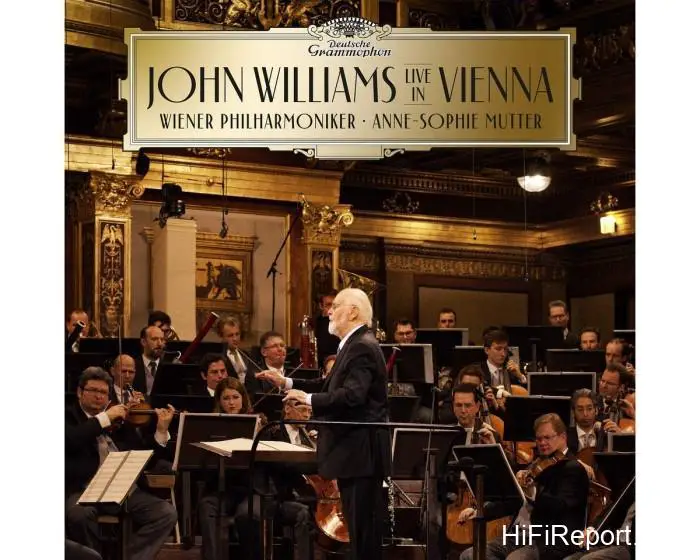
For instance, listening to “Devil’s Dance” from “John Williams in Vienna,” Anne-Sophie Mutter’s violin immediately revealed the grand hall acoustics of the Vienna Musikverein. The N4’s mid-high frequencies exhibit excellent resolution. Mutter’s violin lines were rendered with clear definition and distinct outlines – this speaker clearly excels at extracting and presenting fine details, fully showcasing the information present in high-resolution audio.
As the orchestra entered, the full-bodied mid-bass became apparent, which in turn enhanced the scale of the soundstage, lending the performance a sense of grandeur.
The N4’s mid-range leans closer to the high frequencies in character, favoring a detailed and analytical style. However, when vocal frequencies extend into the mid-bass or lower regions, the combined force of the two 8-inch bass drivers provides a solid foundation, making the vocals sound richer and more resonant, adding substantial body and charm. This was evident in Johnny Hartman’s classic “I Just Dropped by to Say Hello.”
The rich male voice was captivating, and the accompanying instruments also sounded full of energy, creating an enjoyable and enchanting atmosphere.
In fact, the N4’s suitability for vocal reproduction makes it well-suited for karaoke and singing applications. We previously reported on a well-known audio store in Taipei, Xiang Yun Audio, which used Aria EVO X floorstanding speakers, including the N4, in a karaoke system. The N4’s sound signature was praised by Mr. Lan, the owner, who enjoys singing. See the report here: \[Link to previous report if available, otherwise omit or placeholder]
Performance with Music Genres
Given these characteristics, the N4 is naturally incredibly enjoyable for playing pop music. Take “Celestial Echo” from Malia’s “Convergence” album. This track features large, deep drum accompaniment. The N4 rendered the drums with fullness, richness, and size, but without being overbearing, allowing the track to unfold with impressive presence. This track also reaffirmed the mid-high frequency characteristics mentioned earlier; Malia’s voice remained clear, analytical, and unembellished.
Another perfect demonstration of the N4’s strengths was “Wolf Totem” by The HU. This Mongolian rock band’s track was rendered with immense impact by the N4. The lead male vocalist’s rough, masculine voice was perfectly conveyed, full of power. The track includes sections with male harmony on the sides, and when these appeared, the N4’s expansive sound profile was highlighted again.
Even without wide speaker separation, the soundstage felt very broad, making the rough male voices surrounding the listening position sound even more imposing.
Then the drums entered, each hit delivering substantial energy, accompanied by the vocalists’ “Hu Hu Hu” chants – truly arresting. As the track drew to a close, featuring vast prairie soundscapes and the call of soaring eagles, the N4’s open soundstage transported me to the edge of the desert plains, a truly exhilarating experience.
Multichannel Immersion
After the stereo listening, I anticipated that the N4 would excel in a home theater setup and eagerly moved on to the multichannel portion, starting with a Dolby Atmos demo disc. My expectations were met; the soundstage was incredibly open, especially the horizontal extension. Furthermore, the mid-high frequencies were packed with detail, maintaining their analytical character.
The abundance of prominent details sharply defined the contours of sound effects, building a remarkably tangible and solid soundstage. Simply positioning the surround speakers slightly higher in a 5.1 setup with Dolby Atmos already conveyed a sense of height, avoiding a flat soundfield. Within this soundstage, the placement and movement of all sonic objects were crystal clear.
Compared to speakers in the same price range, many cannot render details with such prominence, such outlines, or such precise localization.
For example, in the forest scenes with insect and bird sounds on the Dolby Atmos demo disc, every sound effect detail felt like it was leaping out from the background, with no blurriness or hidden elements. In the rain sequence, every single raindrop was rendered with clarity and solidity, as if each drop had weight, not like soft, fine drizzle. The sound of the sports car engine felt like the RPMs were higher, the sound lifted an octave, making the engine’s roar more impactful.
Simultaneously, the physical presence and lines of the moving car became clearer.
Multichannel Soundstage and Effects
The mid-bass performance was also outstanding. Because the N4 floorstanders already have excellent extreme low-frequency extension, the subwoofer only needed to provide minimal assistance, or even primarily support only the center and surround channels. This allows the crossover point for the N4s to be set below 40Hz, or even let them play full-range, with the subwoofer only supplementing the other channels.
Both settings are worth experimenting with, as the optimal outcome may vary depending on the subwoofer placement and room acoustics.
However, thanks to the speakers’ excellent inherent capabilities, the common result is a full-bodied mid-bass. While the extreme low-frequency extension wasn’t the most brutal I’ve ever heard, the mid-bass energy is undeniable. For instance, during thunder sound effects, you could feel the mid-bass energy subtly vibrating the air. The sports car engine sound also felt more powerful and muscular, thanks to the robust mid-bass support.
Immersive Content Experiences
These characteristics make the system incredibly suitable for reproducing live rock performances. I put on the “Bohemian Rhapsody” 4K BD, and it immediately hit the mark. During the band’s rendition of “We Will Rock You,” the massed vocals were incredibly powerful, and the sounds of feet stomping and the accompanying bass drum hits had tremendous force. The Live Aid concert at the end was even more spectacular.
When the massive crowd sang along, their voices felt solid and three-dimensionally enveloping the seating position. On stage, the electric guitar strums were sharp and clear, and the bass and snare drum hits were forceful and full-bodied, completely pulling you into the live event. When Freddie Mercury let out that electrifying “Ay-Oh” from the stage, followed by the crowd of nearly 100,000 singing back, the sheer energy filled the entire listening room, truly stirring the soul.
If it performs this well with music films, it goes without saying that action or sci-fi movies with more exaggerated sound design are absolutely thrilling. For example, in the fourth episode of the second season of the popular Netflix animation “Arcane,” the scene where the protagonist enters the prison to rescue her companion demonstrated the system’s strength in rendering prominent details. As the camera enters the prison, the system beautifully conveyed the confined quality of the space.
The metallic scrape of the heavy prison door opening, voices, and footsteps all realistically presented the atmosphere of a cold prison, making you feel as if you were there.
When the modified monster pursues them and crashes against the prison gate, the speaker system unleashed a sudden, violent impact sound, shattering the previous cold, empty atmosphere of the prison. As the gate breaks and flies off, hitting a soldier, you hear a clear and forceful collision. This is followed by a thrilling and chaotic battle scene. Throughout, you can hear the metallic scraping of the monster’s claws.
When the monster walks, the sound effect combines the metallic claw sound with the sound of its fleshy paws – incredibly detailed. As the fight intensifies, powerful rock music swells in the background, the fierce guitar riffs and high-energy music further heightening the excitement of the battle. Many streaming videos can sound a bit thin, but this system rendered this scene without that feeling at all, making it truly exhilarating.
Conclusion
In summary, listening to the N4 alone in stereo already reveals many advantages of the Aria EVO X series, with impressive results. However, as a home theater enthusiast, I’m even more impressed by its movie sound performance when configured as a multichannel system, particularly the abundant, prominent details, exceptionally clear imaging, expansive soundstage, and solid, tangible presence of sound objects.
It makes you want to pull out all sorts of movies and music to experience them; once you start listening, you won’t want to stop. The system’s full-bodied mid-bass further enhances the movie sound experience, making films incredibly engaging. If anyone were to ask me for recommendations for home theater speakers, especially an energetic setup suitable for action and sci-fi films, this Focal Aria EVO X combination, led by the N4, would be my recommendation.
Specifications
N4
* Type: 3-way, 4-driver, bass-reflex floorstanding speaker
* Drivers: 1″ M-shaped Aluminum/Magnesium tweeter x1, 6.5″ Flax cone mid-range x1, 8″ Flax cone bass driver x2
* Frequency Response: 37Hz~30kHz
* Low Frequency Cutoff: 31Hz (-6dB)
* Crossover Frequencies: 280/2600Hz
* Sensitivity: 92.5dB
* Nominal Impedance: 8 Ohms, Minimum 2.5 Ohms
* Recommended Amplifier Power: 40-350W
* Dimensions: 1150×371×420mm
* Weight: 35kg
* Approximate Street Price: ~$6,100 / pair
N1
* Type: 2-way, 2-driver, bass-reflex bookshelf speaker
* Drivers: 1″ M-shaped Aluminum/Magnesium tweeter x1, 6.5″ Flax cone mid/bass driver x1
* Frequency Response: 55Hz~30kHz
* Low Frequency Cutoff: 47Hz (-6dB)
* Crossover Frequency: 2.8kHz
* Sensitivity: 89.5dB
* Nominal Impedance: 8 Ohms, Minimum 4.6 Ohms
* Recommended Amplifier Power: 25-125W
* Dimensions: 390×225×280mm
* Weight: 8.5kg
* Approximate Street Price: ~$2,200 / pair
Center
* Type: 2-way, 3-driver, bass-reflex center channel speaker
* Drivers: 1″ M-shaped Aluminum/Magnesium tweeter x1, 6.5″ Flax cone mid/bass driver x2
* Frequency Response: 57Hz~35kHz
* Low Frequency Cutoff: 50Hz (-6dB)
* Crossover Frequency: 2.8kHz
* Sensitivity: 91dB
* Nominal Impedance: 8 Ohms, Minimum 4.3 Ohms
* Recommended Amplifier Power: 40-200W
* Dimensions: 200×533×245mm
* Weight: 10.5kg
* Approximate Street Price: ~$1,160
Sub 1000F
* Design: Sealed, active subwoofer
* Driver: 12″ Flax cone woofer
* Low Frequency Extension (-6dB): 22Hz
* Frequency Response (±3dB): 24Hz~160Hz
* Inputs: RCA LFE, RCA Stereo
* Crossover Frequency: 40-160Hz adjustable
* Phase: 0/180 degrees adjustable
* Amplifier: 1000W BASH amplifier
* Dimensions: 400×450×420mm
* Weight: 21.5kg