
HiFiMAN Susvara Headphone Review
The HiFiMAN Susvara flagship planar magnetic headphones have been at HiFiReport for some time since their recent release. During this period, I have paired them with numerous headphone amplifiers and compared them to other headphones. I believe the question everyone is most curious about is whether the Susvara, priced at $6,000 USD (approximately $180,000 NTD), truly possesses such capability. From the title of this article, I believe you already know my answer.
The Susvara’s sonic performance is, in the “current” market, virtually unrivaled. Despite being a headphone system, it can reproduce sound remarkably close to a two-channel speaker system. HiFiMAN’s technology has once again taken the lead in the market with a significant breakthrough.
The Susvara’s faux leather packaging and exclusive metal nameplate.
Upon opening the top cover, you’ll find an exquisite color catalog and manual, along with a thick velvet carrying pouch.
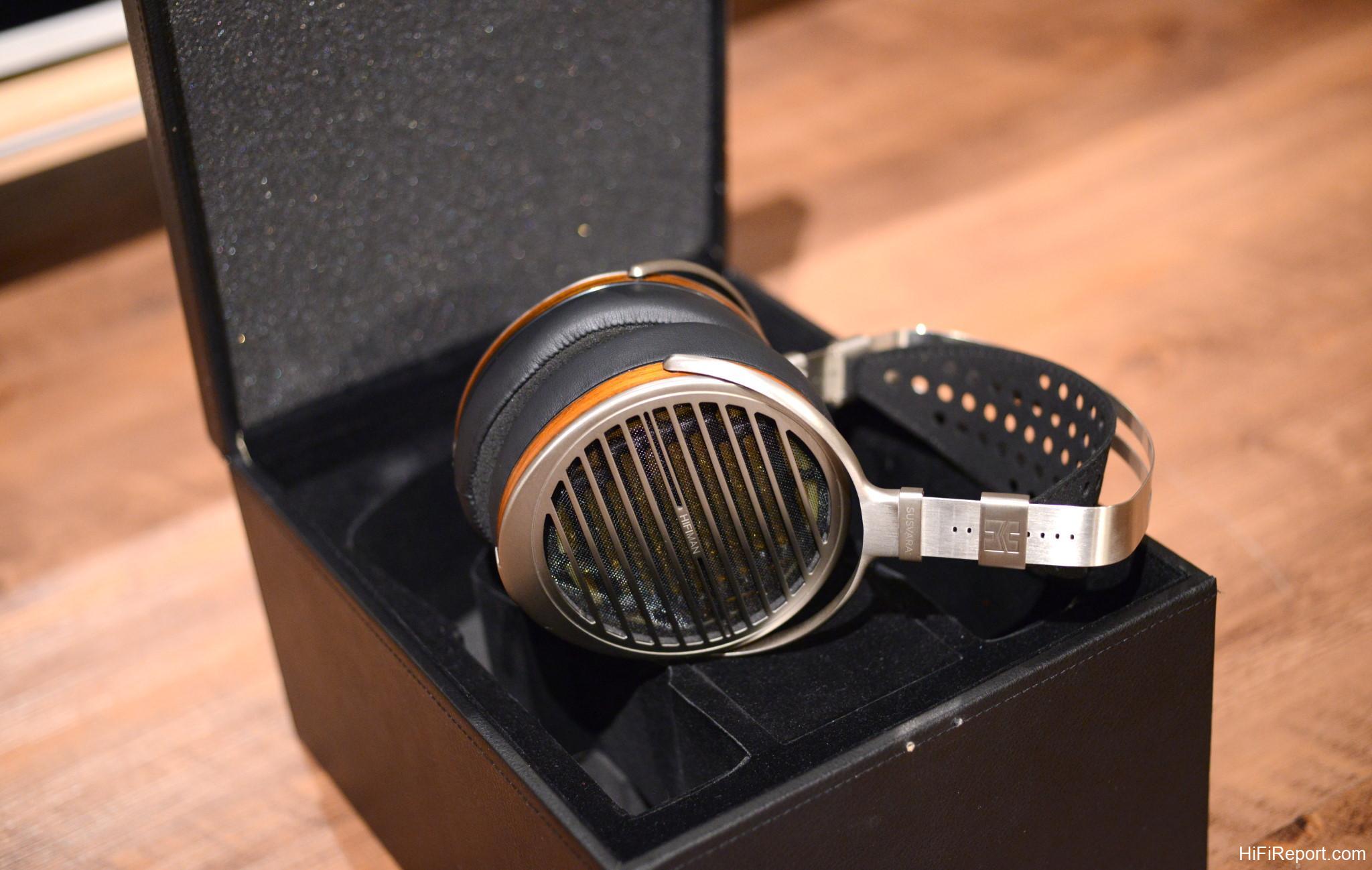
The Susvara is securely placed inside the box, ensuring complete protection!
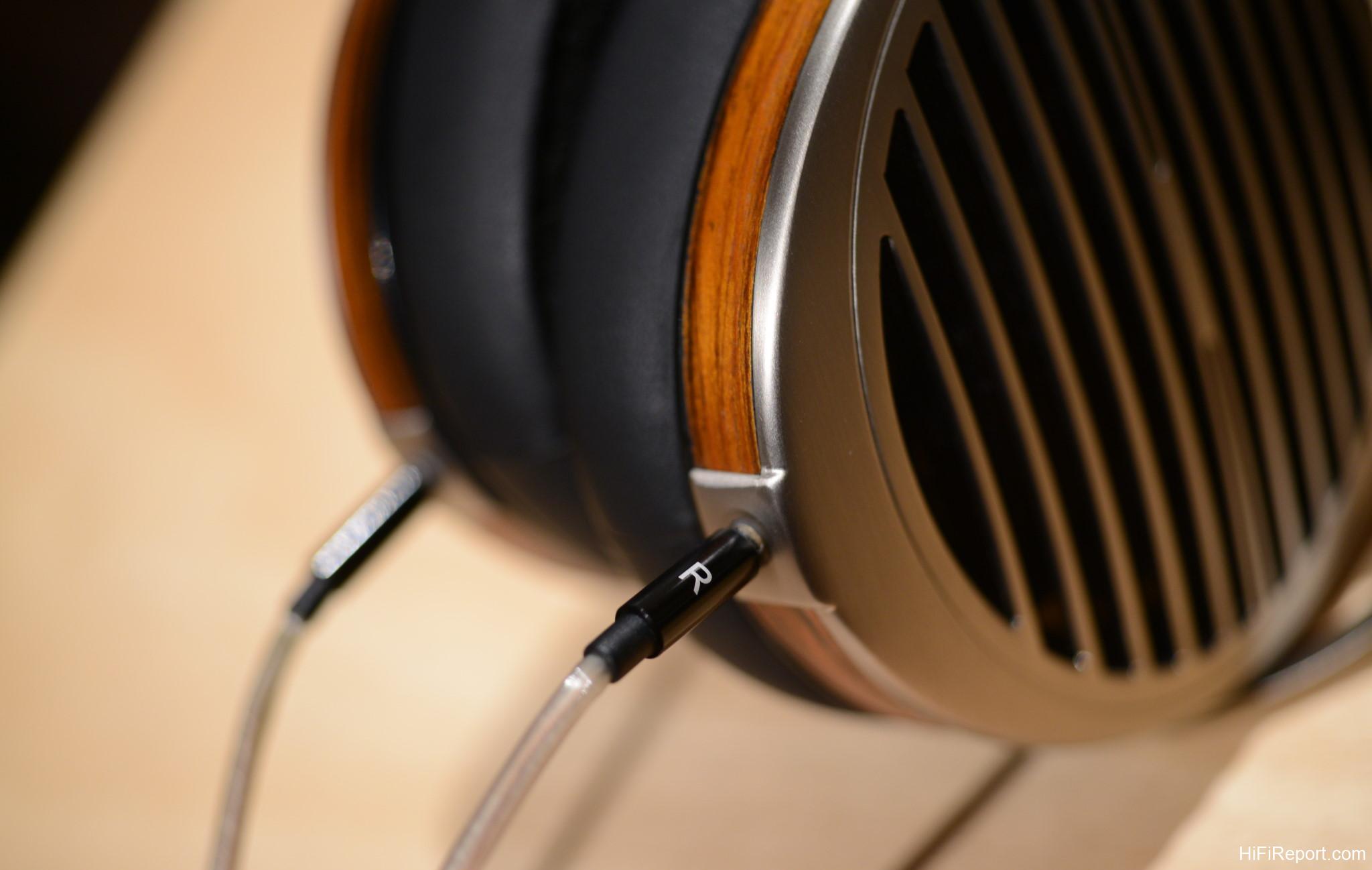
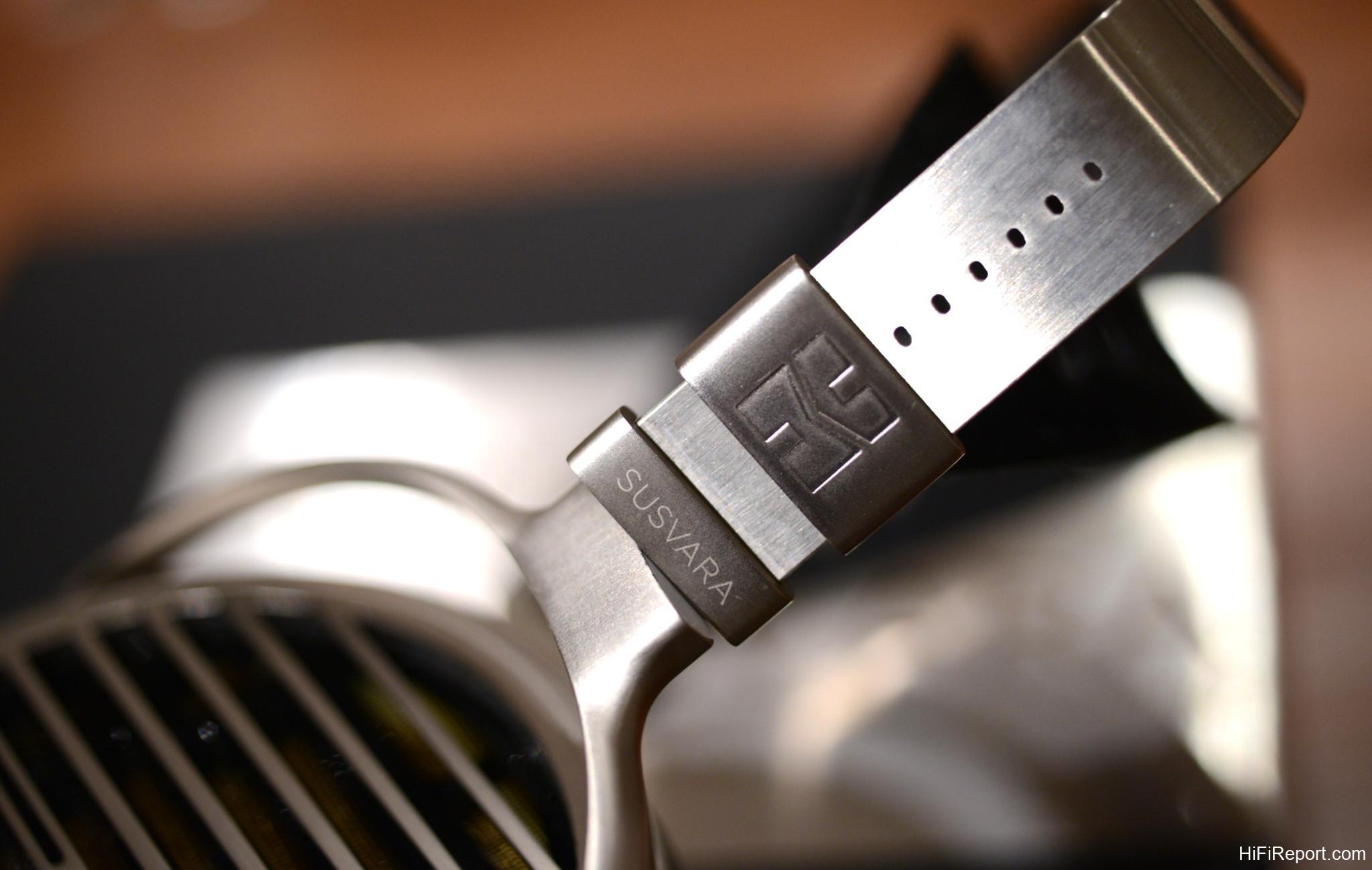
The manufacturer doesn’t specifically detail the headphone materials, but the metal parts appear to be crafted from CNC-machined aluminum.
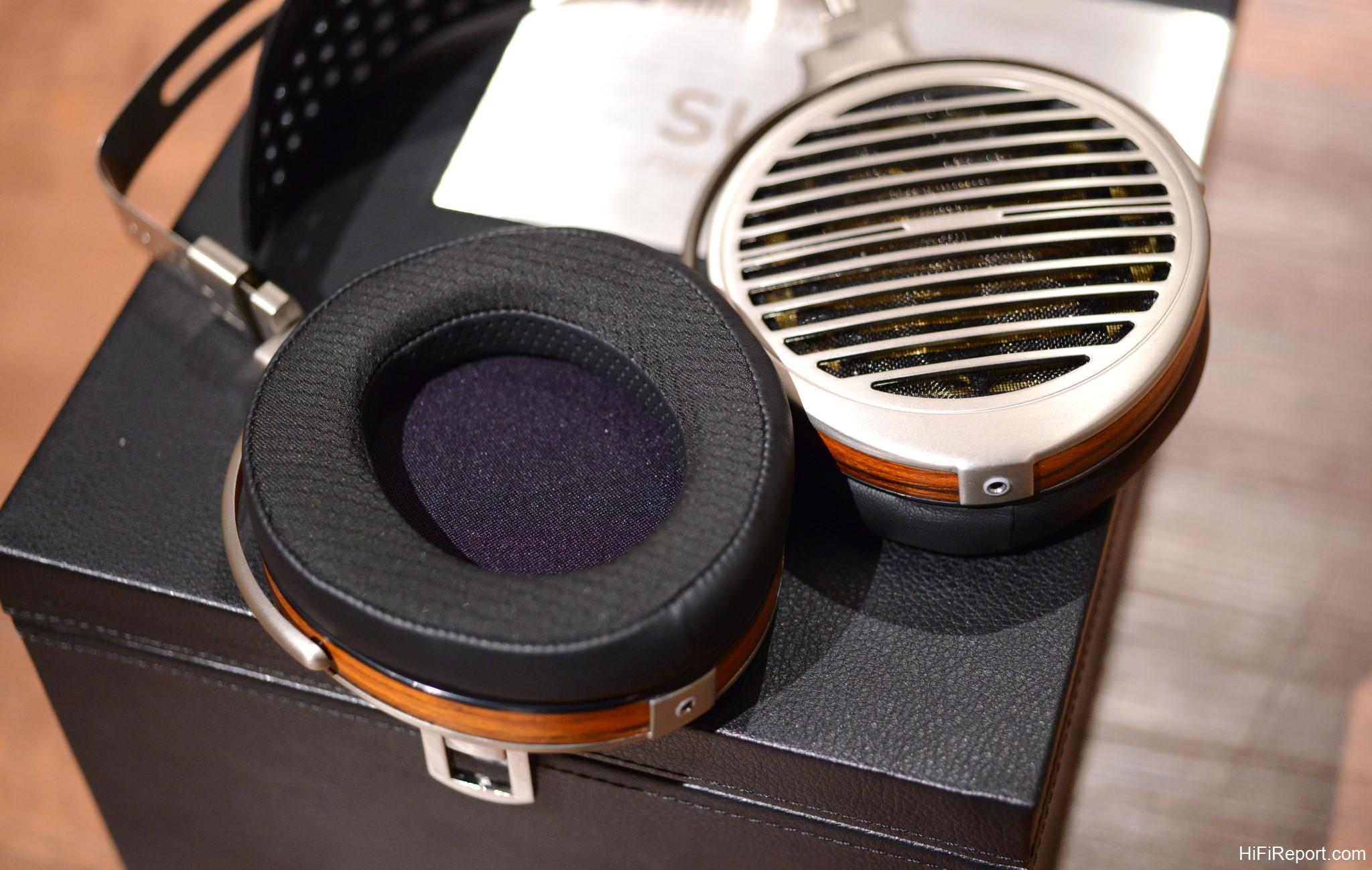
The earcups are made of wood, while the earpads utilize a new, highly breathable, comfortable, and hypoallergenic material. Following the shape of the human ear, they feature an asymmetrical thickness design to evenly distribute the headphone’s weight. Although the Susvara weighs approximately 450g, which is not light, the excellent ergonomic design and proprietary material blend make them exceptionally comfortable to wear!
The cable connectors are located at the bottom of the headphones and use a 2.5mm specification for easy cable replacement.
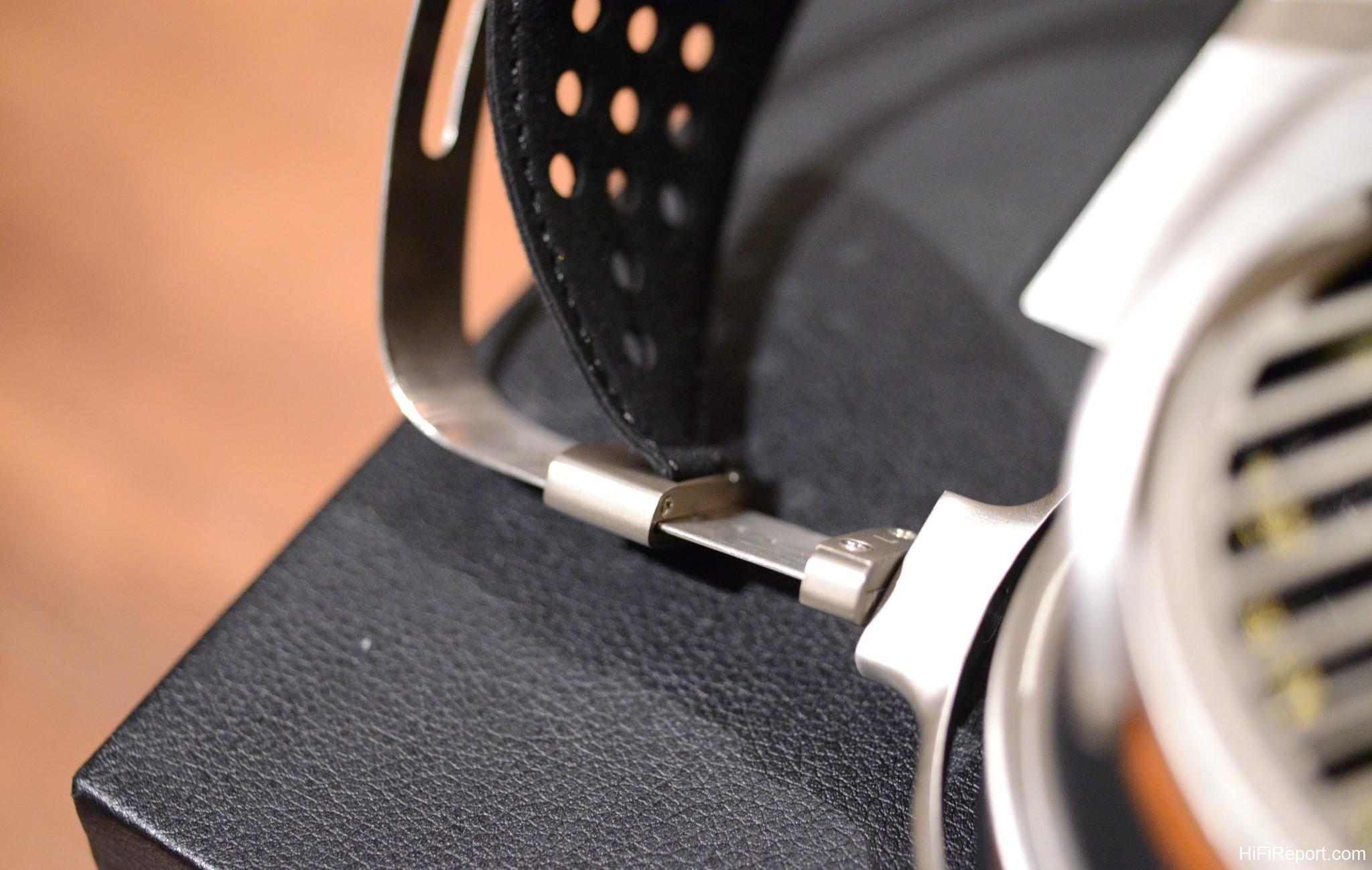
The Susvara’s metal finish has a fantastic texture, and the earcup rotation is incredibly smooth.
The headband adjustment offers eight levels of extension.
Nanometer Grade Diaphragm
The Susvara employs an incredibly thin planar diaphragm with a thickness of only one-millionth of a nanometer. This extremely low mass maximizes its responsiveness, dynamics, and bandwidth. Furthermore, the Susvara utilizes 24K gold printed circuit voice coils. The absolute ductility of pure gold allows for the creation of the thinnest possible coils. However, this also increases the impedance, resulting in the Susvara’s efficiency being only 83dB!
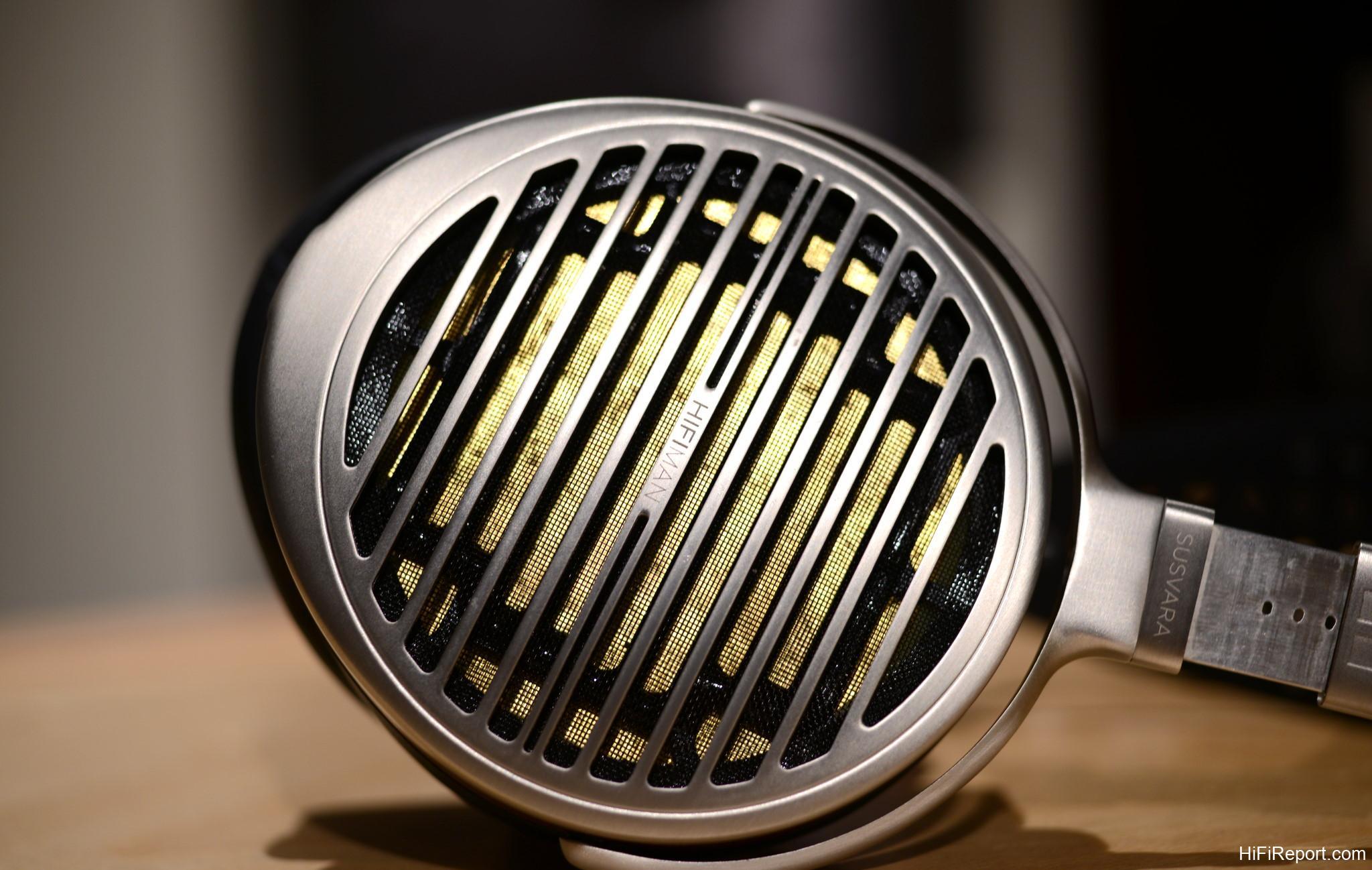
The acoustic design of headphones directly impacts sound performance. HiFiMAN has adopted a “window shade” back panel design, with meticulously calculated intervals, ensuring not only diaphragm protection but also minimizing any sonic influence.
Acoustically Invisible Stealth Magnets
Planar diaphragms have always been HiFiMAN’s core technology. Their operating principle involves using a magnet system to drive the diaphragm to produce sound. It’s therefore clear that the design of the magnet system and diaphragm are critical factors in determining sound quality. The HE1000 used an asymmetrical magnet circuit system, which already significantly improved the diaphragm’s sound transmission capability compared to traditional symmetrical magnet systems.
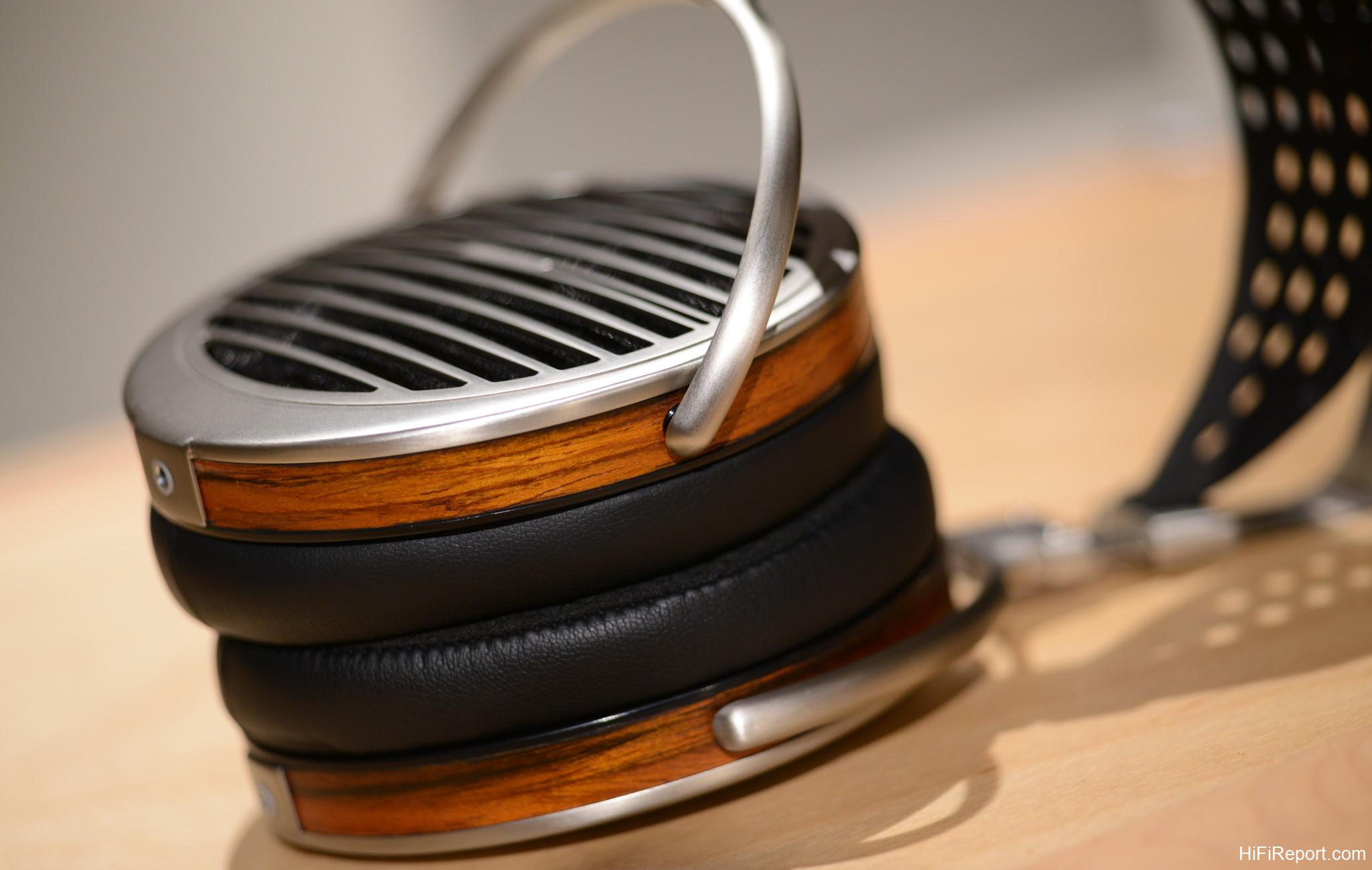
The Susvara takes this further by directly refining the shape of the magnets, allowing sound waves to pass through more completely and unimpeded. This is why HiFiMAN refers to this as “Stealth Magnet” technology.
The package includes two pairs of 3-meter headphone cables: one with a 6.35mm termination and the other with a 4-pin XLR balanced termination. The cable has a semi-transparent appearance, seemingly identical to that used with the HE1000 V2. The conductors are made of single-crystal copper and single-crystal silver in a specific ratio, providing extremely low impedance. The cable is also very robust and durable for long-term use.
The 4-pin XLR balanced termination.
The cables are marked for left (L) and right (R) channels. Ensure they are connected to the corresponding channels on the headphones.
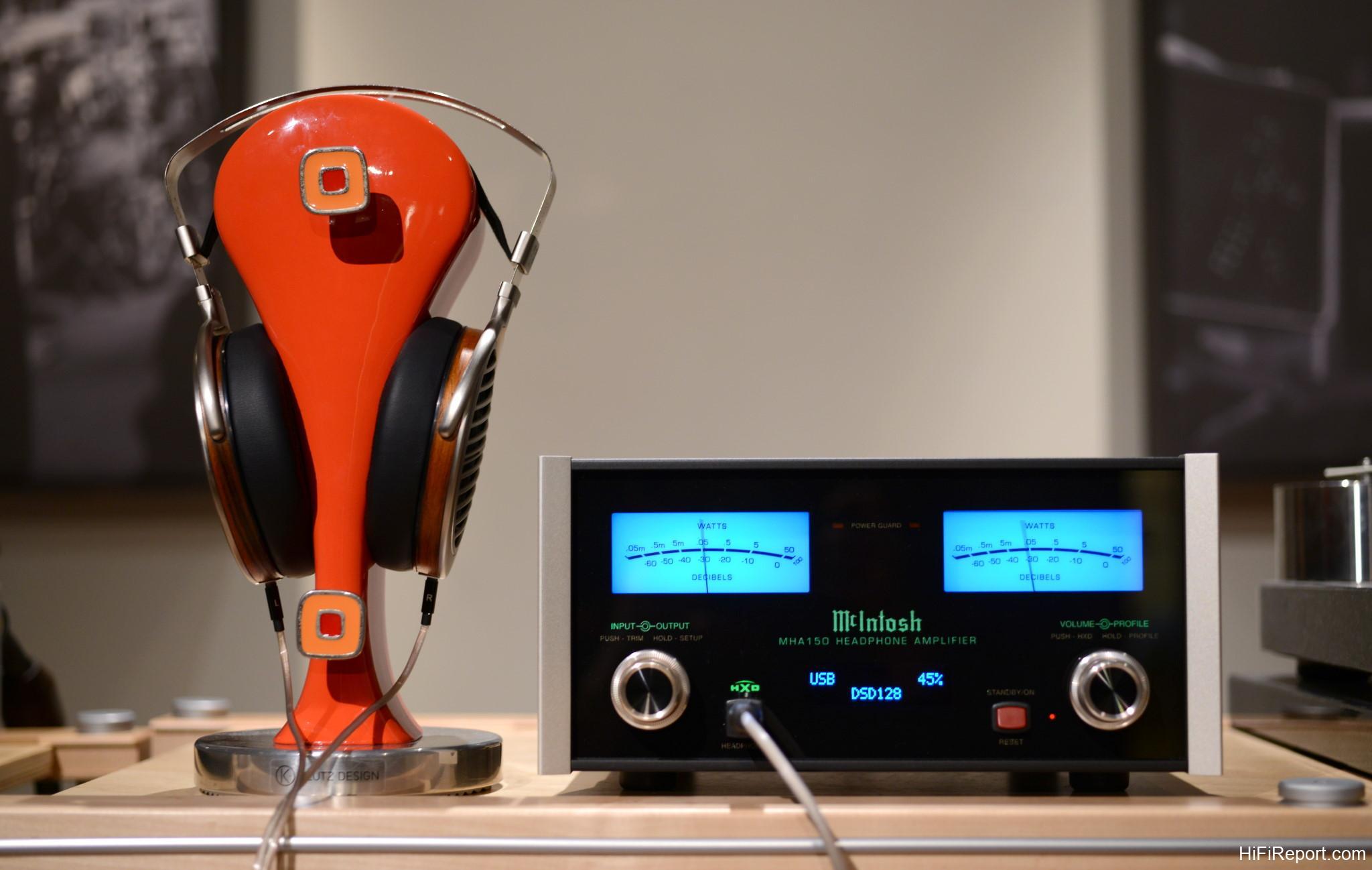
The final evaluation was conducted using the McIntosh MHA150 headphone amplifier as a reference.
Soundstage Like a Two-Channel System
When it comes to jazz divas, Canada has Diana Krall, and Japan has Ayado Chie. Listening to her 10th-anniversary live performance compilation album, “LIVE! the Best,” from the very beginning with the audience’s applause, cheers, and laughter, I was immediately stunned by the Susvara’s sense of live space. Without using DSP or any other sound field simulation technology, it achieved a soundstage akin to a two-channel speaker system. This is an experience I have never had with headphones before.
This alone surpasses many top-tier headphones on the market. Ayado Chie’s self-accompanied piano performance is exceptionally well-recorded, capturing audiophile-grade sound. The close-mic technique vividly captures the details of the piano keys striking, with rich harmonic resonance. Ayado Chie’s voice is full of charm, with a touch of aged maturity, rich and magnetic, and emotionally expressive. I also discovered that the Susvara possesses absolutely full-range reproduction capability.
The frequency response specification of 6Hz~75kHz is not just marketing hype.
High-Density Energy Infuses Music with Soul
Listening to Michael Jackson’s “Dangerous,” the Susvara’s energy density is as substantial as a speaker system, another aspect I haven’t experienced with typical headphone systems. Moreover, the Susvara’s response speed is incredibly fast. For Michael’s songs to sound good, the system’s ability to accurately and precisely reproduce rhythm is crucial. The Susvara’s resolution and transient response are outstanding, with impactful punch and deep, agile bass.
Michael’s signature gasps and breaths are so clearly rendered, it’s incredibly enjoyable. If you listen to this track with the Susvara and don’t have a similar experience, the answer is simple: your headphone amplifier lacks sufficient power!
Musicality and Fidelity in Perfect Harmony
Listening to pianist Maurizio Pollini playing Liszt’s “Piano Sonata in B minor,” a 29-minute-long piece and Liszt’s only sonata work, this album captures the ambient reverberation of the recording venue quite comprehensively. The piano’s frequency range is exceptionally wide, which is why audiophiles often use piano recordings to test audio systems. Furthermore, different recording methods and mixing techniques result in varying pleasures when listening to different piano recording albums.
The Susvara not only presents all the necessary details but also conveys the dynamic contrasts of the performance. Maurizio Pollini’s playing is fluid, skilled, and naturally unrestrained!
“High Color Rendering” in Sound Reproduction
Why am I using a term unrelated to sound to describe sound? Color rendering index (CRI) is actually an indicator used to express a light source’s ability to reproduce the colors of objects faithfully. 100 is the highest score, representing the most accurate color reproduction of illuminated objects. The Susvara’s ability to reproduce timbre is akin to a 100 CRI light source.
Playing “Dave Brubeck – Unsquare Dance,” a track I frequently use for testing, you can immediately feel the realism of the handclaps right from the beginning. The distinctions between the Double Bass, piano, and drumstick sounds are highly apparent. It suddenly occurred to me that using the Susvara to evaluate the sound of a two-channel speaker system is highly valuable. Once you have the opportunity to hear the Susvara’s sonic performance, you will easily understand what I mean.
For example, comparing it to HiFiReport’s current two-channel system, it’s easy to notice that the low-frequency standing waves could be further addressed, and some absorption treatment could be added in appropriate places to refine the sonic imaging.
Audiophiles Want Quality Impact
If you were to ask me what differentiates a high-end audio system from a general audio system, I believe low-frequency reproduction capability is a significant distinction. Many lower-tier, inexpensive audio systems prioritize quantity over quality in the bass. Initially, the booming and thumping might sound exciting, but your ears will quickly fatigue, and you won’t be able to discern the musical expression within the bass itself.
High-end audio systems, however, emphasize both quality and quantity. Listening to the hugely popular hit “Despacito” by Luis Fonsi, Daddy Yankee, and Justin Bieber, many pop songs are actually very demanding on audio systems. This track’s recording quality is excellent, with clear vocals and electronic music. The bass portion definitely has impactful force and is also remarkably defined. The entire track is energetic and vibrant.
The Comprehensive Susvara is My Audio Mentor
Evaluating the Susvara has been a valuable lesson in the progress of headphone sound and technology. I remember being incredibly impressed by the HD800’s performance several years ago. In just a few short years, with major manufacturers competing in the headphone market, the pace of progress can only be described as rapid. The Susvara’s sound has long surpassed the realm of imagination of the HD800.
I can no longer hold the same view as before, that headphone systems will always be headphone systems, and their inherent design differences will forever prevent them from comparing to two-channel speaker systems. The Susvara has completely changed my perspective. If you still hold such beliefs, please try the Susvara. Be aware that the Susvara is not easy to drive; ensure you pair it with a capable headphone amplifier to truly experience its full potential!
HiFiMAN Susvara Specifications
* Frequency Response: 6Hz~75kHz
* Impedance: 60Ω
* Sensitivity: 83dB
* Weight: 450g (15.9oz)