
Innuos Stream 1 Music Streaming Server Review
Portuguese streaming specialist Innuos introduced two new streaming servers last year: the Stream 1 and Stream 3. Our primary focus is the highly cost-effective entry-level Stream 1. High-end streamers are plentiful on the market—Innuos itself offers models priced from around $10,000 to over $30,000 (NTD 300,000 to NTD 1,000,000+)—and well-funded audiophiles always have top-tier choices.
However, the market for streamers under $3,100 (NTD 100,000) is also crowded and feature-packed, making it no easy feat for any device to stand out. The Stream 1 sits right in this competitive price bracket, and discovering where its true advantages lie is the primary focus of this review.
Modular Architecture and Unboxing
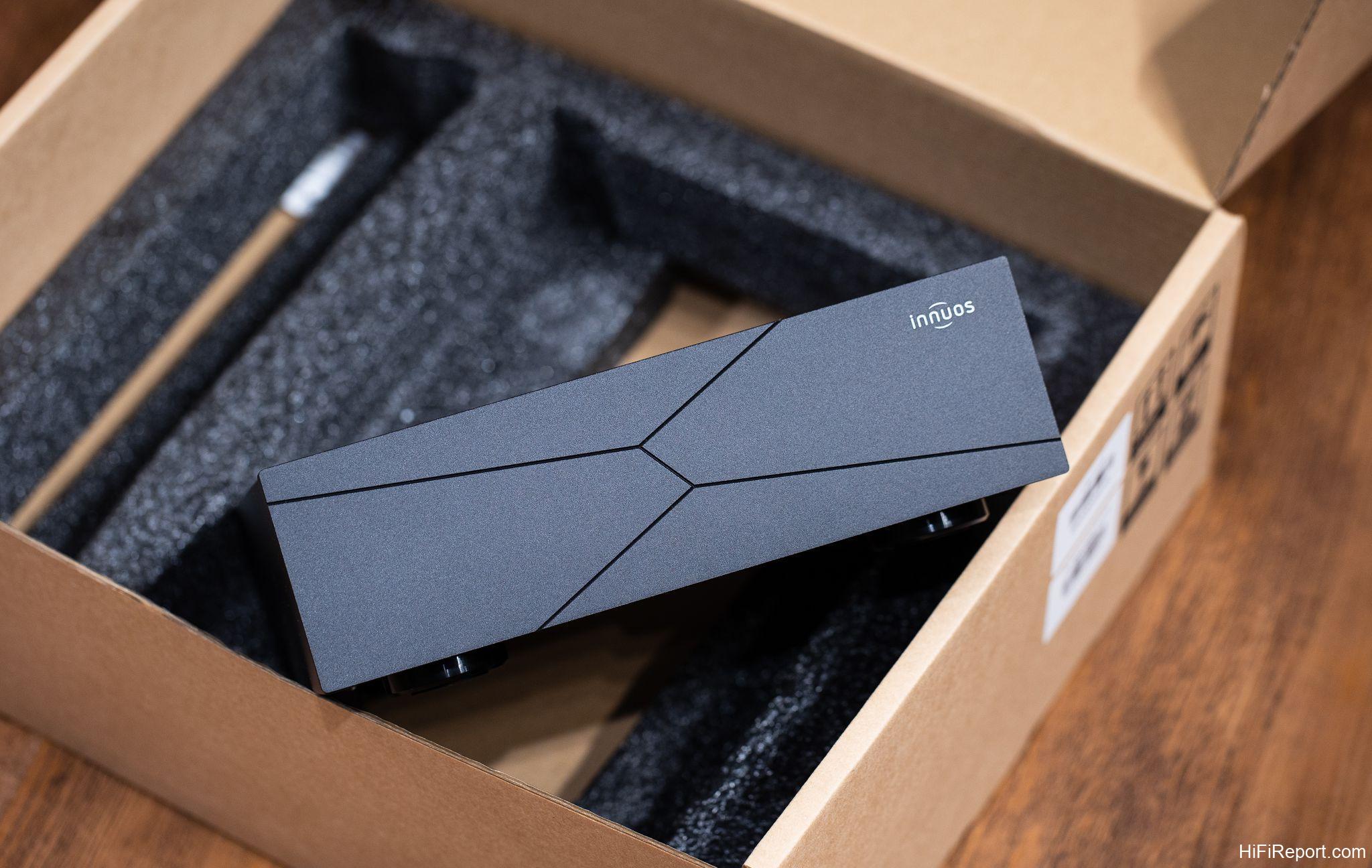
Why were there two boxes delivered? It turns out the distributor also sent over the optional Innuos LPS 1 DC Power Supply upgrade.
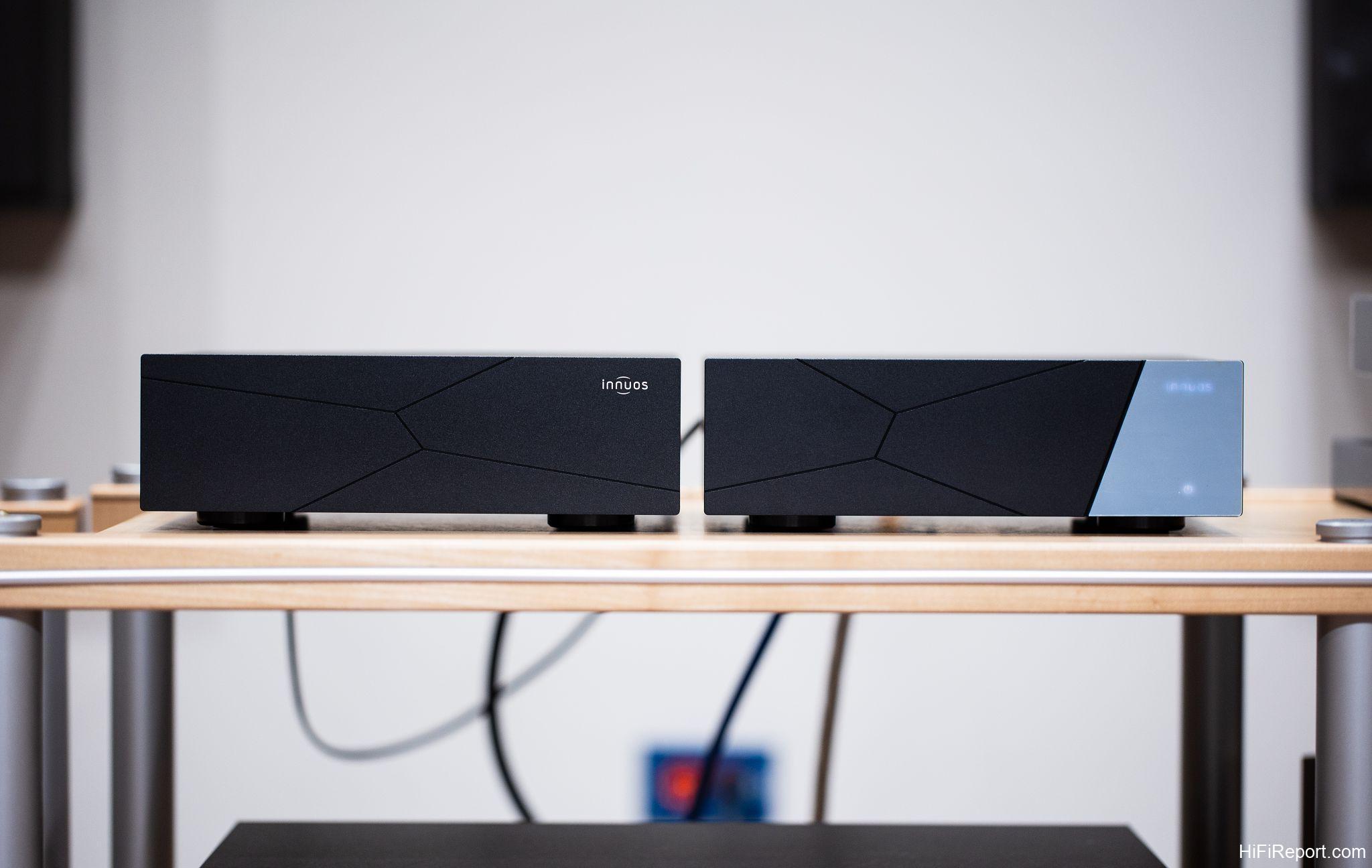
As the new-generation core entry model replacing the classic ZEN mini and PULSE mini, the Innuos Stream 1 completely breaks free from the conventional digital source constraint where “one box determines your fate.” Thanks to its forward-looking modular architecture, users can freely configure it as a pure streaming transport, a music server (NAS), or an all-in-one DAC/streamer based on their budget and system requirements.
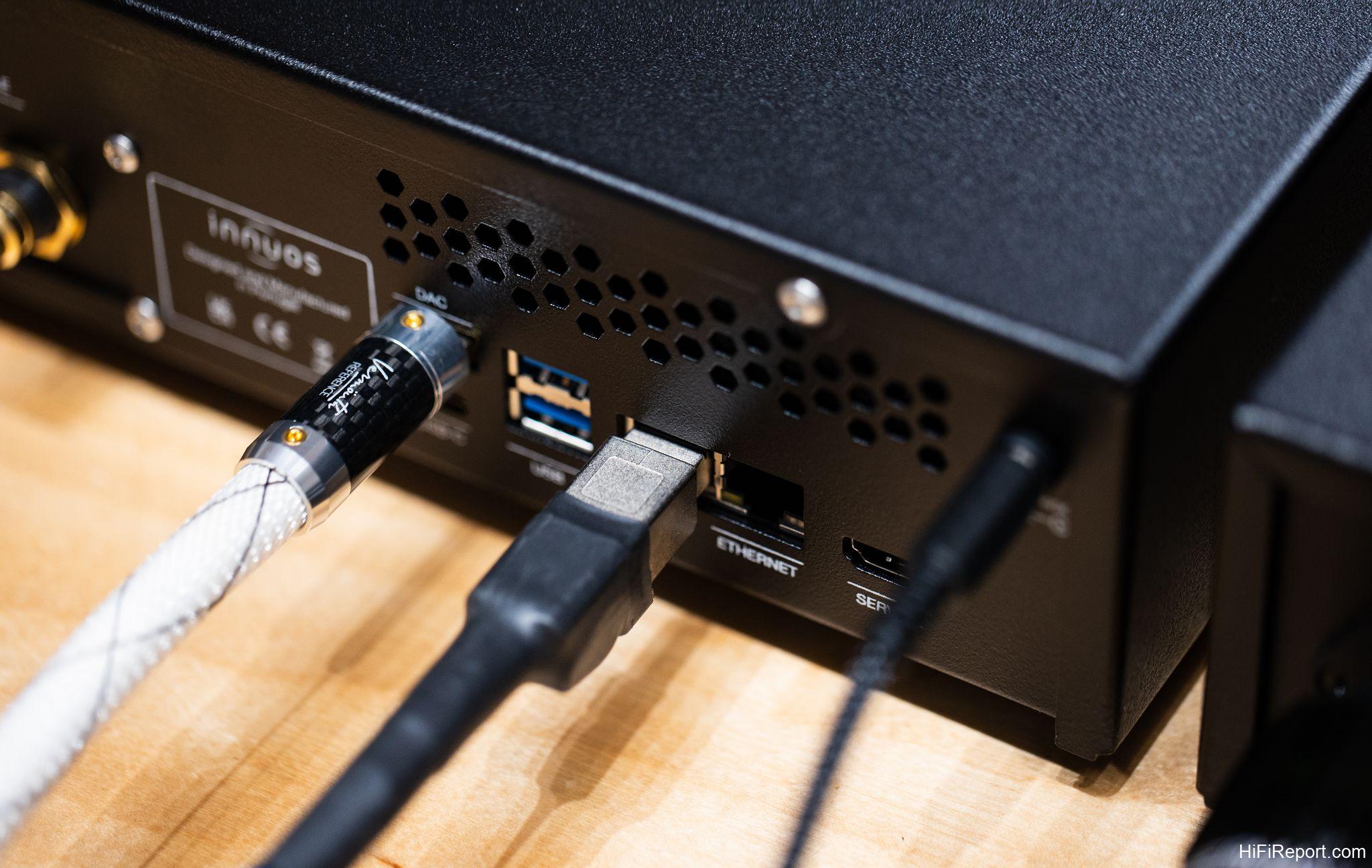
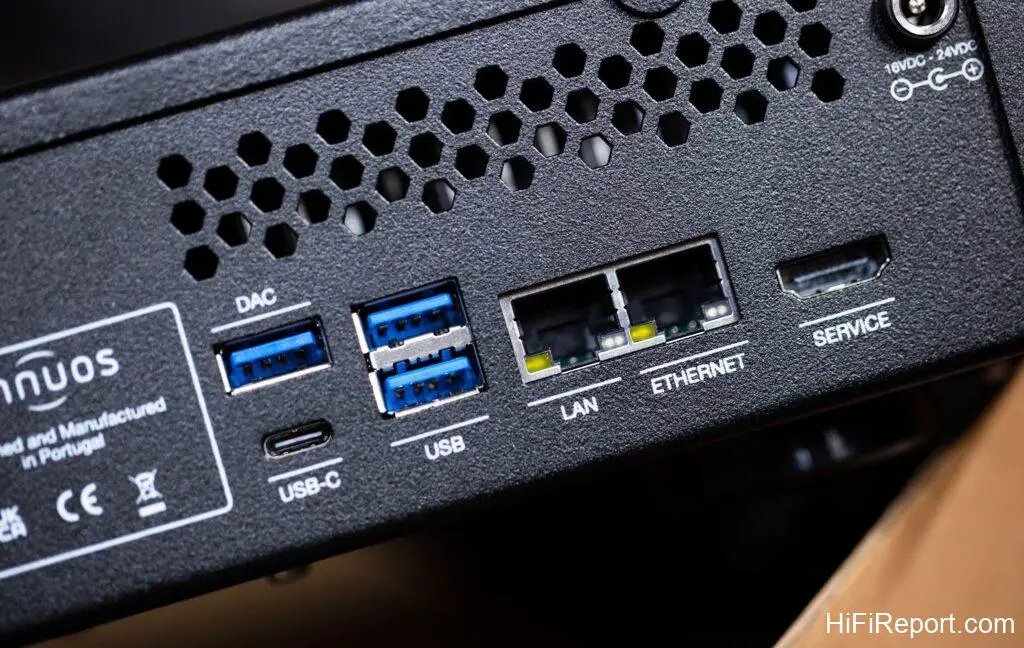
On the rear panel of the Innuos Stream 1, the left side houses the Optional Output Modules slot. Our review unit came equipped with the standard DAC module for direct analog output. Other options include a higher-end DAC module, an S/PDIF digital output module, and a PhoenixUSB reclocker module. Furthermore, an M.2 NVMe SSD expansion slot at the bottom supports user-installed storage up to 8TB.
Modular Power Upgrades
During our evaluation of the Stream 1, we paired it with the Innuos LPS 1 DC Power Supply. This optional power upgrade shares the same compact chassis dimensions and aesthetics as the Stream 1. It delivers superior power quality to enhance audio performance, though it is not mandatory for operating the Stream 1.
Incidentally, the main difference between the Stream 1 and the higher-tier Stream 3 lies in their power supply designs. According to Innuos, the internal power supply of the Stream 3 outperforms the Stream 1 combined with the LPS 1, while also providing superior overall shielding and greater expansion capacity. This distinction is worth keeping in mind if you are deciding between the two models.
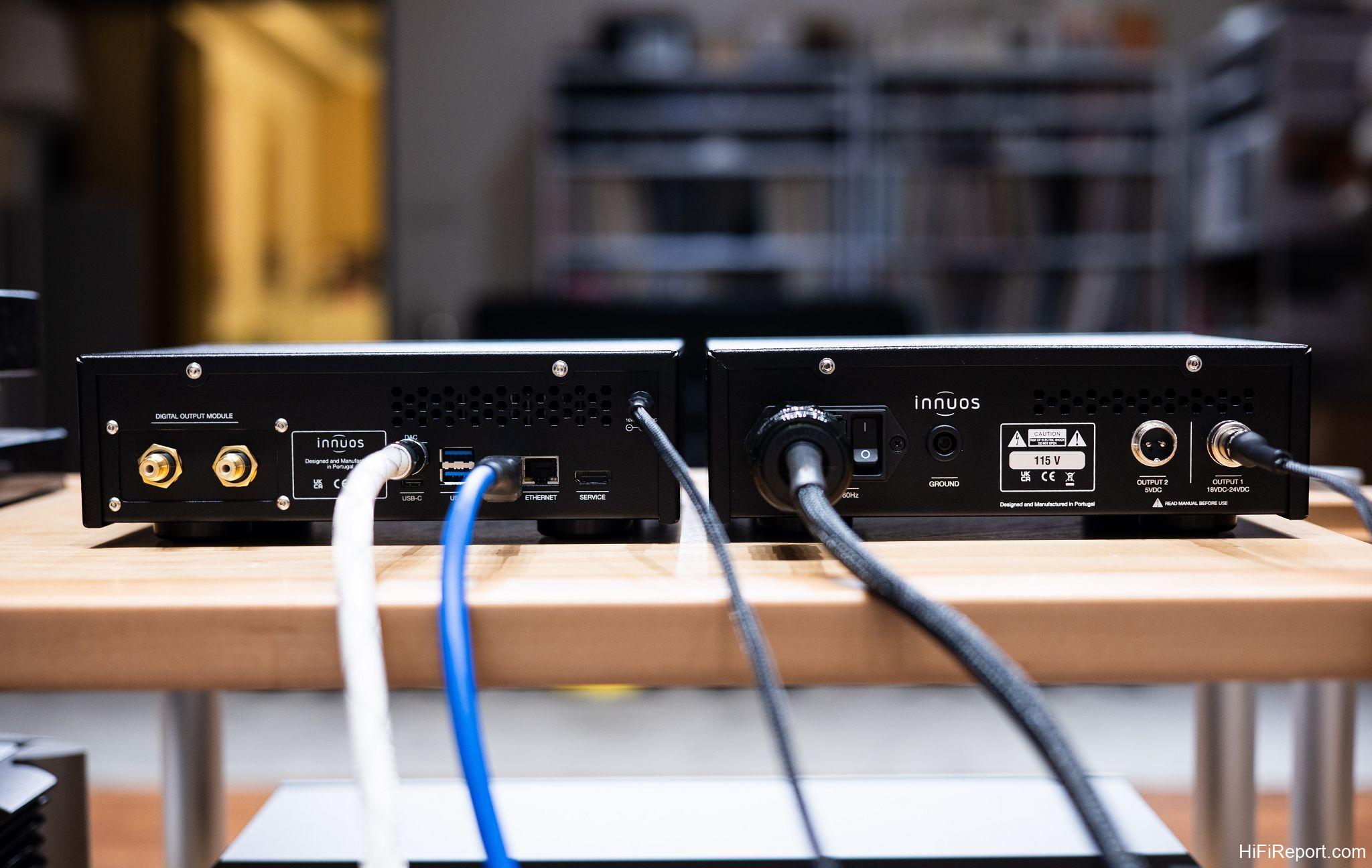
The Innuos LPS 1 DC Power Supply provides two DC outputs: 5V DC and 18V–24V DC. The higher-voltage output powers the Stream 1 (which requires 16V–24V DC), while the 5V output can power auxiliary equipment such as network switches. For our listening sessions, we used the Innuos Sense app, feeding our reference DAC via USB output. Note that Innuos also offers two optional internal DAC modules of varying performance levels for users seeking an all-in-one setup.
Hardware and Software Synergy
Evaluating a streamer requires analyzing two equal pillars: hardware and software. Hardware design is relatively intuitive, as most audiophiles can easily compare specs. Audio brands refine hardware through component selection, circuit layouts, electrical characteristics, shielding, signal routing, and power delivery. Proprietary technologies are frequently employed to optimize these stages, directly shaping the final sonic signature.
Although the Stream 1 maintains a compact, half-width chassis, its internal hardware and core architecture have received a massive, generational upgrade. The processing engine has been upgraded to a 13th-Gen Intel Quad-Core processor paired with 8GB of industrial-grade DDR5 RAM, boasting a performance increase of over 200% compared to its predecessor.
Furthermore, the Stream 1 inherits the custom Real-Time Kernel technology from the flagship ZEN Next-Gen series. Its operating system is housed on a dedicated TLC SSD featuring Power-loss Protection (PLP) to reduce system latency to absolute minimums. Inside, a dedicated CX Regulator supplies ultra-clean power exclusively to the digital output circuitry.
Operating Efficiency
Software optimization is often overlooked because it lacks quantifiable hardware specifications. Yet software dictates how efficiently hardware operates; subtle code tweaks can substantially improve processing efficiency and directly impact sound quality. While back-end code isn’t immediately visible to users, its impact is clearly manifested through the control app.
Many manufacturer engineers emphasize that playing music through their native app yields the best audio quality. The reasoning is straightforward: the engineers who write the low-level firmware and those who build the control application work together under one roof, optimizing hardware performance to peak efficiency.
Much like how a buggy driver can paralyze a PC while a refined software update can unlock massive gains, custom software plays a vital role in audio streaming. A bespoke control interface is more than just a feature—it reflects the manufacturer’s total control over hardware performance to ensure optimal sound quality.
Dedicated Software Interface
Innuos’ proprietary control app, Innuos Sense, is so fundamental that it tops the feature list on their official website. Continuous development and continuous refinement have gone into Innuos Sense since the brand’s inception, benefiting every product across their lineup.
Whether you invest in the flagship NAZARÉ—priced at over $30,000 (NTD 1,000,000+)—or the entry-level Stream 1 at around $3,100 (NTD 100,000), both run on the exact same Innuos Sense ecosystem. For Stream 1 owners, accessing flagship-tier software management represents incredible value.
Third-Party Compatibility
The Stream 1 is by no means locked to the Innuos Sense app. Beyond its role as a streamer, it functions as a full-fledged server that can act as both a Roon Core and a Roon Endpoint. It also offers UPnP support for broad compatibility with third-party music management and playback apps.
How you choose to operate the Stream 1 plays a noticeable role in shaping its final sound. Different control interfaces and streaming services exert subtle influences on audio performance—an observation consistently shared by audiophiles worldwide across various digital front-ends.
Transparent Soundstage and Vivid Imaging
Listening to Billy Raffoul’s *Acoustic*, the Stream 1 immediately demonstrates exceptional resolution, an ink-black background, a well-layered soundstage, and a pristine tonal purity. These sonic attributes—rarely encountered in competing entry-level streamers—are precisely where the Stream 1 excels. The level of background quietness it achieves sets a high standard in its class, resulting in noticeably pure transparency.
I was thoroughly impressed by the Stream 1’s overall presentation. Vocal and instrumental separation are outstanding, characterized by an agile, neutral, and transparent signature with sharply defined imaging contours. On tracks that previously sounded overly heavy or bloated, the Stream 1 restored ideal tonal balance, delivering three-dimensional upper-mids and clear, punchy bass.
For audiophiles looking for a serious entry-level source, the Stream 1 stands out as a true flagship among entry-level components.
Delicate Nuances and Dynamic Contrast
Testing Adele’s “Skyfall” with the Innuos Stream 1 paired with the LPS 1, the system demonstrated excellent sonic density and control. The opening brass section possessed a remarkably clean tone, warm and radiant with a tactile metallic texture, carrying impressive weight and body. The subtle piano notes that followed danced effortlessly with steady cadence, creating a striking contrast between delicate nimble keystrokes and rich weight.
Centered and focused, the presentation maintained a balance between delicate soft passages and grounded weight.
As the track built up to the chorus, the drums entered with a dense, balanced, and solid foundation, expanding the soundstage outward without defined boundaries. The centered kick drum felt grounded, revealing fine dynamic nuances and realistic air. The low brass hummed with rich resonance and energy, while Adele’s vocals soared seamlessly from solid power into effortless, delicate registers.
Micro-vibratos and subtle airiness around her vocal lines remained clear throughout, making repeated listens deeply engaging rather than fatiguing.
Vivid Musicality
Moving to Ed Sheeran’s “Eyes Closed,” the Stream 1 rendered acoustic instruments with vivid realism. The opening acoustic guitar plucks felt incredibly tactile—string vibrations and rebounds snapped forward with three-dimensional realism. Excellent sonic focus heightened dynamic contrasts, bringing subtle background details into crisp, layered focus across the soundstage.
The drum presentation was equally satisfying, delivering solid impact and controlled weight. Low frequencies dispersed evenly with texture and control, avoiding bloat while preserving natural decay and elasticity like ripples across water. Ed Sheeran’s vocals remained pristine and uncompressed over the powerful bass backdrop, radiating warmth, clarity, and emotion as the Stream 1 layered each musical element into a cohesive, immersive piece.
Harmonious Cohesion
Finally, listening to “In Lumière’s Name” from the soundtrack album, a lively and dramatic piece, the Stream 1 unleashed ample dynamic headroom and energy. Despite complex panning and varying instrumental weights across the stereo field, the presentation remained completely cohesive. Solid, centered drum hits seamlessly transitioned with alternating organ passages, maintaining crisp transient response and dynamic fluid motion throughout.
The string sections were particularly captivating. Lower register strings sounded warm and full-bodied, while upper-mid bowings flowed with silky smoothness. The physical texture of horsehair dragging across strings was rendered vividly, balancing subtle softness with tactile realism. Meanwhile, centered acoustic guitar accents sparkled with clarity and sheen, adding subtle shine without cluttering the stage. Overall, the Stream 1 delivered a rich, powerful, and deeply engaging performance.
Product Specifications
* Supported File Formats: WAV, AIFF, FLAC, ALAC, AAC, MP3, DSF, DFF (MQA Supported)
* Sampling Rates: PCM up to 32-bit/768kHz; DSD up to DSD256 via DoP, up to DSD512 via Native DSD (24-bit/192kHz maximum output on S/PDIF & Standard DAC modules)
* Connectivity & Interfaces:
* USB: 3 x USB 3.2, 1 x USB-C (Supports DACs, Imports, Backups, USB Drive playback)
* Network: 2 x 2.5Gb Ethernet, Bridged (wired only)
* Other: 1 x Digital Output Module Bay, 1 x Storage Expansion Bay (1 x M.2 NVMe SSD), 1 x HDMI (service only), 1 x DC Power Inlet
* Streaming Sources:
* Streaming Services: Qobuz, TIDAL, Deezer, HighResAudio, IDAGIO, Spotify Connect, TIDAL Connect, Qobuz Connect, Internet Radio & Podcasts, Radio Paradise FLAC and Interactive services
* Stored Music Files: Internal M.2 NVMe SSD, NAS Drives/Servers, USB Drives
* CD Ripping: Available via external USB Optical Drive + installed SSD storage; Metadata Sources: Discogs, FreeDB, GD3, MusicBrainz; Ripping format options: FLAC or WAV
* Software Integration: Innuos Sense App for iPadOS/iOS v16.6 (or later), Innuos Sense App for Android 7 (or later), Innuos Sense App for Amazon Fire OS 7 (or later), Any web browser via my.innuos.com or IP address.
Optional: Roon (Core and Endpoint modes supported), HQPlayer (NAA Endpoint mode only), AssetUPnP (UPnP Server mode only)
* Power Supply: 19V DC Input via external Switch-Mode Power Supply (Optional LPS1 upgrade available)
* Dimensions: 240 mm x 200 mm x 80 mm (W x D x H)
* Weight: 2.4 kg