
LAiV Harmony DAC Review
Have you heard of LAiV? Hailing from Singapore, LAiV was founded just in 2023, and their very first product has already sparked intense discussion and garnered widespread acclaim upon its release.
This sensational debut product, which hit the ground running, is none other than the LAiV Harmony DAC.
2023 Startup
The founder, Weng Fai Hoh, himself an engineer by background, assembled a group of like-minded individuals, each specializing in different engineering fields, to build the LAiV brand and its inaugural product, the Harmony DAC.
The Harmony DAC is a pure DAC. It doesn’t include streaming capabilities, lacks preamp controls, and doesn’t even have a headphone output.
It is precisely this purity that piqued my interest in the LAiV Harmony.

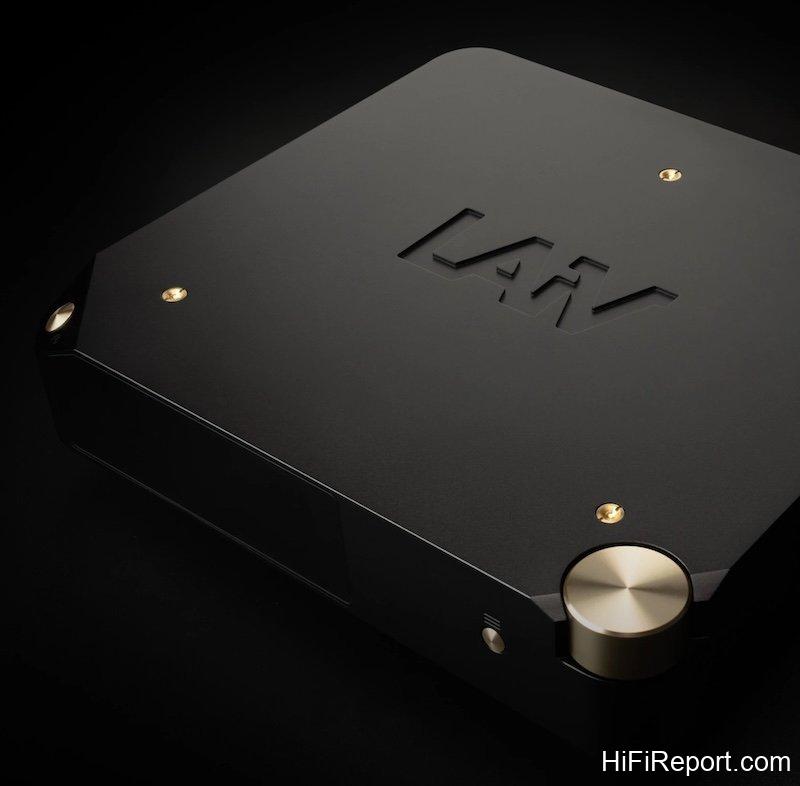
Solid Aluminum CNC Chassis
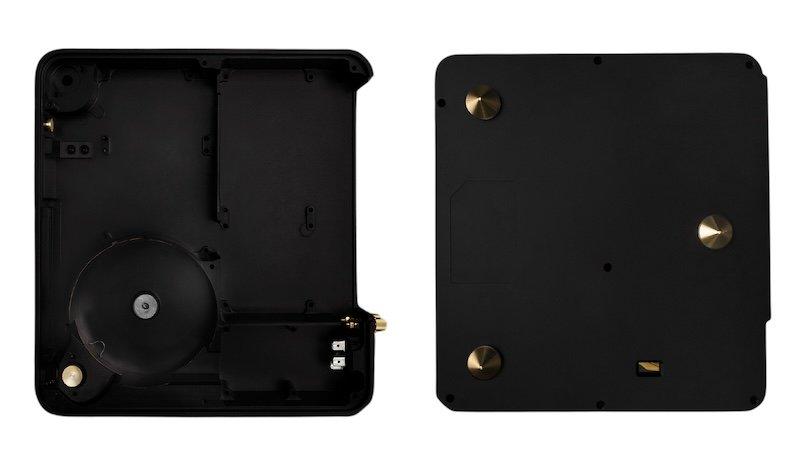
The Harmony DAC’s chassis is crafted from solid aluminum using CNC machining. All components are suspended from the one-piece aluminum top cover, with a thick aluminum bottom plate added for reinforcement.
The LAiV brand name is engraved on the top surface of the aluminum chassis. The four edges feature rounded bevels, and all right-angle corners are smoothly finished.
Gold Buttons and Knob
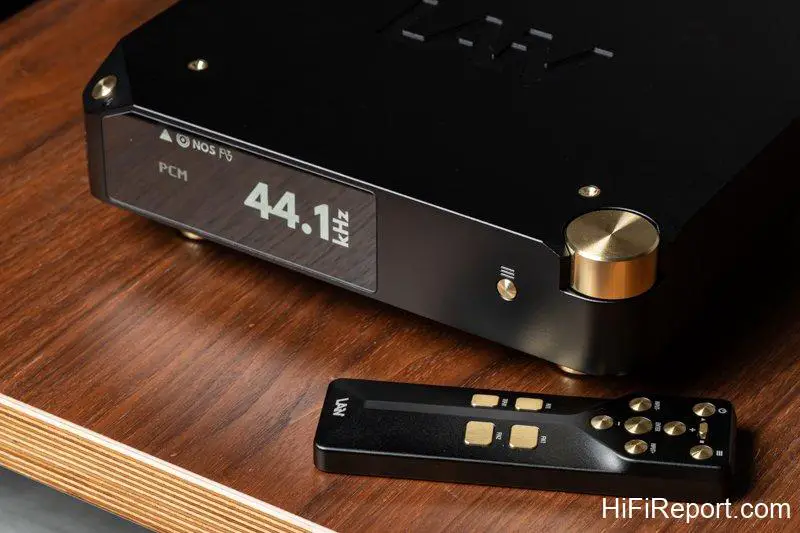
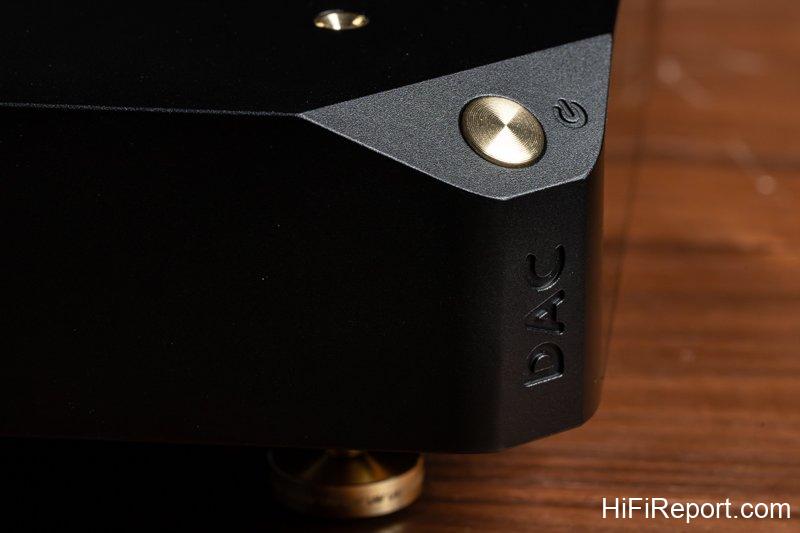
A chamfered cut on the top left houses a metal push-button power switch.
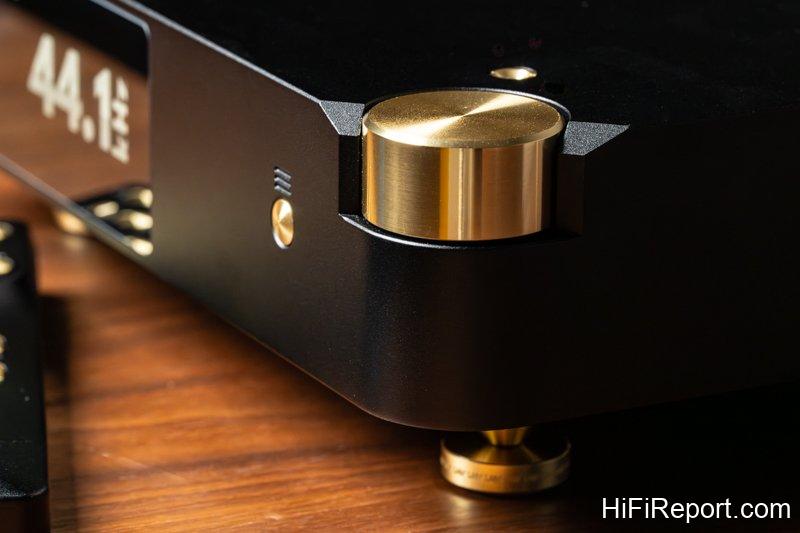
To the right, following the rounded curve, is a gold-colored knob. It can be pressed or rotated for selection and control.
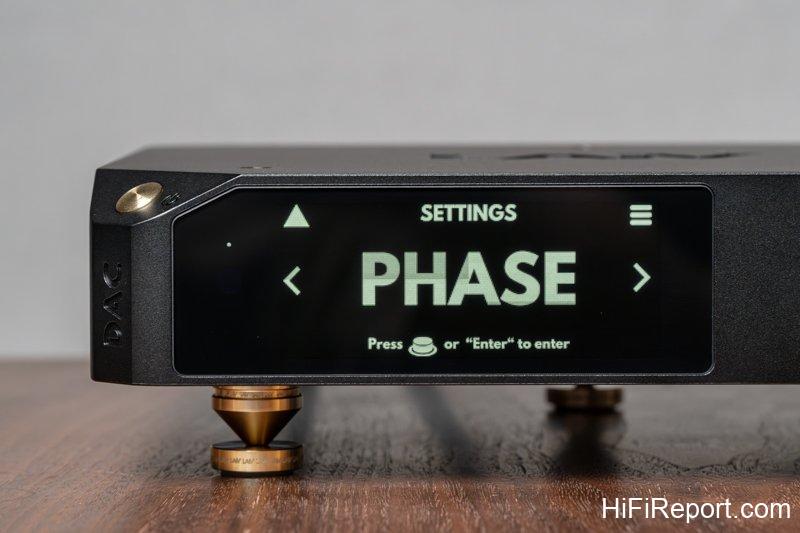
The gold button on the front panel allows you to enter the menu with a press. Combined with the right-hand knob, you can then make settings.
Operation is quite intuitive.
All functions can be operated directly on the unit, eliminating the need for a remote control. It wouldn’t matter if you bought it and immediately tucked the remote away.
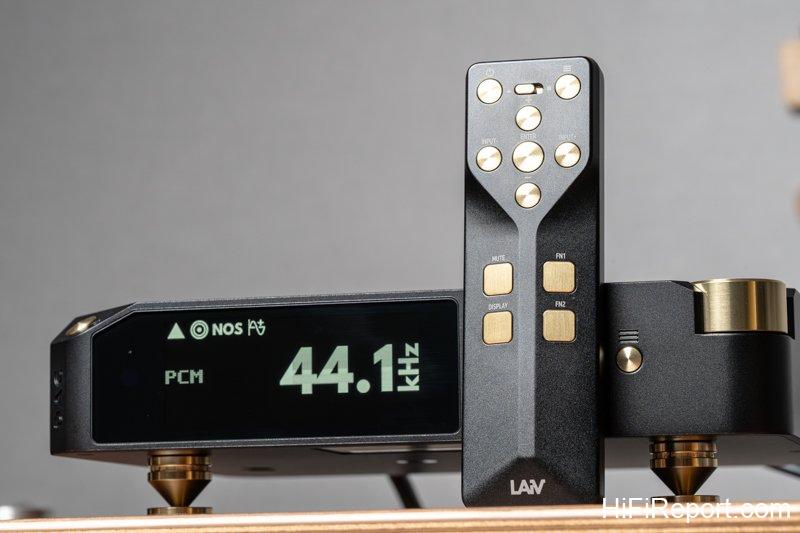
OLED Display Syncs with CD Player
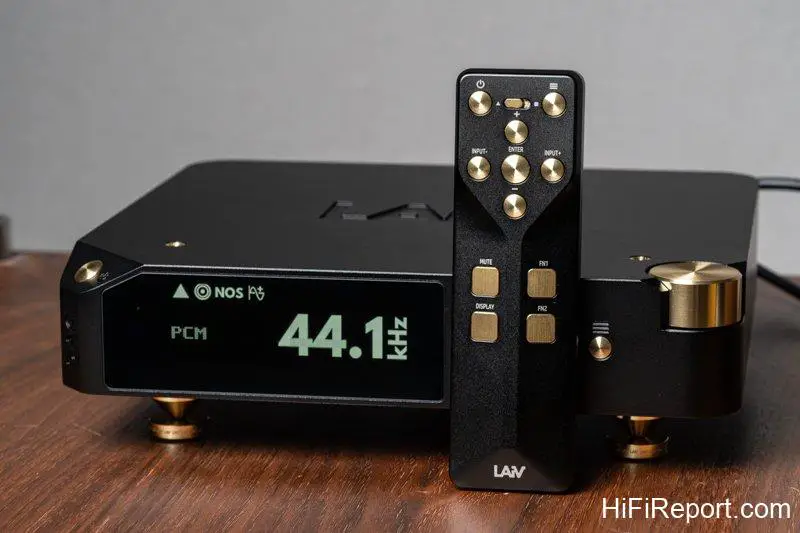
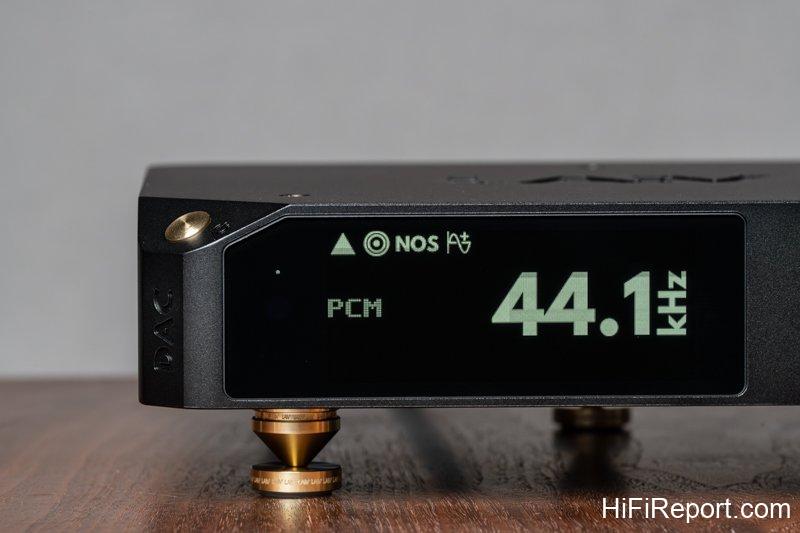
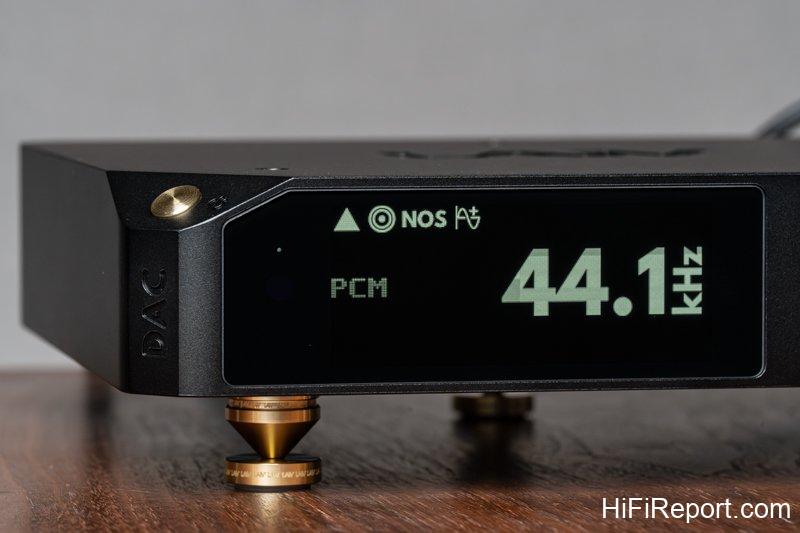
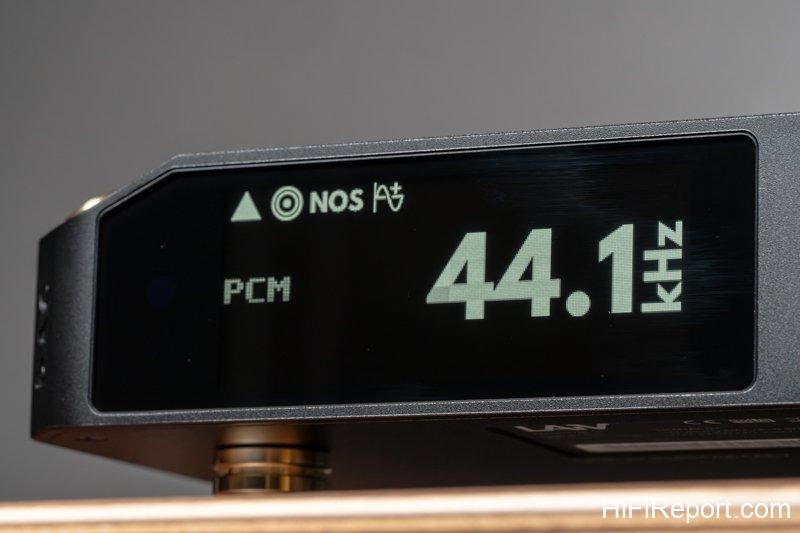
The 3.8-inch, 16-bit grayscale monochrome OLED screen boasts a resolution of 320×132 pixels and offers three adjustable brightness levels. The text is clear, providing ample information. The use of graphical information minimizes the amount of text on the panel, contributing to a modern aesthetic.
Furthermore, during actual use, I discovered a unique feature I’d never encountered before.
Typically, when a DAC is connected to a CD transport via coaxial cable, the display shows, at most, the 44.1kHz sample rate while reading.
Astonishingly, the Harmony DAC can synchronize and display the CD’s track time and track information. My colleagues and I were thoroughly impressed by this unexpected capability.
Metal Feet and Pads
The entire unit features a matte finish, which provides a very pleasant texture. The only downside is that it tends to easily show fingerprints from sweat.
Besides the black version, the manufacturer also offers a silver option. Both color variants feature gold buttons and knobs.
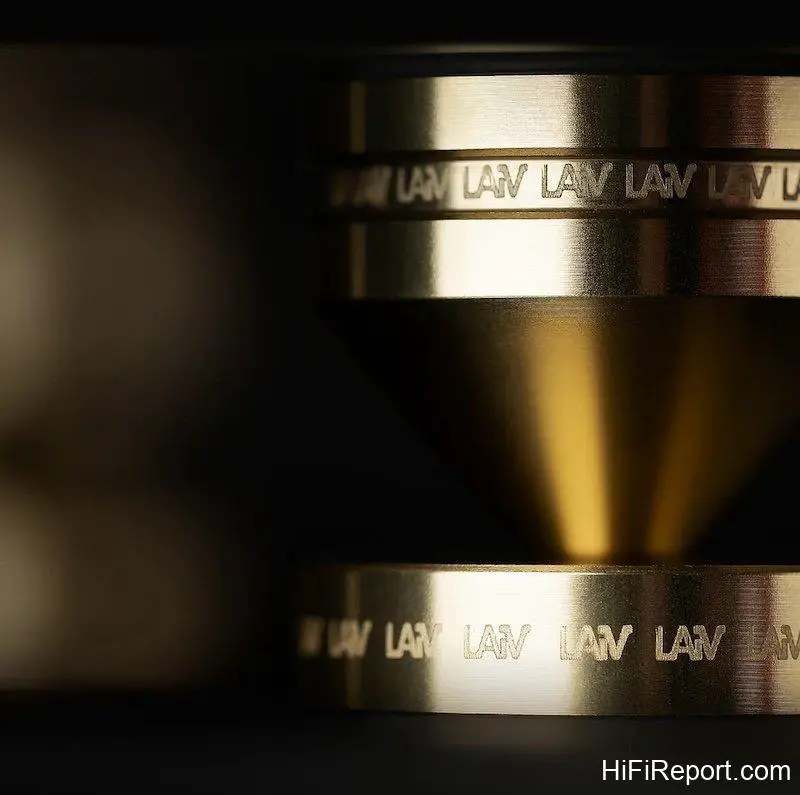
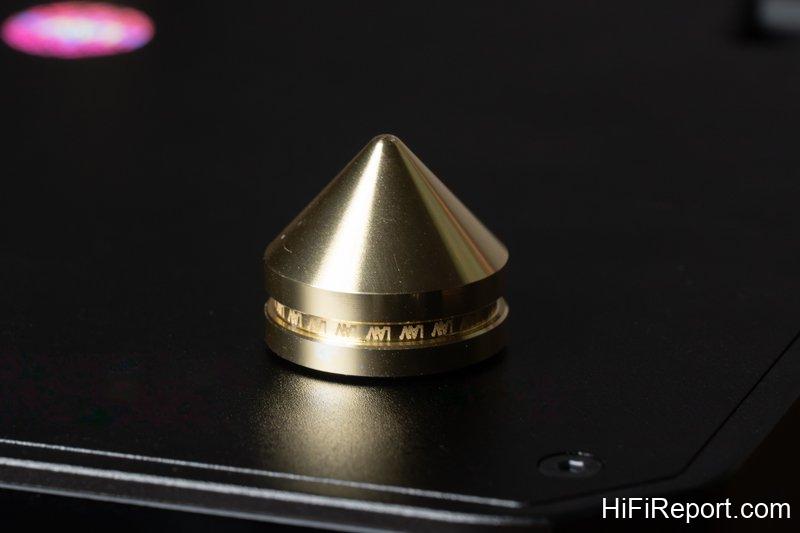
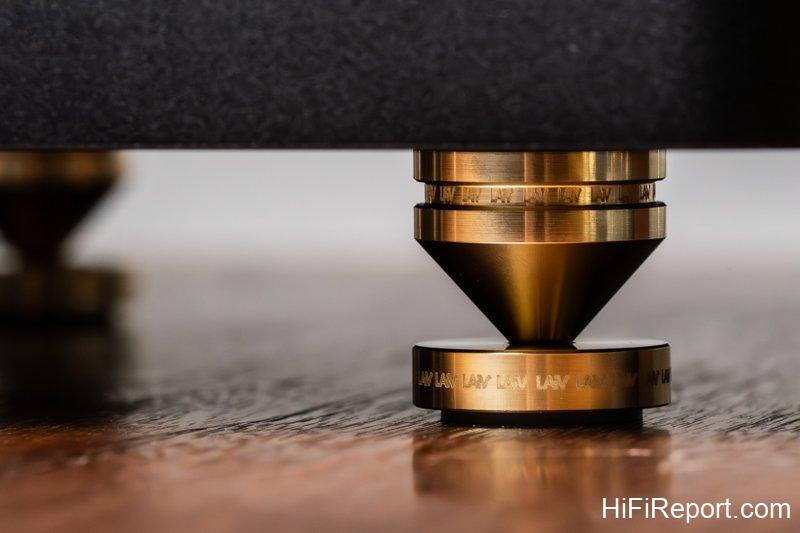
The bottom is supported by three gold-colored feet. These come with metal pads fitted with silicone damping rings, a far more audiophile-grade approach than standard rubber or plastic feet.
Upon closer inspection, one might notice a circle of tiny LAiV logos printed around the feet and pads. I don’t see the necessity of branding in such an hidden location, especially with such dense printing; perhaps the manufacturer had other considerations or beliefs.
LAiV’s First Strike
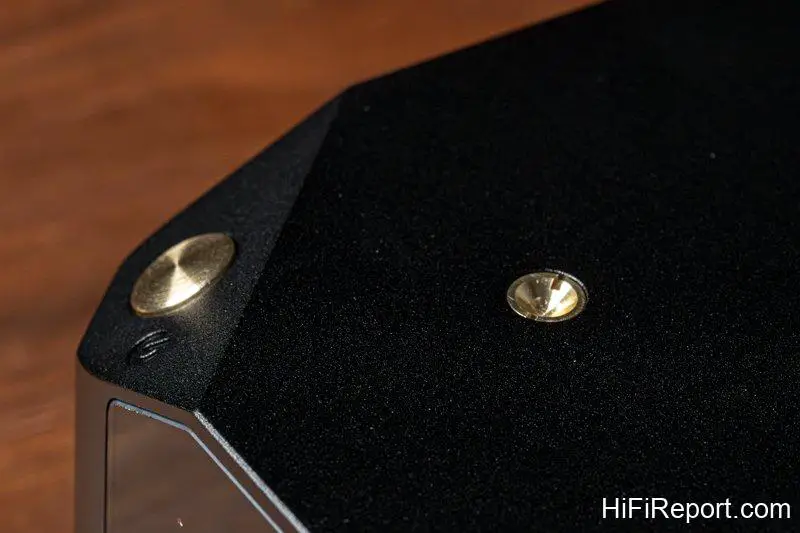
The top cover features three metal cone recesses, which are pre-configured for stacking future LAiV products upon their release.
They have already planned their future product lineup and published the roadmap on their official website. This includes the Harmony HP2A headphone amplifier/preamp, which is already in the pre-order phase, and upcoming products like the Harmony LExt external power supply, the Harmony GaNM power amplifier, and the Harmony NET2 streaming transport.
The parking spots are ready; they’re just waiting for the new vehicles to arrive.
RCX Remote Control
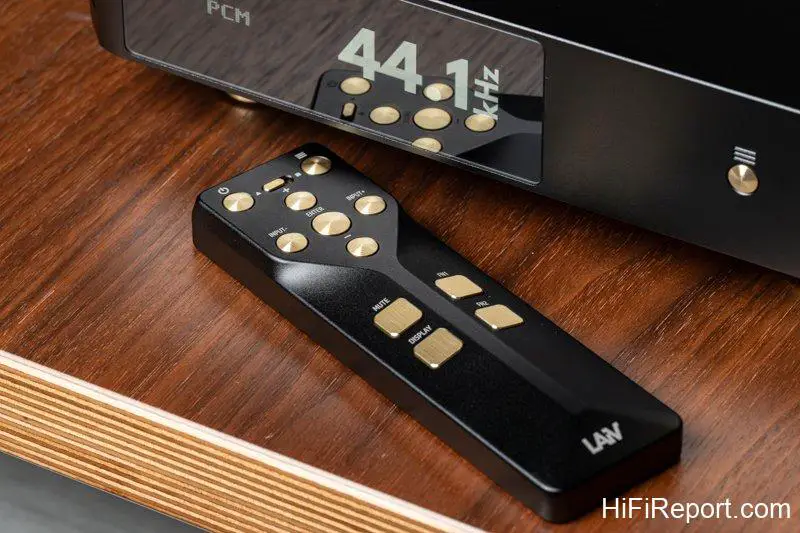
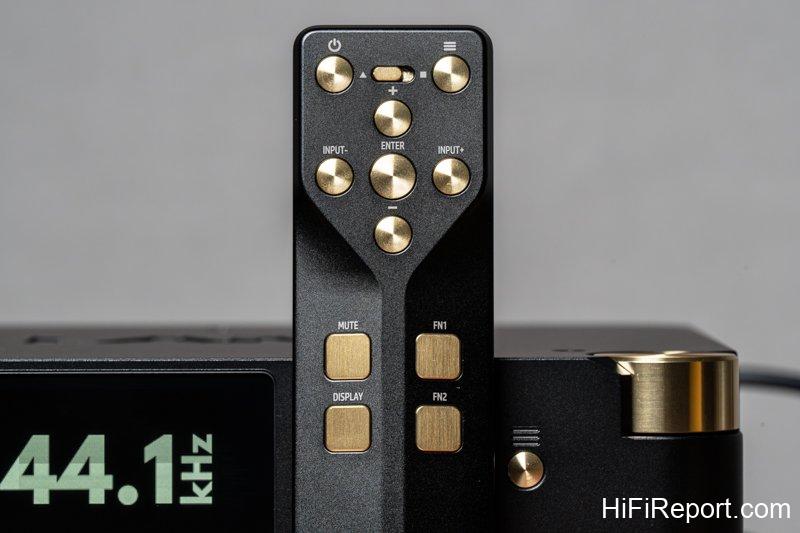
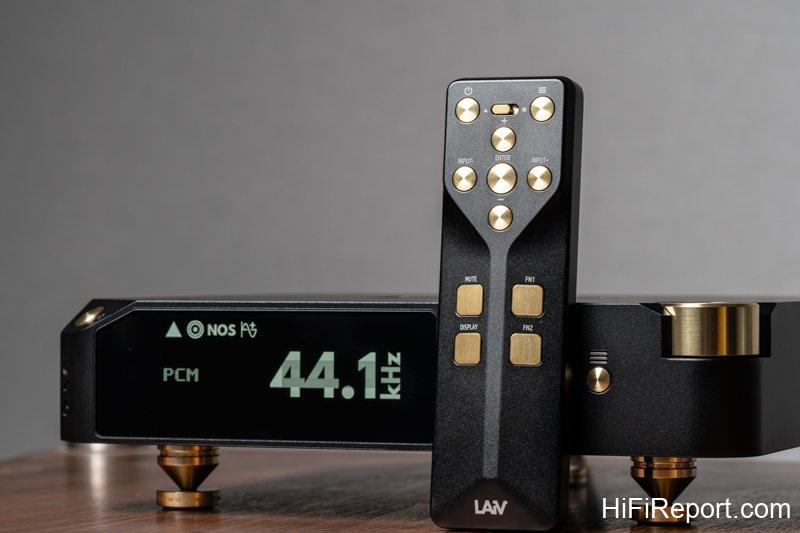
The package also includes the RCX remote control.
This remote, crafted entirely from aluminum, feels substantial in hand. It matches the unit’s color and is available in black and silver.
All the buttons are gold-colored, and the circular buttons feature concentric ring patterns. You might ask, what’s the point of this? There’s no functional benefit, but this is what we call attention to detail. Creating such details adds to the cost. The manufacturer didn’t have to do this, but these small touches make you feel their dedication.
Although the remote is generally rectangular, the lower part of the top edge is cut at an angle resembling a rooftop pitch, seemingly echoing the chamfered cut on the unit’s left side near the power switch. Among products in the Harmony DAC’s price range, it’s rare to find a remote control this luxurious.
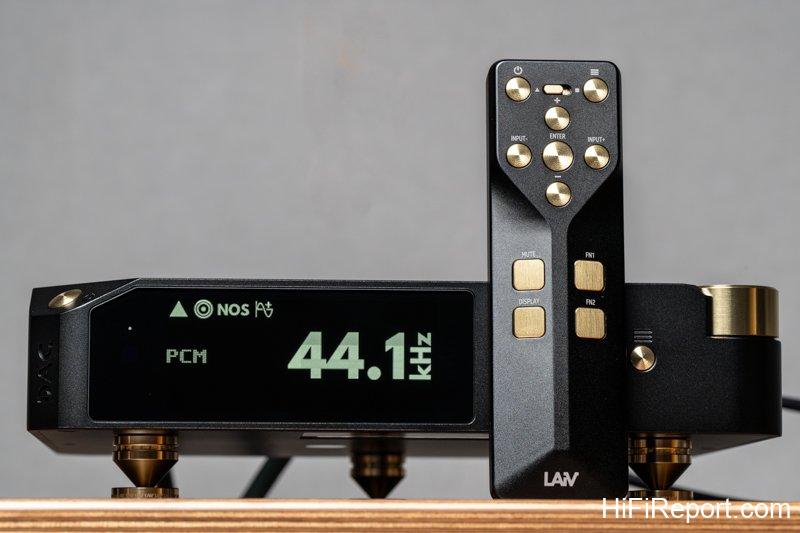
Furthermore, this remote can control two LAiV units via a switch on the top, which will be convenient if you decide to purchase the Harmony HP2A later.
Modular Design
The Harmony DAC has a small chassis, roughly 25 cm square, and stands about 5 cm tall without the feet. You can imagine it as a slightly larger Mac Mini.
Despite its small size, the chassis is packed full.
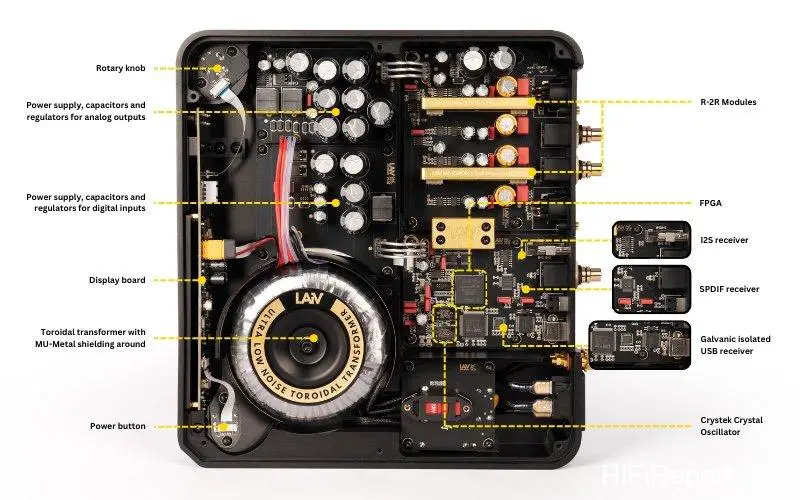
A large toroidal transformer is housed in a dedicated, CNC-machined compartment. Nearly half of the chassis space is dedicated to the power supply, with completely separate power paths for the digital input and analog output sections.
The other half of the internal space is allocated to independent circuit boards for digital inputs, digital processing, and the DAC and analog output stages.
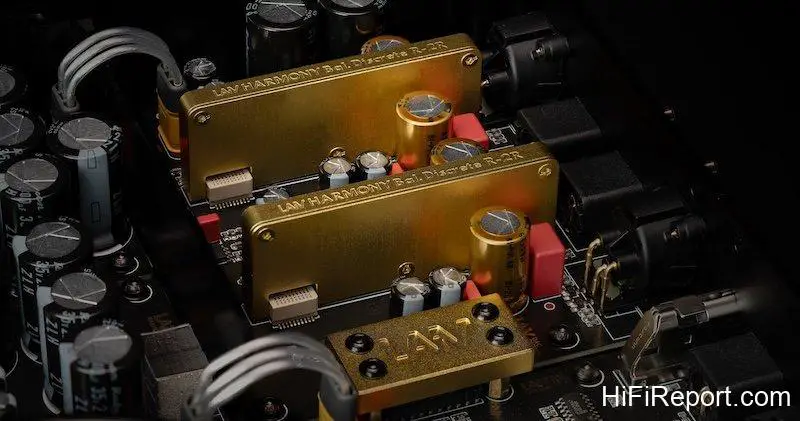
LAiV has wisely adopted a modular design. Not only are the circuit boards for each section independent, but their proprietary R-2R Ladder DAC is also encapsulated as a module.
Modular design facilitates future maintenance and leaves room for potential upgrades.
One key reason the LAiV gained attention right from its launch, aside from the manufacturer’s robust promotional efforts, is its use of the R-2R Ladder DAC decoding architecture, which is less commonly adopted by other manufacturers on the market.

Balanced R-2R Ladder DAC
This isn’t new technology; in fact, one might even call it “ancient” in the Hi-Fi world.
However, with Delta-Sigma modulation DAC chips becoming dominant, large manufacturers leverage their abundant resources to design and produce chips that are increasingly smaller and offer better specifications. As a result, the vast majority of manufacturers use these as the decoding core for their digital sources.
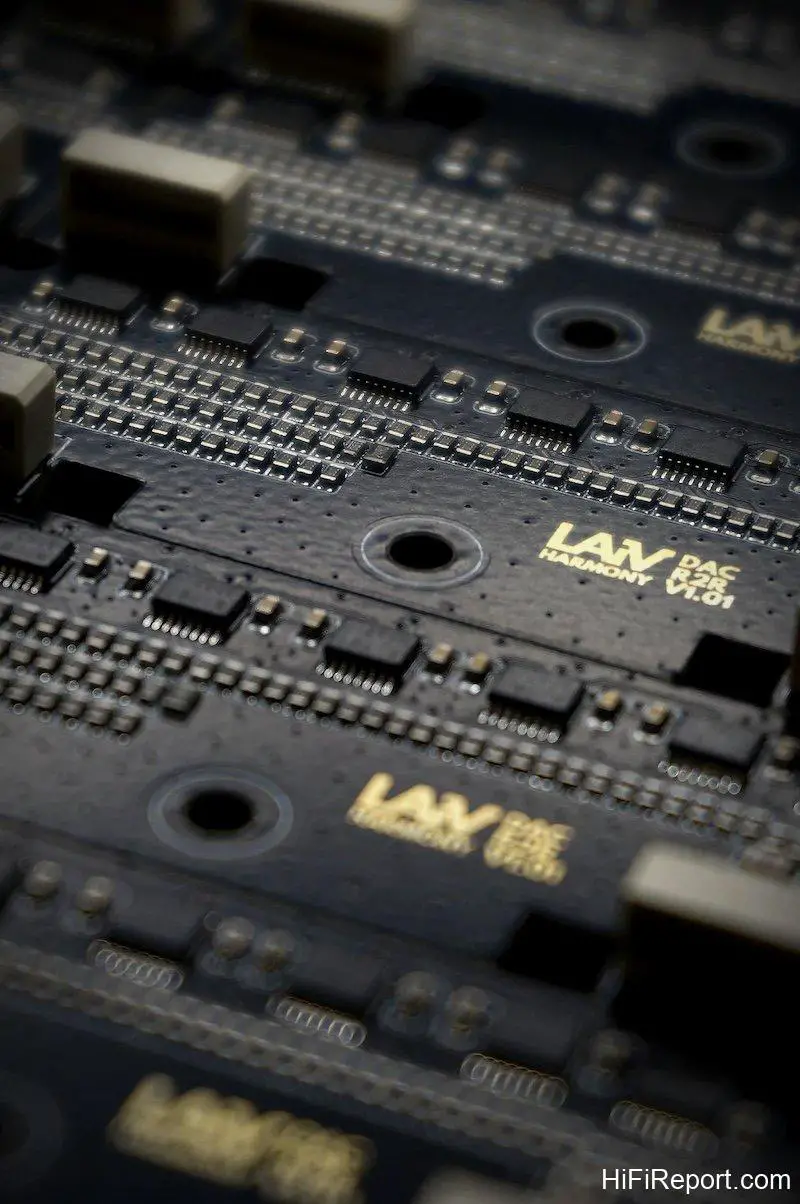
The R-2R architecture decodes by using a ladder-like network of resistors in parallel to perform voltage division. Because of this resistor network structure, it’s also called a “Ladder DAC.”
The logic behind R-2R Ladder DACs is straightforward, and the architecture is simple. By using just 48 resistors, you can achieve 24-bit decoding through the resistor ladder’s voltage division.
However, the precision of the R-2R resistors is paramount. The resistance value error for each resistor must be extremely small for the voltage division to be accurate. Therefore, while building a discrete R-2R Ladder DAC might seem simple, it is actually costly and less convenient than simply purchasing off-the-shelf decoding chips.
Resistor Tolerance 0.005%
So, how does the LAiV Harmony DAC measure up? Each resistor has a tolerance of just 0.05%. In other words, they discard any resistor whose error exceeds this range.
This stringent selection ensures precise voltage division, guaranteeing sound quality.
This voltage division is controlled by an adjacent Intel Altera Cyclone FPGA chip, which also handles OS (oversampling). It can oversample up to 705.6kHz (for 44.1kHz input) and 768kHz (for 48kHz input).
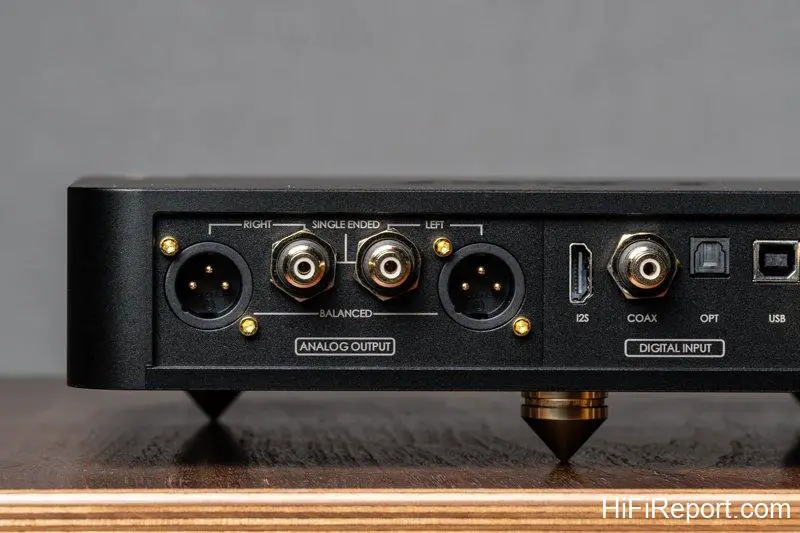
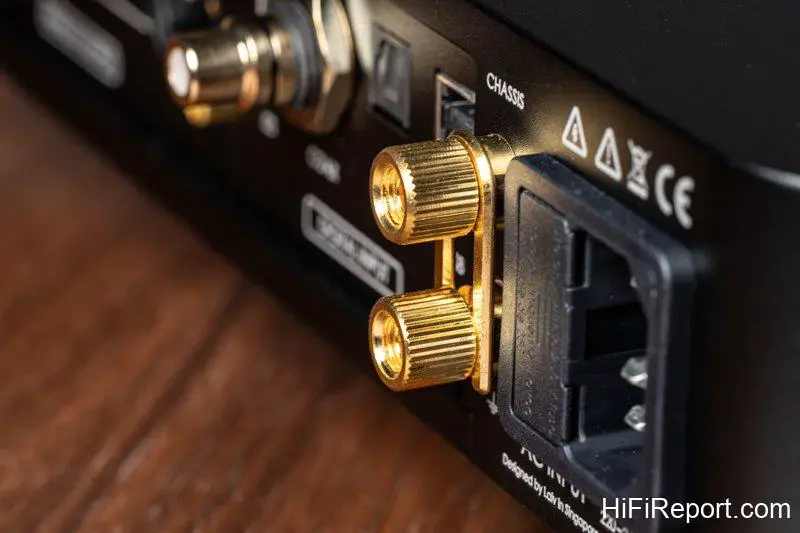
Inside, there are two R-2R Ladder DAC modules, externally encased in gold metal shells. Each module is a fully discrete, balanced architecture. The Harmony DAC’s analog outputs provide one set of RCA and one set of XLR connections. Astute users like yourself will certainly know which set to prioritize.
Dual Femto Clocks, USB Electrical Isolation
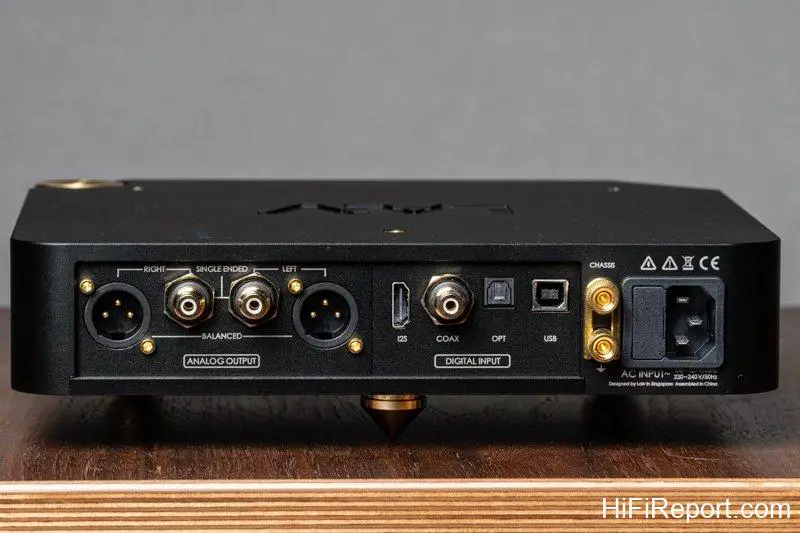
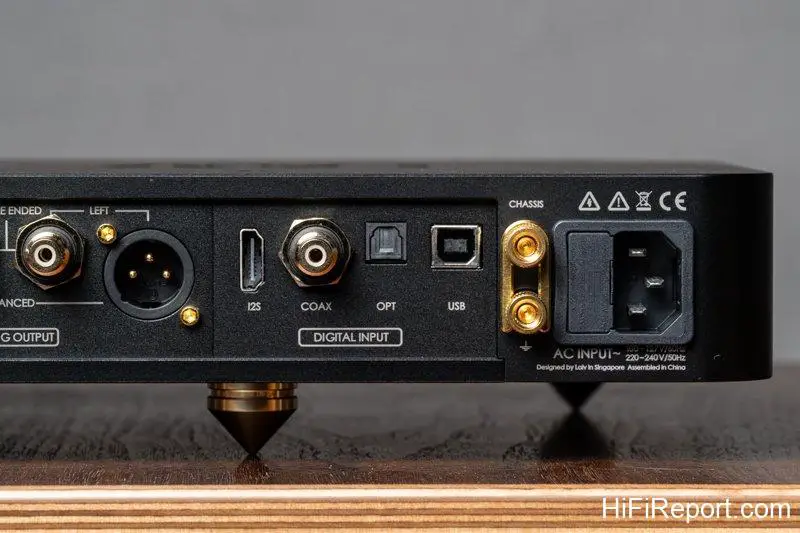
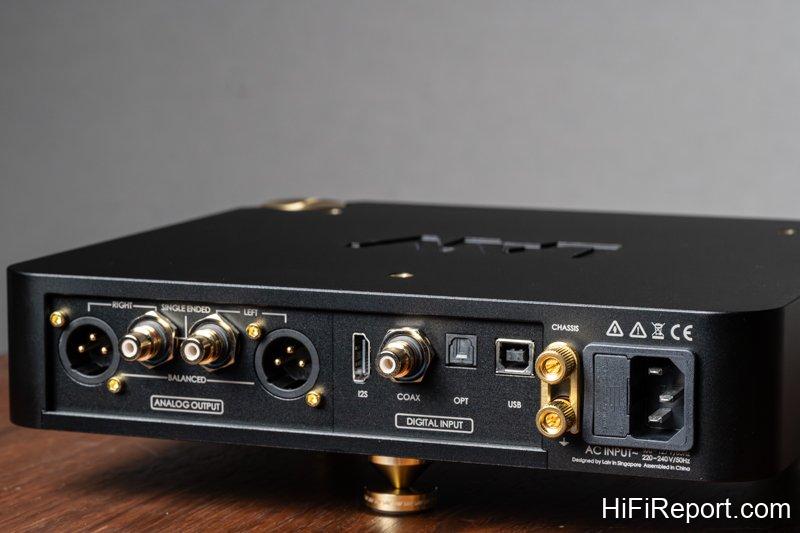
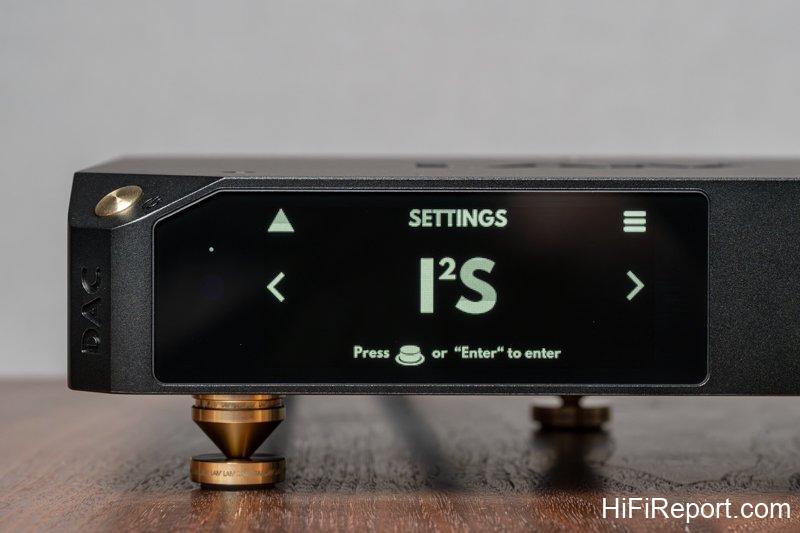
The Harmony DAC offers a total of four digital inputs: coaxial, optical, USB type B, and I2S (HDMI).
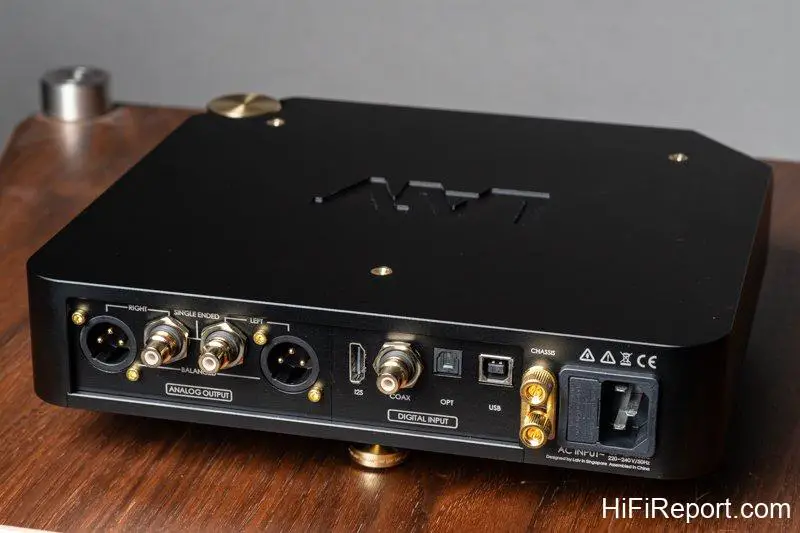
For the highest resolution decoding, please prioritize using the USB input, followed by I2S. Only these two inputs support DSD decoding (up to DSD 256).
The USB input also includes electrical isolation to block external noise, purifying the signal early on. This I2S input can not only connect digital sources but also serve to connect an external clock generator (provided the clock supports I2S transmission via HDMI).
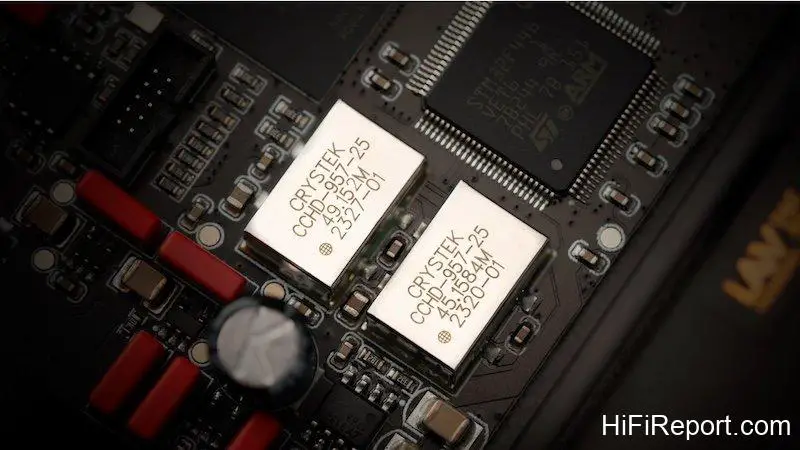
The built-in clock uses two Crystek CCHD-957 femtosecond-grade ultra-low noise oscillators: one providing a 49.152MHz clock and the other a 45.1584MHz clock.
Audio Note Kaisei Capacitors
Beyond the clocks, the Harmony DAC is also packed with high-quality components.
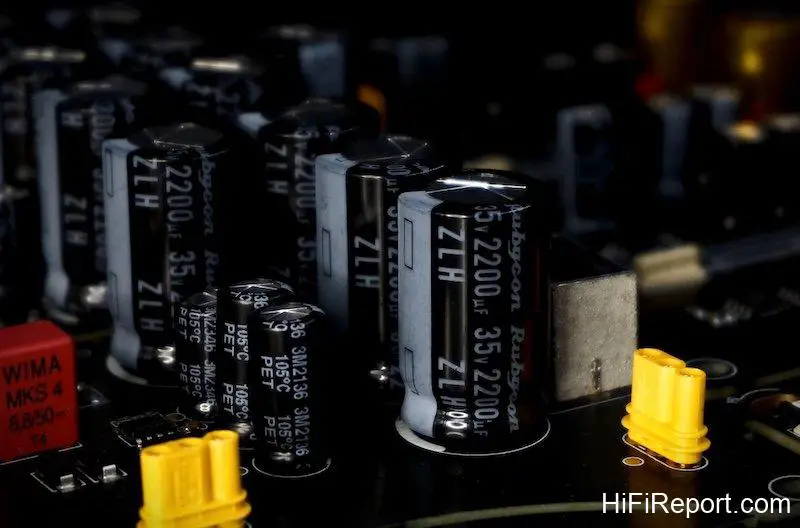
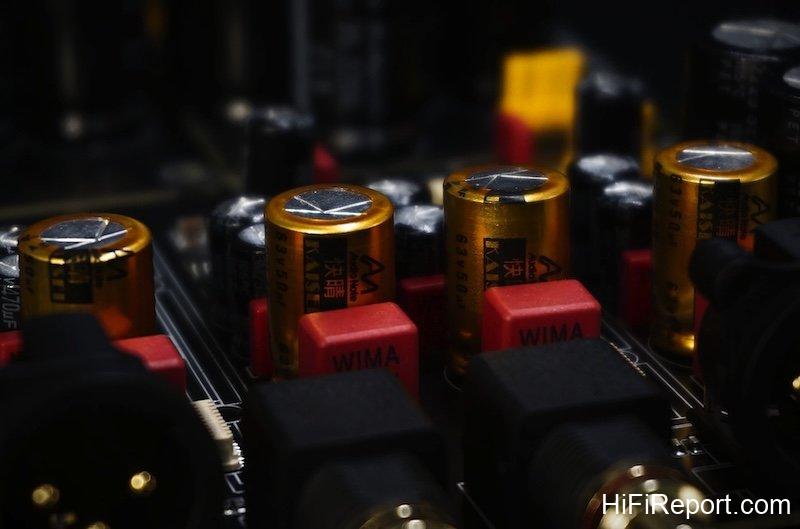
In addition to reputable brand clocks, the capacitors used will make any audiophile’s mouth water. WIMA red capacitors are standard fare, but it also utilizes Rubycon ZLH capacitors in critical locations, as well as Audio Note Kaisei capacitors, which are rarely seen in other manufacturers’ equipment.
How LAiV managed to get their hands on Kaisei capacitors is a mystery, but just seeing those gold capacitors marked “” (meaning clear skies, a reference to Kaisei) elevates the Harmony DAC by more than just one level.
Harmonious and Smooth Sound
As its name suggests, the Harmony DAC’s sound is filled with a harmonious atmosphere and a smooth, rounded texture. It exhibits no harshness or edge, with smooth lines and a rich, full body.
Its musical portrayal emphasizes layered depth to bring out a substantial soundstage. In terms of soundstage width, it doesn’t seem to deliberately pursue extreme horizontal expansiveness.
In near-field listening, with the speakers toe-in, the sound is large and direct, with rich, saturated colors and clear, solid details.
Despite the Harmony DAC’s small size, its bass is full and ample. Coupled with its clear and concrete imaging, listening at moderate to low volumes is quite captivating. If you enjoy listening to music softly in the quiet of the night, you will be amazed by the Harmony DAC’s performance.
NOS and OS Flavors
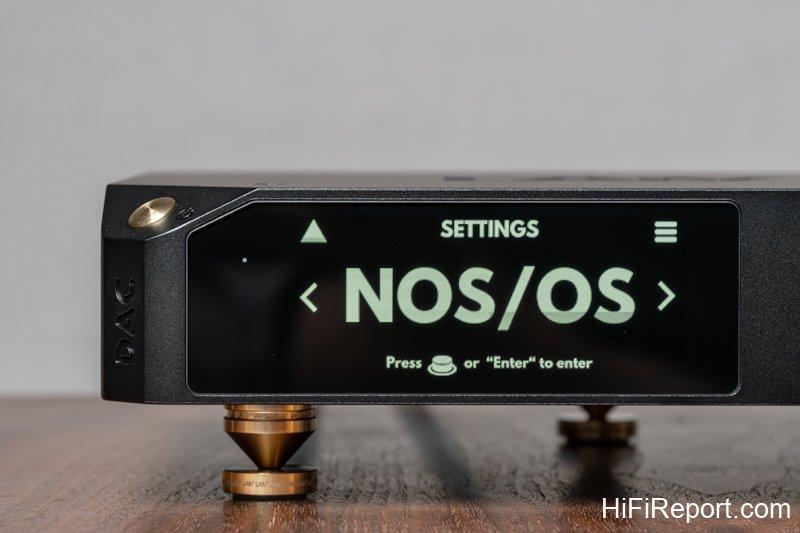
The Harmony DAC offers a choice between NOS (non-oversampling) and OS (oversampling) in the menu. Users can freely choose based on their mood, the recording style, or system matching.
In NOS mode, the file format remains unchanged; 44.1kHz stays 44.1kHz. In OS mode, 44.1kHz will be automatically upsampled to 705.6kHz.
After upsampling, the sound becomes more refined, forms are tighter, and lines are clearer. It feels as if the stage lights are brighter, and all details become more apparent. However, the richness and the slick, glossy texture present in NOS mode are somewhat diminished after oversampling.
The stage depth in OS mode seems slightly shallower, leaning a bit forward. While it feels brighter, it doesn’t introduce sharp, irritating qualities.
I believe that when listening to digital streams, prioritizing NOS mode is a good choice. When connecting an external CD transport, you can try enabling OS. This is exactly how I conducted my testing.
Expressive Vocals, Rich Guitar Resonance
Taking Eva Cassidy’s album “Nightbird” as an example, Eva Cassidy’s voice is three-dimensional, full, and clear.
The Harmony DAC provides rich information and ample detail, but it presents these details without sounding forced. Instead, its inherent richness makes you initially forget to focus on its detail retrieval capabilities.
In “Ain’t No Sunshine,” the guitar slides and plucks, the full and rich bass resonance of the guitar, coupled with Eva Cassidy’s vocal trills and soaring finishes, are all intricate details of the performance. Does the Harmony DAC miss anything? Absolutely not.
It is a DAC with abundant bass, evident from the palpable resonance of the guitar body. In the energetic tracks “Route 66” and “Ain’t Doin Too Bad,” the drums and flying guitar are full of sparks and intensity. Playing these fast-paced songs at high volumes, the Harmony DAC provides a solid, rich foundation, smooth and flowing presentation, making the music exciting and vigorous without becoming irritating.
If you audition the Harmony DAC at an audio store and the salesperson keeps playing simple, slow songs, ask them to play something fast, especially tracks with a richer instrument arrangement. That’s where you’ll truly appreciate its uniqueness.
Clear, Realistic Music Playback
While I describe the Harmony DAC’s sound as “very harmonic,” this doesn’t mean the sound is merely smooth and uneventful. I emphasized earlier that it has detail, and I said it provides ample information. I will now add that its full, thick sound imparts a significant sense of realism to the music.
It has a sense of liveliness, but its expression of vitality isn’t through a nimble, lightning-fast approach. Instead, it uses a sound with substantial presence to make you feel the sound source, the musical performance, and the interaction between the performers and you through the audio system.
Take the Hadouk Trio’s album “Baldamore,” a fusion jazz group combining folk music. The drums in this music are struck clearly and realistically. How clear? As if you can see the drumsticks striking, as if you can see the drumhead vibrating and bouncing. How realistic? The impact of the drum sounds is like witnessing it firsthand.
The airflow sounds from the clarinet and the vibration of the reed are also clear and realistic. Other percussion instruments, whose names I can’t recall, are also concretely portrayed, allowing you to hear how their striking sounds are composed. The bass in the percussion on this album is particularly full. Listening on the Harmony DAC, those deep bass notes are not only rich and profound but also maintain full elasticity and tenacity. The percussion sounds fantastic!
Making Others Sound Pale
However, when it comes to tonal quality, one must return to simple arrangements. For instance, Yo-Yo Ma and Kathryn Stott’s collaboration album “Songs of Comfort & Hope” features just a piano and a cello.
As soon as the Harmony DAC plays classical music performed by acoustic instruments, it immediately reveals its rich, vibrant, and deep harmonious character. Yo-Yo Ma’s cello tone is inherently rich, full, and sweet, which perfectly matches the Harmony DAC’s signature.
In the piece “Shenandoah,” the solid cello tone expresses confident intent, with stable long notes carrying a richness derived from vibrato. This quality is truly captivating. The piano also exhibits a richer timbre than I usually hear, with a more defined, rounded articulation.
Compared to other DACs in the same price range using Delta-Sigma architecture with chip decoding, even if they sounded good initially, they might seem slightly pale next to the Harmony DAC. I would describe the sound tuned by LAiV for the Harmony DAC as similar to a DAC with tube amplification on its analog output, making digital audio playback sound more humane and engaging.
Grace and Warmth
Listening to Alfred Brendel and Simon Rattle’s collaboration on Beethoven’s Piano Concerto No. 4. This is my favorite piano concerto, and this album is my favorite version. This piece is elegant, beautiful, and possesses a touch of fantasy; it is truly lovely, especially the first movement, which particularly embodies this character.
The Harmony DAC’s presentation of the piano is more focused and forward than I typically hear, and the piano tone is warmer and mellower. This makes Brendel’s touch feel more tangible. Listening to the rapid scales ascending in the treble and the cascades of arpeggios, the Harmony DAC renders the piano tone with a slightly restrained and gentle quality. If you wish to regain the brilliance, simply switch to the OS oversampling mode.
The orchestral soundstage it presents has excellent depth, but it is slightly more constrained in lateral expansion. Achieving a wider stage might require adjusting speaker placement. In the second movement, the dialogue between the low strings and the piano is particularly captivating when heard through the Harmony DAC. It delivers a richer, more solid low string sound, contrasting strongly with the elegant and dignified piano.
Living Harmony Aesthetic
The name LAiV is pronounced “Life” – it represents life, being alive, and also the live performance. Music is imbued with life, integrating with our lives, and transporting us into one musical scene after another. This is LAiV.
The name Harmony perfectly matches its sonic performance. This pure DAC, devoid of functions beyond decoding, relies solely on its R-2R Ladder DAC architecture and its meticulously considered, comprehensive design. From its appearance and craftsmanship to its circuitry and logic, whether visible or hidden, tangible or audible, it embodies a harmonious and well-rounded character.
This is the LAiV Harmony DAC, a living aesthetic of harmony.
Specifications
* Type: R2R DAC
* Digital Inputs: Optical, Coaxial, USB, I2S (supports up to 768kHz PCM, DSD256)
* Analog Outputs: RCA (max 2.07 Vrms), XLR (max 4.15 Vrms)
* Dimensions: 25 × 25.5 × 5 cm