
Lukang Audio Spoey Bookshelf Speakers Review
Lukang Audio, based in Lukang, Taiwan, boasts a long and rich history in the Hi-Fi industry. In their earlier years, they were primarily known for selling branded audio equipment and speakers, a familiar name to many audiophiles. However, Lukang Audio has since ventured into designing and manufacturing their own speakers.
Under the guidance of owner Mr. Shih, who personally designs the crossovers, and utilizing carefully selected imported drivers and components, they produce brand-name loudspeakers that are both high quality and reasonably priced. Lukang Audio kindly sent HiFiReport their self-designed and manufactured bookshelf speakers, the Spoey, and I was eager to experience the allure of their own brand.
Manufacturing Expertise
Audiophiles who frequent audio exhibitions may have encountered Lukang Audio showcasing their products. At these events, Mr. Shih personally demonstrates his speaker designs, leading listening sessions and sharing not only information about his speakers but also his favorite audiophile recordings. His deep understanding of the nuances a speaker should reproduce and the emotional expression music should convey is evident.
He possesses a profound knowledge of both speaker technology and music itself. It might surprise some, but Taiwan has a strong speaker manufacturing capability. Many well-known international speaker brands source internal components, including drivers and crossovers, from Taiwanese manufacturers. Representatives from foreign brands often point out to me that “this component is from Taiwan, that component is from Taiwan” when showcasing their products.
Furthermore, the success of several Taiwanese speaker brands in the international market demonstrates that exceptional audio design and manufacturing are not exclusive to any one country.
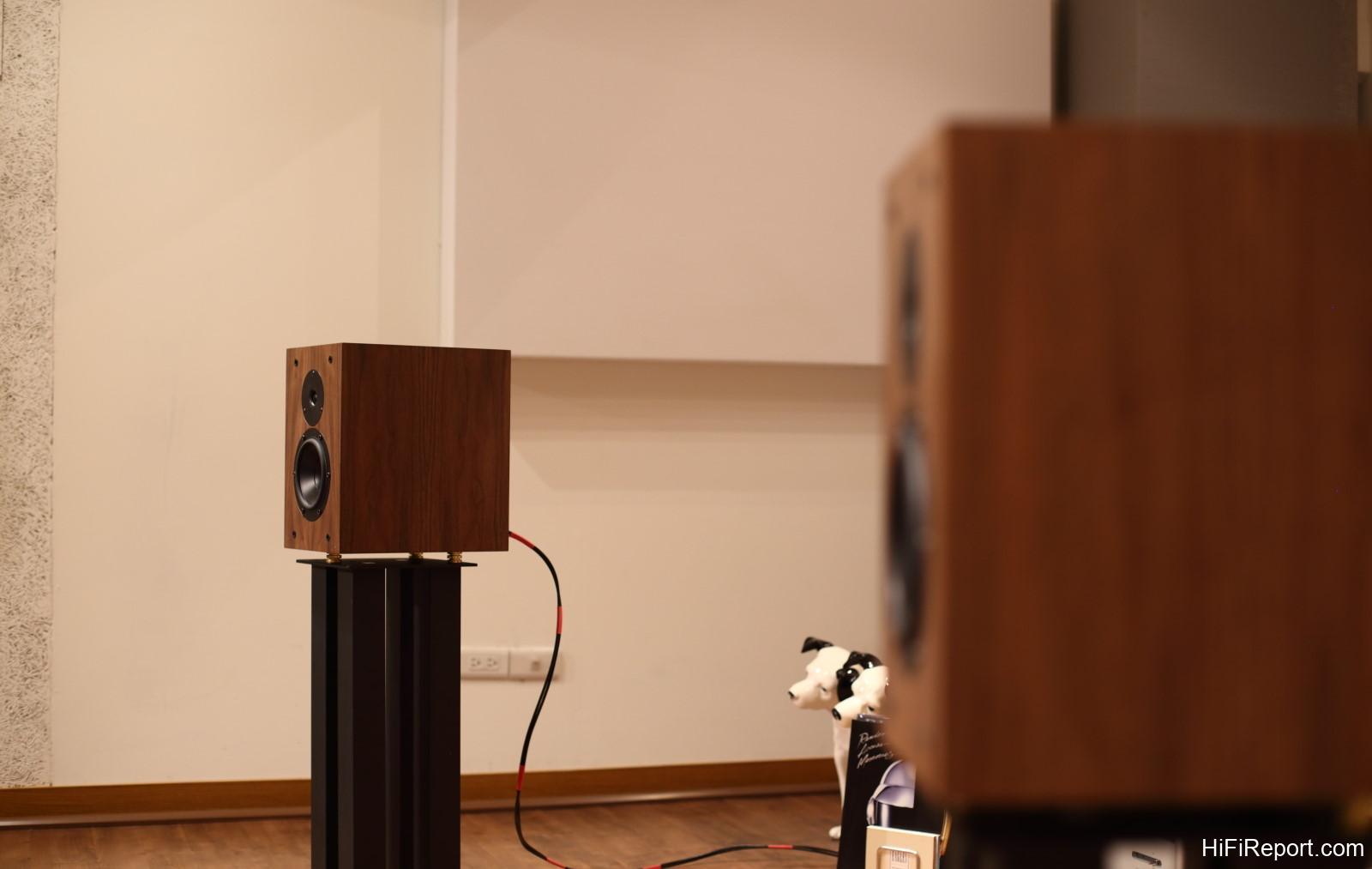
The Spoey employs a two-driver, two-way design with dimensions of 232x310x340mm (WxDxH). The wooden cabinet is manufactured in-house using medium-density fiberboard (MDF) and finished with a walnut wood veneer. The deeper cabinet design aims to enhance bass response, enabling these bookshelf speakers to deliver a sound presence that belies their size.
Premium Danish Drivers
Both drivers in the Spoey are sourced from Denmark. The tweeter is a Hiquphon 3/4-inch soft dome unit, known for its wide bandwidth and suitability for high-end two-way speaker designs. The mid-bass driver is a 4-inch unit from Audio Technology. A unique aspect of Audio Technology is their ability to customize driver components and materials to client specifications. From voice coil size and magnet dimensions to cone material, almost every aspect can be tailored.
Moreover, the company claims that any two drivers picked randomly from a batch of dozens will exhibit virtually identical performance characteristics. Ejvind Skaaning, one of the owners of Audio Technology, is a highly influential figure in the Danish speaker industry and is also a shareholder in Scan-Speak and Dynaudio. Audio Technology drivers are supplied to numerous renowned speaker manufacturers, including Sonus Faber and Rockport, a testament to their exceptional quality.
Custom Crossover Design
Designing a speaker is far more than simply assembling premium drivers. The crossovers in Lukang Audio’s speakers are meticulously designed by Mr. Shih himself. The crossover is as crucial as the drivers; a well-designed crossover ensures seamless frequency response integration between drivers, accurate phase response, and appropriate damping. Lukang Audio’s crossover designs eschew printed circuit boards.
Instead, components like capacitors, inductors, and resistors are directly wired between the drivers and speaker cables, minimizing component count and connection points to reduce signal loss. The photograph showcases the carefully selected crossover components. Each component is chosen after extensive testing and is specifically tailored for the Spoey.
For example, the inductor utilizes a substantial iron core winding, the capacitors are custom-made to specific requirements after precise measurements, and the resistors are Japanese-made ceramic resistors selected after rigorous testing.
The crossover network employs a second-order filter for the tweeter, with a roll-off of approximately 12dB per octave, and a first-order filter for the woofer, rolling off at about 6dB per octave. The crossover frequency is set at 2800Hz.
Minimized Connections
The Spoey features a rear-firing bass reflex port. The speaker wire terminals at the back are uniquely designed, a consistent feature across Lukang Audio’s speaker range. Instead of conventional binding posts, speaker wires are directly secured using small O-ring terminals. This direct connection to the internal crossover circuitry aims to minimize connection points and signal loss. In the future, Y-plug compatible terminals may be considered for added convenience.
The speaker cables used in this review are also hand-made by Lukang Audio, and they plan to launch their own brand of speaker cables, which is something to watch out for.
The aesthetic of the Lukang Audio Spoey is understated, featuring a wood veneer and a simple, elegant design. The quality of both internal and external components, along with the design approach, clearly demonstrates Lukang Audio’s dedication to craftsmanship. Priced at only $2,343 USD (75,000 NTD), these speakers offer exceptional value.
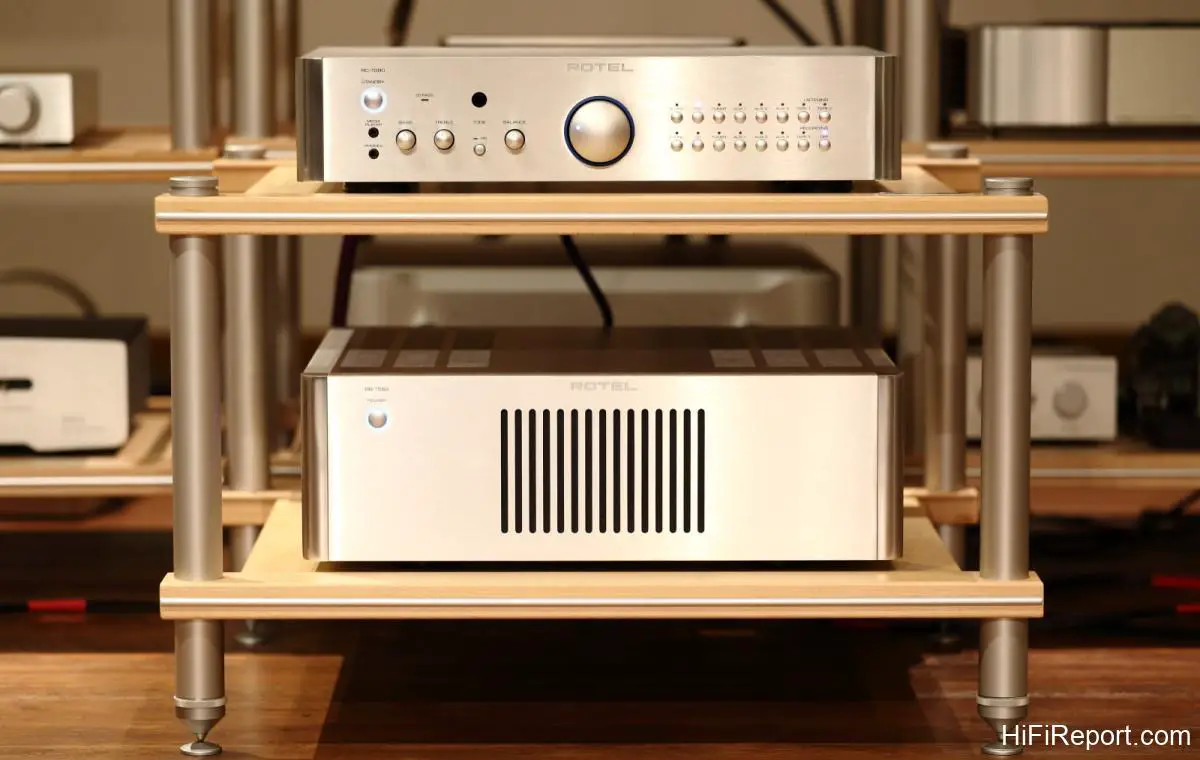
Shortly after delivering the Spoey bookshelf speakers, Lukang Audio also sent a Rotel RC1580 preamplifier and RB1582 power amplifier. This pairing is one of Lukang Audio’s recommended combinations. Upon initial listening, the Rotel amplification immediately impressed with its robust power and excellent sonic texture, proving to be a highly synergistic match with the Spoey speakers.
During the review period, Mr. Shih Jr., the second generation of Lukang Audio, happened to be visiting Audio Technology’s production facility in Skanderborg, Denmark. The photos reveal a factory that is not large in scale but focuses on technology-driven, customized production, with a strong emphasis on handcraftsmanship.
European audio manufacturing facilities often differ from the large factory image commonly associated with manufacturing in the East, typically located in quiet, smaller towns in suburban areas.
Size and Quality Balance
The Spoey is currently one of the smaller speaker designs in Lukang Audio’s lineup. Designer Mr. Shih believes that the size of the bass driver must be appropriate and not necessarily as large as possible. He argues that larger bass drivers are more prone to deformation and distortion, and the resulting music reproduction may not be as faithful to the original.
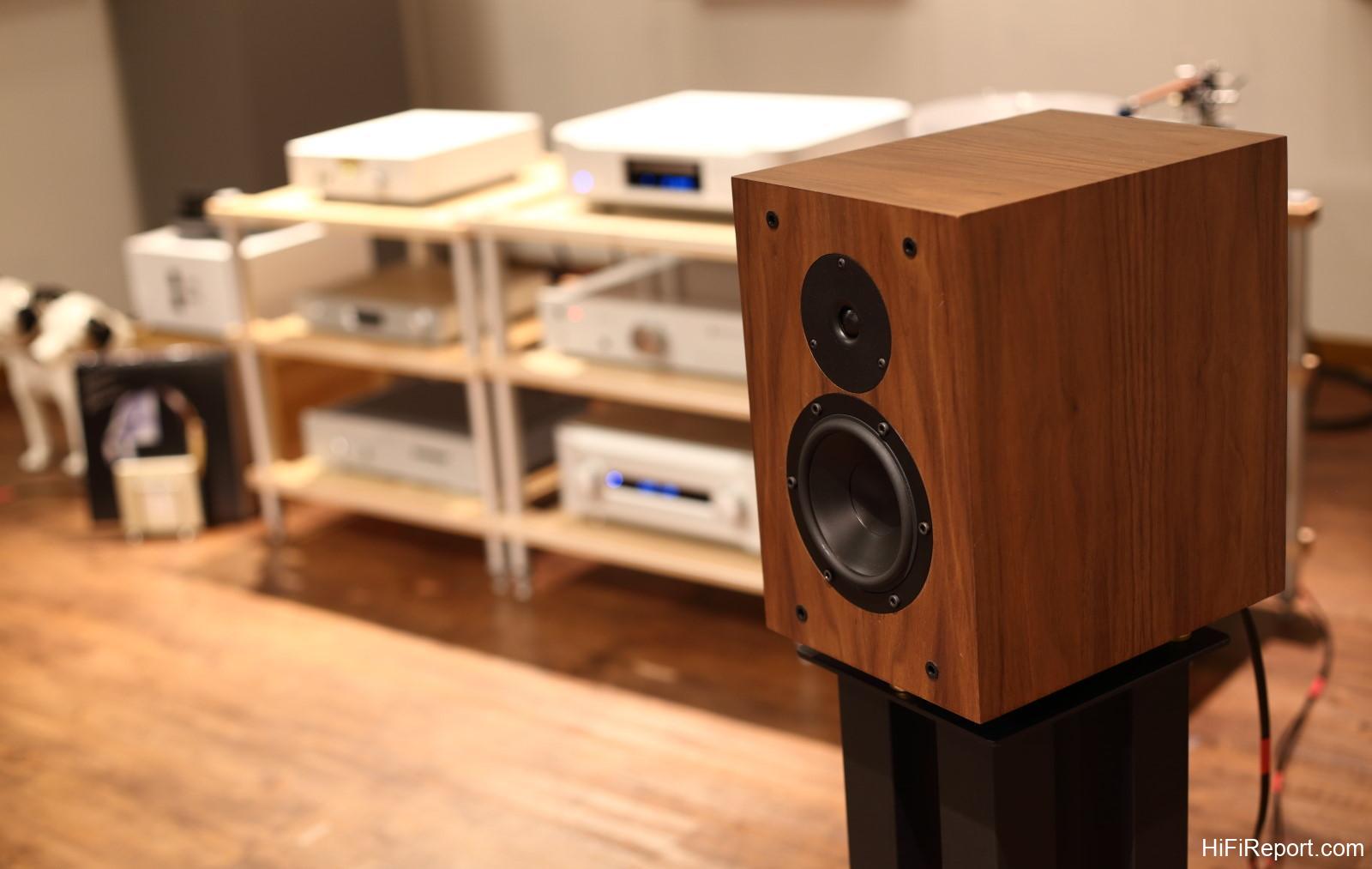
While there is no definitive consensus on the optimal size for bass drivers, both Mr. Shih’s philosophy and the approach of prioritizing larger sizes have their merits. However, it would be a mistake to assume that the Spoey’s compact size equates to a small or delicate sound. As mentioned earlier, Lukang Audio is highly selective in component choices, only using high-quality parts. Quality is paramount, and the ultimate sonic performance of the Spoey speakers certainly met my expectations.
Rich and Balanced Sound
Playing the familiar album, the Lukang Audio Spoey rendered vocals with impressive solidity and the appropriate weight for the singer’s voice. Beyond mere heft, the subtle nuances and dynamic inflections in the vocal performance were equally striking. The soundstage presentation was also commendable.
Even with the simple piano accompaniment, the extension at both ends of the midrange and its balance with the vocals were remarkably well-proportioned, showcasing the Spoey’s capabilities effectively.
Emotional Delivery
The violin sound on this album was exceptional through the Spoey. The mid-high frequencies were particularly impressive, validating Mr. Shih’s choice of tweeter. The violin tone was smooth, luminous, and the dynamic gradations of the bowing were rendered beautifully and with delicate detail, effectively conveying the emotional depth of the recording, which is its most valuable quality.
Spoey’s Sonic Appeal
Listening to , an album produced by Stockfisch Records and performed by British singer Allan Taylor, revealed further strengths. Beyond capturing Allan Taylor’s distinctive, resonant voice, the recording evokes a strong sense of lonely journeys on the road. The Spoey excelled in soundstage reproduction, effortlessly recreating this sense of solitude and musicality. Micro-dynamic nuances were also reproduced with exceptional fidelity.
The speaker’s full-bodied sonic character further enhanced the allure of Allan Taylor’s voice.
Handles Complexity
Playing the “Burlesque” soundtrack with the Spoey speakers revealed their musicality and pleasingly rich sound signature. Christina Aguilera’s powerful vocals were delivered with excellent projection, and the low-frequency rhythmic elements were clearly defined, demonstrating impressive control. Despite employing only two drivers, the Spoey handled complex musical arrangements with remarkable ease and fullness.
In the sixth track, “Express,” characterized by its strong rhythm, numerous sound effects, and prominent vocals, the low-frequency foundation was impressively solid and grounded, showcasing the Spoey’s excellent capabilities.
Sound Quality is Key
Lukang Audio has invested immense effort in the development of these speakers, particularly a significant amount of time. Mr. Shih is a designer with high standards for musicality, and every experiment and component pairing must first pass his own critical judgment. With his extensive experience, Mr. Shih is an industry veteran, having represented numerous renowned international brands and meticulously auditioned and studied countless audio systems.
He has disassembled a vast number of speakers, making it exceptionally challenging to satisfy his own exacting standards. While the Spoey may appear to be a simple bookshelf speaker, understanding Mr. Shih’s dedication to sound quality reveals the meticulous care he invests in his creations. The unseen trials and tribulations of the development process are a testament to his commitment, ultimately benefiting music-loving consumers.
Spoey Specifications
* Speaker Design: 2-way, bass reflex, MDF cabinet
* Impedance: 8 ohms
* Recommended Amplifier Power: 50W~100W
* Sensitivity: 86.5dB
* Frequency Response: 80Hz~14.7kHz
* Woofer: Audio Technology 155mm
* Tweeter: Hiquphon 3/4 inch soft dome
* Crossover Network: 2nd order for tweeter, 1st order for woofer
* Crossover Frequency: 2,800Hz
* Dimensions: 34cm (H) x 23.2cm (W) x 31cm (D)
* Weight: 11kg per speaker