
McIntosh MA12000 Amplifier Review
It’s remarkable to consider how McIntosh’s model numbers have ascended into the ten-thousands. I recall two decades past, harboring envy for a friend who possessed the then-cutting-edge MA6900 integrated amplifier. Today, the MA integrated amplifier lineage has evolved dramatically, its capabilities and specifications now vastly superior. We’re here to explore the McIntosh MA12000, the most potent integrated amplifier ever conceived by the brand.
As their flagship, it not only represents the pinnacle of specifications and sonic prowess but also boasts a wealth of features. These include the integrated DA2 digital streaming DAC module, a high-caliber MM/MC phono stage, and a dedicated headphone amplifier. To own the MA12000 is to possess not just an integrated amplifier, but the very nucleus of your entire analog and digital playback system.
Key Features
* Hybrid Design: Tube preamplifier and solid-state power amplifier, delivering 350W per channel, McIntosh’s most powerful integrated amplifier. * Autoformer™ Technology: Employs McIntosh’s renowned output transformers to ensure full 350W power delivery across 2, 4, or 8 Ohm impedances. * Integrated DA2 DAC Module: Supports high-resolution streaming up to DSD512 and 384kHz PCM, Roon Tested certified.
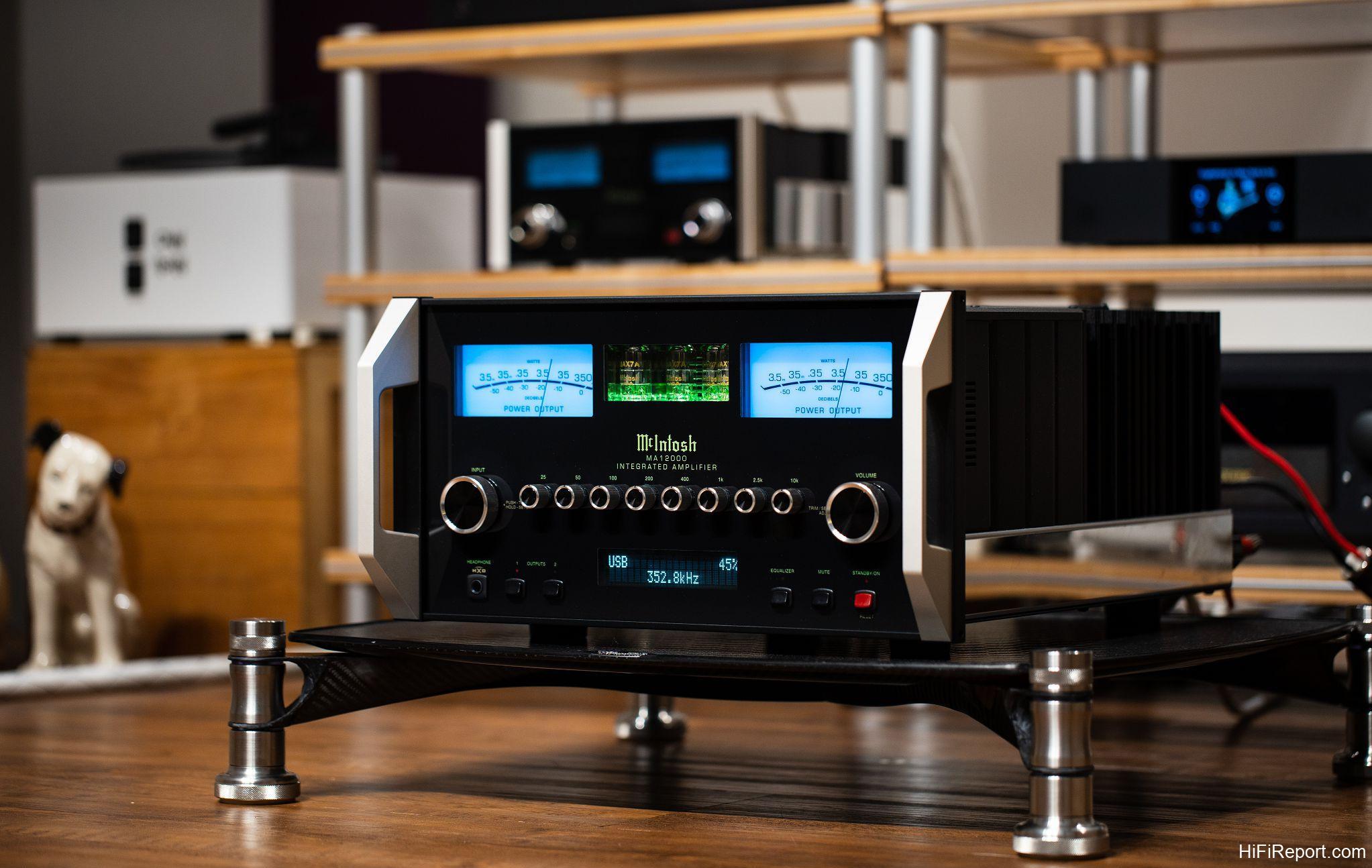
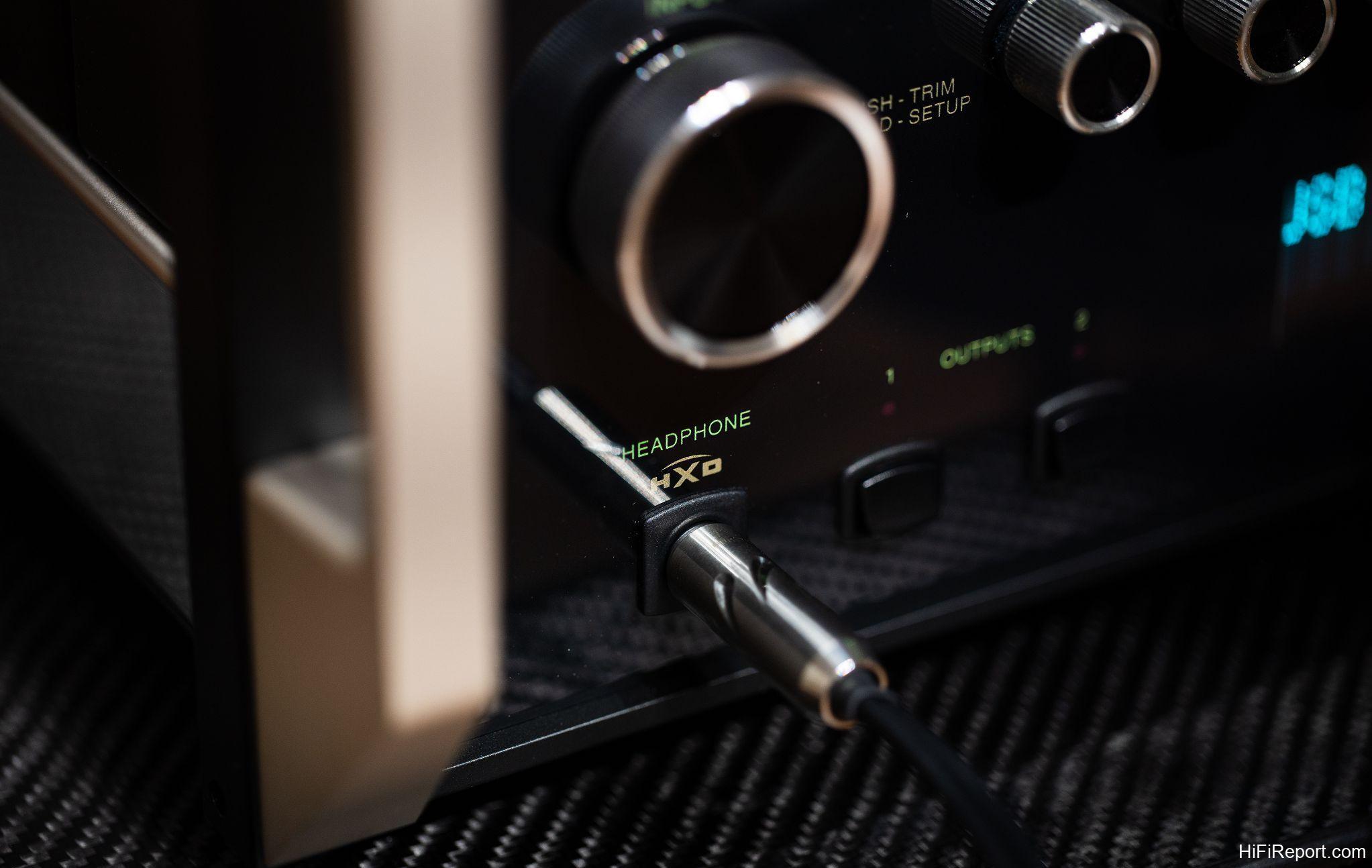
* Enhanced Low-Frequency Performance: Utilizes double filtering capacitors for superior bass reproduction. * Advanced Components: Features the latest audiophile-grade components and a more powerful microprocessor. * Headphone Crossfeed Director (HXD®): Integrated high-performance headphone amplifier with HXD® technology for enhanced spatial audio.
* Protection and Cooling: Equipped with Power Guard®, Sentry Monitor™ protection circuits, and Monogrammed Heatsinks™ for optimal reliability and thermal management. * Premium Phono Stage: High-quality MM/MC phono preamplifier with adjustable settings for cartridge optimization. * Analog Tone Controls: 8-band analog equalization for precise sound tailoring. * Home Theater PassThru: Enables seamless integration with home theater systems.
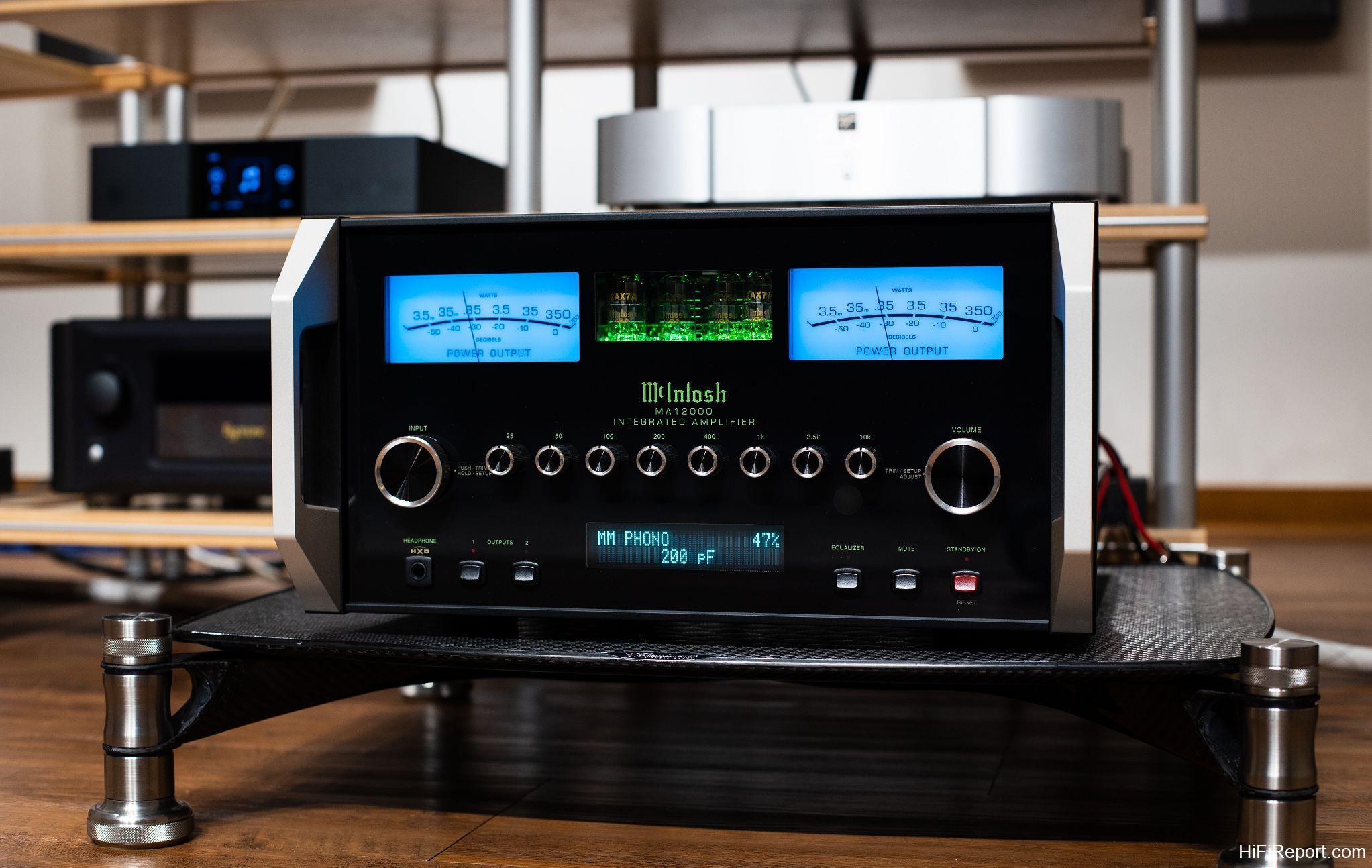
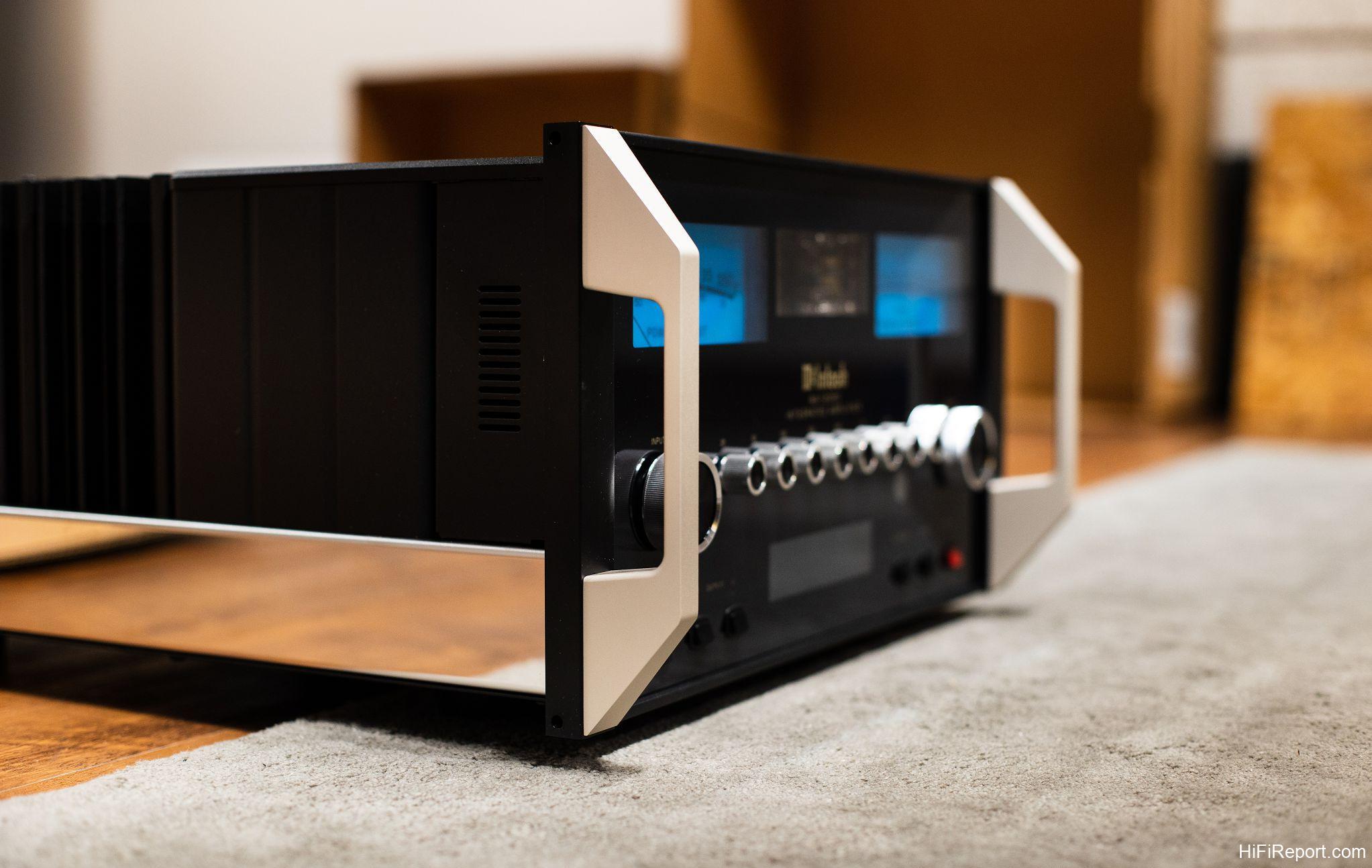
* Extensive Connectivity: 10 analog inputs, 2 analog outputs, and 7 digital inputs for versatile source integration. * Iconic McIntosh Design: Features the classic McIntosh aesthetic with large blue Watt meters and a polished stainless steel chassis. * Solid Cinch™ Speaker Terminals: High-quality speaker binding posts for secure and optimal speaker cable connections.
[Image: MA12000 with DA2 DAC Module]
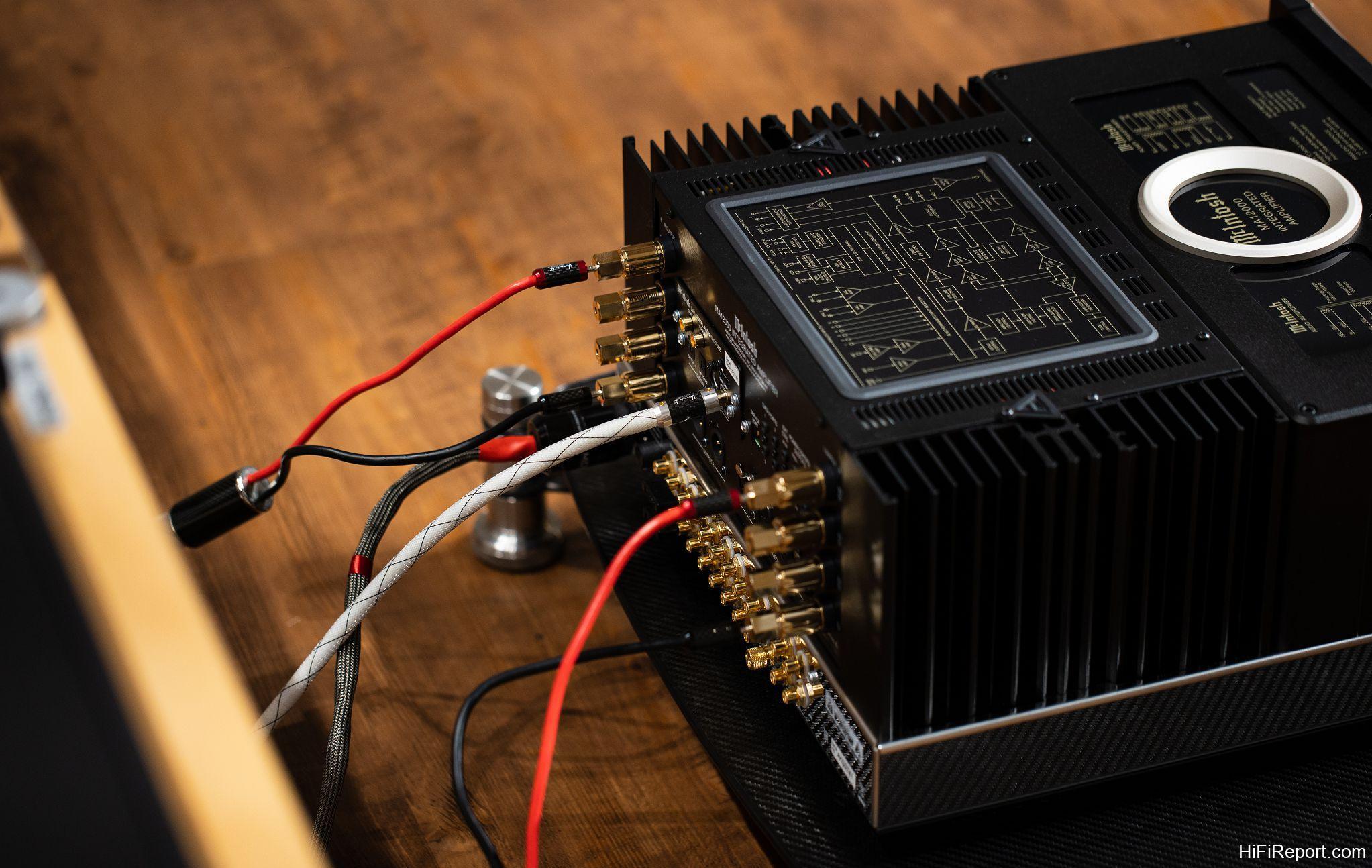
_The MA12000 incorporates the integrated DA2 digital streaming DAC module, featuring an 8-channel, 32-bit/384kHz PCM/DSD quad-balanced digital-to-analog converter._
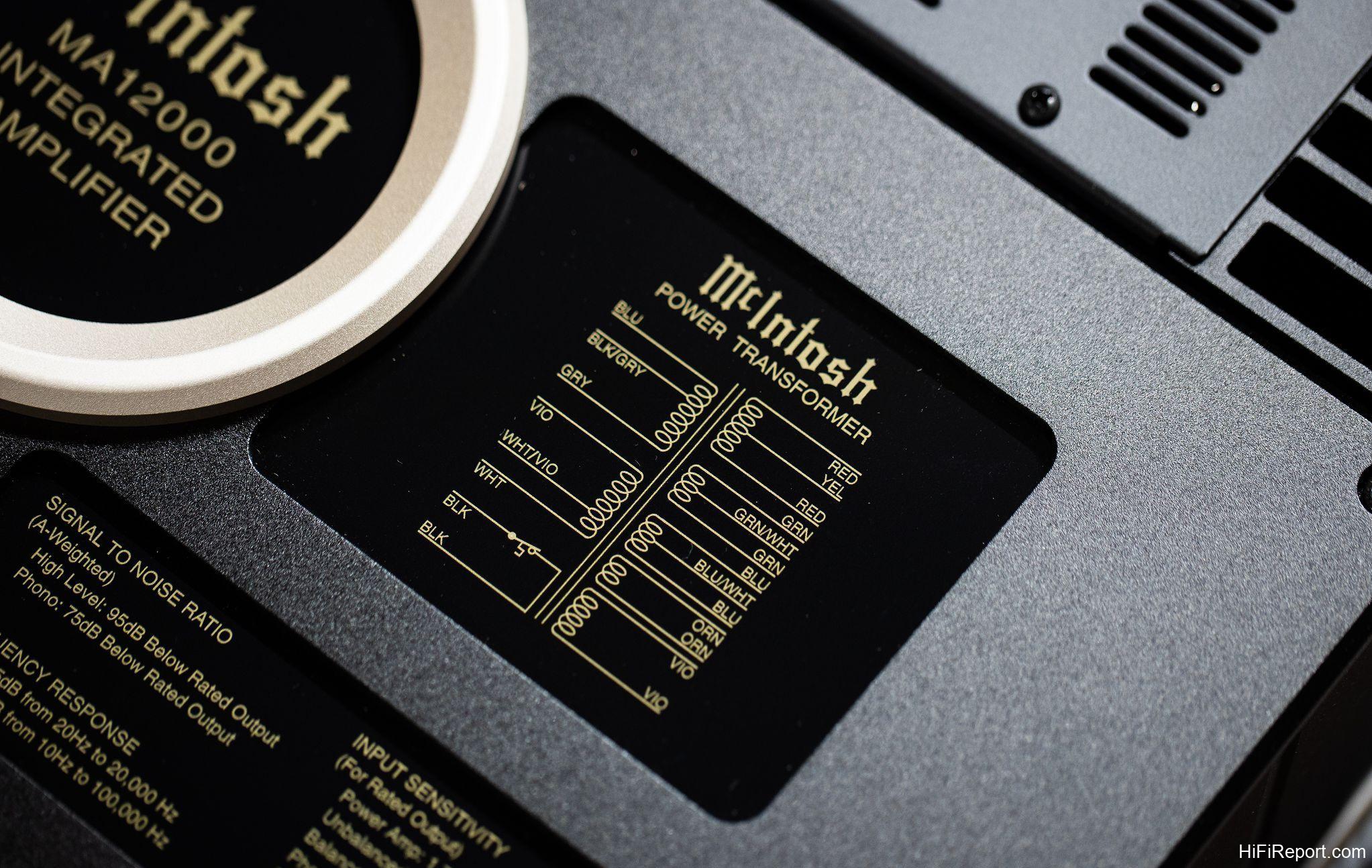
[Image: MA12000 Top Panel with Circuit Diagram]
_A signature McIntosh design element: the circuit diagram and specifications elegantly printed on the black glass top panel._
[Image: MA12000 Monogrammed Heatsinks]

_Monogrammed Heatsinks™ ensure efficient thermal management, maintaining optimal operating temperature._
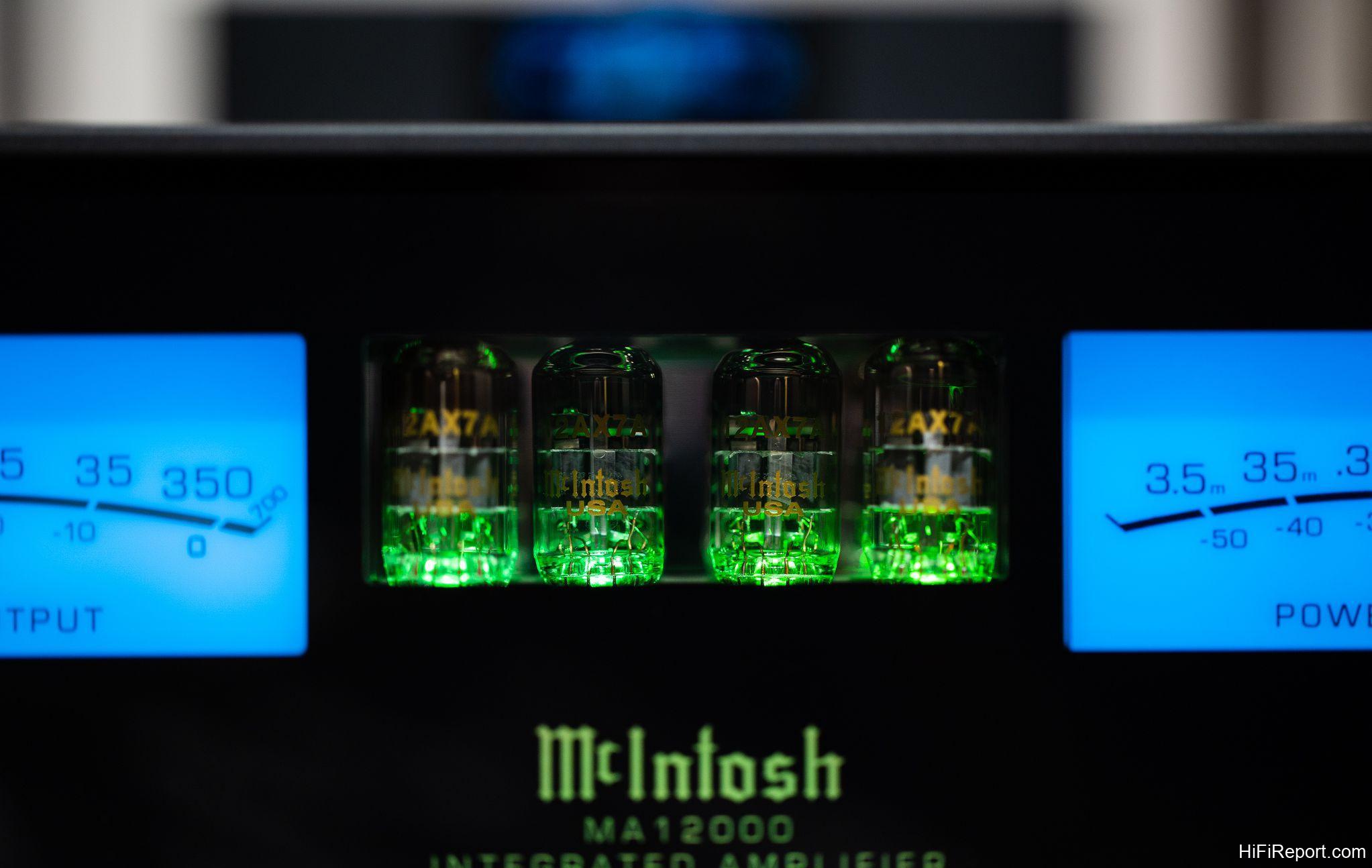
[Image: MA12000 Front Panel with Tubes]
_Beyond the iconic blue Watt meters, a central glass window showcases the quartet of 12AX7A vacuum tubes employed in the preamplifier stage._
Audio Dominance (Ted Chen)
McIntosh is arguably the most iconic name in high-fidelity audio, renowned for a legacy of exceptional products that excel in both sonic performance and timeless design. Spanning nearly 75 years since 1949, McIntosh has etched its indelible mark upon the chronicles of modern audio history.
Through eras of shifting trends, evolving philosophies, and relentless technological advancement, McIntosh has steadfastly maintained its esteemed position, consistently crafting audio equipment that is not only coveted but deeply cherished. As technology propels the diversification of audio equipment, McIntosh, a global leader, commands the resources and expertise to produce virtually every category imaginable.
From source components and amplifiers to both conventional and wireless loudspeakers, each category is further refined to cater to a spectrum of applications. Whether your preference leans towards digital or analog sources, multi-component systems or integrated solutions, McIntosh offers a comprehensive portfolio. In recent years, their influence has even expanded beyond the home, encompassing automotive and marine audio environments.
The McIntosh MA12000 we are scrutinizing is unequivocally the monarch of home integrated amplifiers. It stands as a paragon of comprehensive functionality and exceptional performance, currently reigning as their flagship integrated model. Naturally, it embodies a wealth of McIntosh’s most advanced technologies and meticulous engineering, with the hybrid tube-solid-state amplification circuit at its heart.
Its substantial weight, nearing 50 kilograms, is no mere facade; within resides a formidable power supply, including massive transformers capable of delivering a robust 350 watts per channel. And, of course, the signature blue Watt meters and softly illuminated vacuum tubes are visual hallmarks that captivate the gaze of every enthusiast.

Feature-Rich Integration
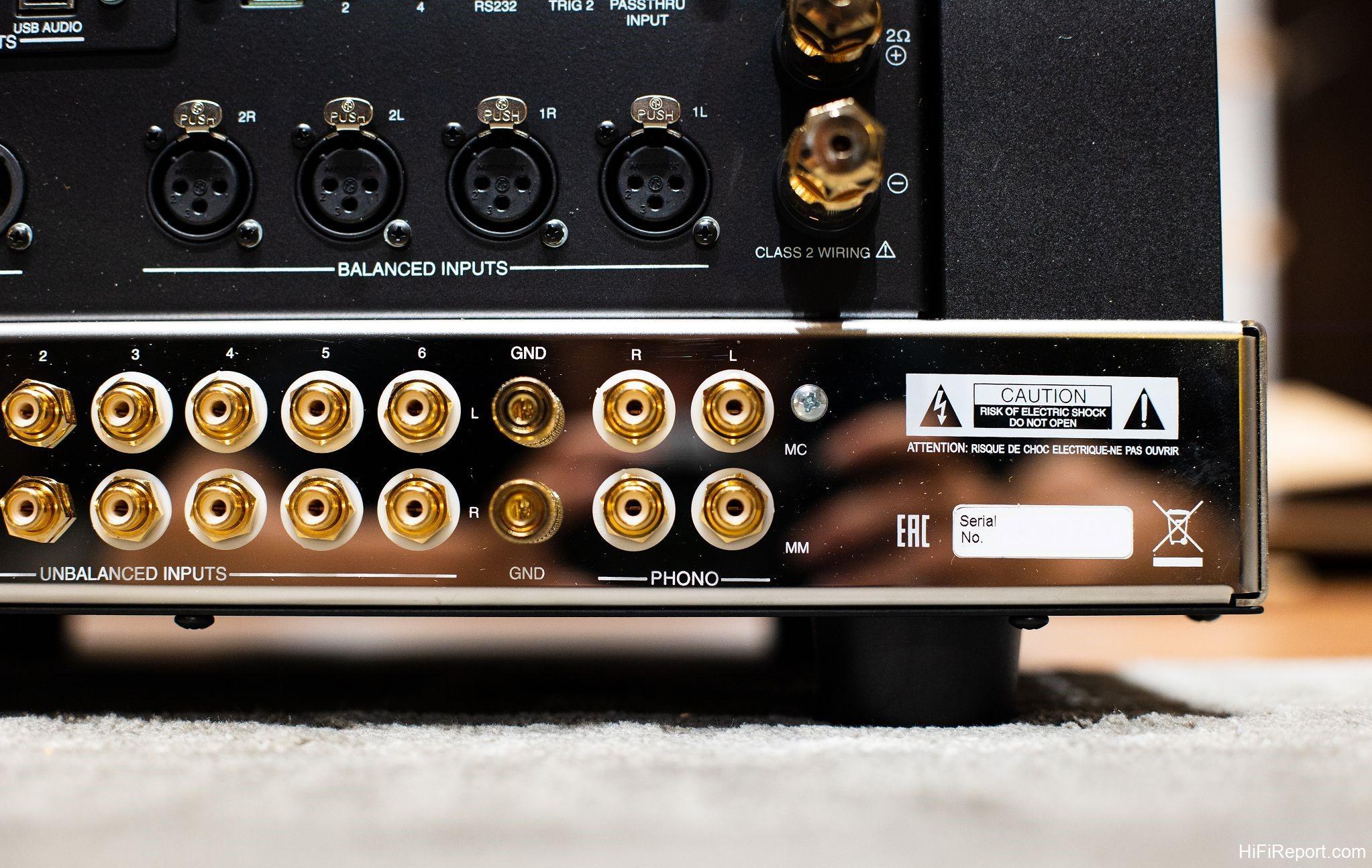
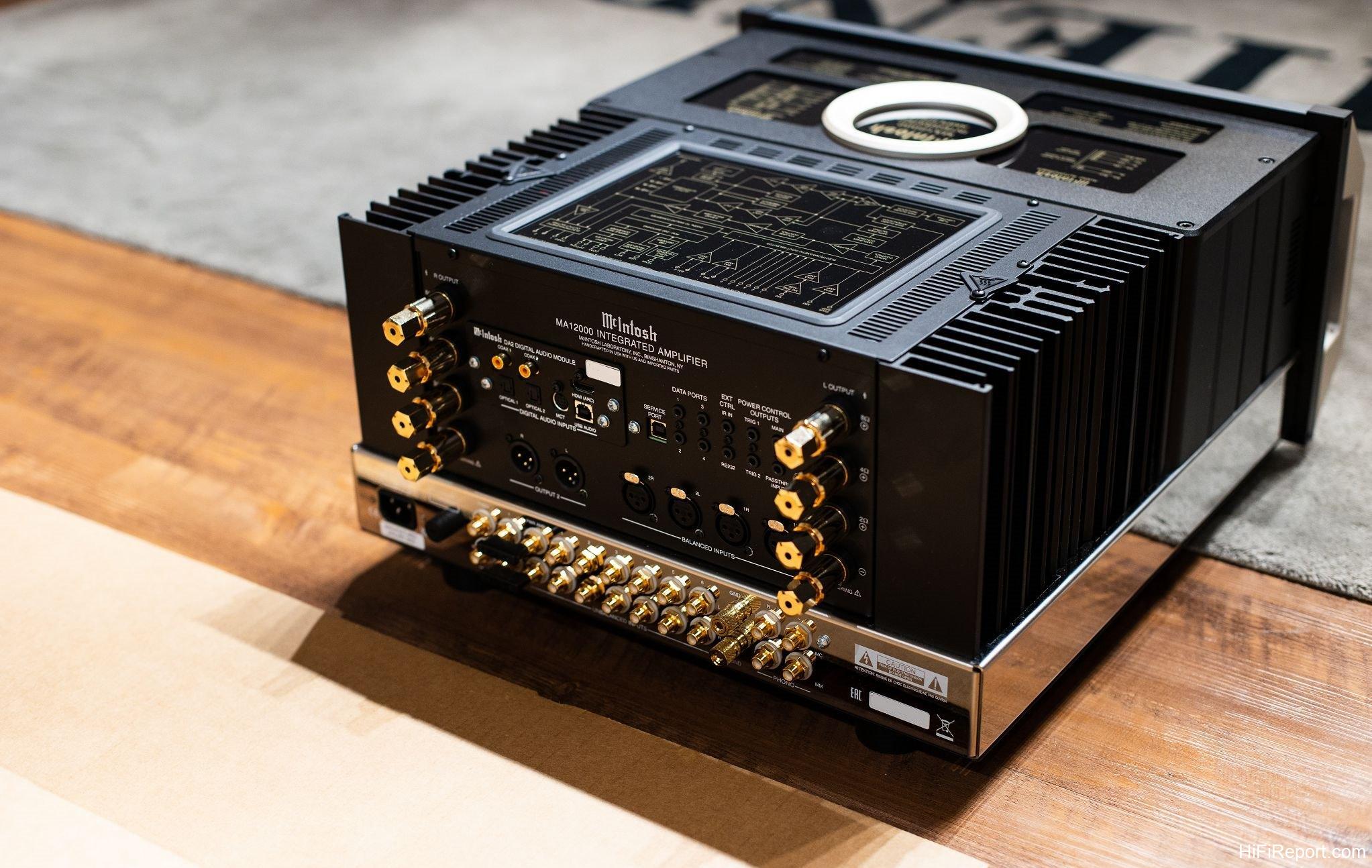
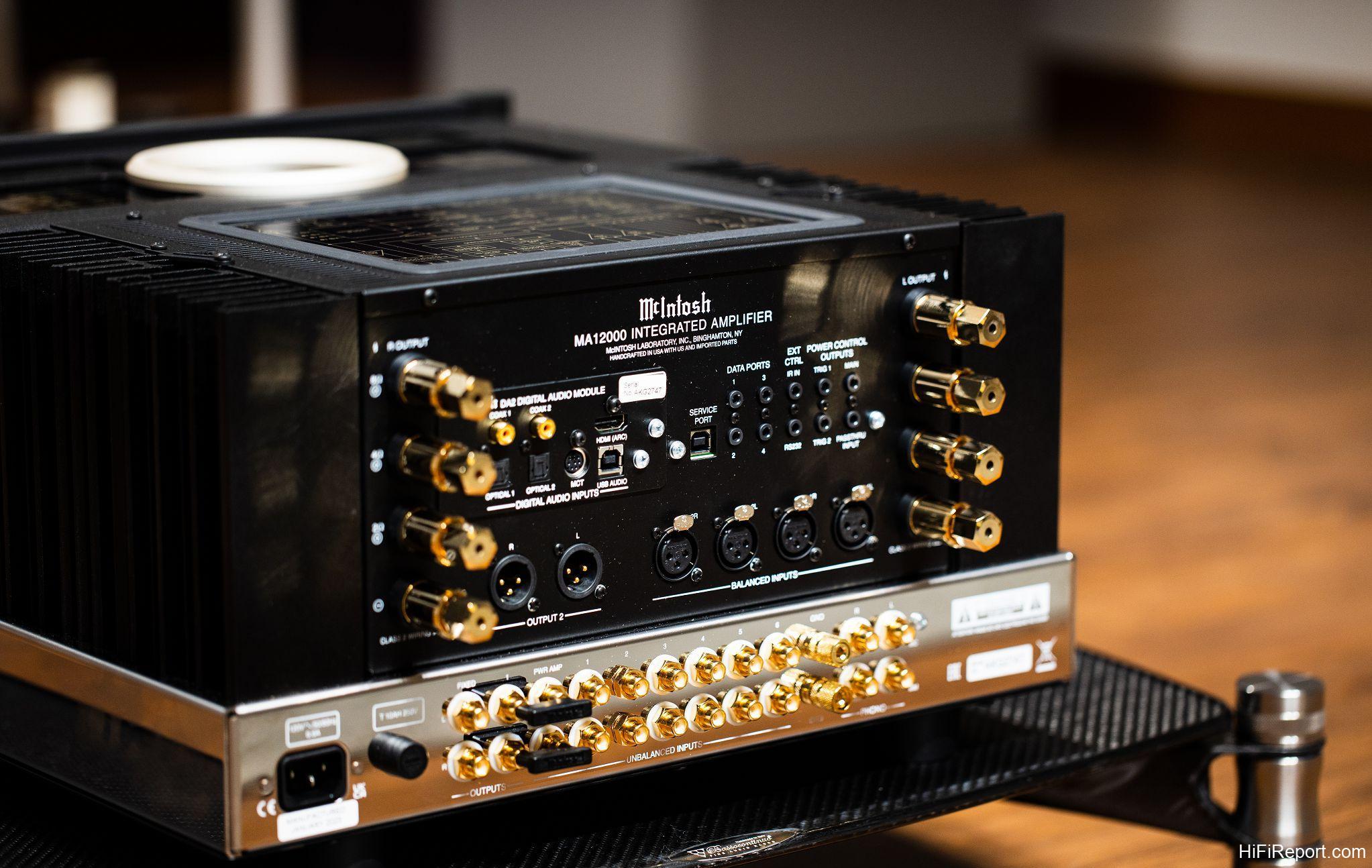
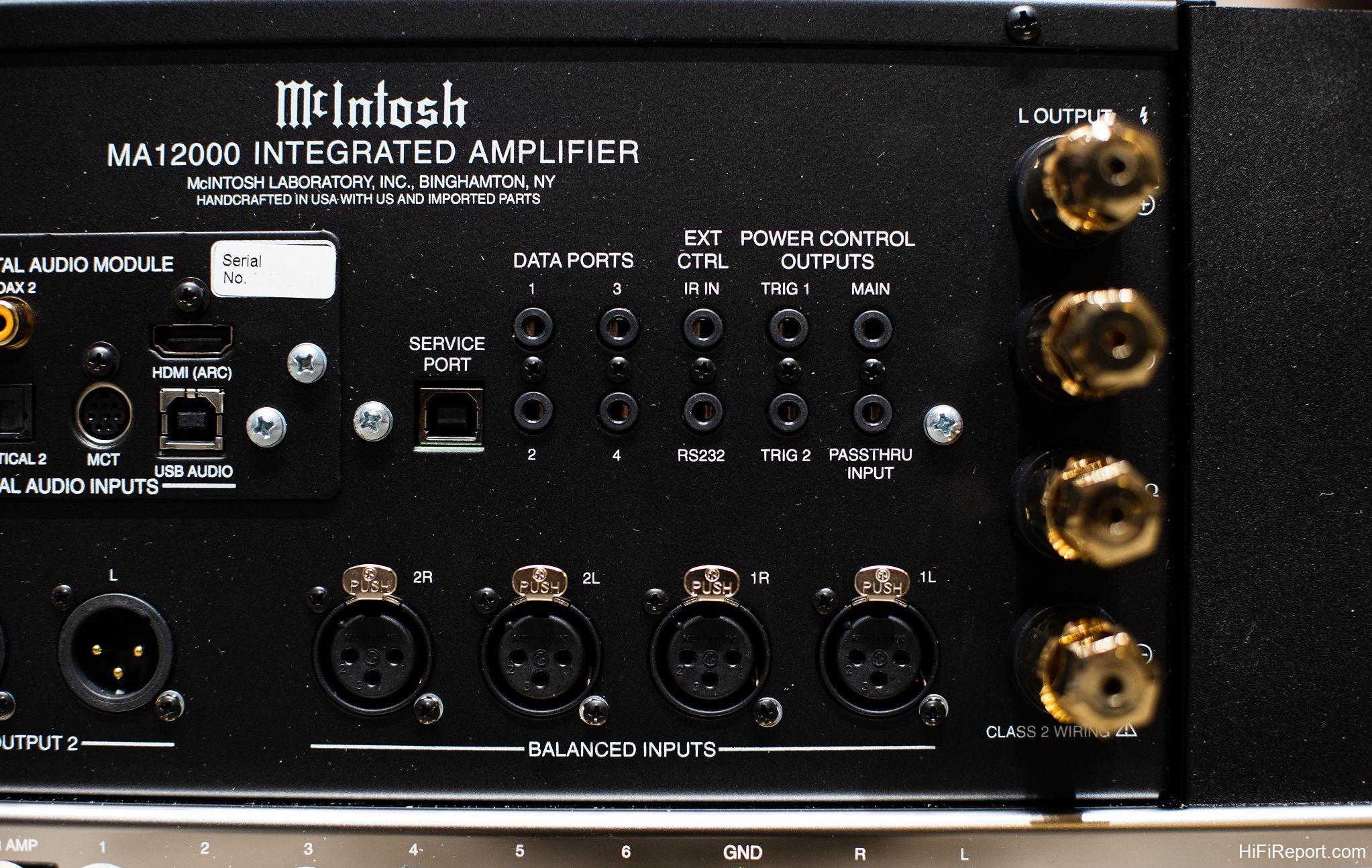
The McIntosh MA12000 presents a comprehensive array of inputs, encompassing virtually every source component one might commonly employ. With its integrated DAC, all digital audio can be routed through its digital inputs for internal decoding. The USB input accommodates computers and high-end network streamers, while optical and coaxial inputs cater to CD transports. Analog connectivity is equally generous, featuring both single-ended RCA and balanced XLR inputs.
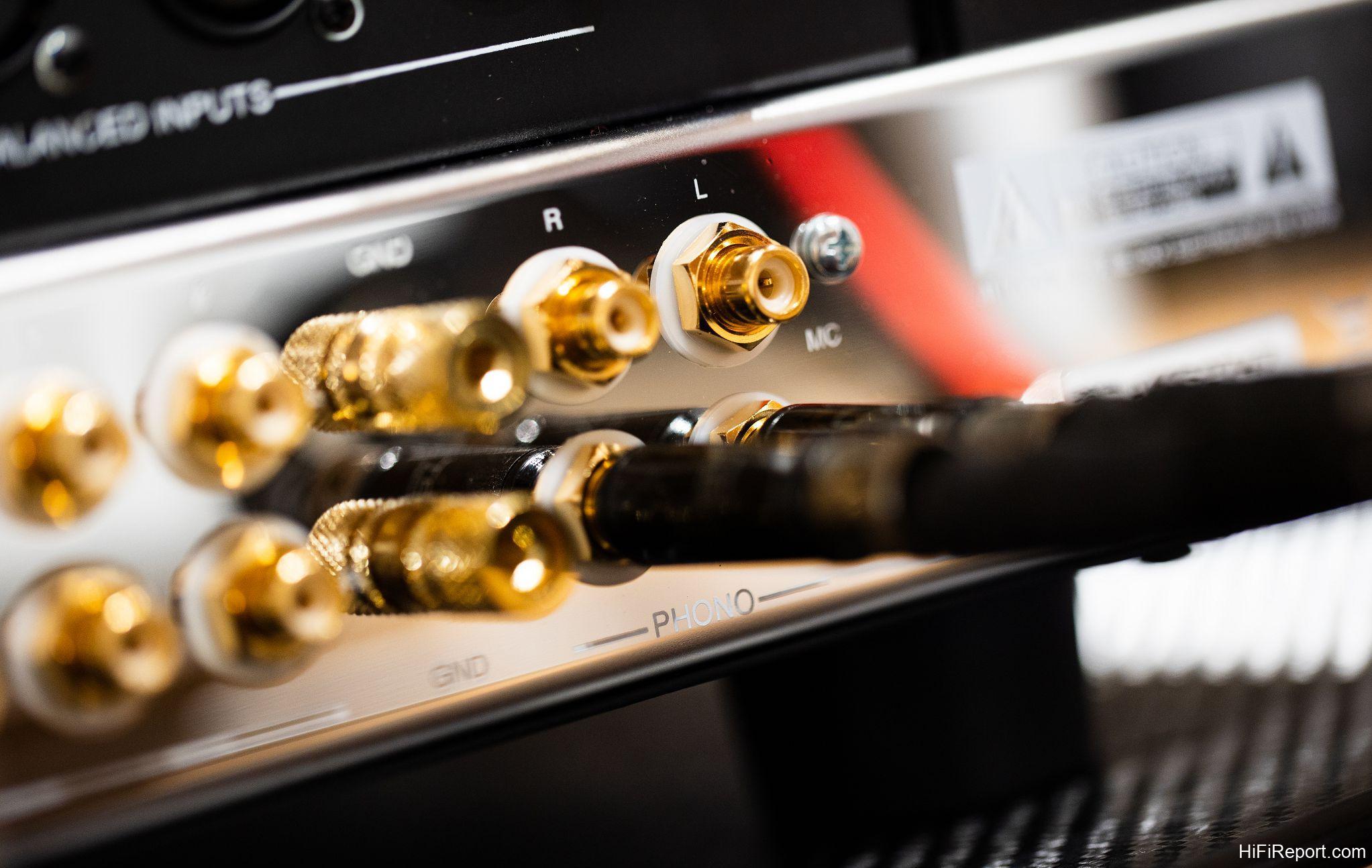
For users possessing an outboard DAC of exceptional caliber, analog signals can be directly fed into the MA12000, bypassing the internal digital stage. Integration with external preamplifiers or power amplifiers is also readily facilitated. Furthermore, dedicated MM and MC phono inputs eliminate the necessity for a separate phono preamplifier when connecting a turntable.
A headphone output is also provided, and having experience with the McIntosh MHA150 headphone amplifier, we are well-acquainted with their headphone amplification prowess. The MA12000’s headphone stage is not merely a perfunctory addition, but rather incorporates genuine McIntosh headphone amplifier technology, offering headphone driving capability on par with dedicated headphone amplifiers.
All You Need
For our listening evaluation, we initiated playback through a network streamer connected to the McIntosh MA12000 via USB, entrusting it to manage all subsequent processing and amplification. The USB interface offers the advantage of supporting the highest file formats and sampling rates, exceeding the bandwidth limitations of conventional optical and coaxial connections.
Moreover, USB has become virtually ubiquitous on network streamers, with many models incorporating specific optimizations for USB audio transmission. Using Gregory Porter’s “Liquid Spirit” as a reference, the MA12000 revealed a sonic character that is both invitingly warm and remarkably detailed. Porter’s vocals were rendered with a rich, comforting warmth, yet the nuances of his phrasing and subtle vocal inflections remained impeccably clear.
This immediately illuminated the rationale behind the hybrid tube-solid-state design; it masterfully embodies the strengths of both topologies. Another notable attribute was the exceptionally tranquil and pristine background, contributing to an overall sonic purity and transparency. The clarity and layering of the soundstage emerged organically, readily apparent even in the relaxed ambiance of jazz, and becoming even more pronounced with recordings possessing heightened spatial cues.
Moving to dynamics and power, McIntosh is frequently lauded for its prowess in speaker control, effortlessly rendering musical dynamics and delivering substantial power. However, my impression is that the MA12000 imparts a power that is more refined and assured than overtly forceful or unrestrained. Listeners are enveloped in a potent yet comfortable sonic experience, devoid of harshness or fatigue, unlike the sometimes overwhelming impact of brute force.
Capable Phono Stage
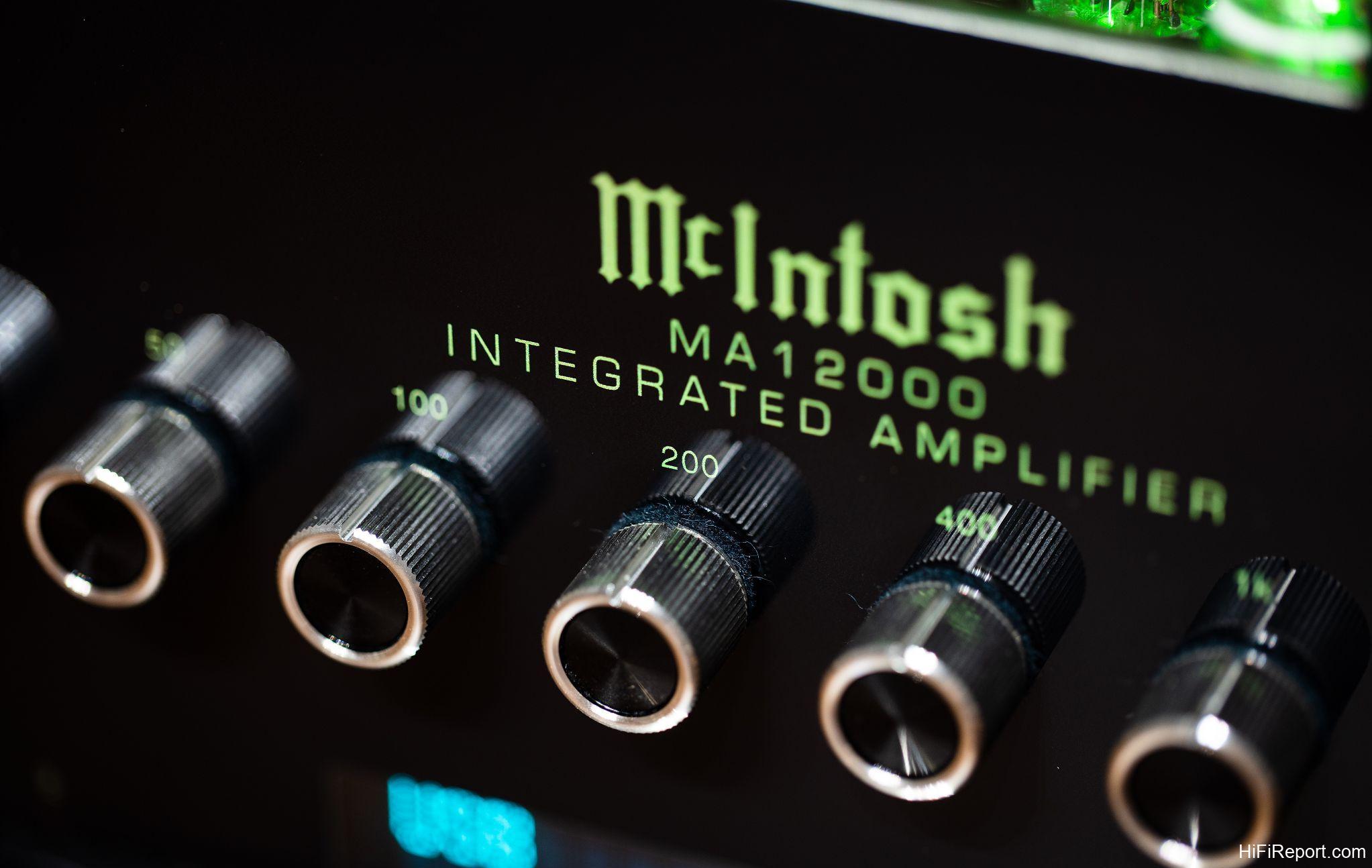
Subsequently, we connected our turntable to evaluate the phono stage. The MA12000’s MM input offers adjustable capacitance settings, ranging from 50 pF to 400 pF. Experimenting with different capacitance values demonstrably alters the sonic presentation, a phenomenon intrinsically linked to the chosen cartridge and overall system synergy. We found the optimal balance within the 200 pF to 300 pF range, yielding a highly pleasing listening experience.
Lower capacitance settings tended towards a more energetic but also noisier presentation, while higher values resulted in a more composed sound, albeit with a slight reduction in vibrancy. For MC cartridges, adjustable impedance loading is provided, offering a range from 50 ohms to 1000 ohms. Spinning Daft Punk’s “Random Access Memories,” the sonic character remained consistent with our digital source impressions: clear, transparent, and possessing a gentle warmth.
The MA12000 effortlessly handled the album’s dynamic passages, exhibiting tonal qualities and overall characteristics remarkably similar to those experienced with digital playback. The performance was consistently composed and assured. If the digital source performance were to be rated at 100 points, the phono stage would confidently score approximately 80 points, a testament to the commendable quality and capabilities of this integrated phono module.
Contrasting Yet Cohesive Sound (Wacko Wang)
Our evaluation subject is the McIntosh MA12000 vacuum tube and solid-state integrated amplifier. We commenced our listening with Rhys Lewis’s “Under the Sun (Acoustic)” as a reference track. The immediate impression was of an exceptionally pristine background, not a stark black void or sterile white, but rather a boundless expanse of transparency. Subsequently, vocals materialized with palpable presence, seemingly coalescing right before us, possessing a tangible sense of solidity.
The sonic delivery was remarkably fluid and contoured, the sinuous vocal lines exhibiting a smoothness and captivating allure.
Instrumental textures were equally captivating and comfortable, characterized by striking sonic contrast. From the crisp, subtle percussive elements in the background, the overall sonic presentation took on a vibrant clarity. Intermittent piano chords emerged with a full-bodied, almost succulent richness. This interplay between crispness and lushness, seemingly disparate qualities, yielded a remarkably nuanced and multi-layered experience.
Examples included the subtly vibrating, rapidly blooming yet instantly controlled resonance of strings, the occasionally bright, occasionally deep thrum of plucked strings, and the undulating, smooth warmth of the vocals. Despite the relatively simple and unostentatious musical arrangement, the overall sonic tapestry felt remarkably complete and fulfilling.
Rhythms pulsed and shimmered, and melodies danced with buoyant energy, creating an engaging and slightly playful musical experience that proved utterly captivating.
Elevated Volume, Enhanced Immersion
Transitioning to Harry Styles’s “Falling,” we observed that the McIntosh MA12000 imbued each sonic element with distinct character. The piano textures, ranging from lighter, more ethereal notes to comparatively grounded chords, were both rendered with fullness, yet subtle gradations in weight and density were discernible.
Neither exhibited an overly brilliant sheen; instead, a more understated, nuanced presentation evoked the image of faint glimmers of light emerging from darkness, akin to intentionally unfocused fireflies along a nighttime stream. This characteristic extended beyond piano; vocals too possessed a similar quality. Whether robust and full-bodied or strained and raspy, both vocal styles retained a comfortable quality.
The nuanced variations in vocal delivery created a sense of depth and spatial relationship between listener and vocalist. The song’s overall ambiance was imbued with a tranquil yet subtly evocative charm, conveying a hint of the track’s underlying melancholic and vulnerable sentiment.
Rich Tonal Palette
Next, we turned to Boyce Avenue and Mia Black’s collaborative rendition of “I Hope You Dance.” Again, even at elevated listening levels, the music remained entirely comfortable, while the individual sonic elements gained a palpable three-dimensionality. Each sound, each instrument, possessed an undeniable fullness and solidity, demanding attention. The opening plucked guitar notes, for instance, were rendered with considerable force, each downward strum resonating with palpable impact.
The overall sonic character of this track leaned slightly towards richness, but this richness was expertly controlled, avoiding any sense of congestion or thickness. The precisely managed tonal density allowed for a nuanced appreciation of the sonic flavors.
Mia Black’s vocals were rendered with striking prominence by the McIntosh MA12000. Her voice possessed a commanding presence, yet without resorting to overt aggressiveness or brashness. Even amidst richly textured passages or densely instrumented sections, her vocal form remained distinctly defined and solid. As the song progressed into passages featuring a confluence of instruments and vocals, the sonic landscape became richly variegated.
Despite this abundance of sonic information, no individual instrument’s detail was obscured. Even fleeting nuances, like the momentary glint of guitar strings within the complex mix, were rendered with clarity. The amplifier’s transient response also impressed, exhibiting rapid attack and decay.
During the song’s outro, synchronized with percussive guitar body taps, any lingering sonic residue was instantly extinguished, creating a dramatic and abrupt silence before the rich ambiance returned, resulting in a captivating and sonically arresting conclusion.
Exclusive Headphone Performance
To conclude our evaluation, we assessed the McIntosh MA12000’s headphone performance using Adele’s “Someone Like You.” Upon donning headphones, the sensation of sonic purity, focus, and fullness intensified. The piano, in particular, stood out. While headphone listening inherently lacks the expansive soundstage of loudspeakers, the piano’s mid-to-high frequencies were rendered with a rounded, luminous quality.
The lower registers resonated with a captivating depth and texture, reminiscent of a bullet piercing water, slowly descending while generating a continuous stream of fine bubbles—both focused and sustained. This evoked an almost visual impression of piano keys being gracefully and rhythmically depressed. Combined with Adele’s vocals, which seemed to permeate the entire soundscape, the headphone experience paradoxically conveyed a sense of boundless, pristine spaciousness.
Paired with headphones, the McIntosh MA12000 created an intensely intimate sonic experience. Sounds seemed to originate directly within the listener’s mind, intimately enveloping and surrounding. It offered an unprecedented proximity to Adele’s vocal delivery and the sustained piano chords. The level of detail retrieval was remarkable; subtle nuances like Adele’s tongue articulations and vocal modulations, even the faintest inhalations, were rendered with pristine clarity.
The cumulative effect was one of unparalleled sonic luxury, akin to being seated in a private VIP suite, witnessing a bespoke performance crafted exclusively for the listener – a truly tailored, live concert experience in miniature.
Specifications
* Design: Hybrid Tube Preamplifier, Solid-State Power Amplifier
* Power Output: 350W per channel (2, 4, or 8 Ohms)
* Preamplifier Tubes: 4 x 12AX7A
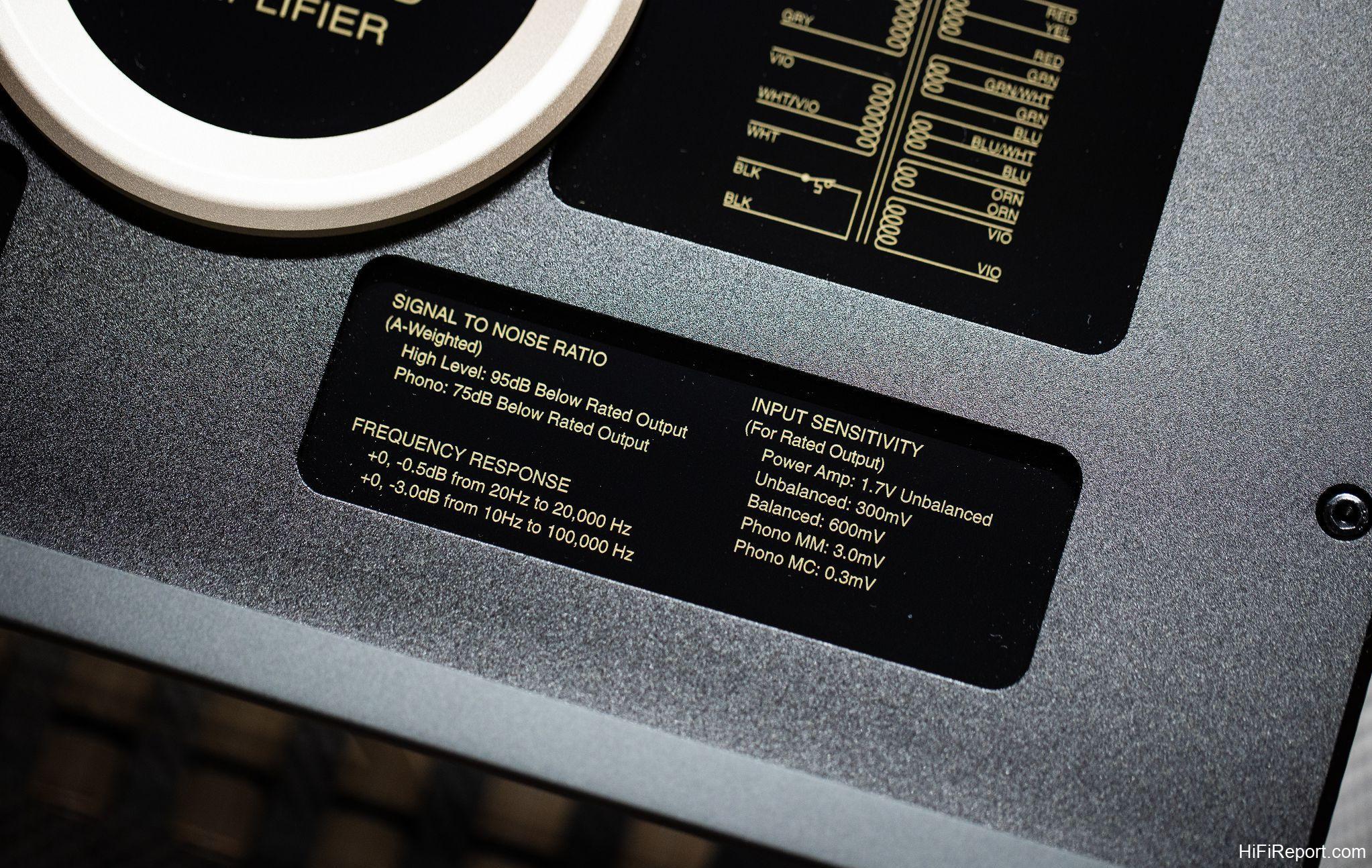
* Frequency Response: 20Hz to 20kHz (+0,-0.5dB)
* Analog Inputs: 2 x XLR, 6 x RCA
* Analog Outputs: 1 x XLR, 1 x RCA
* Digital Inputs: USB, MCT, 2 x Optical, 2 x Coaxial, HDMI (ARC)
* Phono Input: MM/MC x 1 (Adjustable Impedance)
* Headphone Output: 1/4″ High Drive with Headphone Crossfeed Director (HXD®)
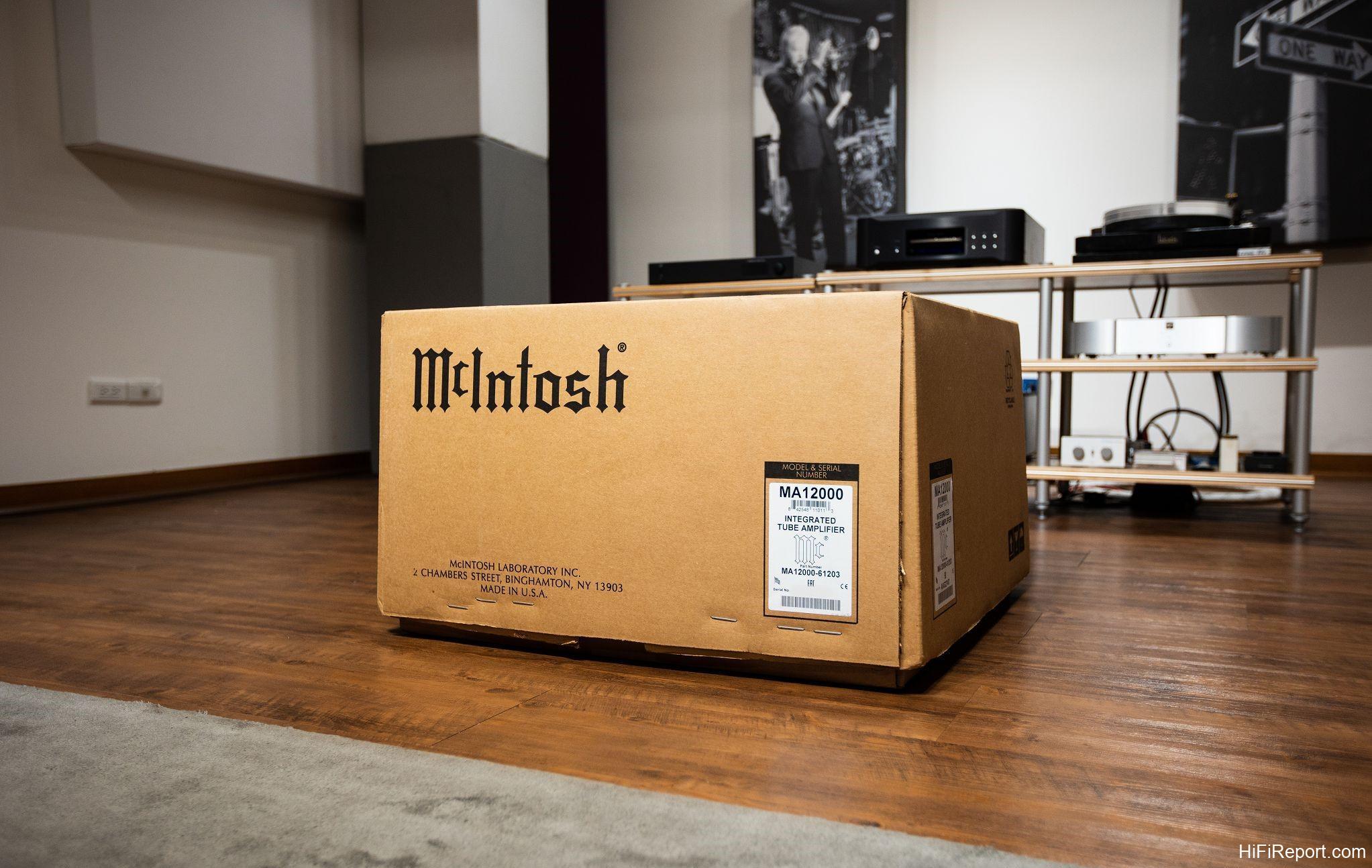
* Dimensions: 44.5 cm (Width) x 24 cm (Height) x 50.2 cm (Depth)
* Weight: 48.9 kg