
M&K SOUND X10+ Flagship Subwoofer Review
Founded by the “father of the subwoofer,” Ken Kreisel, Danish brand M&K SOUND (Miller & Kreisel) is approaching its 50th anniversary. M&K’s subwoofers and multi-channel systems have long been the top choice for audiophiles. The sound performance of a system built with M&K is practically guaranteed to be exceptional. We are thrilled to have the rare opportunity, arranged by local M&K distributor Richcoln Company, to review two of the latest X10+ subwoofers.
MY-HiEND has always focused on two-channel audio, and subwoofer reviews have been infrequent, likely fewer than five in the past 20 years. This occasion, featuring not just one but two subwoofers, is truly a first for MY-HiEND.
Setting aside multi-channel home theater for a moment, low frequencies are notoriously challenging to handle in two-channel systems. Common issues include insufficient bass, excessive low-frequency standing waves, and lack of deep bass extension. Some problems stem from room acoustics, others from system components, speaker design, or even placement and setup. Achieving ideal low and ultra-low frequency reproduction in a two-channel setup is a significant undertaking.
Some users employ preamps or DACs with EQ equalization or room optimization, which can be effective solutions. However, these approaches are still limited by the specifications and capabilities of the equipment itself. Adding a dedicated subwoofer is the most direct approach. Some enthusiasts even find one subwoofer insufficient and opt for two, four, six, or even more.
The advantage of using multiple subwoofers is that to reproduce the original volume, each subwoofer needs to output less, significantly reducing distortion and naturally enhancing overall performance.
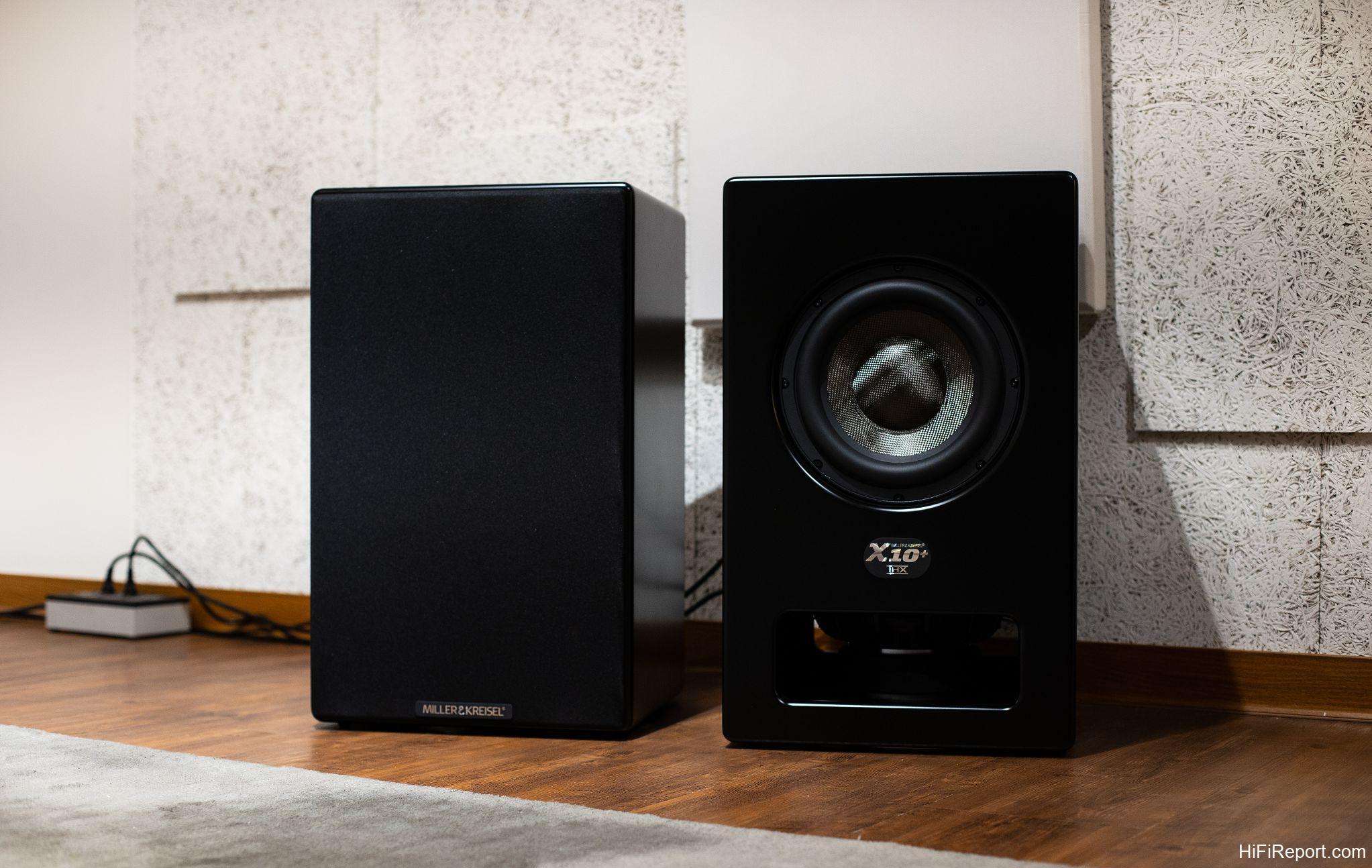
Miller & Kreisel: The Full Name on the Grille Badge
THX Certification Levels: X10+ is THX Select, X12+ is THX Ultra, X15+ is THX Dominus
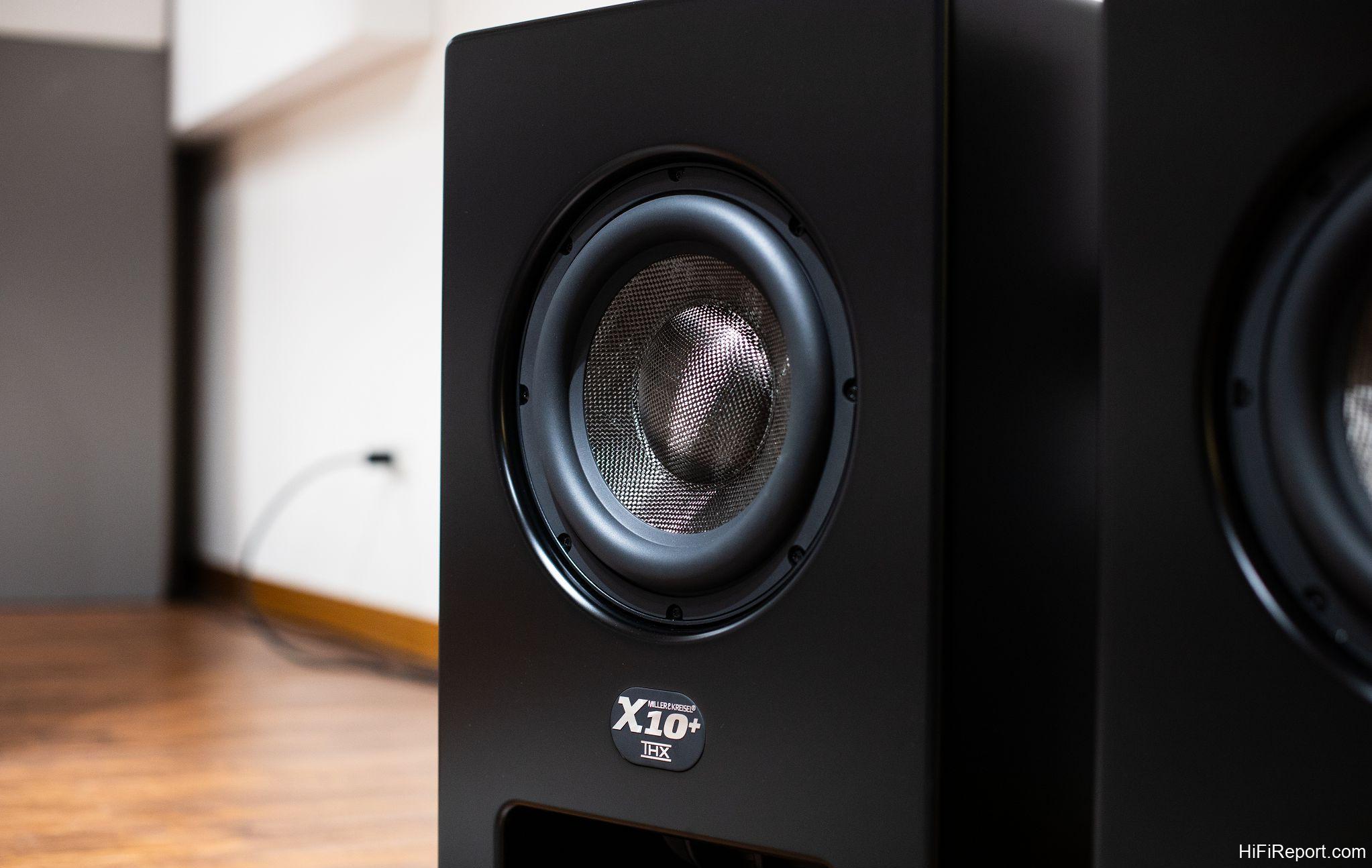
X+ is M&K’s newly released flagship subwoofer series, comprising three models: X15+, X12+, and X10+. These feature 15″, 12″, and 10″ woofers respectively. A 10″ driver is already quite substantial. MY-HiEND’s reference speakers, the Marten Django XL, utilize three 8″ woofers, potentially allowing for smoother integration than with larger 12″ or 15″ drivers. This might be one reason why the X10+ was chosen for this review.
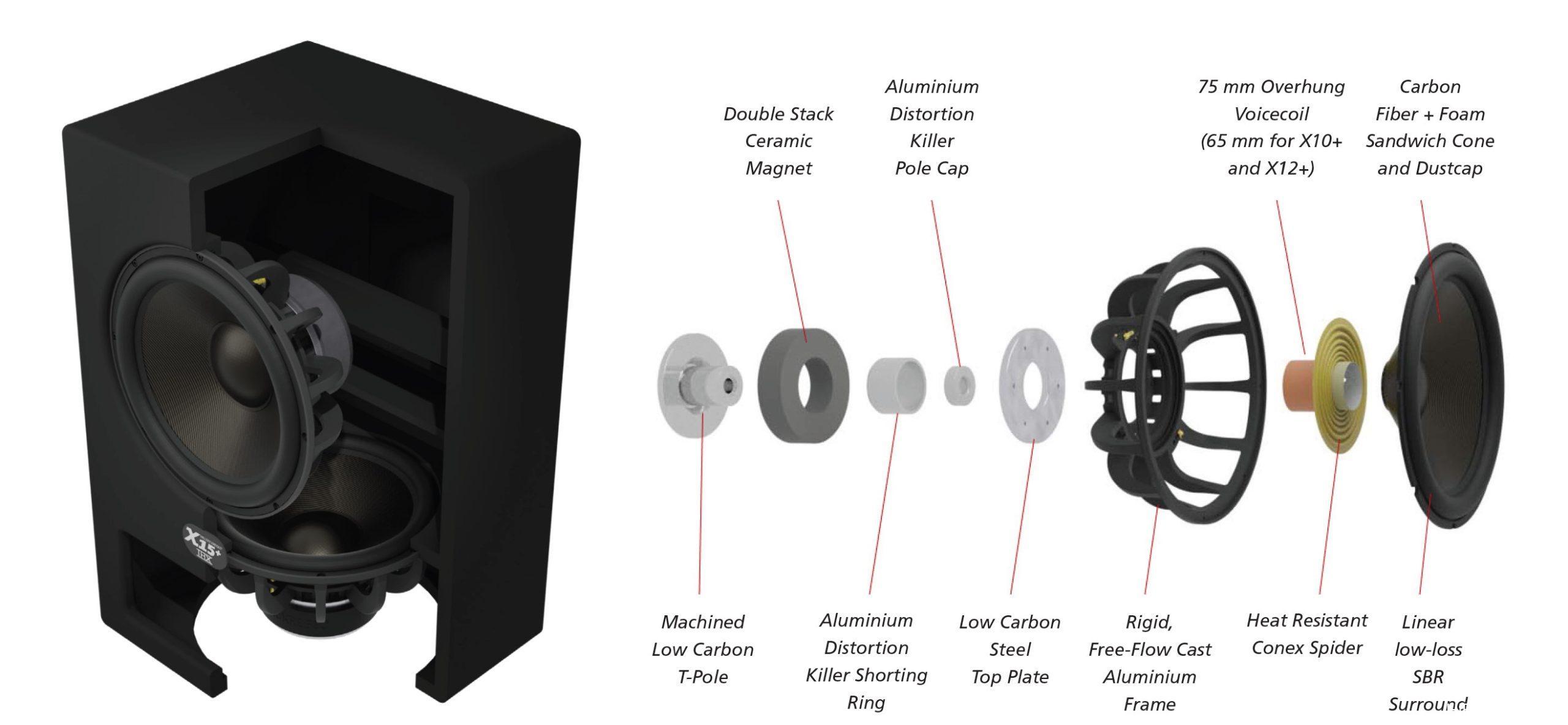
While the cabinet structure of the new X+ series appears similar to its predecessor, the MDF panel thickness has been increased from 22mm to 25mm. The X+ series adopts a completely new carbon fiber composite driver, which is lighter and more rigid. This is key to achieving improved speed and responsiveness despite the larger driver size compared to previous generations.
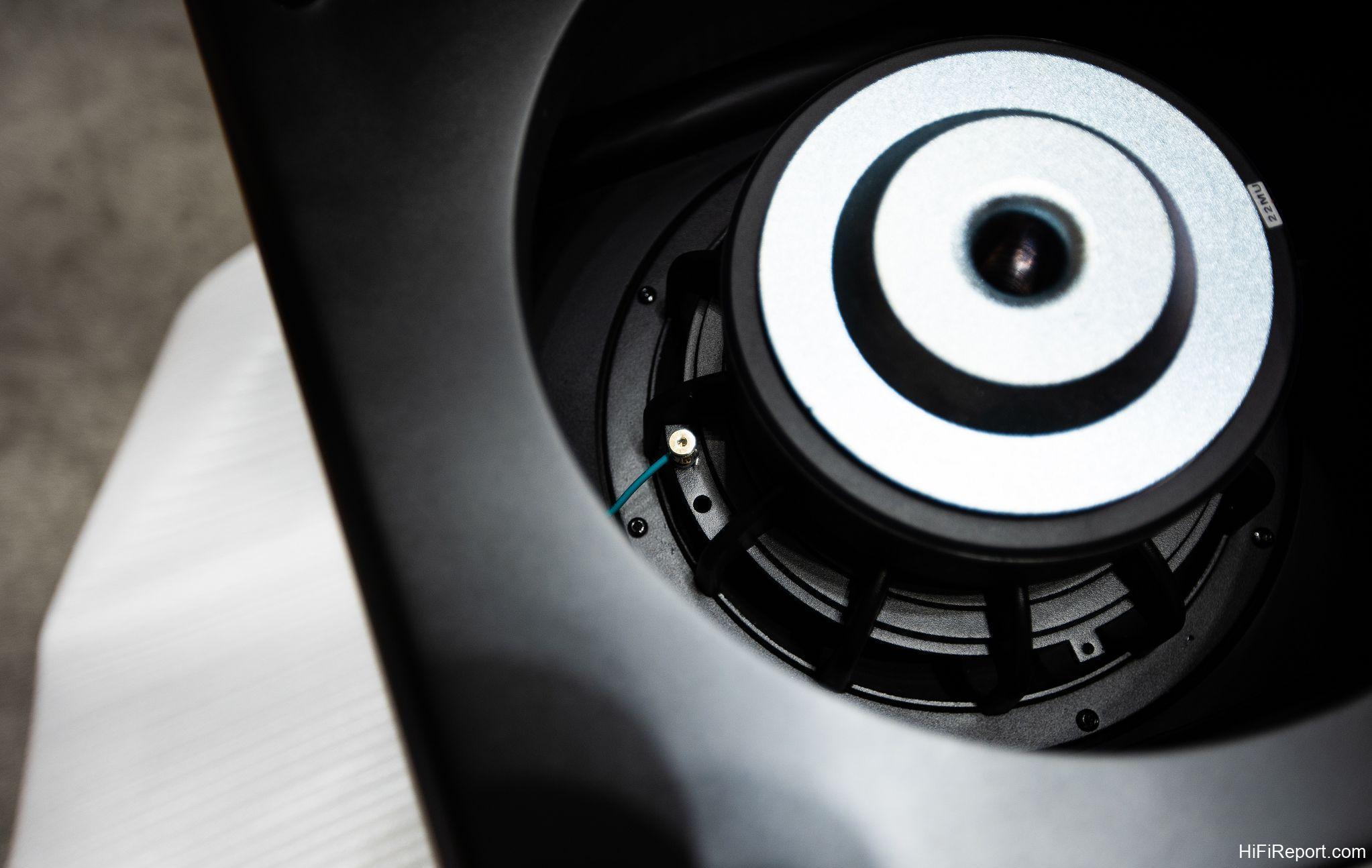
All driver components are also newly designed, resulting in a significantly heavier overall weight for the X+ series compared to the previous X series. Upon closer inspection of the X10+, beyond the front-facing 10″ driver, another identical driver is concealed at the bottom, firing upwards in an inverted phase.
This embodies M&K’s “Push-Pull” configuration and “Reversed Double Driver” design, effectively eliminating unwanted resonance and achieving the purest, most responsive low-frequency reproduction. The X10+ incorporates a high-quality 600W amplifier with a peak power of 1200W, nearly double that of its predecessor.
Dual 10″ Drivers for Optimal Performance: One in the Base for Push-Pull, Inverted Phase Operation
X15+ Cabinet and Driver Structure: Identical to X10+, Just Smaller Dimensions
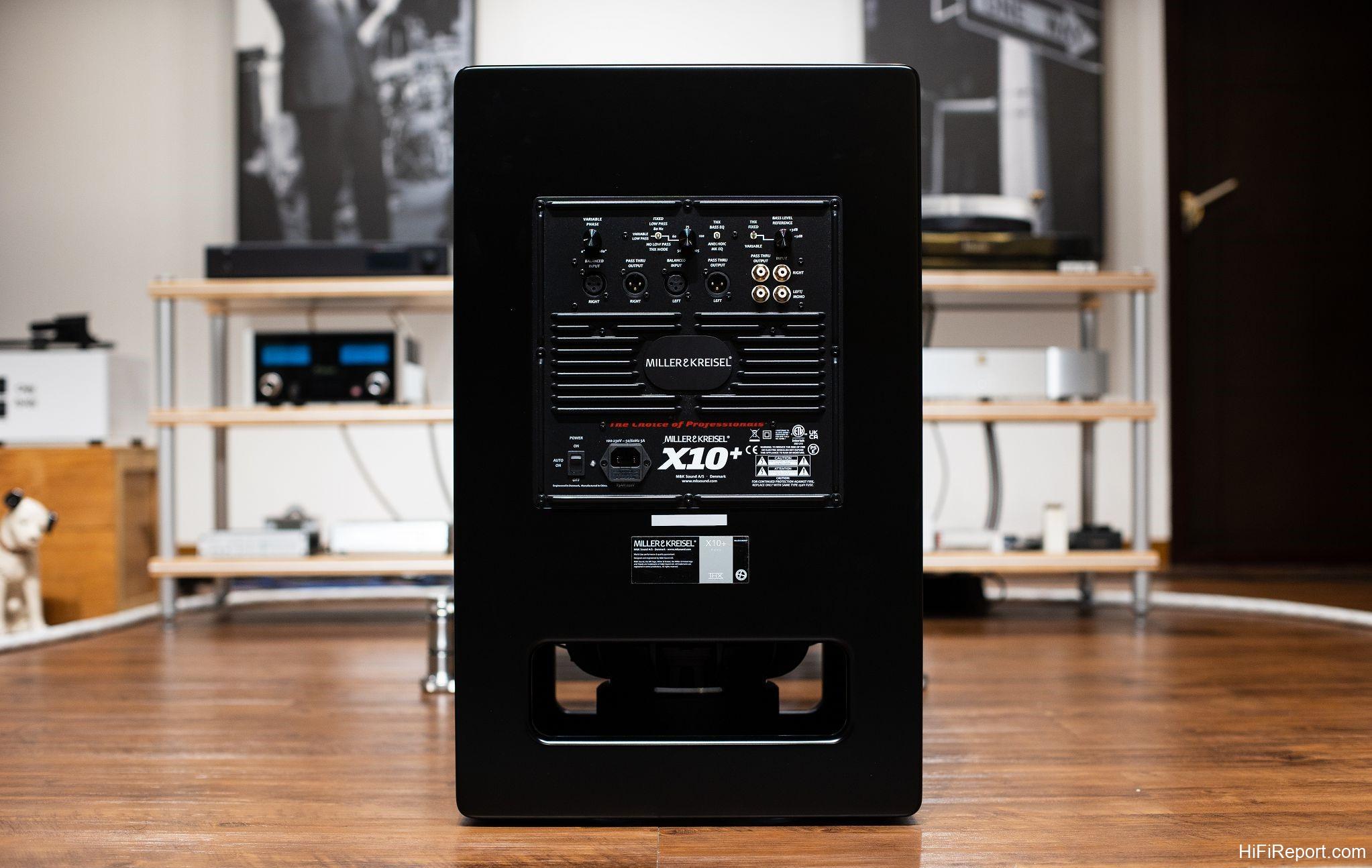
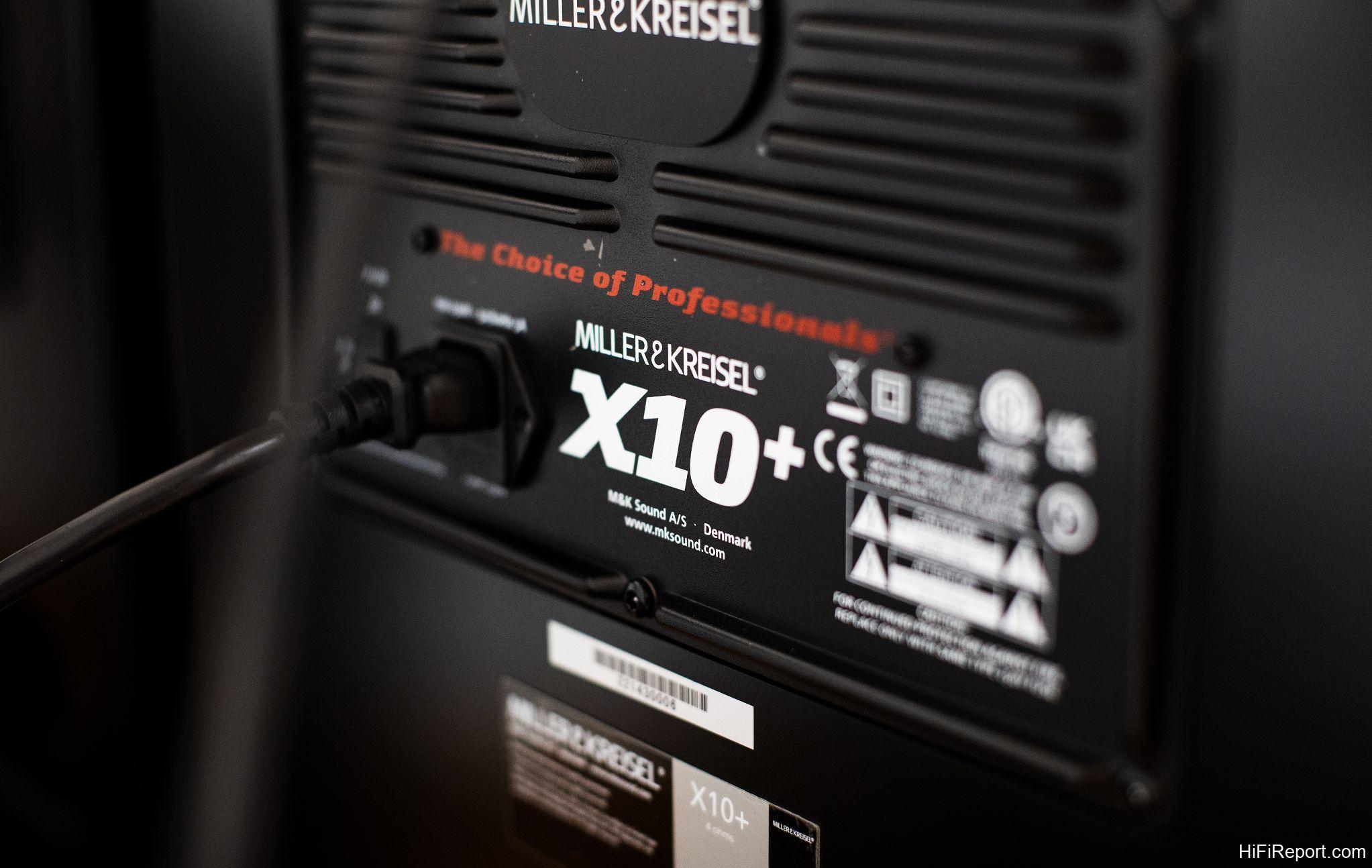
X10+ Rear Panel: Similar to Previous Generation, with RCA and XLR Inputs/PASS THRU, Adjustable Phase, Low-Pass Filter, and Volume
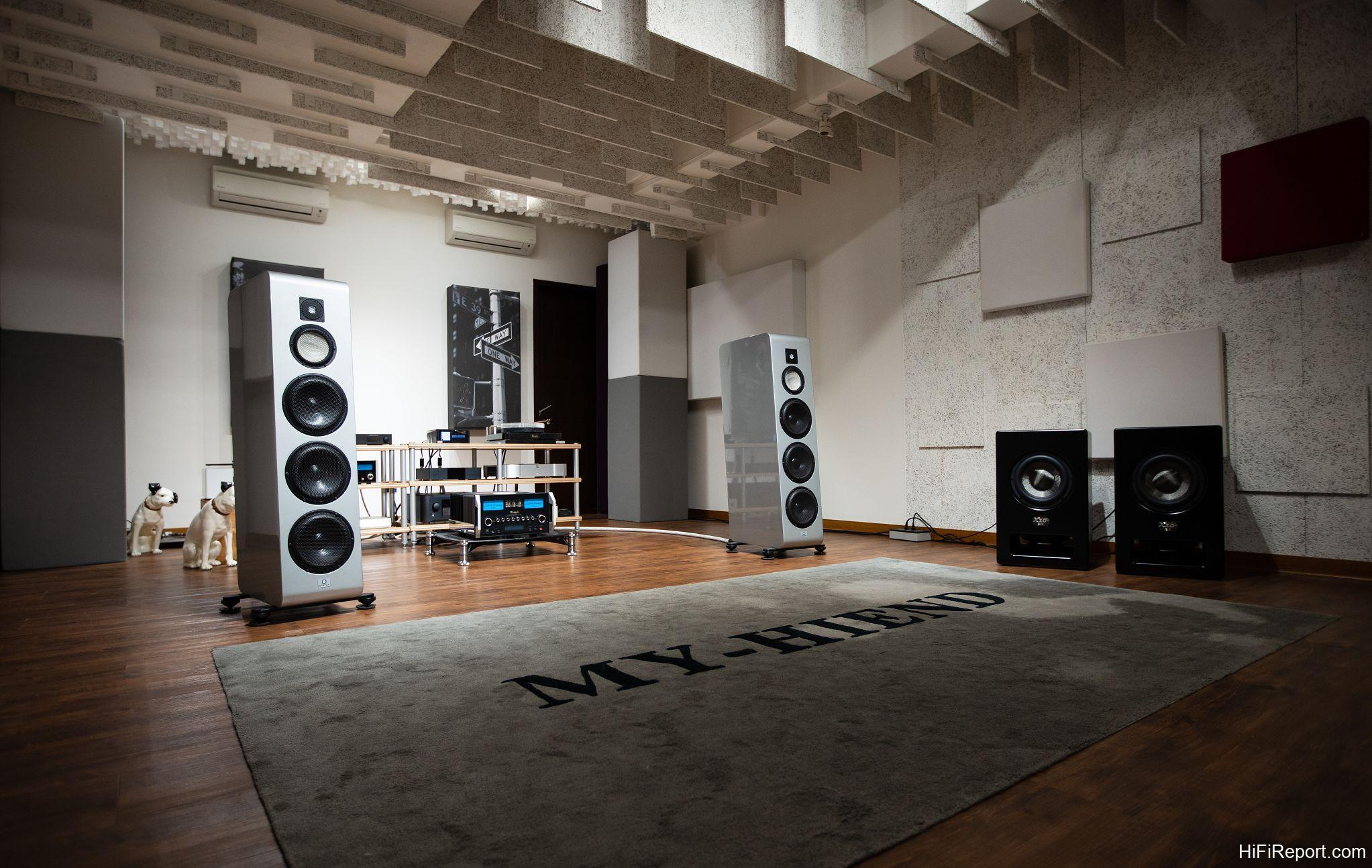
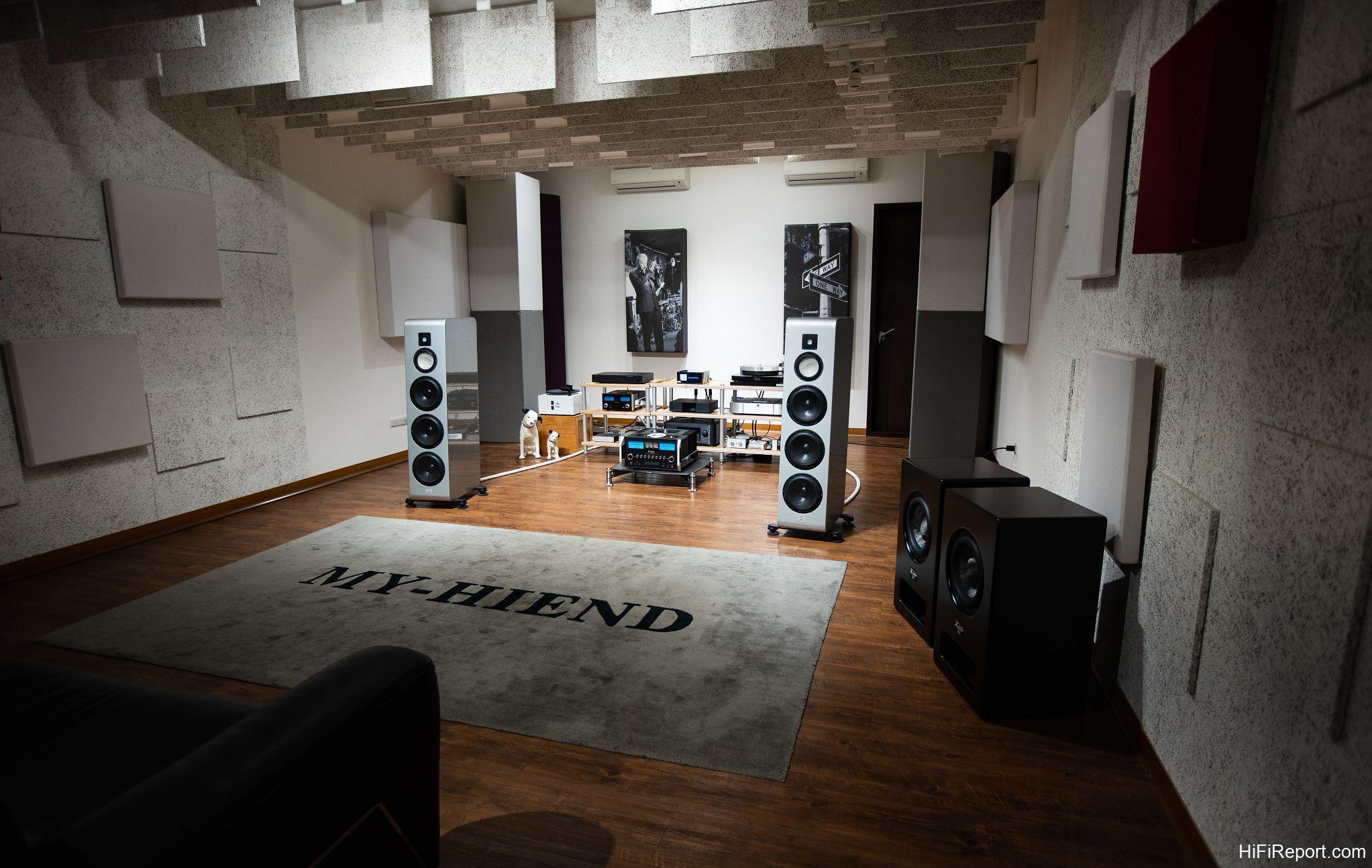
Where is the best placement for two X10+ subwoofers, and how should they be configured? After using measurement software to identify locations with a relatively flat overall frequency response, we fine-tuned the placement by ear with several music tracks. The final positions, as shown in the photos, sounded remarkably natural and pleasing to us. While basic principles and measurements offer guidance, practical listening is paramount in subwoofer placement and adjustment.
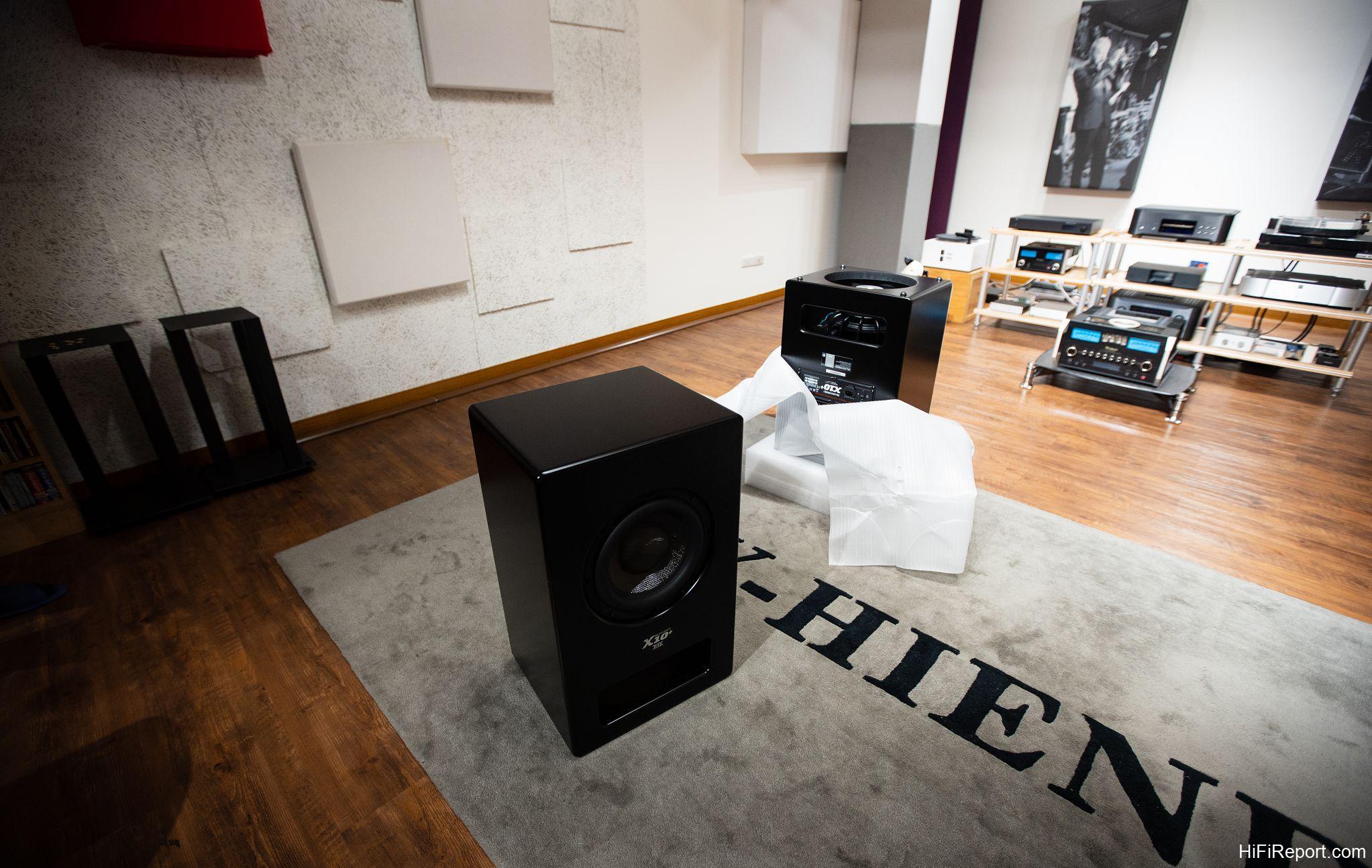
Continuous experimentation and fine-tuning are the keys to achieving optimal sound.
Digital Advancement Simplifies Operation (Ted Chan)
In the past, some enthusiasts experimented with adding subwoofers to two-channel pure music setups, but it didn’t become widespread. This could be attributed to limited information and fewer compatible options at the time. In recent years, with the introduction of many high-quality subwoofers, interest in this configuration has resurfaced.
Advancements in digital equipment have also made it easier to set up crossovers digitally, alongside traditional subwoofer adjustments like crossover frequency, gain, and phase. Active subwoofer designs have become increasingly sophisticated and comprehensive. Moreover, the growing accessibility of free or professional measurement and simulation software has further fueled the rise of 2.1, 2.2, and even 2.N two-channel extended configurations.
Significant Improvement with Minimal Investment
The benefits of subwoofers for two-channel systems are substantial. Bookshelf speakers, inherently lacking in low frequencies, naturally gain the most, filling in previously unheard deep bass and adding weight. Floor-standing speakers also benefit significantly. For example, many flagship two-channel speaker models are four-piece systems, with two speaker cabinets dedicated as subwoofer columns.
While many audiophiles cannot afford or accommodate such four-piece systems, they still spend considerable sums on larger floor-standing speakers, largely in pursuit of better low-frequency performance. Midrange and high-frequency reproduction do not necessitate large cabinets. Even a 150cm tall floor-standing speaker might only utilize a small portion of its cabinet volume for the mid-high frequency drivers, with the rest designed for bass.
Employing subwoofers to handle low frequencies can directly save a significant amount of money. Subwoofers not only effortlessly generate low frequencies for floor-standing speakers but also allow for crossover settings to ease the workload on the main speakers. Relieving the main speaker drivers of ultra-low frequency duties can even result in cleaner, clearer midrange and enhanced mid-high frequency performance, as past experiences have shown.
User-Centric Design for Simplified Setup
Many users in the past might have felt lost when it came to subwoofer placement and setup. However, numerous measurement software options are now available, such as REW or even smartphone-based spectrum analyzers. For typical users, achieving a reasonable level of accuracy is sufficient. It’s about identifying and addressing any glaring frequency deficiencies or peaks, not necessarily striving for 100% precision.
Ultimately, listening and personal preference should guide the final setup, just like with two-channel main speaker placement. There are basic guidelines, but personal enjoyment is paramount, and someone else’s standards may not suit you. For this review, Richcoln’s experts handled the placement, crossover, gain, and phase settings of the two M&K X10+ subwoofers using software and listening tests. Our role was simply to listen and compare the before-and-after differences.
Subwoofers offer considerable setup flexibility. We inquired about placement considerations, and the experts explained that since subwoofers handle very low frequencies and are balanced with the main speaker volume, the primary goal is musical evenness. Therefore, placement focuses on avoiding standing waves and (compensating for) any deficiencies, while phase adjustment aligns the subwoofer’s sound arrival time with the main speakers at the listening position.
Effortlessly Enhanced Low-Frequency Performance
During listening sessions, we used familiar pure music tracks with substantial low-frequency content as references. First, we selected “Copland: Fanfare for the Common Man.” Our system already delivered ample bass for this piece. However, with the addition of the M&K X10+ subwoofers, the improvement was primarily in the spaciousness of the bass. The previously heard tension and slight lingering tail in the bass drum notes were gone.

The enhanced bass spaciousness also resulted in cleaner, more distinct frequency ranges overall. The sonic integration was seamless, with no sense of sound originating from separate speakers. The drum sound became more encompassing in the room, with improved clarity and subtle layering. The M&K X10+ subwoofers kept pace effortlessly, demonstrating ample headroom in both attack and decay.
Commanding Presence with Ease (Wacko Wang)
This review focuses on the Mk Sound X10+ subwoofer. I started by choosing a relatively epic track, “Wonder Woman: Wonder Woman’s Wrath” from the movie soundtrack. From the music’s opening, the grandeur was immediately apparent. The layering of drums and brass in the opening section, even at high volumes, was handled with composure by the M&K Sound X10+. As the volume was lowered for continued listening, the instruments and music retained their thunderous presence.
The presented low frequencies exhibited ample layering. As the drums in the music’s middle section became increasingly rapid and the volume gradually increased, the perceived soundstage moved from distant to near, creating a more three-dimensional sound field that felt like stepping forward into the music. In contrast to the preceding grandiosity, the low frequencies at the end were stable and weighty, lending a more refined quality to the music.
Unassuming and Realistic Reproduction
Next, I listened to Sam Smith’s “Stay With Me” as a reference. The drum sound was immediately perceived as solid, substantial, and airy. The M&K Sound X10+’s control over low frequencies and its ability to start and stop sounds with precision were impressive. The instrumental presentation became remarkably vivid. The bass frequencies, while not exaggerated when the drumstick struck, sounded more realistic. Clear details emerged, such as the solid feel of the drumstick and the drumhead’s rebound.
Both the impact of the strike and the drumhead’s vibration were rendered with lifelike detail.
The piano’s low frequencies enveloped the listening space with a rich sense of immersion. The sound spread naturally throughout the room, enveloping the mid and high frequencies and creating a sense of being surrounded by the music. This immersive quality, however, did not obscure any timbres. The low frequencies reproduced by the M&K Sound X10+ were natural and agreeable.
Vivid and Nuanced Low Frequencies
Moving on to Ed Sheeran’s “Photograph,” the M&K Sound X10+’s mastery of detail became apparent. The guitar intro exhibited clear detail and a richer, more textured sound, enhancing the realism of the presentation. The sensation of guitar strings being plucked was remarkably lifelike and natural. The texture and quality of the strings were conveyed through comfortable vibrations, adding a unique flavor to the listening experience.
When the drums, with their deeper bass frequencies, entered the mix, the overall integration remained seamless. The drums’ dynamic range was particularly well-rendered. The positions, distances, and impact of various drum surfaces were all vividly and deeply portrayed. The balance in the later section, where the drums blend with vocal harmonies, was excellent. Throughout the listening experience, the M&K Sound X10+’s bass consistently displayed a refined and delicate character.
Elevating Music to the Next Level
Finally, I concluded with Ed Sheeran’s “Dive.” The drums in this track felt more forceful than in the previous selections, revealing even greater detail. The sensation of drumsticks striking the drumheads was exceptionally lifelike, and the extended low frequencies of the drums were broader and deeper. The music’s sustain and decay were both satisfying. The extended low frequencies diffused appropriately into the background while maintaining control and avoiding muddiness.
For me, adding two M&K Sound X10+ subwoofers to my existing listening system’s low-frequency performance was not about creating an overwhelming, earth-shattering bass. Instead, it was about elevating the already excellent sound to a higher level, adding emotional depth to the music, enriching the sonic texture, and rendering a wider, deeper, and more sculpted soundstage.
M&K SOUND X10+ Subwoofer
* Design: Sealed Enclosure
* Frequency Response: 20-200 Hz (Average Response in Room +/- 3 dB)
* Frequency Roll-off:
* THX EQ: 20 Hz (-6 dB @ 20 Hz Nearfield)
* Anechoic EQ: 20 Hz (-6 dB @ 20 Hz Nearfield)
* Variable Low-Pass Filter: 40-125 Hz (Continuously Variable/4th Order)
* Low-Pass Filter: 40-200 Hz
* Fixed 80Hz Filter: Yes (Equivalent to THX 80Hz Ref Low Pass)
* Phase Adjustment: 0 – 180 degrees (Continuous)
* Inputs/Outputs: 2 x RCA phono, 2 x XLR
* Amplifier: 600 watts (0.5% THD at 300W into 4 ohms), 1200 watts Peak
* Dimensions: 64.7 x 40.0 x 34.0 cm
* Weight: 40.1 kg