
Monitor Audio Anthra W10 Review
The allure of subwoofers isn’t limited to home theater anymore; it’s spilling over into two-channel audio systems. Given the shrinking listening spaces common today, large floorstanding speakers are often impractical. Many turn to smaller bookshelf speakers instead, which inherently struggle to deliver full, impactful low frequencies.
Recognizing this, many integrated amplifiers now offer a subwoofer output, enabling enthusiasts to build 2.1 channel systems and compensate for the limitations of smaller speakers.
Introducing the Monitor Audio Anthra W10
As amplifier support for subwoofers has improved, users are demanding more from the subwoofers themselves in terms of performance and usability. Enter British speaker heavyweight Monitor Audio, breaking from their traditional Platinum and Gold series product lines to launch the Anthra series – a versatile range of active subwoofers designed for both theater and music applications.
The series comprises three models: Anthra W10, Anthra W12, and Anthra W15, corresponding to 10-inch, 12-inch, and 15-inch drivers, respectively. This review focuses on the Anthra W10. Although it’s the smallest in the lineup, its performance is equally impressive, making it particularly well-suited for small to medium-sized rooms.
Driver Technology and Amplification
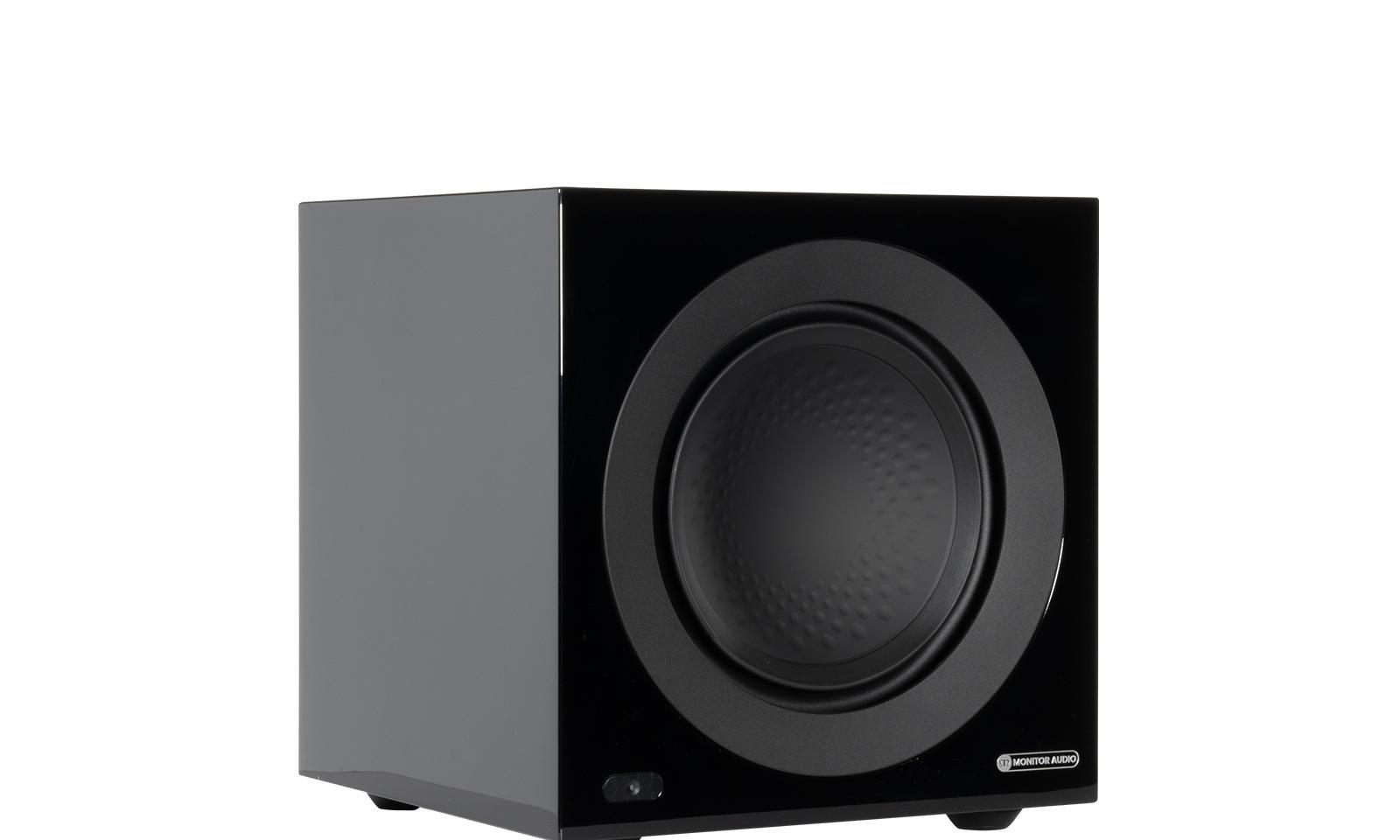
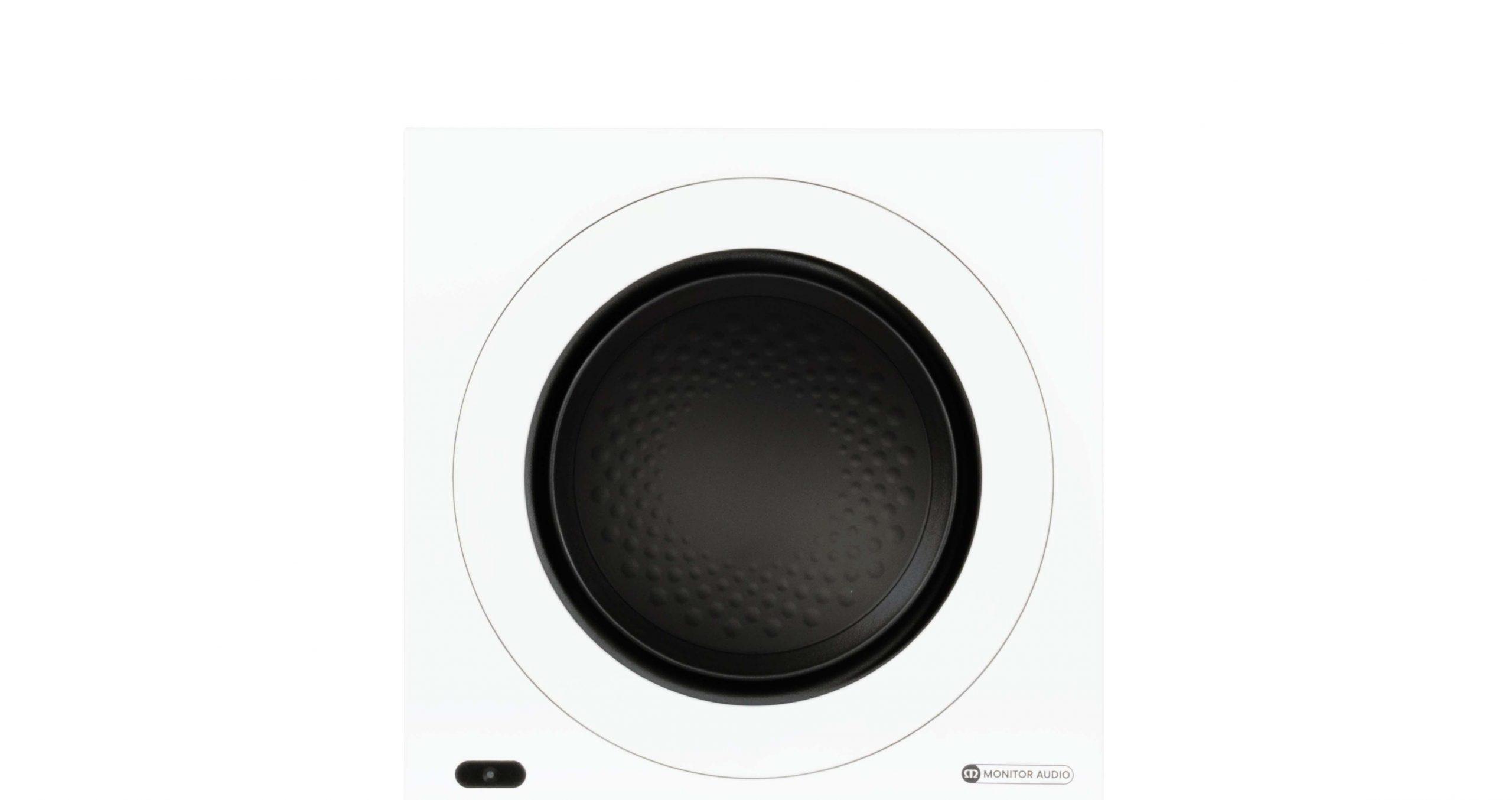
To excel in both movie and music playback, a subwoofer’s speed is paramount. The Anthra W10 inherits several classic Monitor Audio driver technologies, including the C-CAM (Ceramic-Coated Aluminium/Magnesium) cone. The process involves treating the aluminum/magnesium alloy surface to form a ceramic oxide layer, significantly increasing rigidity.
This is coupled with the renowned RST II (Rigid Surface Technology) which features a precisely calculated pattern of hexagonal dimples on the cone surface. The size, shape, and concentric arrangement of these dimples are engineered to enhance cone strength, preventing cone breakup distortion even under high dynamic pressure.
To endow the subwoofer with even more potent energy, the W10’s driver employs Monitor Audio’s signature inverted surround and achieves an ultra-long excursion of 50mm. Behind the driver, both the spider and magnet assembly feature a dual configuration, providing exceptional control over the driver’s movement. The amplification section utilizes highly efficient Class D circuitry, delivering a stable RMS output of 425 watts and peaking at 500 watts, fully unleashing the driver’s potential.
Cabinet Design and Build Quality
Beyond sheer power, effective vibration damping is crucial for subwoofer sound quality. Despite its relatively compact size, the W10 weighs a substantial 22.2 kilograms. The cabinet is a sealed design constructed from thick 36mm MDF panels. Internal bracing, featuring 25mm MDF panels in the mid-section, further reinforces the structure. Even when pushed hard with high sound pressure levels, touching the cabinet reveals virtually no resonance, a testament to its extremely solid construction.
Usability & Control
Beyond its robust hardware design, the Anthra W10’s true brilliance lies in its exceptional practicality. Many two-channel enthusiasts understand the benefits of a subwoofer but often shy away from using one, partly due to amplifier limitations but primarily because of the difficulty in proper setup. Precisely setting phase and crossover points for seamless integration with the main speakers can be a significant challenge.
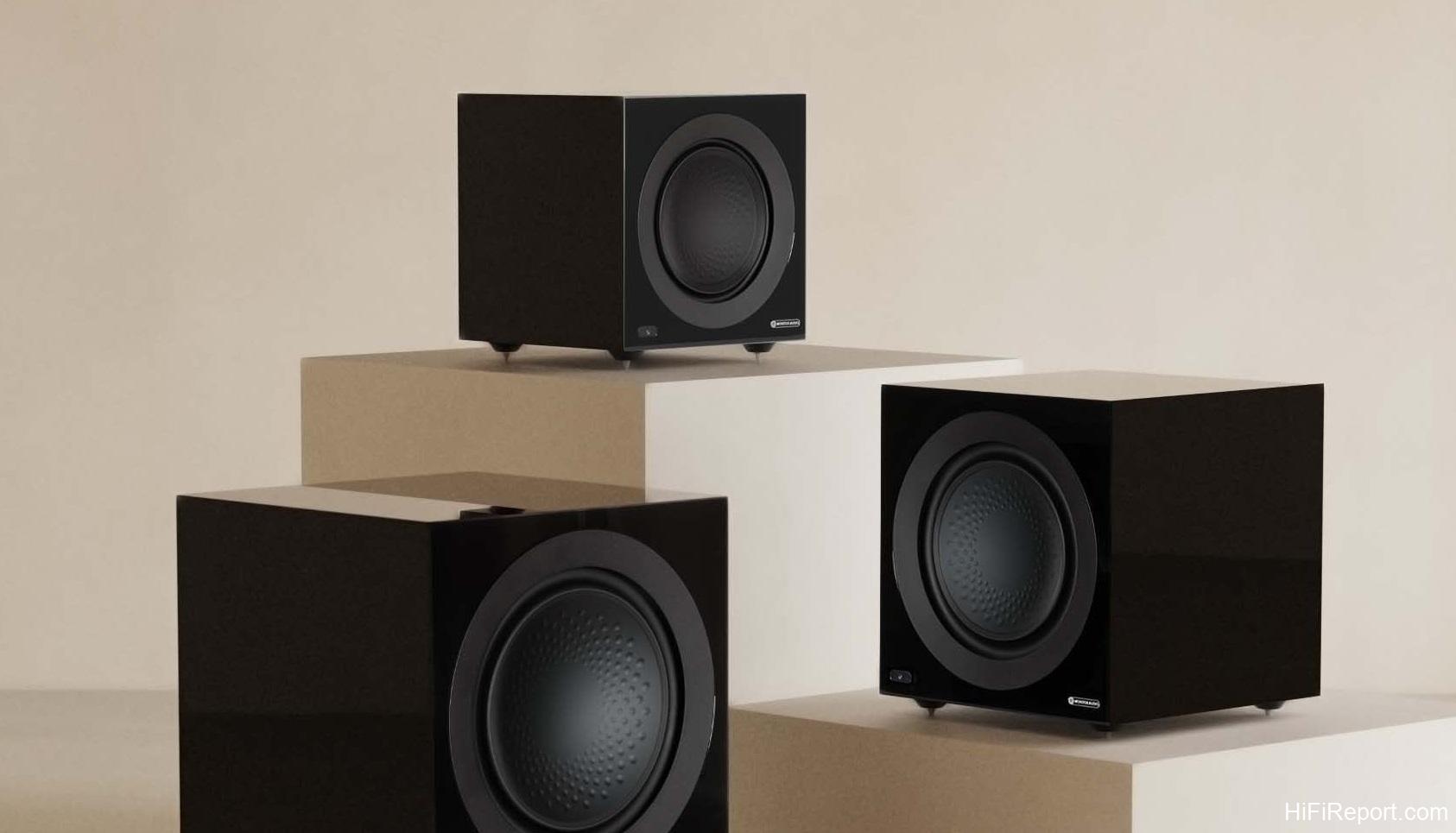
Addressing the needs of most users, the W10 boasts a range of practical features. Unlike subwoofers with traditional physical buttons, it integrates all functions into a menu displayed on a 2-inch color LCD screen. Navigation is handled via a single pushable rotary knob, making adjustments easy even in a dark home theater environment.
App Integration & Calibration
If manual adjustment still feels like too much hassle, the W10 supports control via the Maestro Unite setup App. Simply connect your device to the same network, and the app will automatically detect the W10. Besides basic crossover point settings and continuous 0-360 degree phase adjustment, the app offers three preset EQ modes (Movie, Music, Impact) and multiple custom memory slots.
For more precise calibration, you can use a professional microphone to measure the W10’s response in your room, identifying bass peaks or dips, and directly apply compensation for specific frequency bands. Even if your amplifier lacks Dirac Live or similar bass management, the W10 allows you to tailor a more ideal bass curve.
Flexible Placement
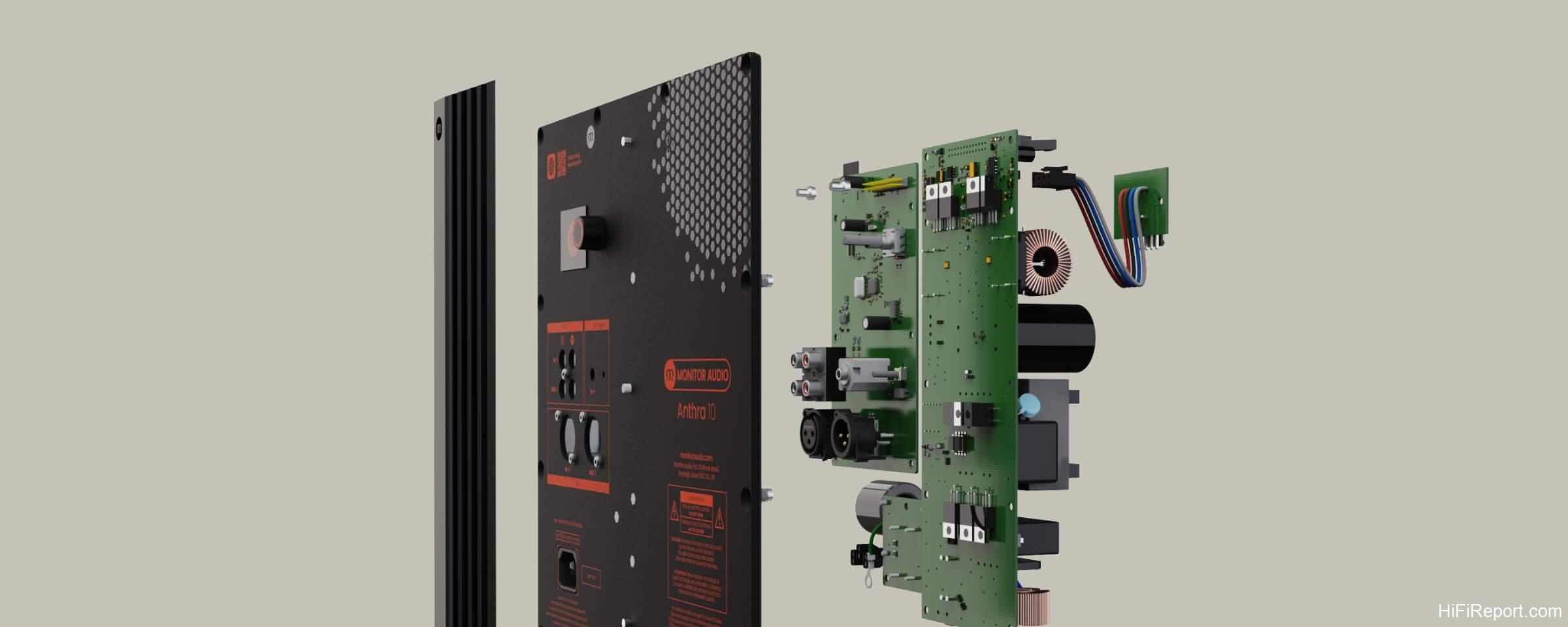
Achieving the best results from a subwoofer often requires finding the optimal placement in the room. If you’re unlucky, this can necessitate long signal cable runs. For multi-subwoofer setups, this becomes even more challenging and can clutter the listening space. The W10 tackles this by supporting Daisy-Chaining, a common method in professional audio. Its rear panel includes both RCA and XLR inputs, as well as RCA and XLR outputs.
When using multiple subwoofers (up to four can be linked), they can be conveniently chained together, eliminating the need for multiple long cable runs back to the amplifier and significantly increasing placement flexibility. Furthermore, the W10’s compact and neat size allows it to be discreetly placed in a corner, maintaining a clean and aesthetically pleasing room.
Setup and Initial Listening Impressions
Last month, we covered the Anthra W12’s home theater performance. This time, I focused on the W10’s musical capabilities. For the listening test, I paired it with our in-house Pioneer S-1EX floorstanding speakers, forming a 2.1 channel system driven by a NAD C389 streaming amplifier. The testing took place in our smaller approximately 7-ping (approx. 237 sq ft) listening room.
Using REW software with a miniDSP UMIK-1 microphone for measurements, I utilized the app’s custom EQ function to correct four specific peak and dip issues. The crossover point was set at 100Hz, allowing the W10 to handle a broader frequency range. The results completely exceeded my expectations!
The Pioneer S-1EX floorstanders are not only large but possess a direct, fast sound signature. Surprisingly, the W10 proved even faster! An A/B comparison immediately highlighted the difference. Without the subwoofer, the bass felt somewhat diffuse and lacked definition and dynamics. With the W10 engaged, the bass details and punch emerged, and the dynamic response became significantly tighter with more defined contrasts between loud and soft passages.
Performance and Quality Observations
In our larger room, the W10 didn’t necessarily add excessive lower-end energy, but the “quality” of the bass was exceptional. If you’re a home theater enthusiast craving maximum impact or have a much larger listening space, the W12 or W15 might be more suitable.
First, I played Billie Eilish’s “Watch.” The often bloated and excessive energy of the electronic bass completely disappeared. The texture became fuller, and each impact hit the chest solidly. There was almost a sense of the rhythm quickening because the energy stopped and started instantly, with no lingering or sluggishness.
Next, I listened to “Immolation” from the “Angels & Demons” movie soundtrack. From the opening, you could hear the rhythmic pulse of the double bass. It plunged deeply, but also revealed clear details of the string vibrations. Even more impressive, the previously indistinct bass drum in the inner voices now had solid weight and clear localization within the soundstage.
When the string section swelled, you felt the space being enveloped by a massive scale, easily filling the entire listening room with bass energy. For a subwoofer of this size, that is quite remarkable!
Finally, with a hint of challenge, I played Olivier Latry’s arrangement of Rachmaninoff’s “The Bells of Moscow” for organ. This piece descends to extremely low frequencies around 20Hz. A subwoofer lacking control would either offer limited extension or produce messy, indistinct energy. Surprisingly, the W10 passed this test as well. While it didn’t produce a sensation that “flapped my pant legs,” it delivered incredibly smooth and clear low frequencies.
The relentless waves of ultra-low bass settled on the floor, gently massaging the body. The metallic texture of the organ pipes was also remarkably detailed, and I could even discern the subtle details of air movement. Even under significant pressure, the subwoofer showed no signs of losing control. Moreover, the absence of bass room modes enhanced the transparency of the midrange and treble, contributing to a more neutral and faithful overall musical texture.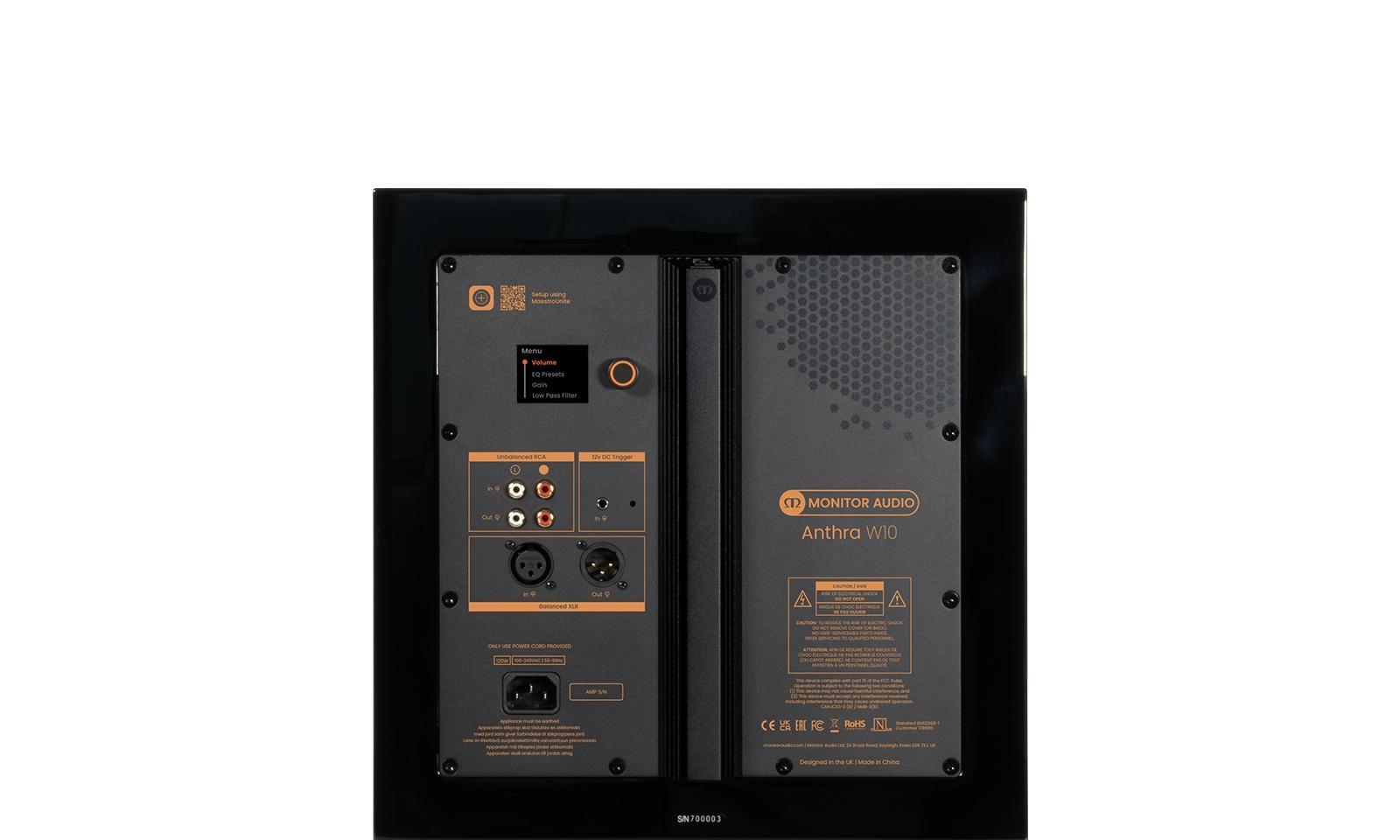
Conclusion
Active subwoofers are abundant on the market, but many offer similar functionality. The Anthra W10, however, is one of the most thoughtful products I’ve encountered recently. It not only inherits Monitor Audio’s classic driver technology, delivering outstanding sound quality, but also fundamentally improves its practicality based on user needs.
It transforms the often-challenging task of subwoofer setup into a simple and user-friendly experience, allowing it to integrate more perfectly into any audio system. Whether you’re a home theater enthusiast or an audio lover eager to explore a 2.1 channel configuration, the Anthra W10 is a highly recommended, excellent subwoofer.
Specifications
* Design: Active, Sealed
* Driver: 10-inch long-throw bass driver, C-CAM cone material, RST II technology
* Frequency Response: 17Hz-400Hz (-6dB)
* Amplifier Technology: Class D
* Amplifier Power: 425W RMS, 500W Peak
* DSP: 28 Bit 50 MIPS processing capability, App control support
* Crossover Frequency Setting: 20-200Hz continuously variable
* Phase Setting: 0-360 degrees continuously variable
* EQ Functions: 3 presets (Music, Movie, Impact), 3 custom presets
* Dimensions (H.W.D.): 321×321×321mm
* Weight: 22.2 kg