
MSB The Cascade DAC Review
MSB used to produce CD transports, but these have all been discontinued. Their previous Reference DAC and Select DAC models have also been retired, not to mention earlier DACs. In terms of amplification, their ‘can-style’ monoblocks are also out of production. Currently, their amplifier lineup consists of the S202 and S500 stereo power amplifiers, and the M205 and M500 monoblock power amplifiers.
MSB DAC Lineup and Key Features
For DACs, MSB presently offers only three online products: the most affordable is the single-chassis The Discrete DAC, followed by the two-chassis The Premier DAC, and the flagship three-chassis The Cascade DAC. However, the accessories list also includes The Premier Digital Director, The Reference Digital Director, and The Select Digital Director.
What differentiates these models? In terms of the number of internal DAC modules, the Discrete features two Prime DAC modules, the Premier has four Prime DAC modules, while the Cascade boasts eight Hybrid DAC MK II modules. Regarding the internal clock, the Discrete uses an On Board Clock, the Premier uses a Femto 93, and the Cascade is equipped with the top-tier Femto 33 MkIII. I won’t go into comparing the digital inputs and analog outputs here, as they vary.
For the display, the Discrete uses 119 LEDs, the Premier employs 560 LEDs, and the Cascade features an impressive 1344 LEDs.
From this simple comparison, it’s clear that the Discrete is already very capable. The improvement offered by the other two models lies in their “greater precision.” In fact, even the most affordable Discrete DAC can be upgraded with an external power supply.
Furthermore, the digital input connectors on all three models are modular and swappable. These include a standard USB DAC module (supporting 384kHz, 4xDSD, MQA decoding), a Network Renderer V2 module (supporting 32/768kHz, 4xDSD, MQA decoding, Roon endpoint), an RCA/Optical/BNC (S/PDIF, 24/192kHz, 1xDSD via DoP) module, an AES/EBU module (with Word Sync.
Output, 24/192kHz, 1xDSD via DoP), a ProISL Interface module (for optimal transmission via glass optical fiber), and a ProUSB Input module (for computer connection, 24/768kHz, 8xDSD).
Users can purchase these input modules based on their specific needs. For example, if you only listen to streaming music, you only need to buy the Network Renderer V2 streaming module. If you only listen to CDs, you can purchase the RCA/BNC or AES/EBU module. This prevents wasting money on unused inputs.
MSB launched the Digital Director in 2022, initially for use with the Select DAC and Reference DAC. This is a standalone digital input unit that also provides playback functions. Its purpose is to house all noise-generating components (including the display) in one chassis, preventing this noise from entering the digital-to-analog conversion circuitry. It can be used with other MSB DACs. Subsequently, the three-chassis The Cascade DAC was introduced at the 2024 Munich High End Show.
Design Philosophy
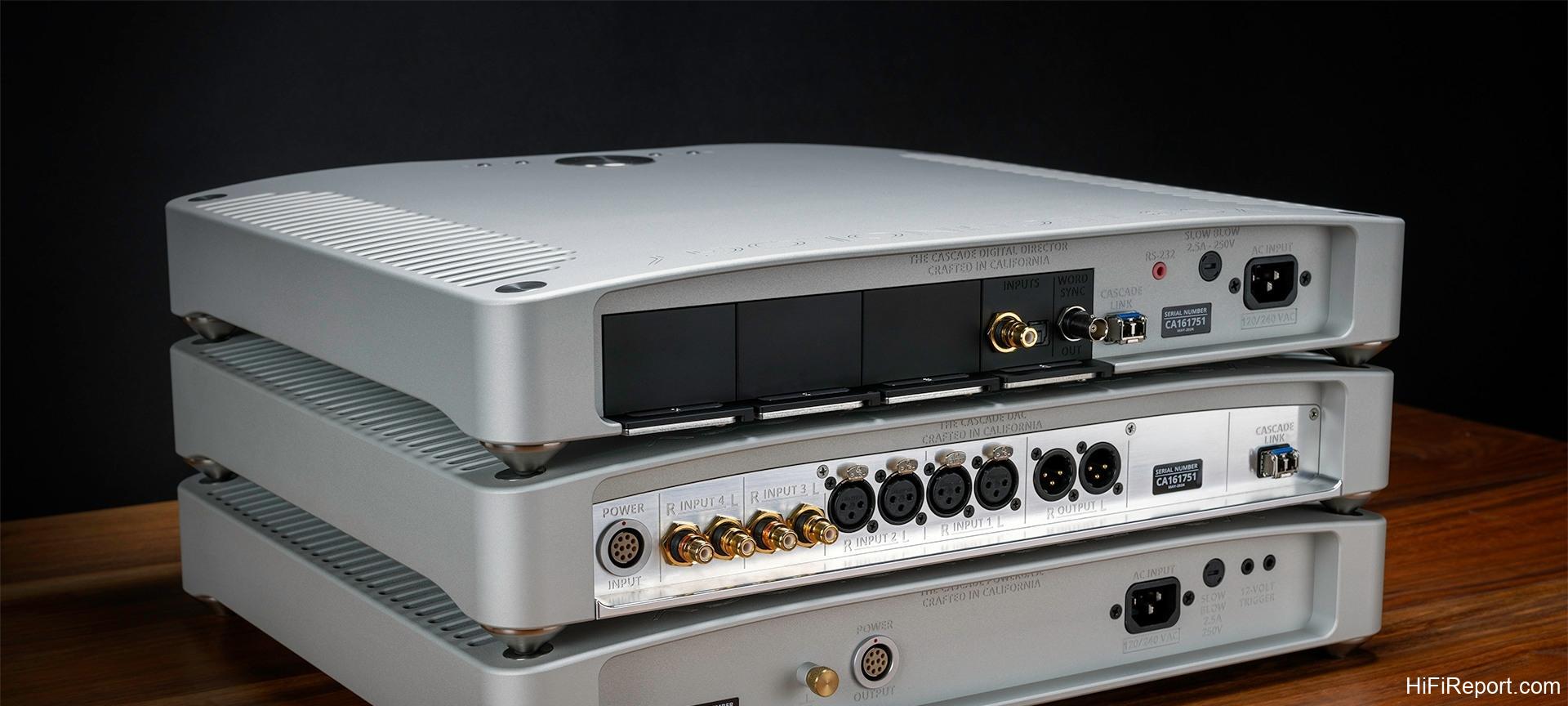
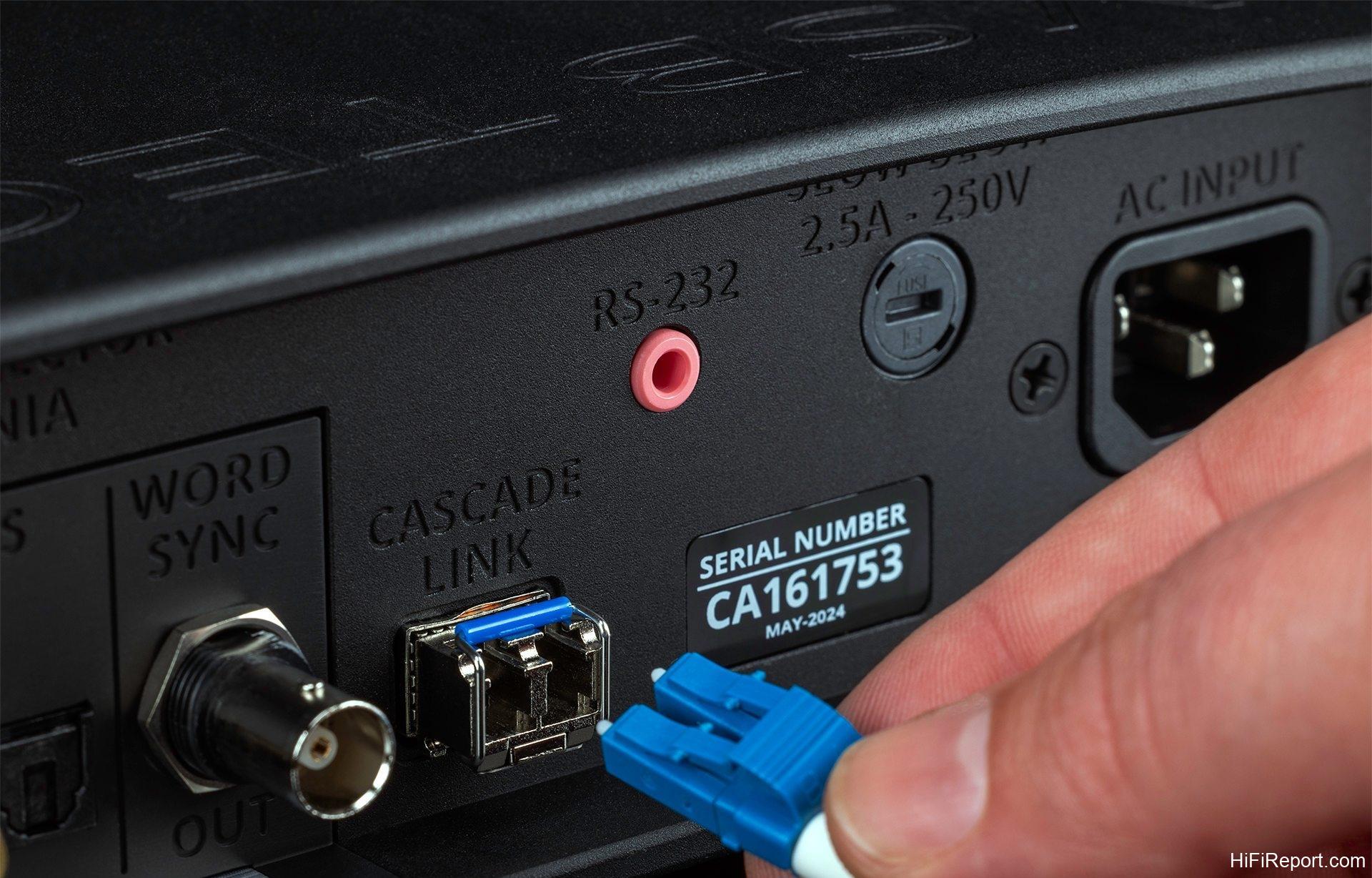
The design logic of the MSB Cascade is very clear. It’s a three-chassis design. Firstly, all source inputs, playback functions, and noise-generating components like the display are contained within the Digital Director unit (which has its own power supply). This prevents this noise from contaminating the digital-to-analog conversion circuit. Secondly, the digital signal output from the Digital Director is sent to the Analog Converter via SFP fiber optic cable, using the Cascade-Link.
This completely eliminates noise ingress, allowing the digital signal to undergo digital-to-analog conversion in an exceptionally low-noise environment. This is the task of the Analog Converter unit. Thirdly, an external Powerbase provides a stable and pure power supply solely to the Analog Converter. The Digital Director has its own separate power supply.
This separation ensures that even the power supply is isolated from digital circuit noise, providing the cleanest possible power to the digital-to-analog conversion and analog output stages.
The Digital Director contains two DSPs, each capable of processing 12 billion operations per second. Furthermore, each DSP is paired with an FPGA, resulting in a total processing capability more than four times that of MSB’s previous DACs. Additionally, the Cascade utilizes the latest Digital Filter, developed over a decade of research.
This filter helps restore the digital signal closer to its original analog state during conversion, increasing processing headroom and leading to superior soundstage performance and more realistic texture for instruments and vocals.
We know that anything involving computers, wireless transmission, servers, or even LED displays will inevitably generate noise. While this noise is contained within the Digital Director, the digital signal must still be transmitted to the next stage, the Analog Converter. At this point, the method of transmission becomes crucial; it must prevent noise from traveling with the music signal. MSB developed the Cascade-Link transmission method, using diode laser optical fiber to transmit the signal.
This provides noise-free transmission with wide bandwidth, fully meeting the requirements of the eight Hybrid DAC MK II modules inside the Analog Converter. MSB believes this transmission method is an industry first.
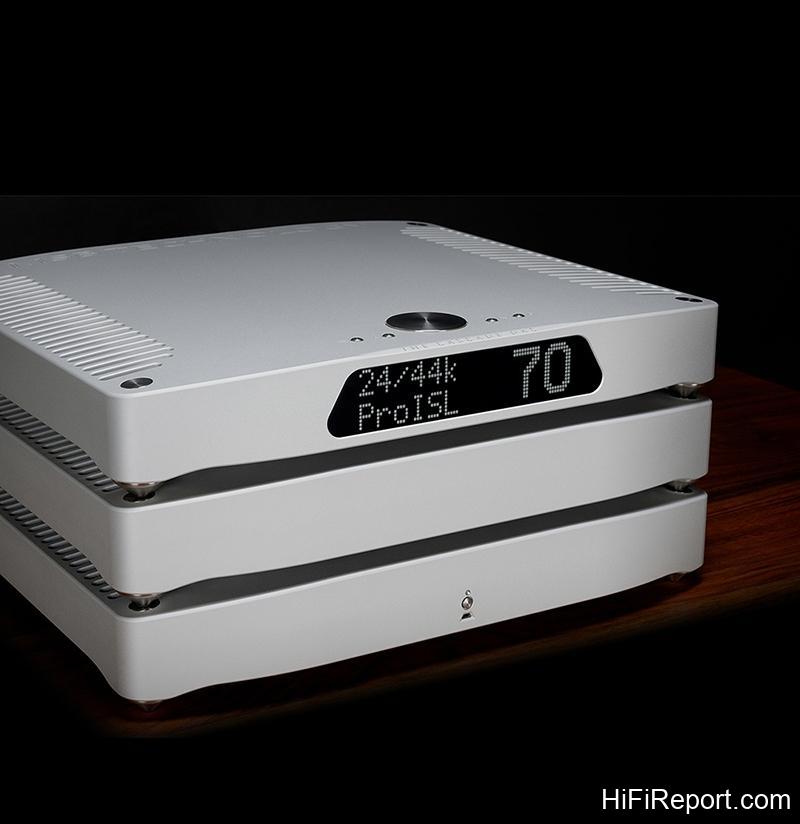
Next is the LED display. This display is mounted on the front panel of the Digital Director chassis, not on the Analog Converter. It’s clearly visible even from the listening position, making it very user-friendly. Moreover, this display, composed of 1344 LEDs, can show various information with an extremely fast refresh rate, as the Femto 33 MkIII clock also controls the display’s precision.
Once assembled, the LED display is sealed within a metal box milled from solid aluminum using CNC, effectively isolating its digital and EMI noise.
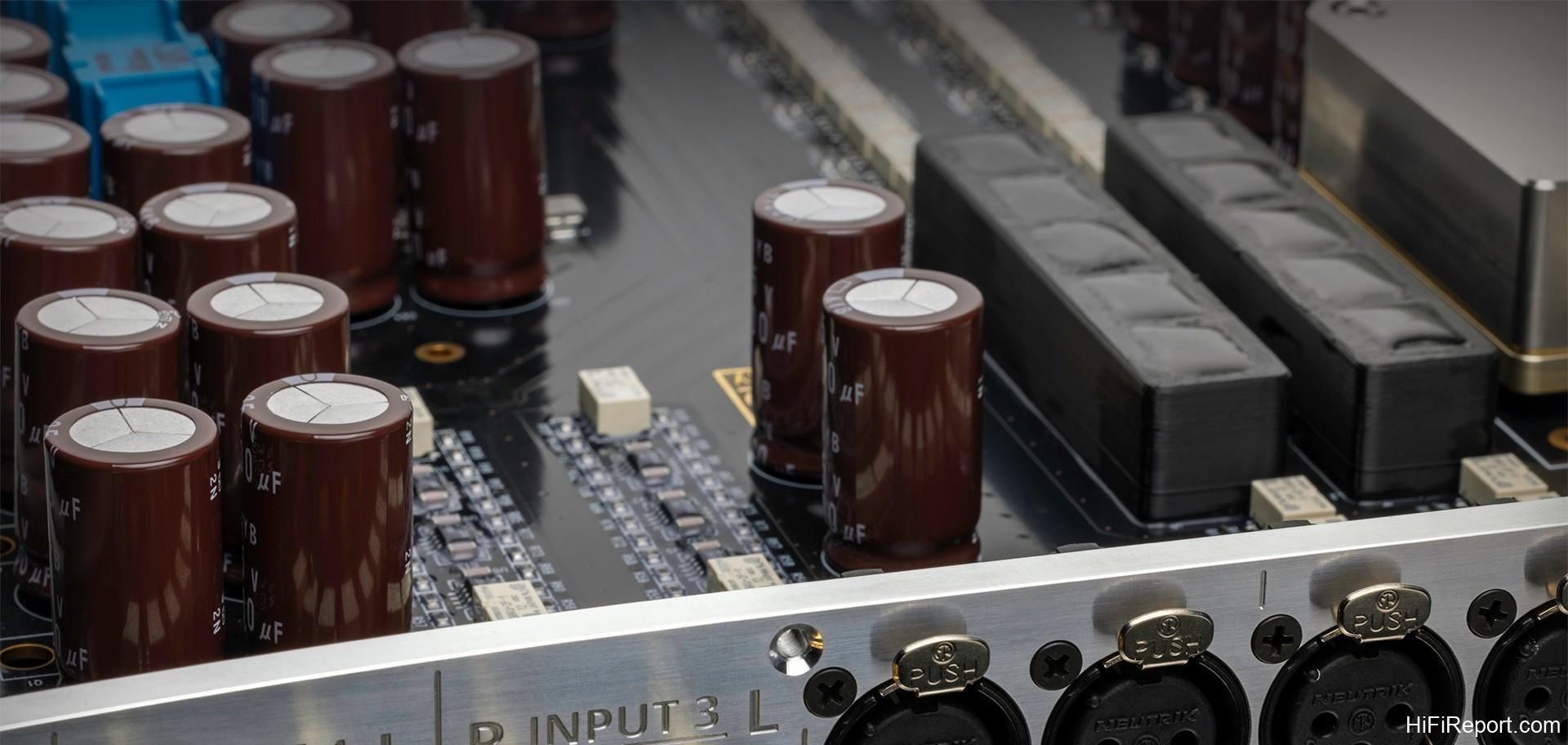
In the Analog Converter, the eight Hybrid DAC MK II modules receive the vast amount of data from the Digital Director and perform highly precise digital-to-analog conversion. Instead of active analog gain stages, the analog signal is passed through passive analog stages in a fully balanced architecture, feeding a 75-ohm volume control system before being output to the amplifier.
R2R DACs and Signal Purity
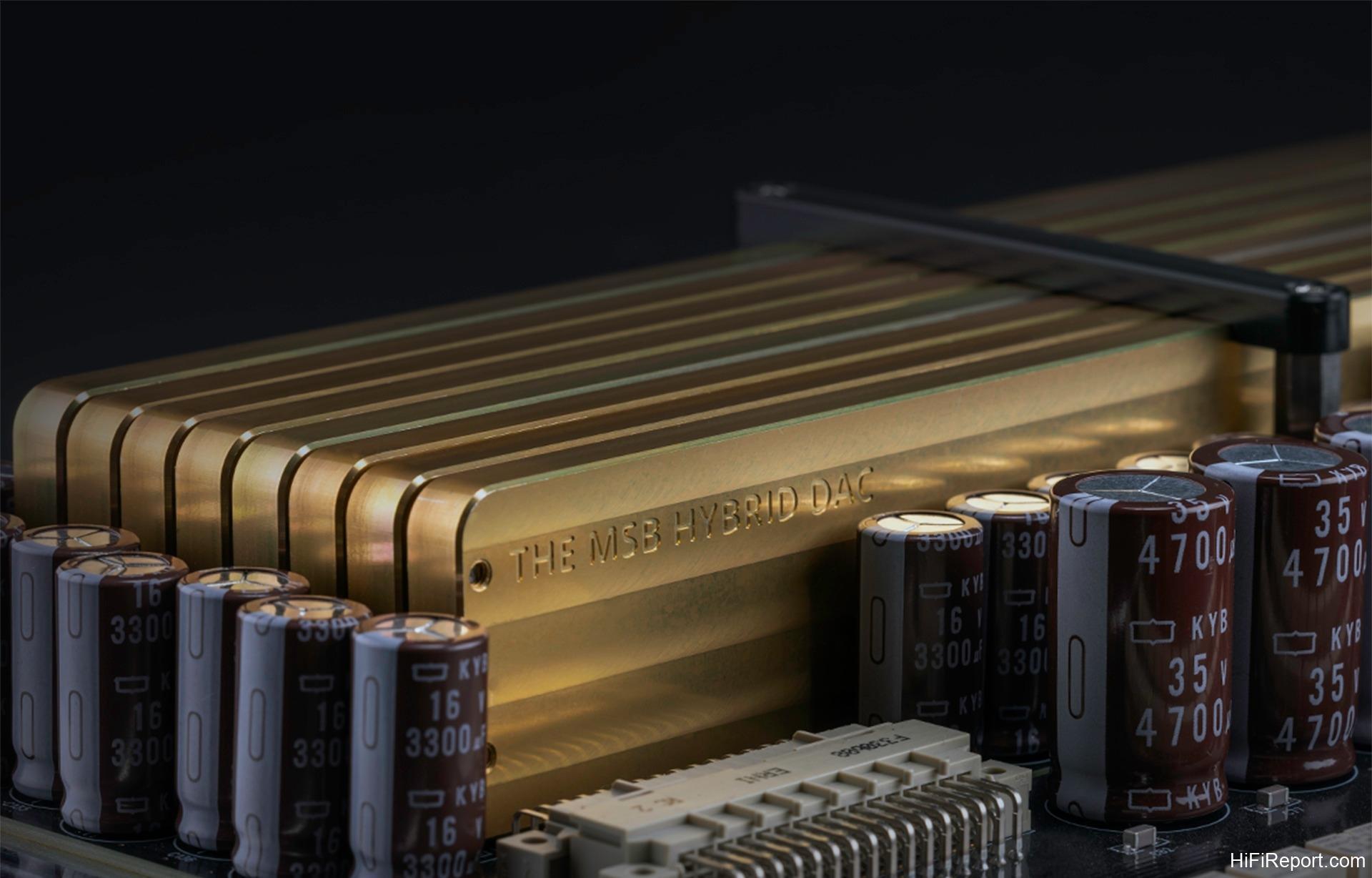
We know that since 1999, MSB has been dedicated to researching and developing discrete R2R ladder DACs. While others might buy an off-the-shelf DAC chip to perform digital-to-analog conversion, the Analog Converter unit uses eight extremely precise discrete R2R DAC modules. The technology behind discrete R2R DACs isn’t a secret; the difficulty lies in the demanding precision requirements, which MSB has achieved with ultra-precise resistors.
Furthermore, each DAC module contains one positive and one inverted phase, representing a true balanced architecture, which is difficult for other manufacturers to replicate.
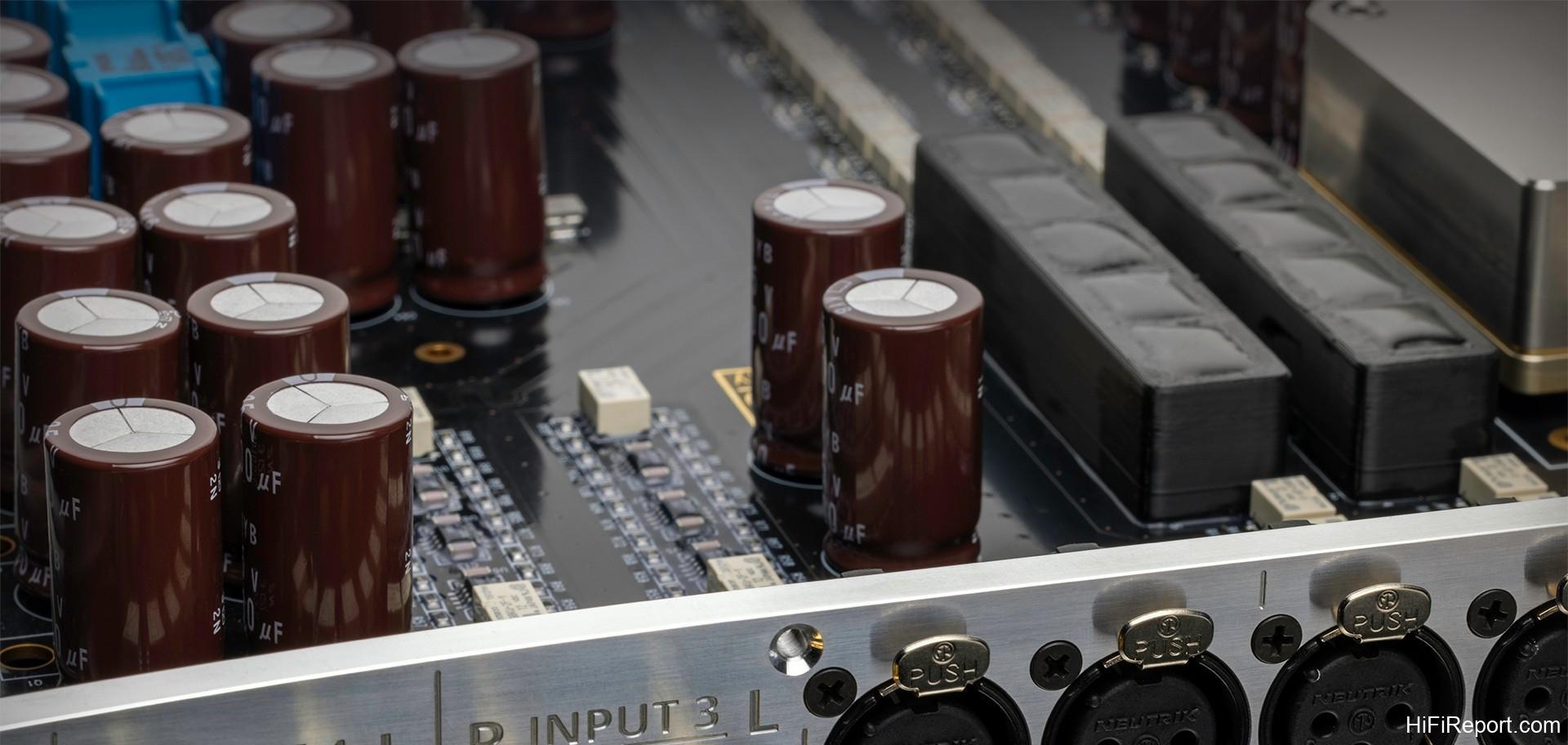
Within the Hybrid DAC MK II modules, there is no current-to-voltage conversion stage commonly found in other DACs; the output is already voltage. This eliminates the need for an I/V conversion layer and typical buffer circuitry. There are no active transistors in the music signal path. In short, after the digital-to-analog conversion, there are absolutely no active components; the music signal is passed directly to a 75-ohm passive attenuation volume control system.
This design maintains the highest purity of the music signal. The volume control system consists of precision resistors and sealed relays, and when no music signal is passing, it remains grounded to prevent noise generation. This volume control system is also a balanced architecture, designed to prevent any subtle noise ingress from the ground path.
What’s even more impressive is that each Hybrid DAC MK II module is capable of handling native multi-Bit PCM and native 1 Bit DSD, with dynamic allocation of conversion. Each DAC module is sealed in a metal box using thermal bonding technology to maintain a stable temperature. Additionally, these eight DAC modules form two channels, meaning each channel is composed of four DAC modules connected in parallel, which lowers the output impedance.
These eight DAC modules must also be individually measured and matched before being installed in the Analog Converter.
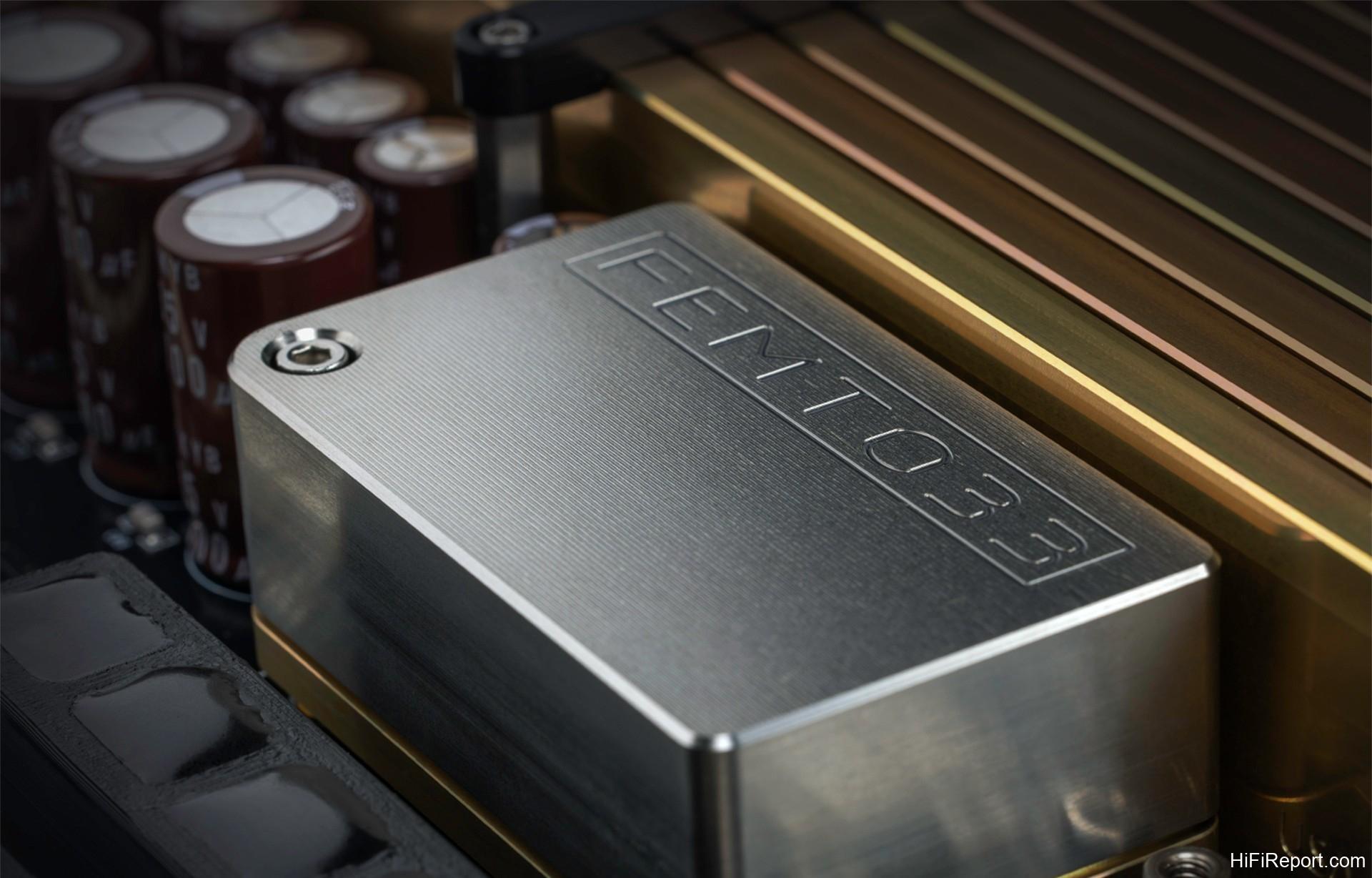
The Analog Converter also houses the crucial Femto 33 MkIII clock, a result of MSB’s custom clock development since 2011. This clock is built with custom parts and hand-tuned. Each sealed clock unit contains two hand-tuned, ultra-low phase noise Oven Controlled Crystals. One handles 44.1kHz frequencies, and the other handles 48kHz, ensuring the entire digital system receives the most accurate clocking and lowest jitter.
Because each Femto 33 MkIII clock contains both 44.1kHz and 48kHz clock groups, one clock is activated before the music signal is sent, while the other remains dormant to prevent interference. As a result, this clock does not require PLL, SRC, ASRC, or frequency synchronization for conversion.
Why does MSB use two clocks instead of one? A traditional single 10MHz or 27MHz clock can handle both 44.1kHz and 48kHz digital signals, but converting between frequencies using PLL or ASRC reduces precision and increases jitter. Therefore, MSB uses two sets of clocks to simultaneously improve accuracy and simplify the clock-related circuitry.
Perhaps you might ask why the clock is so important. Because the clock governs the timing of all digital signals. If the timing is chaotic, it results in severe jitter, causing the digital signal to become disordered, and the conversion to analog signal will likewise be inaccurate and unclear.
Here’s another question often debated by audiophiles: should we prioritize high-precision clocks or low-jitter clocks? High-precision clocks are typically designed for long-distance communication requirements, ensuring synchronization between distant points, like GPS. However, these high-precision clocks usually don’t focus on achieving low jitter. But low jitter is what we need when listening to music because music is continuous and must remain in a stable, low-jitter state.
MSB’s clocks specifically prioritize stable, low-jitter performance.
Another question that puzzles audiophiles: should we use an external clock or an internal clock? The market offers various external clocks for audiophiles to choose from, but MSB has consistently refused to produce external clocks. They believe that although external clocks can achieve very high precision, precision is highly likely to be reduced and noise introduced during port buffering or transmission.
Therefore, it’s better to place the clock as close as possible to the digital-to-analog conversion circuitry.
If a user purchases the analog input module, this module includes both XLR and RCA inputs. When not in use, the inputs are isolated from other circuitry, and the ground is disconnected, providing complete noise isolation. Furthermore, each analog input includes a low-noise, low-distortion buffer stage, adjustable gain from 0dB to +6dB, and is then connected to the 75-ohm volume control system to maintain maximum signal purity.
Power and Build Quality
All the meticulously designed features mentioned above would be in vain without a high-quality power supply. The Powerbase handles this crucial task, providing clean, stable, and sufficient power to the Analog Converter. First, regarding the power transmission cable, MSB specifically commissioned Swiss Fischer Connectors to customize the power cable connectors, ensuring a secure and stable connection.
Now, let’s discuss the internal power supply design. Today’s 3C devices like computers, wireless transmission equipment, and servers severely impact the purity of the AC power line. Therefore, the Powerbase incorporates AC power filtering circuitry at the input to filter out power line noise. Internally, it uses three custom-designed, electromagnetically shielded toroidal transformers. Paired with discrete Silicon Carbide rectifier circuitry, it converts AC power to DC.
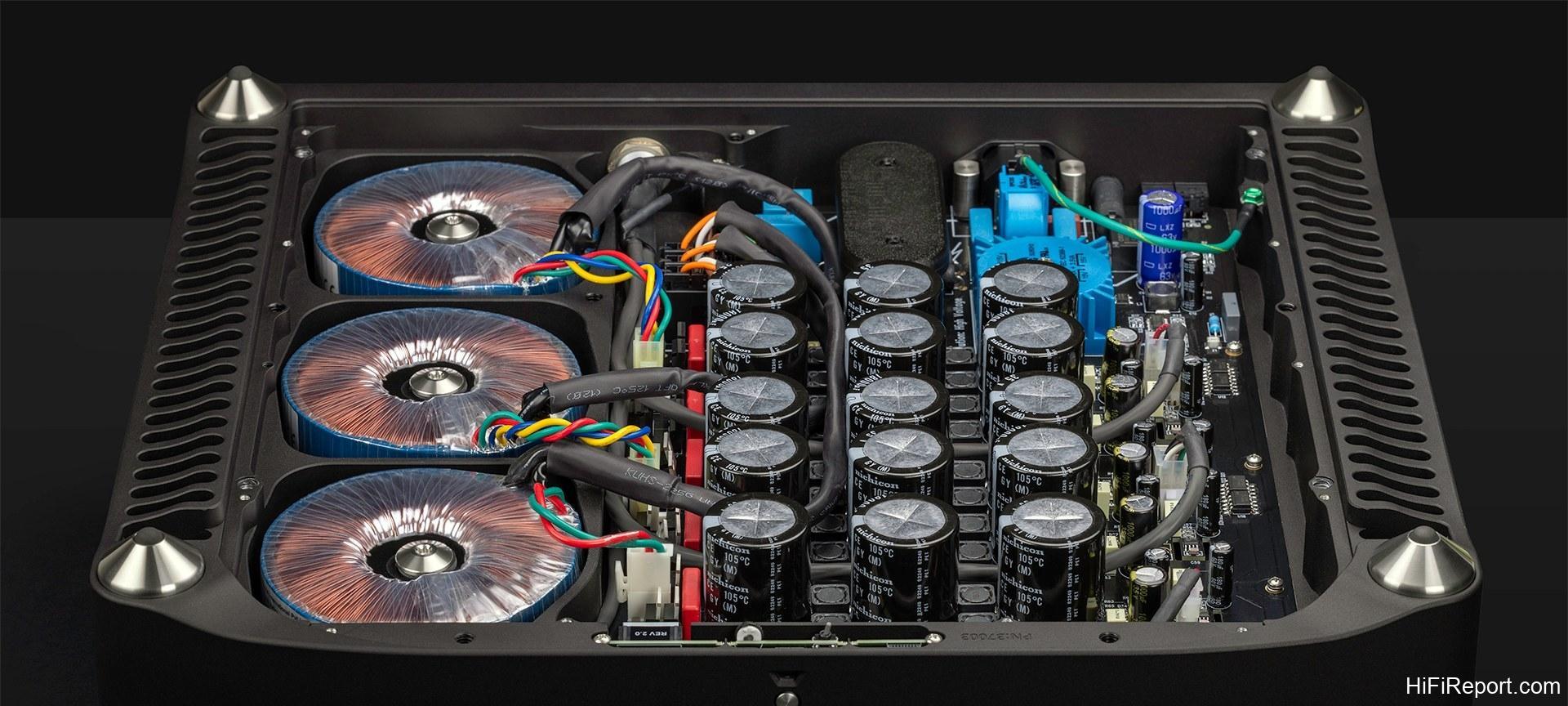
This is followed by a filtering network composed of inductors and capacitors, which removes any residual noise or ripple in the DC power. Finally, the power undergoes voltage regulation and is divided into five independent DC power supplies for the Analog Converter.
MSB’s chassis are manufactured in-house. They use 70-pound blocks of high-grade Kaiser Select Precision Plate aluminum, milling a 17-pound chassis using their own CNC equipment, effectively removing 75% of the aluminum block. The surface then undergoes anodizing. Some internal components are even assembled using robotic arms to ensure optimal assembly quality. An “ultra-precision” audio factory like MSB is truly rare.
When actually using this digital source system, you first connect the Powerbase to the Analog Converter with the external power cable. Then, connect the Digital Director to the Analog Converter using the factory-supplied SFP fiber optic cable (Cascade Link). Finally, connect your source (CD player, streamer, USB drive, etc.) to the Digital Director, and you’re ready to listen. Naturally, you control the unit using the volume control and input selector on the top of the Digital Director.
On the back panel of the Analog Converter, there are two sets each of RCA and XLR analog inputs, allowing users to connect analog sources. There is also one set of XLR analog outputs, which can directly drive a power amplifier, with volume controlled by the Digital Director (the default volume is 70). It can, of course, also be connected to a preamplifier; in this case, you would set ‘Preamp Off’ in the menu, and the preamplifier would control the volume.
The top panel of the Digital Director has a Menu button, left/right arrows (for input selection and menu navigation), a circular button (Mute), and a large volume knob. Is special menu setup required? If you don’t have specific needs, the factory default settings will allow you to play music. If you wish to adjust settings, it’s easily done by following the instructions in the manual.
Menu options include Display Brightness, Display Mode, Display Info, Startup Volume, Input Select, Renderer Remote, Analog Input, Port A, Port B, Port C, Port D, Product Identification, Software, Hardware, Reset, etc. Among these items, I believe only Startup Volume (for outputting directly to a power amp or via a preamp) and Analog Input (to activate the analog inputs) require setting; you can ignore the rest if you wish.
Listening Impressions
When listening to the Cascade system, I used an Esoteric K-01XD SE SACD/CD player for coaxial digital output to the Cascade – likely one of the most luxurious transport setups available. I also played music files via USB. As Upper River Audio did not have the Network Renderer V2 module installed on the Cascade, I couldn’t listen to streaming music. Honestly, just listening to CD playback was enough to leave me utterly astonished; everything else was secondary.
For this listening session, I connected the Cascade directly to ATC SCM 100 ASL twin active speakers, with the Cascade controlling the volume.
When I played Vivaldi’s “Four Seasons” performed by Interpreti Veneziani on the Rhyme Dragon record label, less than a minute into the music, I was truly blown away. Why? Although the ensemble was listed as only nine musicians, the Cascade allowed me to hear an incredibly beautiful tonal quality I had never heard before – that was the first shock. The second shock was how incredibly clear, dimensional, precisely positioned, and distinctly layered each instrument was.
The harpsichord, in particular, had a presence, location, and ‘ding-dong’ texture of its playing that I had never experienced. The third shock was that while all the instruments were incredibly clear and direct, there was absolutely no aggressiveness or harshness; it felt as if a small ensemble was performing right in front of me. The fourth shock was that the string instruments’ forms weren’t just flat, thin lines; they had a tangible body and substance.
After listening to “Four Seasons,” I immediately pulled out the 2024 Singapore Hi End Asia 1:1 VIP giveaway CD. I recall saying that it was the most beautiful-sounding audio show giveaway CD I had ever heard. How did it sound now with the Cascade? Oh dear, I was again utterly taken aback! The overall sonic performance truly ascended to a new level.
I don’t know to what degree the production team heard the sound quality of this 1:1 copy during its creation, but I suspect they might not have experienced the even more moving beauty I was hearing with the Cascade.
Let’s talk about the three violin solos recorded by Song Wensheng within that CD (a short section of Sibelius’s Violin Concerto played on different famous violins). Such beautiful violin tone expression must be very close to the “original sound,” right?
If you are fortunate enough to own this CD and when listening to these three violin solos, you find the sound quality unremarkable, the realistic texture of the playing unimpressive, or even find the sound unpleasant, then you truly need to acquire the Cascade. Only then will you have the chance to hear the exquisite violin tone that Song Wensheng originally captured in his recording.
When listening to “Good Show Begins” performed by the Taipei Percussion Group on the same CD, I was shocked again, this time by the exceptional bass performance I had never heard before. The sound of the large drum was so incredibly realistic, so much so that it felt like listening to thunder. I don’t mean the drum sounded like thunder, but rather that the realism of the drum sound was comparable to the low-frequency effect we hear from thunder.
Also, the strike textures and sounds of the cymbals, gongs, and tubular bells were incredibly realistic – “real beyond description” would not be an exaggeration.
When I listened to “Belafonte At Carnegie Hall,” after the first track “Introduction/Darlin’ Core” finished, only four words surfaced in my mind: “Just like being there.” I previously thought what I heard was “like being there,” but only by listening with the Cascade did I realize what “like being there” truly meant, especially the bass performance. I believe the rich detail in the bass contributed significantly to that live sensation.
In fact, those four words, “Just like being there,” already encompass all aspects of the sonic performance, making further elaboration unnecessary.
Listening again to Heifetz performing Sibelius’s “Violin Concerto” (conducted by Walter Hendl with the Chicago Symphony Orchestra), the beautiful sound of Heifetz’s violin was fully revealed. It was a warm, solid violin sound, not a sharp, thin, metallic sound. Especially during rapid bowing, the subtle friction sounds produced by the bow moving back and forth across the strings were incredibly realistic.
The tonal quality of the accompanying orchestra was significantly elevated, with particularly realistic texture and detail in the inner voices of the instruments. Hearing such top-tier sound performance, I couldn’t help but sigh: Who says CDs sound poor? It’s just that you haven’t unlocked even 50% of a CD’s potential. I felt my own system’s sound performance had reached a very high standard, but upon hearing the Cascade, it was instantly surpassed. This shows just how formidable it is!
When listening to “Faust, Carmen” conducted by Alexander Gibson with the Royal Opera House Orchestra, Covent Garden, the Cascade gave me another lesson. I had never before heard such beautiful tonal quality on this CD, nor such excellent layering, depth, positioning, or bass extension. My point is, when I listened to this CD previously, I thought the sonic performance I was hearing was already the best possible.
But listening with the Cascade, I realized that there is indeed “a higher heaven beyond the sky.” Audio is truly boundless; not only the performance of equipment but also the potential of sonic effects is limitless! There’s only better, never the best; only more pleasing to the ear, never the most pleasing!
Listening to Richard Strauss’s “Don Quixote” (with Yo-Yo Ma on cello) conducted by Andris Nelsons with the Boston Symphony Orchestra, the orchestral performance was truly exquisite, very delicate, and incredibly sweet. The warm sweetness of the woodwinds, in particular, was supremely comfortable. The brass section’s sonic effect was equally impressive, with the low brass having a strikingly realistic playing texture. When the cello entered, I was again moved by its beautiful sound.
Having heard the entire piece, I can only use four words to describe it: “Beautiful in every respect.”
During the period I listened to the Cascade DAC, I focused solely on CDs, not even bothering with music files. Why? I initially planned to listen to music files too, but I was so preoccupied with rediscovering and listening to my familiar CDs that it consumed all my time. While the Cascade DAC was in my system, I needed to recalibrate the standard of top-tier sound in my mind. In the future, I will use this newly established standard to evaluate the sound performance of other equipment.
The MSB The Cascade DAC, in my audio system, delivered a sound characterized by sweet luster, warm transparency, full and supple texture, solid and bouncy dynamics, spacious and grand presentation, crystal clarity, distinct layering, and a vast and magnificent soundstage. I cannot predict how the sonic performance will manifest in your home environment.
However, I can confidently state that if you don’t hear the sonic attributes I’ve described, it means you haven’t truly experienced the beautiful sound of the Cascade. The standard of beautiful sound in my mind has now been completely overwritten by the Cascade; it is genuinely a digital source that left me astonished!
Specifications
* Product Type: Three-chassis digital source
* Launch Date: 2024
* Digital Inputs: 4 digital module slots
* Decoding Specifications: Up to PCM 32bit/3,072kHz, 8X DSD
* Decoding Modules: Hybrid DAC MK II × 8
* Analog Inputs: RCA × 2, XLR × 2
* Analog Outputs: XLR × 1
* Dimensions: 444 × 216 × 394mm
* Weight: Digital Director 13.7 kg, Analog Converter 14.5 kg, Powerbase 19.5 kg
Key Design Concepts
* Three-chassis design: Input modules, DAC, external power supply.
* Noise isolation at the input stage.
* Processes music signals with utmost precision and lowest noise.
* Delivers astonishing improvements.
* Achieves immediate, significant enhancement with any audio system.
Review System Used
* Source Transport: Esoteric K-01XD SE SACD/CD Player
* Speakers: ATC SCM 100ASL Twin Active Speakers