
NAIM NAIT 50 Review
To celebrate its 50th anniversary, British High End audio giant NAIM has launched the NAIT 50, a (reissue) version of the iconic NAIT 1, limited to just 1973 units worldwide. Each unit sold diminishes the available stock, making it a truly collectible piece. Naim was founded in 1973 by Julian Vereker, a dynamic individual who was not only a racing driver but also an entrepreneur and self-taught engineer with a deep passion for music.
In the 1960s, Vereker frequently enjoyed music with friends and engaged in live recordings. However, he noticed a significant gap between the sound of existing audio systems and the live music experience he cherished. This realization drove him to design his own amplifiers and speakers. Ten years after Naim’s inception, the brand’s first integrated amplifier, the NAIT 1 (NAIT), was officially launched.

Positioned as an entry-level amplifier, it incorporated a high-quality preamplifier section and established the signature NAIM sound—rich in analog warmth and musicality—that persists to this day. The NAIT 1 featured a clever “shoebox” design, a form factor that was also adopted by the NAIT 2 when it was released in 1988.

As a faithful reissue, the NAIT 50 retains the design essence of the NAIT 1. However, the front and rear panels are now crafted from high-quality, anodized aluminum. The original Balance control has been replaced with a more practical headphone output, and the LED indicator is now white. To minimize vibrations, the volume knob is precision-machined from a solid block of aluminum.

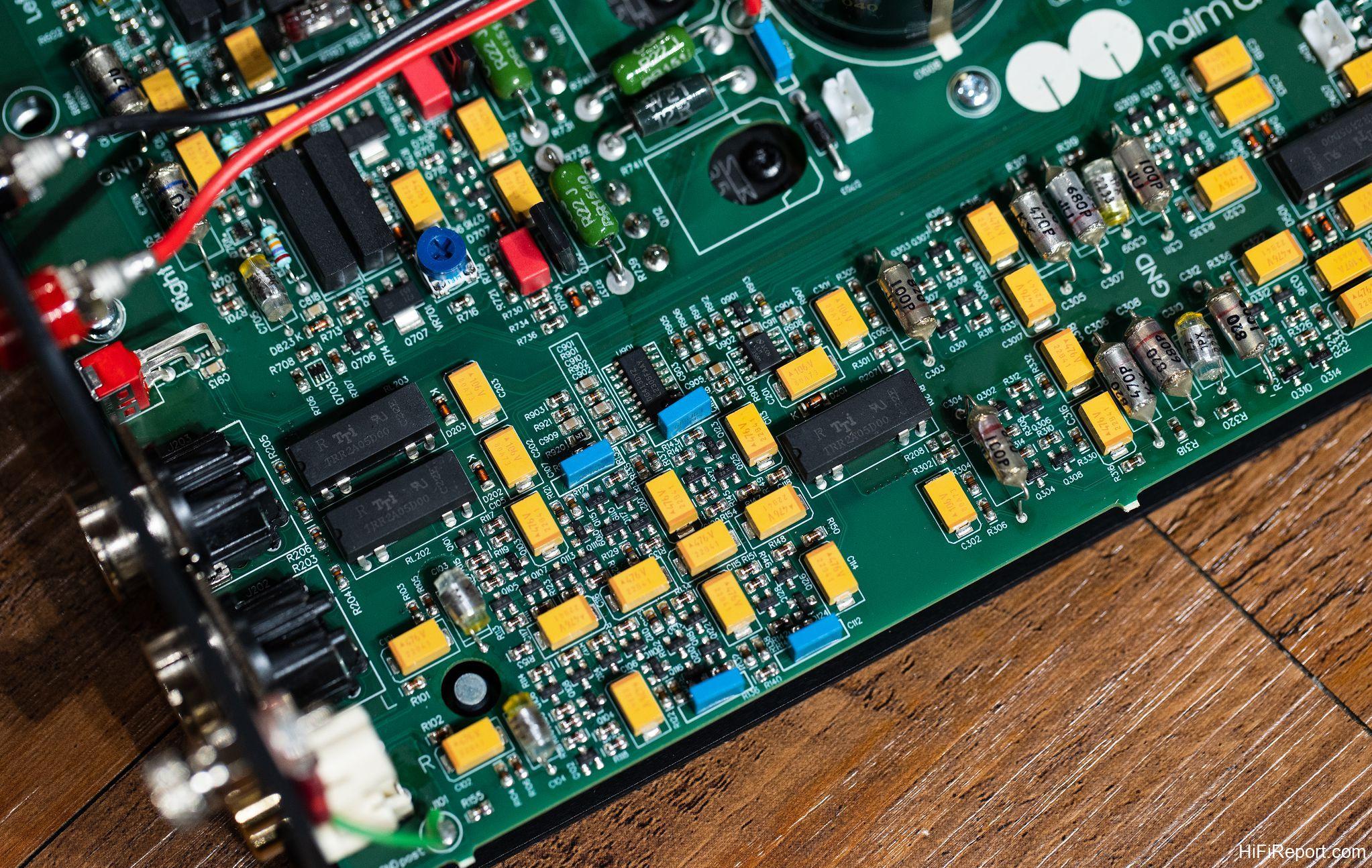
Internally, the circuitry benefits from 50 years of accumulated experience and technological advancements, representing a significant leap forward. Input switching is now “fly-by-wire,” drastically shortening signal paths. The headphone amplifier circuit is derived from their NSC 222, while a brand-new, discrete transistor MM phono stage pays homage to the NAIT 1.

The preamplifier section employs a Class A discrete transistor design, and the power amplifier stage utilizes NAIM’s classic Class AB amplification circuitry, delivering a robust 25W per channel into 8 ohms, with peak power reaching 225W. The entire unit is built with carefully selected audiophile-grade components.

Rear Panel and Connectivity
The NAIT 50’s rear panel features a set of RCA inputs for the MM Phono stage, while the other two analog inputs utilize NAIM’s proprietary 5-pin DIN connectors. Users need not worry; if you don’t have 5-PIN cables, simply purchase 5-PIN to RCA adapter cables. Additionally, the NAIT 50 is pre-set to auto-standby mode. If no signal is detected for 19 seconds, it will enter standby. For those who prefer instant-on performance, the “Instant” switch can be set to the “On” position.

Speaker Terminal Detail
Remember to remove the protective caps from the speaker terminals before connecting your loudspeakers.

Included Hi-Line Signal Cable
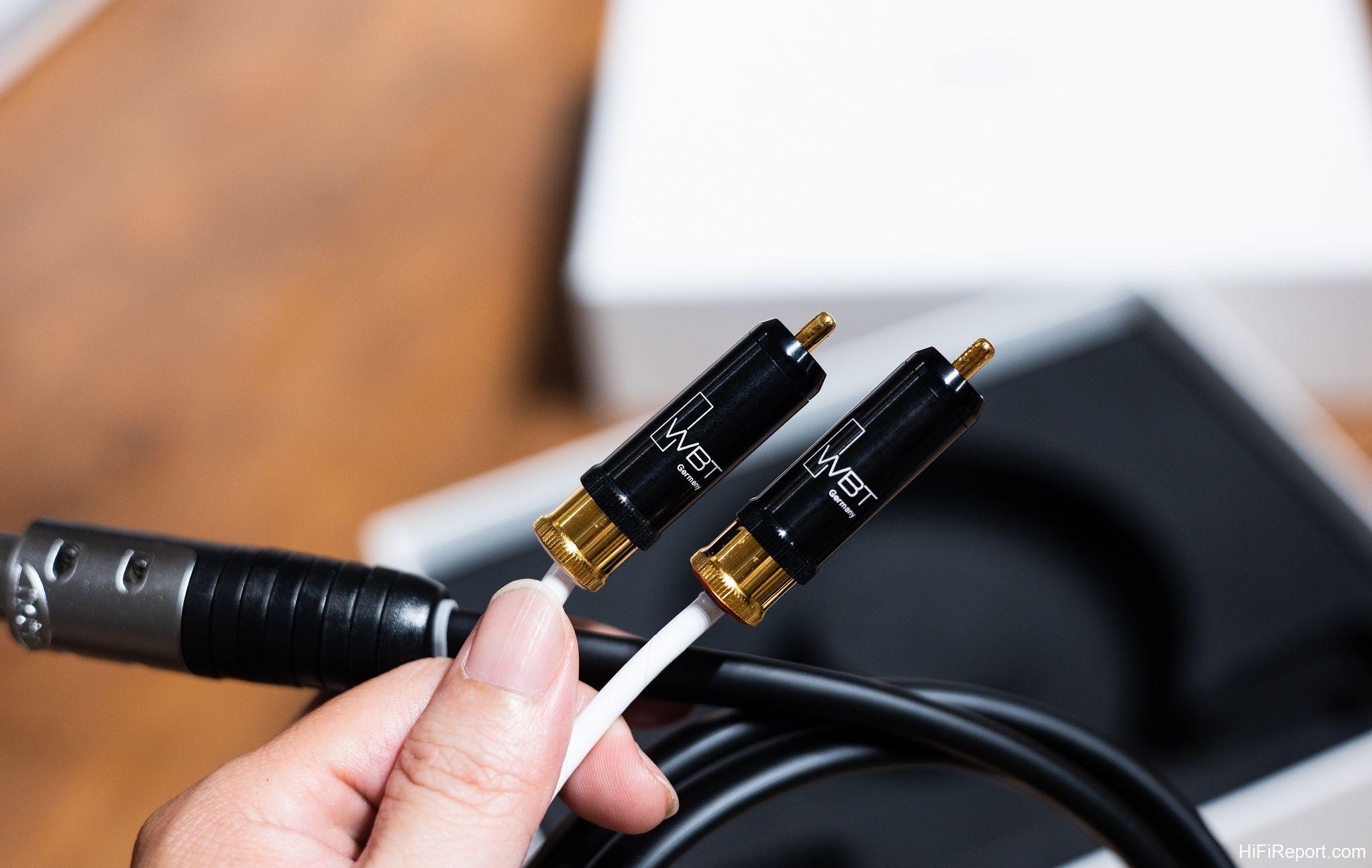
This is the original Hi-Line signal cable, 5-PIN to RCA version, included by the distributor. It features NAIM’s patented Air-PLUG connectors and German-made WBT Nextgen RCA connectors.

Internal Design and Components
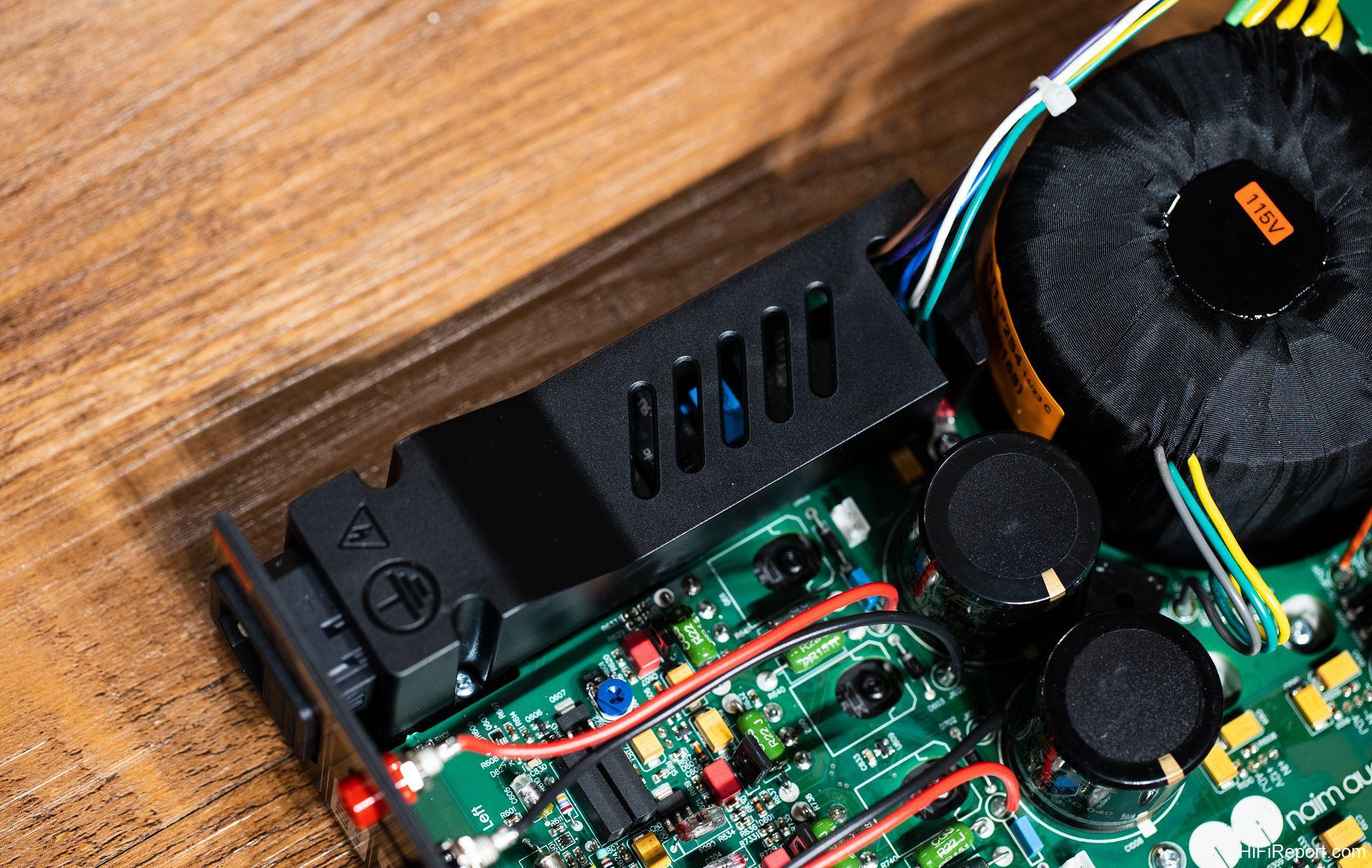
Inside the NAIT 50, the compact chassis reveals a meticulously organized arrangement of circuits. NAIM has been renowned for its amplifier expertise since its inception 50 years ago. The unit employs carefully selected audiophile-grade components, including a custom-designed large toroidal transformer with shielding and vibration isolation.

A Meaningful Limited Edition
In 1983, ten years after Naim’s founding, the company introduced its entry-level integrated amplifier, aptly named Nait 1. Now, in 2023, celebrating its half-century milestone, the company has launched the NAIT 50 limited anniversary edition integrated amplifier, drawing inspiration from the Nait 1. Over the years, Naim has released several models under the Nait name.
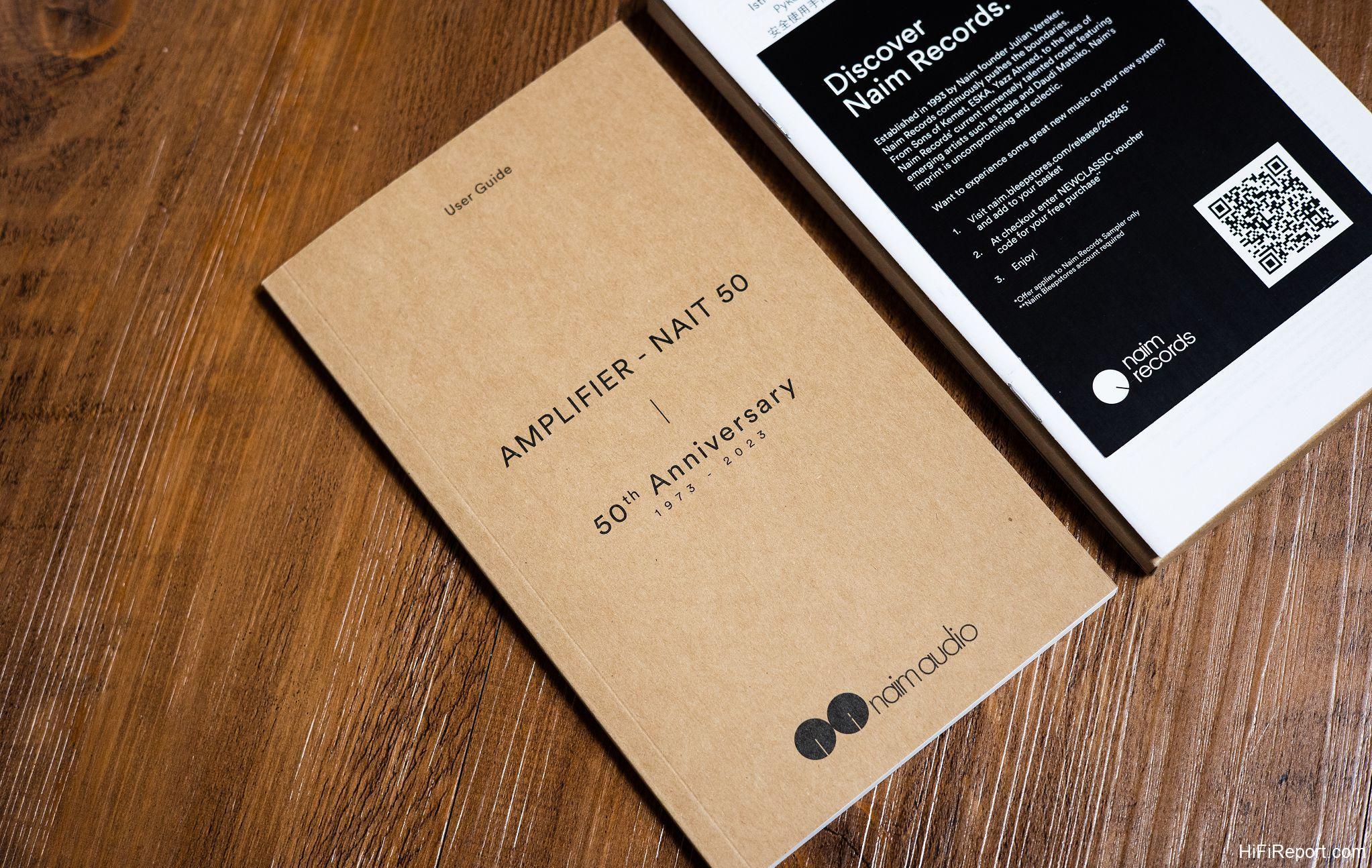
The Nait 50, however, marks a return to the original essence, replicating the iconic aesthetics of the Nait 1 while incorporating modern technology and precision components internally. What remains unchanged is the elevated musical enjoyment and sense of happiness it brings to the listener.
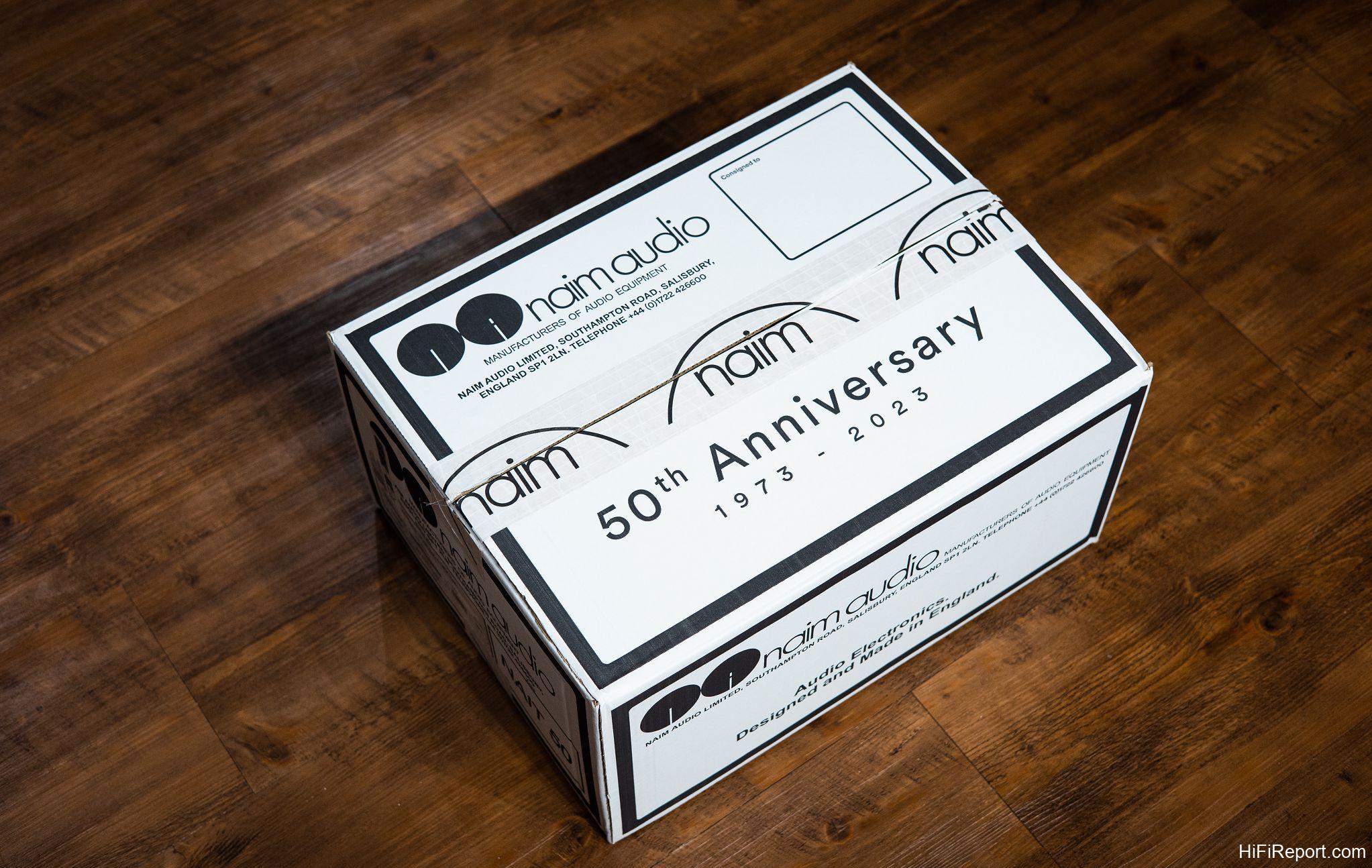
Since its inception, Naim has been a vibrant force in the high-fidelity audio industry, consistently pursuing research and development to keep pace with technological advancements and continuously cultivating its global market presence. Naim has weathered industry fluctuations without faltering or abandoning its core principles. The NAIT 50 is more than just a commercial product; it represents a significant and meaningful milestone for the brand.
Simple to Use, Drives Most Speakers
The NAIT 50 is remarkably user-friendly. The rear panel features a total of three inputs. The MM phono input uses standard RCA connectors, while the other two inputs are NAIM’s proprietary 5-pin DIN. According to the factory specifications, both DIN inputs are identical. The factory includes an RCA to 5-pin DIN cable, so connectivity is not a concern.
The included cable is exceptionally well-made, featuring WBT connectors on the RCA end and NAIM’s own meticulously crafted connectors on the DIN end, both exhibiting a high level of build quality and tactile feel. The NAIT 50 provides a power output ranging from 25W to 60W (8 ohms to 2 ohms). Unless your speakers are exceptionally demanding, this power output should be sufficient to drive most loudspeakers without issue. Furthermore, the NAIT 50 includes a headphone output on the front panel.

While not its primary function, we tested its performance to assess its capabilities.
Powerful Yet Refined Performance
For our listening tests, we began with a two-channel setup, using Lewis Capaldi’s “Divinely Uninspired To A Hellish Extent” as a reference. The NAIT 50’s sonic presentation was immediately direct and expansive. The musical experience was intensely engaging, with abundant power and dynamic range. The amplifier’s ability to drive the speakers felt effortless and inexhaustible.
The specified power rating proved more than adequate, dispelling any doubts about the 25W output’s capability to drive loudspeakers effectively. Beyond its powerful energy, the sound also exhibited refinement. The nuances of the vocalist’s delivery, including dynamic variations and subtle inflections, were conveyed with precision, revealing delicate air and spatial cues.
The vocalist’s powerful projection and breath control were also vividly rendered, delivering impactful and emotionally resonant passages. The NAIT 50’s actual performance belies its charmingly retro and compact appearance. To describe it as authoritative would not be an exaggeration. Yet, it maintains Naim’s hallmark resolution and finesse, preserving a neutral tonal balance with the characteristic Naim sonic signature.
A Sanctuary for Late-Night Listening
Next, we tested the NAIT 50’s headphone amplifier functionality using the notoriously demanding Sennheiser HD 800 headphones. The NAIT 50’s headphone output performance is commendable, falling within the expected range. While not reaching the same level of performance as the two-channel speaker output, it is certainly adequate for users who occasionally listen through headphones due to environmental constraints.

There’s no need to purchase a separate headphone amplifier for casual headphone listening. Driving the HD 800s, the NAIT 50 exhibited sufficient power with ample headroom. We expect even greater performance with more easily driven headphones. In conclusion, the NAIT 50 delivers exceptional performance as a two-channel amplifier. Its power, resolution, detail retrieval, energy, and dynamics are all remarkably well-balanced, addressing the key requirements of discerning listeners.
The headphone amplifier function provides a valuable option for late-night listening, proving sufficient for general use.
Effortless Dynamics, Emotionally Engaging
Starting with Jackie Evancho’s “Falling Slowly,” the NAIT 50 immediately impressed with its beautiful sonic presentation. Jackie Evancho’s voice was rendered with exquisite detail, her vocal texture shimmering with a subtle radiance, delicate and refined yet possessing a focused and substantial presence. The sound exhibited effortless control, handling both subtle shifts in dynamics and expansive outbursts with equal ease.
The transitions from delicate, sinuous vocal lines to robust, powerful pronouncements were seamless and natural.
The amplifier’s ability to convey the atmosphere and emotional depth of the music was remarkable. Through its exceptional sonic performance, even a simple vocal performance evoked a sense of growing tension and confinement within the listening space. The listener could resonate with the song’s emotions. Only as the vocals swelled and the song began to express deeper emotions did the feeling of suspended breath dissipate, the heavy footsteps quicken, and the stagnant air begin to flow.
Everything came alive. Then, as the vocals receded again, the atmosphere returned to a state of emotional sparseness. The NAIT 50, with its pure and refined sound, allowed one to fully experience the emotional narrative within the music.
Refined Texture, Rich and Authentic Detail
Moving on to Josh Groban’s “The First Time I Ever Saw Your Face,” the piano notes rendered by the NAIT 50 possessed an exceptional warmth. The richness of the lower registers provided a solid foundation, enhancing both the smoothness and continuity of the mid and high frequencies while simultaneously reinforcing its own grounding presence. This contributed to the overall tranquility and warmth of the song, permeating even the vocal performance.
The relatively simple instrumentation of the piece allowed for a deeper appreciation of the sonic nuances. Beyond its warmth, the piano exhibited a refined texture and clarity of tone, subtly imbued with an understated elegance, resulting in a highly sophisticated sound.
The vocal performance was equally comfortable and refined. The balanced and measured delivery, free from excessive embellishment, conveyed a sense of fullness without any hint of harshness, resulting in a satisfying and comfortable listening experience. Even the subtlest vocal inflections were rendered with clarity. Even at higher volumes, during more forceful vocal passages, the sonic performance remained excellent.
Notably, during a vibrato passage, the subtle tremors in the throat and the surrounding air were rendered with such detail that they added a profound sense of realism to the vocals, enhancing the overall sonic artistry.
Immersive and Sentimental Soundstage
Finally, listening to Russell Watson’s “Have I Told You Lately,” the consistent sonic excellence of the NAIT 50 throughout our listening sessions became even more apparent. Both instrumental and vocal performances were rendered with remarkable quality. The instruments, in particular, sounded incredibly lifelike, as if being played live in the room. The soundstage was also impressively expansive, allowing instruments to resonate three-dimensionally within the listening space.
The NAIT 50’s ability to convey the emotional essence of the music was particularly noteworthy. Each of the tracks listened to elicited a strong emotional connection with the music, even in familiar ballads, revealing new layers of subtle sentimentality. Compared to the previous tracks, this piece featured a slightly more complex arrangement. However, the NAIT 50 maintained excellent layering and separation.
While the instrumental textures and details remained clear, their spatial positioning and spacing were also comfortably rendered, creating a balanced and immersive presence within the soundstage. Combined with a transparent background, the NAIT 50 constructed a complete and tangible sonic picture before the listener.
NAIM NAIT 50 Integrated Amplifier
* Brand 50th Anniversary Commemorative Model, Limited Edition of 1973 Units Worldwide
* Power Output:
* 25 Watts into 8Ω @0.1% THD+N
* 40 Watts into 4Ω @0.1% THD+N
* 60 Watts into 2Ω @1% THD+N
* Analog Inputs:
* 1 x RCA pair (47kΩ), MM phono level 5mV
* 2 x 5-pin DIN (stereo, 47kΩ), line level
* MM Phono Input: 47kΩ and 100pF
* Total Harmonic Distortion THD + N: 0.015%
* Damping Factor into 8Ω: 36
* Headphone Output: 1.5 Watts into 16Ω
1Watt 8Ω, A-weighted: Line: 80dB, 1V input / Phono: 78dB, 5mV input
* Ref. 25Watt 8Ω, A-weighted: Line: 93dB, 1V input / Phono: 84dB, 5mV input
* Frequency Response:
* Line: -3dB @ 4Hz to 45kHz
* Phono: -3dB @ 6Hz to 30kHz
* Gain:
* Phono: +40dB (@1kHz RIAA)
* Pre-amplification (and headphone): +16dB
* Power Amplifier: +29dB
* Power Consumption: 20W (Standby <0.5W) * Dimensions: 8.7 × 20.7 × 32.1cm * Weight: 4.5Kg