
Naim NSC 222 Streaming Preamplifier Review
When I first thought about writing about the Naim NSC 222, the title “New Paradigm of Preamplifiers in the Digital Age” came to mind. However, the most captivating aspect of Naim products is their musical expressiveness. It’s this inherent musical charm that truly defines them, making the NSC 222 a potential new classic in the realm of streaming preamplifiers.
Music-Centric Design
What exactly is “musical charm”? It’s a quality that defies easy definition, much like the endless debate about whether musicality or sonic accuracy is more important in audio – a question with no definitive answer. Yet, over years of experiencing Naim, it’s clear they consistently forge their own path, driven by a distinct philosophy and unwavering commitment to “serving the music.”
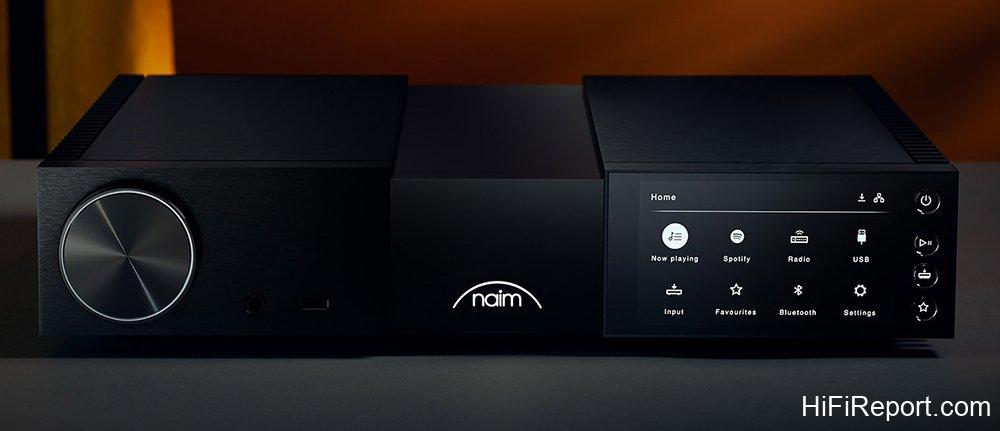
This dedication to musical service manifests in Naim’s design ethos. They prioritize substance over superficial flash, opting for understated, matte black metal chassis. This reflects Naim’s enduring industrial design principles: practical, robust, and timelessly stylish. The large touchscreen display on the right side of the NSC 222’s front panel, however, adds a touch of modern technology. It’s akin to the trend in contemporary automobiles, where large touchscreens and digital dashboards are ubiquitous, with screen size often correlating with vehicle price.
Digital Streaming and Analog Vinyl Integrated
So, why did I consider the NSC 222 a “new paradigm of preamplifiers in the digital age”? Because it seamlessly integrates the functions of a preamplifier and a streaming player into a single, comprehensive unit. If you’ve moved beyond CDs, the NSC 222 alone can handle both your digital and analog audio sources.
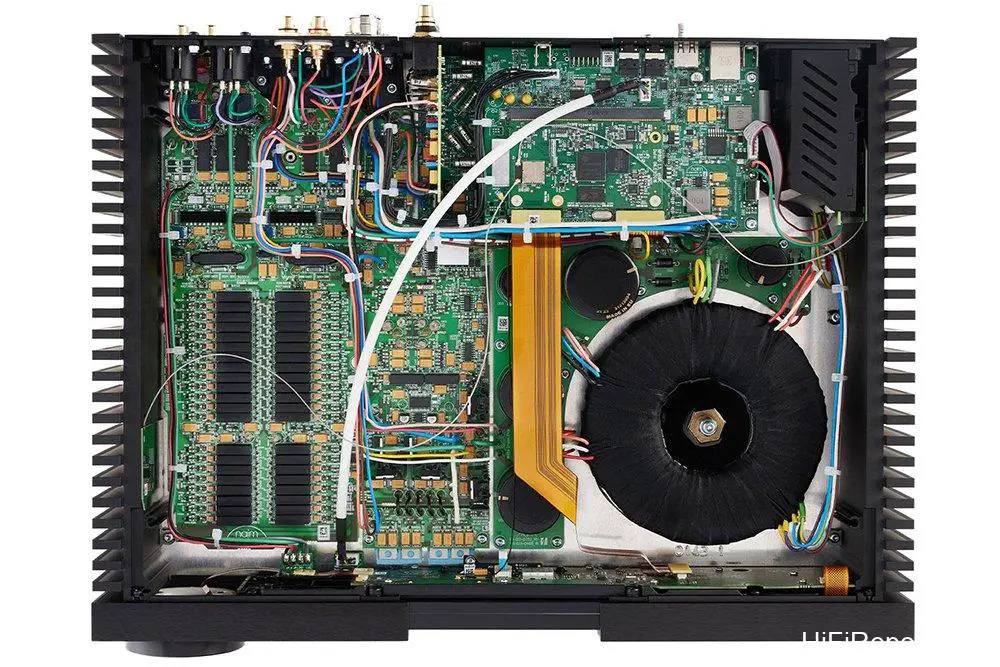
Traditionally, a preamplifier’s core functions are threefold: initial signal amplification, input source switching, and volume control. In the realm of high-end audio, attention to detail is paramount, and the NSC 222 diligently addresses each of these aspects. To ensure a rich, full-bodied, and transparent sound from the delicate signals, Naim prioritizes power delivery, employing a substantial toroidal transformer and multi-stage voltage regulation.
For source switching, Naim utilizes its proprietary digital control operating system. This is a more complex approach compared to traditional preamplifiers. Naim was arguably among the first British audio brands to venture into digital streaming. Lacking standardized operating systems at the time, they developed their own from the ground up. From the operating system to the backend control app, everything adheres to Naim’s specifications. This can be described as a closed system. In contrast, many other brands adopt open platforms like Linux or Android for development.
Which approach is superior? It’s debatable. Closed systems offer greater control over hardware and software integration, potentially leading to enhanced stability. However, if a company falters and ceases development, the system risks becoming outdated. Open systems, even if brand support wanes, often benefit from third-party app compatibility, though complete control over all functionalities might be compromised.
Naim and Linn exemplify the closed system approach. Both British companies were early adopters of digital streaming technology. Over the past decade, their continuous investment in software and hardware development and upgrades has positioned them as industry leaders. Both are companies with long and reputable histories, unlikely to abandon their users.
I often ponder, if even Naim were to falter, the audio market would likely be in dire straits. Most companies would have disappeared long before.
R2R Resistor Array Volume Control
For the third fundamental preamplifier function – volume control – Naim opts for a “straight shot” approach. They forgo simpler variable resistors in favor of a complex, costly, and meticulously crafted R2R resistor ladder volume control.
Traditional variable resistors alter volume by changing resistance. However, resistance changes also affect impedance, causing sonic variations. This can result in a thinner sound at low volumes and a thicker, but less transparent, sound at high volumes. The solution to maintaining consistent impedance across volume levels is the R2R resistor array. This utilizes matched resistors arranged to ensure constant impedance at each volume step, preserving sonic consistency.
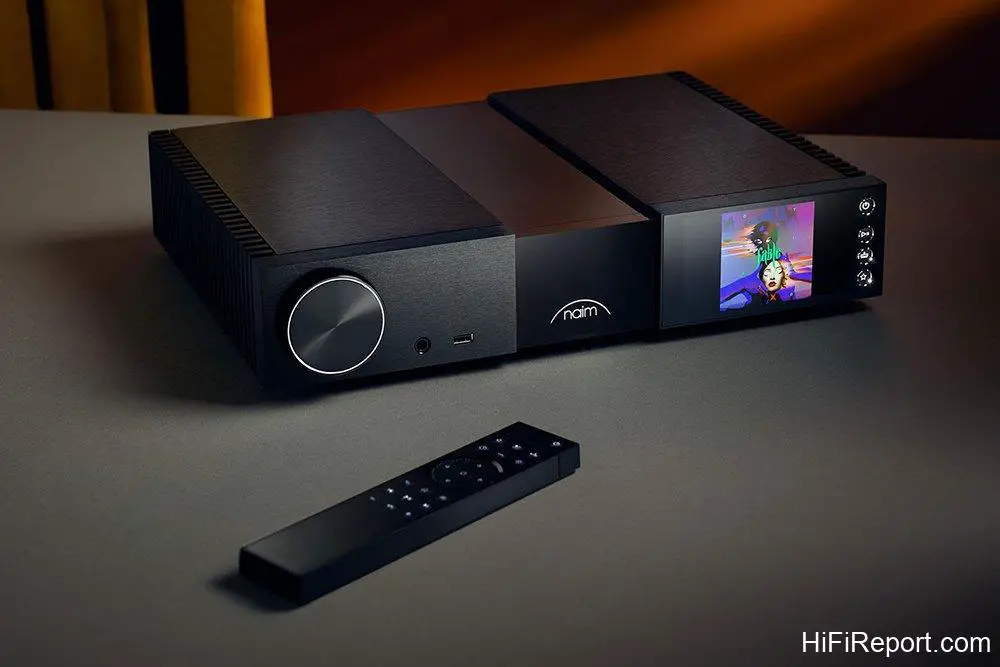
The principle is well understood, but R2R resistor ladder volume controls have one major drawback: cost. In addressing the traditional preamplifier functions, the NSC 222 strives for excellence in every aspect. This includes retaining a Moving Magnet (MM) phono stage for vinyl enthusiasts. For Moving Coil (MC) cartridges, a step-up transformer can be easily integrated. Furthermore, Naim has incorporated the headphone amplifier circuitry from their Uniti Atom into the NSC 222, catering to headphone aficionados.
Comprehensive and Upgradeable Digital Streaming
The NSC 222’s digital streaming capabilities are a key factor in its claim to “new classic” status.
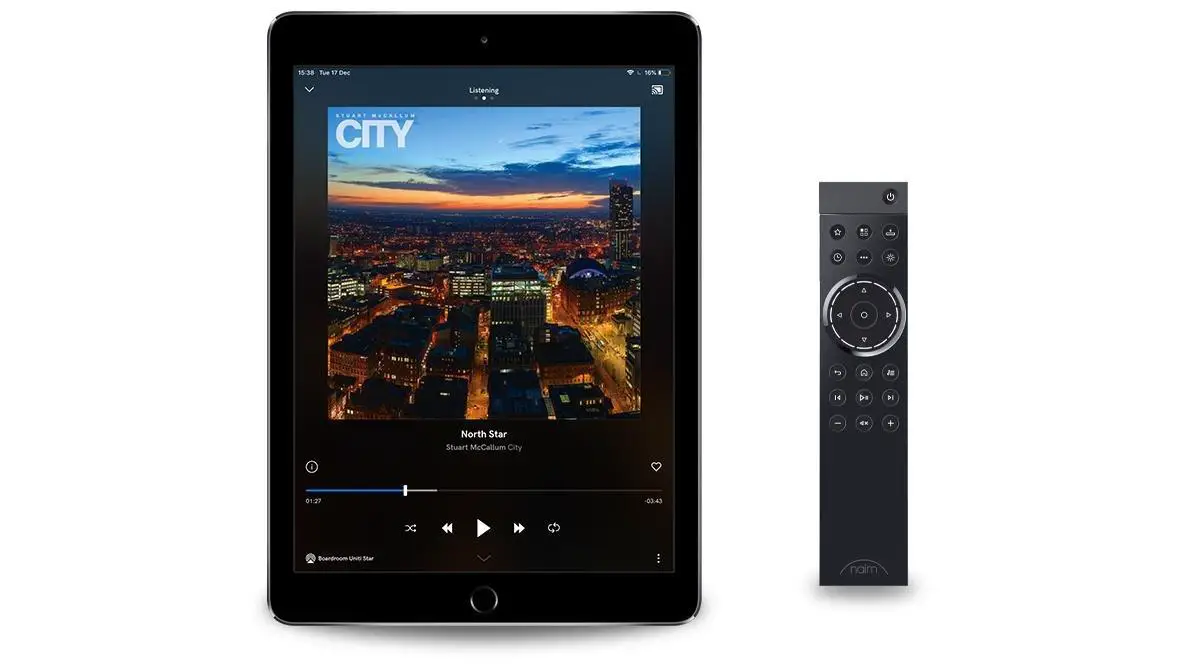
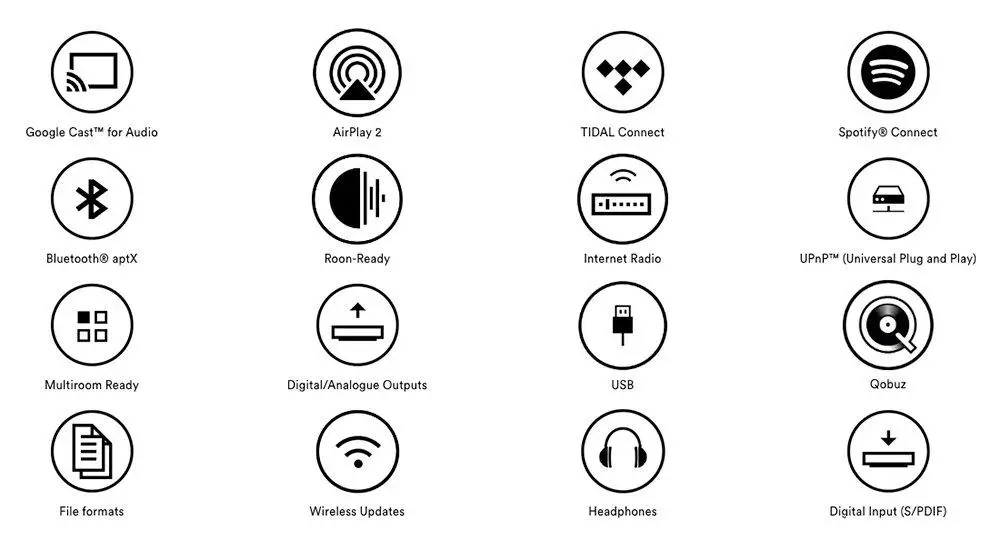
With 32-bit/384kHz DAC decoding, the specifications are certainly high-end. Crucially, the digital streaming platform boasts extensive compatibility, encompassing Spotify, TIDAL, Qobuz, AirPlay, Chromecast, and more. The NSC 222 is virtually all-inclusive. And should new digital streaming services emerge, firmware updates will ensure the NSC 222 remains current.
Naim’s decade-plus track record of firmware and software updates demonstrates their ongoing commitment. Even older Naim digital streaming players can be updated to support new digital streaming music platforms and extended services like Spotify Connect, TIDAL Connect, and Roon.
New Classic Design Aesthetic
The NSC 222 digital streaming preamplifier, paired with the NAP 250 power amplifier and NPX 300 power supply, forms a triumvirate constituting the New Classic series – Naim’s latest product line. A key distinction from the Classic series lies in the NSC 222 itself. The Classic series separates digital streaming players and preamplifiers into distinct components. However, the NSC 222 combines both, and when paired with the NAP 250 power amplifier, it’s ready to drive speakers and play music. For an elevated experience, adding the NPX 300 power supply provides external power to both the NSC 222 and NAP 250, essentially supercharging the entire system.
Think of it this way: the NSC 222 is the brain and heart of the New Classic series, offering comprehensive digital and analog input capabilities, both wired and wireless. The NAP 250 represents the muscle, precisely controlling the speakers. And the NPX 300 power supply enhances the energy of both the brain and heart, while also providing an exoskeleton for the muscle, improving control and power.
Musicality Remains a Key Selling Point
Despite highlighting the NSC 222’s design and functional merits, the ultimate joy lies in experiencing music through it. For nearly fifty years, Naim’s hallmark “musicality” has been a celebrated attribute among audiophiles. While “musicality” is a somewhat subjective term, it effectively conveys Naim’s exceptional ability to reproduce music. Before the advent of terms like “immersive listening experience,” “musicality” was a high praise for audio equipment, a quality that, though vaguely defined, was instantly perceptible.
For this HiFiReport review of the NSC 222, I didn’t use the complete New Classic system. Instead, I focused solely on the NSC 222, pairing it with EAR 509 MK II and NuForce Reference 18 power amplifiers, and Wilson Audio Alexia 2, Dynaudio Contour 60, and Monitor Audio Platinum 300 3G loudspeakers.
Regardless of the speaker pairing, the NSC 222 consistently showcased a warm and rich midrange. The low-frequency performance effectively highlighted each speaker’s inherent capabilities. The Alexia 2 delivered ample and solid bass, the Contour 60 offered a relaxed and spacious low end, and the Platinum 300 3G presented a fast and full-bodied response. Moreover, thanks to its Air Motion Transformer tweeter, the Platinum 300 3G’s clear and airy high frequencies seemed particularly well-matched with the NSC 222, both in sonic synergy and price point. The Alexia 2, in contrast, represented a significant price disparity in the system. Therefore, the Platinum 300 3G became the primary speaker for the listening evaluation.
Warmth, Clarity, Cohesion
Naim’s “musicality” is a recurring topic among audiophiles. Some describe it as a slightly rolled-off high frequency response, leaning towards a softer, more colored sound. While this might have been accurate for Naim equipment from three decades ago, the new generation Naim sound is far from subdued or murky in the high frequencies. Instead, it combines a warm and rich tonal foundation with clear and cohesive sonic outlines, resulting in a sound that is both truthful and beautiful.
Consider Rachel Barton Pine and Samuel Sanders’ collaboration “Homage to Sarasate”. The first track, “Andalusian Romance,” is exquisitely beautiful and romantic. The gentle arpeggiated chords of the piano lay a warm foundation, upon which the violin’s romantic melodies gracefully dance. The NSC 222 projects the piano with a spacious soundstage, while the violin is focused centrally, slightly elevated above the piano. This vivid soundstage presentation creates a palpable sense of being in the recording venue.
As the music transitions to the Allegro section, the violin’s soaring lines, accompanied by the piano’s light staccato notes, fill the room with the vibrant energy of the Spanish sun. The NSC 222 clearly renders the violin’s technique, capturing the rich details of spiccato bowing and pizzicato. The piano responds with lively sounds. Then, during the sustained melodic passages, the flowing lines evoke a sense of tranquility. This interplay between tension and release perfectly conveys the romantic sentiment of the serenade.
The NSC 222 naturally and effortlessly conveys the emotional nuances of the music. To dissect the sound into high, mid, and low frequencies would be to miss the point entirely. The ability to naturally present the interplay and atmosphere of the piano and violin duet transcends the need to nitpick over frequency ranges.
Luminous and Smooth Violin Tone
Switching to another violin recording, Perlman’s “Cinema Serenade,” I selected the theme from the film “Scent of a Woman,” Piazzolla’s passionate and fiery tango.
The cello section’s powerful pizzicato sets the stage for the violin’s ardent tango melody. Perlman’s playing is rendered with a luminous smoothness by the NSC 222. The violin’s lines are clear and beautiful, with a warm and lingering resonance. It’s passionate yet romantic. The ensuing tango rhythms are presented with a supple, musical flow. The violin’s smooth and dense tone, as reproduced by the NSC 222, strikes a perfect balance – neither overly analytical nor excessively warm and lush. It achieves equilibrium between realism and expressiveness. The violin is focused and powerful, yet its sonic texture retains a soft warmth.
If one were to describe the NSC 222’s violin performance as combining firmness and tenderness, it would be more accurate to say it’s tenderness with underlying firmness. Warm and smooth tonality remains a Naim strength. However, the NSC 222 also possesses excellent resolution and detail retrieval. The violin’s harmonics are beautifully rendered, fully leveraging the Platinum 300 3G’s Air Motion Transformer tweeter.
As for the power amplifier pairings, when using the EAR 509 MK II tube amplifier, the midrange became warmer and even more beautiful. Switching to the NuForce Reference 18 solid-state amplifier, the sonic outlines became tighter, and the violin seemed positioned closer to the listener.
Which power amplifier pairing did I prefer? Based on my listening experience with the NSC 222, the 509 MK II was a more synergistic match, offering a more alluring sonic beauty.
Captivating Vocals, Especially Tsai Chin
If you appreciate vocals, the NSC 222 will undoubtedly captivate you. Listening to Tsai Chin’s “Golden Voice,” starting with “Jasmine Flower,” the song opens with sustained cello notes, answered by Tsai Chin’s humming, and then cello pizzicato. The NSC 222 renders Tsai Chin’s voice with warmth and sweetness, complemented by clear and natural breath details. This rendition of Tsai Chin is truly mesmerizing. As Tsai Chin recites the spoken word narrative of “Danshui Town,” the electric piano responds from the depths of the soundstage. The spatial separation between Tsai Chin in the foreground and the piano in the background creates a palpable 3D soundstage. When the singing returns, the crisp piano sounds resonate in response. Despite the simple instrumentation, the musicality is boundless.
Similarly, listening to Bartoli’s “Live in Italy,” Handel’s “Lascia La Spina,” the NSC 222’s quiet background allows the soundstage to expand in width and height. The harpsichord and string sections establish the music’s serene solemnity. Bartoli’s voice is focused in the center of the soundstage, creating a vivid sense of the recording venue’s stage. The NSC 222’s midrange richness further enhances the fullness and depth of Bartoli’s mezzo-soprano voice. The subtle vocal nuances during her melismatic passages are beautifully rendered by the NSC 222. In essence, the NSC 222 is a preamplifier that allows you to forget about the equipment and fully immerse yourself in the music.
Enhancing Romanticism
Romantic music sounds even more romantic through the NSC 222. Enter Rubinstein, performing Chopin’s Piano Concerto No. 2. For romance, the second movement, Larghetto, is the natural choice. The orchestral introduction begins with strings, echoed by woodwinds in two dialogues, and three sustained notes welcome the piano. The NSC 222 lays out a rich and expansive string and woodwind foundation, highlighting the crystalline clarity of the piano notes. Rubinstein’s piano tone is both transparent and lush, with the keys exuding a fragrant woody warmth, further enhanced through the NSC 222.
These warm and romantic piano notes are supported by the expansive string section, enveloping the piano and accentuating the protagonist’s romantic melody. The piano theme is stated, repeated, and then raised an octave, making the piano even more radiant and the romantic sentiment more intense. The NSC 222’s clear piano note articulation, distinctly rendering legato and staccato passages, brings the listener closer to Rubinstein’s performance. The hesitation in Chopin’s notes, the subtly melancholic romance, is amplified by the NSC 222, making the romantic notes even more romantic and emotionally engaging.
Powerful Music Remains Dynamic
Is the NSC 222 only capable of gentle musicality? Not at all. Feed it powerful music, and the NSC 222 instantly unleashes its hidden dynamism! Listening to Stravinsky’s “The Firebird” from the RR label’s “Tutti” orchestral sampler, “Berceuse” (Lullaby) is rendered with smooth tranquility and a deep soundstage that creates a sense of stage depth.
In the Finale, representing the destruction of Koschei the Deathless, the restoration of life, and the Firebird’s soaring flight, the music transitions from serenity to exuberant celebration. When the bass drum powerfully strikes, and the brass and strings forcefully play in unison, the NSC 222 expands the soundstage, delivering a high-density sound that showcases the bright sheen of the brass section and the surging energy of the strings. The powerful bass drum drives the music relentlessly, wave after wave. The grand harmonies create a radiant musical brilliance. Listening to “The Firebird” this way is exhilarating.
A Long-Term Musical Companion
The NSC 222 is Naim’s major new release for 2023, embodying the New Classic aesthetic. However, Naim’s signature musicality, balancing beauty and truthfulness, remains its core value. Functionally, the NSC 222 is a comprehensive digital streaming player with guaranteed upgradability. But if you prioritize a preamplifier that delivers both sonic truth and beauty, the NSC 222 should be on your list. And you don’t need to buy two separate components. The NSC 222 fulfills the roles of both a high-quality preamplifier and a digital streaming player. Its classic industrial design is timelessly appealing, making it a long-lasting and cherished musical companion.
Specifications
* Type: Digital Streaming Preamplifier
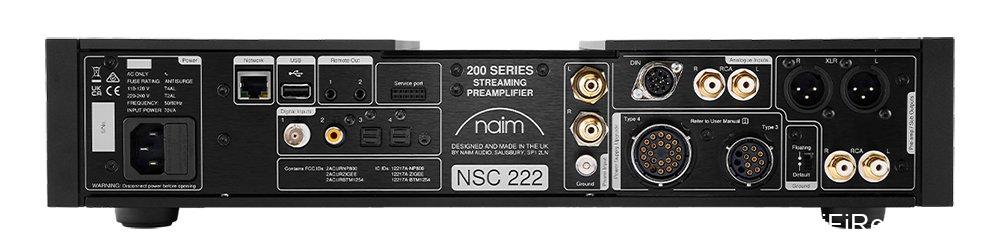
* Analog Inputs: RCA x 1, DIN x 1, MM Phono Input x 1
* Digital Inputs: Optical TOSLink (up to 24bit/96kHz) x 2; Coaxial RCA (up to 24bit/192kHz, DoP 64Fs) x 1; BNC (up to 24bit/192kHz, DoP 64Fs) x 1; USB Type A (front x 1, rear x 1) x 2; RJ45 Network Input x 1, Wi-Fi (802.11 b/g/n/ac)
* Analog Outputs: XLR x 1, RCA x 1, 6.35 mm Headphone Output x 1
* Preamplifier Output: RCA x1
* Headphone Output: 3.5mm x1
* Dimensions (H x W x D): 91.5 x 432 x 317.5 mm
* Weight: 11 kg