
NuPrime SW Ultimate Network Switch Review
It’s been five years since NuPrime last launched a network switch. Back then, audiophile-grade network switches were relatively new to the HiFi scene, and the market had few products available. NuPrime entered the market with the entry-level SW-8, which quickly became a trendsetter due to its high cost-performance ratio and distinct sonic improvements.
Today, audiophile switches have matured into a widely accepted product category among enthusiasts, with a diverse range of options across different price points. The introduction of NuPrime’s flagship SW Ultimate at this juncture suggests it must possess some extraordinary qualities.
Abundant SFP Ports
What are these extraordinary qualities? Let’s start with the features it shares with others.
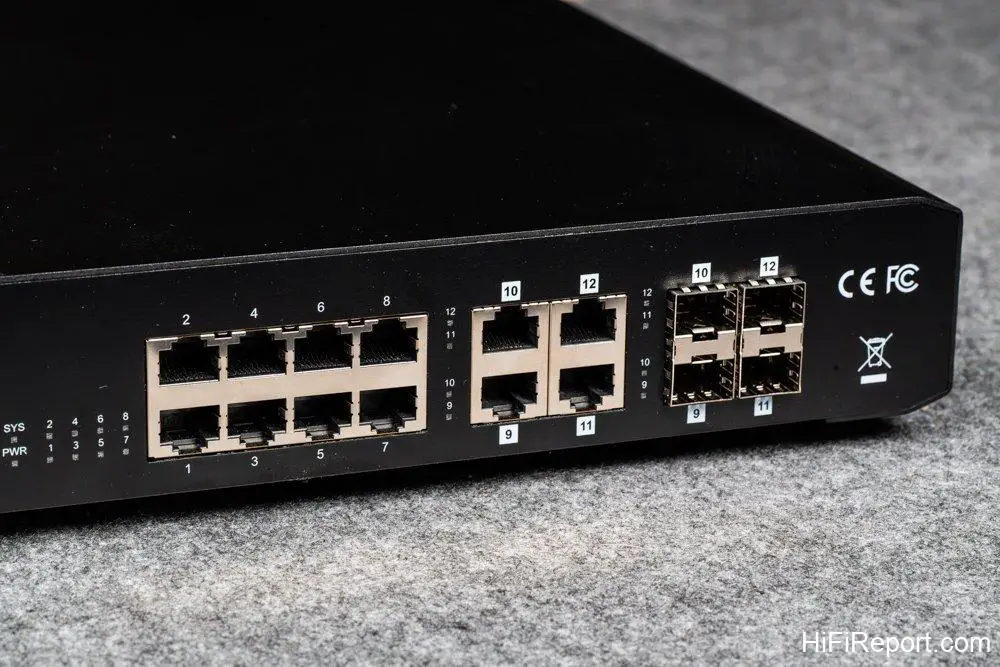
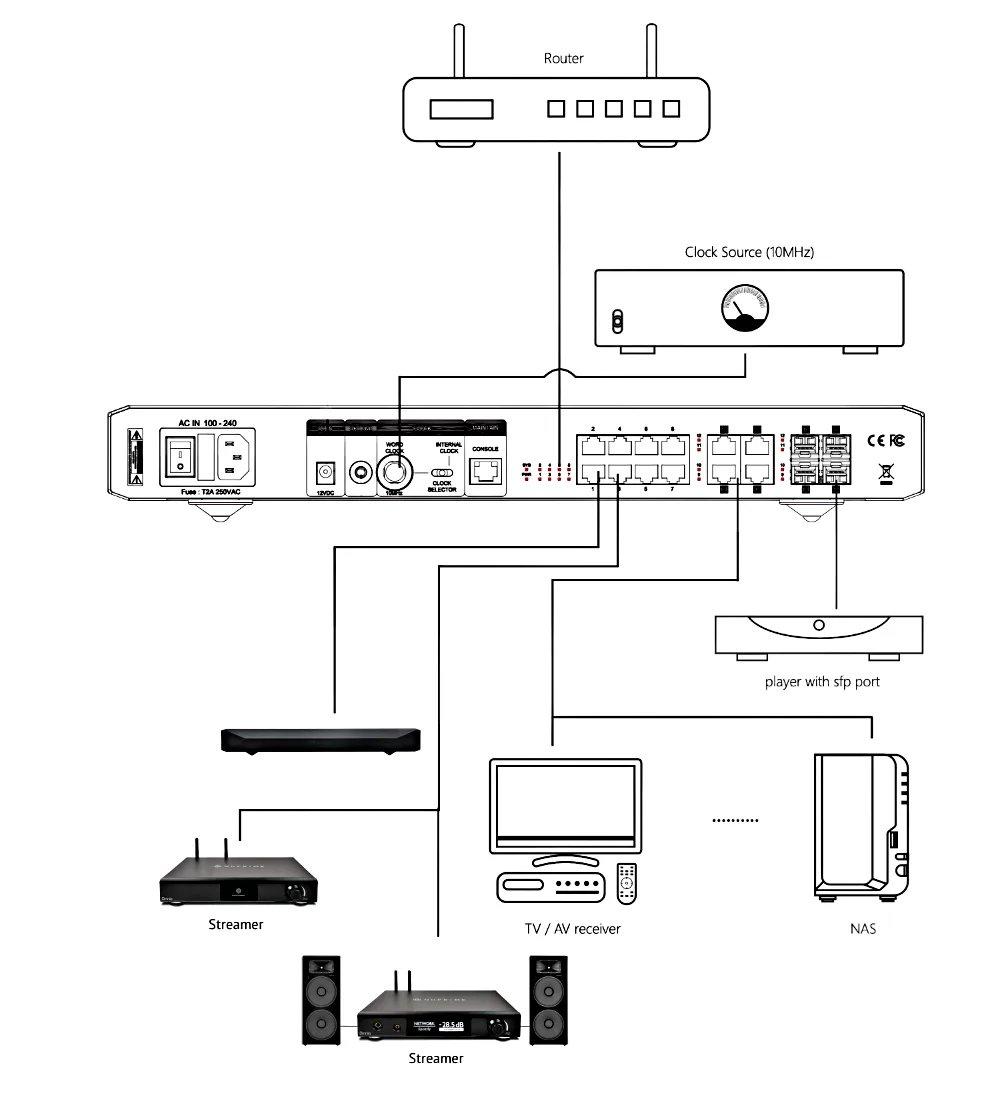
In addition to providing a very generous 12 RJ45 network ports, the SW Ultimate also boasts a remarkable four SFP interfaces. This allows users to leverage SFP fiber optic modules and use fiber optic cables to connect with other network devices, such as another switch, a streamer, or a music server. This fiber optic isolation effectively achieves the goal of isolating network noise.
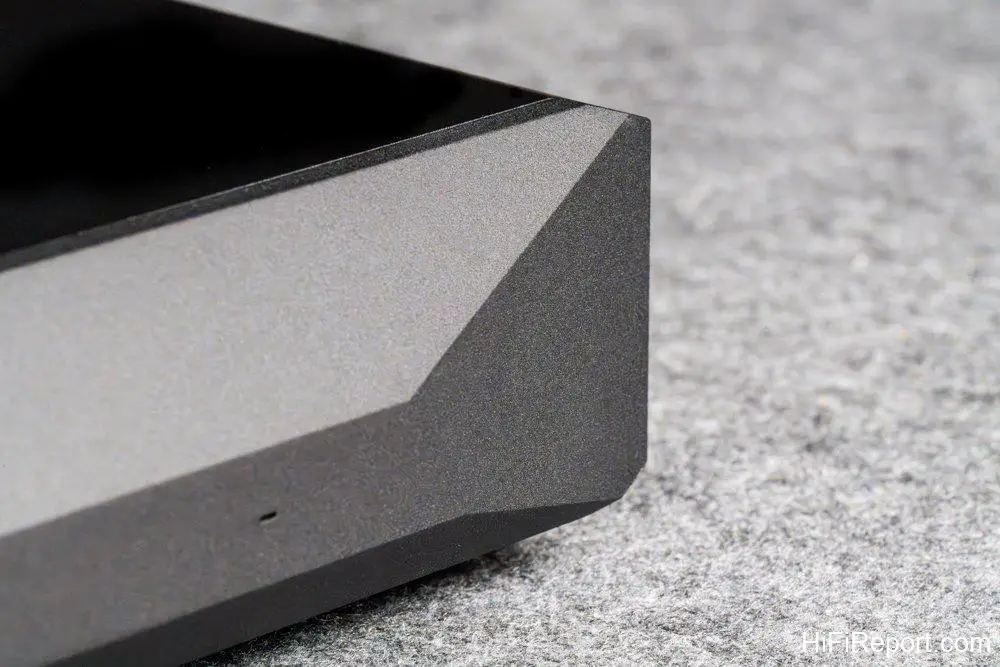
While many audiophile switches on the market now feature SFP interfaces, most only offer one, a few provide two, but having four like the SW Ultimate is currently quite unique.
It’s important to note that the four SFP ports (labeled 9 through 12) share bandwidth with RJ45 ports 9 through 12. This means if you plug into RJ45 port 9, you cannot use SFP port 9, and vice versa. Users should be mindful of this when making connections.
For timing, the SW Ultimate incorporates a custom 10MHz precision TCXO oscillator as its main clock. This is paired with a meticulously designed power supply to achieve precise timing and ultra-low phase noise performance.
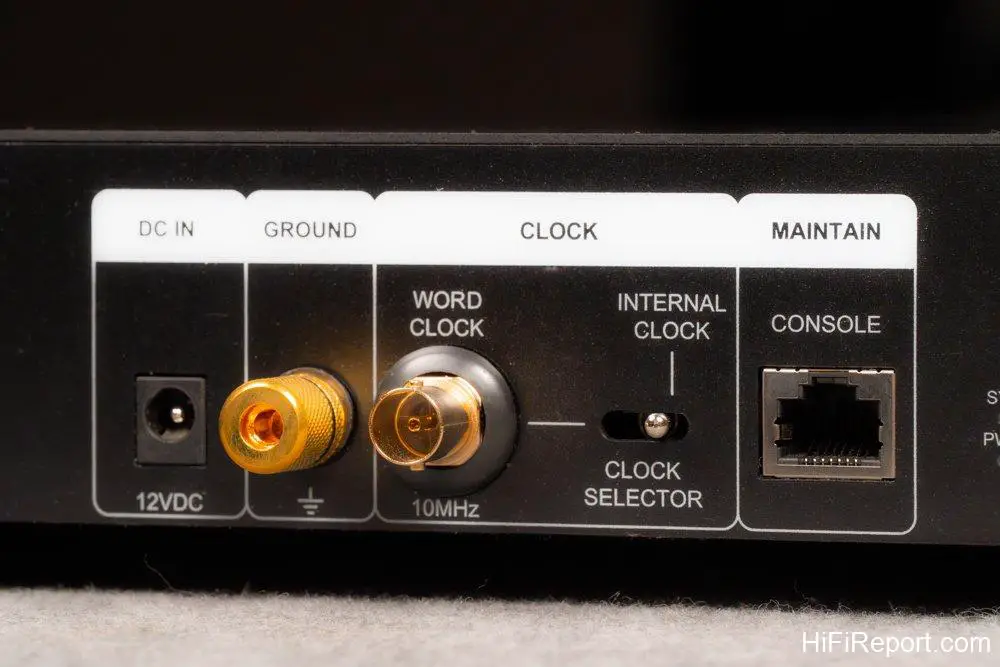
Furthermore, the SW Ultimate allows for external clock input. It features a BNC connector on the rear for a Word Clock input and an internal/external clock toggle switch, giving users the flexibility to connect a higher-grade 10MHz external clock.
Power Upgrade
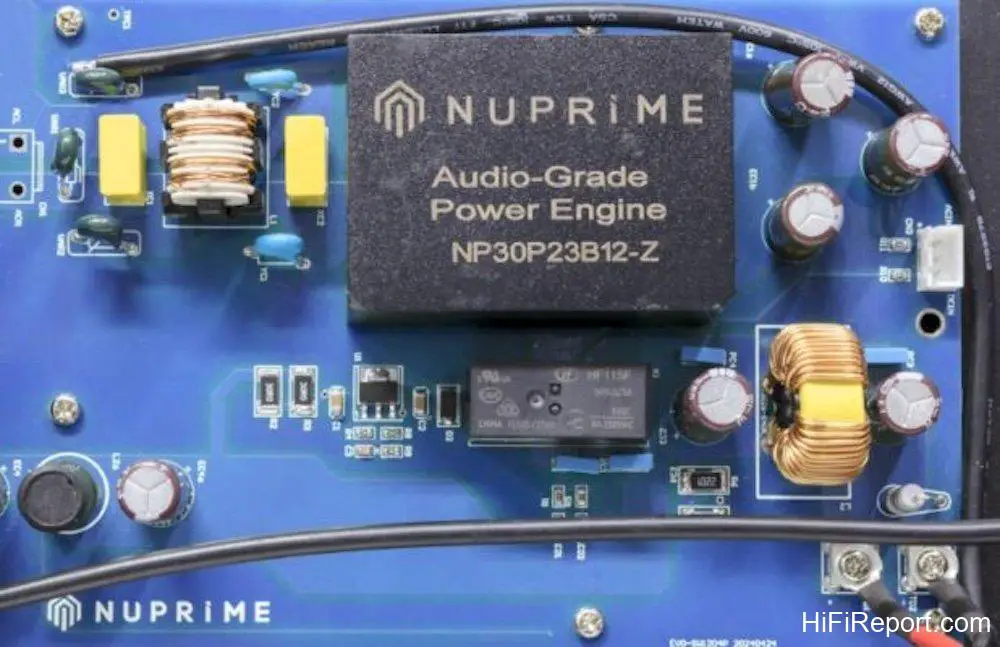
Regarding the power supply, the SW Ultimate utilizes an ultra-low noise Power Engine power supply. Its common-mode choke circuit provides high isolation, preventing AC contamination from other devices or equipment.
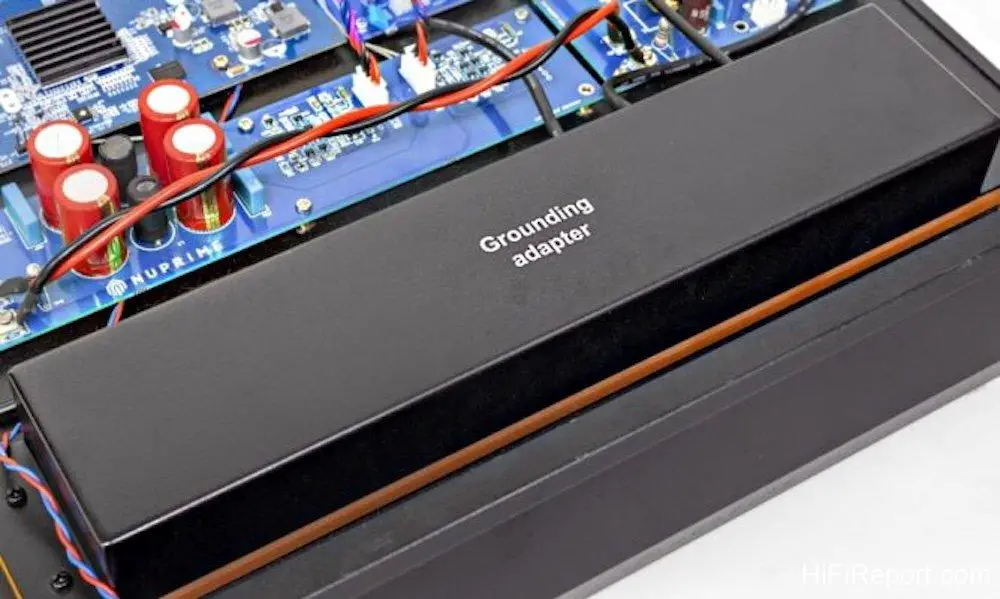
The SW Ultimate also pays significant attention to ground noise treatment. Besides providing a grounding terminal on the rear for connecting an external ground box, it includes an internal Grounding Adapter designed to reduce ground-related noise.
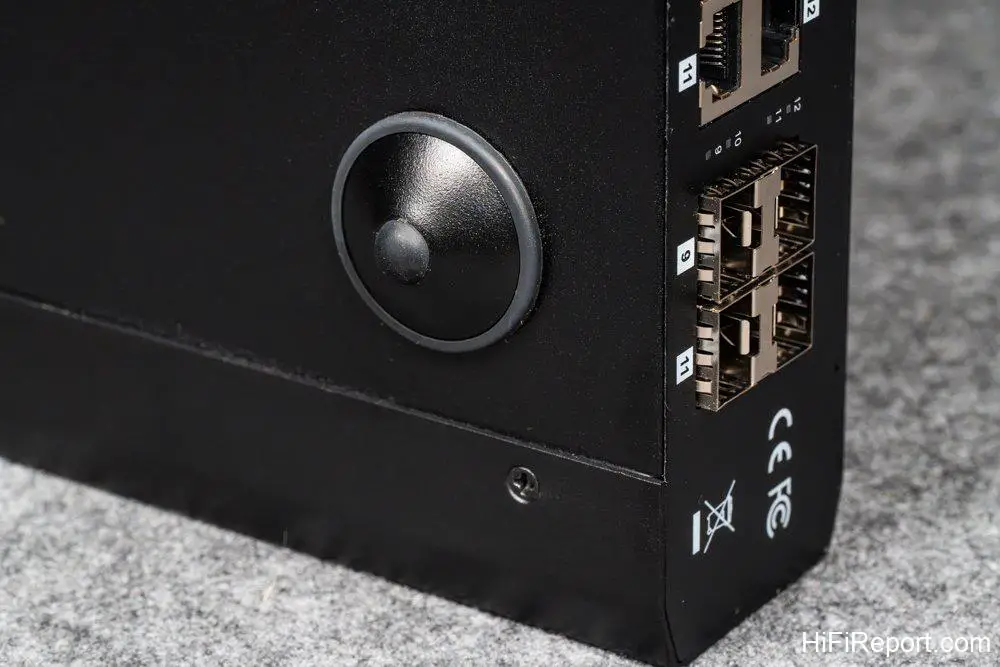
The power supply of a network switch has a substantial impact on overall performance, which is why the SW Ultimate also allows users to upgrade the power source.
It includes a 12V DC input socket on the back, providing users with the flexibility to upgrade the power supply.
When an external power supply is used, the SW Ultimate’s internal power module is bypassed, and the unit is powered entirely from the external source.
First Layer 3
Up to this point, we’ve discussed features that the SW Ultimate shares with other switches, demonstrating that it’s already highly competitive. Now, let’s delve into a design feature that is unique: Layer 3 switching.
What is a Layer 3 switch? To explain this, we first need to touch upon the OSI model.
The OSI (Open System Interconnection Reference Model) is a conceptual framework proposed by the International Organization for Standardization for global open network architectures. It divides the information flow into 7 layers based on how networks operate. Layer 1 is the lowest layer, and Layer 7 is the highest. Layers 1 through 4 are related to hardware devices and network communication technologies, while Layers 5 through 7 are more focused on software and applications.

Network switches are typically categorized as Layer 2 hardware devices. The vast majority of home switches and standard commercial switches are Layer 2 switches.
Routers belong to Layer 3. This includes professional routers, wireless routers, fiber optic modems from internet providers, cable modems, etc. – all are considered Layer 3 devices.
As for a Layer 3 switch, simply put, it’s a Layer 2 switch that incorporates routing capabilities.
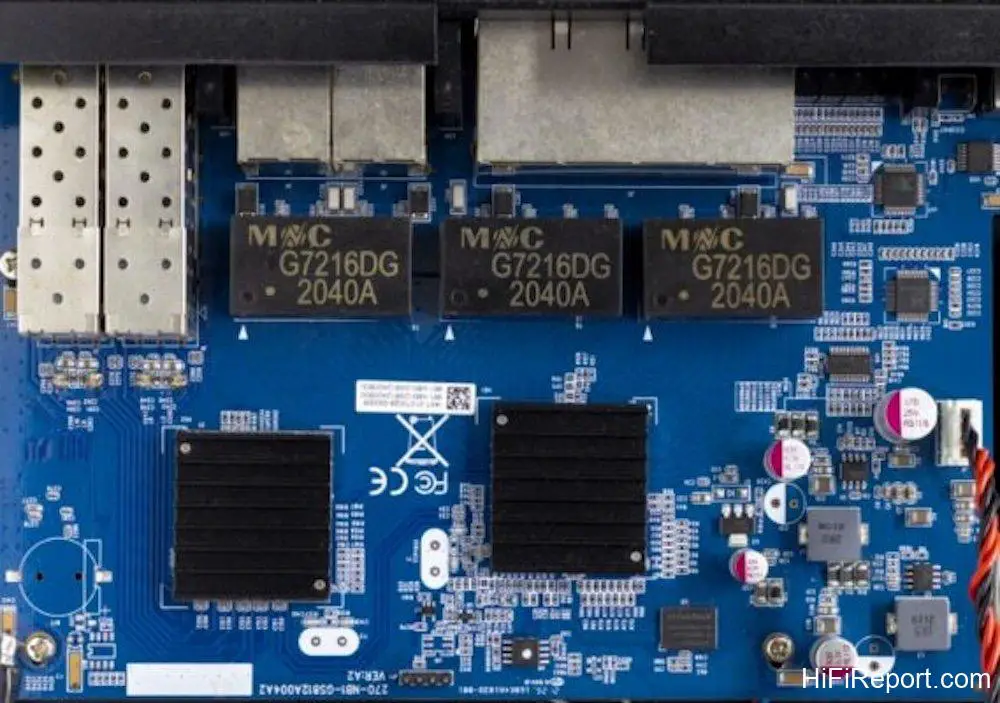
Given this, what advantages does a Layer 3 switch offer compared to a standard Layer 2 switch, and why does the SW Ultimate highlight its Layer 3 capability? A Layer 3 switch contains both a router module and a switch module. This effectively creates a self-contained, high-quality subnetwork or virtual local area network based on IP addresses. Devices connected to this Layer 3 switch experience relatively better transmission efficiency, resulting in smoother and more stable data exchange.
Furthermore, the SW Ultimate has optimized its subnetwork specifically for audio/video streaming, which is particularly beneficial for streaming quality.
To put it more simply, the SW Ultimate leverages its Layer 3 switching functionality to establish a dedicated “Hi-Fi ecosystem” at home for audio/video streaming, allowing the audio system to enjoy its own Hi-Fi local area network, thereby improving streaming playback quality.
Clearer Imaging
The listening test was conducted in the HiFiReport listening room. The equipment used included an Intel NUC computer running Roon Core, a Cambridge EXN100 streamer, an Eamlab 202i integrated amplifier, and Dali EpiKore 7 floorstanding speakers.
The reference unit used for comparison was a ZyXEL GS-108B V2 consumer network switch.
First, I listened to track 3, “So in Love,” from Chick Corea’s “Akoustic Band” album. The dynamics of this piece gradually build from calm to intense and powerful. Although the instrumentation remains consistent throughout – piano, double bass, and drums – the forte sections are extremely vibrant and put the system’s low-frequency performance to the test.
Through the SW Ultimate, the sound became more focused, resulting in improved density. The outlines of the soundstage became clearer and more defined.
The piano’s touch felt more distinct and forceful, with a better crispness to the notes and a more grounded sound. The weight of the bass increased, lending greater stability to the lower end of the soundstage. Concurrently, the texture and density of the low frequencies improved, making the kick drum hits more impactful and the overall pace better.
In contrast, the sound from the reference switch was noticeably cheaper, sounding looser with a more indistinct soundstage shape. The solidity of the piano, bass, and drum notes was clearly more diffused, leading to less defined outlines and less precise imaging. The music lacked sufficient coherence. The soundstage spread wider to the sides, but depth was unclear, the distance between front and rear instruments wasn’t distinct, and the sound appeared flat. The difference became even more pronounced as the music accelerated and became more complex in the later sections.
Enhanced Separation
Next, I played the second movement, “Andante,” from Johann Sebastian Bach’s Brandenburg Concerto No. 4 in G Major, performed by The English Concert conducted by Trevor Pinnock. This piece features extensive tutti passages, with different sections or instruments taking turns as soloists and accompanists, using orchestration and harmony to create extremely diverse variations in both music and timbre.
In this recording, some instruments are placed further back, some further forward, some on the left, and some on the right. Through the SW Ultimate, it became easier to distinguish the positions of the different sections. Combined with the excellent soundstage depth, the layering between front and rear was also very clear.
Furthermore, the SW Ultimate more clearly presented the complex harmonic variations within the piece. The timbral textures of the various instruments were also clearly articulated, making the listening experience more enjoyable and the sound more beautiful and harmonious.
In comparison, the separation from the reference unit was significantly inferior. The sections were stacked together in the front, middle, and back, and the sound felt less clean.
System Elevated
Using the big band piece “From the Age of Swing,” specifically the title track from the album of the same name, provides another example. Again, the difference was quite significant. The reference unit produced a looser sound quality, whereas the SW Ultimate was tighter, more accurate, clearer, and more lively.
The SW Ultimate exhibited excellent thickness and weight to the piano notes, while still remaining nimble and light. The piano notes had better solidity, and the richness of the tone was enhanced by greater detail, making the sound more lifelike and realistic. It felt as though the entire system had been elevated by a tier. Additionally, the spatial decay rendered by the SW Ultimate was richer and clearer, giving the piano’s high frequencies a better sense of airiness.
In contrast, the low frequencies from the reference unit were quite loose. Whether it was a kick drum hit or a plucked bass string, the low end felt somewhat unfocused, lacking sufficient impact and speed.
Highly Recommended
Another example is Yu-Chien Tseng’s performance of violin sonatas by French composers. The instrumentation is simple, only violin and piano, making it easy to assess sound quality, timbre, and the recording venue.
At this point, I intuitively felt that the change brought about by the SW Ultimate wasn’t merely a blacker background, cleaner sound floor, or increased transparency or clarity in sound quality. Many audiophile switches I’ve auditioned in the past consistently make the sound and background cleaner and more analytical, with clearer and sharper outlines and lines. However, rarely do they make the sound feel thicker. The SW Ultimate is different; it gives the sound more weight and better density, resulting in a more grounded touch from the piano, a more stable low end of the soundstage, a more tangible sense of the piano’s scale, and a sound that is ultimately more listenable.
While it’s impossible to definitively say whether the significant improvement delivered by the SW Ultimate is due to its Layer 3 switch architecture, as there’s no direct comparison available, it doesn’t really matter. Regardless of how it achieves the improvement, if it elevates the sound, it’s a good piece of equipment.
The crucial point is that among the many audiophile switches I’ve auditioned, the degree of improvement offered by the SW Ultimate is among the very best, yet its price isn’t prohibitively high. It offers relative value for money, perhaps even exceeding it, making it highly recommended.
Specifications
* **Type:** Network Switch
* **Interfaces:** 1GbE RJ45 × 12 (9–12 shared with SFP), 1000BASE-X SFP × 4
* **External Clock Input:** BNC 10MHz Word Clock
* **Power Input:** 100V–240V AC, 12V DC / 1A
* **Dimensions:** 430 × 61.5 × 369 mm (Width × Height × Depth)
* **Weight:** 5.2 kg