
Onkyo TX-8470 Streamer Review
As network streaming video and audio specifications become increasingly sophisticated, Onkyo has recently unveiled its next-generation streaming amplifier, the TX-8470. This new model builds upon the rich streaming capabilities of its predecessor, the TX-8270, while enhancing video functionality and refining the core amplifier circuit design. It delivers superior cinematic visuals and impressive audio power, making streaming movies and TV shows truly shine, even with just a pair of speakers.
Video and HDMI Connectivity
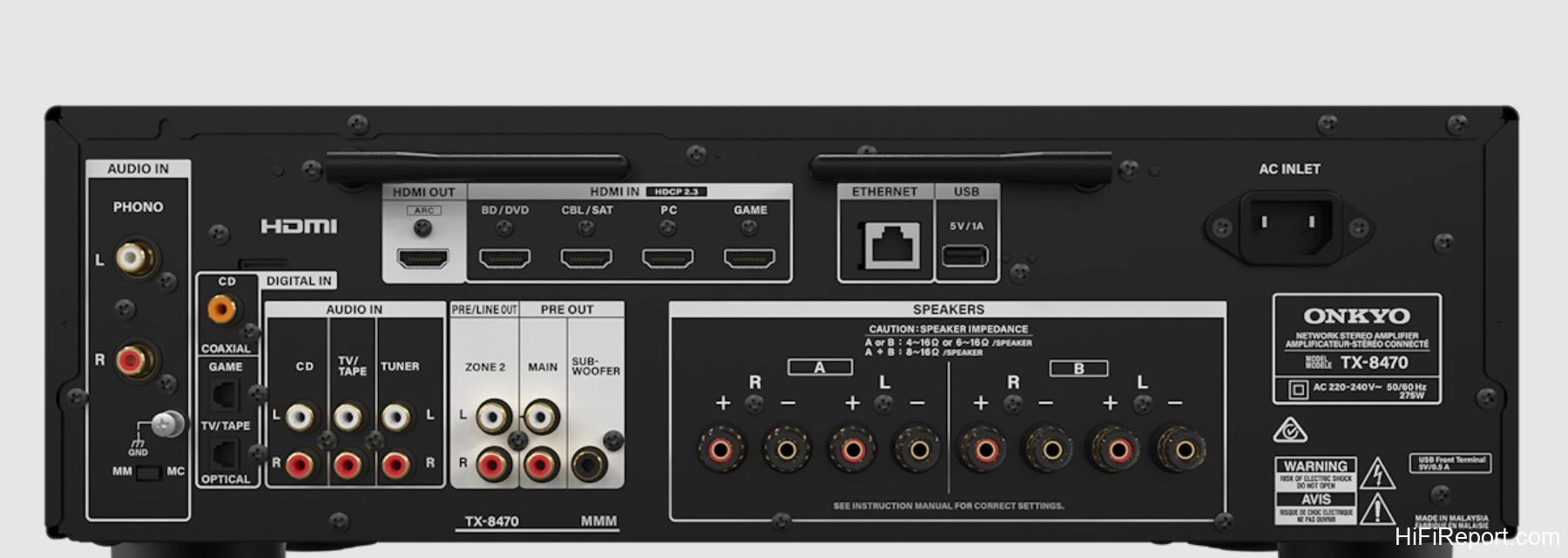
First off, the TX-8470 continues the previous design’s support with four HDMI inputs and one output. It boasts compatibility with various video formats including HDR high dynamic range, Dolby Vision, HLG, HDR10, and BT.2020. The inputs allow you to connect sources like Blu-ray players and game consoles. Crucially, the output has been upgraded to HDMI 2.1, supporting resolutions up to 4K/120p or 8K/60p.
It also includes ARC (Audio Return Channel), enabling the receiver to process audio from your TV or projector when watching streaming content from services like Netflix and YouTube, significantly improving sound quality over built-in TV speakers.
Analog and Phono Connections
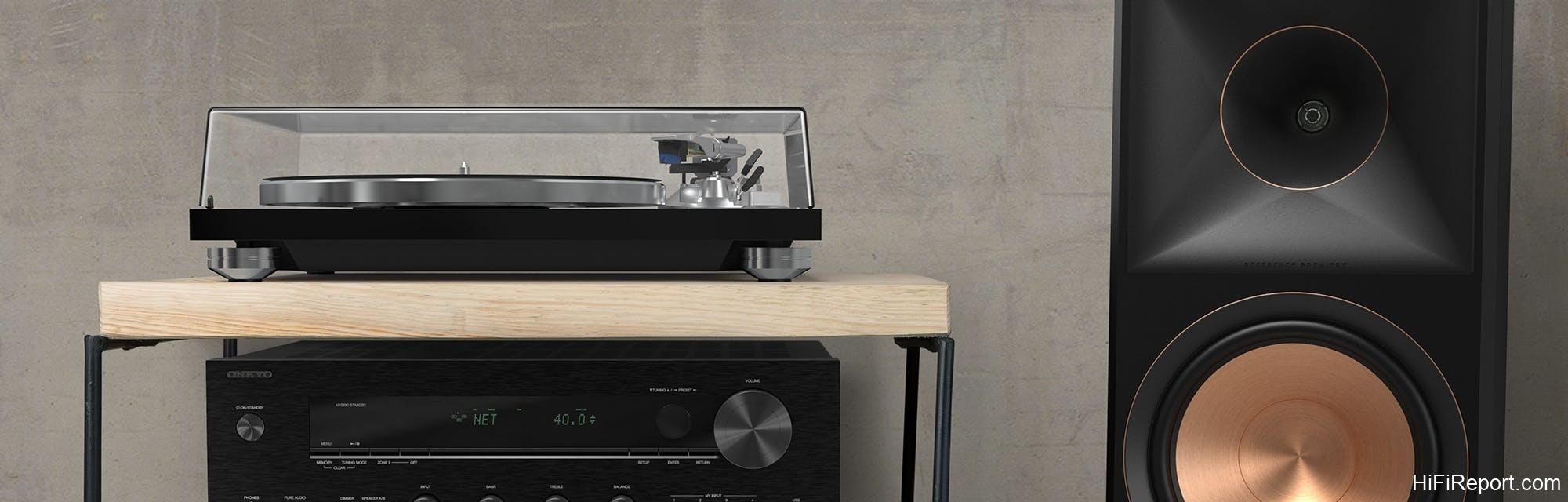
Additionally, the TX-8470 features three sets of RCA analog inputs, perfect for connecting components like CD players or external streaming DACs. More importantly, it includes a dedicated Phono input with switchable MM/MC gain settings and a ground terminal. This means you can connect virtually any type of turntable and play vinyl directly, offering more comprehensive vinyl support than the previous generation.
Analog Outputs and System Expansion
For analog outputs, there’s a Zone 2 terminal, allowing you to set up a second audio system in another room like a study or bedroom. Furthermore, it provides two sets of Pre Out terminals; one allows you to bypass the internal power amplification and connect a higher-quality external power amp, and there’s a Sub output for integrating an active subwoofer to build a 2.1 channel system for enhanced low-frequency impact.
Speaker Terminals and Bi-wiring
Beyond this, the unit features A and B speaker terminals. This not only allows you to switch between two pairs of speakers but also supports bi-wiring if your speakers are equipped with bi-wireable terminals (using the A+B connection). This approach enables the amplifier to drive the speakers more completely, theoretically leading to improved mid-high frequency sound quality.
Network Streaming Features
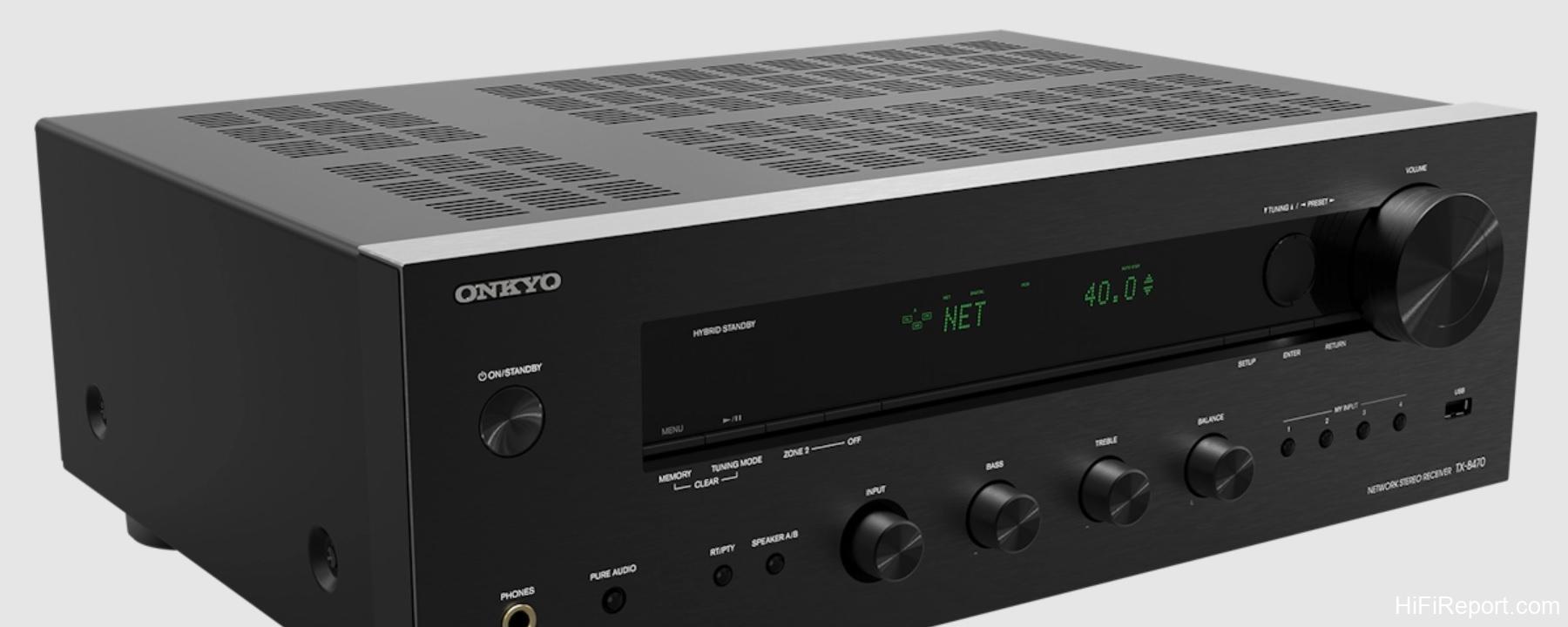
The TX-8470 also boasts extensive streaming support, equipped with both Ethernet and Wi-Fi connectivity. Once connected to your home network, you can control the unit using the Onkyo Controller app and access streaming music platforms such as Spotify, TIDAL, and Amazon Music HD. If you prefer not to use the native app, the unit also features Chromecast built-in and AirPlay, allowing Android or Apple phones to mirror their audio output and stream music to the amplifier.
A significant addition is Roon Ready functionality; if you are a Roon subscriber, you can use the TX-8470 as a Roon Output device, leveraging Roon’s powerful music playback interface and audio optimization features.
Digital Audio and Decoding
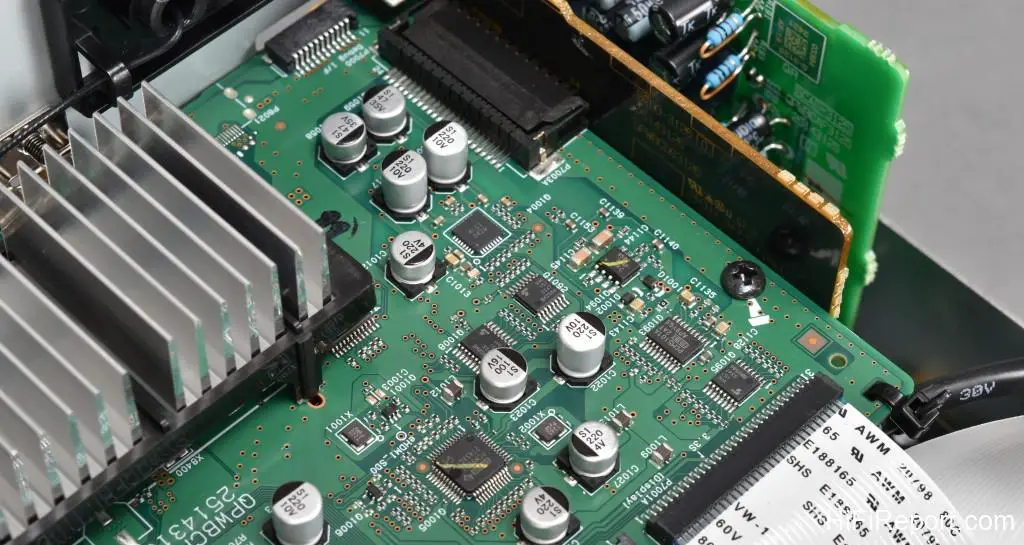
The decoding section has also seen an upgrade, now featuring a higher-end 8-channel AK4452 DAC chip, utilized specifically for the two main channels. This significantly improves the signal-to-noise ratio and left/right channel separation. For streaming music, it supports high-resolution audio decoding up to 32bit/768kHz PCM. If you’re in an environment without network access, you can still play music files directly from a USB drive connected to the unit’s front USB input.
Additionally, it includes basic Bluetooth functionality for streaming music directly from your phone. Compared to Onkyo’s surround sound receivers, this unit is equally capable in terms of connectivity, differing only in the number of channels, making it a better fit for the needs of many users.
Class G Amplifier Technology
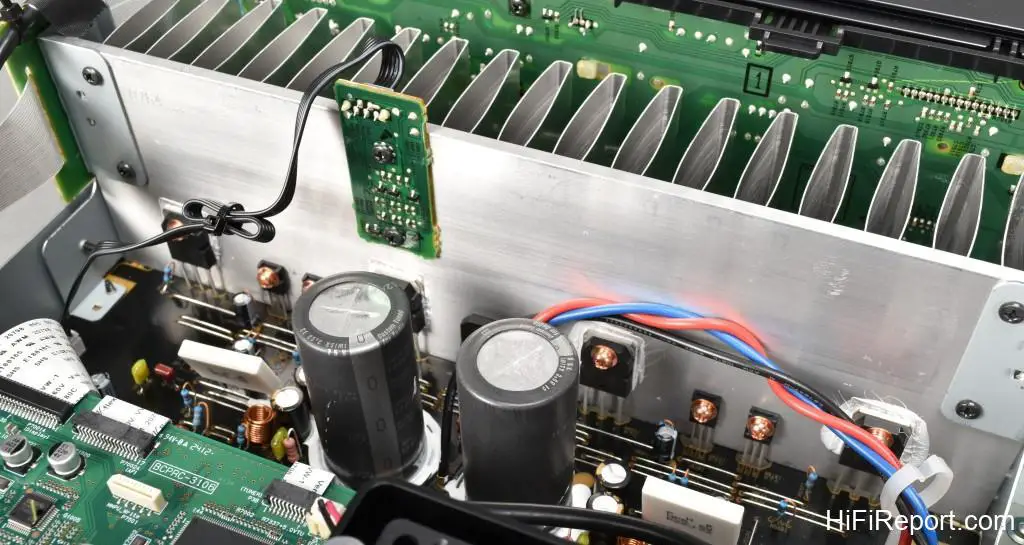
Beyond enhanced connectivity, the most significant evolution of the TX-8470 lies in its adoption of a relatively uncommon Class G amplifier circuit. This design increases the output power to 110 watts per channel into 8 ohms (compared to 80 watts for the TX-8270). Class G amplification can be seen as a variation of Class AB, incorporating a “variable voltage” design for the power transistors’ supply. Simply put, the voltage supply can switch between two levels: high and low.
A 100-watt Class G amplifier effectively switches between operating like a 50-watt and a 100-watt Class AB amplifier. What’s the advantage? At lower output power (e.g., up to 50 watts), the amplifier uses the lower voltage supply, reducing power dissipation and easing the burden on the power supply circuit, while also generating less unnecessary heat.
Conversely, during large dynamic swings in the music, the power transistors receive a more robust power supply, maximizing the amplifier’s power utilization. Therefore, theoretically, Class G offers better sound quality at low volumes while also achieving high efficiency and excellent dynamic performance.
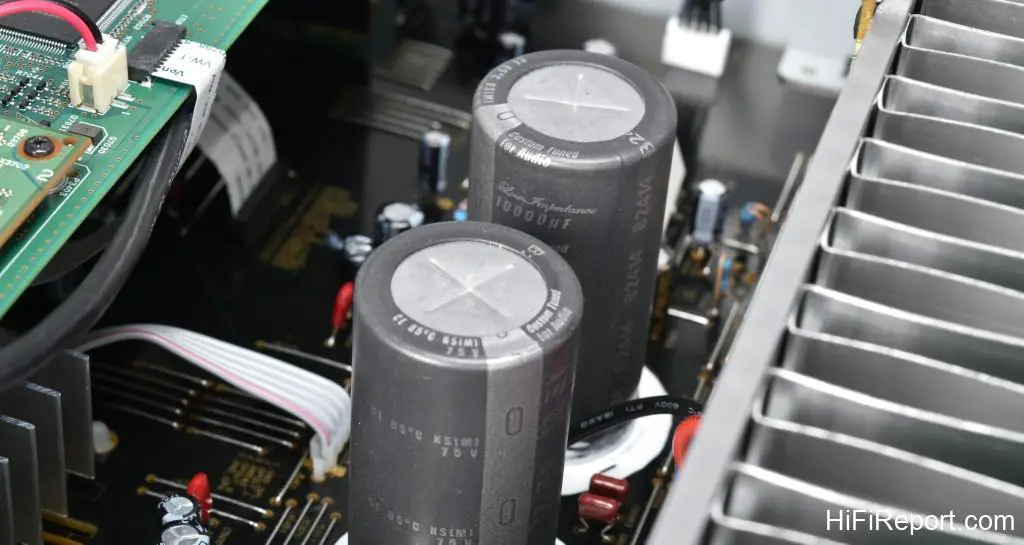
The amplifier also incorporates a low negative feedback design, keeping total harmonic distortion controlled at a low 0.1% level, ensuring sound quality that rivals dedicated two-channel amplifiers. For the power supply, the TX-8470 uses a large EI transformer paired with two 10,000μF filter capacitors for the audio circuitry. A separate switching power supply is included for secondary power needs like the display and fan, achieving power separation to minimize noise interference.
Listening Impressions
For the listening test, conducted in our small listening room, we paired the TX-8470 with KEF LS50 bookshelf speakers, streaming music from Tidal. I’m never surprised by Onkyo amplifiers’ robust driving power, but few entry-level amplifiers can drive these LS50 speakers with such richness and fullness. The sound resolution is also better than I recall from the TX-8270. The sound is not only solid and powerful, but also shows considerable improvements in control and refinement.
This makes rhythmic rock music sound much more exhilarating. For instance, playing Steely Dan’s “The Royal Scam,” even without a subwoofer, the low-frequency energy was already quite ample. You could feel the tight, impactful thump of the kick drum, and the electric bass notes were very full-bodied, with fast, articulate plucking that was completely free of sluggishness. Simultaneously, vocals and instruments were rendered with warmth and softness, revealing more detail than the previous model.
While not a style focused purely on absolute resolution, it avoids the common issue of excessive roughness often found in entry-level units, presenting a full-bodied, rounded character that makes for very comfortable long-term listening.
Next, I played Russian pianist Grigory Sokolov’s live album “Beethoven, Brahms, Mozart.” I found the TX-8470’s soundstage performance to be quite accomplished, realistically portraying the hall’s natural reverb and decay. The piano tone was a rounded, sweet type, and the density and weight of key strikes were well-rendered.
Particularly noteworthy was the resonance of the piano body generated by heavy low-key strikes; it sounded clean yet impressively substantial, without any booming, uncontrolled energy. For an entry-level amplifier, this level of low-frequency control is truly remarkable.
Finally, switching the source to a TV, I played Hilary Hahn performing the “Bruch Violin Concerto.” I could feel that the unit not only retained Onkyo’s characteristic warm sound profile but also enhanced high-frequency extension, making string lines sound more delicate while maintaining ample energy. The solo violin’s tone was watery and full-bodied, with rich details in bow work and body resonance.
Although resolution was noticeably improved, there was no trace of harshness in the high frequencies. It slightly rounded off the intensely high passages, avoiding any sharp edges, resulting in a very pleasant and non-fatiguing listen. Accompanying string dynamics were vivid, with clear differentiation between loud and soft passages. Even paired with bookshelf speakers, the music conveyed a certain sense of grandeur. With a 2.1 channel setup, it would undoubtedly be even more impressive.
Conclusion and Value
Historically, new releases from Japanese AV receiver manufacturers could sometimes feel like minor incremental updates, but the TX-8470 streamer amplifier demonstrates genuine sincerity from Onkyo this time. Not only have hardware designs like video and decoding been significantly upgraded, but even the core amplifier circuit utilizes superior technology. Both connectivity and sound quality are leaps and bounds beyond previous models. Yet, the price difference is less than a third.
If you’re looking for a streaming-centric system that integrates perfectly into a living room environment, you’d be hard-pressed to find a more value-packed option at this price point than the TX-8470.
Specifications
* Type: Stereo Streaming Integrated Amplifier
* Output Power: 110 Watts per channel (8 ohms)
* Frequency Response: 10Hz-100kHz / +1 dB, -3dB
* Signal-to-Noise Ratio: 106 dB
* Inputs: HDMI x4, Analog RCA, Digital Optical, Digital Coaxial, Ethernet, USB (Front), MM Phono Input
* Outputs: HDMI eARC, Speaker Outputs A/B, Zone 2 RCA Output, Subwoofer Output, Pre Out, 6.3 mm Headphone Output
* Audio Decoding: Up to PCM 32bit/768kHz
* Wireless Connectivity: Bluetooth, Wi-Fi (5GHz/2.4GHz)
* Network Features: Chromecast built-in, AirPlay, DTS Play-Fi, Spotify, Sonos, Roon Ready
* Weight: 9 kg

- HI-FI FOR THE FAMILY: Built by and for audiophiles, the Onkyo TX-8470 Network Stereo Receiver seamlessly blends exceptional audio fidelity for music lovers with modern connectivity options for hassle-free home entertainment.
- FEWER CHANNELS FOR HIGHER RESOLUTION SOUND: With a two-channel stereo receiver – instead of a larger audio video receiver (AVR) – amplifier design and components are meticulously optimized for more focused and refined audio output. Case in point: A gold-plated terminal and audio-grade capacitors provide clean sound, while our dedicated-design amplifier supports a high current drive and maximizes your loudspeaker performance, resulting in superior sound reproduction and a richer listening experience.
- BUILT FOR THE VINYL COMEBACK ERA: Time to dust off that vintage vinyl collection…or start a new one! The Onkyo TX-8470 was designed specifically with record players in mind. Thanks to our patented discrete op amp circuitry and isolated MM/MC phono board, those delicate phono signals are kept safe from unwanted distortion for improved clarity and better overall audio performance.
- AUDIOPHILE STREAMING BUILT-IN: Experience effortless access to your favorite high resolution music streaming platforms. Working with our partners at Roon, Tidal, Deezer and more, the Onkyo TX-8470 transforms your listening lounge into a sanctuary of hi-fi sound.
- SMART HOME, SMARTER ONKYO: Our products are designed with modern smart homes in mind. Built-in third-party assistants like Apple and Google allow you to perfect your home entertainment ecosystem with best-in-class connectivity features.