
OPPO UDP-203 Review
OPPO’s Blu-ray players have gained considerable popularity in recent years, largely due to their robust disc-reading capabilities and extensive file format support. Many users have adopted them as versatile audio-visual sources, serving double duty as both home theater and dedicated two-channel audio players. This has naturally led to increased interest in their pure music playback performance.
The original design team recognized this trend, placing a greater emphasis on the two-channel audio circuitry in their latest offerings, the UDP-203 and UDP-205 4K players. For OPPO enthusiasts, modifications and upgrades are a long-standing tradition. In this spirit, OP-Cool Audio has introduced a modified version of the UDP-203, aiming to elevate its two-channel music performance to meet the exacting standards of audiophiles.
Stock vs. Modified Comparison
OP-Cool Audio, in collaboration with Far East Global, sent us their modified OPPO UDP-203 for review. To provide a clear perspective on its enhancements, we compared it directly to a stock OPPO UDP-203 unit. This head-to-head comparison, under identical conditions, allowed us to precisely discern the differences between the two versions.
The OP-Cool Audio modified UDP-203 is distinguished by a service sticker added to the outer packaging.
OP-Cool Audio’s modifications to the UDP-203 are guaranteed not to void the original manufacturer’s warranty, providing users with peace of mind.
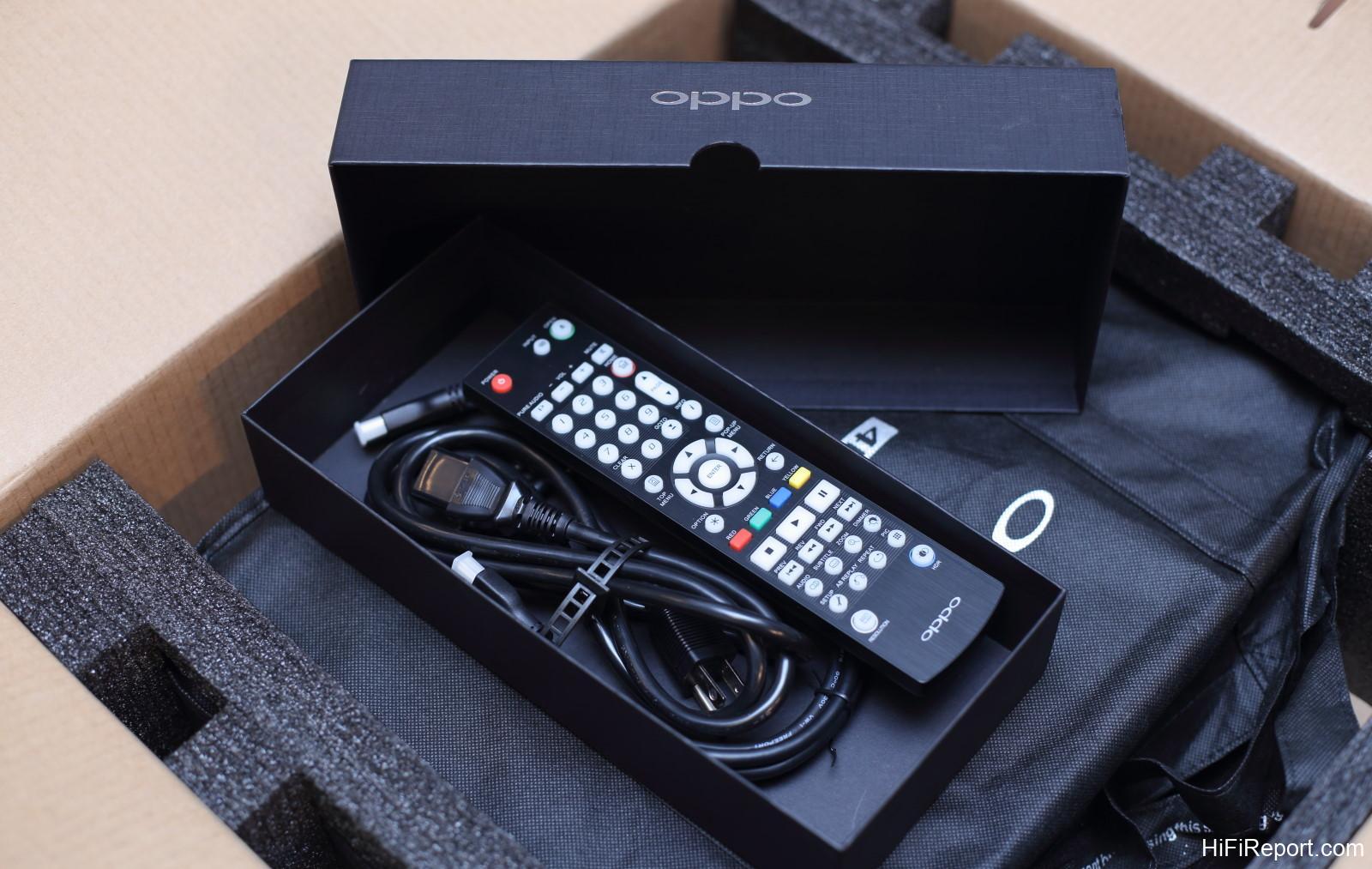
The standard accessories, including the remote control and power cord, remain unchanged.
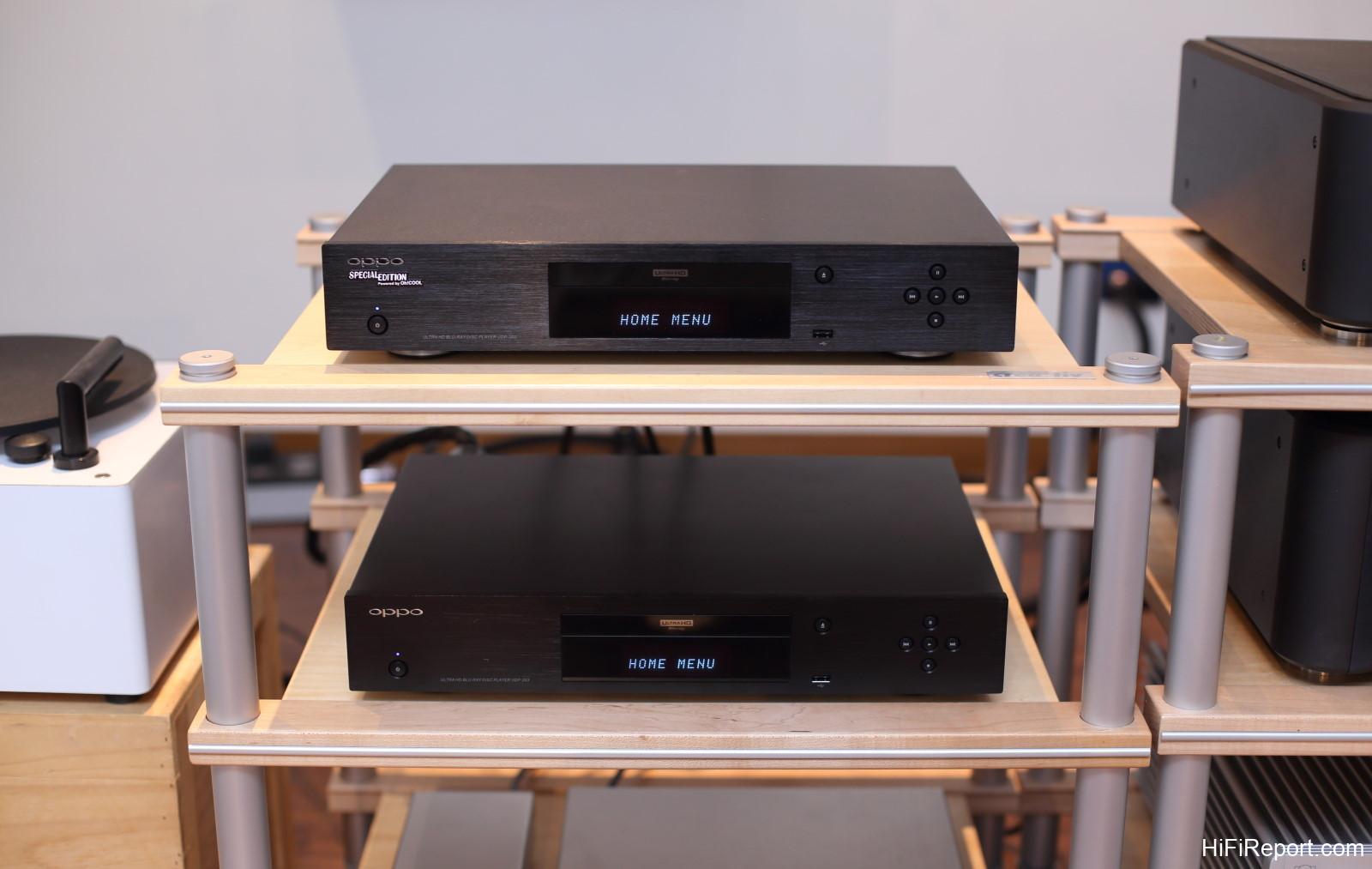
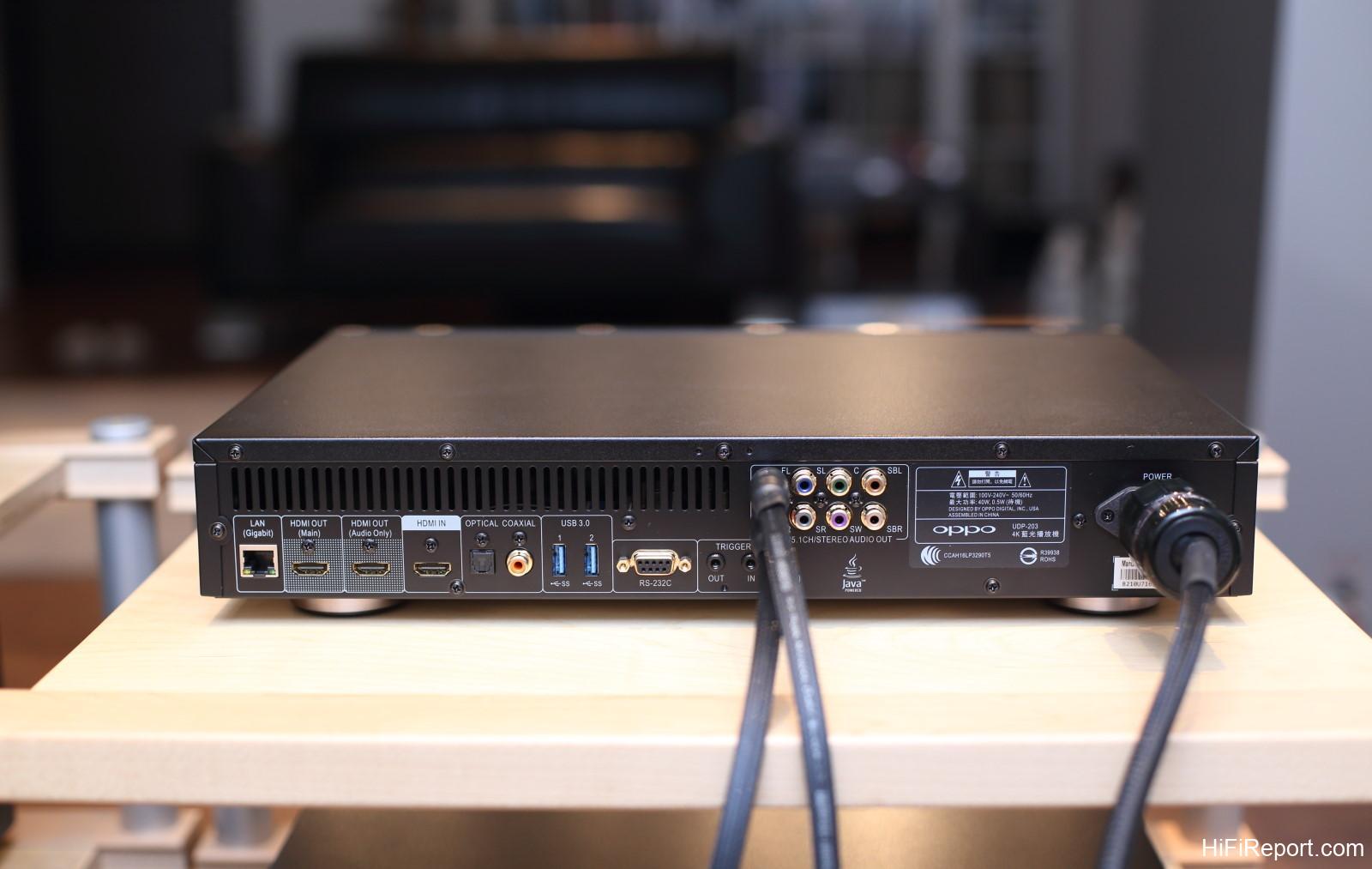
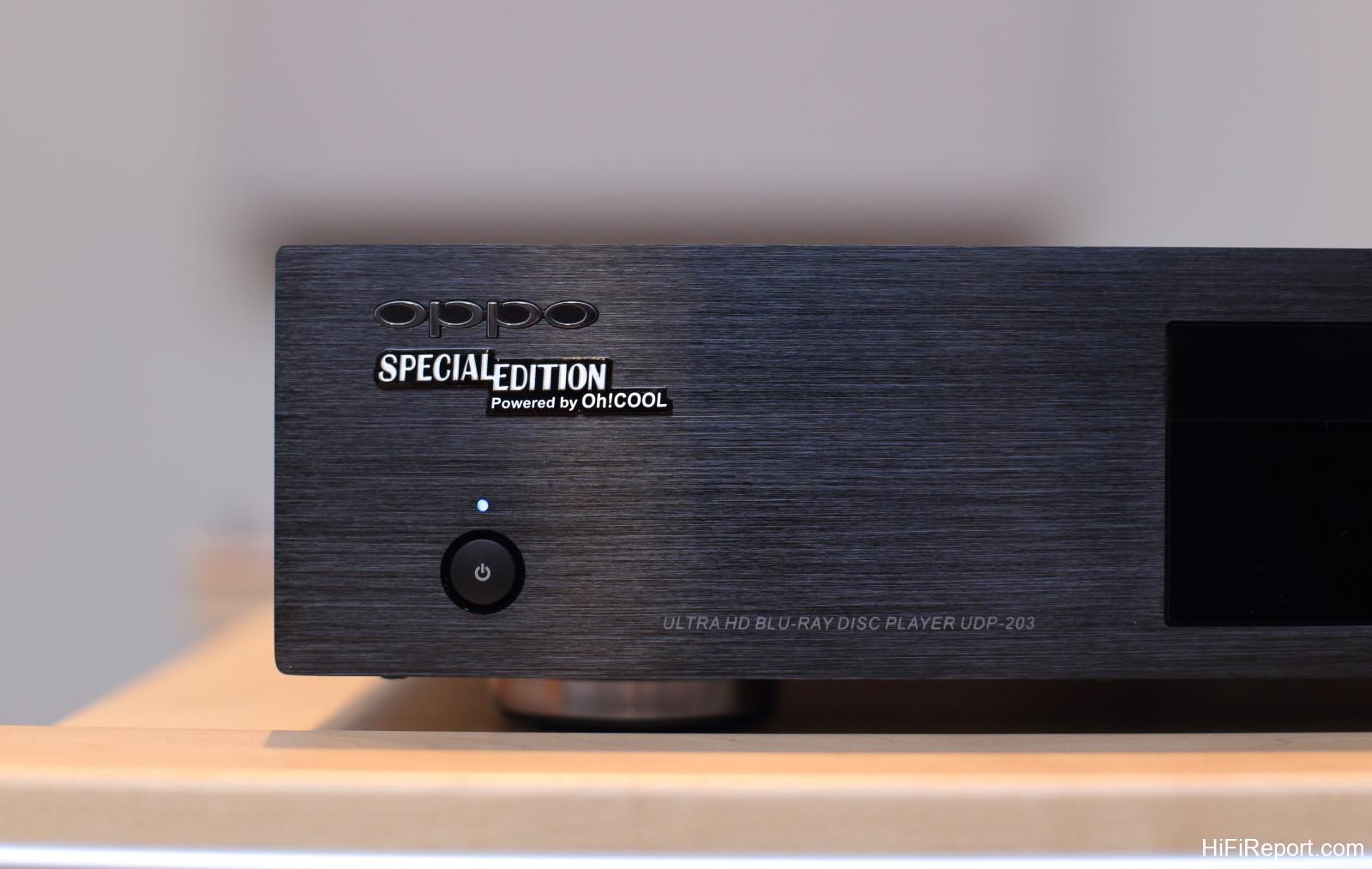
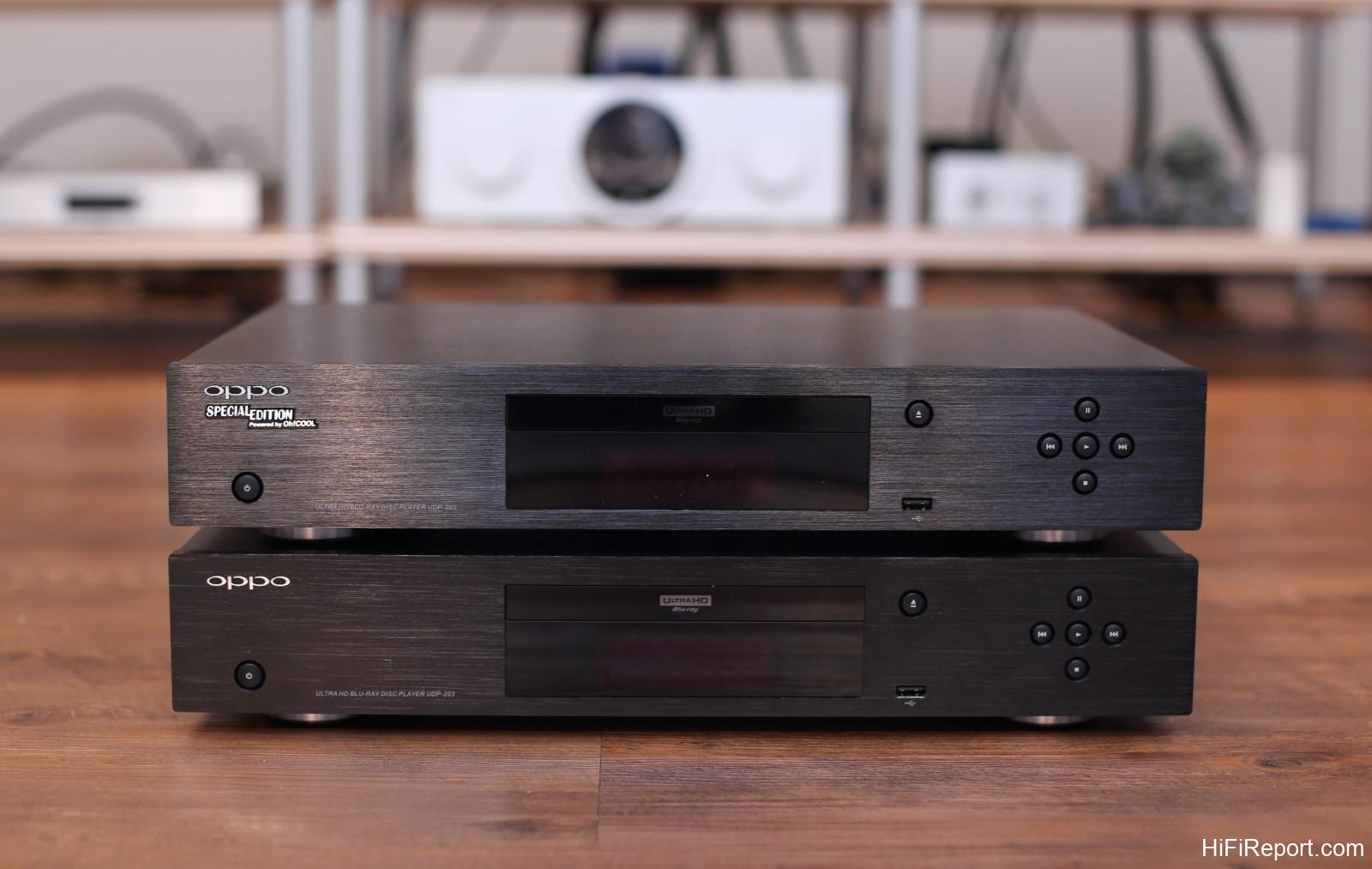
Side-by-side, the OP-Cool version features a silver “SPECIAL EDITION” badge beneath the OPPO logo, while the rear panel and connectors are identical to the stock unit.
Internal Upgrades Revealed
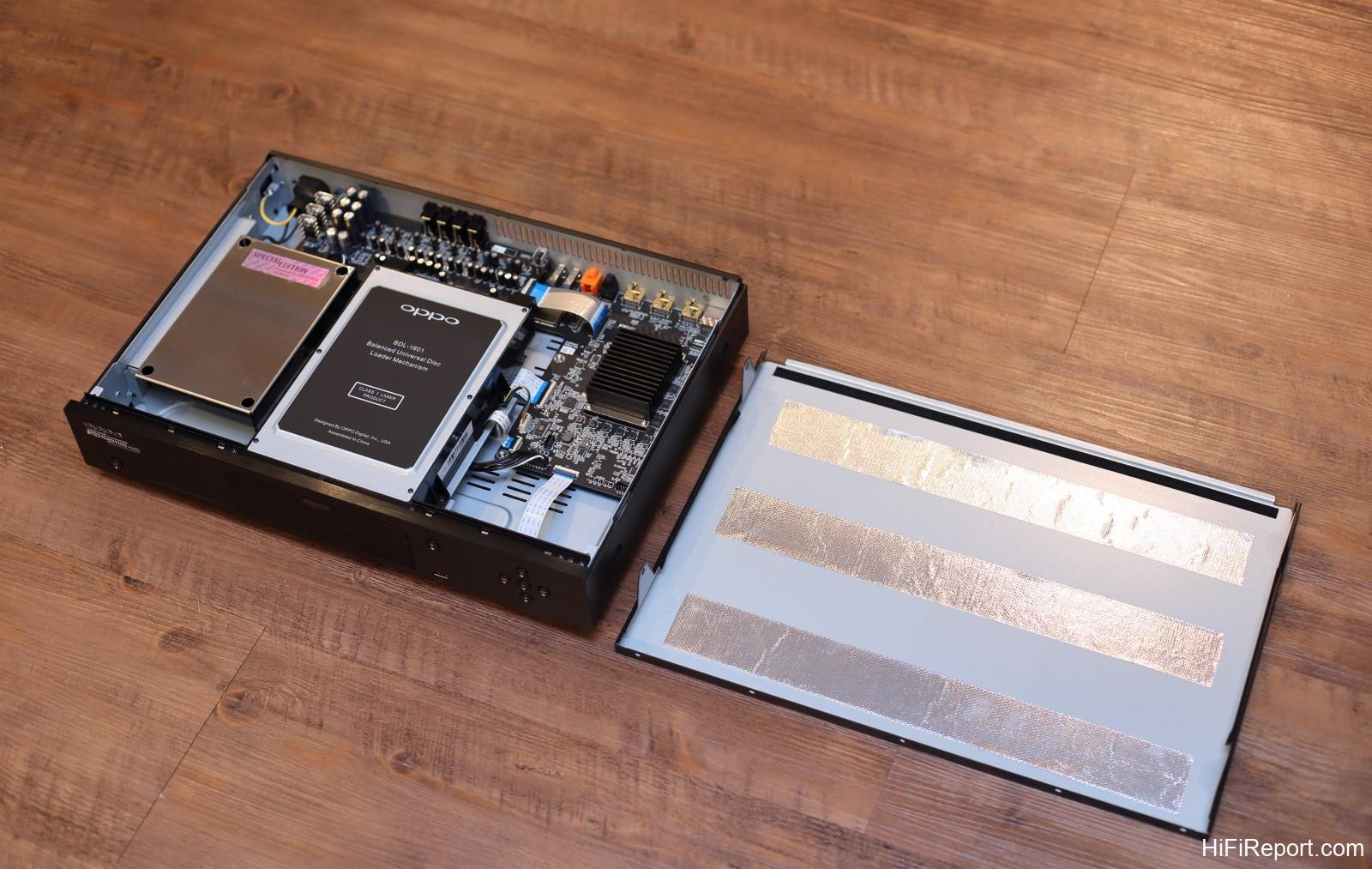
Upon opening the unit, we immediately noticed three strips of fiberglass damping tape applied to the metal top cover. The UDP-203’s top cover exhibits improved sealing compared to previous models, now secured to the chassis with four screws inserted from the sides.
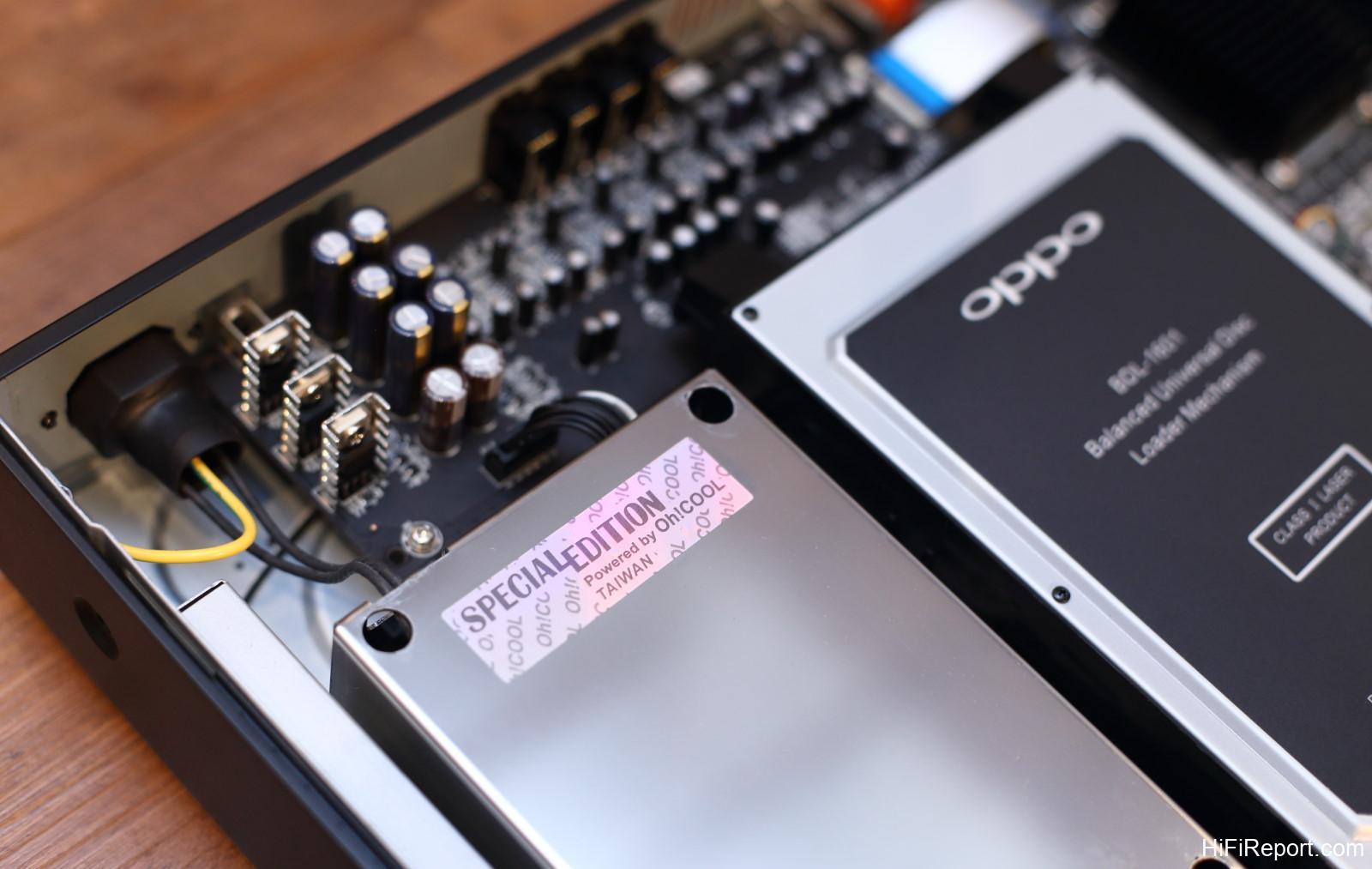
For those unfamiliar with the UDP-203’s internals, the “SPECIAL EDITION” metal shield is a notable addition absent in the original player. This shield, positioned above the power supply circuit board, is implemented by OP-Cool to enhance isolation between the power supply and external analog circuits, minimizing potential interference. Significant modifications have also been made within the power supply circuitry itself.
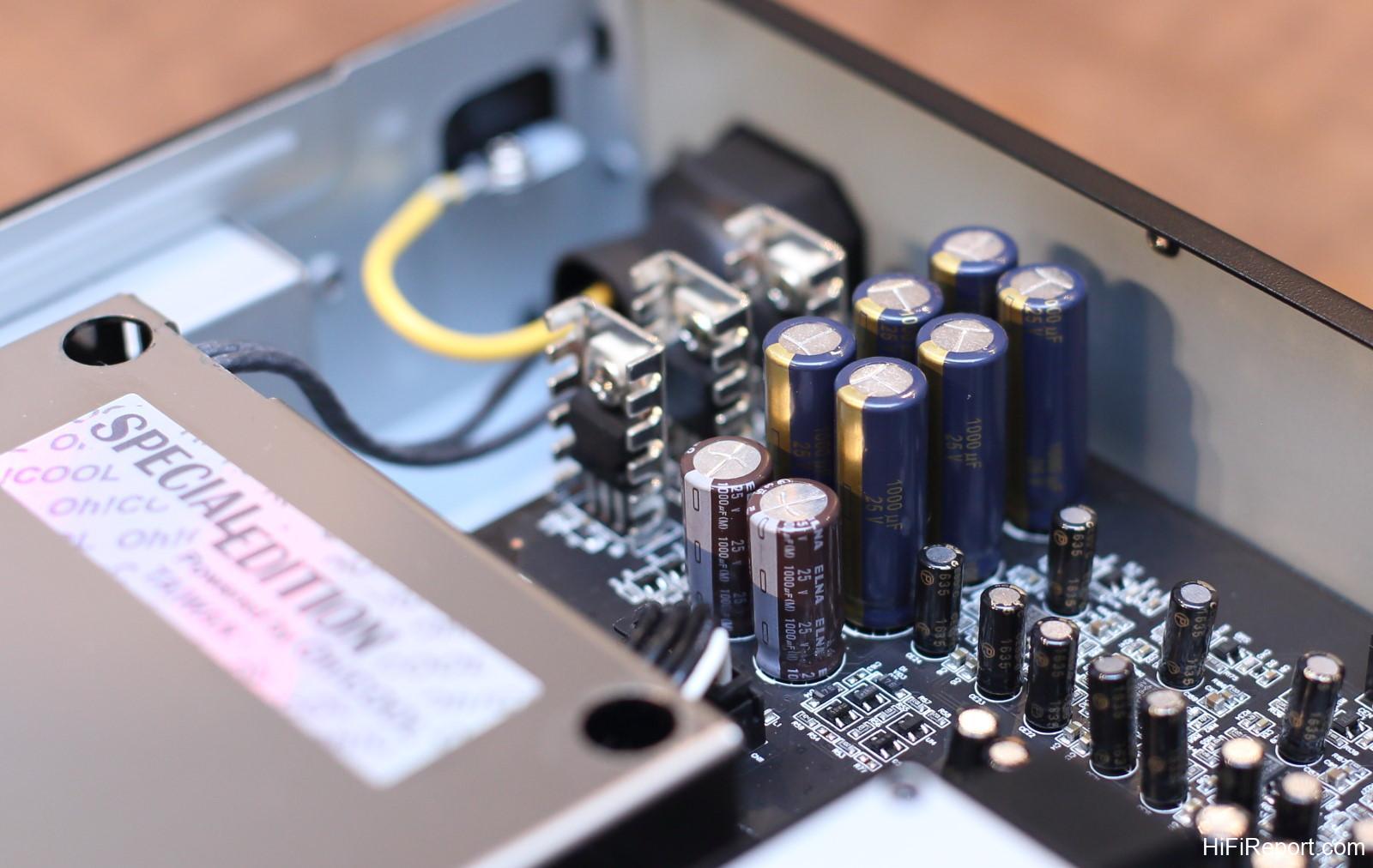
The AC power inlet now utilizes Siltech silver-gold alloy wiring within the shielded power supply section. Further power supply enhancements include replacing the fixed fuse holder with a detachable one, allowing users to experiment with aftermarket fuses. The OP-Cool version comes equipped with a premium German SIBA ELU fuse. Capacitors within the power supply circuit have been upgraded from Acon to Panasonic FC and Elna components.
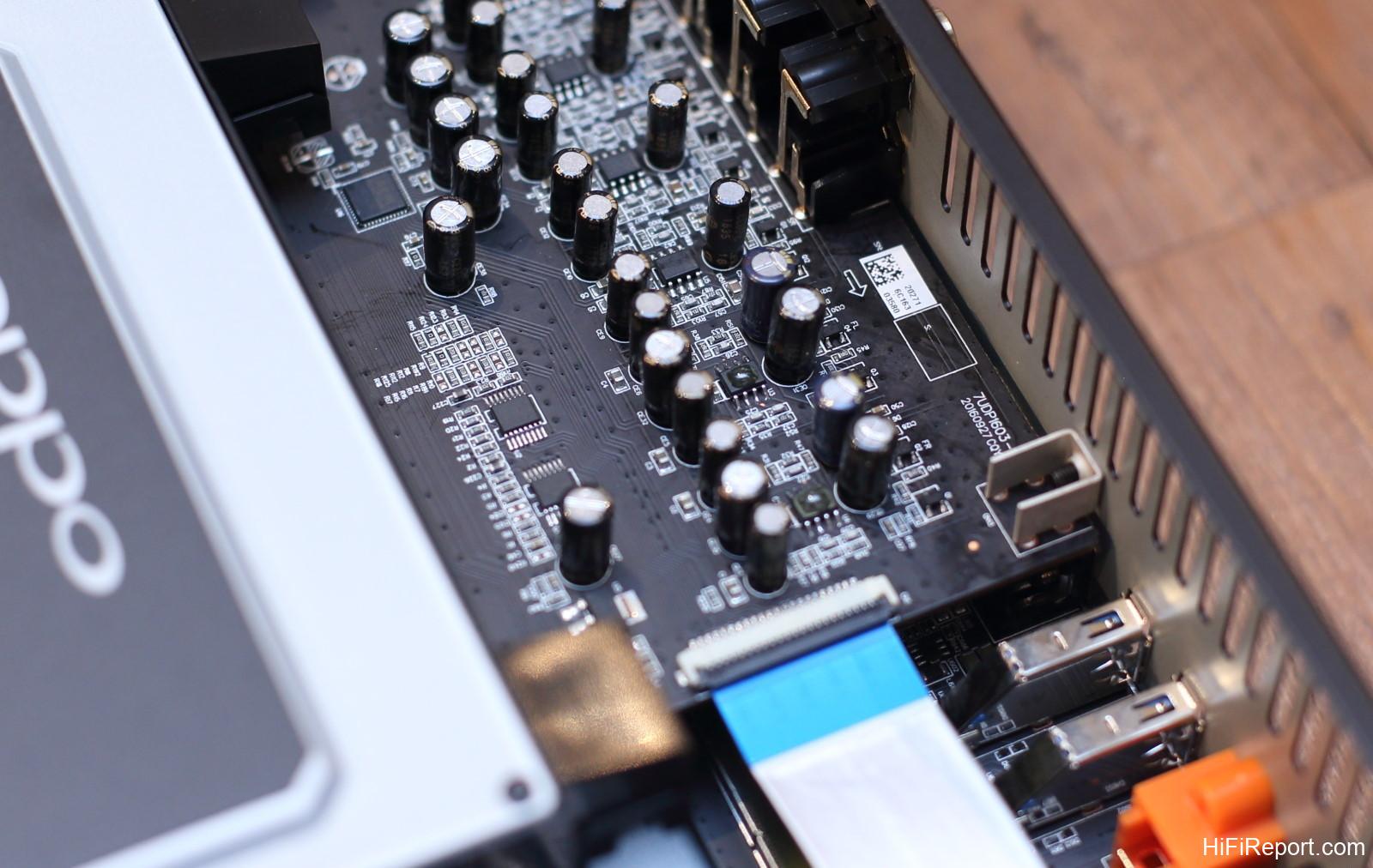
On the analog circuit board, the voltage regulator circuit also benefits from capacitor upgrades, employing the sonically favored Panasonic FC and Elna capacitors.
Extensive Listening-Based Tuning
The operational amplifier (op-amp) chips are a critical component. The UDP-203 features 7.1 channels, but this modification focuses on the primary two-channel outputs. Consequently, only the op-amps for the two main channels have been replaced. According to Mr. Liang of OP-Cool Audio, selecting the optimal op-amp involved a painstaking process of auditioning and meticulously documenting dozens of different models.
This time-consuming effort, crucial due to the significant impact of this component on sound quality, was undertaken with utmost care. To mitigate subjective bias, the final selection was made through extensive listening sessions and gathering feedback from various sources using prototype units. The capacitors adjacent to these two op-amps have also been upgraded to Panasonic components.
While the final component choices were driven by extensive listening tests, objective measurements also demonstrate substantial improvements. The blue line represents the stock UDP-203, while the orange line illustrates the modified OP-Cool version. As evident, the OP-Cool version maintains a remarkably flat frequency response, unlike the stock unit which exhibits roll-off above 5kHz. Although the overall curve shape is similar, the OP-Cool version exhibits greater linearity and balance.
For listening comparisons, the upgraded UDP-203 OP-Cool version (top) was directly compared to the stock version (bottom). Each album was auditioned using both players in alternation.
Identical cabling was used throughout the listening sessions to eliminate any external variables.
The OPPO UDP-203 OP-Cool version is distinguished by a “SPECIAL EDITION” badge in the upper left corner. The listening impressions are detailed below.
Enhanced Stability, Authority, and Layering
Playing <2V1G Third Time Heartbroken>, specifically track 11, “Autumn Nostalgia,” revealed a clear distinction between the stock and OP-Cool modified versions. The stock version presented vocals that were lighter and lacked weight, feeling somewhat less impactful and deficient in lower-frequency presence compared to the OP-Cool version. The OP-Cool modification demonstrably enhanced the lower-end power, suggesting a targeted improvement by the modification team.
Guitar accompaniment and vocals were not only more grounded but also exhibited a significantly improved sense of layering and depth compared to the flatter presentation of the stock unit.
Returning to track 7, “Bitter Heart,” the background noise floor was noticeably reduced, enhancing tonal clarity. For instance, this track features two female vocalists with similar timbres, and the OP-Cool version made it easier to differentiate between them, with vocals sounding more focused and cohesive.
Expanded and Defined Soundstage
Moving to Earl Wild’s , track 1, “Melodie d’Orfee” by GLUCK-SGAMBATI, highlighted the OP-Cool version’s superior rendering of the performance space and its overall completeness. The soundstage felt noticeably wider and deeper than the stock version, with the positioning of audience sounds becoming more distinct. The overall sense of layering was significantly enhanced.
In track 5, Bach-TAUSIG’s “Toccata and Fugue in D minor,” the piano keys gained weight, and the rhythmic flow of the performance became more consistent and fluid. Particularly in the lower registers, the piano sounded more majestic, with improved note decay and enhanced precision. The differences were immediately apparent on this track, with a more pronounced contrast and layering between high and low frequencies.
Recapturing Live Excitement
Listening to Eagles’ , and the iconic “Hotel California,” the initial impact of the bass drum was noticeably different between the stock UDP-203 and the OP-Cool version. Furthermore, the guitar performance was more prominent on the OP-Cool version, with a stronger and more refined metallic sheen to the string plucks. In contrast, the stock UDP-203 sounded somewhat bland, lacking the excitement of rock music.
While the album’s inherent soundstage layering is already excellent, the differences between the two UDP-203 versions were less pronounced compared to the previous two albums. However, in this live recording context, the OP-Cool version conveyed a heightened sense of live atmosphere, with more three-dimensional musical rhythm and dynamics.
Essential Upgrade for Music Enthusiasts
The UDP-203 OP-Cool modified version represents a more substantial improvement than I initially anticipated. Compared to the stock UDP-203, it feels like a completely new player, offering a comprehensive enhancement in sonic performance. While tonal character remains largely consistent, improvements in sonic stability, soundstage layering, and image focus bring it significantly closer to high-end audio standards. This is a clearly demonstrable step forward.
This modification marks the third iteration of OPPO player upgrades by OP-Cool, and the level of improvement surpasses the previous two, indicating a continuous refinement in their two-channel audio enhancements. The only limitation is the UDP-203’s lack of balanced outputs, which further heightens anticipation for the potential advancements in the UDP-205, which does offer balanced outputs.
If you are a UDP-203 owner with a focus on two-channel music listening, seriously consider entrusting your player to OP-Cool Audio for this upgrade. The musical performance gains are truly substantial.
OPPO UDP-203 4K UHD Blu-ray Player (Stock Specifications)
Key Features:
* 4K ULTRA HD
* HDR (High Dynamic Range)
* 2K Upscaling to 4K
* Built-in Wi-Fi
* SACD and DVD-Audio Support
* DSD 5.6 MHz Support
Outputs:
* HDMI 2.0 Output x 1 + HDMI 1.4 Output x 1
* 7.1 Channel Analog Output (DAC: AKM4458)
* Trigger Out x 1
* Digital Optical Output
* Digital Coaxial Output
Inputs:
* HDMI 2.0 Input x 1
* Trigger In x 1
* USB 3.0 x 2, USB 2.0 x 1
* RS-232
* IR IN
* 1000M Wired/Wireless Network
Specifications
* Disc Types: ULTRA HD Blu-ray, Blu-ray 3D, DVD-Video, DVD-Audio, AVCHD, SACD, CD, Kodak Picture CD, CD-R/RW, DVD±R/RW, DVD±R DL, BD-R/RE
* BD Profile: BD-ROM Version 3.1 Profile 6 (also compatible with BD-ROM Version 2.5 Profile 5)
* Analog Audio Output: 7.1ch, 5.1ch, Stereo
* Optical/Coaxial Audio Output: Up to 2ch/192kHz PCM, Dolby Digital, DTS. * HDMI Audio Output: Up to 7.1ch/192kHz PCM, Up to 5.1ch DSD, Bitstream.
* HDMI Video Output: UHD/1080p24/1080p/1080i/720p/576p/576i/480p/480i, 3D frame-packing 720p/1080p24.
* Frequency Response: 20Hz – 48kHz (±0.2dB), 20Hz – 96kHz (-4dB ~ +0.05dB)
* Audio Characteristics (Nominal):
* Signal-to-Noise Ratio: >112dB (A-weighted, Unmute)
* Total Harmonic Distortion + Noise: < 0.001% (1kHz at 0dBFS, 20kHz LPF)
* Crosstalk: < -103dB (A-weighted)
* General Specifications:
* Power Supply: 100V – 240V~, 50/60Hz AC
* Power Consumption: 40W (Standby: 0.5W in Energy Efficient Mode)
* Dimensions: 16.9 x 12.2 x 3.1 inches (430mm x 311mm x 79mm)
* Weight: 9.5lbs (4.3kg)