
OPPO SONICA DAC Review
OPPO has recently introduced the SONICA DAC, engineered specifically for discerning two-channel audio enthusiasts. This unit is built around the cutting-edge ESS 9038PRO 32-bit SABRE DAC, the flagship decoding chip from ESS’s SABRE PRO series, boasting support for astonishingly high sample rates up to PCM 768kHz/32bit and DSD 512.
Beyond its exceptional decoding prowess, the SONICA DAC also incorporates digital streaming capabilities and a versatile array of digital inputs, granting users remarkable flexibility to integrate with their preferred digital audio sources.
OPPO’s New Two-Channel Masterpiece
OPPO Far East Global graciously provided HiFiReport with a sample unit of the SONICA DAC for in-depth testing and evaluation. Furthermore, they hosted two dedicated listening events, inviting HiFiReport reviewers to personally experience the user-friendliness and impressive sonic performance offered by this exceptionally priced DAC.
Upon unboxing the SONICA DAC, you are immediately greeted with a quick-start guide highlighting its key features and functionalities. These include the advanced decoding chip, extensive support for a wide range of music formats, a custom-designed control app, a bespoke power transformer, wireless streaming capabilities, and an intuitive user interface.
Featuring ESS 9038PRO DAC
The core attraction of the SONICA DAC lies in its utilization of the ESS 9038PRO SABRE DAC decoding chip. This is ESS’s latest flagship DAC, renowned for supporting the highest resolution audio formats and achieving a remarkable 140dB signal-to-noise ratio. When employing asynchronous USB (Type B) transmission, it effortlessly handles PCM files up to 768kHz/32bit and DSD files up to 8x DSD, reaching an astounding 22.5792MHz.
When connected to a computer source, the SONICA DAC operates in asynchronous mode, relying on its own high-precision clock rather than the computer’s internal clock, significantly enhancing audio accuracy and reducing jitter.
The device exhibits broad compatibility with a vast spectrum of music file formats, including AAC, AIF, AIFC, AIFF, APE, FLAC, M4A, M4A (Apple Lossless) ALAC, OGG, WAV, WMA, DSF, and DFF, effectively encompassing virtually every conceivable digital music format.
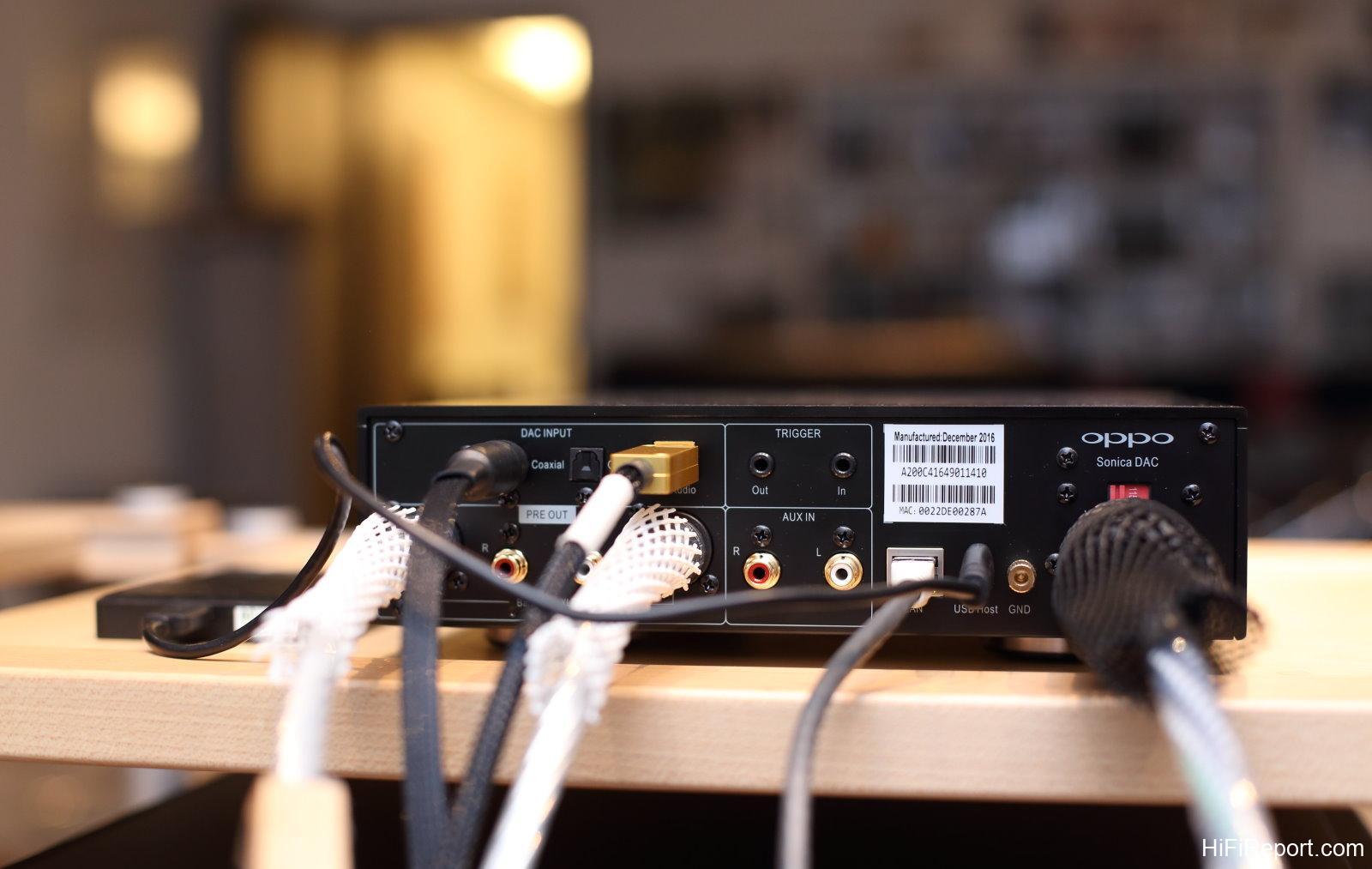
Clean Front Panel Design
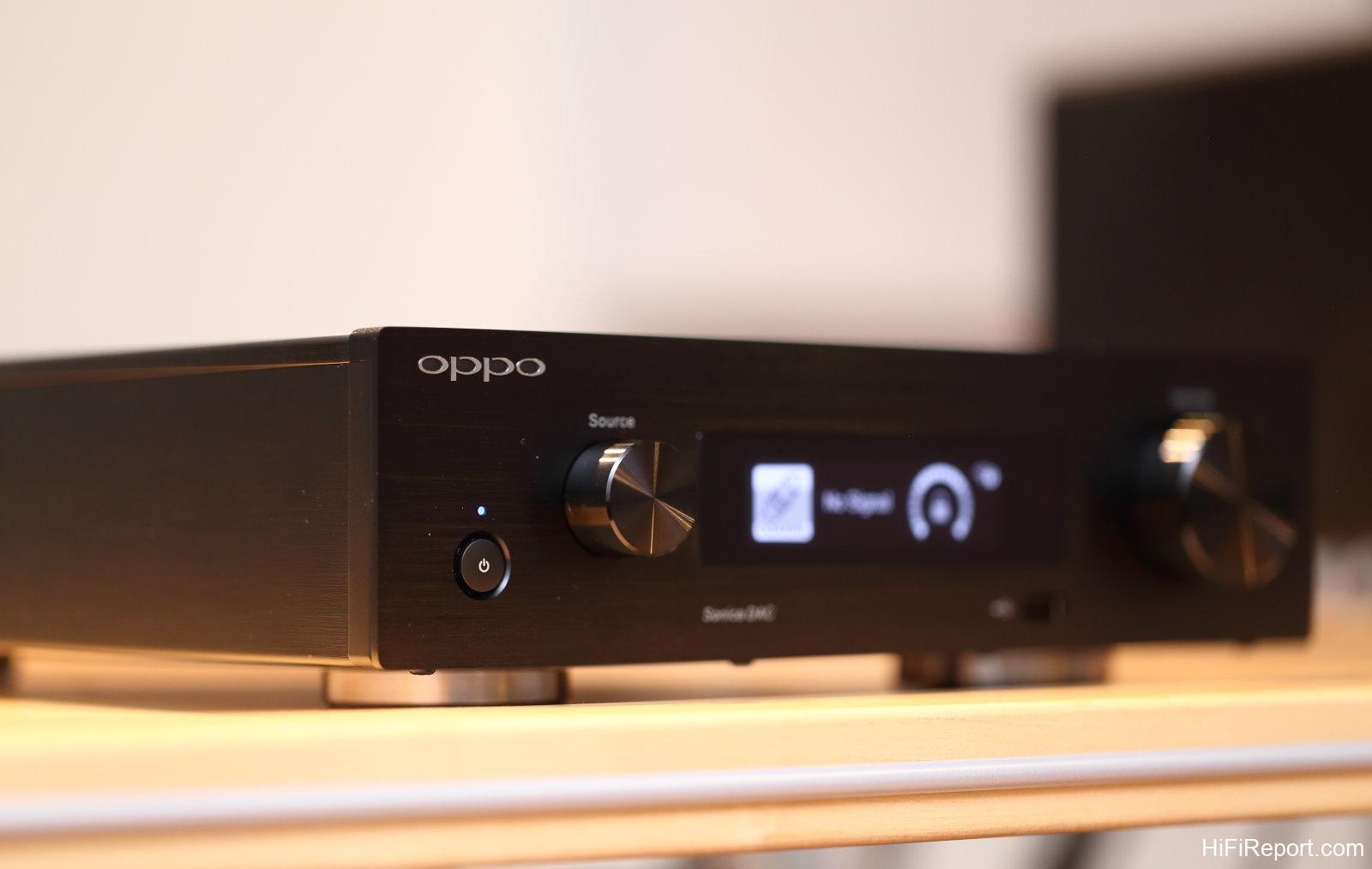
The SONICA DAC, presented in an elegant all-black finish, adopts a sleek, elongated chassis design, measuring a mere 25.4cm in width, 36cm in depth, and 7.6cm in height. The front panel is dominated by a crisp OLED display at its center, providing clear information on playback details and operational status. To the left, you’ll find four source selection buttons – USB, COAXIAL, OPTICAL, and AUX – enabling effortless switching between inputs. The right side houses the volume control.
The SONICA DAC incorporates a digital pre-amplifier volume control, allowing for convenient volume adjustments when paired directly with a power amplifier. For users employing a higher-quality dedicated pre-amplifier or integrated amplifier, the internal pre-amp volume control can be easily bypassed. A conveniently placed USB Type-A port at the bottom of the front panel allows for direct connection of USB flash drives or external hard drives for seamless music playback.
Versatile Connectivity Options
Turning to the rear panel reveals a comprehensive selection of connectivity options. The top left section designated for DAC inputs includes the aforementioned COAXIAL, OPTICAL, and USB Type-B ports. It’s worth noting that each input type supports varying file sampling rates; detailed specifications are provided at the conclusion of this review. The USB Type-B port, labeled “USB Audio,” stands out as the most versatile and is typically used for connecting to computers.
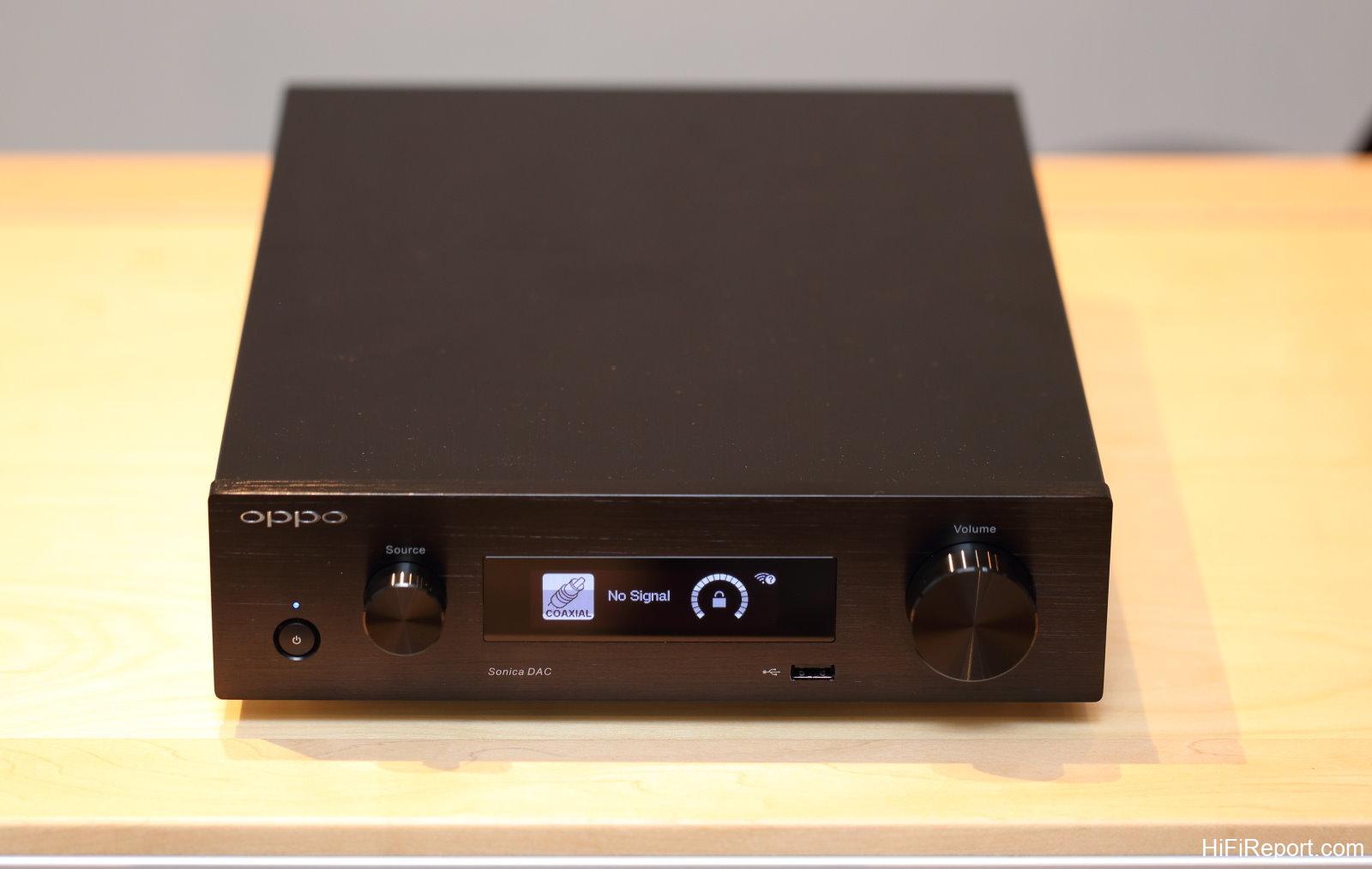
The AUX input, located on the bottom right, accommodates analog stereo sources. Analog outputs are positioned on the bottom left, featuring both a set of XLR balanced outputs and a set of RCA single-ended outputs. Internally, the SONICA DAC boasts a fully balanced circuit design.
Adjacent to the AC power connector, you’ll find a LAN Ethernet port. The SONICA DAC also functions as a DLNA-compliant digital streaming device. This network port facilitates seamless connection to devices within your local network, such as Network Attached Storage (NAS) drives, and enables access to popular online streaming services, including Tidal and Spotify. This integrated streaming functionality is a key highlight of the SONICA DAC.
Next to the LAN port is a USB Host port, mirroring the functionality of the front panel USB Type-A port, designed for connecting USB storage devices for direct playback of stored music files.
Wireless Connectivity for Enhanced Convenience
Beyond its wired connectivity options, the SONICA DAC elevates user convenience with integrated wireless capabilities. Network streaming can be effortlessly achieved via Wi-Fi, supporting high-resolution audio formats up to PCM 192kHz/24bit (FLAC, WAV, Apple Lossless) and DSD64. While wireless connections offer unparalleled convenience, they are generally more susceptible to environmental interference and are dependent on the bandwidth capacity of your home Wi-Fi network.
Consequently, audio quality and streaming stability via Wi-Fi may, in some instances, be marginally less robust compared to wired Ethernet connections. In addition to Wi-Fi streaming, the SONICA DAC also incorporates Apple Airplay and Bluetooth wireless audio reception. Apple iPhones and iPads can seamlessly stream music directly via Airplay, while devices from other manufacturers can effortlessly transmit audio to the SONICA DAC via Bluetooth.
Intuitive App Control
Despite its wealth of features, the SONICA DAC remains remarkably user-friendly, largely thanks to OPPO’s seasoned engineering team, leveraging their extensive experience in developing Blu-ray players. Creating a dedicated control application for the SONICA DAC was a natural extension of their expertise. For users primarily employing the SONICA DAC as a standalone DAC, the front panel controls for source selection and volume adjustment are perfectly adequate.
However, to fully harness the network streaming functionalities, the dedicated “SONICA” control app becomes indispensable.
The SONICA App, as illustrated in the iPad screenshots, presents a clean and intuitive interface. Toolbars are neatly arranged on the left and bottom, with the main display area on the right dedicated to playlists and status updates. The “On This Mobile Device” section on the left conveniently displays music files stored directly on the device running the app, such as the iPad in this example. If you were using your smartphone, it would similarly display the music library stored on your phone.
“Network Playback” intelligently lists DLNA-compatible music libraries accessible on your local network. “USB Storage” displays any connected USB hard drives, while “Aux In” and “Bluetooth” denote the analog input source and wireless transmission modes respectively.
The left screenshot illustrates the music library displayed when “Network Playback” is selected, showcasing our NAS drive, which becomes accessible upon connecting to the same local network. The right screenshot displays the contents of a connected USB hard drive when “USB Storage” is chosen, with USB drives connected to either the front or rear panel USB Type-A ports being readily accessible.
When browsing music libraries on a NAS via “Network Playback,” tapping the “…” icon adjacent to a song reveals a context menu, offering options to add the song to your favorites or playlists. A particularly useful feature is the ability to create favorites or playlists that seamlessly combine songs from diverse sources, such as blending tracks from your NAS and an external hard drive. As long as all sources are connected, you can effortlessly play through your curated playlists track by track.
Within the “SETTING” menu, located on the bottom toolbar, you’ll find a range of basic configuration options, including toggles for Bluetooth, sound EQ adjustment (when the volume control is engaged), sleep timer settings, and advanced settings. Notably, the “About” section at the bottom provides access to firmware update functionalities for both the SONICA DAC itself and the SONICA App, ensuring your device remains up-to-date with the latest enhancements.
Furthermore, the “DEVICES” option, positioned at the far right of the bottom toolbar, enables seamless switching between different OPPO devices. This allows the SONICA App to function as a centralized control hub for multiple OPPO products, facilitating multi-room audio setups and system-wide control.
The app interface can be switched to a dedicated playlist display during music playback for a streamlined user experience.
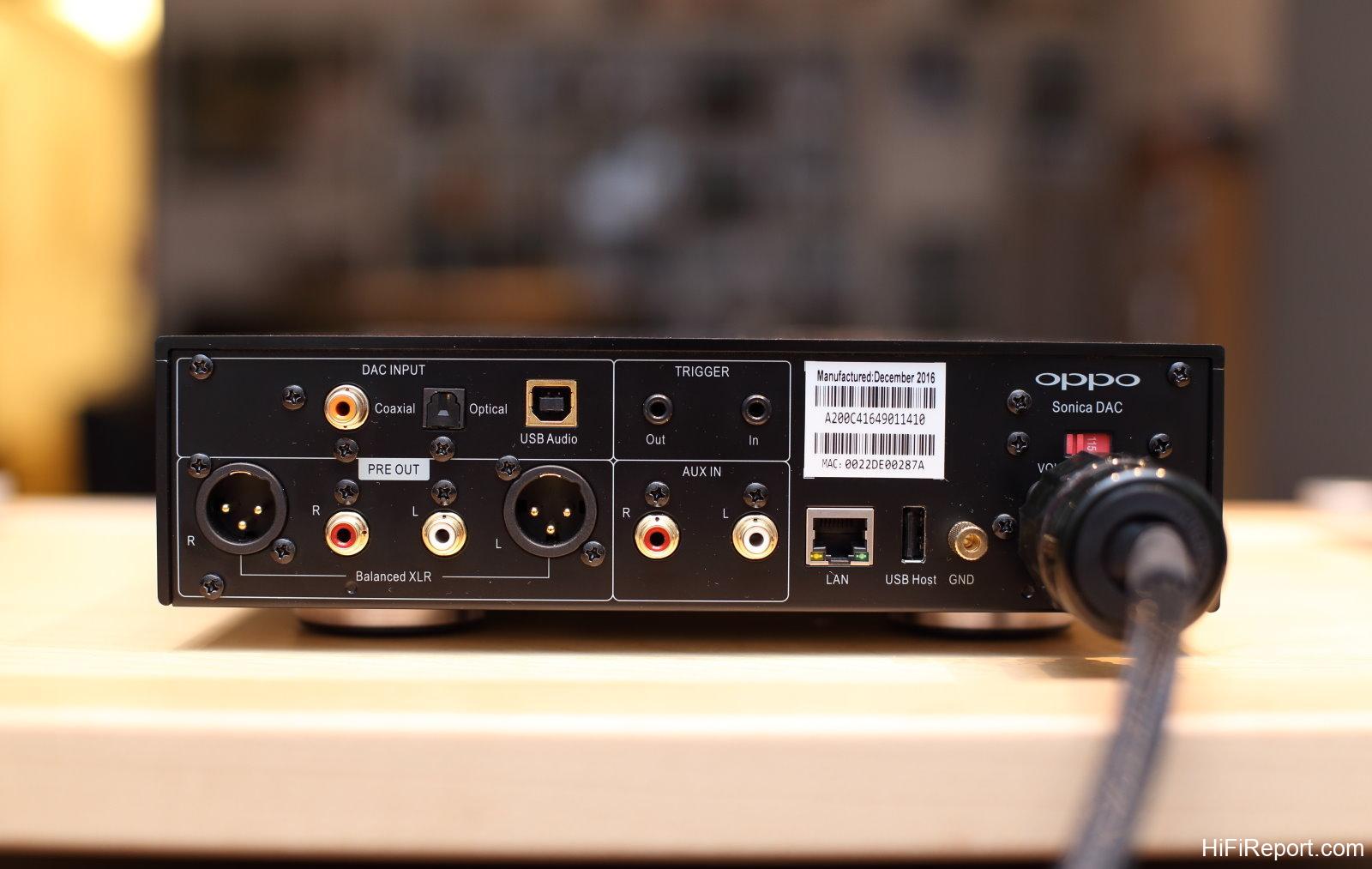
The SONICA DAC’s remarkable ease of use and compatibility with a wide array of audio sources, commonly employed by audiophiles and HiFiReport reviewers, means it’s effortless to find the rear panel populated with a diverse collection of cables, reflecting its versatile nature.
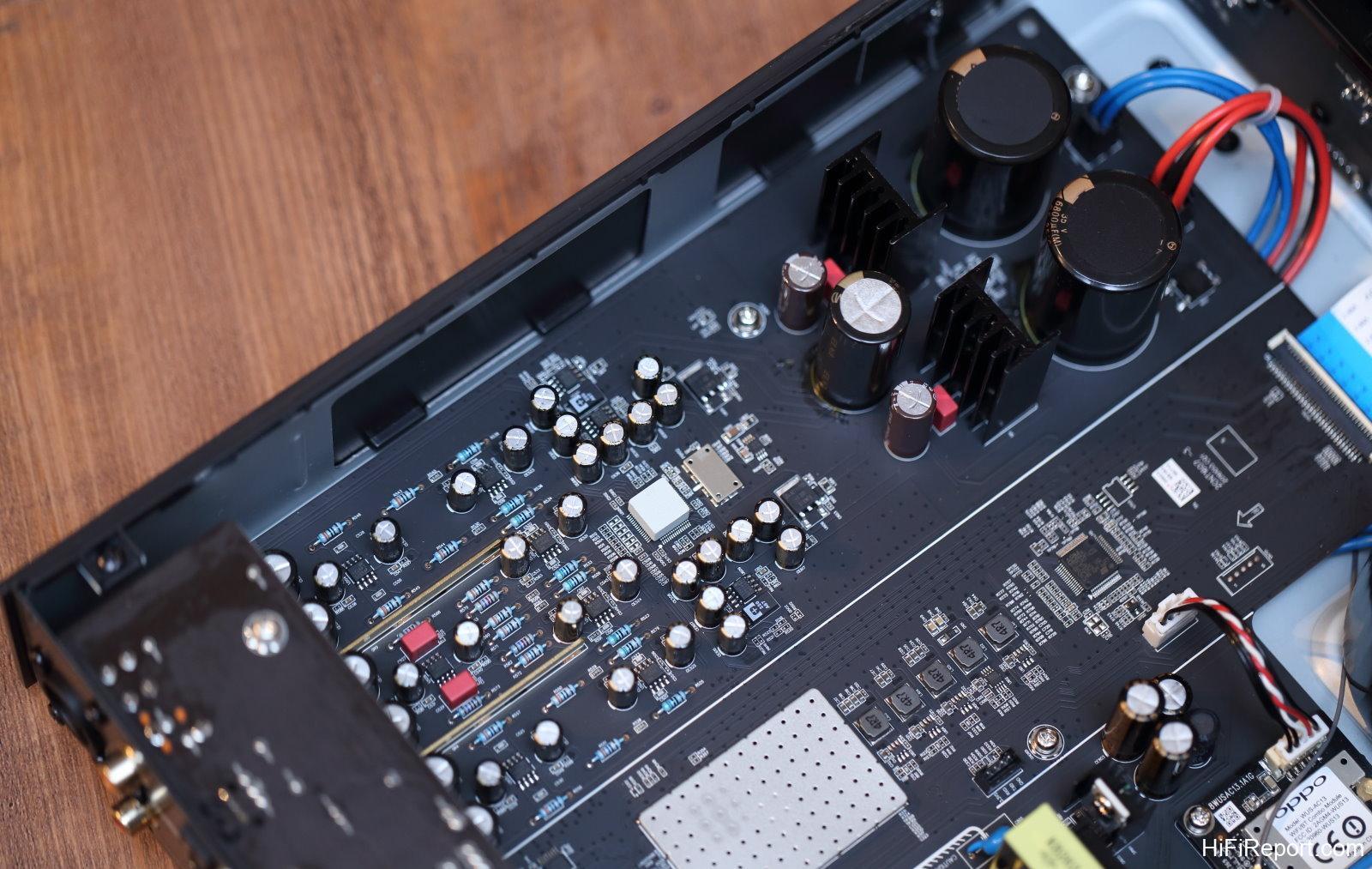
Internal Component Overview
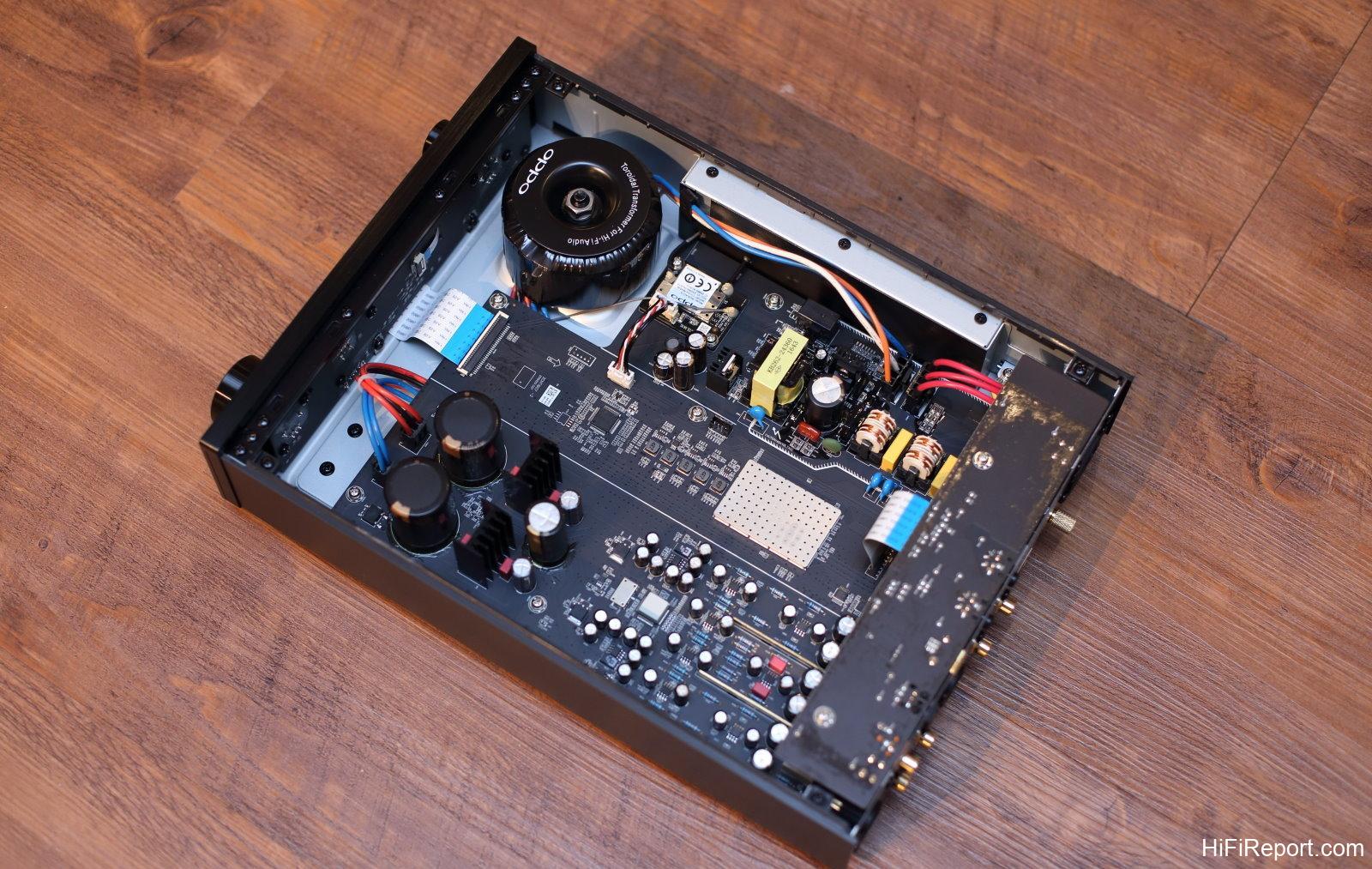
Let’s now delve into the internal architecture of the SONICA DAC. With the front panel facing left, the internal circuitry is logically divided into three distinct sections. The top section, prominently featuring the OPPO-branded toroidal transformer, constitutes the power supply stage. The central section houses the digital processing circuitry, while the lower section, characterized by a dense array of capacitors, comprises the analog output stage.
While the DAC chip is undeniably the core component, it’s crucial to recognize that every component and its arrangement within the unit contributes to the overall sonic character.
The power supply section is built around a custom-engineered toroidal transformer, explicitly labeled “Hi-Fi Audio Grade,” designed to optimize power efficiency and minimize magnetic field interference, ensuring a clean and stable power delivery to the SONICA DAC’s delicate circuitry. The wireless digital receiver module is also strategically located within this section.
Isolated Decoding Core
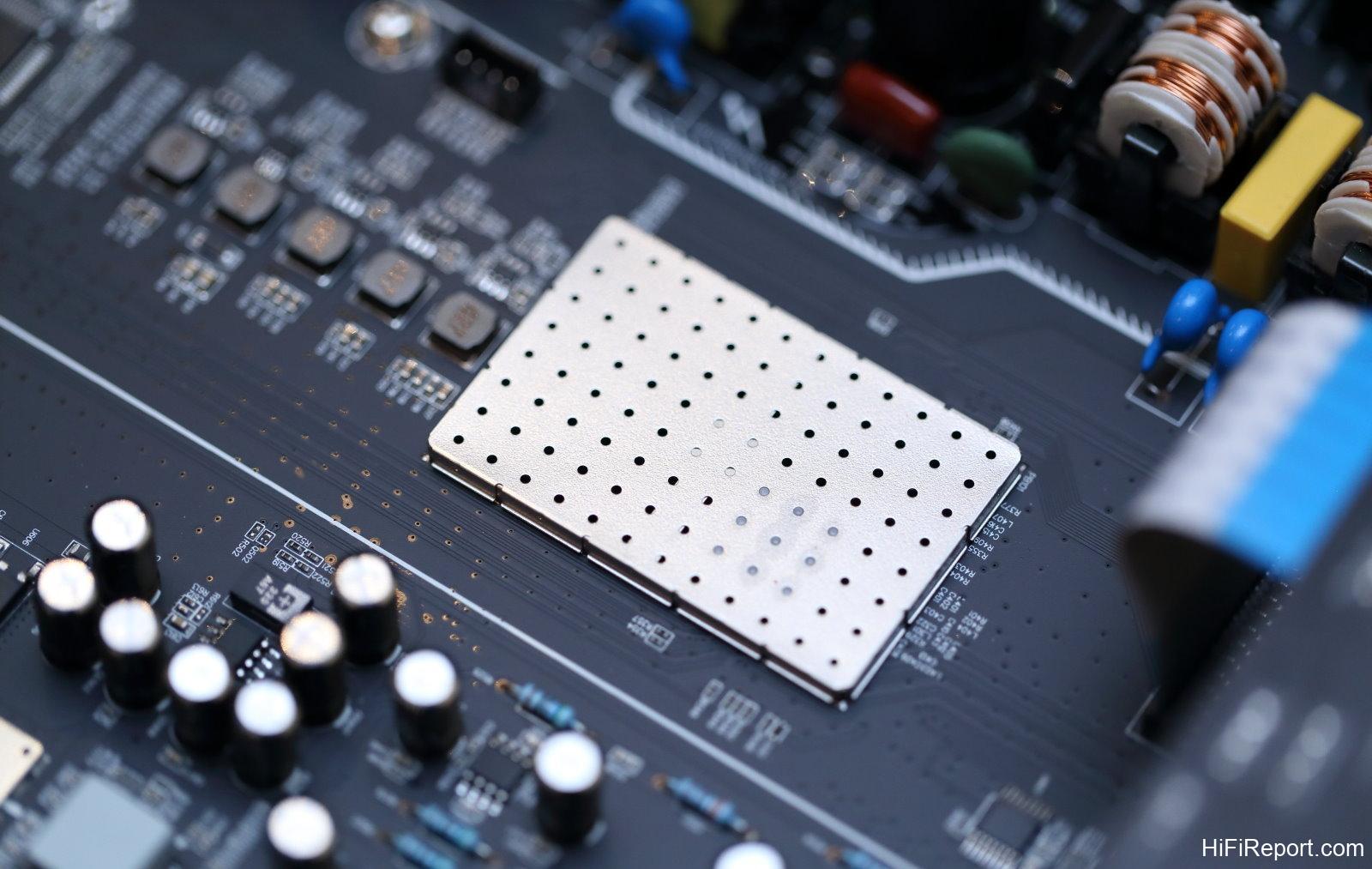
The highly anticipated ESS 9038PRO SABRE DAC decoding chip is nestled within a silver-colored metallic shielded enclosure. To effectively mitigate external interference, the manufacturer has implemented meticulous isolation for this critical component. The presence of small perforations on the shielding metal suggests a heat dissipation function, although they unfortunately obscure a direct view of the chip itself.
Following the analog circuitry stage, the audio signal path diverges into three distinct branches. The central path feeds the single-ended RCA output, although it’s important to note that the signal for the RCA output is also derived from the balanced architecture and subsequently converted to single-ended. The two flanking paths are dedicated to the discrete left and right channels of the balanced architecture, directly feeding the XLR output terminals.
This fully balanced architecture inherently provides superior signal-to-noise ratio, enhanced sonic purity, and improved channel separation.
Clear, Neutral, and Satisfying Sound
My initial listening impressions were gathered using a CD transport connected to the SONICA DAC via coaxial digital output. The DAC’s analog output was then fed into an integrated amplifier, effectively utilizing the SONICA DAC purely as a digital-to-analog converter, bypassing its internal pre-amplifier volume control. I commenced my listening session with Teresa Teng’s “The Maiden’s Prayer,” paired with a Class A amplifier known for its inherently warm and smooth sonic signature.
In direct comparison to my reference DAC, the SONICA DAC exhibited impressive resolution and clarity. My reference DAC, in contrast, sounded slightly more embellished and colored, while the SONICA DAC presented a more understated and neutral sonic profile. Vocals possessed ample body and natural warmth, with image sizing that was neither exaggerated nor anemic. Detail retrieval was remarkably precise.
Considering its price bracket, the overall sonic performance is genuinely impressive and deeply satisfying.
Spacious and Layered Soundstage
Continuing my evaluation, I moved on to “Tutti, Orchestral Sampler,” commencing with “Dance of the Tumblers.” The SONICA DAC immediately conveyed a sense of solidity and stability in the lower frequencies, demonstrating ample and well-defined bass reproduction. It projected a remarkably deep and layered soundstage, with both soundstage width and depth being commendably expansive. The only minor limitation I observed was a slight constraint in soundstage height.
For complex, large-scale orchestral works, the SONICA DAC maintained a coherent and organized presentation. Moving to the second track, “Intermezzo e Humoreske,” the SONICA DAC adeptly captured the diverse and playful musical character, seamlessly transitioning between moments of delicate subtlety and powerful dynamic passages, showcasing its ability to handle both nuanced detail and grand scale with equal aplomb.
DSD Support for Expanded Playback
Next, I explored the network streaming capabilities of the SONICA DAC, playing music files directly from my NAS drive, with a focus on DSD content. My first selection was Susan Wong’s “Close to You.” Streaming DSD files over the network connection, the SONICA DAC rendered a remarkably musical and engaging sonic experience. Susan Wong’s vocals in “Killing Me Softly” were rendered with exceptional tenderness and sweetness.
The opening saxophone passages were exquisitely detailed and smooth, exhibiting excellent sonic density and a naturally wide frequency response. In “Stay Awhile,” the piano exhibited pristine clarity and transparency, devoid of excessive resonance, while the delicate plucking of guitar strings added a sparkling shimmer, contributing to an overall refreshing sonic character.
Direct, Natural, and Uncolored Sound
Switching to the universally recognized Norah Jones and playing her seminal album “Come Away With Me” on the SONICA DAC yielded surprisingly delightful results, exceeding my initial expectations. Norah Jones’s vocals were rendered with exceptional clarity and immediacy, possessing a naturalness that placed her performance directly in the listening space. There was no artificial coloration or embellishment; her voice simply sounded authentically human.
This sense of intimate presence was particularly pronounced in the sixth track, “Shoot The Moon.” I encourage readers to seek out this track and experience for themselves this captivating sense of a live, intimate performance.
Best in Class & Specifications
The OPPO SONICA DAC achieves a genuinely high level of sonic performance. And when I say “high level,” I’m specifically referring to its remarkable value proposition at a price point just above 30,000 NTD (approximately $930 USD). Even disregarding its extensive feature set, its sonic capabilities alone make it a highly recommendable product, often performing at a level that belies its affordable price.
I sincerely hope that OPPO, leveraging its considerable resources and marketing expertise, will achieve significant market success with the SONICA DAC. This success would, firstly, exert pressure on mid-range DAC manufacturers, encouraging product innovation, performance enhancements, and more competitive pricing, ultimately benefiting audiophiles.
Secondly, and perhaps more importantly, I anticipate that OPPO’s strong brand recognition can attract a new generation of enthusiasts to the world of high-fidelity audio. Marketing initiatives from a renowned brand like OPPO could inject much-needed vitality into the somewhat stagnant hi-fi industry. The SONICA DAC’s impressive sound quality, user-friendly digital streaming features, and, crucially, its compelling price point, collectively position it for significant market impact.
The SONICA DAC is undeniably an exceptional product, and its success would be a welcome development for audiophiles and even its competitors alike.
Specifications
* DAC Chip: ESS SABRE ES9038PRO
* USB Input Maximum Sampling Rate: 768kHz/32-bit, DSD512
* Coaxial, Optical Maximum Sampling Rate: 192kHz/24-bit
* Analog Output: RCA, XLR
* Digital Input: USB, Coaxial, Optical
* Network: Ethernet, Wi-Fi
* Bluetooth: 4.1
* Dimensions: 254 x 360 x 76 mm