
Pilium Audio Monoblock Amplifier Review
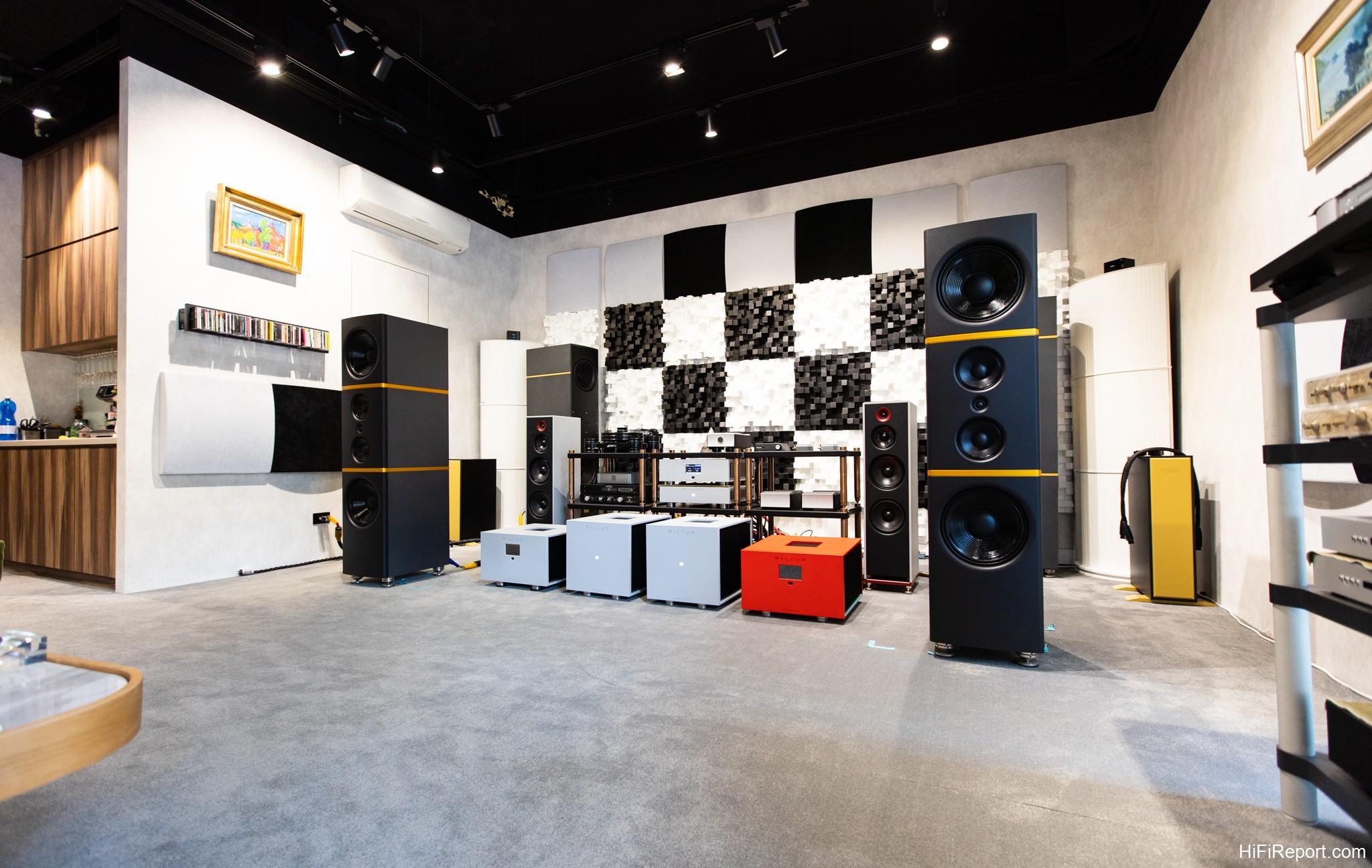
As the flagship product of the brand’s Divine Line, and making its debut appearance, we visited Bo Yun Audio to delve deeper into its performance and discover how it distinguishes itself from other Pilium Audio amplifiers we’ve experienced before.
Brand Mythology
Pilium Audio focuses primarily on amplifiers, resulting in a meticulously categorized product line. Hailing from Greece, it’s natural that they draw inspiration from Greek mythology, naming their products after deities. The main series, Divine Line, currently features nine products on their official website. Apart from a DAC, the lineup consists of preamplifiers, power amplifiers, monoblock power amplifiers, and integrated amplifiers.
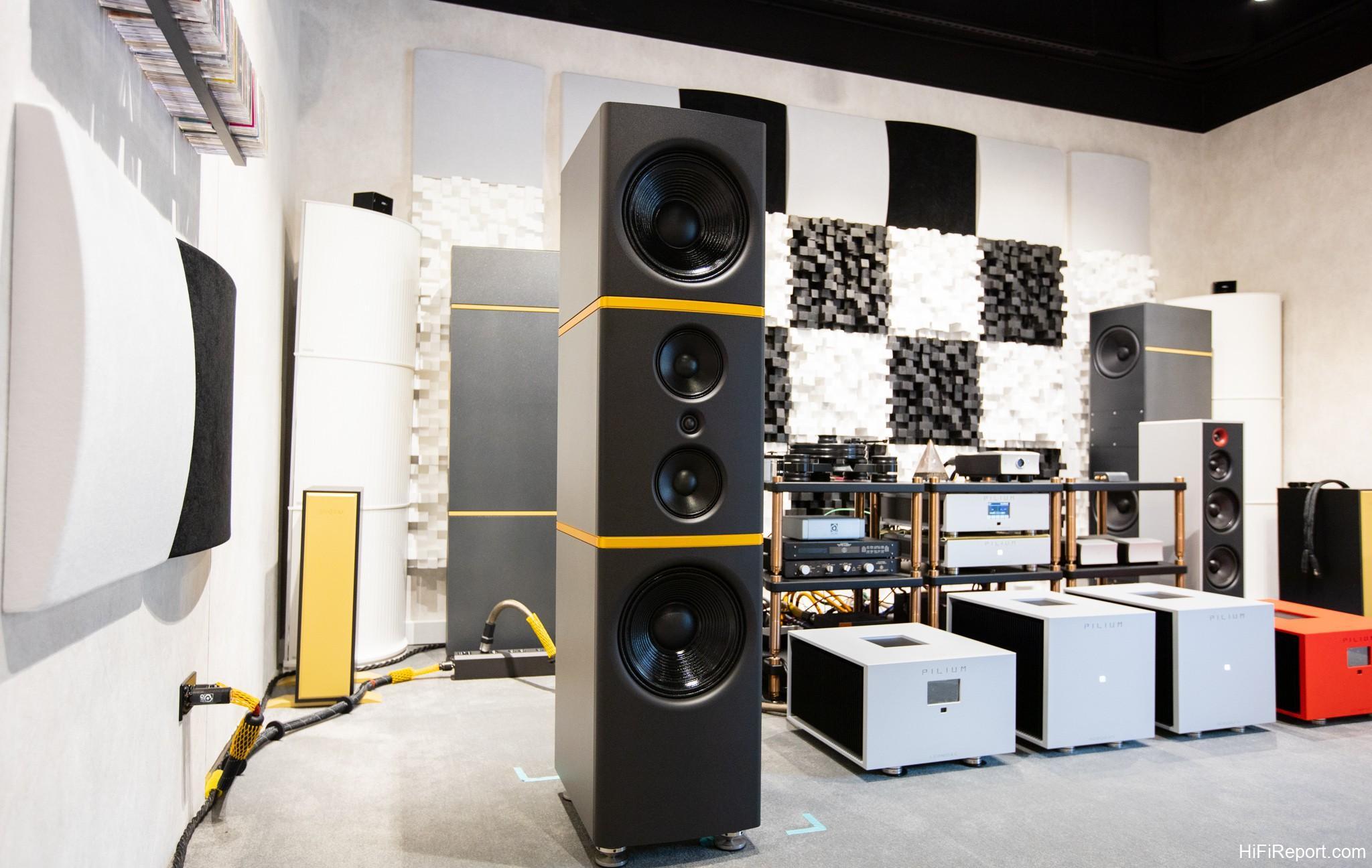
Within the Divine Line, there are two monoblock power amplifier models: the Poseidon and the higher-end Hercules. Above the Divine Line sits the top-tier Master Divine Line, featuring a preamplifier, a power amplifier, and a monoblock power amplifier each. Therefore, if the Hercules doesn’t conquer your ears, even more supreme options await.

High-End Specifications
Pilium Audio’s official website doesn’t explicitly detail the technologies used in their products, but rather lists the specifications and performance of each model. The Hercules, in its monoblock design, delivers a maximum output power of 350 watts into 8 ohms, 700 watts into 4 ohms, and 1400 watts into 2 ohms, with stable operation even at 1 ohm. Its frequency response extends to 100kHz, with distortion less than 0.01%. The voltage gain is 36dB, and the output impedance is less than 0.1 ohms.
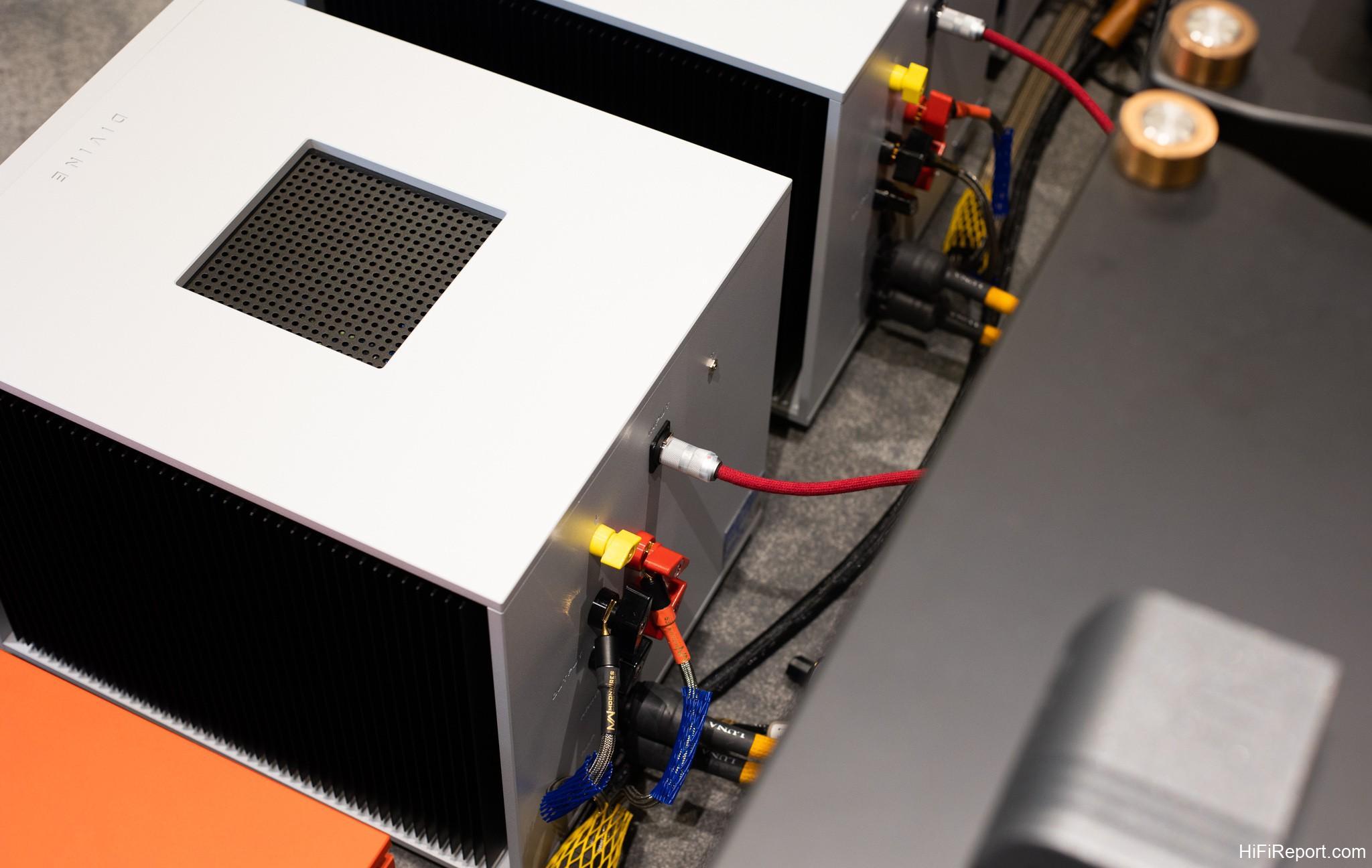
It offers a single XLR input. Internally, it features a substantial 2.5KVA toroidal transformer, 240,000uF of custom-made, ultra-long-life capacitors, and 30 high-bandwidth, high-power transistors. Employing military-grade PCBs, the design meticulously isolates the transformer and chassis, separating digital control circuits from analog circuits to minimize interference.
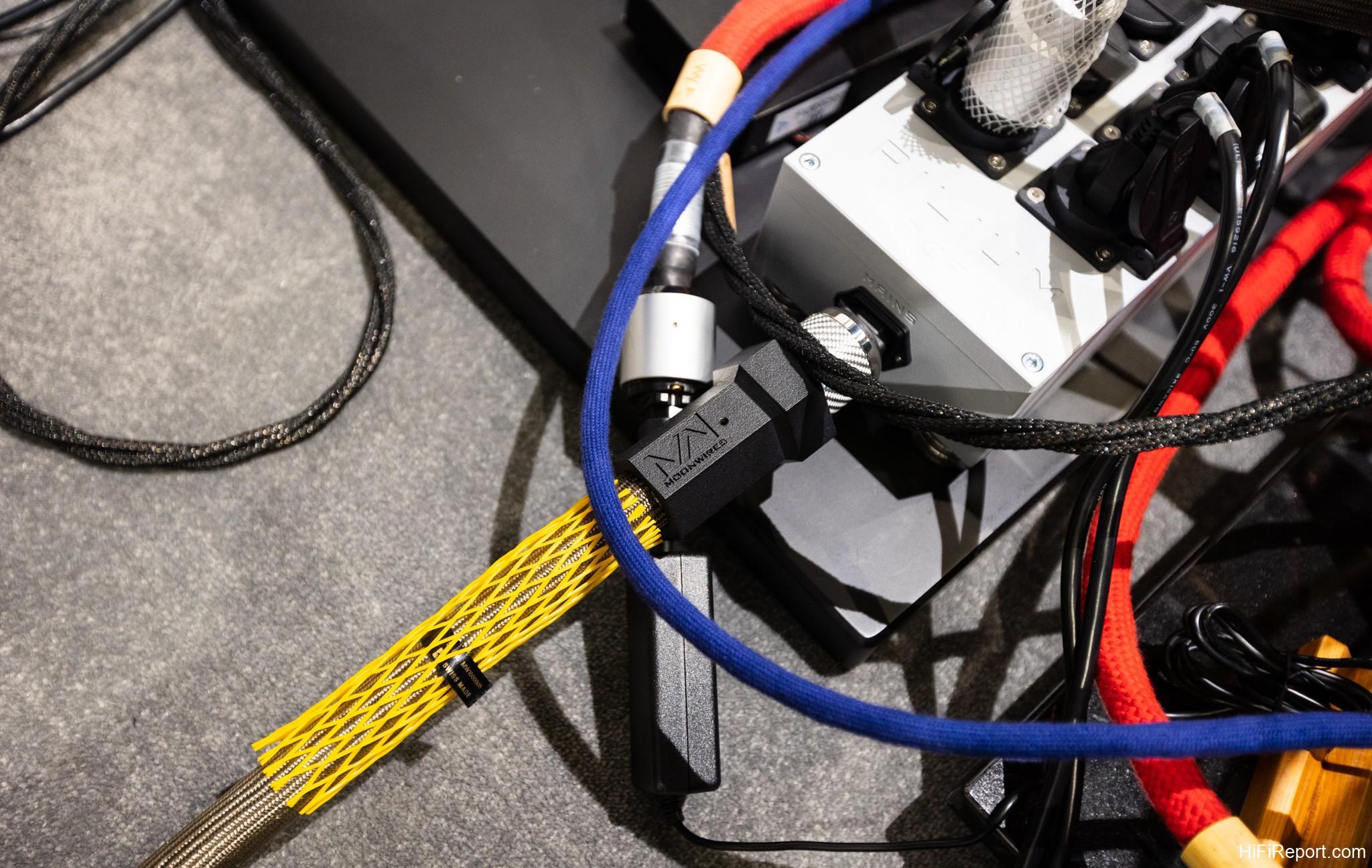
Microchip-controlled DC voltage, temperature, and speaker protection are implemented, and the audio signal circuits are completely segregated from other circuits. The amplifier requires two power cords, one for the amplification circuitry and another for the control circuitry, ensuring complete isolation between the two.
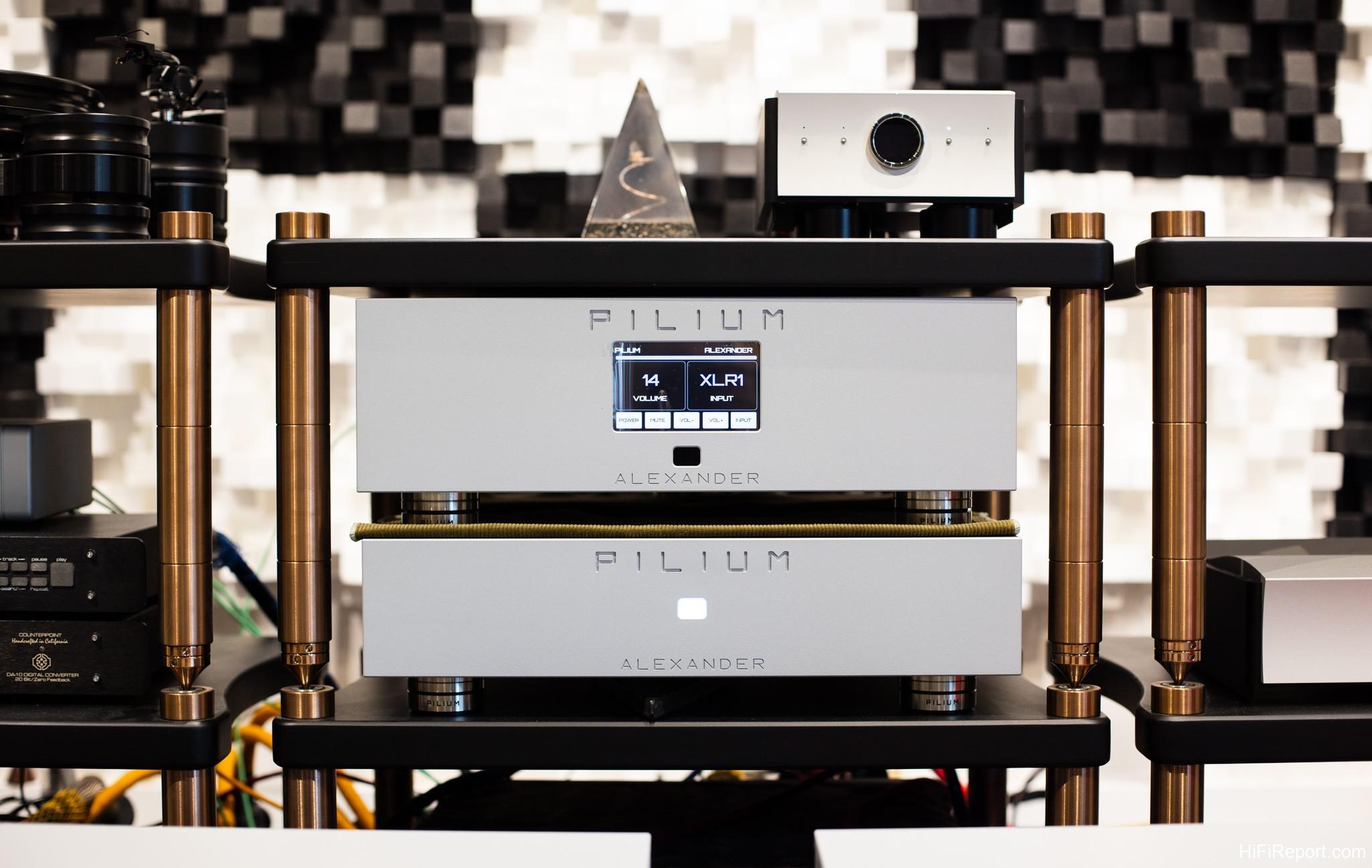
Bo Yun Audio has carefully curated the system to showcase the Hercules monoblock power amplifiers. The partnering preamplifier, the Pilium Audio Alexander, also from the Divine Line, features a separate power supply design and a fully balanced dual-mono architecture. The power supply is housed in an independent chassis, completely isolated from the main preamplifier circuits, aiming for natural, uncolored sound, extremely low distortion, and dynamic musicality.
The volume control design is incredibly complex, utilizing only a single resistor and ensuring the shortest possible signal path. Driven by a no-expense-spared approach to component selection, the Alexander achieves near-zero signal loss, representing the pinnacle of preamplifier performance within the brand.
Rising Star: Swiss Loudspeakers
The main loudspeakers are from Stenheim, a Swiss brand that Bo Yun Audio has been distributing for some time and which has garnered excellent reviews. Founded in 2010, Stenheim has quickly gained international recognition. Regardless of size, all Stenheim speakers feature all-aluminum cabinets. The Reference Ultime Two, while considered a smaller model in the flagship series, still weighs a substantial 231 kilograms per speaker.

It employs a d’Appolito array driver configuration, comprising two 12″ bass drivers, two 6.5″ midrange drivers, and a 25mm dome tweeter. The cabinet structure is divided into six independent internal chambers, with the tweeter, midrange drivers, and crossover each in their own sealed compartments. The two bass drivers are also independently chambered, each venting to the rear through bass reflex ports. A standout feature of Stenheim speakers is their high efficiency.
This model, for example, boasts a remarkable 95dB efficiency and can handle 400 watts of continuous power, with peaks up to 800 watts. This makes them compatible with a wide range of amplifiers; the manufacturer recommends a minimum amplifier output of only 30 watts, offering exceptional flexibility in system matching.
The bass reflex ports on the rear of the speakers are located in the middle of the cabinet. The Reference Ultime Two also provides frequency gain adjustments, allowing for boosting or attenuating the high, mid, and low frequencies to suit room acoustics.
Dutch Efficiency Redefined
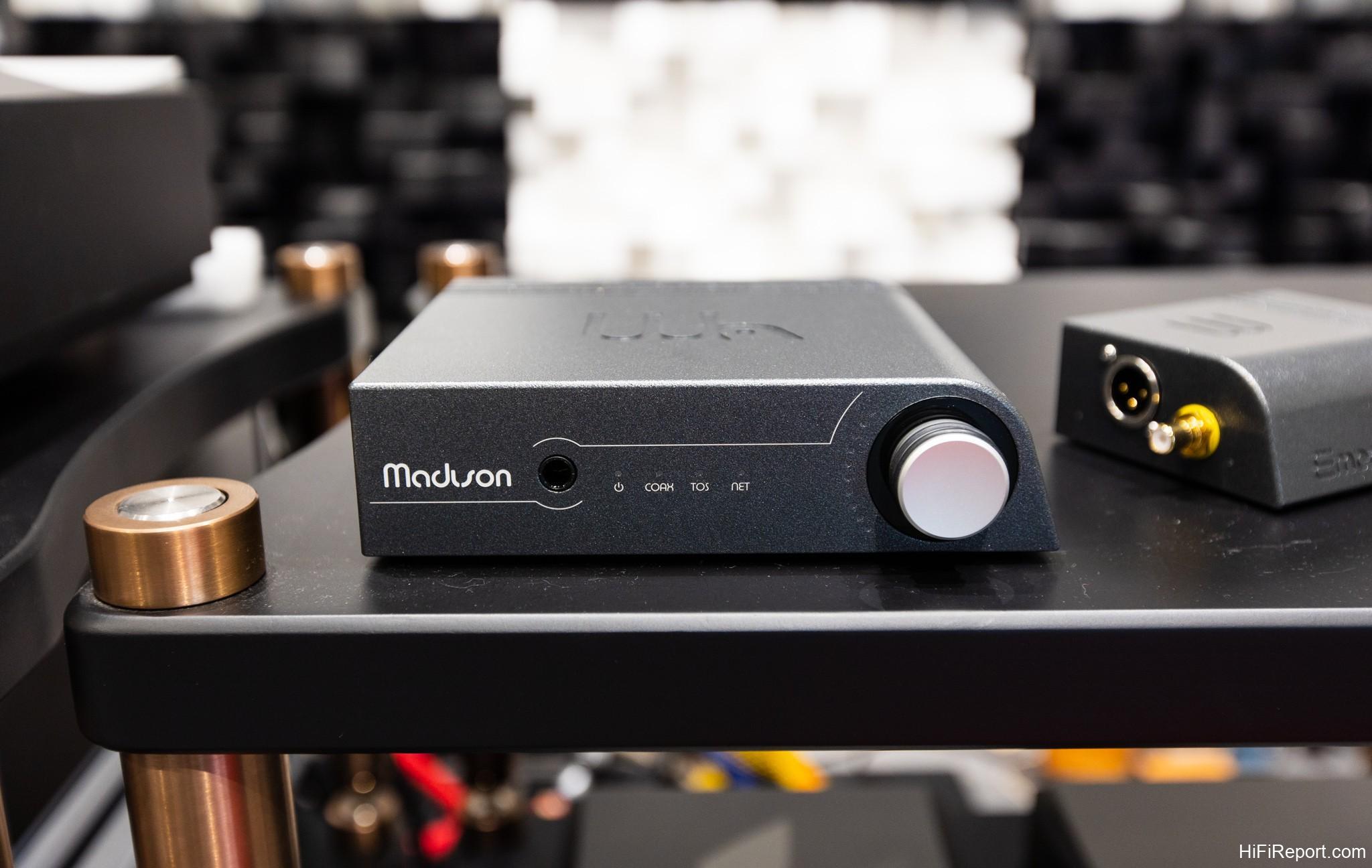
Digital source and DAC duties are handled by the mola mola Tambaqui DAC. This DAC, with network streaming capabilities and Roon Ready control, is a refined, efficient, feature-rich, and sonically excellent product from the Netherlands. mola mola is a Dutch brand known for its powerful digital processing technology and amplifier circuits.
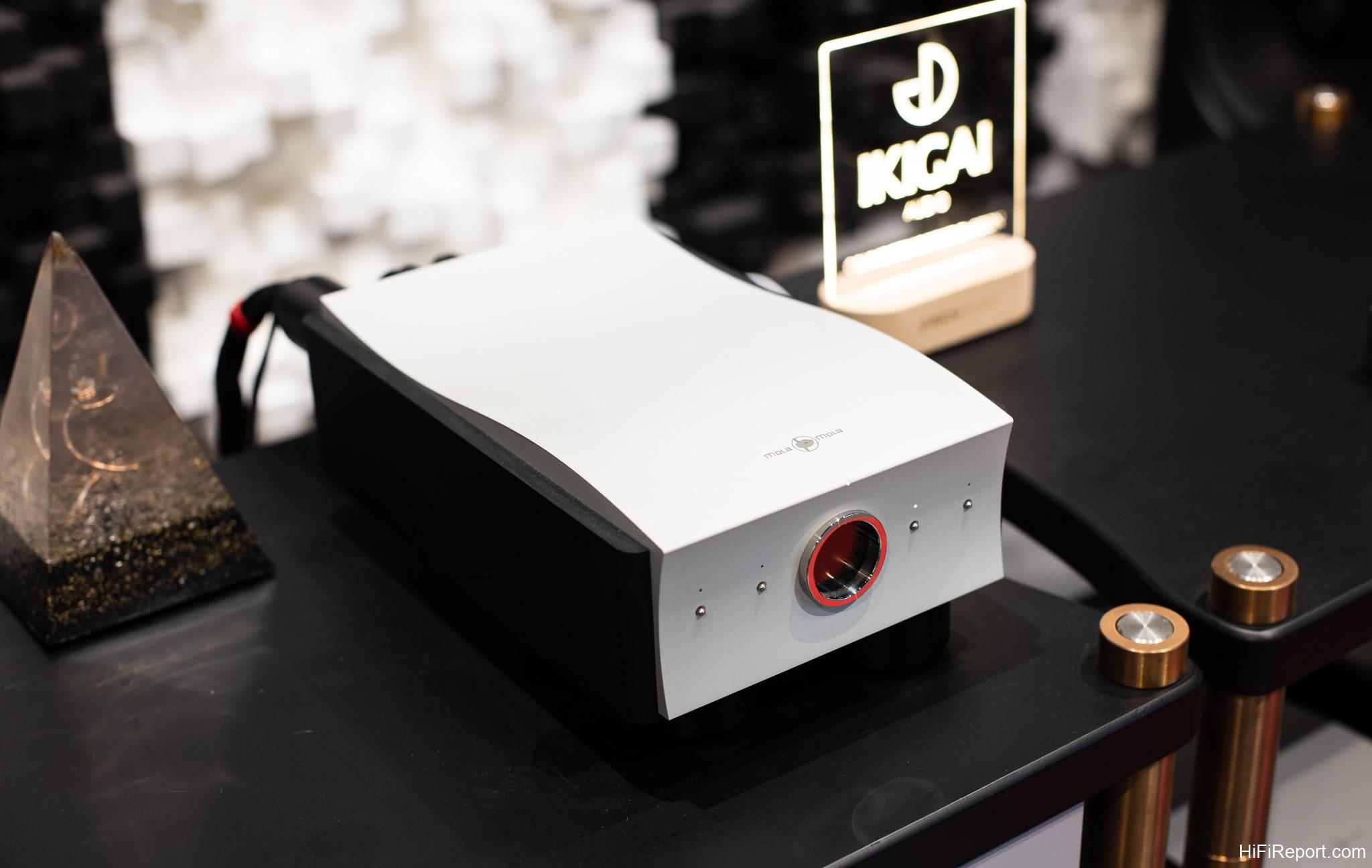
It’s a modern brand with significant resources, and unlike some others, it delivers high-level technology and sonic performance from remarkably compact enclosures, emphasizing efficiency.
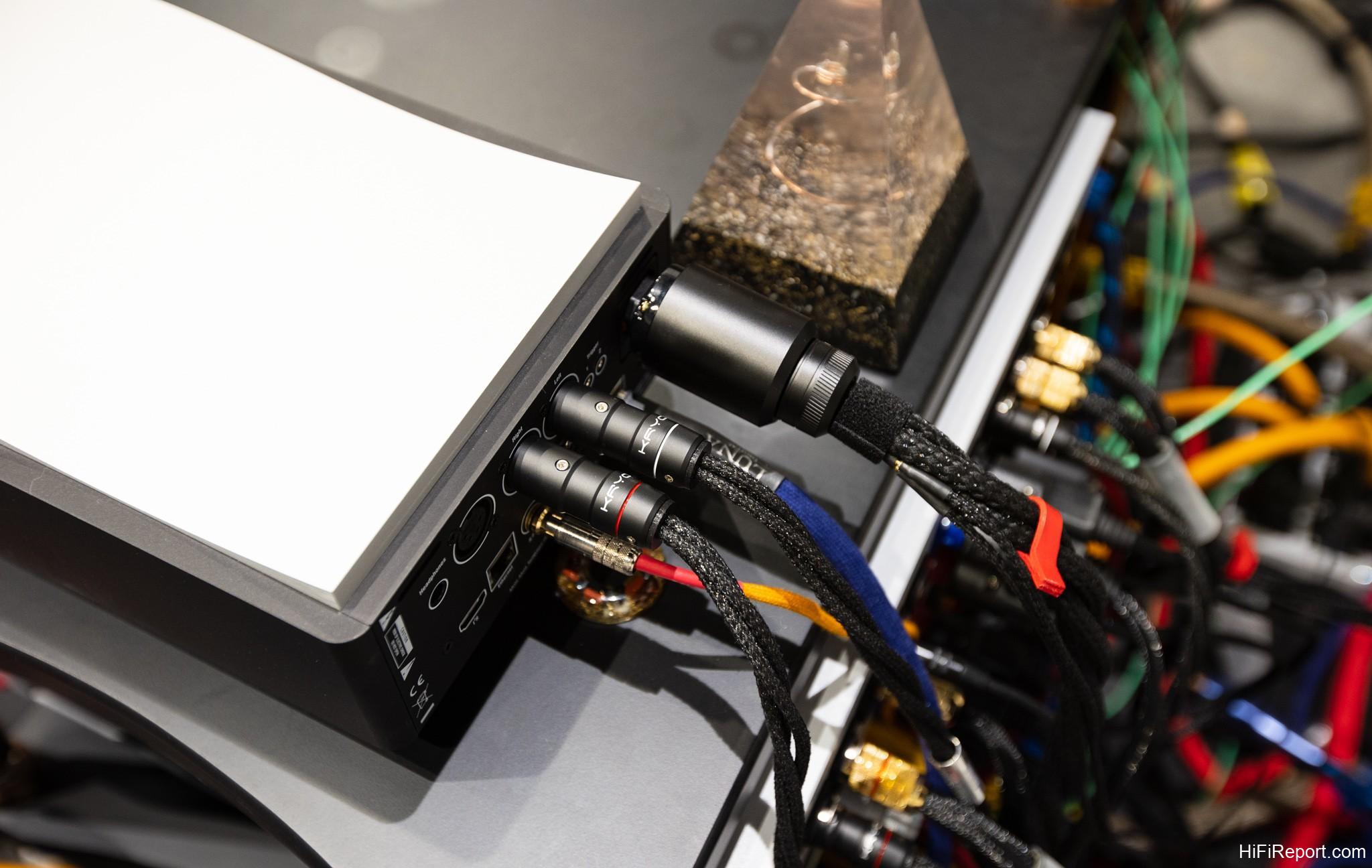
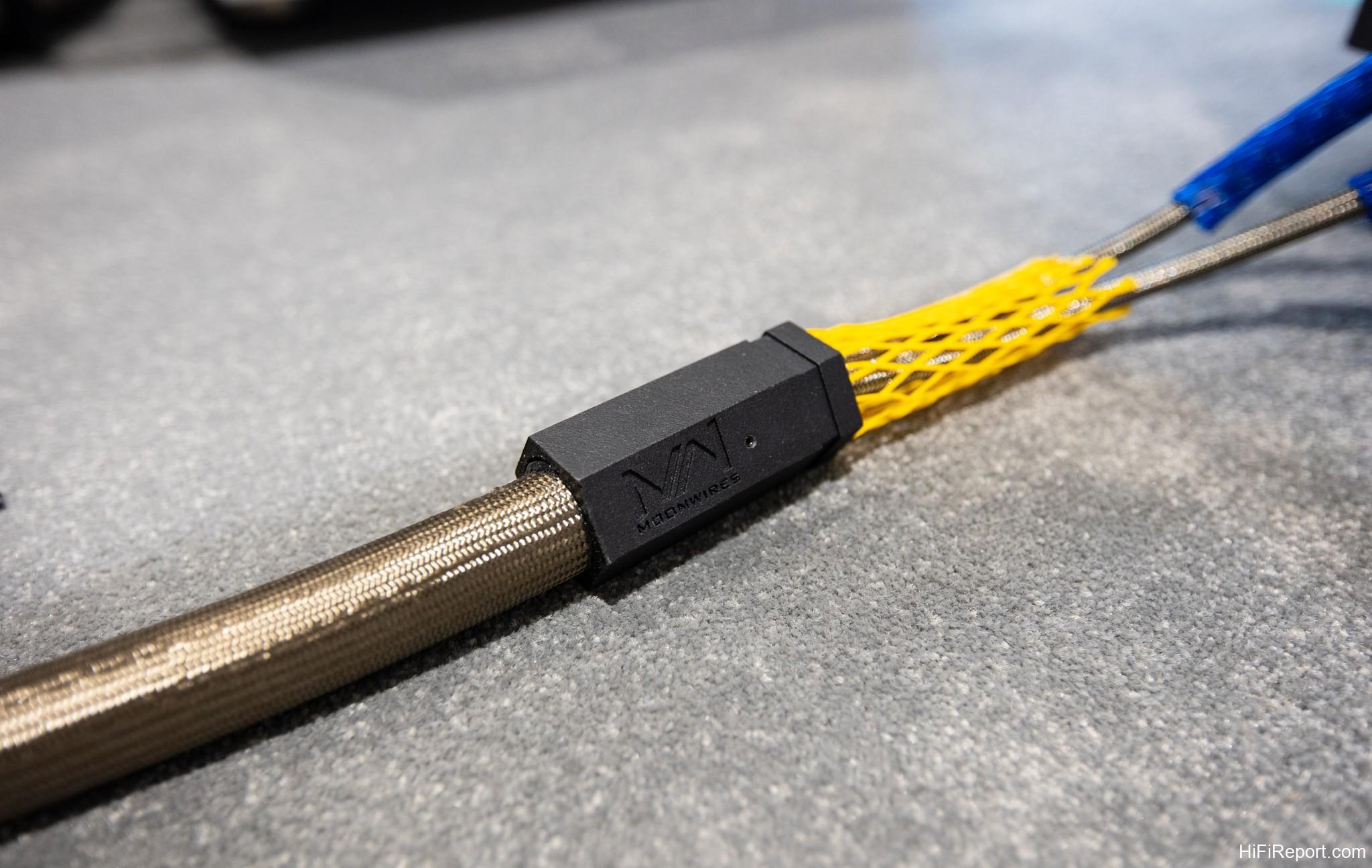
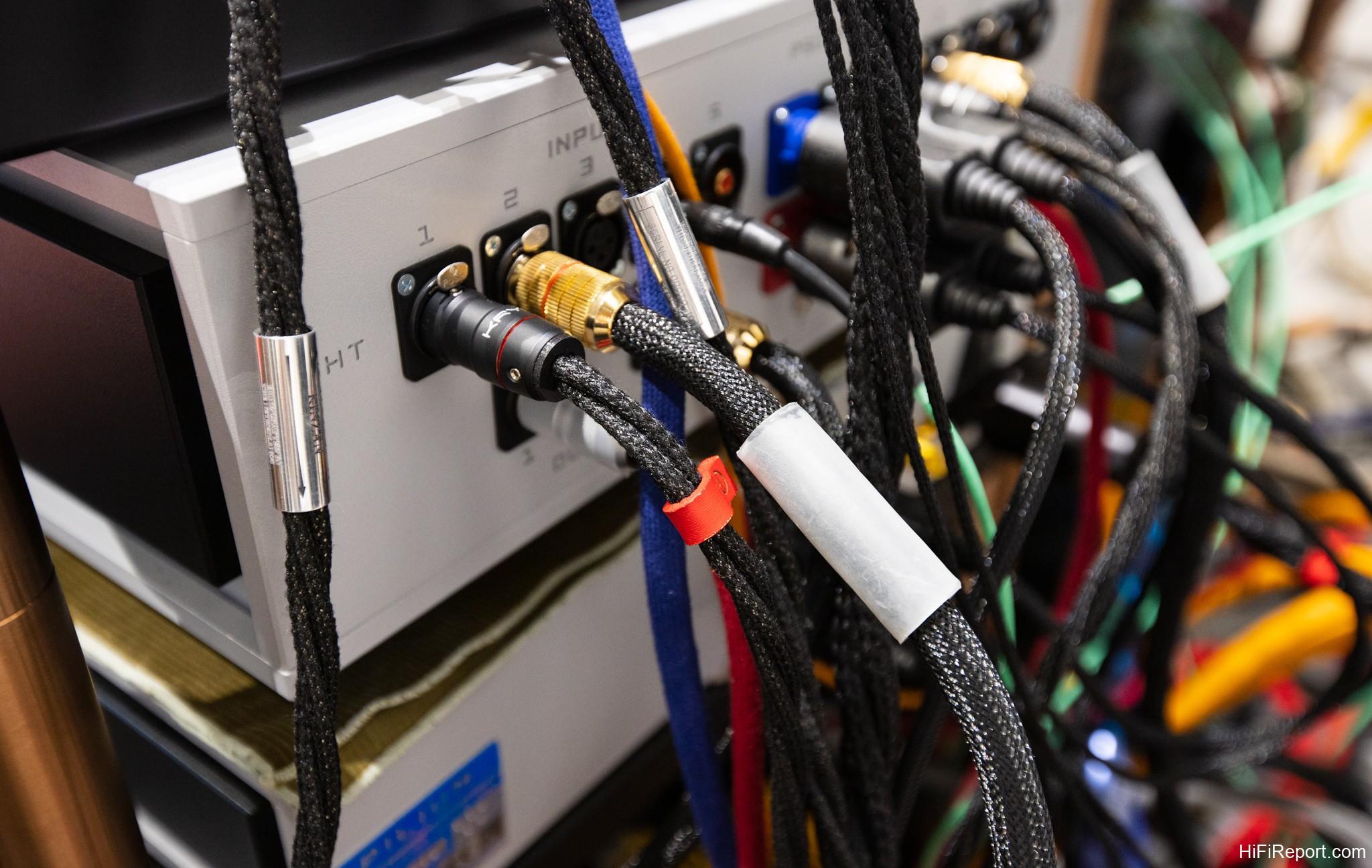
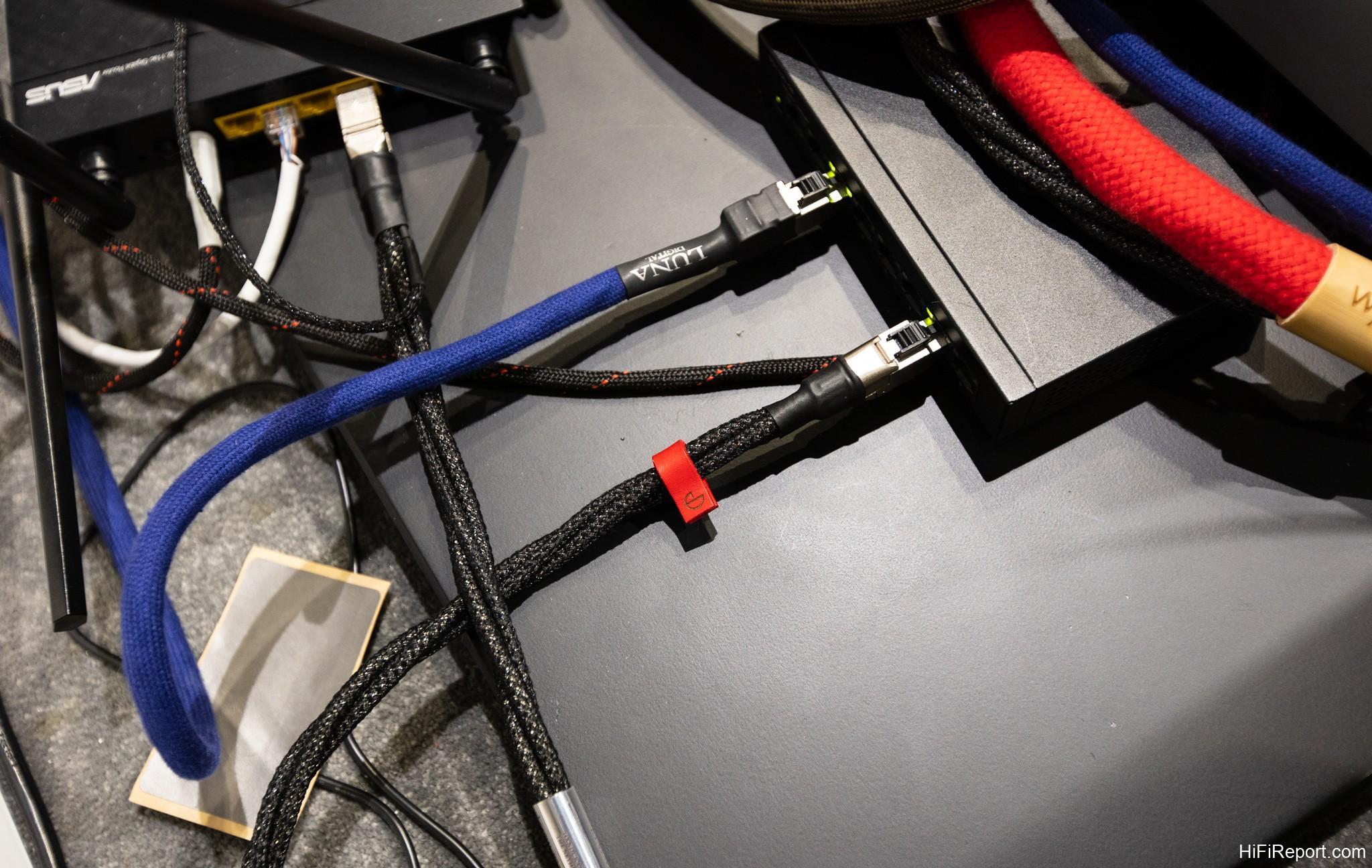
For cabling, Bo Yun Audio primarily distributes Canadian brand Luna Cable, Swiss brand MoonWires, and most recently, Dutch brand IKIGAI Audio. In Bo Yun Audio’s demonstration system, these brands are strategically integrated throughout the system, aiming for harmonious and high-quality music reproduction.
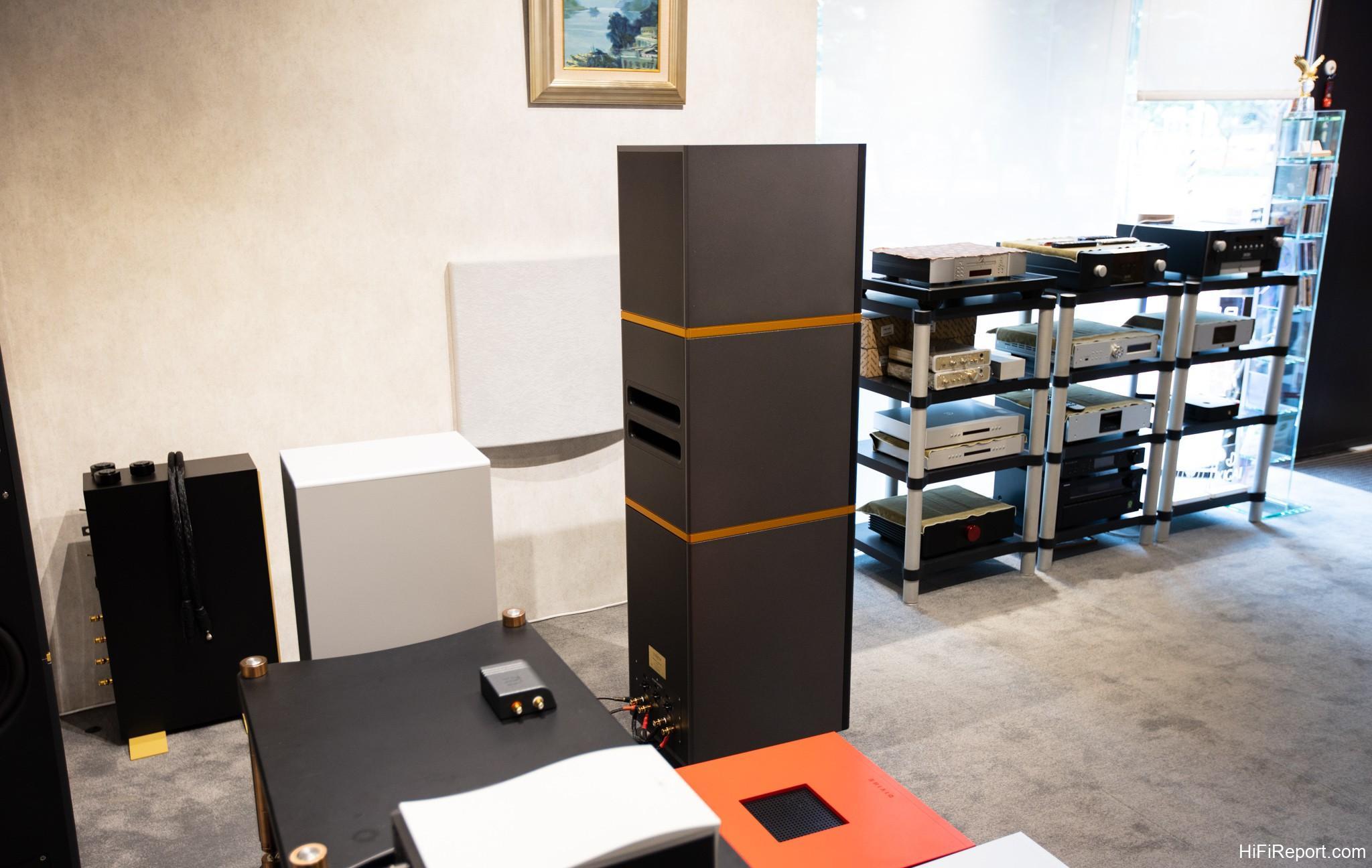
Furthermore, Bo Yun Audio has recently acquired distribution for Wattson Audio, another Swiss brand, and we anticipate more news about them in the future.
Effortless Authority, Gentle Breeze
This system is undeniably top-tier. While we have experienced Stenheim loudspeakers on numerous occasions, including the flagship four-piece Reference Statement system, each pairing brings a different perspective. Even though this isn’t our first encounter with the Reference Ultime Two, its combination with the Hercules monoblock power amplifiers has redefined our impression.
This time, we perceived not just the system’s overall power and resolution, but more importantly, an effortless sense of control, like a gentle breeze guiding immense power. Music reproduced through this system felt utterly at ease. Even with the dynamic peaks in the 《Tutti》 album, the system presented the music with unhurried, elegant, and solid power. Even at high volumes, there was no sense of strain or harshness, allowing for full enjoyment of the music’s exhilarating and narrative balance.
The amplifiers commanded the speakers with effortless ease.
Unveiling Micro-Dynamics and Detail
Listening to Janine Jansen’s 《Vivaldi, The Four Seasons》, the system’s detail retrieval in string instruments was remarkably agile and nuanced. While the grand scale presentation of large orchestral pieces previously captured our attention, the detail retrieval was never overshadowed. This album revealed even more subtle nuances in smaller ensembles. Harmony and resolution coexisted without conflict—clear yet smooth, music flowed effortlessly into the room.
The breathing and phrasing of the violin felt palpably present. For both music lovers and audiophiles, this performance was virtually faultless.
Luxurious System, Captivating Sound
At the 2023 TAA International Hi-End Audio Show held in August, Bo Yun Audio showcased the Stenheim Reference Ultime Two floor-standing loudspeakers in their room. The Stenheim Reference Ultime Two, performing at its peak during the show, attracted a constant stream of visitors, a testament witnessed by all attendees. Of course, open exhibition room listening can’t compare to a private listening session.
Thus, we seized the opportunity at Bo Yun Audio to fully indulge in the exquisite sound of the Stenheim Reference Ultime Two. The accompanying components were equally impressive, including the Dutch Mola Mola Audio Tambaqui digital streaming DAC, the Pilium Audio Alexander preamplifier, and the Hercules power amplifiers.
Naturally Flowing, Mellow and Beautiful Sonics
First, we played Jane Monheit’s cover of “Over The Rainbow.” The entire luxurious system presented a sound that was richly layered and textured. Beyond the sweetness of the timbre, a hint of moisture was discernible, while details remained exceptionally clear. Subtle nuances in enunciation and lip movements were distinct, for example, at the song’s conclusion, the delicate vibrato and slightest trembles were rendered vividly and beautifully. The sound was both swift in attack and decay.
During moments of silence within the track, a wide and clean soundstage emerged. The inflections and cadences between lyrical phrases were noticeable, exhibiting rich and varied contours. The sound was cohesive and vibrant, accompanied by gentle background strings. The highs, present but not aggressive, flowed with an effortless ease, imbuing the song with an irresistible aura of beauty.
Dynamic and Vivid Soundstage
Next, we listened to Boyce Avenue’s cover of “Hallelujah.” The vocals were remarkably expressive and captivating, brimming with vitality and life. The sound itself was focused and full-bodied. The contrast between vocal dynamics, from soft to powerful, was richly conveyed. The ambient reverberation was equally captivating, not overly prominent but subtly supportive, difficult to ignore. Every minute vocal detail was meticulously rendered.
These exceptional elements combined to make the sound richer and more dynamically engaging. Instrumental performance felt remarkably realistic. The strings possessed both elasticity and brilliance, while also conveying a gentle airiness, making the sound seem to float in front of you. The overall soundstage became more three-dimensional, drawing the listener closer to the music.
Clear, Realistic, and Vibrant
Finally, we enjoyed Emilie-Claire Barlow’s “Almost Like Being in Love.” Both vocals and instruments in this track were captivating. The vocals sounded remarkably realistic and three-dimensional, with a subtle airiness around them, but without sounding ethereal or hollow. Instead, this added naturalness and dynamic texture to the sound. Finer vocal details, such as subtle changes in mouth shape and breath control, whether forceful or gentle, were amplified and clearly discernible.
Instruments were equally beautifully rendered. The piano sound was both distinct and three-dimensional, with continuous sustain. Each key strike was clearly delineated, with prominent texture. The hammer strikes felt solid and noticeable, but the overall piano sound was not overly bright, instead possessing a warm, rounded quality, comfortable and pleasing to the ear. Strings were also exceptionally well-represented.
The notes had a vibrant and dynamic bounce, allowing one to fully appreciate the colorfulness of the music.
Pilium Audio Divine Line Hercules Monoblock Power Amplifier Specifications
* Design: Monoblock
* Output Power: 350W/8Ω, 700W/4Ω, 1400W/2Ω
* Frequency Response: < 100kHz * Distortion: < 0.01% * Input: 1 x XLR * Voltage Gain: 36 * Output Impedance: < 0.1 Ohm * Dimensions: 410 x 400 x 490 mm (HxWxD) * Net Weight: 107 kg