
PranaWire DEVA RCA Review
PranaWire hails from the United States and is part of The Lotus Group, a company that not only distributes audio brands from other countries, such as Oyaide, Acoustic Revive, Origin Live, and Acrolink, but also manufactures its own audio equipment under its own brand. Their product lineup includes PranaWire silver foil cables and Granada open baffle speakers, all known for their distinctive designs.
In Taiwan, PranaWire cables are imported by HiFiReport and have been showcased at numerous audio exhibitions. Their wide, flat profile always captures attention, and their sonic performance is equally memorable. This time, we delve into their entry-level interconnect, the DEVA, to understand what makes PranaWire so unique.
Two Decades of History
The driving force behind The Lotus Group is Joe Cohen, who also designs PranaWire cables. However, he didn’t start with the unique silver foil conductor design immediately.
Joe Cohen began designing cables in the 1980s and was already producing commendable products.
Later, he encountered cables from a Japanese brand called TRI. Listening to them provided an “epiphany,” broadening his horizons and leading him to become TRI’s distributor in the United States.
Although TRI eventually ceased operations, its unique multi-layer structure design inspired Joe Cohen. This inspiration spurred him to develop his own cables under HiFiReport, leading to the birth of PranaWire.
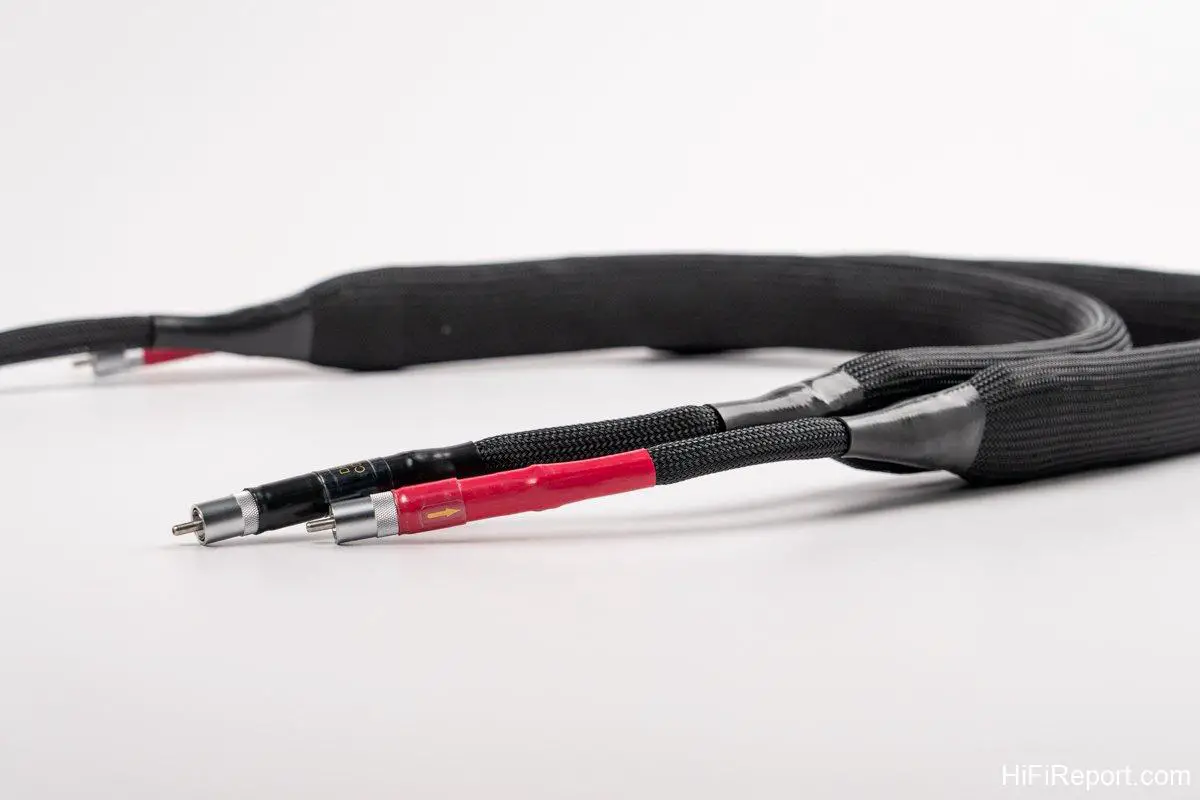
PranaWire’s first product debuted at the 2003 CES show, marking a 20-year history.
Through years of research and development, PranaWire now boasts a comprehensive product line, including interconnects, digital cables, speaker cables, and power cords, covering a wide range of levels.
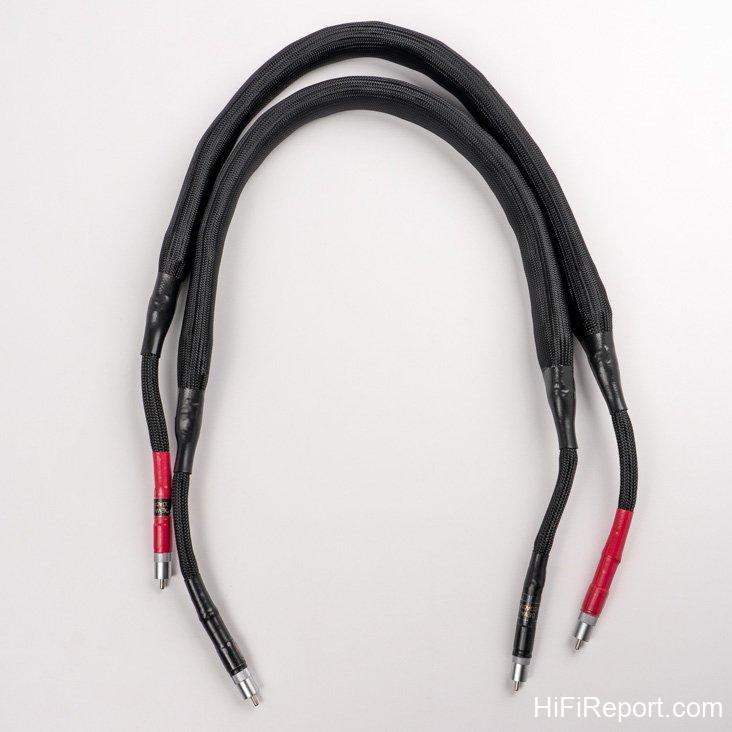
A significant visual characteristic of PranaWire cables is their non-traditional cylindrical shape. Instead, they adopt a wide and flat “belt-like” form factor.
This distinctive appearance naturally stems from their unique silver foil conductors.
Maximizing Signal Flow
Why silver foil conductors? What’s the underlying principle? PranaWire’s website doesn’t explicitly state the reasons, but it’s speculated that it’s closely related to addressing the “skin effect.”
The skin effect refers to the phenomenon where alternating current tends to flow mostly near the outer surface of the conductor, with very little current flowing in the center.
This effect arises because changing electromagnetic fields induce eddy currents within the conductor, counteracting the original current flow in the center.
PranaWire utilizes a thin layer of silver foil, combined with multiple layers of natural fiber insulation, and employs copper foil and copper braided shielding to minimize electromagnetic fields and noise interference. This design aims to maximize signal flow, naturally benefiting sonic performance.
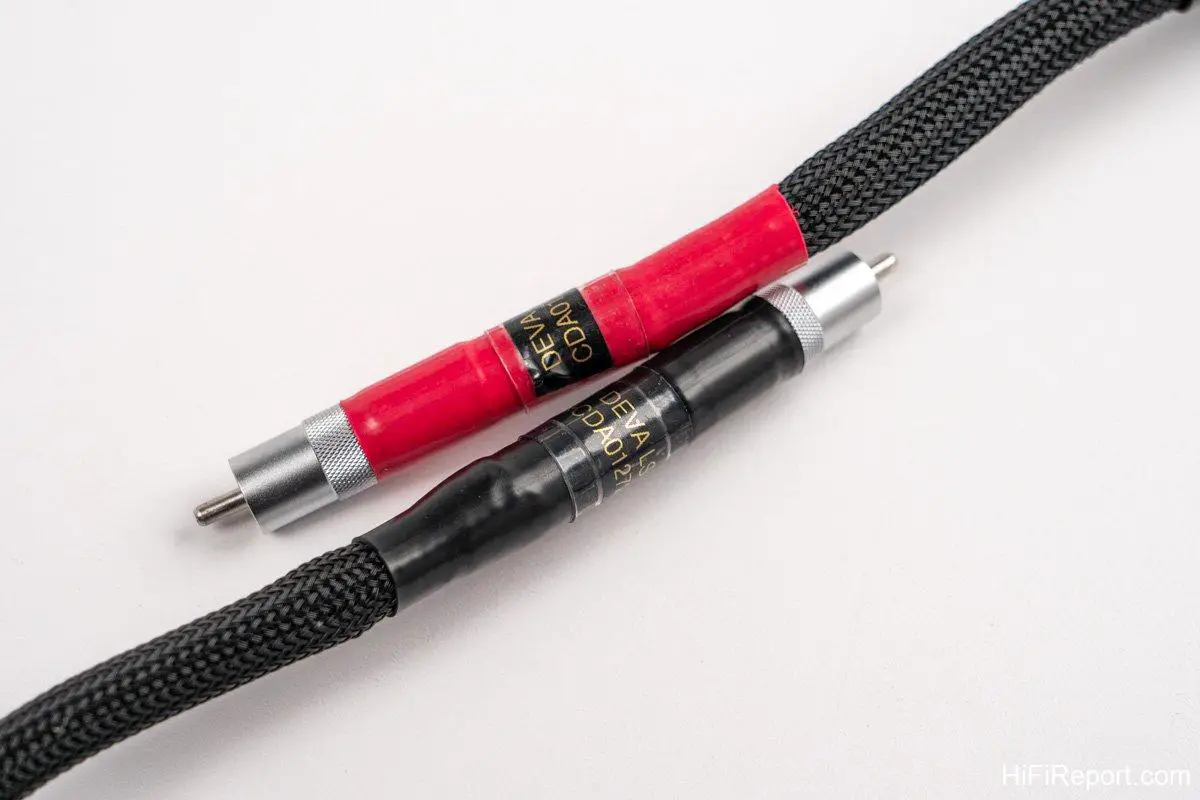
Although the DEVA interconnect is PranaWire’s entry-level offering, it inherits technology directly from the higher-end Nataraja and Cosmos series. It uses silver foil conductors, natural fiber insulation, and the same copper foil and copper braided shielding, albeit with fewer layers and a smaller overall diameter. Consequently, it shares the sonic characteristics of the top-tier cables but at a more accessible price point, making it a high value proposition within the PranaWire lineup.
Substantial yet Agile
The listening evaluation took place in my home, using the following components: Intel NUC mini-PC Roon Core, Volumio computer source, Audiobyte Black Dragon DAC, Holo Audio Serene preamplifier, NuPrime EVO One power amplifier, and Aurum Cantus Grand Harmony speakers. The reference interconnect was Canare 1805.
The DEVA interconnects provided for review were the RCA version, which I connected between the DAC and preamplifier.
Despite its substantial build, the DEVA cable has a natural curve, presenting a horseshoe shape. This design eliminates the need to force bending during connection. However, it’s not flexible enough to coil tightly. If the space behind your equipment is very limited, this might pose a challenge, so it’s worth considering before purchasing.
Initially, I listened casually, letting Roon Radio shuffle through Tidal’s music library. Even without direct comparison, it was immediately apparent that the DEVA is a very pleasing cable. It delivers rich detail, ease, and fluidity, along with excellent body, especially in the midrange and mid-bass. There’s a slight fullness that is very appealing without compromising overall balance.
The DEVA possesses a just-right warmth and remains largely neutral. It doesn’t sound like a typical silver cable. The texture is smooth and refined, completely devoid of harshness or edginess.
Furthermore, its focus is commendable. Images are solid and well-defined, with prominent outlines. Vocals or lead instruments are highlighted clearly, yet naturally integrated into the mix.
The DEVA leans towards a more substantial presentation, not light and airy, nor fast and sharp, but rather warm and weighty.
Smooth, Sweet, and Engaging
Playing “From the Age of Swing” from Reference Recordings, featuring a 5-piece brass ensemble with guitar, bass, and drums performing swing era classics, I compared the DEVA to my reference cable. The reference cable sounded livelier and more agile, with slightly better transients and a brighter tonal character.
The DEVA’s texture was a bit more viscous, slower in pace, and less forceful in dynamics. However, it excelled in image solidity, body, layering, and separation. Most notably, its tonal quality balanced realism with refinement, fully justifying its value.
Similarly, listening to “Tutti!” orchestral collection, also from Reference Recordings, track 6, Mozart’s Piano Concerto No. 21, second movement, the famous Andante, begins with about a minute and a half of string prelude. Through the DEVA, I could hear smooth sonic lines interwoven with delicate bow-string friction textures, accompanied by rich moisture – clear yet lush. The piano was full of sheen, making the notes sound lighter and more ethereal.
Next, I played crossover violinist Caroline Campbell’s “From Hollywood With Love,” an album featuring familiar film scores, classical pieces, and pop songs, all beautifully arranged and performed.
Through the DEVA, the violin sound gained body, the tone became more moist, supple, and luminous, with increased warmth. The sonic lines became more nuanced, with clearer contrast between dynamics. The lines were rounded, smooth, and sweet, but not overly saccharine. The DEVA doesn’t over-embellish; it retains a neutral and accurate character.
In contrast, the reference cable sounded more mechanical, direct, and less expressive in dynamics.
While the DEVA is softer in presentation, it conveys a sense of greater emotional investment from the performers, resulting in a more emotionally engaging experience.
Supple, Warm, and Highly Detailed
The DEVA’s supple, warm yet highly detailed nature prompted me to try it with harpsichord music. I played Keith Jarrett’s “Book of Ways,” an improvised album recorded over two CDs in just four hours.
Using the reference cable, this recording can sound a bit edgy. The plucked string transients are overly crisp, and the subsequent resonance in the instrument’s body is too thin, resulting in a dry, lean sound, skewed towards the high frequencies with less midrange and mid-bass.
While this is inherent to the harpsichord’s nature, prolonged listening can become fatiguing, or one might be tempted to lower the volume, which further thins out the sound.
Switching to the DEVA immediately brought a sense of calmness, stability, and depth. The edginess subsided, the brightness remained but became more pleasant. The instrument’s resonance was richer, the tone warmer, and the sense of weight increased. The lower register of each note gained prominence. The balance between high, mid, and low frequencies improved, and the sense of sonic image became more concrete.
Listening to harpsichord requires good body without being excessive, otherwise, it loses its lightness and crispness. The DEVA strikes this balance exceptionally well, and it doesn’t color the tone but allows the original sonic character of the recording to fully express itself.
Next, I tested vocals, choosing jazz vocalist Stacey Kent’s “Dreamsville” album, known for her sweet voice.
The DEVA presented the vocal image with clear solidity, outline, and tonal texture, yet it was also soft, sweet, delicate, and refined. It was incredibly comfortable and captivating to listen to.
The DEVA achieves an excellent balance between smoothness and detail retrieval.
The reference cable sounded quite loose, with a flat image and weaker dynamic contrast. The image seemed larger, but that was due to a lack of clear outlines and a flat presentation, which also compromised separation, even with simple arrangements.
The DEVA’s image is solid and focused, making it appear smaller, but enhancing separation. The spatial relationships between different instruments and the vocalist became clear and organized.
Crucially, the sound remained full, rounded, and comfortable, making it highly engaging, with vivid dynamic shifts.
Born to Sound Good
Finally, I listened to “Lovers’ Adagios,” a compilation of “Adagio” pieces performed by renowned conductors and orchestras under the Decca label, each track captivating.
Through the DEVA, the strings were lush, smooth, and beautiful, while maintaining rich detail, ensuring clear texture, and highlighting the instrument’s timbre without sacrificing realism and accuracy.
Furthermore, the orchestra’s structure, layering, and balance were excellent. Even at high volumes, the balance remained consistent, and the dynamics were impressive, showcasing well-rounded performance.
In conclusion, the DEVA possesses outstanding liveliness and musicality, coupled with commendable sonic performance. The only potential drawbacks are its thicker cable body, which might present some installation challenges, and its relatively higher price. However, if your budget allows, it is undoubtedly an ideal choice. Cables that sound “naturally” good like the DEVA are not an everyday find.
Specifications
* Type: RCA Interconnect
* Conductor: Silver Foil
* Shielding: Copper Foil, Copper Braided Mesh
Reference Components
* Source: Volumio Computer, Intel NUC i5 Roon Core
* DAC: Audiobyte Black Dragon DAC
* Preamplifier: Holo Audio Serene
* Power Amplifier: NuPrime Evolution One
* Speakers: Aurum Cantus Grand Harmony
* Interconnects: Canare 1805 RCA Interconnect, Harmonic Technology Para-I Balanced Interconnect
* Network Cable: Linkomm CAT-8
* Power Cables: Telos QAC Power Cable, Gortham 85025 Power Cable
* Speaker Cables: Tromba Marina OCC-1
* Accessories: MYSTJ Audio CMS Rack, ASI Tuning Devices, Telos GNR V5.1 Active Grounding Generator