
PS AUDIO STELLAR GAIN CELL DAC Review
US-based PS Audio recently launched its new Stellar series, comprising three components: a DAC-preamplifier, a two-channel power amplifier, and a monoblock power amplifier. Stellar is positioned as an affordable yet high-performing series, with PS Audio believing it to be unmatched by competitors in its price range. Last week, HiFiReport received the Stellar Gain Cell DAC and Stellar S300 two-channel power amplifier, fresh off the boat, for auditioning with French Atohm speakers.
An Accessible New Series
The complete Stellar series includes three components: the Stellar Gain Cell DAC, a digital-to-analog converter that importantly incorporates preamplifier functionality. PS Audio combines these two elements to achieve a synergistic effect greater than the sum of its parts, priced around $2,000 USD. The second component is the Stellar S300 two-channel power amplifier, delivering 140 watts into 8 ohms and 300 watts into 4 ohms, priced at approximately $5,000 USD.
The third is the Stellar M700 monoblock power amplifier, providing 350 watts into 8 ohms and 700 watts into 4 ohms, also priced around $5,000 USD.
Our focus this time is primarily on the Stellar Gain Cell DAC. Despite being named a DAC, it also functions as a preamplifier. The entire unit is manufactured at PS Audio’s US factory. Can it maintain high sound quality while controlling costs?
The unit delivered was brand new and unopened.
Upon unboxing, we found a user manual, a pre-shipment quality control certificate, and a small black power cord.
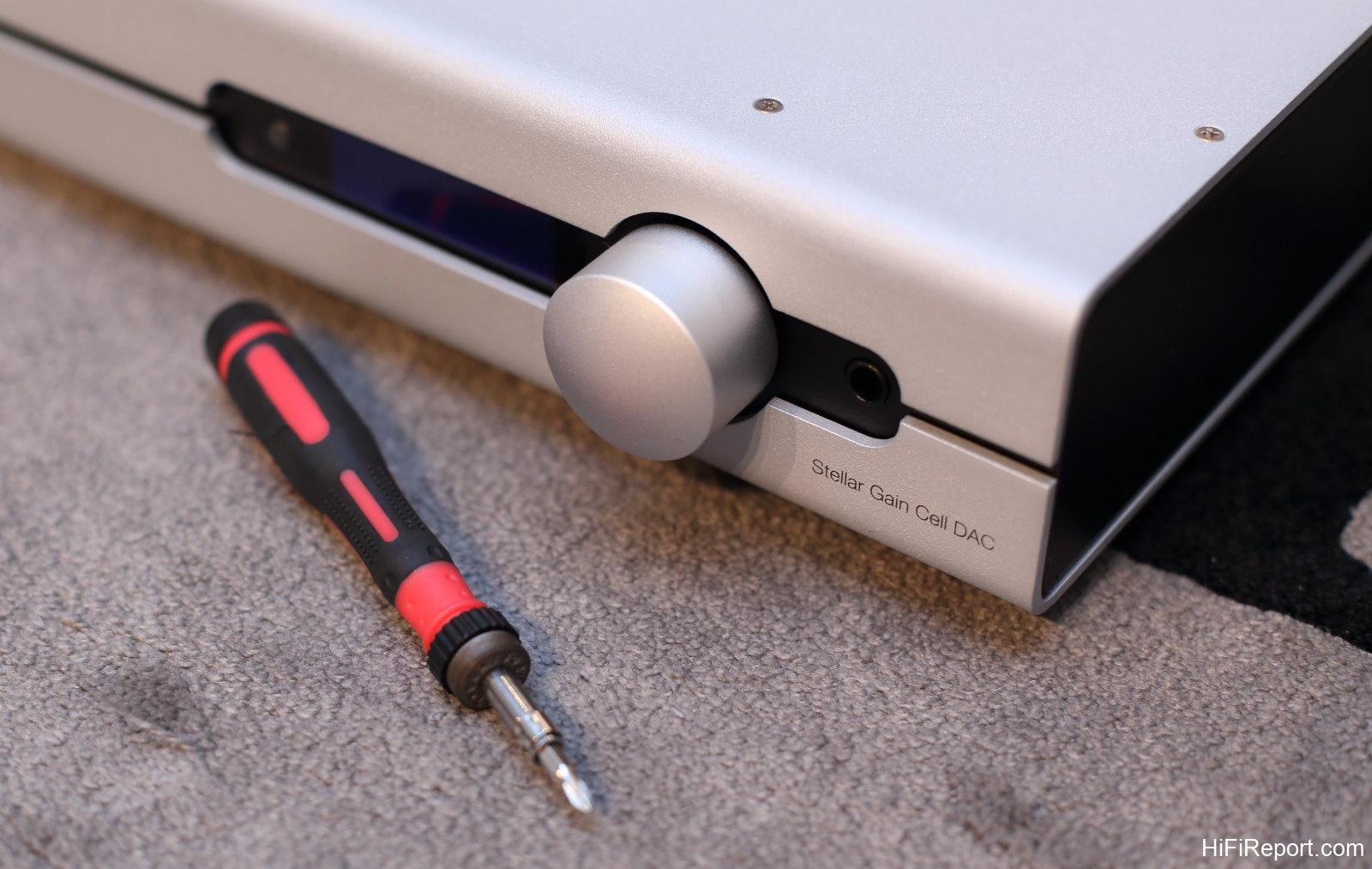
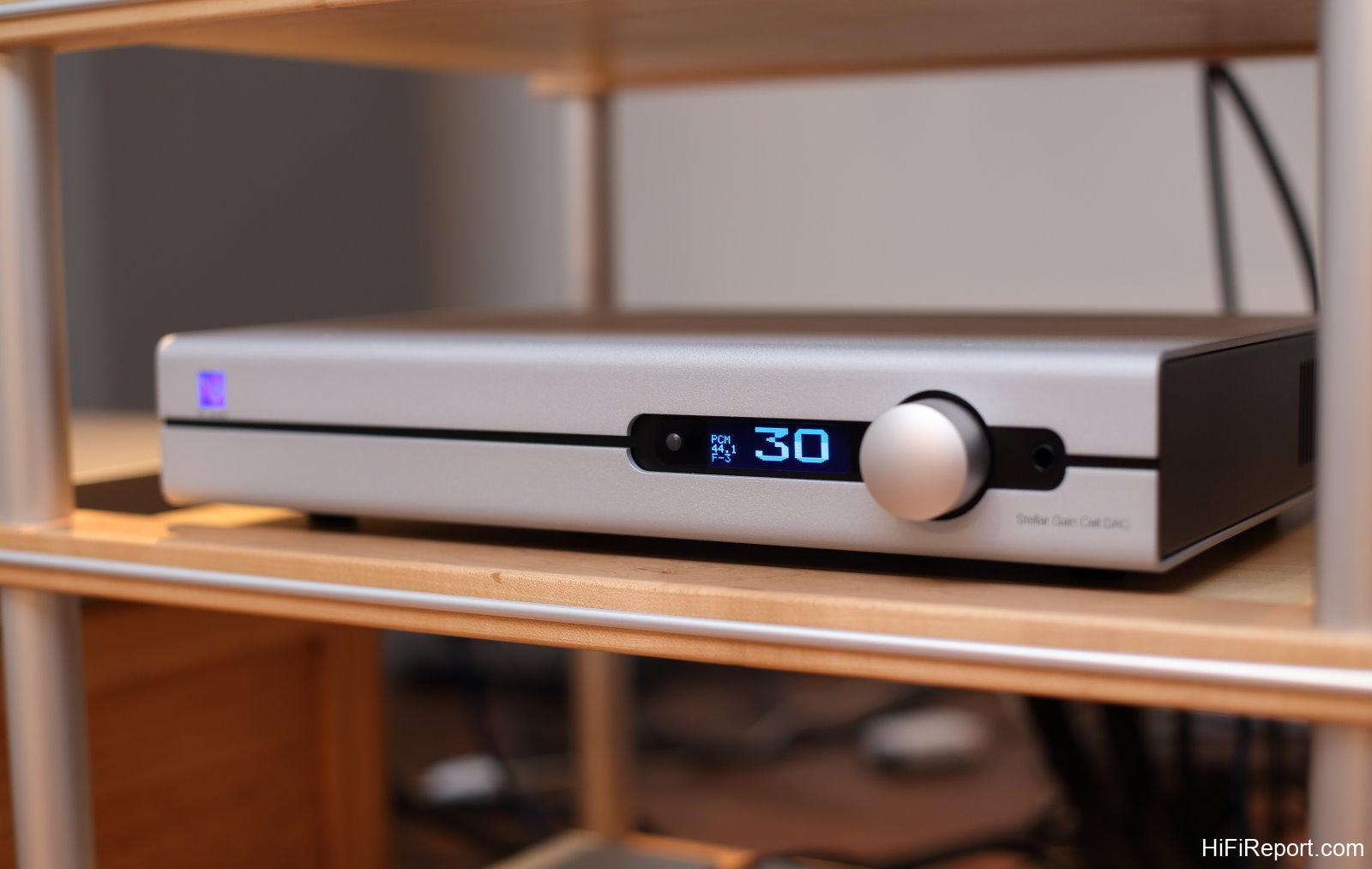
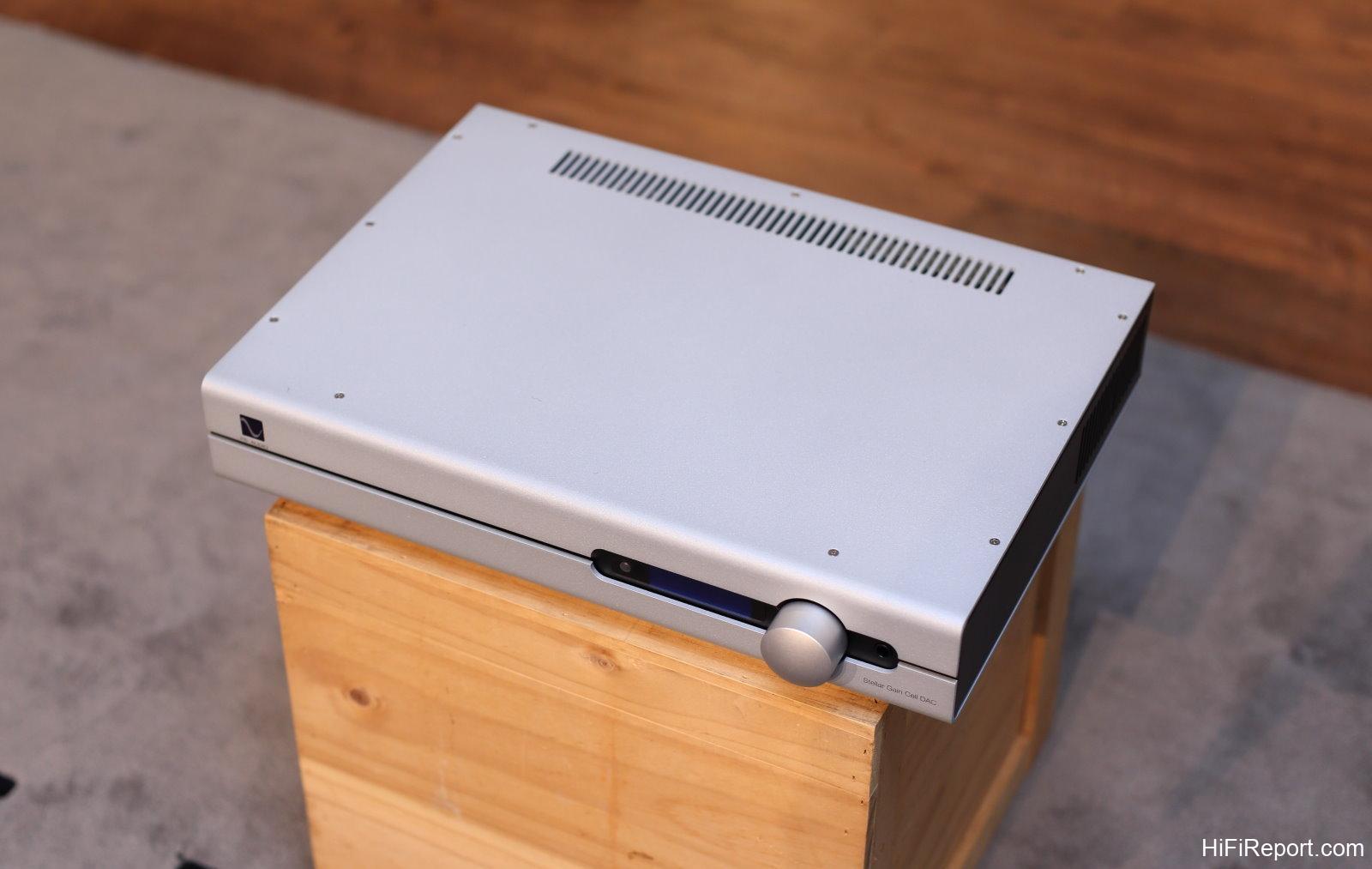
The Stellar Gain Cell DAC is full-sized, featuring a volume control knob, a display screen, and source selection buttons on the front panel. Heat dissipation vents are located on the rear of the chassis.
Additional heat dissipation vents are on both sides at the rear of the chassis, offering a glimpse of the internal components.
STELLAR DAC: Eight Inputs, Rich Functionality
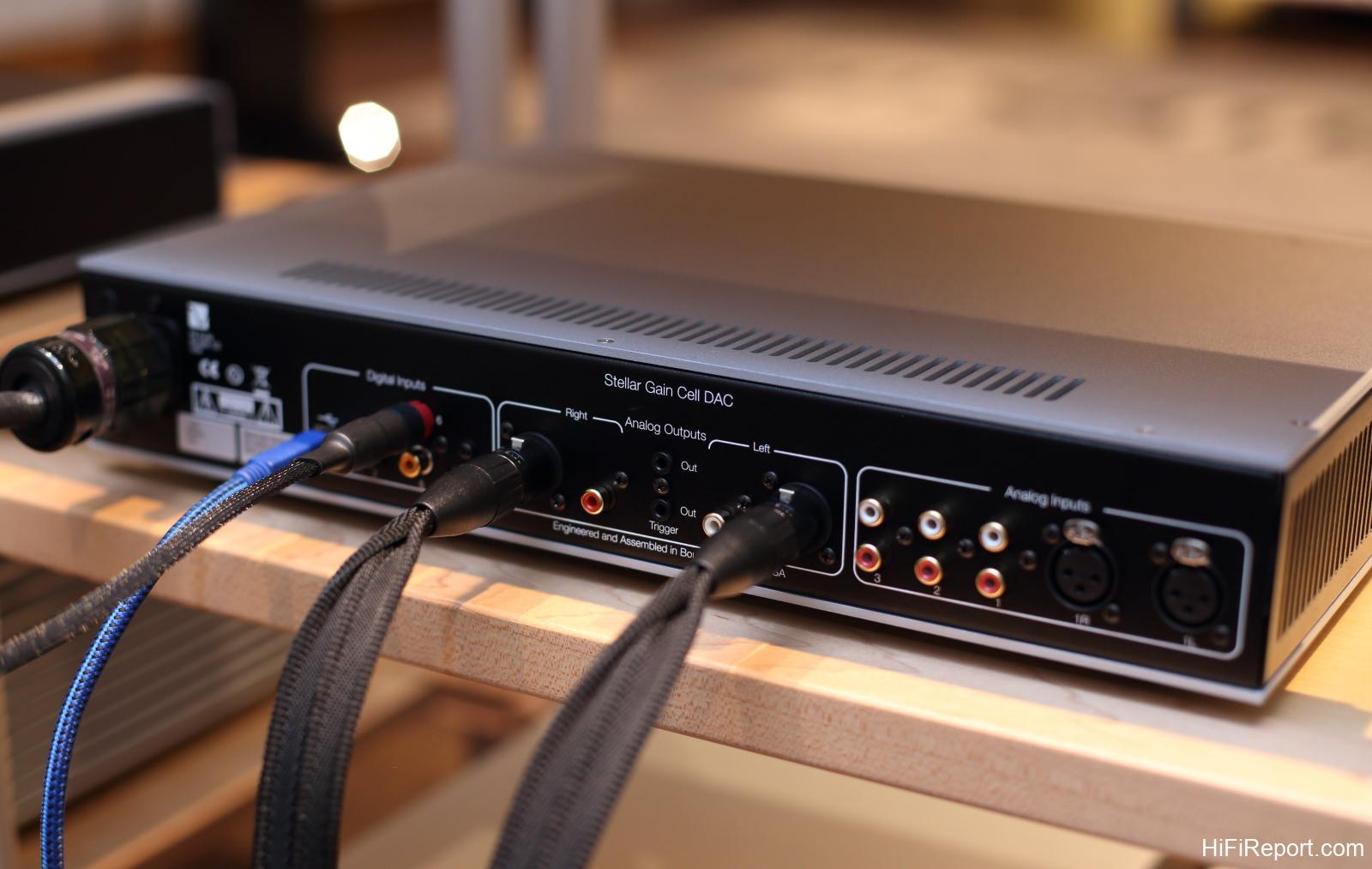
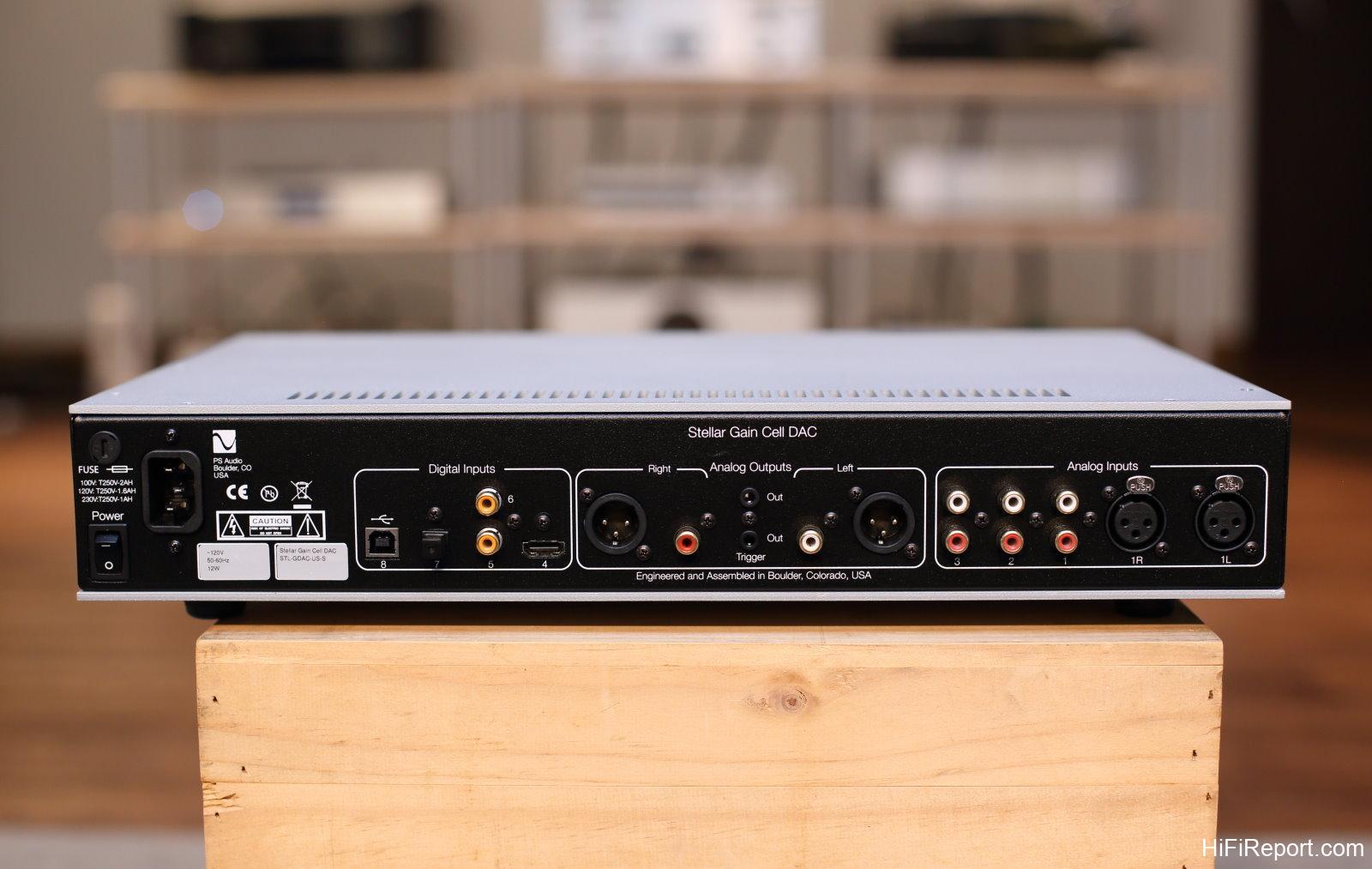
The rear panel reveals a wealth of input and output terminals. As a DAC, it boasts five digital inputs. The USB Input allows it to function as a USB DAC, capable of receiving PCM files up to 24bit/192kHz and double DSD files (DoP). When connected to a computer via USB, it can be controlled directly through third-party software on smart devices, such as iTunes, JRiver, MConnect, Windows Media Player, Foobar, Pure Music, Bit Perfect, Media Monkey, Audirvana, or Ammara.
It also offers one optical input, supporting up to 192kHz, two coaxial inputs, also up to 192kHz, and one I2S HDMI input. Conventional S/PDIF and AES/EBU digital transmissions mix music signals and clock signals together, requiring the DAC to separate them. HDMI transmission, however, transmits music and clock signals separately. I2S transmission is designed to pair with PS Audio’s own DirectStream transport.
This is particularly significant because the DirectStream transport is one of the very few that can directly read the DSD layer of SACDs and transmit it to a downstream player. Previously, DirectStream transports could be paired with PS Audio’s more expensive DACs for this transmission, but now the Stellar Gain Cell DAC offers a more affordable option.
The Stellar Gain Cell DAC can also function as a pure preamplifier, offering one balanced XLR analog input and three single-ended RCA analog inputs. For outputs, it provides one balanced XLR analog output and one single-ended RCA analog output.
Internal Anatomy
Next, I opened the chassis to examine the internal layout.
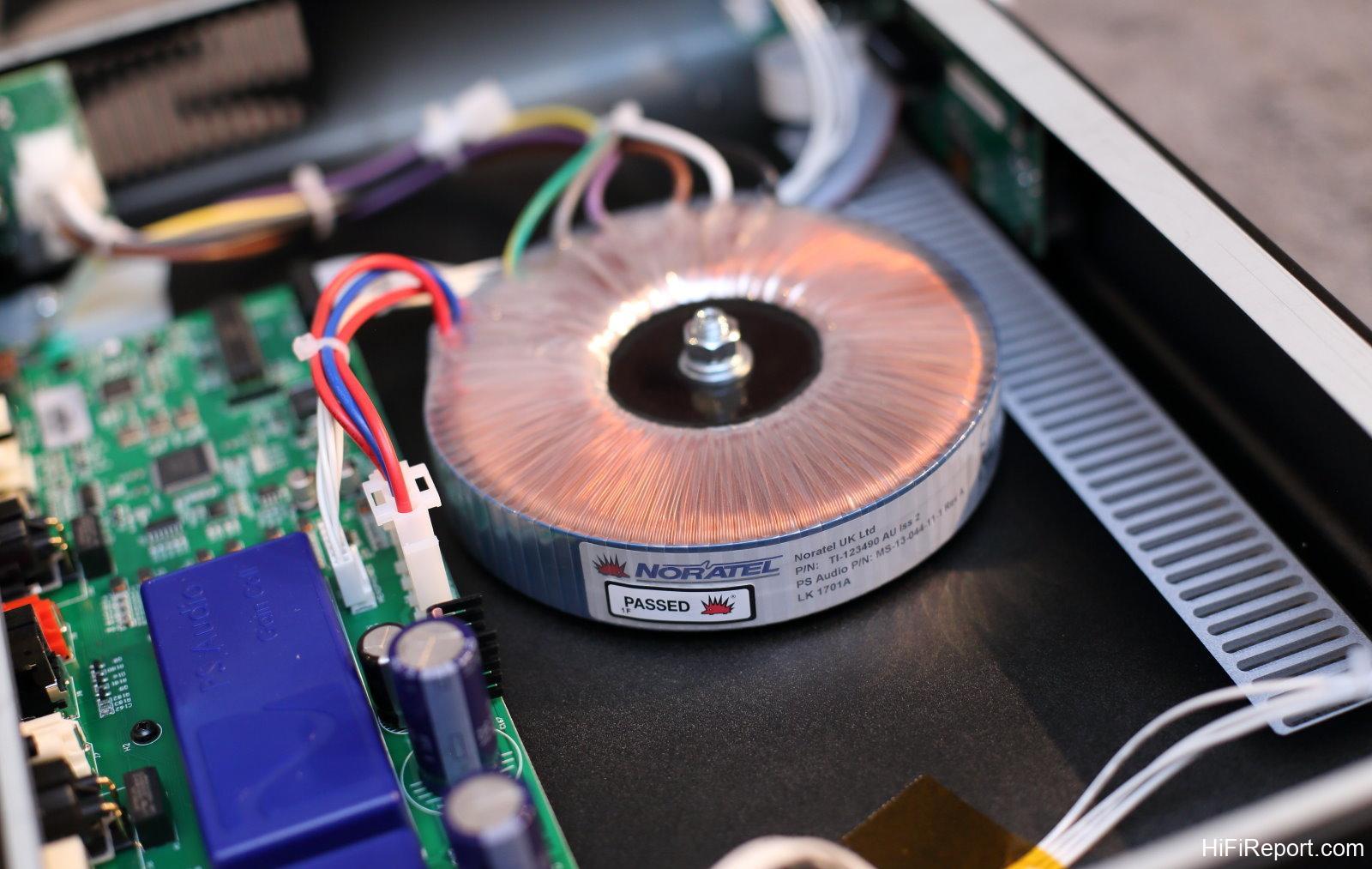
Upon opening, a large toroidal transformer is immediately visible, with the digital circuit board (right side) and analog circuit board (left side) located behind it.
The high-current toroidal transformer is manufactured by Norwegian company Noratel, a well-established manufacturer with over a century of history, serving industries including audio, medical, green energy, automation, automotive, shipping, and transportation. The power supply section also uses seven voltage regulators, high-speed power supply diodes, and 15,000µF low equivalent series resistance (ESR) capacitors.
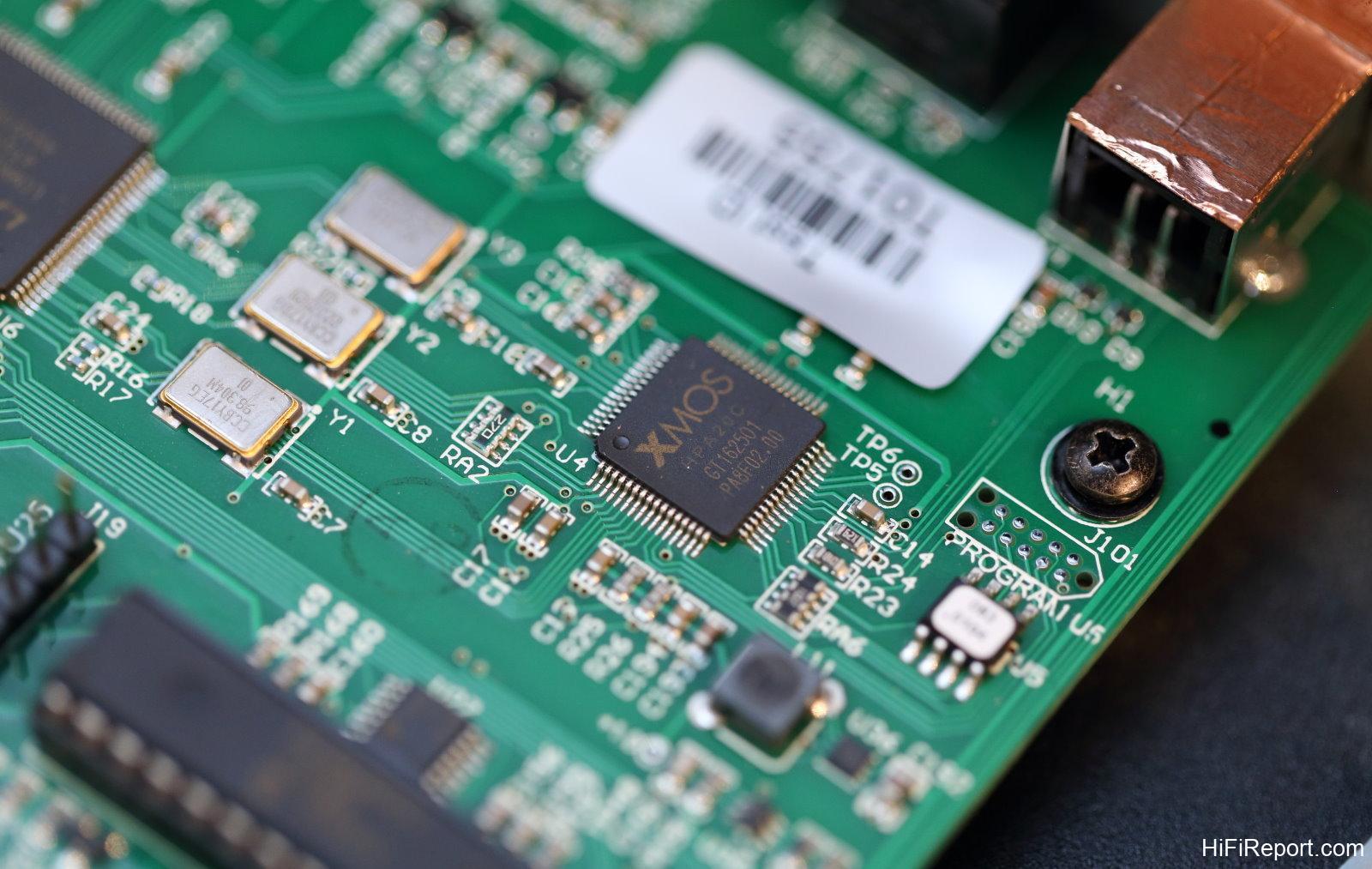
The USB receiver chip is an XMOS.
Incorporating Proprietary Digital Lens Technology
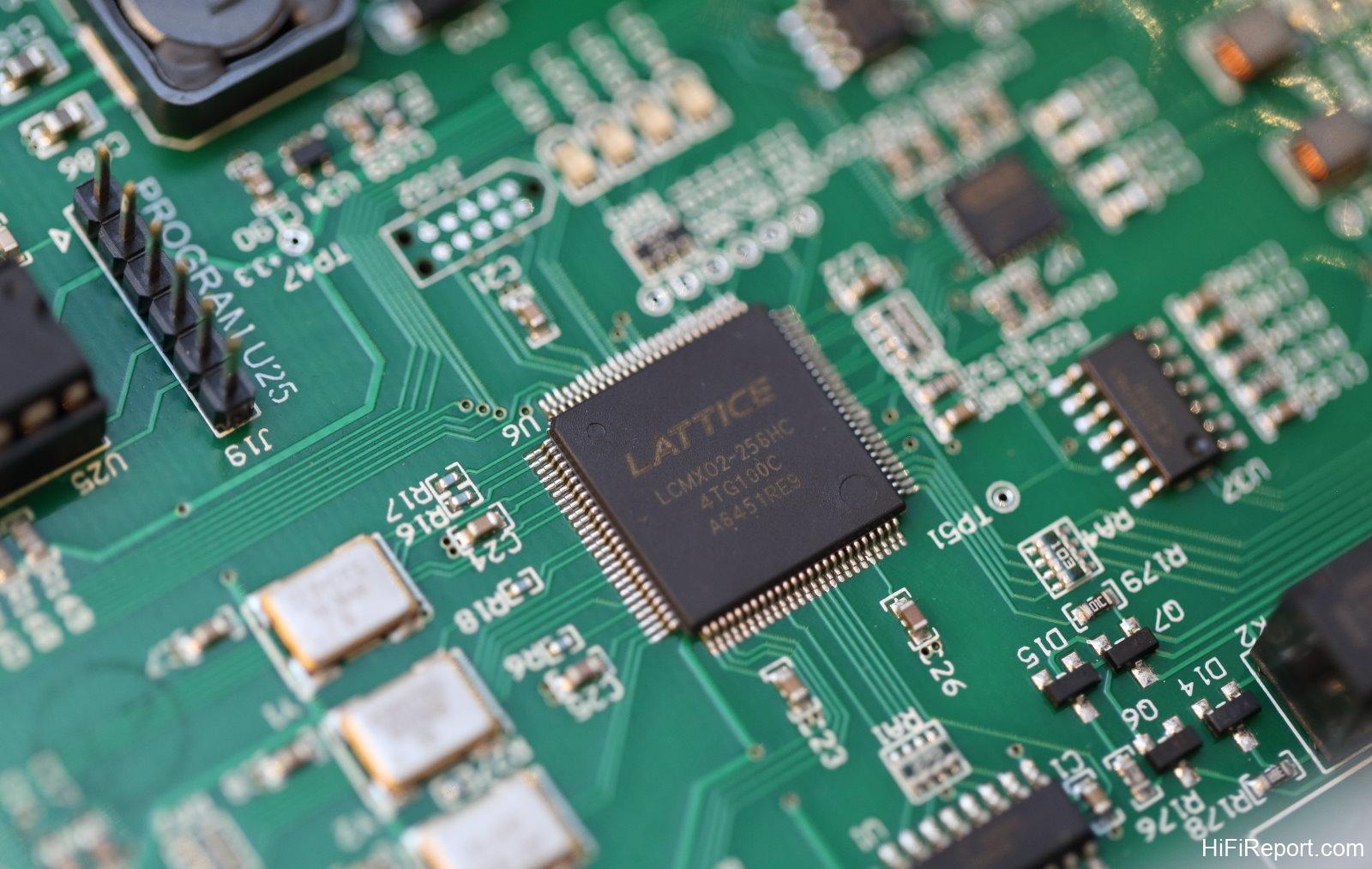
A Lattice FPGA chip is also present. The Stellar Gain Cell DAC’s digital-to-analog conversion design is an evolution based on PS Audio’s Nuwave DSD DAC. It notably employs PS Audio’s proprietary Digital Lens technology. All incoming digital signals enter the CPLD (Complex Programmable Logic Device, a simplified FPGA) in their native state, without any sample rate conversion.
After identifying the input sample rate and format, it re-clocks all data signals to reduce jitter and outputs waveform data to the DAC. High-speed/low gate logic operations are utilized to minimize latency and ensure rapid signal transmission.
The DAC chip itself is an ESS Sabre 32bit Hyperstream structure, featuring passive filtering to reduce transmission distortion. The output stage is a unique Class A, fully balanced, direct-coupled hybrid array using semiconductors and ICs, with an output bandwidth of -3dB/60kHz directly feeding into the preamplifier circuitry.
Gain Cell: Addressing Volume Distortion
The “Gain Cell” in the Stellar Gain Cell DAC refers to the key aspect of the preamplifier output, located under the two blue rectangular covers in the photos. This is the core of the preamplifier output. “Gain” represents amplification, and “Cell” refers to a structure – the Gilbert Cell.
A common issue in preamplifiers is the method of volume attenuation, which can cause signal loss or distortion when adjusting volume. Various approaches are used by manufacturers, including potentiometers, stepped attenuators, photoresistors, transformers, or electronic switches. The multitude of methods suggests that a universally perfect solution remains elusive.
PS Audio began researching this issue as early as 2000. They ultimately found a solution, which is not a new method but rather an improved adaptation of the Gilbert Cell structure, originally used in the 1960s by Howard Jones and Barry Gilbert. The Gilbert Cell was widely used in recording and mixing equipment and is a purely analog structure. This approach fell out of favor after the advent of digital technology.
However, it eliminates the need to add any components to the signal path while allowing users to adjust volume with an 80dB attenuation range using the front panel controls. If implemented correctly, it can achieve the performance of high-end preamplifiers.
After examining the internal structure and technology, we placed the Stellar Gain Cell DAC into our system. The display screen, though small, provides useful information. The largest numbers indicate the volume level. The smaller text on the left shows the audio file format (PCM), sample rate (44.1kHz), and filter type (F-3).
The Stellar Gain Cell DAC offers three filter options (for PCM format only), each presenting slightly different sound characteristics, allowing users to choose based on personal preference. A small button next to the small text allows switching between the eight input sources. All these functions can be controlled via the remote.
The unit with cables connected. The Stellar Gain Cell DAC’s diverse inputs, outputs, file formats, sample rates, and three filter options offer a wide range of sonic possibilities.
Stellar S300 Amplifier: Another Excellent Value Choice
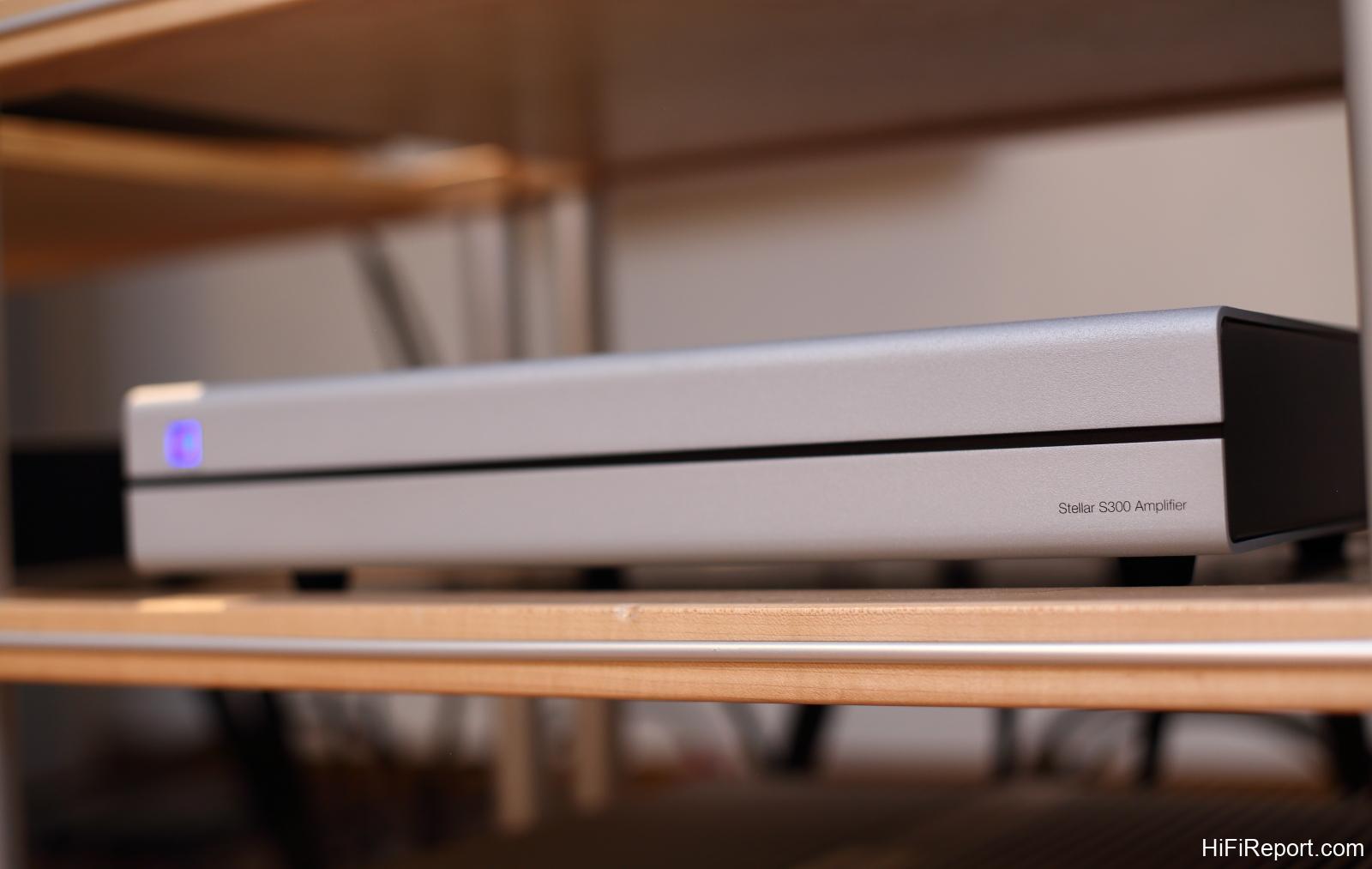
Next, we unboxed the Stellar S300 two-channel power amplifier.
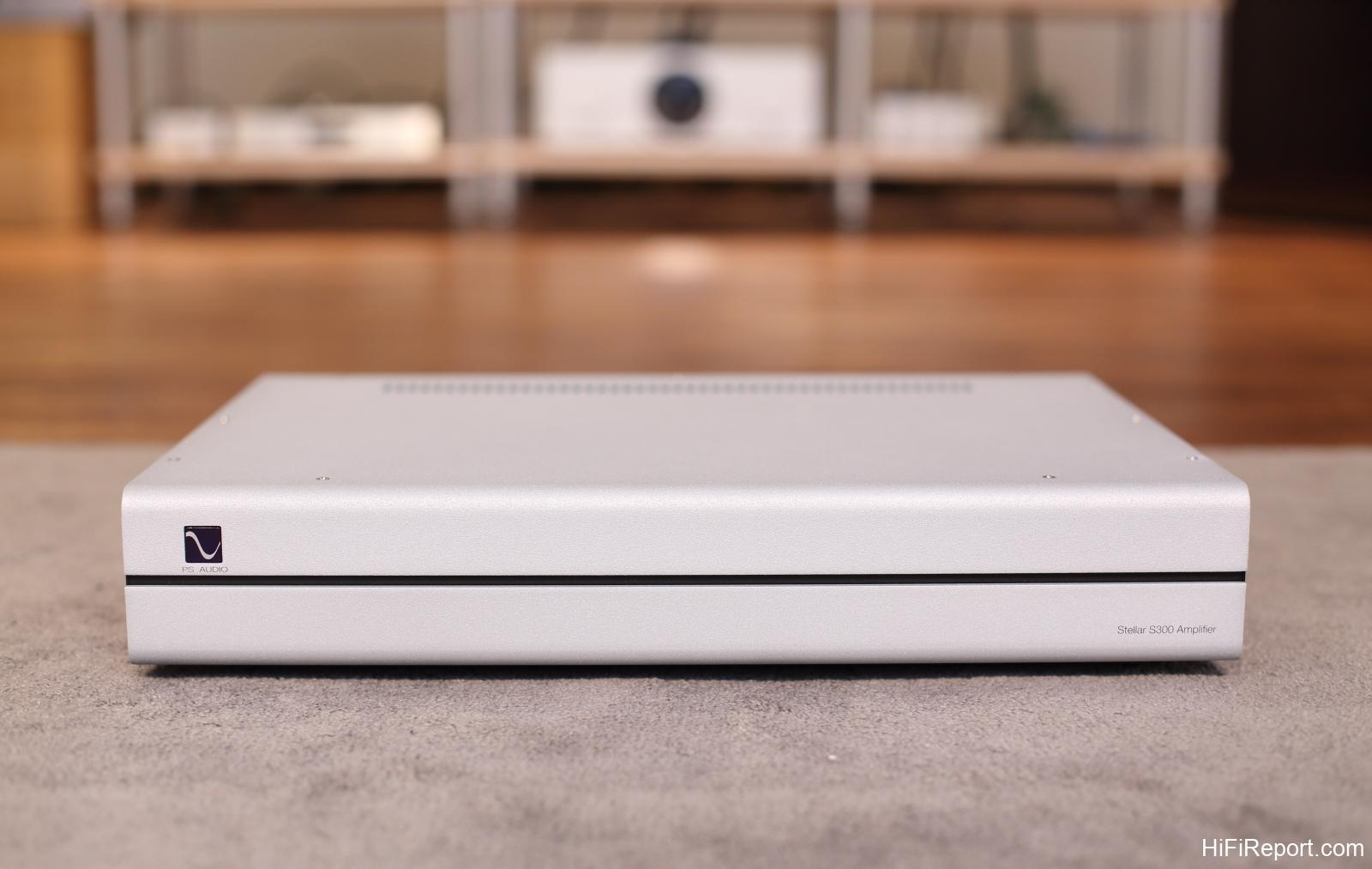
The Stellar S300 two-channel power amplifier can deliver up to 300 watts into 4 ohms and 140 watts into 8 ohms. The S300’s internal circuit design was created by PS Audio engineer Darren Myers. To achieve sufficient power and control, it utilizes Class D amplification for its high current, low distortion, and flat frequency response. The key to the Stellar’s musicality, bridging the preamplifier input and power amplifier output, lies in Darren Myers’ adoption of vacuum tube-like Class A MOSFETs.
He successfully integrated these with the amplifier stage, forming the Analog Cell, the core circuit structure of the Stellar S300.
The rear panel provides one balanced XLR analog input and one RCA analog input. Each channel has two sets of speaker outputs, supporting bi-wiring or single wiring.
Placed in the system rack, the Stellar series components share a similar aesthetic, with identical vent locations and dimensions. For users with limited space, stacking them looks visually cohesive. However, for optimal sound performance, separate placement is always recommended.
The unit with cables connected.
Paired with French Atohm GT1-HD Speakers
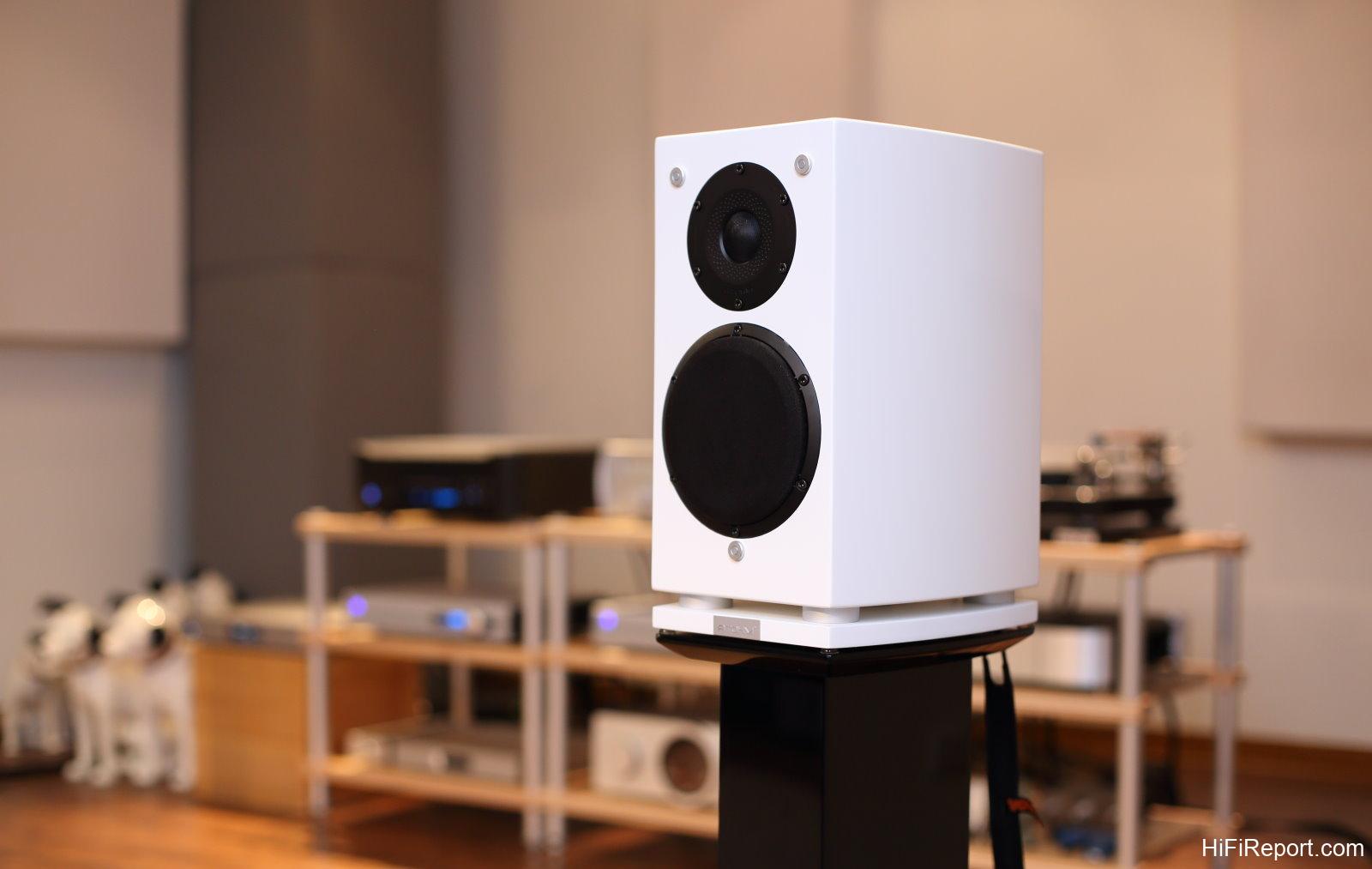
For this review, we paired the Stellar components with Atohm GT1-HD bookshelf speakers, also distributed by HiFiReport. The GT series was updated to GT-HD in 2015, comprising five models. The GT1-HD is the bookshelf speaker used in this review. The GT2-HD and GT3-HD are floor-standing speakers, along with a GT-CENTER-HD center channel and GT-SW2 subwoofer.
The GT1-HD is a two-way, two-driver design, featuring one tweeter and one mid-bass driver, with a 6-ohm impedance, 89dB sensitivity, and a 2.5kHz crossover frequency. The cabinet is constructed from 19mm MDF, with curved sides to minimize parallel surfaces. The bass-reflex port is located directly beneath the speaker, with visible space between the spikes and the cabinet.
The GT-1HD tweeter uses a 28mm soft dome driver capable of covering a wide frequency range from 2000Hz to 30kHz, seamlessly integrating with the mid-bass driver’s operating range. To achieve a sensitivity of 98dB/2.83V/1M without resorting to horn or compression chamber designs, it employs a neodymium ring magnet. The mid-bass driver uses the Absolute series driver with a custom alloy diaphragm and Kapton and Nomex voice coil formers, ensuring perfect motion transmission from 20Hz to 2500Hz.
The Absolute series features a dedicated cast aluminum driver frame. The diaphragm depth, excursion range, and electrical requirements were meticulously considered when designing the appropriate aluminum frame.
The silver Atohm nameplate exudes quality. The cabinet surface has three magnets for attaching the speaker grille.
The rear of the Atohm GT-HD series speakers features a tweeter gain adjustment knob with three settings. The center position is neutral (no gain or reduction), while the other positions provide a +3dB boost for increased detail or a -2dB reduction for a smoother sound, depending on user preference, room acoustics, and associated equipment.
The pairing was very well-matched.
Perfect Harmony of Hi-Fi and Music
The PS Audio Stellar series pre-power amplifier set we received was brand new. Initially, the sound was slightly constrained, but with extended daily playback before critical listening, it improved significantly. The musicality I associate with PS Audio gradually emerged. We paired it with French ATOHM GT1-HD two-way bookshelf speakers. We’ve reviewed several ATOHM speakers in the past and know the company emphasizes scientific design data.
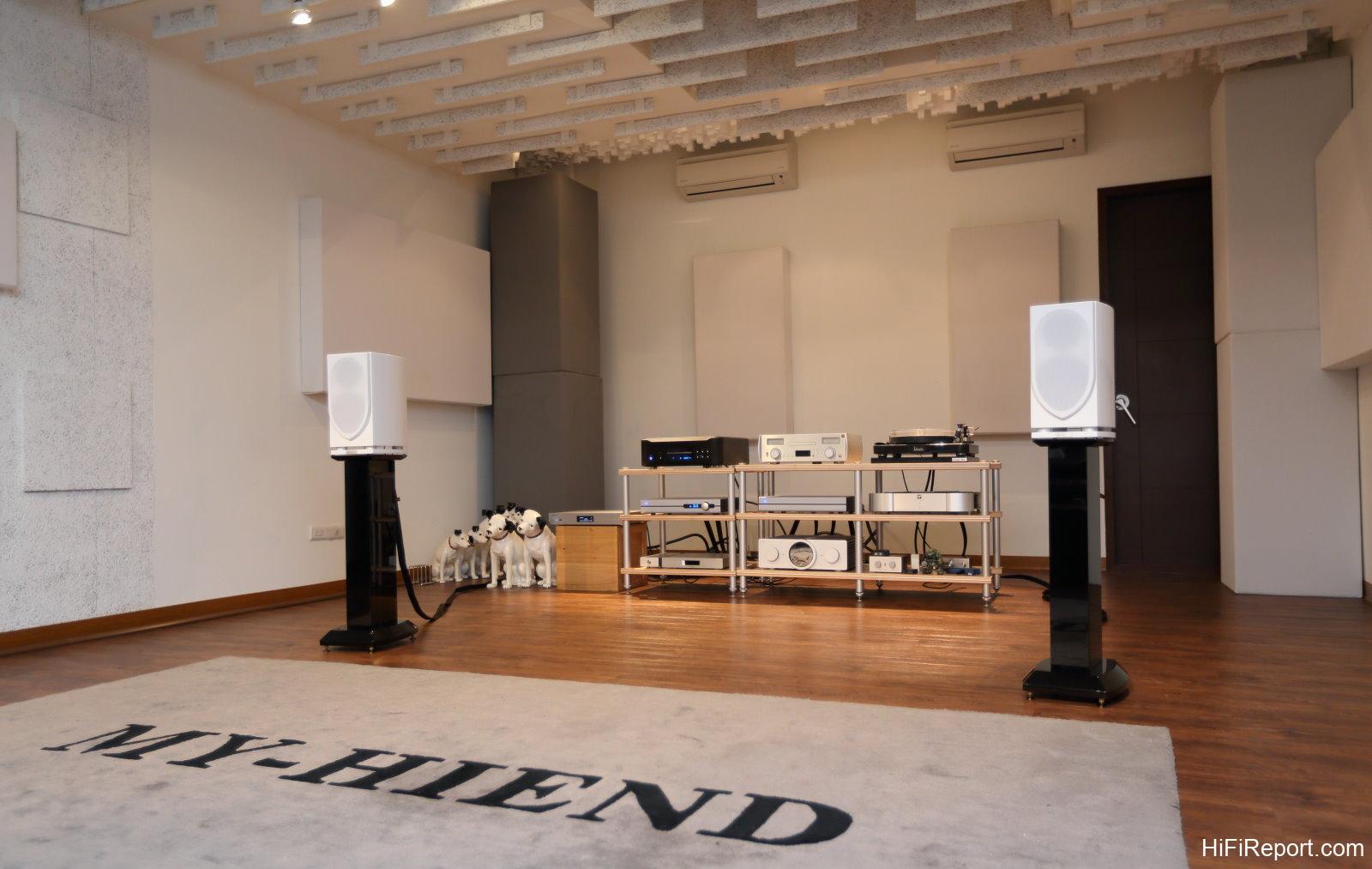
Their sound is characterized by natural detail and clarity. Paired with musically rich front-end components, they deliver a balanced performance. I believe ATOHM and PS Audio are an excellent match. This combination is frequently used for demonstrations at audio shows, and I expect many will have the opportunity to hear this pairing at public events in the future.
I listened to Diana Krall’s live recording album, , to evaluate the system’s multi-faceted performance. Firstly, regarding soundstage presentation, the ATOHM GT1-HD, despite being bookshelf speakers of ordinary size, delivered a remarkably balanced soundstage when paired with the PS Audio Stellar series. While not expansive enough to break through walls, it appropriately filled the space behind the speakers.
The sound density was ample, allowing me to space the speakers widely without losing sonic coherence in the room. Regardless of instrument placement or volume level, the sound maintained excellent clarity. This pairing achieved a balance of hi-fi attributes and musicality. The sound dynamics were ample, and control was good, indicating the amplifier’s impressive drive and control. I’ve heard more detailed sound and more musically engaging presentations of this album on other systems.
I believe the PS Audio Stellar and ATOHM GT1-HD strike a very good balance between these aspects. The piano sound in the tracks was bright yet retained body—just right, without being overly bright or too thick and dull.
Next, I played the demonstration disc from the 2017 audio show, starting with “Tchaikovsky: Piano Concerto No. 1 in B-flat minor, 1st movement.” This showcased the system’s dynamic performance. Despite being bookshelf speakers, the impact was substantial. Transient dynamics were well-rendered, and the soundstage had depth and layering. Piano key strikes had weight and definition. The system delivered satisfying performance even with complex and grand orchestral pieces.
Tracks five and seven, “Beethoven: Diabelli Variations, ‘Theme,’ ‘Variation 7’,” revealed a cleaner and clearer sound. Notes danced with the piano keys, and the micro-dynamic performance was invigorating, bringing a sense of joy and lightness. The final track was a piano rendition of “My Favorite Things” from by Lin Jiajing. The rhythm of this piece was particularly comfortable.
While not technically demanding, the performer perfectly mastered the variations in tempo and balance. The system provided sufficiently clear and bright piano tones, allowing the listener to fully enjoy the beauty and goodness conveyed by the music.
I then played <Chen/He The Butterfly Lovers/Tchaikovsky Violin Concerto>, featuring Gil Shaham’s performance of the Butterfly Lovers concerto. The violin sound was remarkably delicate and clear. I noticed that the sound quality of this system improved further as my listening time increased.
In this album, I could hear the performer’s breathing, the subtle friction of the violin bow on the strings, the speed at which the sound traversed the space, and the instantaneous sound pressure and dynamics of the orchestra. In quieter passages, the sound was supple and gentle, while in grand passages, the dynamics were ample and the attack was swift and unhesitating, clearly demonstrating the capabilities of the PS Audio Stellar and ATOHM GT1-HD.
Finally, I played Jack Johnson’s . This album has more emphasis in the mid-frequency range. The system demonstrated robust mid-range performance. The drums had substantial weight, the guitar was clear and resonant, and the string plucks were transparent and vibrant. The guitar body resonance was just right. I found the system performed very well with popular music in general. The hi-fi characteristics were sufficient, with good dynamics and high-low frequency contrast.
The mid-bass was full and powerful, and the high frequencies were bright without being harsh. Some recordings with soundstage effects sounded particularly impressive. In short, this system is not picky about music genres, delivering above-average performance with both audiophile recordings and popular albums. It leans slightly more towards hi-fi attributes than pure musicality, but overall, it is very balanced.
Exceptional Value, No Hesitation Needed Specifications
The PS Audio Stellar Gain Cell DAC and Stellar S300 two-channel power amplifier offer exceptional value in terms of functionality and sound. The Stellar Gain Cell DAC alone is highly compelling. Its sub-$2,000 USD price, combined with its support for various music formats and versatile connectivity, makes it outstanding value, especially considering it’s a US-made PS Audio product. This DAC-preamplifier is ideal for those looking to upgrade or enter the world of Hi-Fi audio.
It can serve as a foundation or reference for system sound. This again demonstrates PS Audio’s pricing strategy, which differs from other manufacturers, aiming to make their excellent equipment accessible to enthusiasts without financial strain.
* **Stellar Gain Cell DAC Specifications**
* **Digital Inputs:** USB, Coaxial x 2, Optical, I2S
* **Analog Inputs:** XLR x 1, RCA x 3
* **Analog Outputs:** XLR x 1, RCA x 1
* **USB Input:** PCM up to 24bit/192kHz, DSD up to 2xDSD (DoP)
* **Coaxial/Optical Inputs:** Up to 24bit/192kHz
* **Output Bandwidth:** -3dB/60kHz
* **Stellar S300 Power Amplifier Specifications**
* **Power Output (8 ohms):** 140 Watts
* **Power Output (4 ohms):** 300 Watts
* **Analog Inputs:** XLR x 1, RCA x 1
* **Speaker Outputs:** Binding posts x 2 pairs per channel (Left & Right)
* **Class:** Class D with Analog Cell MOSFET Output Stage