
Revival Audio Atalante 3 Review
Among the new loudspeaker brands that have recently astonished me, Revival Audio from France is undoubtedly at the top. Established in 2021, they have rapidly gained users worldwide within just two years. This is an almost unheard-of feat in the high-end audio industry, where brand success typically takes decades.
Revival Audio’s swift market recognition and the overwhelmingly positive user feedback regarding their exceptional price-to-performance ratio, as reported by the local distributor, suggest that even more enthusiasts will join the Revival Audio family in the future.
Revival Audio’s meteoric rise as a market newcomer can be attributed to the extensive experience of its two founders in the high-end audio realm. Daniel Emonts, previously the chief acoustic engineer for renowned top-tier Hi-Fi brands in France and Denmark, assembled his first loudspeaker at the age of 14 and has dedicated nearly 40 years to the field of acoustics.
Jacky Lee, formerly the Chief Commercial Officer of a prominent Danish high-end Hi-Fi brand and having held positions at international corporations like IBM and L’Oréal, possesses a deep understanding of market demands. Together, they form a formidable partnership. Atalante, Revival Audio’s debut loudspeaker series, includes the larger bookshelf speaker Atalante 5 and the more compact bookshelf speaker Atalante 3.
Having previously reviewed the Atalante 5 and been thoroughly captivated by its sonic performance, we eagerly anticipated the arrival of the Atalante 3.
The Atalante 3 can be considered a scaled-down version of the Atalante 5. For those whose spaces cannot accommodate the Atalante 5, the Atalante 3 presents an ideal alternative. Its classic and elegant aesthetics are the result of a collaboration with the renowned Parisian design firm “A+A COOREN DESIGN STUDIO.”
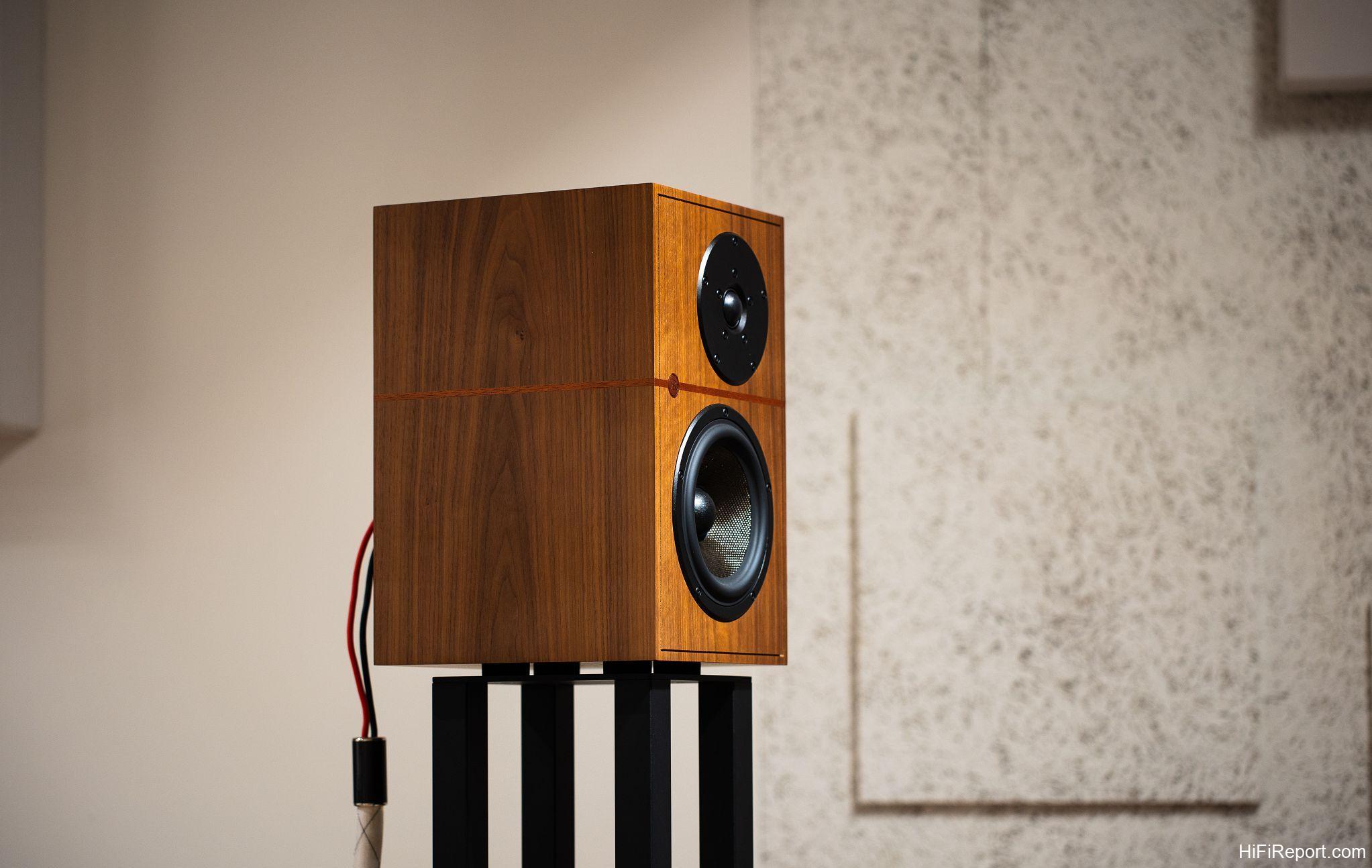
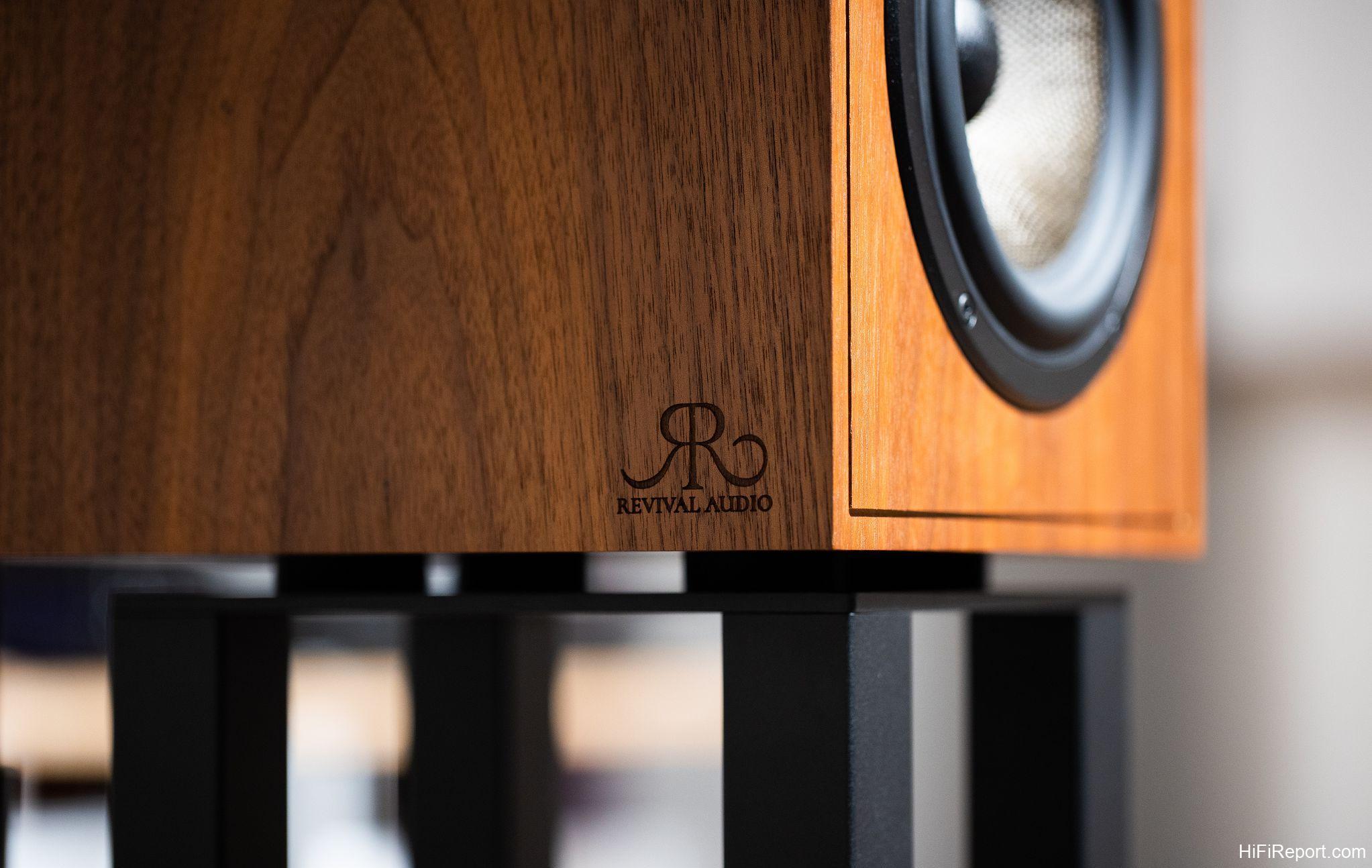
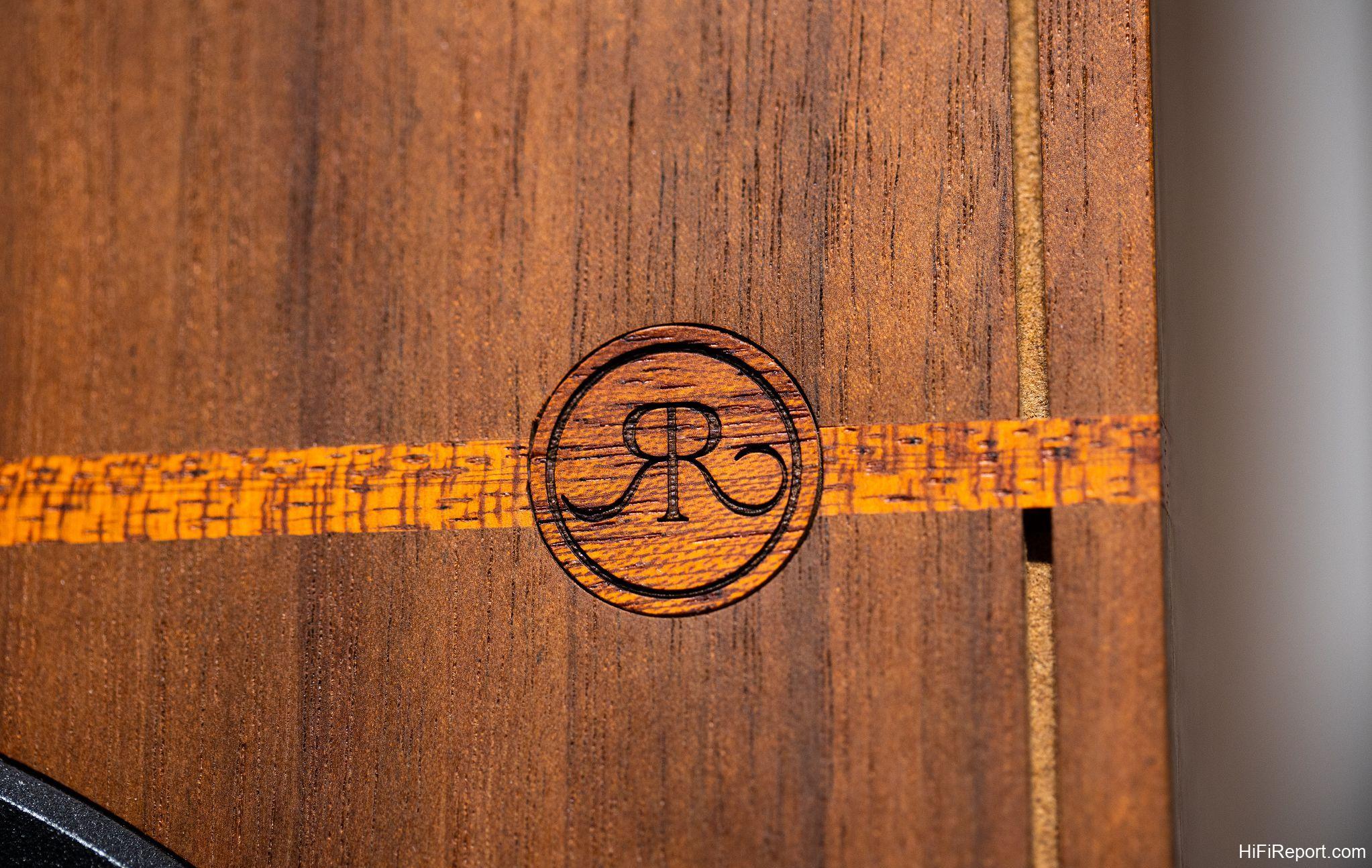
The design prioritizes not only acoustics but also visual appeal, with the ribbon-like lines and logo at the center of the speaker, and the logo subtly placed on the lower side panel, serving as striking visual highlights. The hand-selected walnut veneer exudes a distinct quality and is undeniably beautiful.
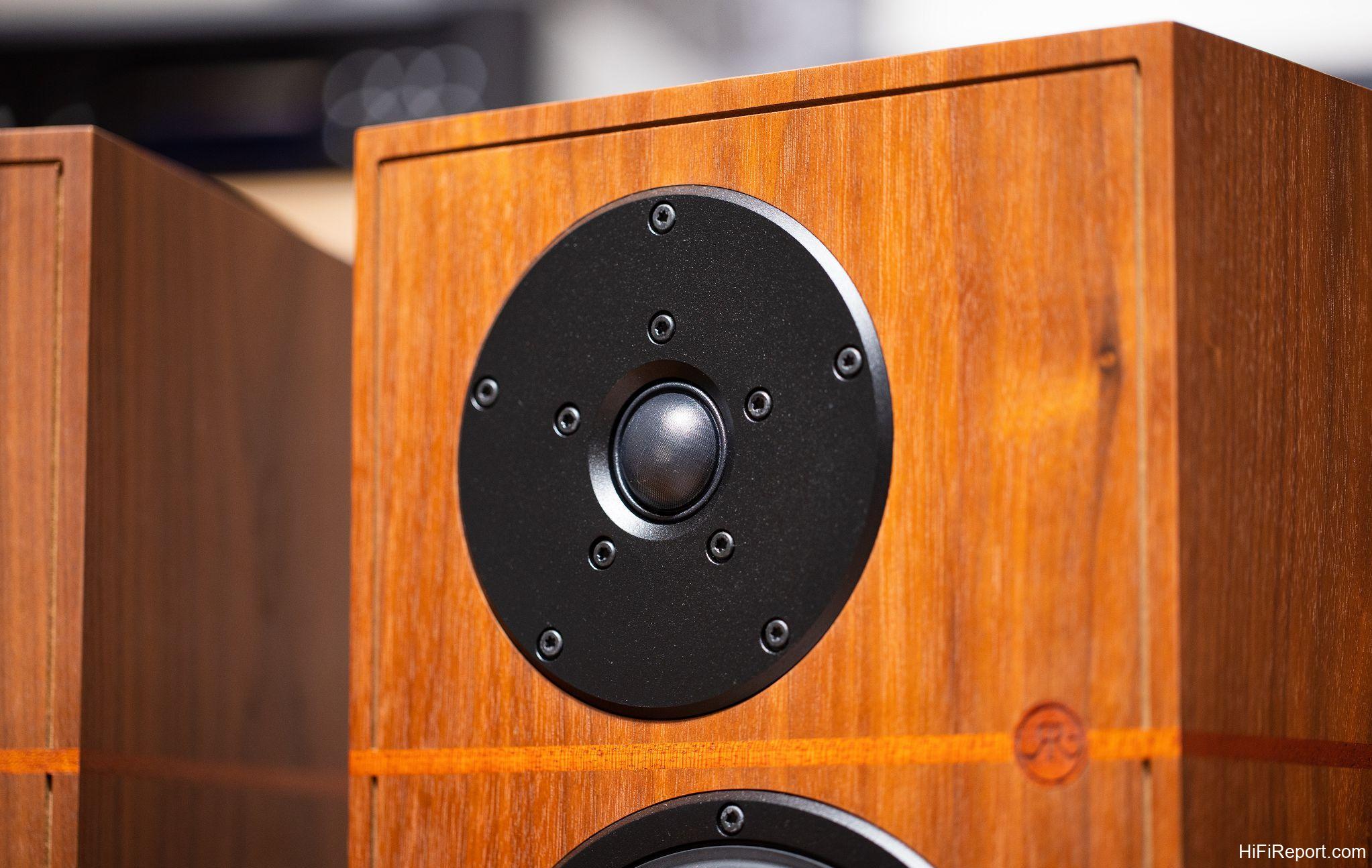
The Atalante 3 employs a two-way, two-driver bass-reflex design. The tweeter, shared with the Atalante 5, is a custom-designed 28mm soft dome tweeter featuring an oversized Φ100mm ferrite magnet, a RASC (Revival Audio Surface Coating) treated dome, patented ARID (Anti Reflection Inner Dome) technology, and a BCD (Back Chamber Damping) rear chamber design. This sophisticated tweeter effectively absorbs over 95% of resonance, extending low-frequency response down to 520Hz.
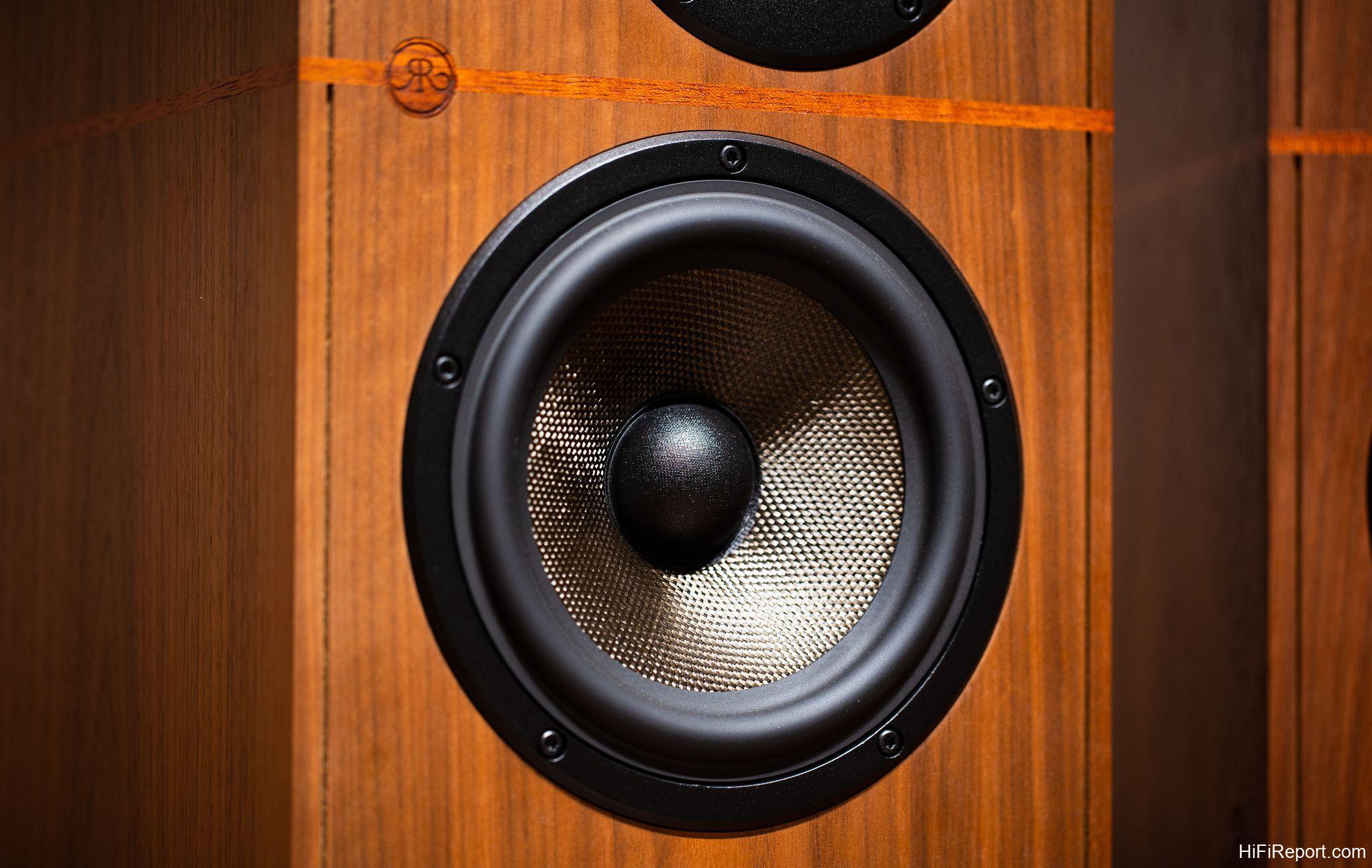
The woofer is a custom-designed 7″ BSC (Basalt Sandwich Construction) unit. This driver is both rigid and lightweight, offering exceptional damping characteristics for accurate reproduction. Its oversized ferrite magnet ensures rapid low-frequency response, smooth frequency response, and solid bass dynamics.
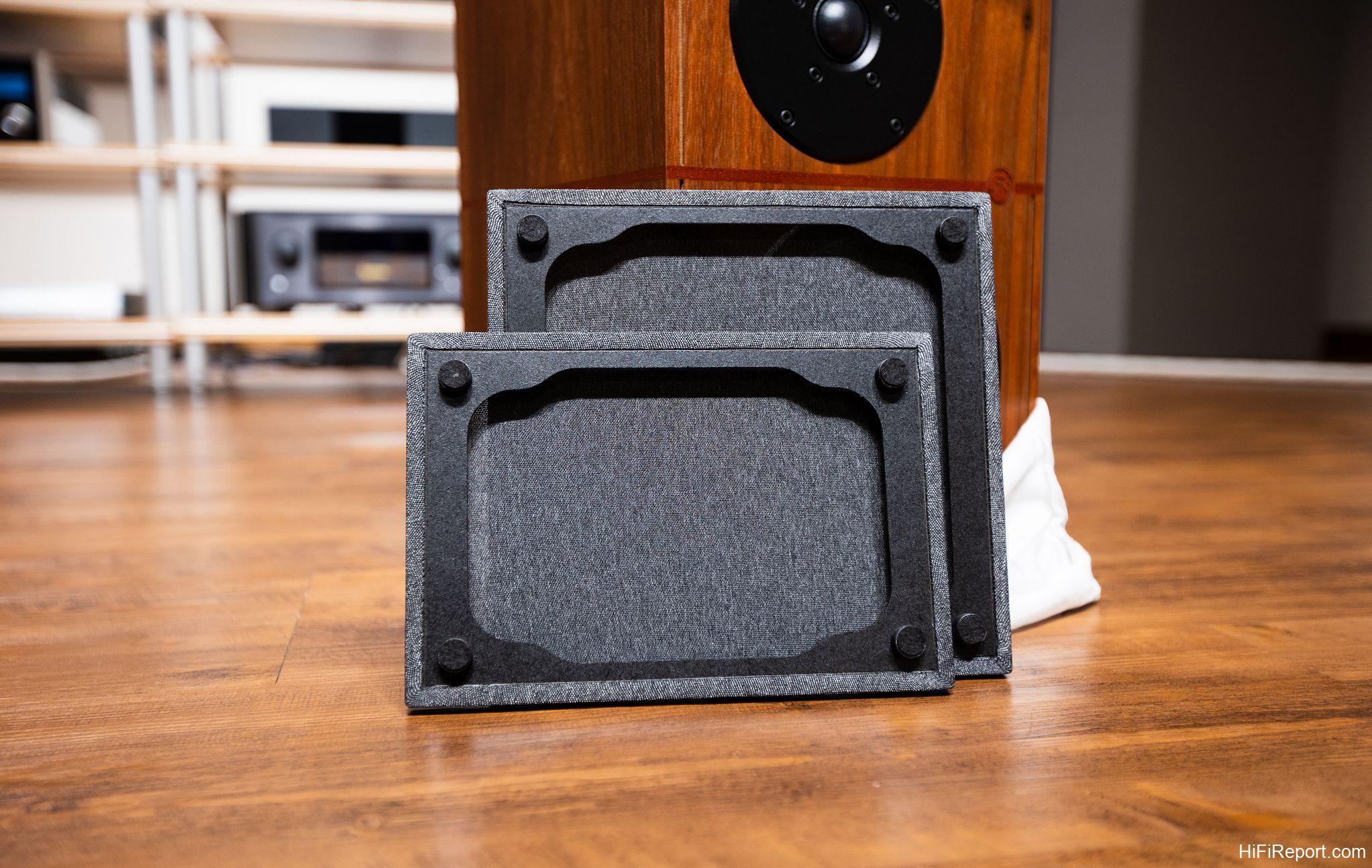
The Atalante 3 features an uncommon two-piece split grille design, making installation and removal more convenient.
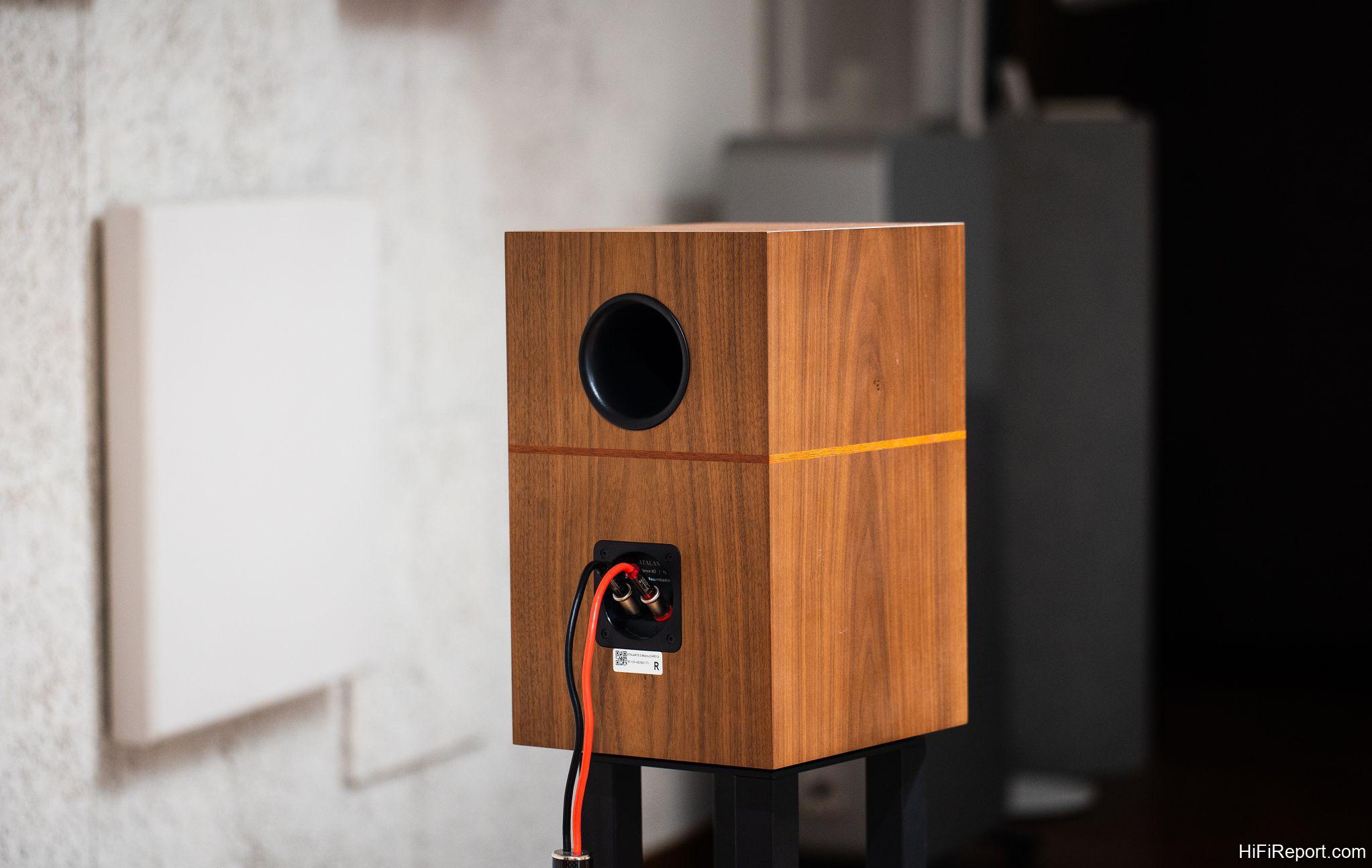
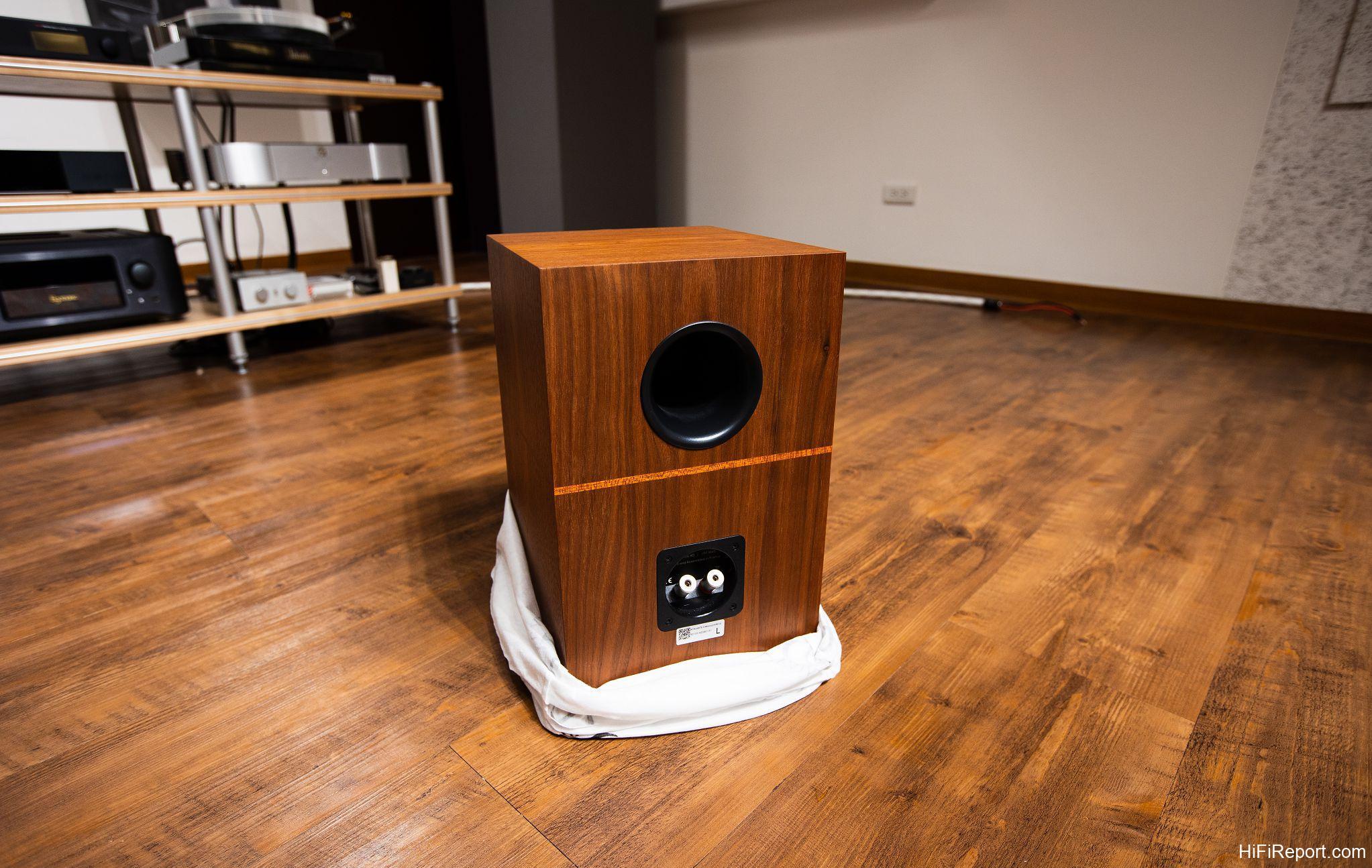
The manufacturer includes tuning foam plugs for the bass-reflex ports. These can be inserted to achieve a tighter bass response or when the speakers are placed too close to a wall. While this may slightly reduce extension and spaciousness, there is no definitive answer, and the choice depends entirely on individual circumstances and sonic preferences. For our listening tests, we opted not to use the tuning foam.
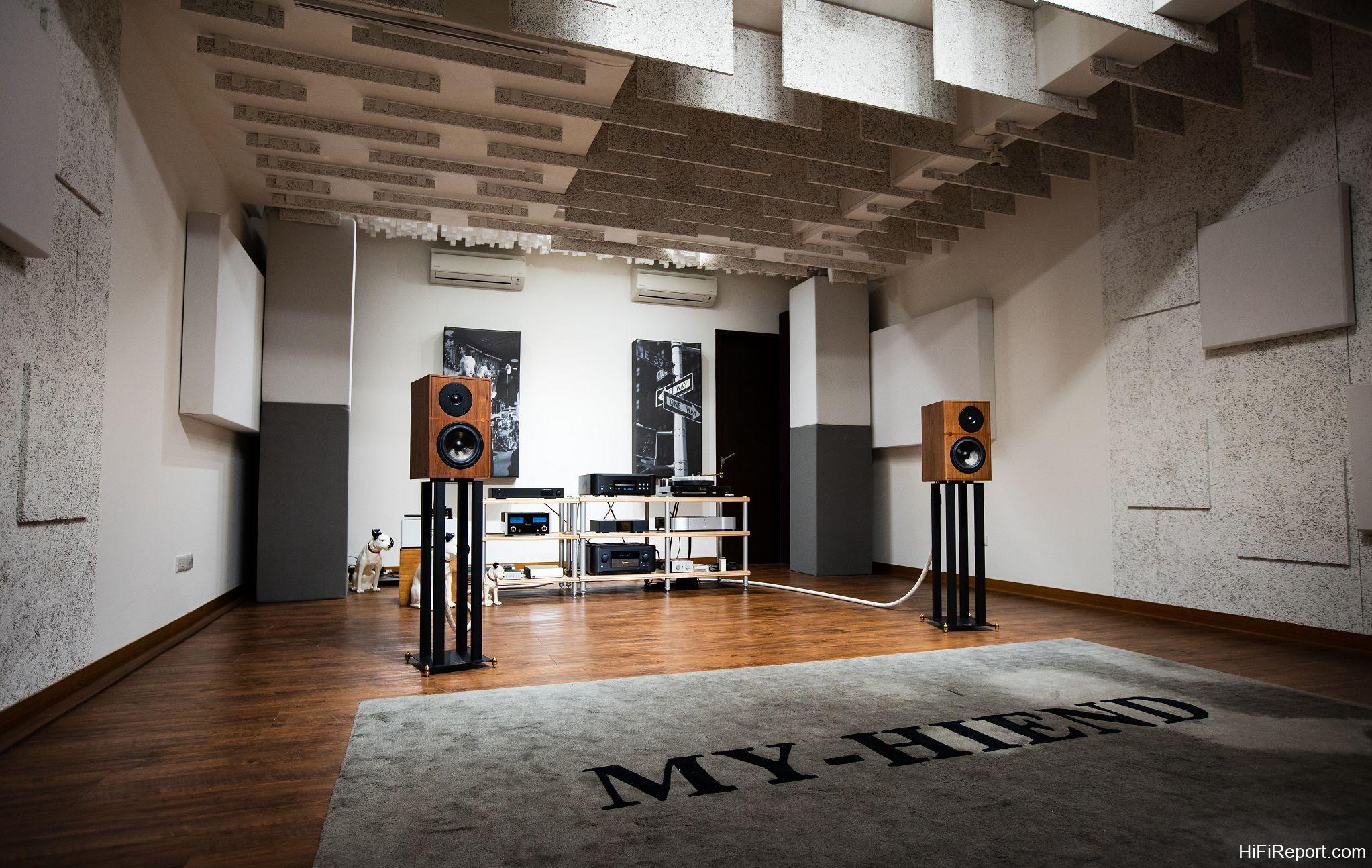
Although the speakers are marked left (L) and right (R), the optimal tweeter orientation—inward or outward—depends on the distance between the speakers. If the distance exceeds 3 meters, inward orientation is generally recommended for better imaging. Our listening setup was within 3 meters, so we positioned the tweeters facing outwards.
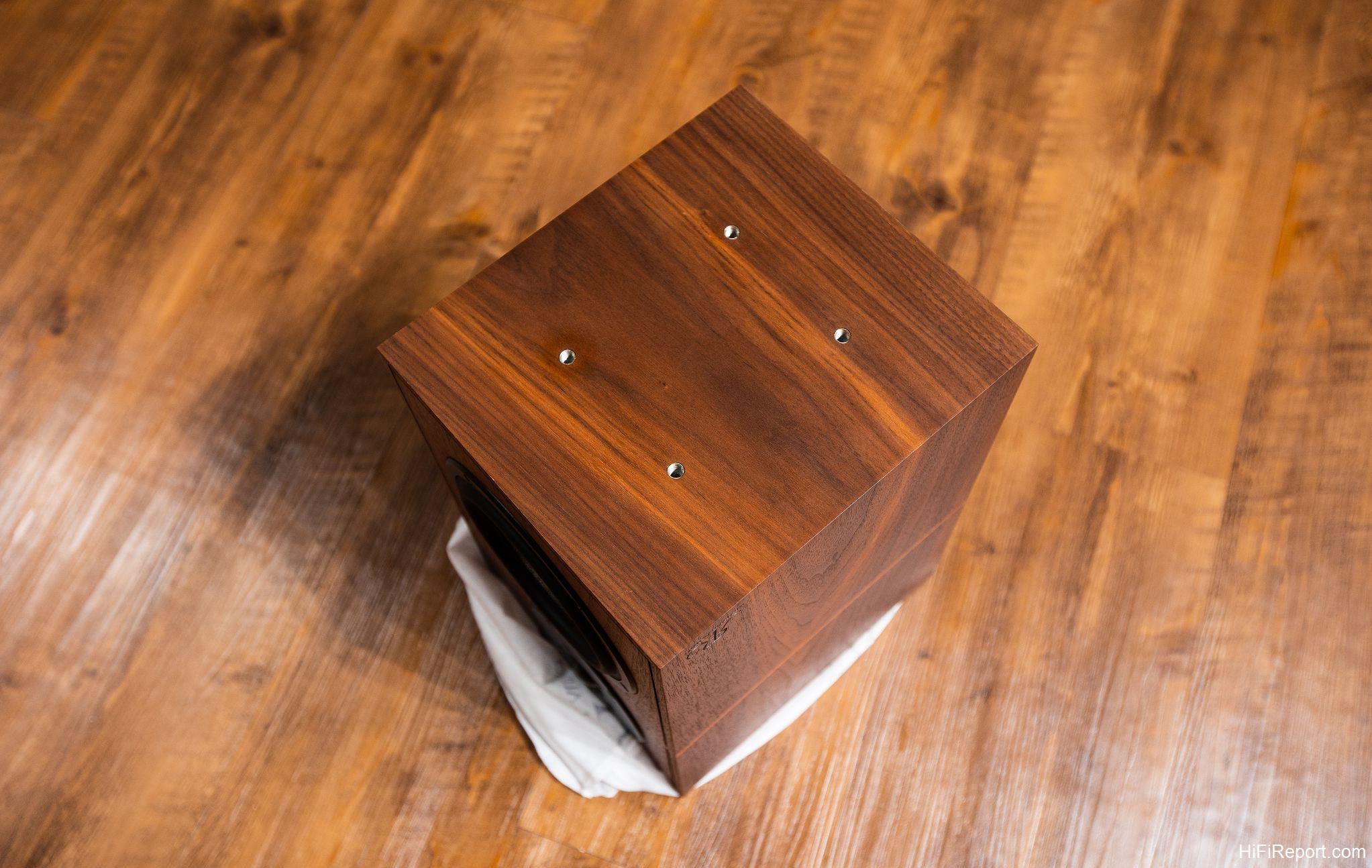
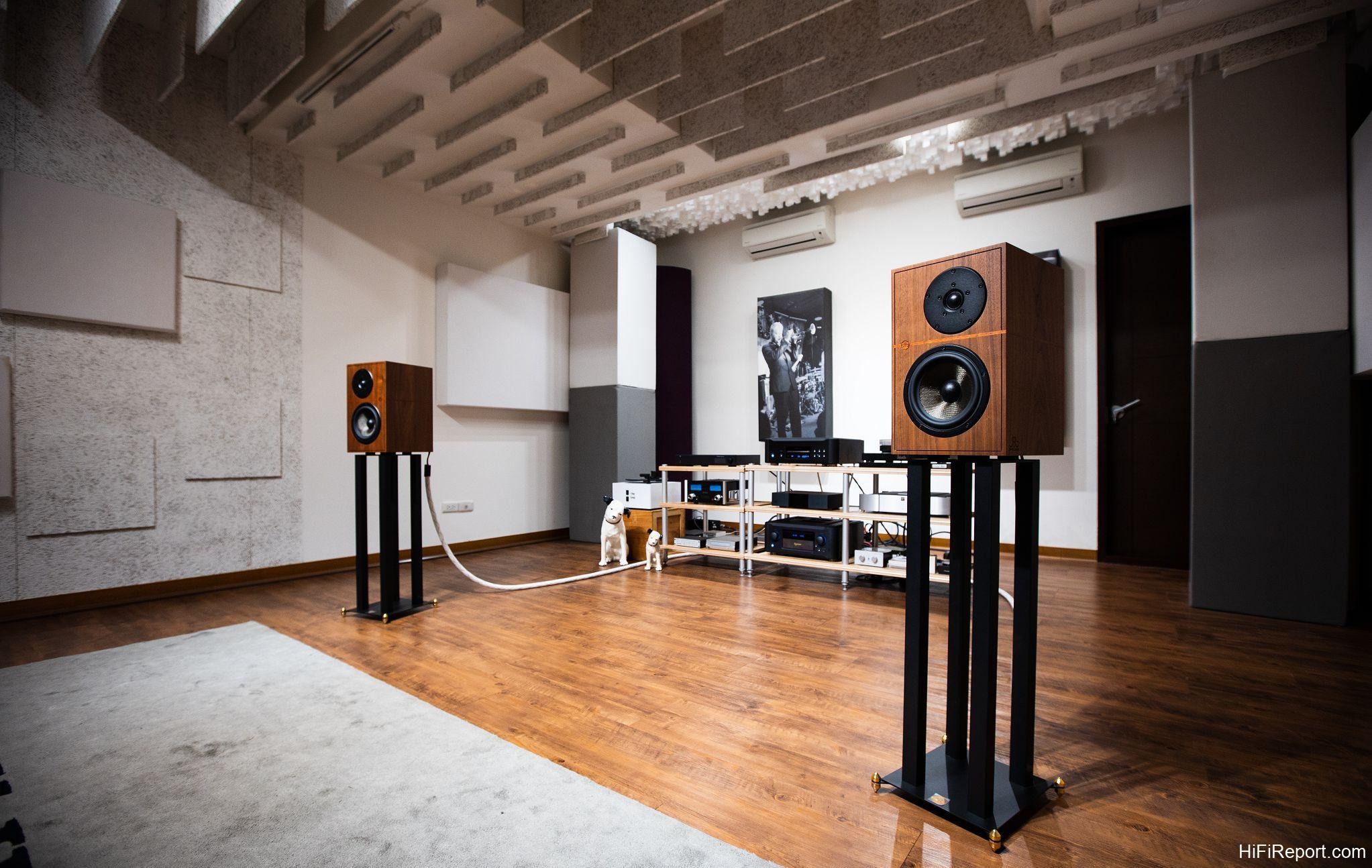
The distributor also provided the optional dedicated speaker stands. If space permits, I strongly urge users to purchase these stands along with the speakers.
A New Brand with Comprehensive Excellence (Ted Chen)
Revival Audio, a very new brand on the market, debuted with the Atalante 5 and Atalante 3, two bookshelf speaker models that blend retro charm with modern aesthetics. Their striking appearance, superb sound quality, and competitive pricing have rapidly captured the attention of audio enthusiasts worldwide.
The brand name itself, Revival, is deeply connected to the essence of their creations, suggesting a desire to infuse their products with the spirit of venerable traditions while introducing fresh perspectives and vitality. The use of pure wood cabinets is a nod to classic speaker design, but the designers cleverly incorporate subtle details, such as the waistline contour and side-engraved logo, to enhance the sense of fashion and brand recognition.

This approach allows them to stand out among a sea of wooden cabinet bookshelf speakers. This subtle branding is far more sophisticated and refined than simply emblazoning the brand name on the front baffle. In terms of technical design, Revival Audio employs innovative and proprietary modern solutions. Driver materials, dimensions, and configurations are all conceived to push the boundaries of traditional designs, aiming for enhanced performance.
This embodies the idea that “revival” is not merely about retro aesthetics or homage; it’s about forging new paths and achieving true renaissance.

A More User-Friendly Size
Revival Audio’s two founders boast impressive credentials and a distinguished history in the audio industry, having worked for numerous renowned brands. This background provides a strong guarantee of product quality. It is not only crucial for brand success but also a reflection of their personal reputations.
With a solid industry foundation, a philosophy of blending tradition and innovation, and effective marketing, Revival Audio’s rapid and successful entry into the audio market is no accident; it is the inevitable result of dedicated effort and meticulous attention to detail. Previously, we reviewed the larger bookshelf speaker, Atalante 5—a model that fully embodies the brand’s ethos. Its actual sonic performance was remarkably impressive and captivating.
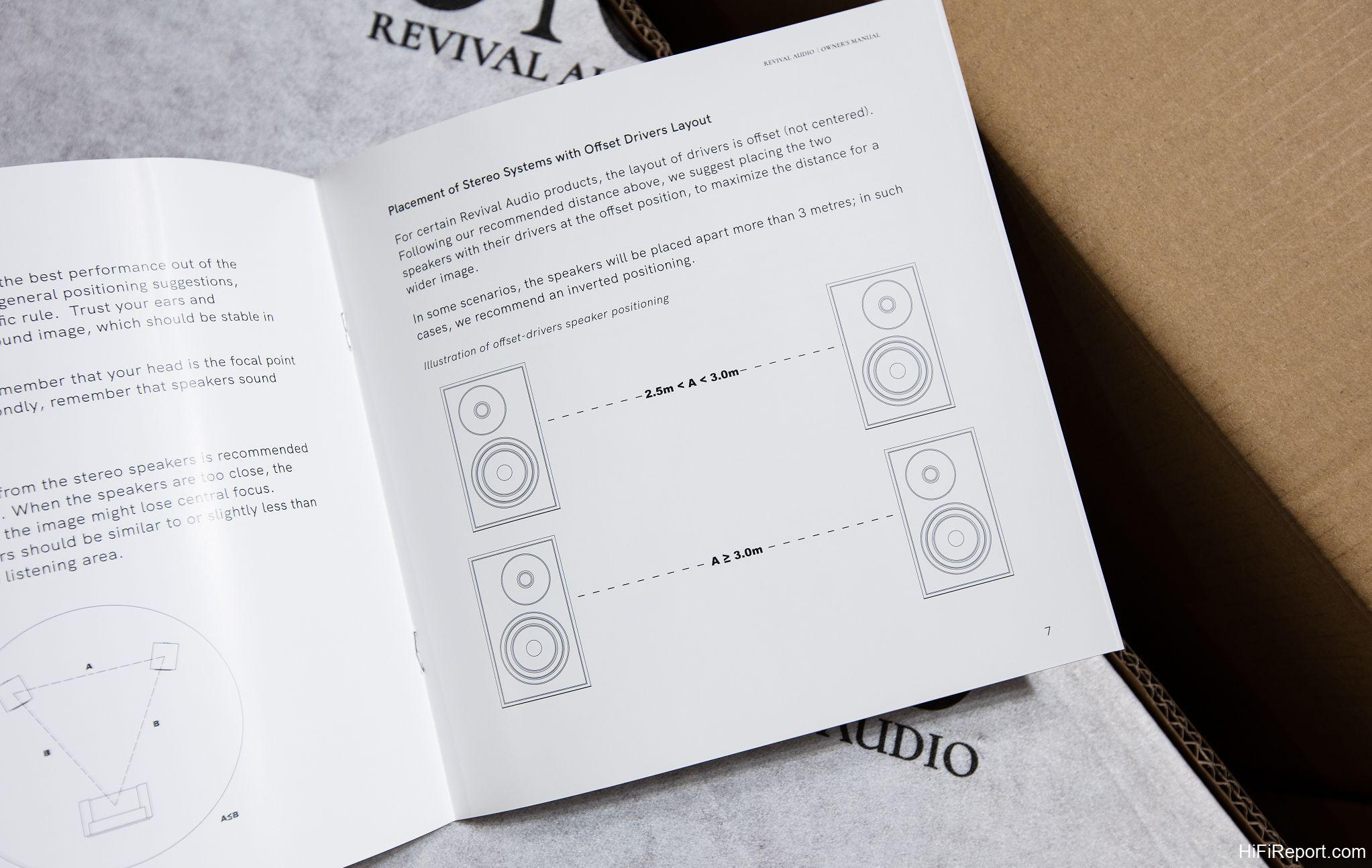
Combined with its approachable pricing, it garnered significant market attention and left a profound impression on us, greatly enhancing our positive perception of the brand. This time, we are testing the smaller Atalante 3, a bookshelf speaker of more conventional dimensions. It retains the design language of the Atalante 5, both externally and internally, while offering greater placement flexibility. The off-center tweeter design allows users to choose between inward or outward orientation.
The manufacturer provides speaker spacing guidelines as a reference, but ultimately, the optimal placement depends on the listening environment and personal preference. The Atalante 3 bookshelf speaker has a sensitivity of 87dB, and pairing it with a more capable amplifier can significantly elevate sound quality. Its low-frequency extension reaches an astonishing 44Hz, a remarkable figure for a bookshelf speaker of this size.
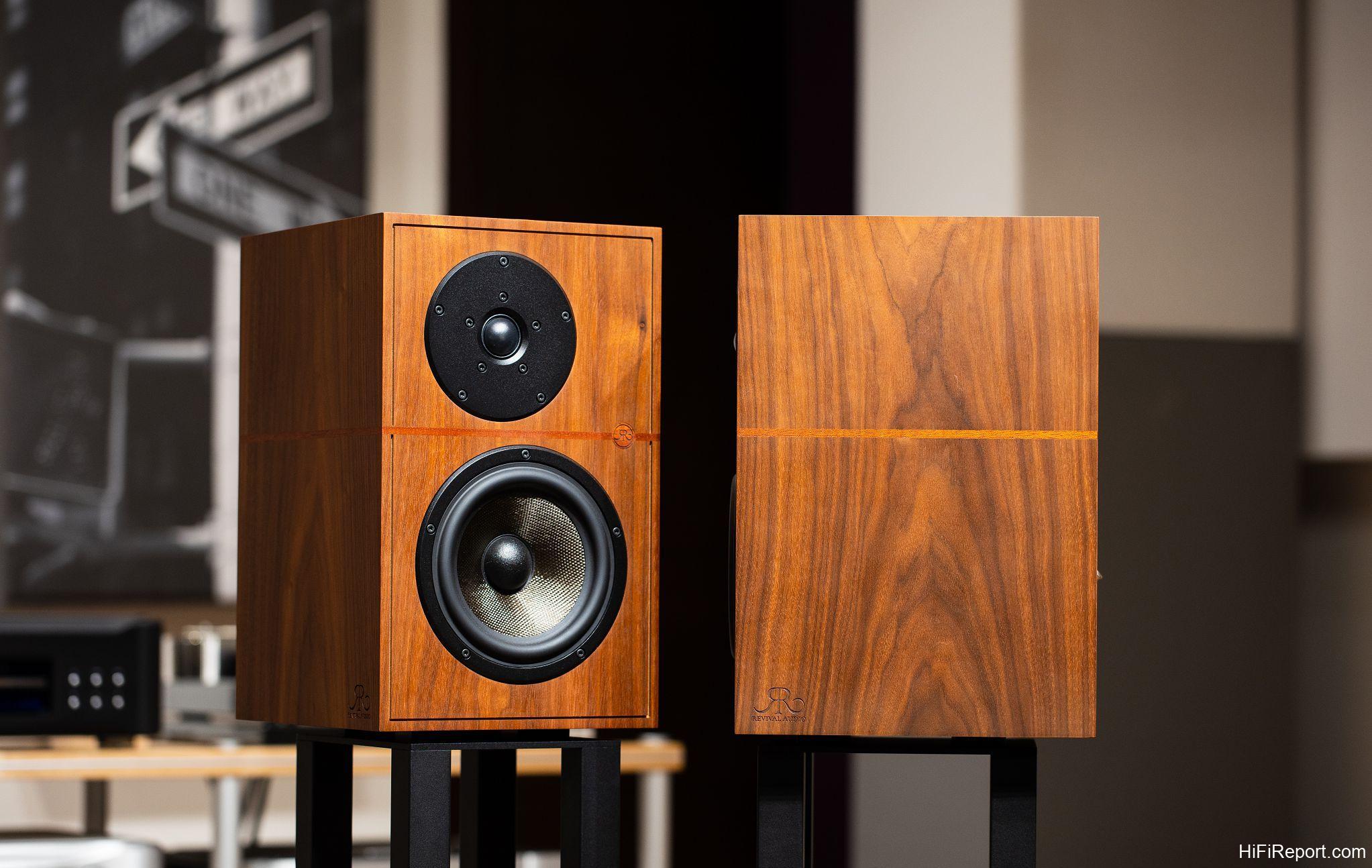
It features a rear bass-reflex port and comes with sound-absorbing foam plugs for port tuning. The manufacturer also offers dedicated metal stands as an optional accessory, which are highly recommended. One of the most common and detrimental setups for bookshelf speakers is placing them on flimsy tabletops or cabinets, which severely compromises sound quality.
Speaker stands, at the very least, ensure that the speakers can perform as intended, regardless of any potential sonic improvements they might offer.
Dynamic and Immersive Soundstage, Speakers Vanish
During listening tests, I used the large-scale film score album “The World of Hans Zimmer.” These scores are likely familiar to many moviegoers. The Atalante 3 bookshelf speakers delivered an energy that completely belied their cabinet size. The low-frequency performance was remarkably potent, exhibiting both impressive extension and ample energy while maintaining excellent clarity. The Atalante 3 possesses sufficient sonic density, and its dynamic capabilities are a notable strength.
It effectively conveyed the scale and grandeur of large orchestral pieces. It’s worth noting that our listening room is quite large relative to the speaker size, yet the Atalante 3 struck a fine balance between expansive musical scale and clarity. The mid-range and low-frequency ranges are particularly prominent strengths of these speakers, and they also excel in soundstage depth.
The speakers virtually disappeared from the soundstage, with the music completely detaching from their physical locations. I also played a selection of frequently listened-to pop music, which further highlighted the speakers’ excellent timbre and dynamic performance. The sonic character retains the captivating qualities of its larger sibling, the Atalante 5, and the sound’s penetration and energy are also impressive. Even when listening from a distance, the impact of the sound remains palpable.
Adjustable Speaker Positioning for Optimal Sound
Revival Audio is a French brand established in 2021. We previously encountered their Atalante 5 speakers, and despite the brand’s youth, we were deeply impressed by their exceptional sound quality and relatively accessible price point. This review focuses on the Atalante 3, the smaller bookshelf speaker in the same series. Similar to the Atalante 5, the Atalante 3 features a tweeter design with an offset position, distinguishable for left and right channels.
While stickers on the speaker’s rear panel indicate the designated left and right placement, the user manual suggests that the actual left/right positioning can be adjusted based on the listening room’s dimensions. If the space is wider and the distance between the two speakers exceeds 3 meters, the manual recommends positioning the tweeters inward. Conversely, if the speaker distance is less than 3 meters, outward tweeter placement is recommended.
For this listening test, we placed the tweeters facing outwards, adhering to the left/right designations indicated by the stickers on the speaker’s rear panel.
Crisp, Lively Details, Fast Transient Response
We began by listening to Billy Raffoul’s track “Acoustic” as a reference. Immediately, it became apparent that the Atalante 3 excels in detail retrieval. Subtle nuances in the music, such as the applause in the latter part of the track and the staccato guitar notes, were rendered with crispness, vibrancy, and remarkable clarity. In my opinion, this level of detail retrieval imbues the music with a sense of soul.
The speakers exhibit excellent transient response, with both leading and trailing edges of notes rendered with speed and precision. Whether it’s the pluck of guitar strings or the strike of a drum, the tactile sensation is palpable. The texture of the strings is already impressive, but the drum performance is even more outstanding. When drums appear frequently, each strike is clearly defined and impactful, presented with palpable three-dimensionality.
Simultaneously, the speakers accurately convey the weight and impact of the drum strikes, achieving a balance of solidity and depth. The contrast in dynamics is also commendable. While the drum performance is impressively three-dimensional and solid, ensuring no perceived lack of low-frequency presence, the delicate interplay of male and female vocals in the middle section of the song becomes even more nuanced and refined.
The vocals, as they ascend to softer passages, are beautifully enhanced by the foundation of the low frequencies, resulting in a sonic experience that is both captivating and deeply satisfying.
Refined and Delicate Sound with Silky Smoothness
Next, we listened to AURORA’s “Exist for Love.” The opening, low-pitched guitar notes sounded remarkably warm, and this warmth beautifully complemented the vocals, rendering them with both clarity and a silky smoothness, creating a sense of refined delicacy. During this track, the Atalante 3 demonstrated impressive sonic dispersion and spaciousness.
For instance, when the gentle harmonies emerged in the song, the sound seemed to emanate subtly from behind the listener, creating a surprising and comfortable listening experience.
The high-frequency performance is remarkably refined. Vocals are full-bodied and smooth, exhibiting both delicacy and detail. The background is filled with silk-like strings, and the combination of vocals and strings is truly enjoyable. The soundstage is layered and cohesive, maintaining a smooth and flowing presentation throughout the entire piece, which is characterized by its gentle and soothing nature.
Furthermore, not only the high frequencies but also the low frequencies exhibit impressive layering. Varying depths of bass are seamlessly integrated, resulting in a rich and full-bodied sound. Even during more complex passages with denser vocals and instrumentation in the latter part of the track, the music never sounds congested. The high frequencies remain distinct and do not interfere with each other, while their integration with the low frequencies sounds balanced and harmonious.
The overall soundstage is full and immersive.
Full-Bodied Sound with Rich Tonal Character
Finally, we listened to José James and Emily King’s “Come To My Door.” Again, the sound presentation was beautiful and refined, with vocals exhibiting a smooth and delicate quality. The guitar plays a prominent role in this track, with a slightly greater emphasis on the mid-bass frequencies. The guitar performance is rendered with clarity, and the texture and detail of the strings are very impressive, conveying a sense of warmth.
While the low-frequency content is initially less prominent in the beginning of the track, the bass frequencies never sound thin or lacking. As the song progresses and the low frequencies increase, the resonance of the bass feels just right, neither excessive nor insufficient. The overall sound is full-bodied and well-balanced. The arrangement of this track is relatively simple, featuring guitar and male/female vocals, yet the three-dimensional soundstage prevents it from sounding monotonous.
Throughout the song, it feels as if the vocals are enveloped or supported by the guitar accompaniment. The guitar never overpowers the vocals but consistently provides ample presence. The vocals remain clear and distinct without sounding thin. The nuanced emotional depth at the song’s conclusion is perfectly conveyed by the Atalante 3 bookshelf speakers.
The gentle fade-out of the two voices, accompanied by the gradually diminishing music, creates an immersive listening experience that encourages the listener to slow their breathing and become fully engrossed in the music, appreciating its delicate nuances.
Revival Audio Atalante 3 Bookshelf Speaker Specifications
* Design: 2-way, 2-driver bass reflex
* Tweeter: 28mm soft dome, Revival Audio Patented ARID (Anti Reflection Inner Dome) technology, BCD (Back Chamber Damping) rear chamber design, low-frequency extension to 520Hz
* Woofer: 7″ BSC (Basalt Sandwich Construction)
* Frequency Response (+/-3db): 44Hz–22kHz (-3dB)
* Sensitivity (2.83V/1m): 87dB / 2.83V / 1 metre
* Nominal Impedance: 6 ohms
* Minimum Impedance: 4.4 ohms at 175Hz
* Crossover Frequency: 2.8kHz
* Recommended Amplifier Power: 30~150 watts
* Recommended Listening Room Size: 15 to 35 m2
* Dimensions (H x W x D): 390 x 240 x 270mm
* Speaker Weight: 11kg