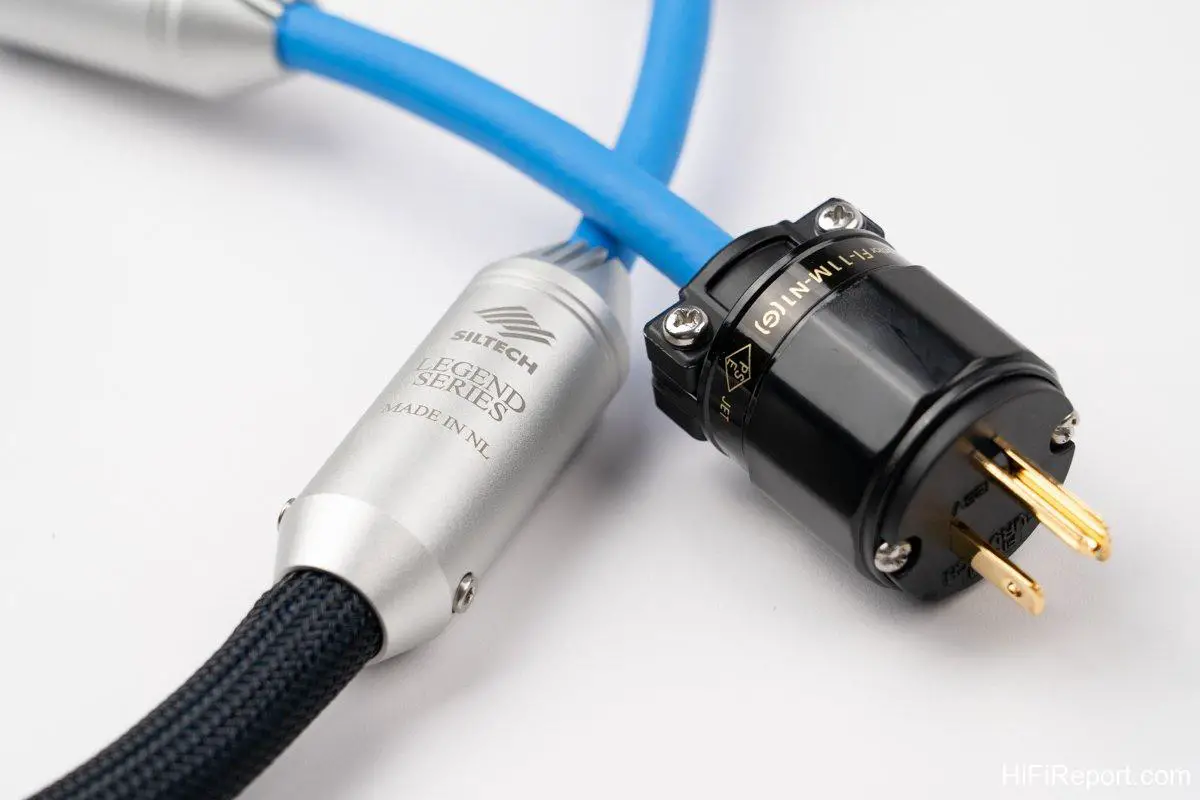
Siltech Classic Legend 880P Power Cable Review
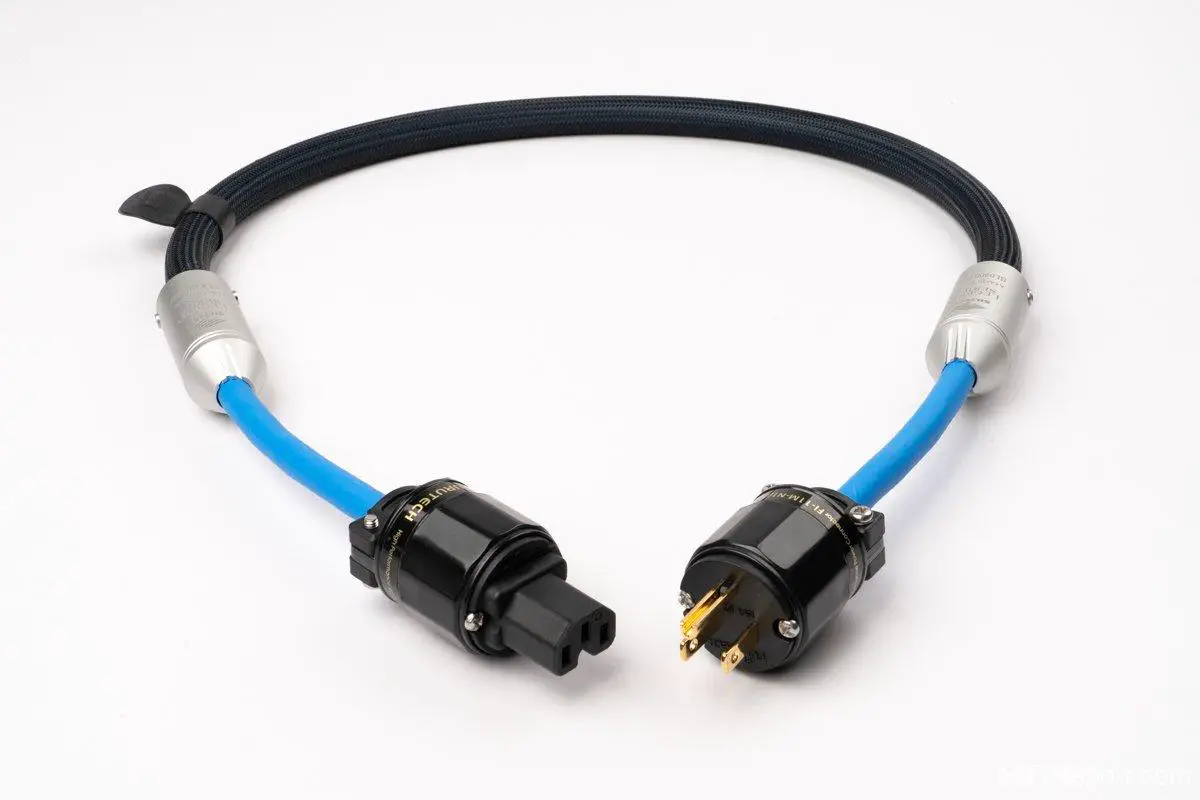
Recently, I had the pleasure of experiencing Siltech’s newly released Classic Legend 680P power cable from the Netherlands. It almost had me reaching for my wallet immediately, such was its impact. However, knowing the even higher-tier 880P model was part of the same series, I decided to exercise restraint and wait. Fortuitously, it wasn’t long before the 880P power cable landed at the HiFiReport editorial offices.
Unrivaled Value Proposition
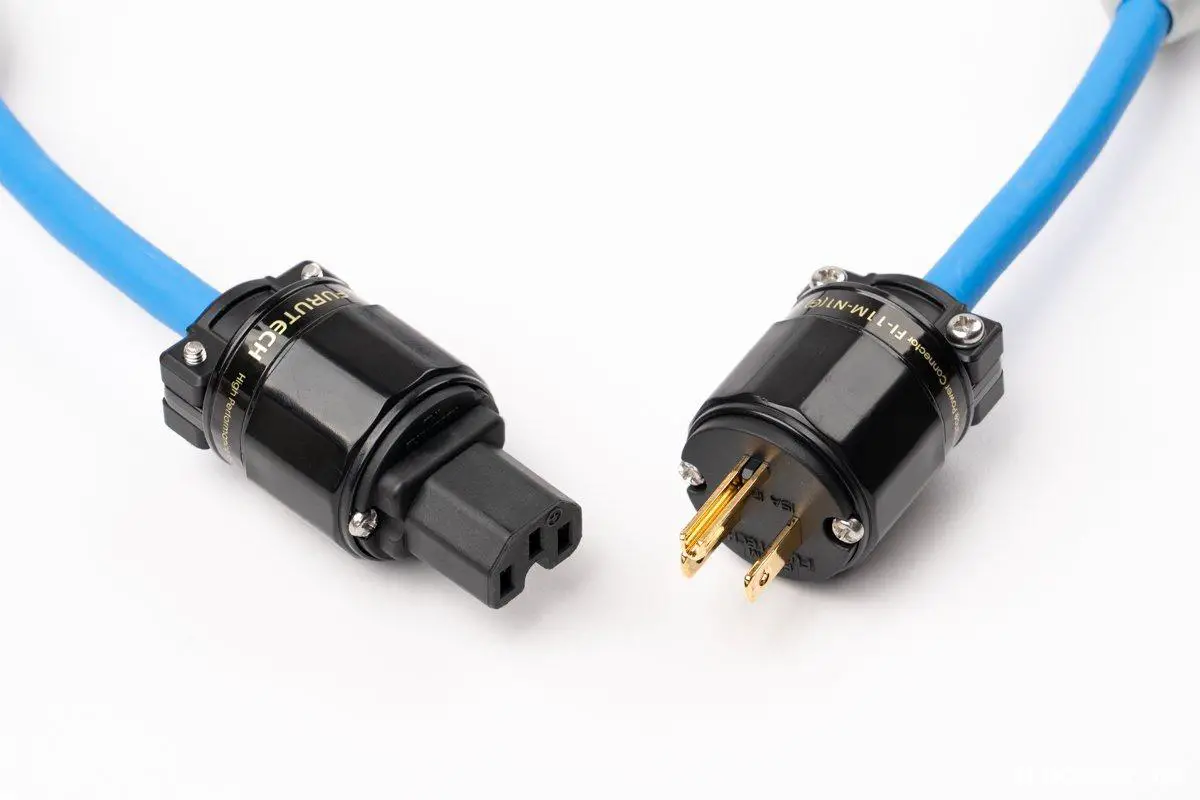
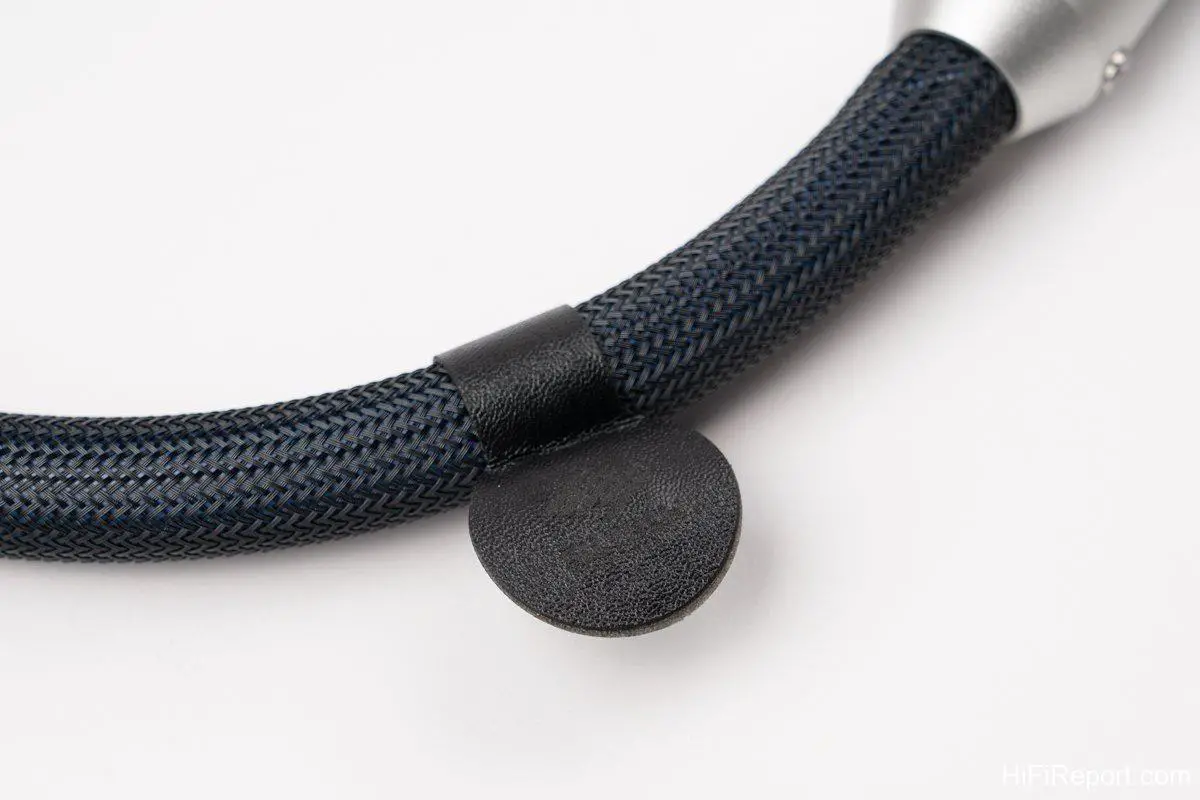
What sparked such excitement and near-impulsive purchasing urges with the 680P? The upgrade in performance was simply undeniable. Furthermore, the aesthetic refinements of the new Classic Legend series are striking, bordering on the luxurious. In fact, without close inspection, one might easily mistake them for the higher-end Royal Signature range. Yet, the Classic Legend series is considerably more accessible in price than Royal Signature. It’s no surprise then that Siltech themselves tout Classic Legend as their most compelling value proposition.
The Siltech story is intrinsically linked to “Silver” and “Technology”—the brand name itself is a portmanteau of these two words. Since their inception in 1983, Siltech has dedicated themselves to the relentless pursuit of metallurgical excellence. For nearly four decades, they have consistently refined their technological prowess. The Classic Legend series represents the culmination of this journey, featuring their G9 conductor technology, the ninth generation of their celebrated silver-gold alloy.
Proprietary Silver-Gold Alloy
The term “silver-gold alloy conductor” is self-explanatory – it signifies a blend of silver and gold. The crucial role of gold here is to fill the microscopic gaps within the silver’s crystalline structure. This ingenious approach minimizes impedance during electrical or signal transmission. Imagine a river flowing unimpeded; rocks in the riverbed create resistance. Removing these obstacles allows for a smoother, more efficient flow. Silver’s crystal gaps are analogous to these river rocks, and the gold, by filling these voids, effectively eliminates these impediments, facilitating a more seamless current flow.
Siltech meticulously categorizes its conductor advancements by generations, denoted by “G.” The inaugural G1 generation did not employ a silver-gold alloy; instead, it utilized high-purity silver wire with a 4N specification, signifying 99.99% pure silver. Silver’s inherent advantage over copper lies in its superior conductivity.
In 1988, Siltech embarked on research to optimize silver crystal length and minimize inter-crystal gaps, aiming to reduce internal wire resistance. This endeavor culminated in the 1993 launch of 24K gold wires, with transparent disclosure of the gold content – G2 technology, proudly marketed as “true gold and silver.”
Intriguingly, should you have acquired Siltech cables between 1988 and 1996, the gold content within, if extracted and sold at today’s prices, might even yield a profit.
G3: Ushering in the Silver-Gold Era
1997 marked a pivotal moment with Siltech’s introduction of the SQ Classic series. This was the first to incorporate silver-gold alloy conductors. Through advanced metallurgy, gold was introduced into the silver’s crystal lattice, effectively reducing the inherent gaps to a mere 20% of their original size. Further refinement processes then reduced these gaps to an astonishing 10% of the original dimension. This groundbreaking achievement was designated G3 conductor technology and forms the bedrock of the Classic Legend series.
The year 2000 saw the arrival of G5 with the Signature series. While the core technology remained consistent, the crystal gap tolerance was tightened further, down to a mere 1% of the original. In 2003, Siltech implemented SATT technology, pushing the boundaries even further, reducing gap tolerance to an infinitesimal 0.1% of the original. This was the G6 conductor, the heart of the flagship Royal Signature series.
G9: Crystal Gaps Approaching Zero
G7 emerged in 2008. The technological focus remained unchanged, but the silver crystal gap tolerance was refined yet again, reaching an impressive 0.03%. This already represented an exceptionally smooth metallic crystal structure, making further advancements exceedingly challenging. Siltech dedicated over twelve years to research and development to elevate their technical specifications. The G9 silver-gold conductor finally achieved a silver crystal gap tolerance of just 0.01%, and was launched in May 2021 with the Classic Legend series.
Over three decades of relentless research, solely dedicated to minimizing and smoothing the crystal gaps within silver-gold alloys, progressing from 10% in G3 to a near-negligible 0.01% in G9. Can further improvements be made? It remains to be seen. However, considering the twelve years Siltech invested to progress from 0.03% in G7 to 0.01% in G9, surpassing the 0.01% technical threshold will undoubtedly demand considerable time and effort. Classic Legend, therefore, represents Siltech’s current pinnacle of silver-gold alloy technology—their “state-of-the-art.”
Insulation and Shielding Technologies
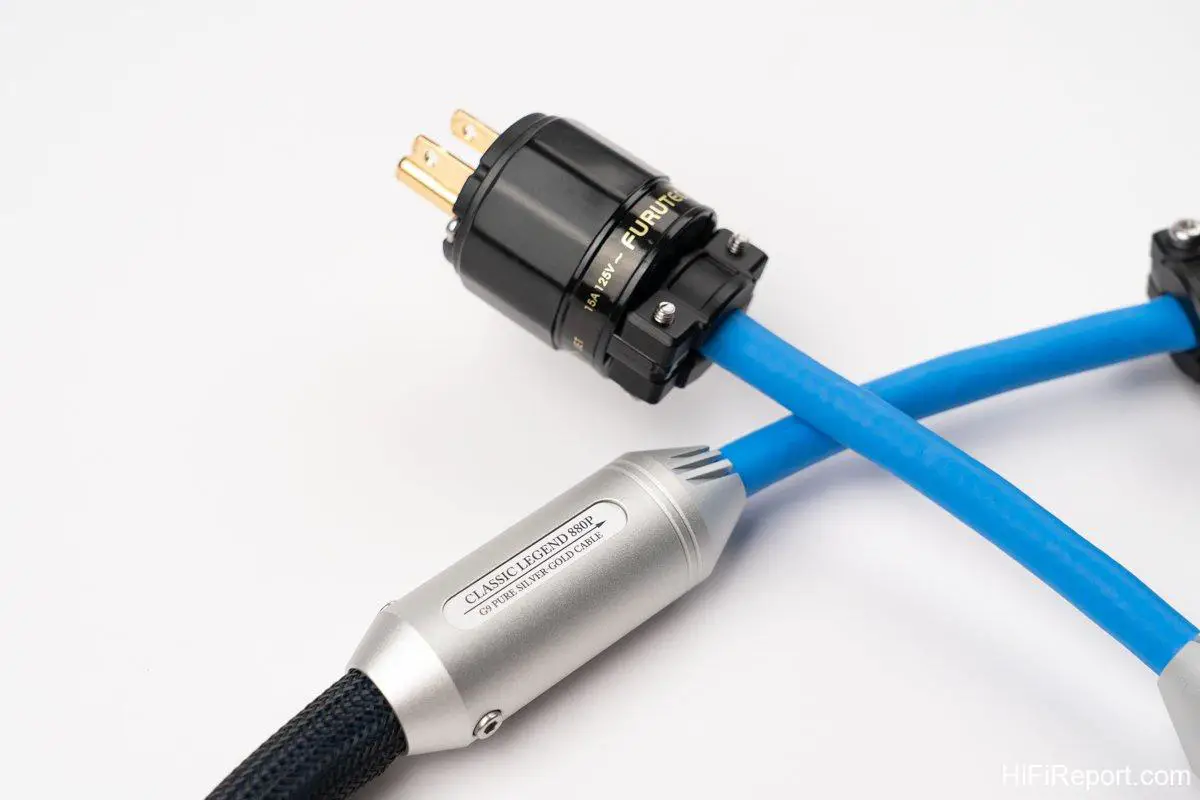
The innovative G9 silver-gold alloy conductor is undeniably the star attraction of the Classic Legend series. Complementing this are other key features such as PEEK and Teflon insulation, their proprietary “Super Shielding,” and a coaxial twisted-pair construction. These foundational design principles, synonymous with Siltech, remain steadfast.
The Classic Legend power cable range comprises three distinct models: 380P, 680P, and 880P, each occupying a different price tier. However, a unifying factor is their shared conductor – the advanced G9 silver-gold alloy. During my evaluation of the 680P power cable, a question arose: given that the G9 silver-gold alloy is the technological centerpiece of Classic Legend, wouldn’t the entry-level 380P be the most economically sensible choice? Are the 680P and 880P simply costlier without substantial benefit?
Power Handling: Key Differentiator
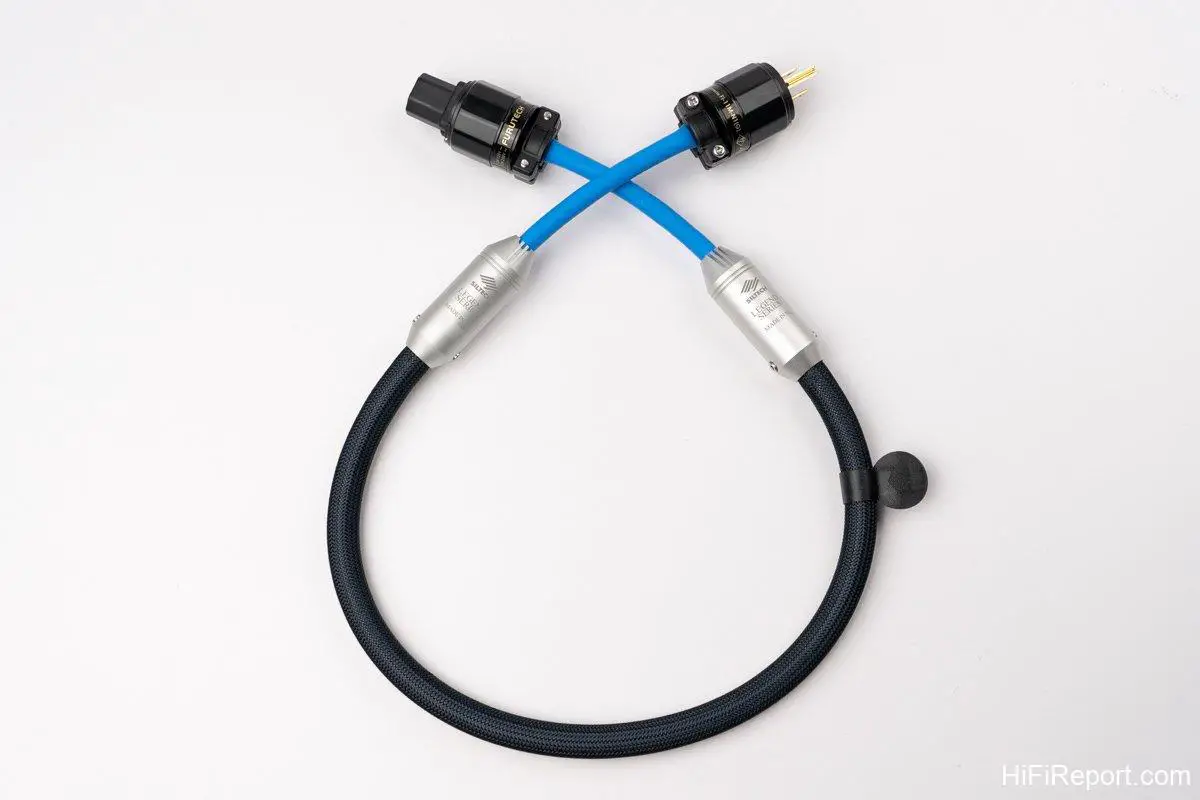
Rest assured, Siltech’s tiered approach is not merely about price; there are tangible differences. While the fundamental design architecture – G9 conductor, coaxial twisting, PEEK/Teflon insulation, and Super Shielding – is consistent across the range, the 380P possesses the lowest power handling capacity and a single-layer Super Shielding structure. In contrast, the 680P boasts four times the power handling of the 380P, approximately 600 watts, and features a double-layer Super Shielding configuration. The flagship 880P also employs double-layer Super Shielding, with further refinements in construction, and doubles the power handling capacity again to a substantial 1,200 watts.
Therefore, the crucial factor in selecting a Classic Legend power cable is power handling. For systems incorporating high-power amplifiers where instantaneous power demands could exceed 600 watts, the 880P is the definitive choice. However, for preamplifiers or source components, typically drawing far less than 600 watts, either the 380P or 680P is suitable. The 680P’s double shielding, however, offers enhanced noise isolation, likely resulting in a quieter sonic backdrop compared to the 380P.
Naturally, if budget is not a constraint, opting for the 880P across the board simplifies the decision. Yet, from a value-conscious perspective, the 680P emerges as the most compelling investment within the Classic Legend series. Its 600-watt power handling capability is more than adequate for the vast majority of audio systems.
Royal Signature Territory?
The G9 silver-gold alloy conductor embodied in the Classic Legend series represents a twelve-year technological leap for audiophiles, evolving from G7 to G9. My initial encounter with the 680P delivered a profoundly noticeable upgrade, even blurring the lines with higher echelons of performance, seemingly encroaching upon Royal Signature territory. My experience with the 880P mirrored this precisely. That sense of unforced transparency, naturalness, and musical ease was abundantly present, yet at a price point significantly more approachable than the Royal Signature range.
Despite Classic Legend’s exceptional value, it’s unlikely to cannibalize sales from the Royal Signature or Triple Crown series. These two pinnacle Siltech lines retain their prestigious status, catering to audiophiles with unwavering brand loyalty. Classic Legend, in contrast, is Siltech’s strategic initiative to broaden its market reach. Previously, the Classic Anniversary series served this purpose, introducing enthusiasts to Siltech’s unique silver-gold conductor technology. Now, Classic Legend assumes this mantle.
Subtle Differences with Low-Power Components
During the 880P evaluation, the 680P remained at HiFiReport, facilitating direct comparisons. When deployed with preamplifiers or DACs, the distinctions between the two were subtle. The 880P appeared to possess a marginal advantage in terms of sonic background quietude. However, I found the 680P to be exceptionally accomplished in its own right. For those prioritizing value, the 680P offers immense satisfaction. However, when integrated with power-hungry integrated or power amplifiers, the 880P’s enhanced stability in the lower frequency registers became more discernable.
My initial listening commenced with the EAR 868P preamplifier. The marriage of the tube preamp’s inherent warmth with the 880P power cable enriched the mid-high frequencies with a pleasing sonic sheen and harmonic complexity, imparting a luxurious sonic texture. This was particularly evident with violin recordings. Listening to “Cinema Serenade” by Perlman, specifically the “Scent of a Woman” tango, Perlman’s passionate rendition, captured both force and finesse, showcasing the violin’s inherent smoothness and polish. Paired with the 509 MK 2 power amplifier driving Wilson Audio Alexia 2 loudspeakers, the sonic landscape was already captivating even before introducing the 880P. However, with the 880P in the chain, the violin’s intensity sharpened, its density increased, while the high-frequency extension gained an even more relaxed and effortless quality. Correspondingly, the double bass pizzicato resonated with enhanced fullness and roundedness.
The 880P also demonstrably elevated the allure of female vocals. Listening to Adele’s “25,” particularly “Send My Love (To Your New Love),” the opening, featuring Adele’s spoken introduction away from the microphone and orchestra, followed by driving percussion rhythms, leading into Adele’s vibrant and expressive vocals. The 880P imbued Adele’s voice with an even sweeter, more unrestrained quality, intensified the emotional depth of the music, and expanded the soundstage in height, width, and depth. The powerful low-frequency impact contrasted beautifully with Adele’s soaring vocals, and the backing vocals in the chorus were rendered with greater intensity.
With the 680P readily available, I performed a comparative assessment. Using the 868P preamplifier as the reference point, I found the 680P to be equally impressive. The fundamental sonic character and tonal balance remained consistent, characterized by a wholesome, balanced, and full-bodied sonic image, and richly detailed, naturally extended mid-high frequencies. When limited to low-power consumption components such as digital sources or preamplifiers, the 880P’s advantages appeared marginal. After repeated comparisons, I perceived a subtle enhancement in image focus with the 880P, slightly more relaxed mid-high frequencies, and a marginally greater dynamic contrast. However, these differences were so subtle as to almost feel psychosomatic, perhaps influenced by the 880P’s higher price point and the expectation of superior performance. Yet, the 680P remained remarkably close in performance, and its more accessible price point made it appear exceptionally compelling in terms of value.
High-Power Amplifiers: Where 880P Excels
It seemed incongruous that despite the editor’s awareness that the 880P is best suited for power-hungry equipment, a power amplifier hadn’t been utilized in the initial evaluation. Over recent years, HiFiReport has invested significantly in reference-grade audio equipment for reviews. We’ve acquired both solid-state and tube-based pre- and power amplifier sets. However, all our power amplifiers are monoblocks, prioritizing maximum channel separation. Consequently, we lacked a stereo power amplifier for this particular comparison. Utilizing monoblocks to compare the 880P and 680P—one on each channel—would be inherently flawed. Requesting manufacturers to supply additional 880P and 680P cables to form stereo pairs was also impractical, requiring them to dismantle further cables and convert them into review samples. The most expedient solution was to borrow a stereo power amplifier, ideally one with substantial power output, to truly discern the nuances between the 880P and 680P.
After a week’s wait, I secured the mbl C11 preamplifier and N21 power amplifier. The N21 is no ordinary amplifier, delivering 380 watts per channel into 4 ohms. However, its most remarkable specification is its peak output current, a staggering 28 amperes—a true high-current design. Employing it to drive the Alexia 2 loudspeakers held considerable promise. Nevertheless, the primary focus remained on evaluating the Siltech cables.
Enhanced Low-Frequency Foundation Confirmed
Revisiting Adele’s “25,” I commenced with the 680P. Impressive. The N21, a high-power, high-current solid-state amplifier, drove the Alexia 2 with remarkable poise and control. The low-frequency impact was full-bodied and potent, and Adele’s vocals retained their captivating quality. However, upon switching to the 880P and listening again, the difference was immediately striking. Unlike my experience with the 868P preamplifier, where the distinctions were subtle, when paired with the high-power amplifier, the 880P’s effortless ease, spaciousness, and overall refinement immediately overshadowed the 680P.
With all elements in place, I dedicated myself to a thorough evaluation of the 880P, utilizing the mbl C21/N21 and Alexia 2. The 880P, with its robust current handling capacity, synergized flawlessly with the high-power N21, akin to a fish in water. For demonstration, I selected RR’s “Tutti” album, specifically Rimsky-Korsakov’s “Dance of the Tumblers.” The vibrant dance opens with the crystalline chime of a triangle, followed by layered orchestral textures, culminating in a quieter passage featuring cheerful woodwind melodies, leading to a second orchestral crescendo. The 880P rendered the triangle’s clear and brilliant timbre, imbuing the music with a palpable sense of vitality. The 3D soundstage was expansive and deep, underpinned by a solid and grounded low-frequency foundation. Knowing I was listening to the 880P, a member of the Classic Legend series, I experienced a genuine illusion of listening to the higher-echelon Royal Signature range.
For another large-scale recording, I chose RR’s “Horns for the Holidays,” starting with “Festival Fanfare” (Wasson). At lower listening levels, and considering RR’s recordings are typically 6 dB lower in level than standard, the recording might seem unremarkable. However, when played at higher volumes, the music’s sheer scale and dynamic contrasts become a rigorous test for any audio system. The 880P rendered the brass section’s timbre as rounded, full, and resplendent. As the brass voices intertwined, the timpani punctuated the rhythm with force, while the glockenspiel added delicate ornamentation. The 880P presented the orchestral sections with remarkable clarity. Soft passages flowed seamlessly, while loud passages were powerful and majestic. Listening at high volumes, the expansive soundstage enveloped me, creating an incredibly realistic sense of being immersed within the brass orchestra.
The Price of Low-Frequency Excellence
Transitioning to classic rock, I selected Pink Floyd’s “Dark Side of the Moon.” “Money” opens with iconic sounds of cash registers, coins, and receipt printers, panning between the left and right channels. This effect, achieved through multi-track recording, was a hallmark of analog-era innovation. Listening through the 880P, the recording was not only vividly reproduced, but it also highlighted the recording’s vintage character. Electric guitars of that era often employed vibrato effects, and many effects processors were purely analog modulation. The entire album possesses a distinct analog warmth. The 880P amplified this vintage analog flavor, rendering it even more richly textured. This is not to suggest that the 880P colors the recording; on the contrary, its inherent clarity, transparency, and purity allowed it to more faithfully reproduce the recording’s original atmosphere and sonic signature, enabling a deeper appreciation of its historical context.
Finally, another compelling reason to consider the 880P is its exceptional low-frequency performance—its stability and power. I often assert that low-frequency reproduction represents the most significant investment in high-fidelity audio, and the 880P exemplifies this principle. When comparing only mid-high frequency timbre and clarity, the 680P performs admirably. However, when assessing low-frequency performance, the 880P demonstrably surpasses it. For instance, listening to Marcus Miller’s “Free” album, “Blast” commences with a subdued electric bass intro, followed by the forceful rhythms of electronic drums, transitioning into Marcus Miller’s virtuoso funky bass lines. The 880P’s low-frequency stability and authority are undeniable. The impactful drum sounds are layered beneath intricate funky bass lines, encompassing slapping, plucking, and two-hand tapping techniques. Miller’s technique is impeccable, but to fully appreciate it requires an audio system capable of resolving the layers and nuances of the low frequencies. Otherwise, faced with rapid, technically demanding bass runs, insufficient low-frequency resolution can result in a muddy, indistinct sonic presentation. However, listening through the 880P, the performance was rock solid. Even the subtle ghost notes in the right hand were rendered with pristine clarity.
Best Value Siltech Cable, Indeed
This evaluation of the 880P, with the 680P readily available for direct comparison, proved to be a uniquely insightful experience. When restricted to digital sources or preamplifiers, the 680P is already exceptionally capable. However, for systems incorporating power-hungry power amplifiers, the 880P truly comes into its own, unlocking a higher level of performance. Furthermore, for predominantly low-volume listening, the 680P is more than adequate. The full potential of the 880P is revealed when the system is driven harder. It’s akin to comparing a 300-horsepower car to a 100-horsepower car—in city traffic, the difference is negligible. But on the open highway, the 300-horsepower car’s superior performance becomes readily apparent.
The 880P mirrors this analogy. Paired with a high-power amplifier, and played at louder volumes, the expansive soundstage, powerful and realistic dynamic contrasts, and refined sonic presentation are truly captivating. Frankly, I hesitate to request a Royal Signature for direct comparison, as the 880P’s performance genuinely evokes the sonic character of Royal Signature. What would I write in my review if the 880P were to outperform it? It’s no wonder Siltech positions Classic Legend as their series offering the most compelling value for money. Their claim is undeniably true.
Specifications
* Model: Siltech Classic Legend 880P
* Type: Power Cable
* Conductor: G9 Silver-Gold Alloy