
Skullcandy Indy Evo True Wireless Earbuds Review
Overview
The Skullcandy Indy Evo represents the brand’s push to bring its signature bass-forward sound into the true wireless form factor. Released in May 2020 at a $69.99 price point, these earbuds target budget-conscious consumers who want wireless freedom without the premium price tag of competitors like Apple’s AirPods. With over 41,000 ratings on Amazon averaging 4 out of 5 stars, the Indy Evo has attracted a large and engaged user base.
However, the real-world experience is more nuanced than that aggregate score suggests. Expert reviewers have been considerably more critical, with SoundGuys scoring the earbuds 5.4 out of 10 and RTINGS noting a heavily underemphasized treble response that makes the sound profile quite dark. The earbuds do offer genuine strengths—IP55 water resistance, Tile tracking integration, and a claimed 30-hour total battery life—but they also carry persistent complaints about pairing reliability and touch control responsiveness that surface repeatedly across customer reviews.
Design and Build Quality
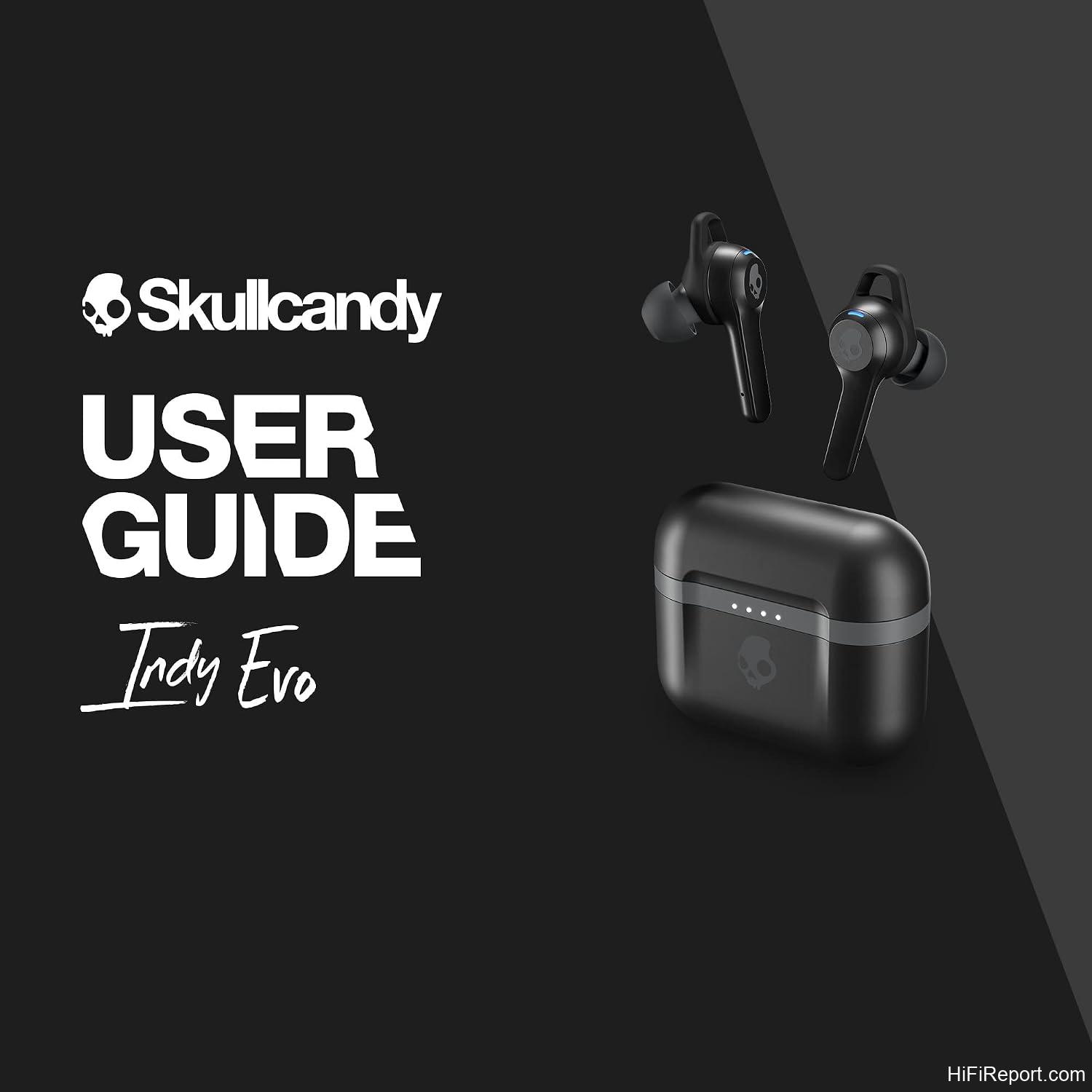
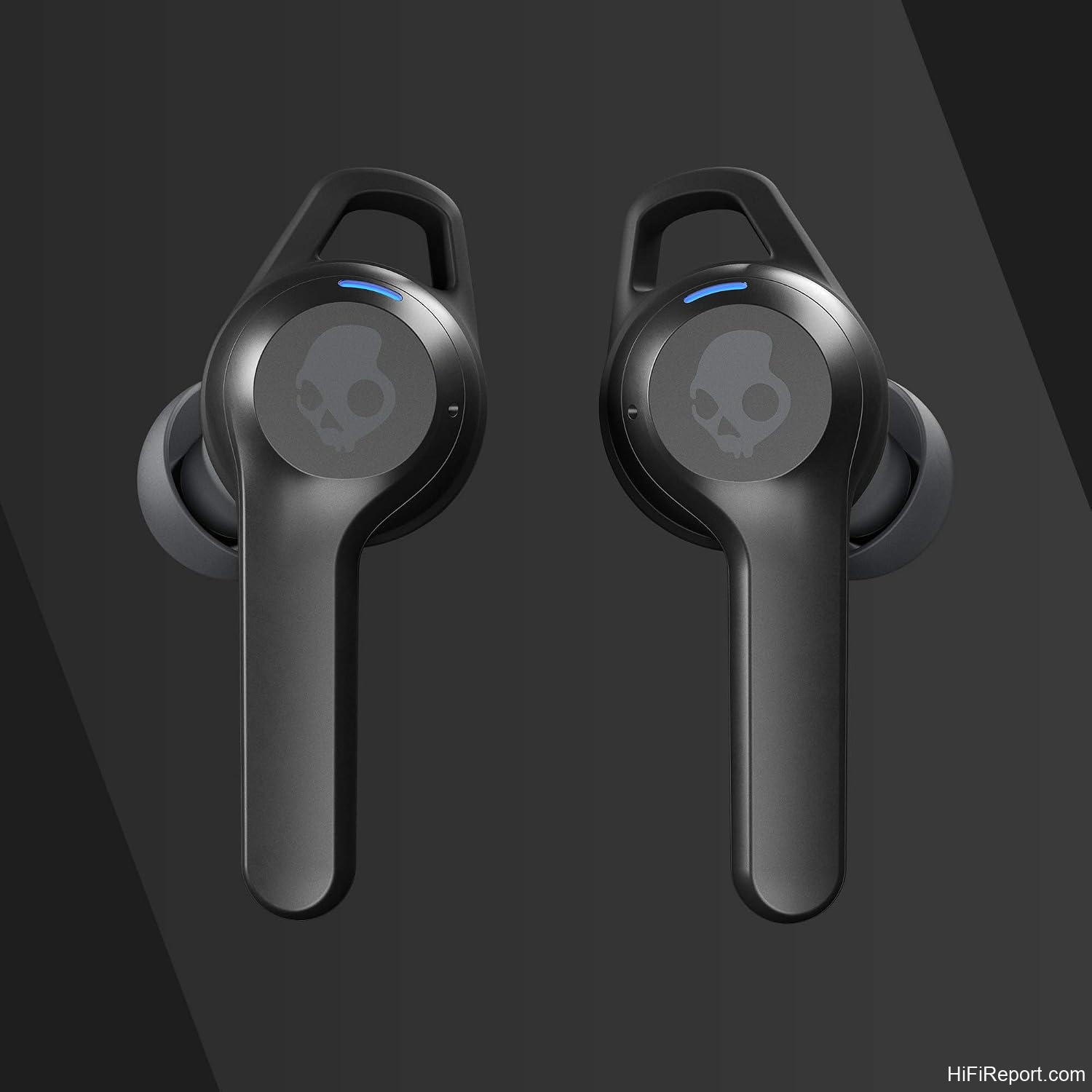
The Indy Evo earbuds adopt a stemmed, in-ear design that borrows visual cues from Apple’s AirPods while adding Skullcandy’s characteristic all-plastic construction. Each bud weighs just 4.4 grams, making them lightweight for extended wear. The earbuds feature a rounded tip shape with a dangling stem, the Skullcandy logo on the exterior, and an LED indicator light on each side to show which bud is active.
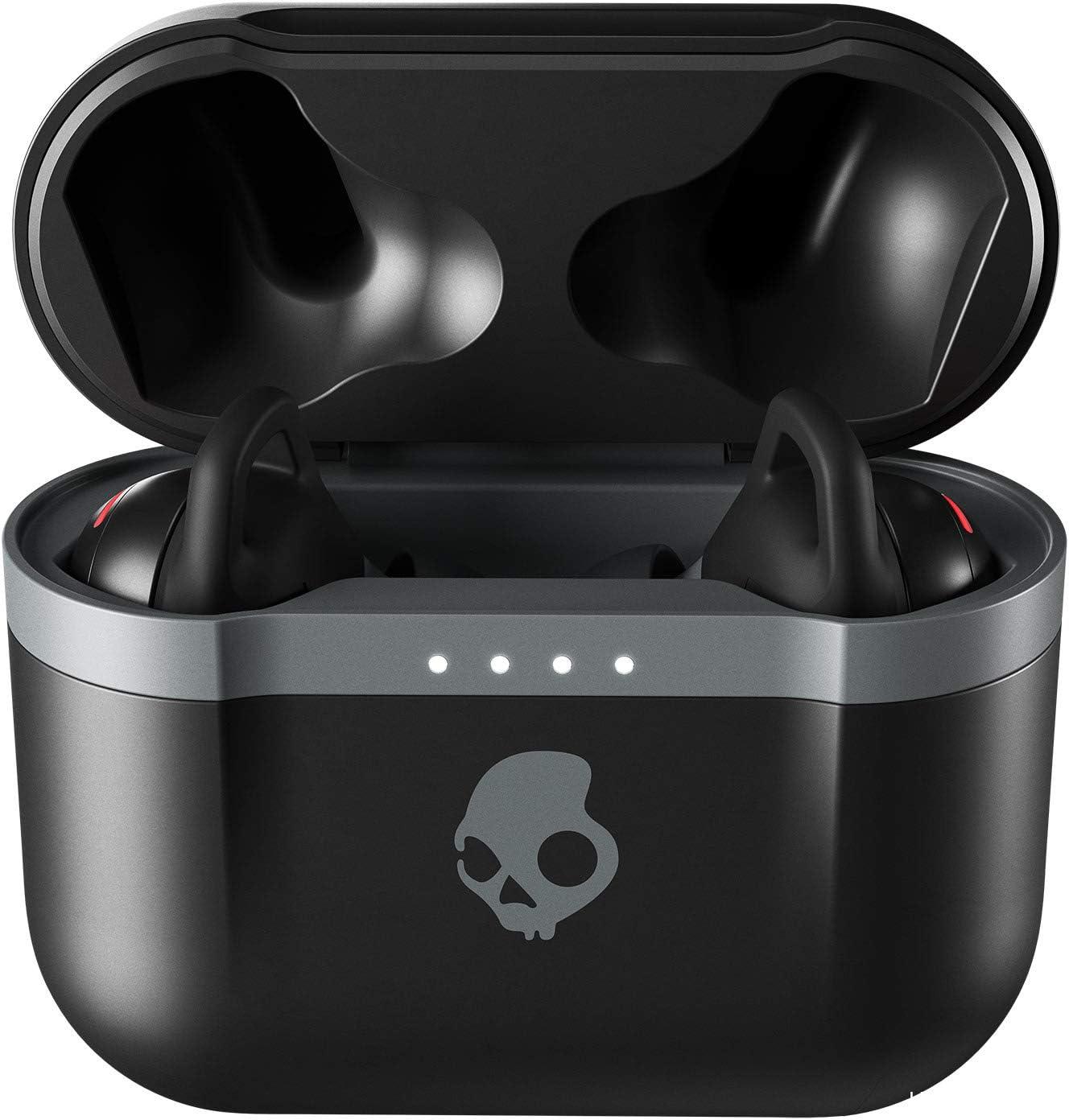
The charging case measures 70mm x 62mm x 30mm and weighs 46.5 grams. It has a matte finish that resists fingerprints and uses a weighted lid rather than a magnetic closure. This design choice means the case can open or close when nudged, which several reviewers found frustrating. The case displays battery life via four LED lights and charges via USB-C.
The box includes three sizes of silicone ear tips (10mm, 11mm, 12mm) and two sizes of stability ear gels, giving users flexibility in achieving a secure fit. The earbuds also carry an IP55 rating, making them resistant to sweat, water, and dust—ideal for workouts and outdoor activities. The entire package, including a USB-A to USB-C charging cable, fits into a compact and portable form factor.
While the build feels adequate for the price, neither the buds nor the case feel premium. Expert reviewers at T3 noted the completely plastic design, and SoundGuys flagged the difficulty of removing the earbuds from the case. The case lid sometimes fails to close fully when the stability gels are in place, a minor but recurring annoyance that multiple reviewers mentioned. One customer suggested using a hair tie to keep the case closed, highlighting how the lid design falls short of expectations.
Sound Quality
Skullcandy has always been known for its bass-heavy sound signature, and the Indy Evo continues that tradition. The 10mm dynamic drivers deliver punchy low-end that satisfies bassheads, with reviewers consistently praising the bass response. Expert Reviews noted the sound is “good enough” for everyday listening, while MyTechGrid found the bass hits with more warmth than expected and vocal clarity is good for the price point.
However, the sound profile has significant limitations. RTINGS identified a very dark sound profile with heavily underemphasized treble, meaning high frequencies lack detail and brightness. SoundGuys rated the overall product only 5.4 out of 10, noting the SBC codec limitation restricts audio quality compared to competitors supporting aptX or AAC. The earbuds support only the basic SBC codec, which means no high-resolution streaming and limited compatibility with advanced audio formats. This codec restriction is a notable omission at this price point, where competing earbuds from Anker and JBL offer more advanced codec support.
The earbuds offer three EQ modes—Music, Movie, and Podcast—accessible via touch controls. These modes adjust the tonal balance for different content types, with Movie mode receiving particular praise from reviewers for making voices clearer. However, there is no custom EQ available through the companion app, and Expert Reviews called the EQ options “underwhelming.” The Skullcandy app allows only basic adjustments, with no volume control, mode selector, or in-app battery indicator beyond basic connectivity management and tutorial content.
The earbuds also feature an Ambient Mode that lets you hear surrounding sounds without removing the buds. While it works adequately for brief conversations, reviewers found it imperfect—good enough for hearing cashiers at stores but not as refined as dedicated noise-canceling implementations. There is no active noise cancellation on the Indy Evo, so isolation relies entirely on the passive seal created by the ear tips and gels.

Battery Life and Charging
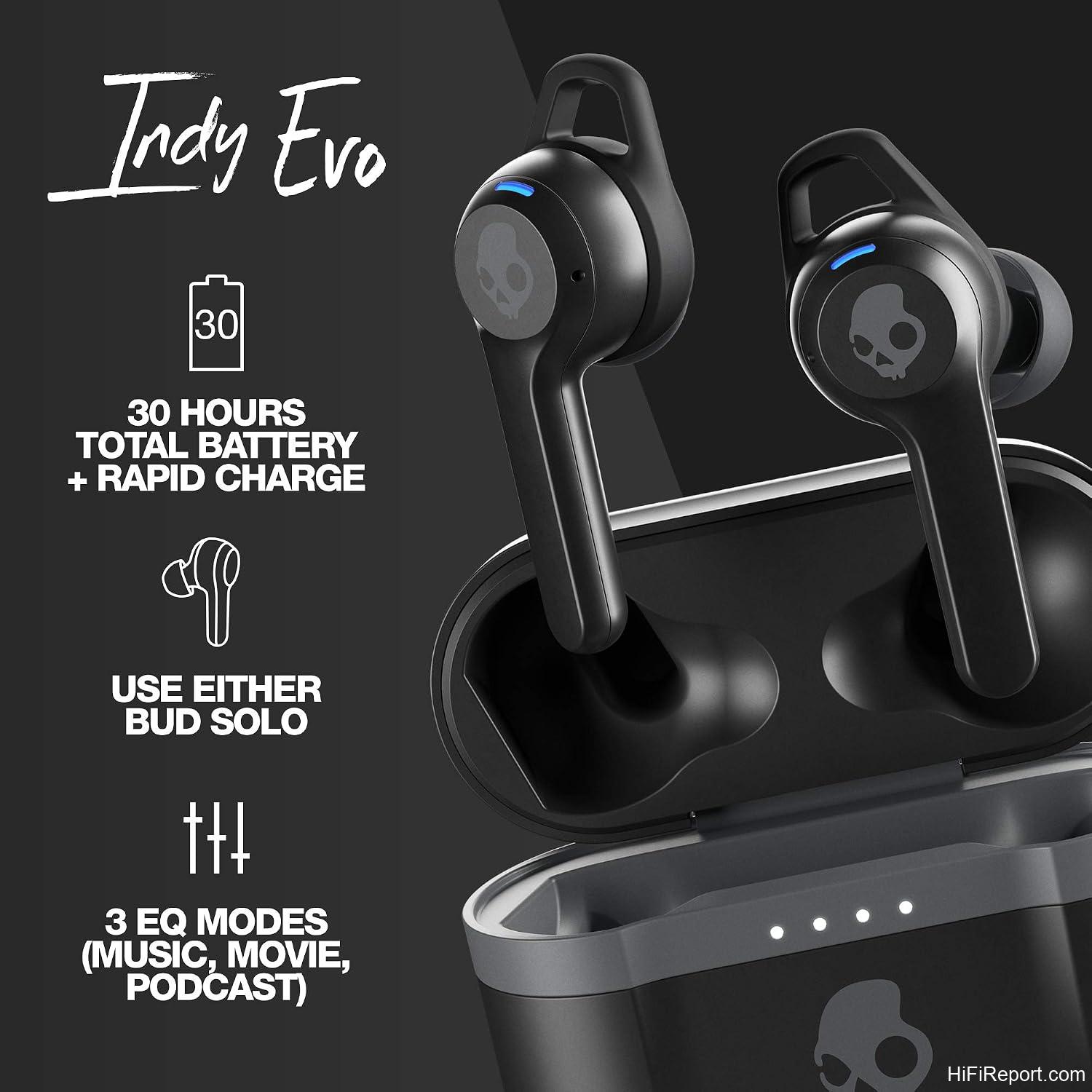
Battery performance is one of the Indy Evo’s strongest selling points. The earbuds deliver approximately 6 hours of playback on a single charge, with the charging case providing an additional 24 hours, for a combined total of 30 hours. This exceeds expectations from some expert testing—RTINGS measured just under 3 hours per charge, which may reflect testing conditions, firmware differences, or usage patterns.
Fast charging is a notable feature: 10 minutes of charging yields approximately 2 hours of playback. The USB-C charging port is modern and convenient, and multiple reviewers confirmed the fast charge capability works as advertised. Customer reviews generally confirm the battery life is impressive for the price, with multiple reviewers noting they rarely needed mid-day top-ups. One user reported using the earbuds for two long train rides and a full workday of calls without reaching for the charger.
However, battery-related issues have been reported by some users. Several reviewers experienced charging problems where one earbud wouldn’t charge above 80% or wouldn’t charge at all in the case. Another reviewer reported earbuds playing inside the case without automatically turning off, draining battery unnecessarily. While these appear to be individual unit issues rather than widespread defects, their frequency in reviews suggests a quality control concern that Skullcandy needs to address.
Controls and App
The Indy Evo relies entirely on touch controls, with no physical buttons. A single tap on the left bud controls volume up, while a single tap on the right bud controls volume down. Double-tapping handles play/pause and call answering. Additional tap combinations activate voice assistants, switch EQ modes, and toggle Ambient Mode. The control scheme is comprehensive in theory, packing a lot of functionality into a small surface area.
In practice, this control scheme is frustratingly inconsistent. Multiple reviewers described the touch controls as unresponsive or difficult to use, requiring precise timing to register taps correctly. One reviewer noted that every command requires a series of taps and the device frequently misinterprets the input, thinking you did two taps when you did three. Another found the controls “incredibly unresponsive” with half of taps going unregistered, meaning the earbuds were constantly doing nothing or increasing/decreasing volume instead of performing the intended action.
The Skullcandy companion app is limited in functionality. It guides initial Bluetooth pairing, displays battery levels, and provides usage tutorials, but offers no EQ customization, volume control, or mode selection. Expert Reviews called the app “limited,” and SoundGuys noted the lack of custom EQ as a significant drawback. The app does support Tile integration for tracking lost earbuds, which is a genuinely useful feature that sets the Indy Evo apart from many competitors at this price point.

Connectivity and Features
The Indy Evo uses Bluetooth 5.0 with a 10-meter range. While pairing is generally straightforward for most users, connectivity issues are the most frequently cited complaint across customer reviews. Multiple users reported difficulty syncing the two earbuds together, with one earbud working while the other remained silent. Some experienced constant disconnections, particularly when switching between devices or using the earbuds outdoors.
One reviewer noted that the earbuds worked perfectly indoors but stuttered and cut out when used outside, particularly in wind. Another found the connection dropped frequently with a Pixel 4XL, requiring repeated resets. While some users reported seamless pairing from day one, the inconsistency suggests firmware or hardware variability that Skullcandy has yet to fully resolve. One user described spending 30 minutes trying to pair the earbuds just to listen to music for 10 minutes.
Tile integration is a genuine differentiator for the Indy Evo. The built-in Tile technology allows users to track down lost earbuds through the Tile app, making them easier to find if misplaced. Several reviewers praised this feature, with one noting they found a lost earbud half a mile away. However, Tile functionality appears unreliable for some users, with one reviewer reporting it stopped detecting their earbuds after a single use.

The earbuds also support independent use of either bud, which is useful for phone calls or when one earbud is charging. This mono mode works as intended, though it can complicate the pairing process. The microphone quality is adequate for calls, with most reviewers finding the mic serviceable but not exceptional.
Comfort and Fit
The combination of silicone ear tips and stability ear gels provides a secure fit that holds up during exercise. Multiple reviewers confirmed the earbuds stayed in place during running, jump rope, and gym sessions. The fit is snug enough to provide decent passive noise isolation, though there is no active noise cancellation. Expert Reviews praised the “extremely stable fit,” and T3 found the earbuds stayed put during workouts without adjustment.
However, comfort during extended wear is a common complaint. Several reviewers reported ear fatigue or pain after 2-3 hours of continuous use, with the stability gels contributing to discomfort. SoundGuys rated comfort only 3.5 out of 10, noting the stabilizing wings can be uncomfortable. One reviewer described the sensation as needing to “force” the earbuds in, while another found the rubbery texture made them difficult to insert and remove.

The fit works best for users with average to larger ear canals. Those with smaller or unusually shaped ears may find the earbuds uncomfortable or loose, depending on which tip and gel sizes they use. The included size range (10mm, 11mm, 12mm tips) should accommodate most users, but the gels can be irritating for sensitive ears. One reviewer noted that after 5 minutes of wearing the earbuds with the small wings, they already felt pain in their ears.
What Customers Are Saying
With over 41,000 Amazon ratings averaging 4 out of 5 stars, the Indy Evo has attracted substantial user engagement. However, the detailed reviews reveal a more complicated picture than the aggregate score suggests.
The most common praise centers on sound quality for the price, battery life, and secure fit during workouts. Users appreciate the bass-forward sound signature, the 30-hour total battery life, and the stability provided by the ear gels. The Tile tracking feature receives consistent positive mentions, and the Ambient Mode is valued for hands-free convenience during errands. Several reviewers noted that when the earbuds are working properly, they deliver a satisfying listening experience at a fraction of the cost of premium competitors.
Copyright protected. First published on hifireport.com; any unauthorized copy violates the intellectual property rights of hifireport.com.
The most frequent complaints revolve around pairing and connectivity issues. Multiple reviewers reported difficulty syncing the two earbuds together, with one earbud failing to produce sound. Touch control responsiveness is another recurring frustration, with users describing the controls as unresponsive and requiring precise timing. Ear fatigue during extended wear and the case lid’s tendency to not close properly are additional concerns.
Some users reported hardware defects upon arrival, including earbuds that wouldn’t charge in the case or units that failed to pair entirely. While these may represent isolated quality control issues, their frequency in reviews suggests a broader reliability concern. A few reviewers specifically noted that they ordered replacement units and experienced the same problems, indicating the issues are not always resolved through returns.
Pros and Cons
- Pros
- Secure fit during workouts and exercise
- 30-hour total battery life with fast charging
- IP55 water and dust resistance
- Tile tracking integration for lost earbuds
- Three EQ modes for different content types
- Lightweight design at 4.4g per earbud
- USB-C charging
- Ambient Mode for situational awareness
- Competitive pricing for the feature set
- Good bass response for the price
- Cons
- Frequent pairing and connectivity issues reported
- Touch controls unresponsive and difficult to use
- SBC codec only—no aptX or AAC support
- Ear fatigue during extended wear
- No active noise cancellation
- Limited companion app with no custom EQ
- Case lid doesn’t close securely
- Sound profile lacks treble detail
- Plastic build feels cheap for the price
- Quality control concerns with some units
Verdict
The Skullcandy Indy Evo is a mixed bag that delivers genuine value for specific use cases while falling short in areas that matter to many buyers. If you’re an athlete who needs sweat-resistant earbuds that stay in place during intense workouts, the IP55 rating and secure fit make these a solid choice. The battery life is impressive, and the Tile integration adds real utility for forgetful users. The bass-forward sound signature will please fans of the Skullcandy brand, and the three EQ modes provide some flexibility for different listening scenarios.
However, the pairing inconsistencies, unresponsive touch controls, and limited app functionality create friction in daily use that can be genuinely frustrating. The SBC-only codec and dark sound profile will disappoint listeners seeking audio quality, and the ear fatigue during extended sessions limits comfort for long listening sessions. At $69.99, the Indy Evo competes against better-engineered alternatives from Anker, JBL, and others that offer similar features with fewer compromises. The lack of active noise cancellation is a notable omission at this price point, where competing earbuds increasingly include ANC as standard.
For buyers prioritizing workout stability, battery life, and budget pricing over audio fidelity and seamless connectivity, the Indy Evo is worth considering—especially when discounted below $50. Those seeking a polished, reliable experience with responsive controls and better sound quality should look elsewhere. The earbuds are best suited for users who primarily listen during short, active sessions and value the Tile tracking feature highly.
© hifireport.com – Original review content by hifireport.com. Reprinting without written permission is not allowed.
Specifications
- Brand: Skullcandy
- Model Number: S2IVW-N740
- Product Type: True Wireless In-Ear Earbuds
- Bluetooth Version: 5.0
- Bluetooth Range: 10 Meters
- Driver Type: Dynamic Driver
- Driver Size: 10 Millimeters
- Frequency Response: 20 Hz – 20,000 Hz
- Impedance: 32 Ohms
- Water Resistance: IP55
- Battery Life (Earbuds): 6 Hours
- Battery Life (Total with Case): 30 Hours
- Fast Charge: 2 Hours from 10 Minutes
- Earbud Weight: 4.4 Grams
- Case Weight: 46.5 Grams
- Earbud Dimensions: 38mm x 26mm
- Case Dimensions: 70mm x 62mm x 30mm
- Ear Tip Sizes: 10mm, 11mm, 12mm
- Charging Port: USB-C
- Audio Codec: SBC
- Noise Control: Passive Sound Isolation
- Features: Tile Tracking, Ambient Mode, EQ Modes (Music, Movie, Podcast), Touch Controls, Microphone
- Compatibility: iPhone, Android, Bluetooth-enabled devices
- Warranty: 1 Year
- Release Date: May 20, 2020
- Price: $69.99
No products found.