
Sony MDREX15AP In-Ear Earbud Headphones Review
The Sony MDREX15AP is a wired in-ear earbud with an integrated microphone, built around 9mm dome-type drivers and neodymium magnets. It suits people who want a comfortable, loud pair of earbuds for commuting, workouts, desk work, and video calls without stepping into the wireless market. The single takeaway: sound and mic performance exceed what the modest wired build suggests, but long-term durability depends on the individual unit, and owner reports span from over a year to a single day.
Design, Materials and Feel
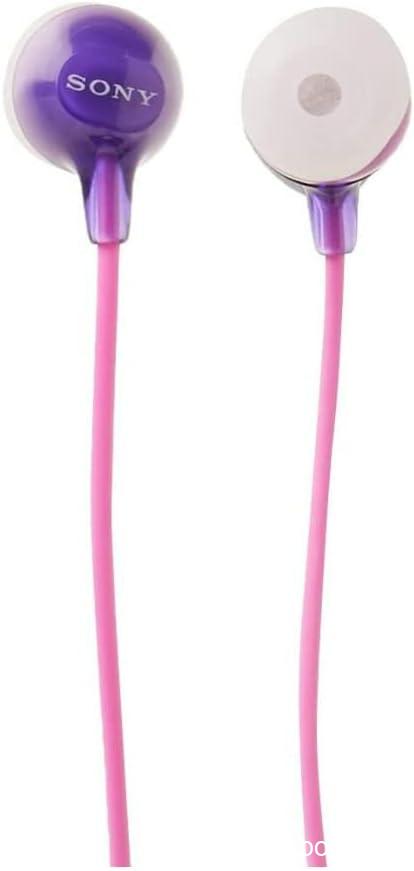
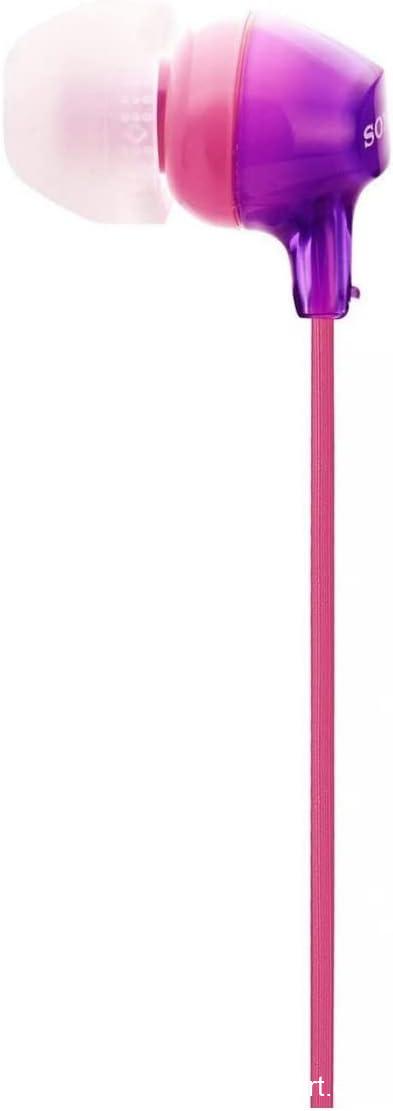
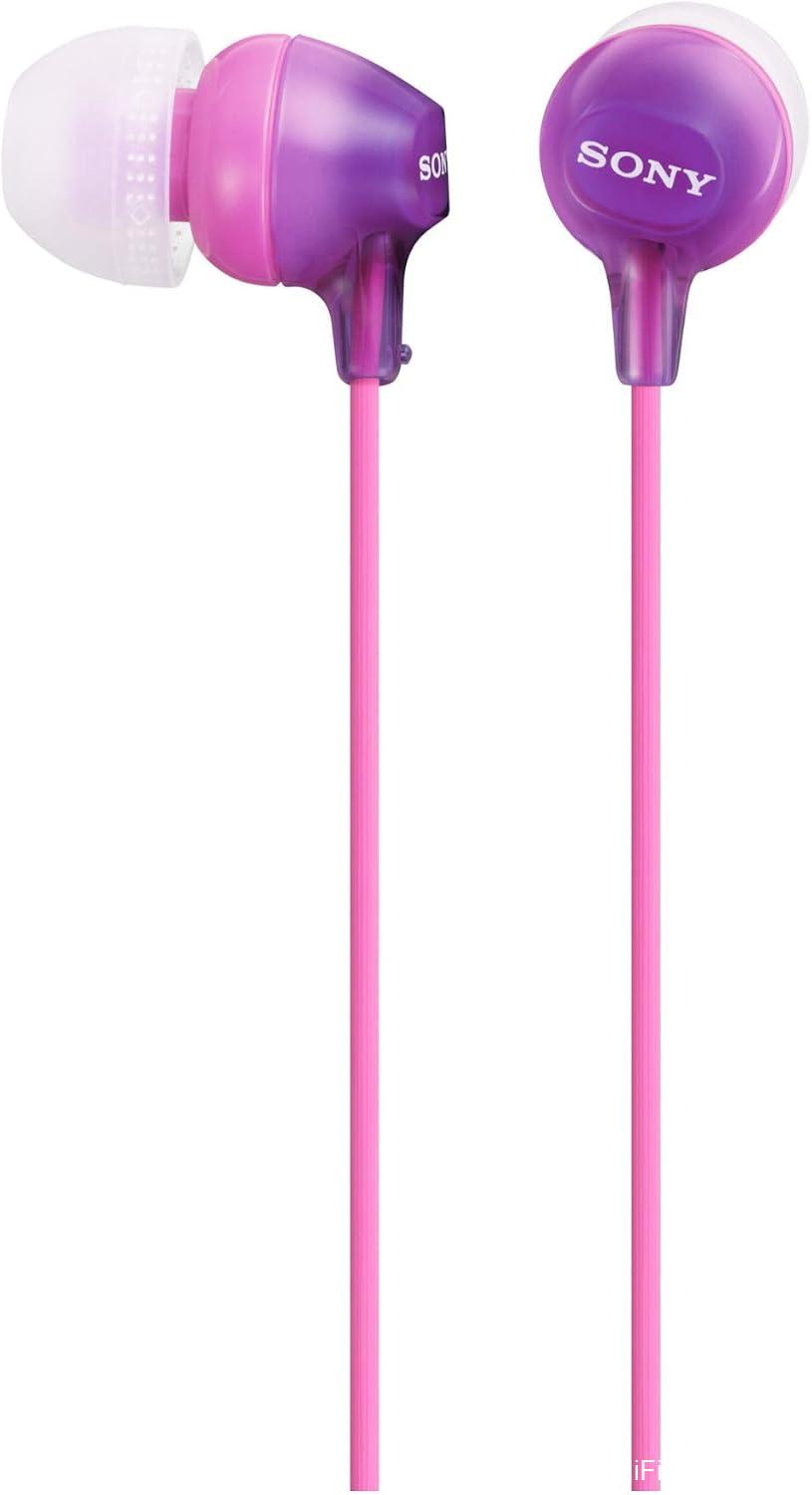
The MDREX15AP pairs 9mm dome-type driver units with high-energy neodymium magnets, a combination Sony specifies for strong low-end output. The driver housings are compact matte-plastic shells that keep the earbud body small and light. Hybrid silicone tips form the seal against the ear canal; silicone does the compressing, and the firmer outer housing anchors the tip so it does not rotate or pop out during movement. The cord follows a Y-type layout, splitting into two branches after a short inline run, with a slider near the junction that pulls the cable into a tidy loop and keeps it from knotting in a pocket or bag.
The inline control module sits on one branch of the Y-cord and houses the integrated microphone plus a single button for smartphone playback control. Press once to play or pause; hold to answer or end a call. The color on this listing is violet, a muted purple that does not pick up fingerprints in normal handling. No metal accents or premium shell treatments appear anywhere on the unit. One long-term owner described the wearing sensation as “like there is nothing in my ears,” crediting the low weight of the plastic housing and the flexible silicone tip. The Y-slider is functional plastic, not a fidget component. The overall build reads as utilitarian: every part earns its place, and nothing is ornamental.
Fit and Everyday Comfort
The hybrid silicone tip determines how well these earbuds stay put, and most owners report a secure seal during cycling, running, and treadmill work. A lab worker who cycles to work in Seattle keeps the earbuds on through winter rain and snow without them slipping out. The in-ear seal also contributes to passive isolation, which one owner specifically praised for “muffling” surrounding noise while working. The tip compresses to fill the canal entrance, and the Y-cord’s short inline run keeps the cable from pulling the earbud outward when it hangs below the shoulder.
First published at hifireport.com. Copying or republishing this content is prohibited.

Weight plays a major role in long-session comfort. The earbud body is light enough that several owners wear them for hours without noticing a pressure point. One person who said she “rarely liked earbuds” because the shape hurt her ears found these comfortable, pointing to the small housing and the silicone tip’s flexibility as the reasons. A different owner with very sensitive ear cartilage uses them only at bedtime for short sessions and relies on bone-conduction earbuds for everything else, flagging that the standard silicone seal still presses on the canal wall over long stretches. For most ears, eight or ten hours of continuous wear is manageable. For those with particularly sensitive cartilage, a short break every couple of hours keeps the seal from becoming a sore spot.
How They Sound
The MDREX15AP delivers a bass-heavy, forward-leaning signature that owners consistently describe as loud and punchy for the earbud size. The 9mm dome drivers and neodymium magnets move more air than the smaller drivers found in many peers, and the 100 dB/mW sensitivity rating means the earbuds reach high volume without demanding extra output from the source. One owner who compared them against mid-range wireless earbuds called them “far superior” on the same track, conceding only that premium over-ear models still edge them on fine detail.
Bass
Bass is the standout trait. The neodymium magnets give the 9mm cones a fast, controlled response that owners hear as “great bass” and “powerful” low end. A lab worker who listens to audiobooks, podcasts, and band harmonies notes the low end stays separated and does not smear into the mids, even at the high volume levels used on a noisy commute. The extension is enough to satisfy most pop, hip-hop, and electronic listeners without the sub-bass rumble that requires a dedicated subwoofer.

Overall Character
Mids and treble step back relative to the bass, a trade-off the 9mm dome geometry makes at this tier. Vocals sit slightly behind the low end, and treble peaks are present but not aggressive. One owner who listened to symphonic recordings found the detail resolution wanting compared to premium earbuds, a fair read for a driver of this class. For mainstream music, podcasts, and calls, the balance works without forcing the listener to adjust. The 100 dB/mW sensitivity keeps the top end audible without the harshness that smaller, less powerful drivers can produce at equivalent volume.
Crackling is the one audio defect multiple owners flagged. One reviewer reported a crackling noise in one of the two speakers within the first few weeks, which loosened up slightly with cable manipulation but did not fully resolve. Another owner traced a glitchy background noise during a video call to the inline control button rather than the driver. These are quality-control outliers, not a design limitation, but they show up often enough in the review pool that a buyer should expect the possibility.
First published at hifireport.com. Copying or republishing this content is prohibited.
Noise Cancelling and Isolation
The MDREX15AP has no active noise cancellation; the product is a basic wired earbud with a silicone-tip seal. What it provides is passive isolation, and one owner who works at a desk specifically praised the earbuds for “muffling noises around me” without needing to raise the volume to drown out the office.
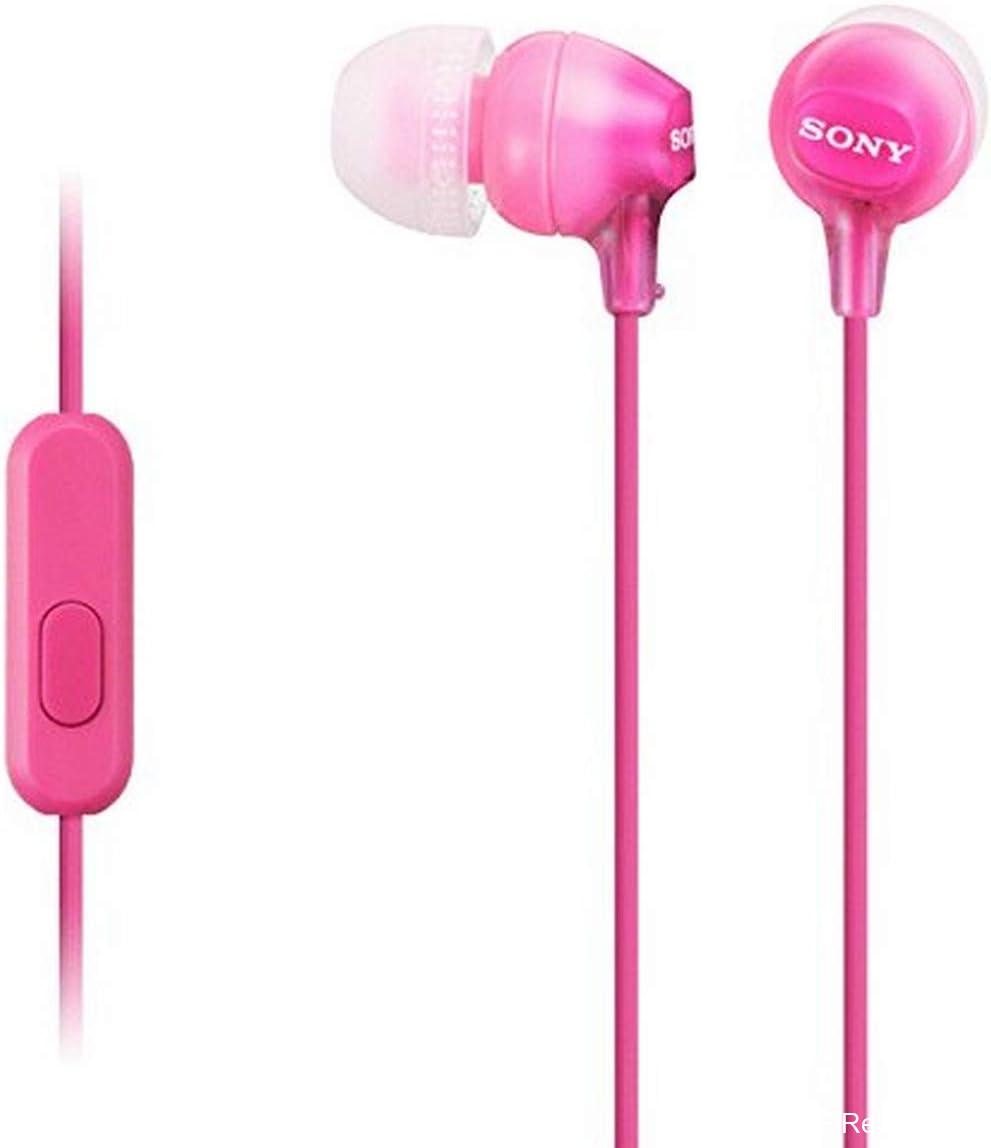
The hybrid silicone tip plugs the canal entrance and blocks a meaningful share of low-frequency ambient noise: traffic drone, HVAC hum, and steady conversation drop to a manageable murmur in most settings. The small driver housing leaves a gap in the canal that a larger foam or premium silicone tip would close more completely, so sharp high-frequency sounds (sirens, keyboard clatter, a barking dog) still bleed through. An owner who cycles through Seattle rain reports no issue with the seal staying put in wet conditions, but the isolation itself remains purely mechanical. There is no circuitry, no power draw, and no adaptive filtering on this product. Anyone expecting headphone-level ANC from a wired earbud at this tier will find the gap between expectation and reality.
Endurance and Charging
Because the MDREX15AP is a wired earbud, there is no battery to charge, no charge cycle to track, and no standby drain. The cable connects directly to a smartphone, laptop, or any source with a standard audio jack, and power is not a factor in daily use. The only mechanical component that wears is the Y-type cord and its anti-tangle slider, and owners who cycle the slider daily report it holding up without slippage.
Lifespan is where the wired design cuts both ways. Without a battery to degrade, the earbuds can theoretically last for years. Owner reports, however, range widely. One user has had a pair for over a year and describes the sound quality as “exactly the same” as day one. Another reports a typical 12 to 18 month life under heavy daily use that includes tossing them in bags and exposing them to rain. Two other owners reported one side fading within two months and a separate pair dying within a day of first use. The spread suggests individual units vary more than the design should, pointing to manufacturing inconsistency rather than a material limitation.
Microphone and Calls
The integrated mic on the inline button module works well enough that several owners specifically chose these earbuds for video-call duty. One user runs Zoom calls on a MacBook Pro and calls the mic “great,” noting that remote participants hear her clearly at normal speaking volume. After trying a newer wireless set whose mic left callers hearing her “barely,” she returned to the Sony earbuds and kept them. The mic picks up the voice at a comfortable distance without the plosive spikes that inline mics on some competitors produce.
Button reliability is the weak link. One owner reported the playback-control button glitching, and the mic module introduced a faint background noise during a video clip that was absent when the earbuds were disconnected. A different owner said the button “does not work properly” on one of three sets she owns. The mic itself, when the button functions, is the better half of the pairing; the control circuit is where the quality-control gaps show up most clearly.
What Owners Say
Sound quality is the most common praise theme. Owners repeatedly call the bass “powerful” and the overall volume “super loud” for the earbud size, and several note that the audio has not degraded after more than a year of daily listening. One owner keeps multiple pairs around the house and swaps them without noticing a difference, which speaks to the consistency of the driver tuning across batches.
Comfort and the microphone earn the second wave of praise. The lightweight housing and hybrid silicone tip pull positive mentions from people who said they “rarely liked earbuds” before. Video-call users report clear, consistent mic audio without the dropouts that plagued the wireless sets they tried earlier, and the single-button control layout is described as simple and reliable for play, pause, and call answer.
Durability is the most frequent complaint. One-side driver failure appears in at least four separate reviews, with owners describing one earbud going quiet or dead while the other remains loud. The lifespan spread, from one day to over a year, means no single expectation is safe. Two owners reported a dead driver out of the box on a fresh purchase, which they resolved through an exchange.
Quality-control inconsistency rounds out the negative themes. Crackling in a single speaker, a glitchy mic button, and a faint background noise during video clips all trace to the same root: manufacturing variance between individual units. One owner summarized it plainly, noting the build quality is “a little inconsistent” and that the exchange process, while smooth, is a step most buyers would prefer not to take.
Strengths and Weaknesses
- Strengths:
– Powerful, controlled bass from 9mm neodymium drivers at 100 dB/mW sensitivity
– Comfortable hybrid silicone fit that holds through cycling, running, and rain
– Integrated mic delivers clear call audio, confirmed by multiple video-call owners
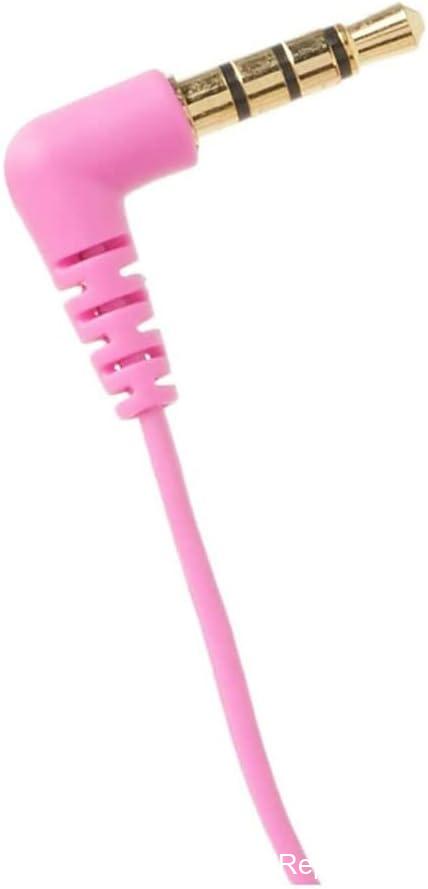
– Y-type cord with anti-tangle slider keeps the cable manageable in a pocket or bag
– Sound quality remains stable over a year or more of daily use in many units
- Weaknesses:
– One-side driver failure and crackling reported across multiple owner reviews

– No active noise cancellation; isolation is purely the silicone seal
– Inline playback button and mic module show inconsistent reliability between units
– Lifespan varies from one day to over a year with no clear pattern
– Mids and treble trail the bass; detailed or critical listening is not the strength
Verdict
The Sony MDREX15AP is a sensible wired earbud for people who commute, run, sit at a desk, and take video calls, and who want the sound to be loud, bass-forward, and comfortable without the upkeep of wireless earbuds. The mic performs well enough for Zoom and phone duty, the hybrid silicone tips stay put in rain and on a treadmill, and the 9mm drivers sound better than the modest build suggests. The catch is consistency: a buyer who draws a good unit gets a year-plus of stable performance, while a buyer who draws a bad one gets a dead driver within days.
- Buy it if you want a simple, loud, comfortable wired earbud with a workable mic for calls and you can tolerate the chance that one side may underperform.
- Skip it if you need consistent two-sided longevity, active noise cancellation, or a flat, detail-rich signature for critical listening.
Key Specs
- Driver type: 9mm dome type
- Magnet: Neodymium
- Sensitivity: 100 dB/mW
- Earbud tip: Hybrid silicone, in-ear
- Cord layout: Y-type with anti-tangle slider
- Controls: Integrated microphone, single-button smartphone playback control
- Color: Violet
- Connection: Wired, in-line
- Aggregate rating: 4.4 out of 5 (1,036 ratings)
FAQ
Do the MDREX15AP work well for video calls on a laptop or phone?
Yes. The integrated mic on the inline module is clear enough for Zoom and phone calls, and several owners who use them for regular video calls report that remote participants hear them clearly. The single button handles play, pause, and call answer.
How long do they last with daily use?
Owner reports range from one day to over a year. A common figure under heavy daily use, including commuting, workouts, and bag storage, is 12 to 18 months. The variation is wide, and the most frequent failure is one driver going quiet while the other earbud continues to work.
First published at hifireport.com. Copying or republishing this content is prohibited.
Are they comfortable for all-day wear?
For most ears, yes. The hybrid silicone tip and lightweight housing keep pressure low, and several owners who previously found in-ear designs uncomfortable report these as a comfortable exception. People with very sensitive ear cartilage may find the silicone seal pressing after a few hours and may prefer bone-conduction or open-ear designs.
Do they cancel ambient noise?
No. The MDREX15AP has no active noise-cancelling circuitry. The hybrid silicone tip creates a physical seal that blocks a fair amount of low-frequency ambient noise. High-frequency sounds like sirens and keyboard clatter still pass through the gap the seal leaves in the canal.

- Integrated microphone and smartphone playback control
- Hybrid silicone earbuds for secure, comfortable fit
- High quality 9mm dome type driver units