
Sony WI-XB400 Wireless In-Ear Extra Bass Headset/Headphones with mic for phone call, Black Review
Overview
The Sony WI-XB400 is a neckband-style wireless in-ear headset built around Sony’s EXTRA BASS branding. It targets listeners who want punchy low end in a lightweight, affordable package without moving to true wireless earbuds. The product page and third-party reviews agree on the fundamentals: 12mm dynamic drivers, Bluetooth wireless, up to 15 hours of battery life, USB-C charging, magnetic earbuds, and onboard controls with a microphone. The Amazon listing currently shows the item as unavailable, but the model has a long retail history and a strong aggregate rating of 4.4 out of 5 across more than 51,000 ratings.
The WI-XB400 sits in a crowded budget wireless category, competing with neckband earbuds and true wireless models. Its formula is deliberately simple. Sony does not include active noise cancellation, a companion app, LDAC or aptX codecs, or a charging case. Instead, the pitch is value, stamina, and a bass-forward tuning that flatters mainstream playlists. Expert reviews temper expectations: the sound is generally competent and the battery life is real, but the build and isolation have clear budget-class compromises. Understanding those trade-offs is key before deciding whether this older neckband design still makes sense.
Design and Build
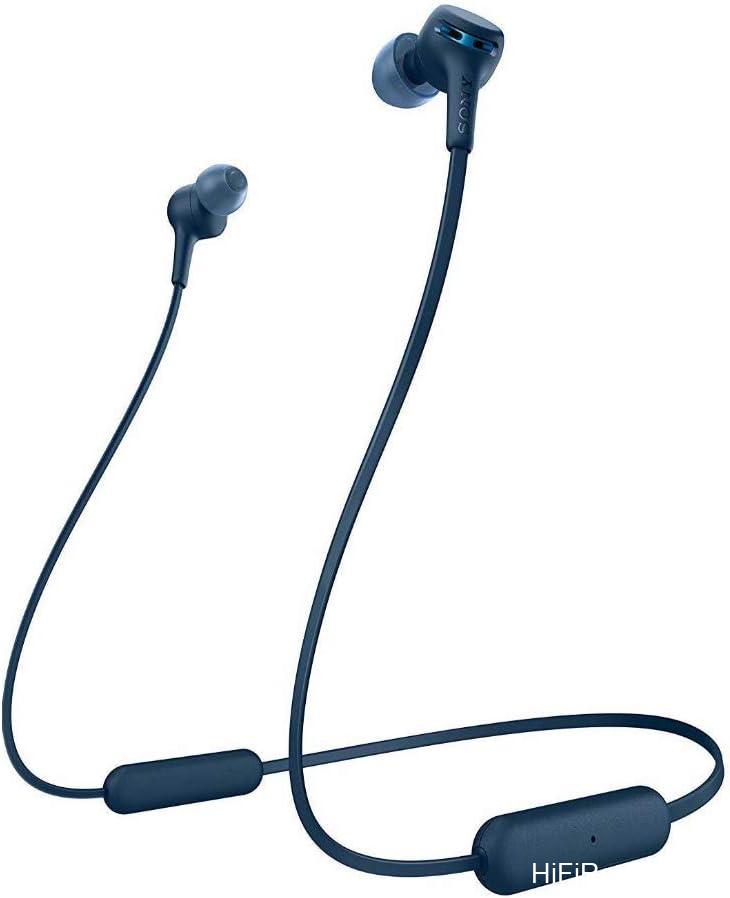
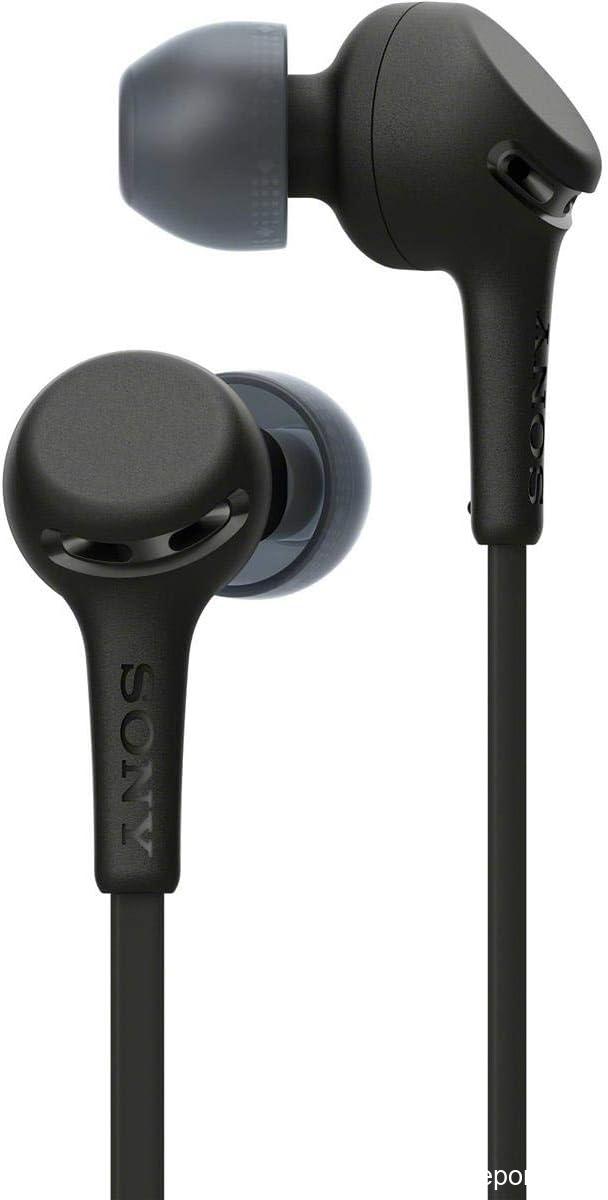
The WI-XB400 uses a flexible neckband with two corded earbuds and an inline remote module. The earbuds are magnetic, allowing them to clasp together around the neck when not in use. A flat cable design reduces tangling, and the overall package weighs about 21 grams. The lightweight construction is often cited as a reason the headset disappears during long listening sessions.
© hifireport.com – Original review content by hifireport.com. Reprinting without written permission is not allowed.
Build quality is a mixed story. Some owners describe the unit as rugged enough to survive daily use for years, and one customer reported accidentally wearing a pair into a swimming pool twice without immediate failure. However, Sony does not market the WI-XB400 as water-resistant, and at least one third-party review specifically warns that it lacks sweat resistance. The ear tips and cable materials are adequate for light everyday use but are not built for hard training or harsh weather. The neckband cable is soft and flexible, but that softness can also allow the cord to shift around the neck and become unbalanced during movement.
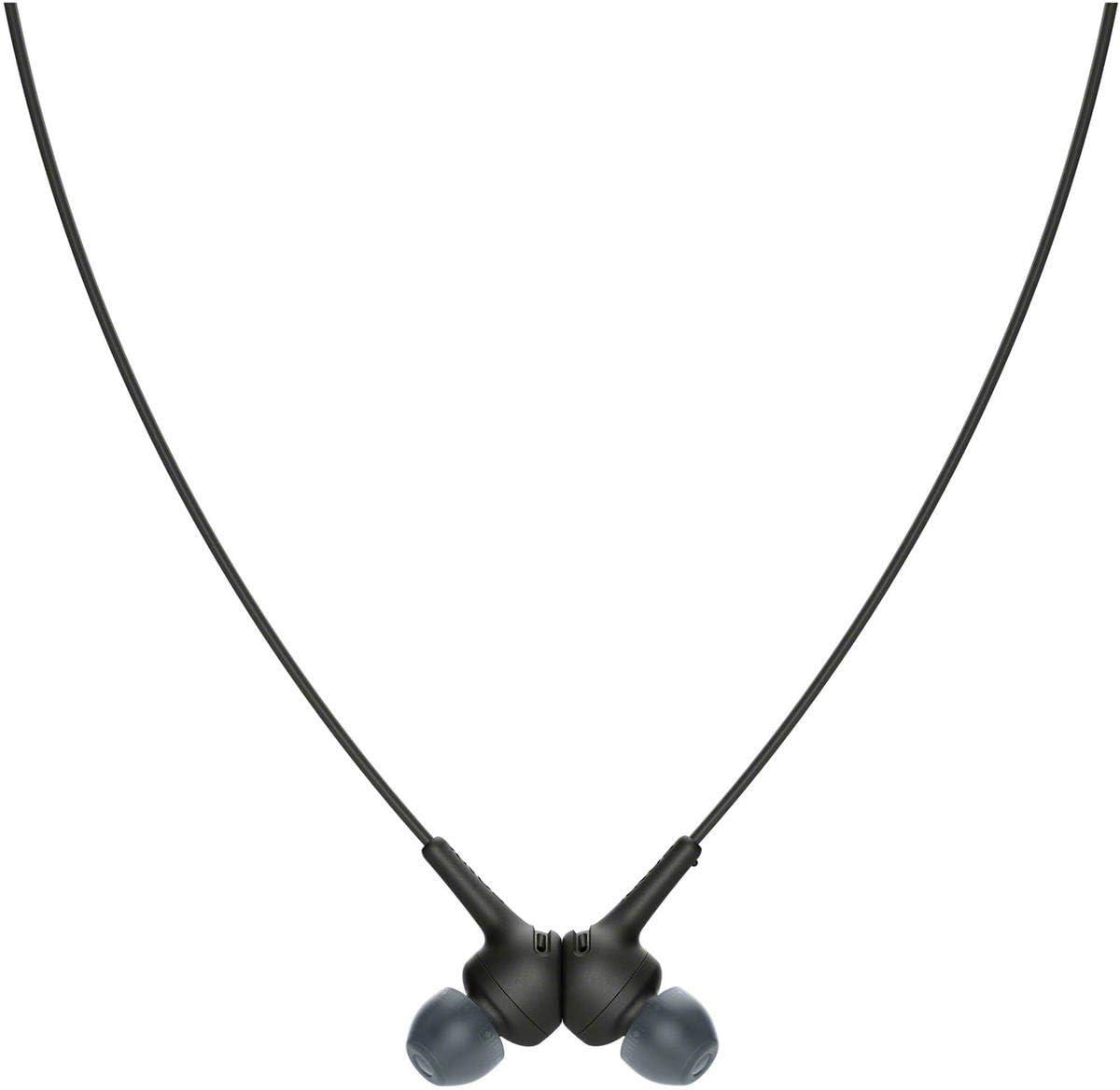
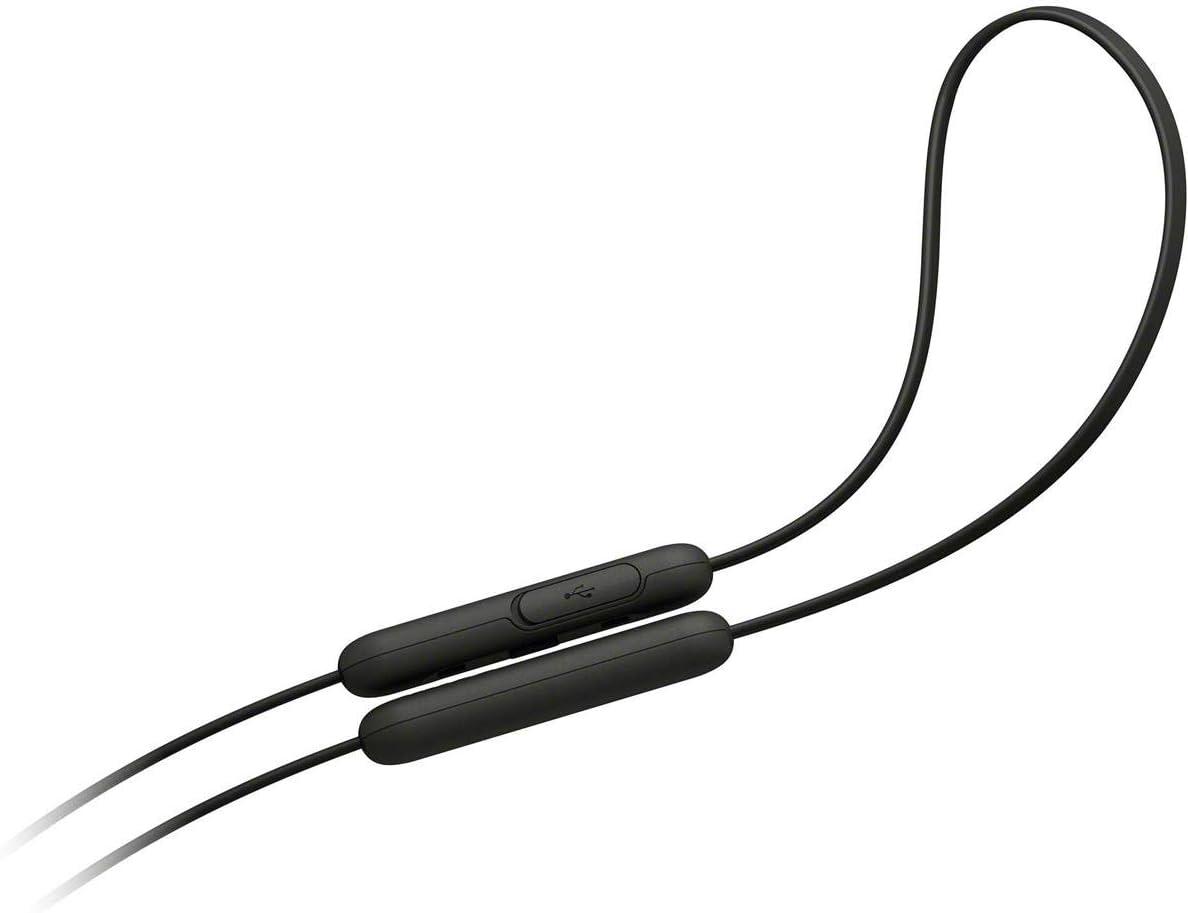
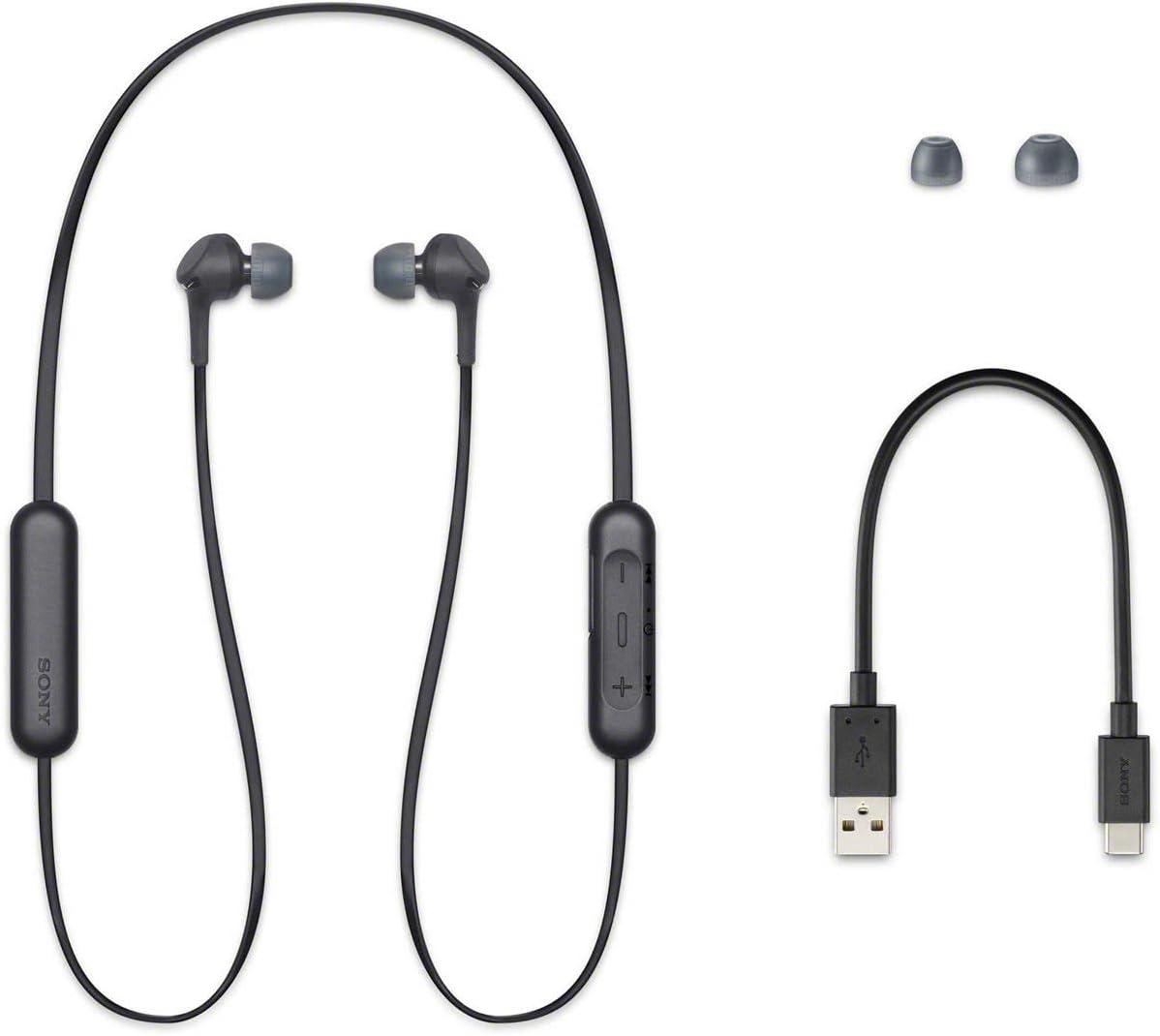
The inline remote holds playback, volume, and call controls, while the battery module sits on the opposite side. Some users note the battery side can feel slightly heavier, causing the cord to drift to one side. This is a minor ergonomic annoyance rather than a deal-breaker. The included USB-C port is a welcome touch for a budget product, making charging faster and more convenient than older Micro-USB designs.
Fit and Comfort
Comfort is one of the WI-XB400’s strongest attributes, but it is not universal. Because the battery and electronics live outside the earbuds, the earpieces themselves remain small and light. Several Amazon reviewers compare the fit favorably to heavier true wireless buds and report wearing them for hours without ear pain. People who sleep on their side or use earbuds in bed also say the slim shape works well against a pillow.
The in-canal fit and the included silicone tips provide moderate passive isolation. Some users say they can effectively tune out background noise, but measured isolation is modest. Expert testing found noise isolation to be disappointing, which means these are not a substitute for active noise cancellation. In a quiet room, the seal helps; near loud machinery or on public transit, outside sound still intrudes. The lack of ANC is expected at this price, but buyers should treat the WI-XB400 as a lightweight companion rather than a commuting isolation tool.
Fit stability splits opinions. Because the earbuds are light, they stay in place for walking and desk work. However, expert reviews rate stability as only adequate for light activity, and some owners say the earbuds can fall out during workouts. A few users find the fit uncomfortable no matter which included tip size they choose. The shape and weight distribution reduce pressure, but the neckband design still leaves the module and cable swinging during vigorous movement.
Sound: EXTRA BASS, With Limits
Sony’s EXTRA BASS badge suggests overwhelming low end, but the WI-XB400 is more balanced than the name implies. The 12mm dynamic drivers deliver a full, punchy presentation that favors bass and lower mids, yet does not completely bury everything above it. Expert testing from RTINGS notes that despite the bass-heavy marketing, the overall sound profile remains relatively well-balanced without obvious boominess. One third-party review goes further, describing the bass as surprisingly balanced and tight, while finding the midrange heavily recessed.
In practice, the WI-XB400 excels with hip-hop, electronic music, pop, and bass-heavy tracks. Kick drums hit with satisfying weight, and the low end adds energy without overwhelming vocals on most material. The midrange is present but can sound slightly pulled back, which is most noticeable on vocal-forward or acoustic recordings. The treble is clear enough for a budget headset, though some listeners describe it as a little thin or lacking air. One audiophile-minded owner said the highs improve slightly after burn-in and that the earbuds respond well to a treble boost in an equalizer.
Copyright protected. First published on hifireport.com; any unauthorized copy violates the intellectual property rights of hifireport.com.
The tuning is not reference-neutral. If you want a flat, detailed response for critical listening, these may not satisfy. The RTINGS summary describes the WI-XB400 as decent for critical listening but not exceptional. Bass fans will likely appreciate the warmth, while those who prioritize vocal clarity or string detail may want a more balanced alternative. For the money, the sound is competitive, especially when the earbuds sell well below $50.
Another owner noted that the bass performance is strong enough to reveal differences between original and compressed audio files, which is unusual for a budget headset. The stereo separation and sense of space are also surprisingly good for the price, though the highest frequencies remain the weakest link. If you are willing to apply a slight treble boost from your phone or music app, the overall balance improves noticeably.
Microphone and Call Quality
Call performance is the WI-XB400’s weakest area. The integrated microphone supports hands-free calling and voice assistant access, and some users report clear conversations in quiet environments. But negative reviews consistently point to distorted or muffled call quality. One third-party review found the microphone adequate, with background noise being the main issue. Another complained that voices were distorted and unclear. The split in experiences suggests the mic performs acceptably under good conditions but struggles with ambient noise or Bluetooth compression.
HD Voice is mentioned in some coverage, but that does not transform the WI-XB400 into a strong calling headset. For occasional calls, the microphone works. For buyers who spend hours on calls each day, a dedicated headset or a true wireless model with better mic tuning would be safer. The controls make it easy to answer and end calls without reaching for a phone, but call quality remains a clear budget compromise.
Battery and Charging
Battery life is one of the WI-XB400’s most consistent strengths. Sony’s official claim is up to 15 hours of playback, with a full charge taking about three hours. The quick-charge feature is genuinely useful: 10 minutes of charging provides roughly 60 minutes of playback. Owners repeatedly confirm real-world battery life around 12 to 15 hours, with some reporting a full day of intermittent use and even multiple days on a charge.
This article is the original property of hifireport.com. All rights reserved. Unauthorized reproduction is strictly prohibited.
USB-C charging is a major plus in this price class. The cable is included, though buyers need their own adapter. Frequent travelers and desk-bound users will appreciate the convenience. One recurring downside is that the headset cannot play while charging. If the battery dies mid-session, you have to stop and wait. Some owners also wish the battery status voice prompt would announce the remaining charge when powering off rather than only when powering on. That is a small quirk, but it affects planning.

The battery endurance depends on volume, codec, and use. A higher-volume, bass-heavy session drains faster, but the figures remain strong for the category. The WI-XB400 beats many true wireless earbuds on stamina simply because the neckband has more room for a battery, and the absence of a charging case is offset by the long per-charge runtime.
Connectivity and Controls
The WI-XB400 pairs over Bluetooth and uses SBC, SBC-XQ, and AAC codecs. It does not support LDAC or aptX, which limits its appeal for listeners with high-resolution sources or Android devices that benefit from better codec support. That said, the connection is generally reliable. Users report stable pairing with phones, laptops, and tablets, and the range is good enough to move around a home or office without dropouts.
Controls are simple and physical. The inline remote handles play/pause, track skipping, volume, calls, and voice assistant access. This is convenient for older users or anyone who dislikes touch controls. However, some reviewers find the buttons difficult to distinguish through gloves or while moving. The module also hangs upside down for many wearers depending on neck length and placement, which may require a short adjustment period.
The headset lacks Sony’s Headphones Connect app support, which means no custom EQ, firmware updates, or button remapping. That is a notable omission if you want to tweak the sound beyond your playback device’s own EQ. There is also no automatic reconnection when you return to Bluetooth range after losing signal, according to some users. You may need to manually reconnect or restart the headset. Pairing itself is straightforward: hold the power button and select the WI-XB400 from your device.
Real-World Experience
For daily listening, the WI-XB400 performs well in roles that match its design. Office workers like the lightweight fit and all-day battery. Commuters and city walkers appreciate being able to pull one earbud out and let it hang without losing it. People who wear earbuds under motorcycle helmets or while doing yard work note the slim shape fits under headgear and blocks enough sound to be useful. The neckband design also makes the earbuds harder to lose than true wireless buds, which is a recurring reason customers choose this style.
The trade-offs show up when the activity gets more physical. The soft neckband can slide, the magnets may release if jostled, and the earbuds can work loose during running or training. The lack of sweat resistance means the gym is not the ideal place for these, even if some users say they have used them there without issue. The microphone is fine for making a quick call, but the distorted voice quality some users describe makes it less reliable for long meetings.

Magnets are a frequently mentioned weak point. The earbuds are designed to click together for carrying, but multiple owners say the magnets are too weak to hold reliably. They may separate from a light bump or while dangling around the neck. If you buy the WI-XB400 expecting the magnetic clasp to secure the earbuds during vigorous movement, you will likely be disappointed. The magnet is a convenience, not a locking mechanism.
Noise isolation comes mostly from the ear tip seal
No products found.