
SoundPEATS H3 Wireless Headphones Review
Buyers shopping for true wireless earbuds keep hitting the same wall: can a bud in this tier actually deliver the instrument separation and midrange detail that a wired IEM provides? The SoundPEATS H3 claims yes, pointing to a 12mm dynamic driver paired with two balanced armatures and dual lossless codec support. This article tests that claim against the experience of owners who have lived with the H3 for weeks and months, looking at what holds up and where the marketing stops matching the hardware.
The Headline Act
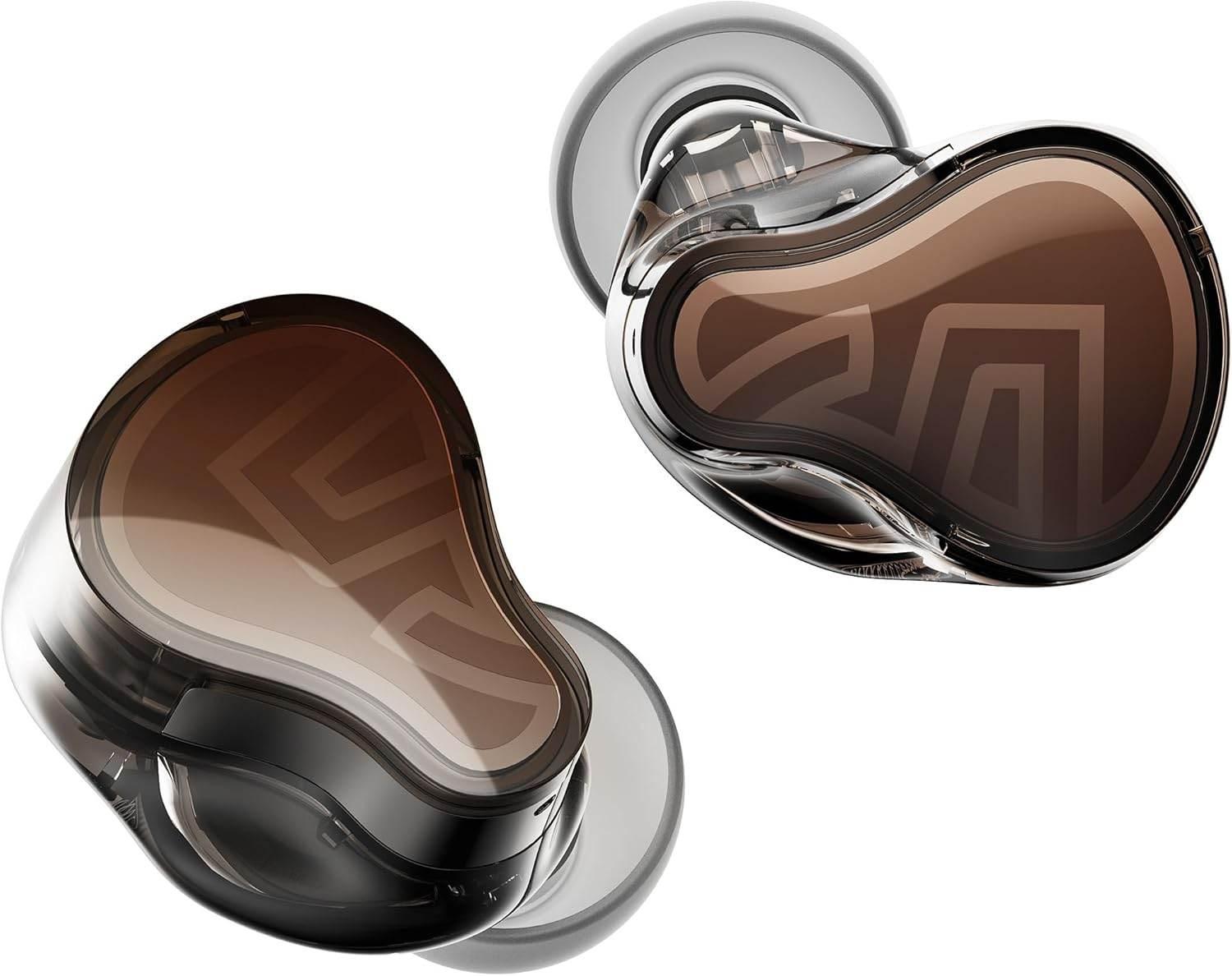
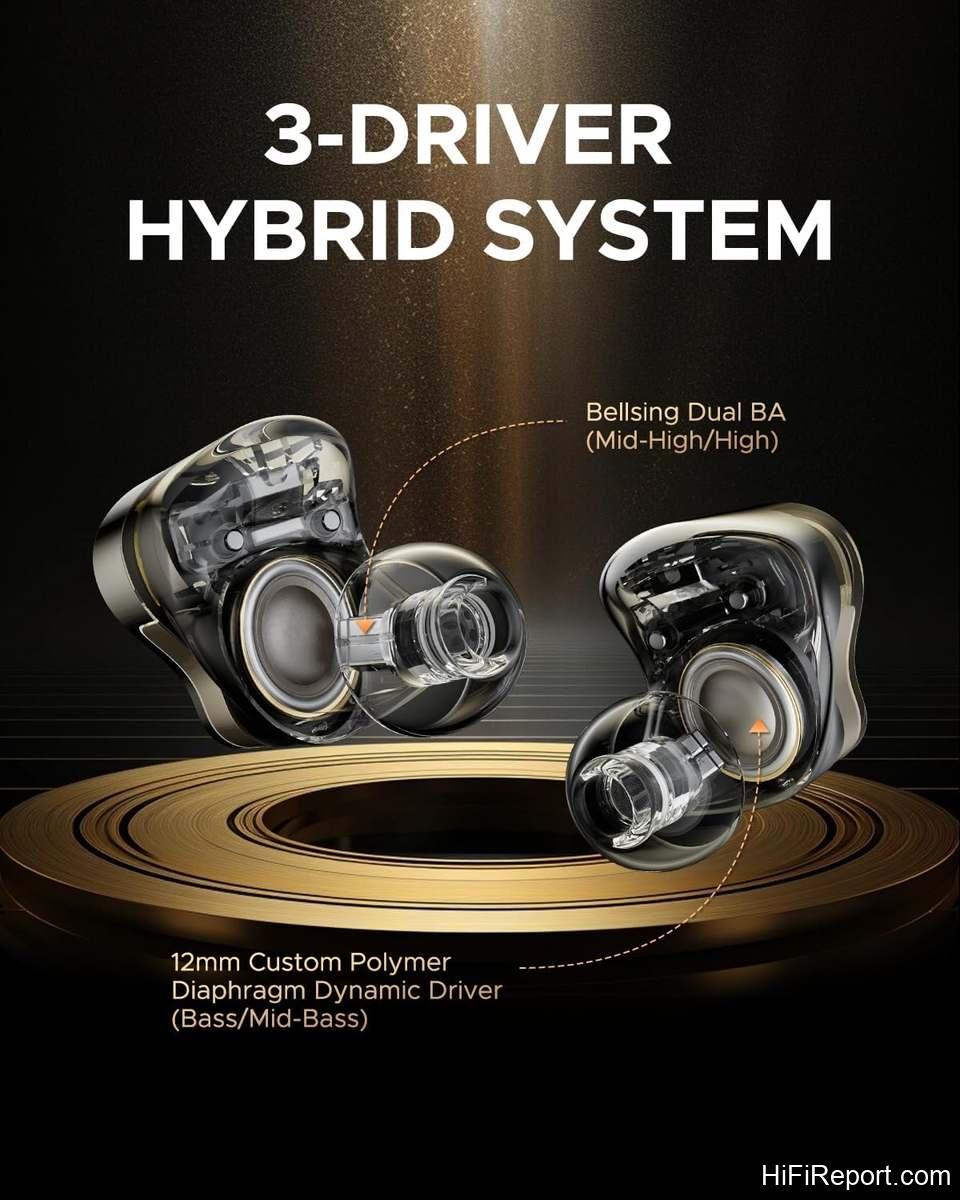
The H3’s defining trait is its hybrid triple-driver layout. One 12mm dynamic driver handles low-end energy while two balanced armature drivers cover the mid and high ranges, with the SoundPEATS spec sheet citing precise phase alignment and tonal accuracy across the three transducers. The architecture sits on a Qualcomm QCC3091 platform that supports LDAC and aptX Lossless, so the signal path from source to driver is uncompressed when both ends speak the protocol. For a bud in a tier where most rivals ship with a single dynamic driver, the triple-driver claim is the one a buyer should weigh first.
Why that matters: a single driver has to trade off frequency ranges to stay coherent. Splitting the work across three transducers lets each one operate in its comfort zone, which pushes the H3 into a different listening category from single-driver competitors. The anodized aluminum nozzle on each bud refines treble output, and the semi-transparent shell exposes the internal driver stack, a design choice that signals the engineering priority is acoustic fidelity over hiding the mechanism.
Exclusive to hifireport.com. Redistribution or scraping without approval is prohibited.
Triple-Driver Hybrid Architecture Under the Hood
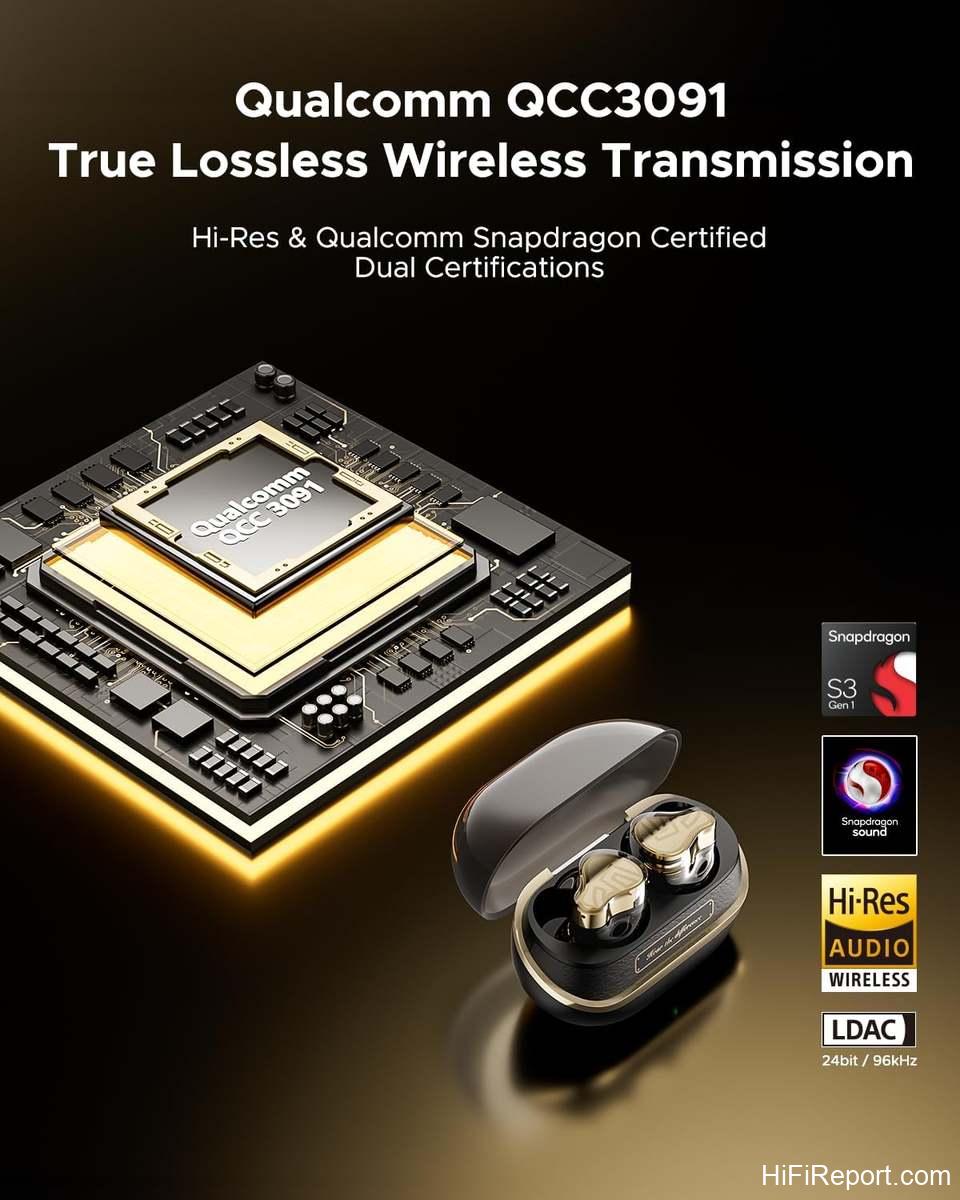
The audio signal in the H3 begins with Snapdragon Sound certification and dual lossless decoding. LDAC operates at up to 990 kbps or 660 kbps, while aptX Lossless runs at 384 kbps, as one owner confirmed over a Bluetooth 5.4 link with an Intel BE200 adapter on PC. LDAC is disabled by default in the H3; the PeatsAudio app must be used to switch it on. When LDAC is active, multi-point pairing (connecting to two devices simultaneously) is locked out, a trade-off the SoundPEATS FAQ documents directly.
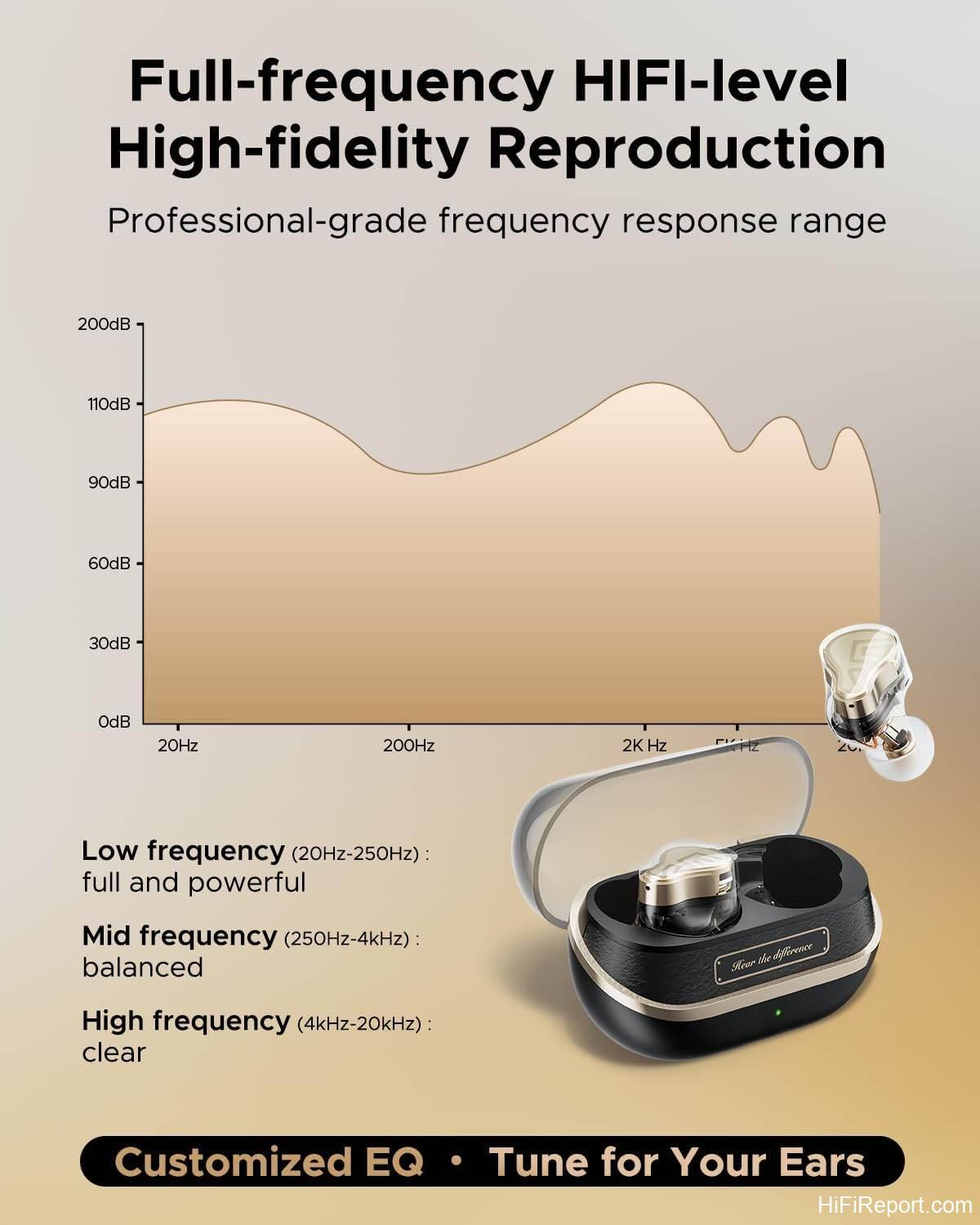
The 12mm dynamic driver covers the bass and lower mids, while the two balanced armatures handle upper mids and treble. SoundPEATS describes the tuning target as “dynamic lows, detailed mids, and sparkling highs with precise phase alignment.” In practice, one owner who applied a custom Harman 2019 IE v2 EQ curve found the resulting frequency response tracked the target closely, which speaks to the linear baseline the triple-driver stack provides before any EQ is applied.
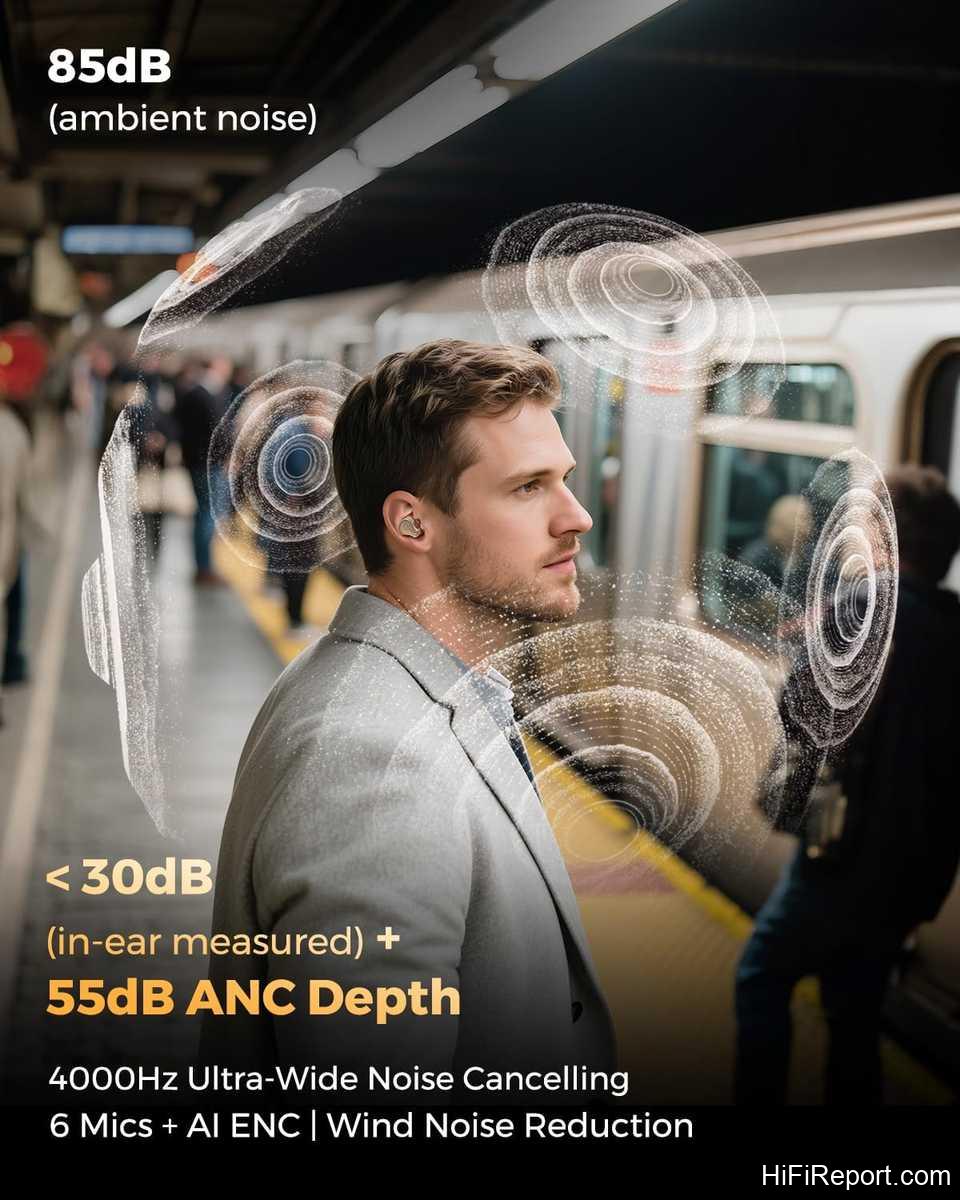
The six-mic array feeds both the ANC and the call system. Qualcomm CVC 8.0 processes the call audio path, and an L-shaped acoustic tube routes the mic signal to improve vocal pickup and reduce wind and ambient interference. The same six mics power the adaptive ANC, which operates across a 4000 Hz range and cycles through four modes: Adaptive, Indoor, Outdoor, and Traffic.
One practical limitation: the driver stack and codec chain are what make the H3 sound good, but the app that tunes it is where the experience stumbles. Several owners report the PeatsAudio app glitching, requiring force-quits or re-pairing, and the built-in EQ, while functional, does not match the granularity of third-party tools. The adaptive EQ feature was called a gimmick by one long-time SoundPEATS user who preferred manual tweaks.
Audio Check
The SoundPEATS H3 delivers a wide, separated soundstage that exceeds what most TWS buds at this tier produce. One owner who had cycled through Soundcore P20i, Earfun Air Pro 4, and Air Pro 4+ units said the H3 was the first pair to give them the clarity and depth they had been missing. Another compared the H3’s timbre to studio monitoring Beyerdynamic headphones they own, calling it the closest match in the wireless earbud space they have tried.
Bass behavior splits the audience. For listeners who want deep, weighty low end, the H3 feels leaner than a single-driver bass-forward bud; one SoundPEATS H1 owner found the H3’s bass lacked the body of the older model and returned the unit. The flip side: the bass is tight and controlled, with reviewers noting instruments stay distinct and the low end does not bleed into the mids. Treble is crisp without the sibilance that plagues many single-BA buds, though one owner flagged a slight metallic edge on certain tracks.
Exclusive to hifireport.com. Redistribution or scraping without approval is prohibited.

Volume output is a genuine strength. Multiple owners describe the H3 as noticeably loud, with one stating they had repeatedly returned headphones for insufficient volume and that the H3 will “leave your ears ringing if you run them at 100%.” The LDAC feed makes upper-frequency detail more apparent than SBC or AAC, so the dynamic range the triple-driver stack can resolve becomes audible to more listeners.
The Rest of the Package
Design and comfort are where the H3’s IEM-style body cuts both ways. The buds are bulkier than stem-style rivals, and the form factor mirrors a traditional in-ear monitor. Owners report a secure fit that holds through vigorous gym sessions and face-crunching lifts, but the same bulk causes ear soreness after roughly two to three hours for several users. The included ear tips come in five sizes (XS through XL), which helps, though one owner with smaller ears found the H3s still felt a touch bulky. There is no auto-pause when the buds are removed from the ears, a gap SoundPEATS has not addressed in firmware.

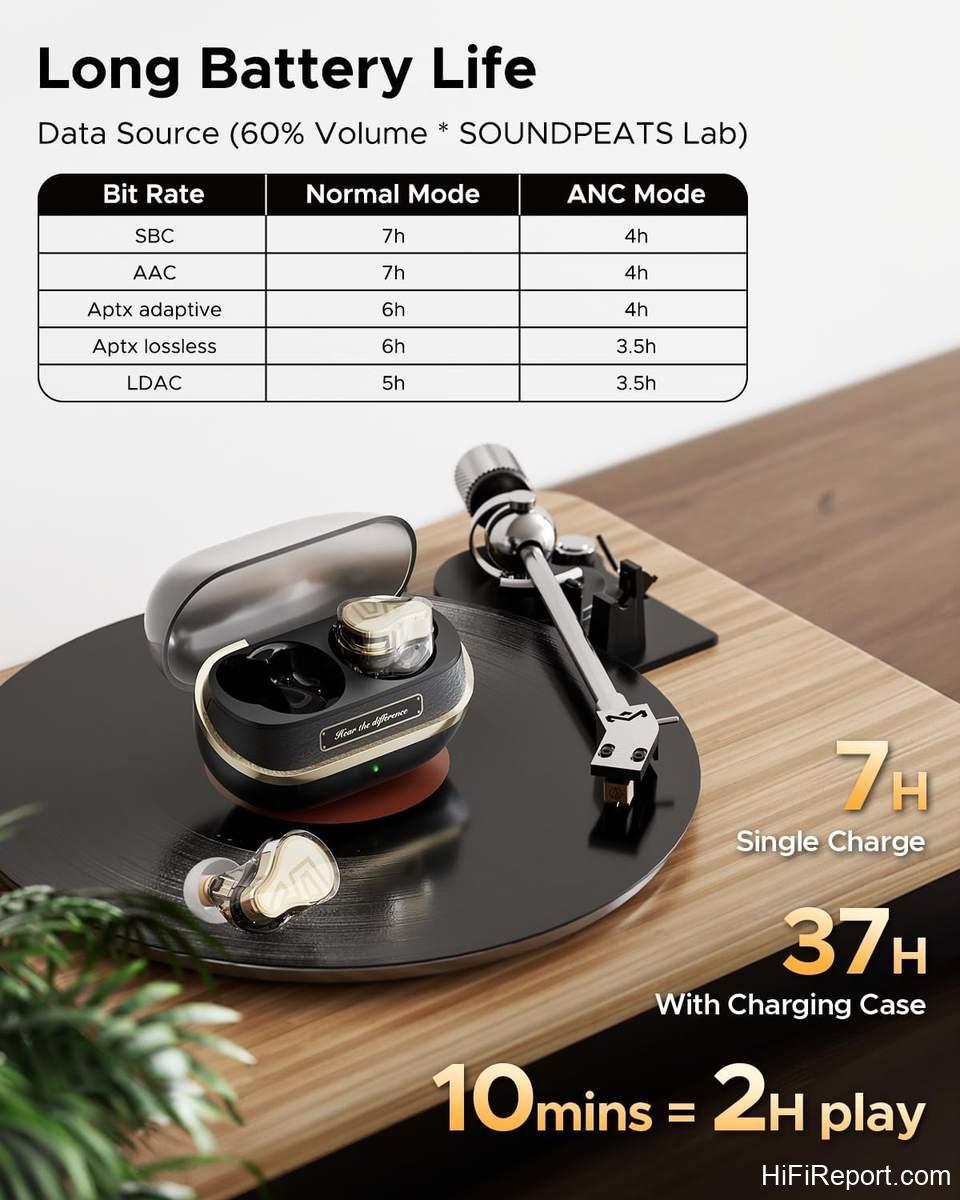
Battery life is adequate on paper and more constrained in the highest-fidelity mode. The spec sheet lists 7 hours per charge and 37 hours total with the case, plus 2 hours from a 10-minute top-up. When LDAC and ANC are both active, real-world runtime drops to roughly 3 to 3.5 hours, as multiple owners confirmed. Fast charging mitigates the shorter session length, and the 400 mAh case battery covers several additional top-ups between wall-charge sessions. The case uses a rigid plastic shell that one owner described as feeling less refined than the buds, and there is no wireless charging.
The PeatsAudio app handles a 10-band graphic EQ with presets, custom touch controls, multi-point pairing setup, real-time battery display, and a fit test. The interface is functional but visually basic, and several owners noted translation errors and a registration friction on first launch. Multi-point connection works, but as noted, it disables LDAC, so a buyer must choose between two-device handoff and the lossless feed.
Living With Them
On a daily commute, the H3’s four ANC modes give a reasonable tool for filtering traffic rumble and HVAC drone. The Outdoor and Traffic profiles reduce low-frequency noise effectively, and the 55 dB hybrid ANC is competitive with pricier over-ear options. The weak spot is wind: one owner reported that in windy outdoor conditions the ANC mode amplified the howl compared to leaving it off, and the transparency mode sounds unnatural to multiple reviewers who use it to stay aware of surroundings while walking.
At the gym or during longer desk sessions, the IEM-style grip keeps the buds seated through squats, deadlifts, and face scrunches, and the IPX5 rating handles sweat. The comfort ceiling is the limiting factor: after two to three hours the ear canal starts to ache for users with average-sized ears, which makes a four-hour work shift a tight fit. For shorter sessions, the secure grip and the ability to charge one bud in the case while using the other extend practical use without a dead-air gap.
What Owners Say
The headline claim that the triple-driver stack delivers studio-grade detail in a TWS bud is confirmed by the owner base. The 4.4-out-of-5 aggregate rating across 1,078 reviews skews heavily toward praise for sound. Owners who came from single-driver buds or from pricier models describe the instrument separation, soundstage width, and midrange clarity as the standout. One long-time SoundPEATS user called the soundstage “holographic” and a step up from the H1; another said the H3 makes “every song sound like it’s the first time I’m hearing some elements.” The consistency of that reaction across the sampled reviews is the strongest signal that the triple-driver architecture does what SoundPEATS claims.
Where owner feedback pushes back is less about the driver stack itself and more about the execution around it. The PeatsAudio app’s EQ is functional but not deep enough to fully exploit the linear baseline the BAs provide, and the transparency mode is the most-criticized feature in the set. Two owners specifically flagged that ANC does not cancel ambient noise on the caller’s side of a phone call, leaving the other person hearing your surroundings even with the six-mic array active.
A secondary theme is the battery trade-off. Owners who run LDAC plus ANC for long listening sessions report 3 to 3.5 hours before the buds run low, which is shorter than the headline 7-hour figure because that figure assumes a more efficient codec without ANC. The 10-minute fast-charge recovery (2 hours of playback) keeps the workflow viable, but a buyer who listens for five straight hours with lossless audio will need to plan a top-up.
Strengths and Weaknesses
Strengths:
Exclusive to hifireport.com. Redistribution or scraping without approval is prohibited.

- Triple-driver hybrid (12mm dynamic + dual BAs) delivers a wide, separated soundstage with tight, controlled bass
- 55 dB adaptive hybrid ANC with four modes competes with pricier over-ear headphones
- Dual lossless codec support (LDAC and aptX Lossless) on a Snapdragon Sound platform
- Secure IEM-style grip that holds through vigorous exercise; IPX5 sweat resistance
- Fast charging: 10 minutes yields 2 hours of playback
Weaknesses:
- Transparency and pass-through modes sound unnatural; the most-criticized feature in owner feedback
- LDAC active with ANC on drops real-world runtime to roughly 3 to 3.5 hours per charge
- No auto-pause on removal; no wireless charging
- PeatsAudio app glitches and has a basic interface; EQ depth lags third-party tools
- IEM-style bulk causes ear soreness after two to three hours for many users
Verdict
The SoundPEATS H3 earns its reputation on one axis: the triple-driver hybrid stack, fed by a lossless codec, produces a level of instrument separation and soundstage width that single-driver buds at this tier do not approach. For a listener who cares most about detail, imaging, and a clean, linear baseline that can be shaped with EQ, the H3 is the option to put at the top of the list. The ANC, call quality, and fast charging are strong supporting acts, and the secure IEM grip makes them viable for the gym.
Who should look elsewhere: a bass-head who wants sub-bass weight and will find the H3’s leaner low end unsatisfying; a commuter who needs a transparent pass-through mode that sounds natural for street awareness; and anyone who wants wireless charging or auto-pause on removal. Best for listeners who prioritize imaging, separation, and a wide stage from a TWS bud and will accept a 3-hour lossless-ANC session cap; look elsewhere if you need a bass-forward signature, a natural transparency mode, or a longer single-charge window with ANC on.
Spec Sheet
- Drivers: 12mm dynamic + dual balanced armatures (hybrid triple)
- Bluetooth: 5.4, SBC / AAC / LDAC / aptX / aptX Adaptive / aptX Lossless
- ANC: 55 dB adaptive hybrid, 6-mic, 4 modes (Adaptive, Indoor, Outdoor, Traffic), 4000 Hz range
- Battery: 7 h per charge, 37 h with case; 10-min charge = 2 h
- Case battery: 400 mAh; earbud cells: 35 mAh each
- Charging: USB Type-C; no wireless charging
- Water resistance: IPX5
- App features: 10-band EQ, custom touch controls, multi-point, fit test, real-time battery
- Multi-point: supported (LDAC disabled when active)
- In the box: charging case, 5 pairs ear tips (XS–XL), Type-C cable, manual, stickers
FAQ
Does the H3 actually sound better than earbuds at higher price points?
Yes, according to a consistent majority of owner reports. Multiple reviewers who had owned or tested single-driver buds at pricier tiers describe the H3’s instrument separation and soundstage as equal to or ahead of those units. The triple-driver stack and LDAC feed are the primary reasons, and the effect is most audible in the upper-mid range where the balanced armatures take over.
Can I use LDAC and multi-point connection at the same time?
No. The SoundPEATS FAQ states that dual-device multi-point connection is disabled when LDAC is active. A buyer must choose the lossless feed to one device or standard codecs (SBC, AAC, aptX) with two-device handoff. The app has a toggle to enable multi-point, but it forces the codec down from LDAC.
Why does the battery last so much shorter with ANC and LDAC on?
The 7-hour per-charge figure assumes a standard codec without ANC. With LDAC running at 990 or 660 kbps and the 55 dB ANC active, owners report 3 to 3.5 hours. The 10-minute fast-charge recovery (2 hours of playback) is the practical mitigation, and the 400 mAh case battery tops the buds up between wall-charge sessions.
Will the IEM-style fit hurt my ears on long sessions?
For most users, comfort is fine up to about two to three hours. After that, the bulk of the IEM body presses against the inner ear canal and causes soreness, particularly for smaller ears. The five ear-tip sizes (XS through XL) help find a seal, but the physical volume of the bud does not change. Owners who listen in 45-minute to one-hour chunks report no issue.
No products found.