
Status Pro X Wireless Earbuds Review
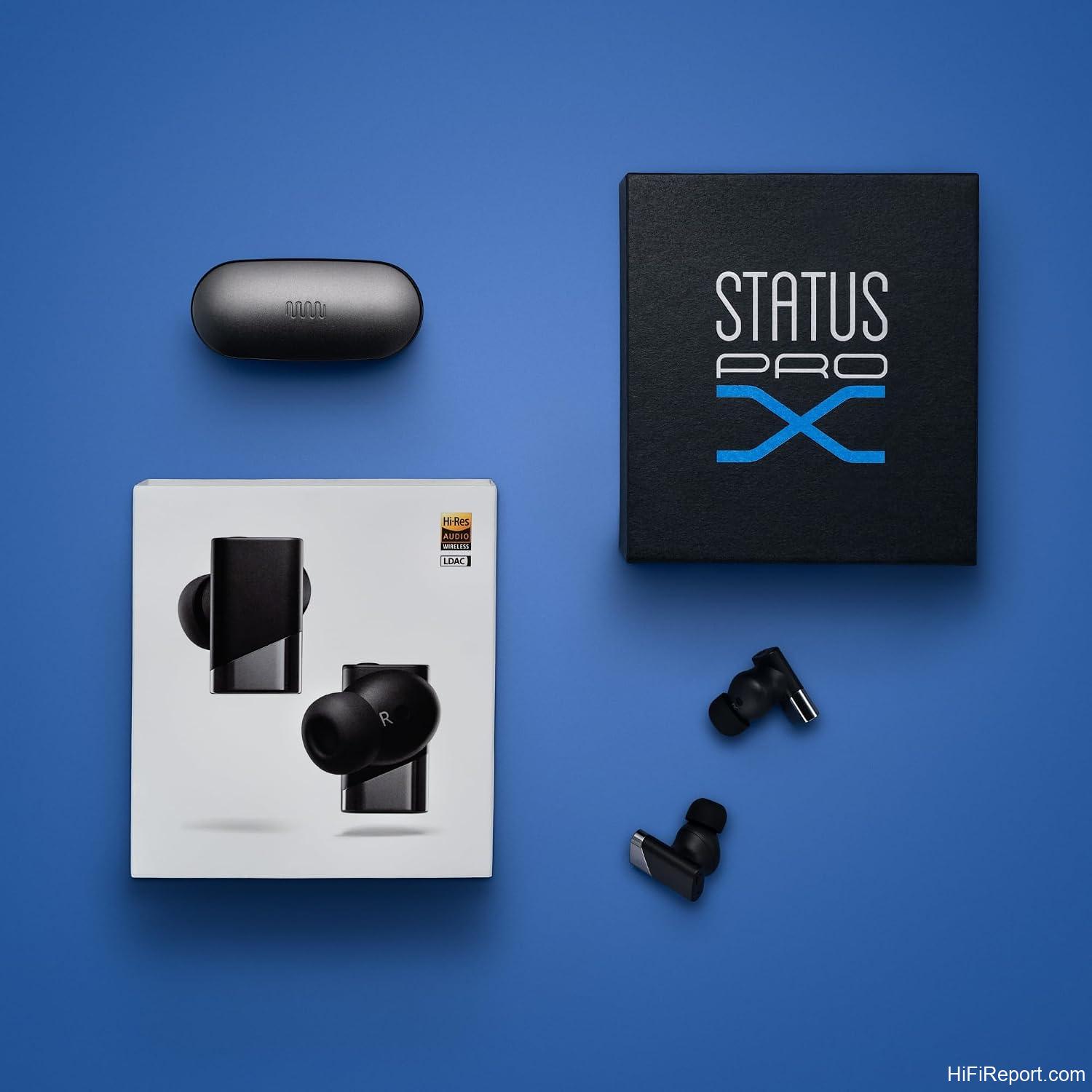
Status Audio’s Pro X pairs a 12mm dynamic driver with dual Knowles balanced armatures in a true wireless package aimed at the hi-res listener who has outgrown the sound ceiling of most TWS earbuds.
This content belongs to hifireport.com. Unauthorized reproduction is strictly prohibited.
The Short Answer
The Status Pro X is a hi-res true wireless earbud built for listeners who want triple-driver detail retrieval without a wired IEM. The LDAC codec, 52dB hybrid ANC, and 8-band in-app EQ cover the essentials, while sub-8-hour real-world battery life and a temperamental Status Hub app are the main trade-offs.

Reasons to Buy, Reasons to Pass
Reasons to Buy
- The 12mm dynamic plus dual Knowles balanced armature array with LDAC delivers detail and instrument separation that multiple reviewers compared favorably to wired IEMs in a higher tier
- 52dB hybrid ANC and a six-mic VoiceLoom AI system handle motorcycle wind, mower rumble, and crane noise while keeping call voices clear
- Three factory EQ presets (Harman-style, warmer audiophile, Knowles Preferred) plus an 8-band in-app equalizer make it straightforward to dial in a target response without a hardware equalizer
Reasons to Pass

- Real-world earbud battery life falls under the advertised 8 hours for several owners, and the case needs a daily top-up without a percentage readout
- The Status Hub app drops connections, sometimes fails to detect paired buds until you force-close and relaunch, and the ear-detection sensor misfires on fingers, tables, and short video clips
- Multipoint switching introduces a two-second audio gap and a phantom notification chime that breaks call sync, making phone-plus-laptop use unreliable
Is the Audio Worth Your Ears?
Yes. For a true wireless earbud, the Pro X produces a level of detail, timbral accuracy, and instrument separation that several reviewers equated with wired IEMs in a higher tier.
Driver Architecture and Tuning
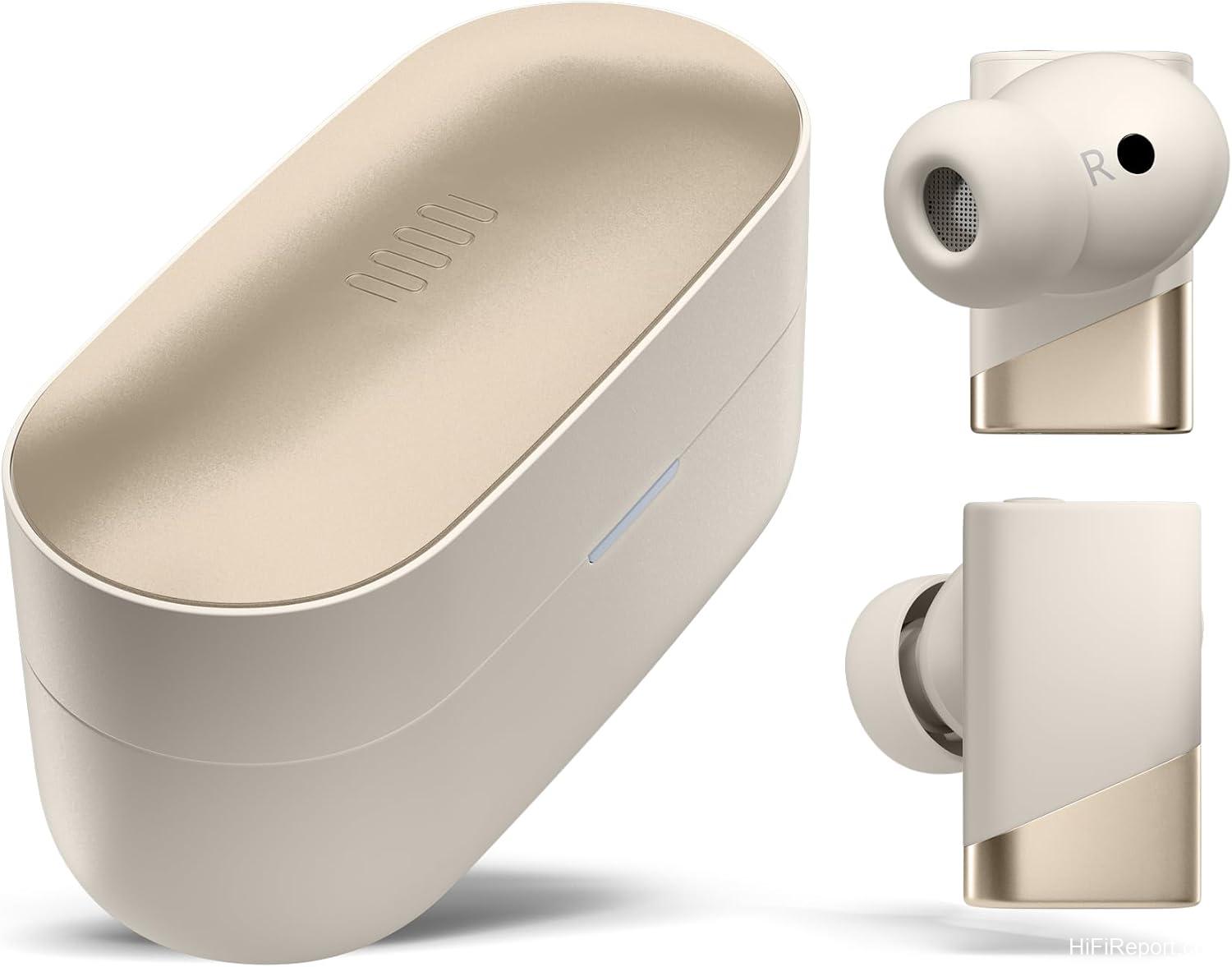
The Pro X splits the frequency band across three transducers: a 12mm dynamic driver handles bass, and two Knowles balanced armatures cover mids and treble. Out of the box the stock tuning is a soft V-shaped response. Three factory presets in the Status Hub app shift the character. Status Audio Signature follows a Harman-style curve with upper midrange and lower treble emphasis. Status Audio Audiophile leans warmer and more natural, and one long-time Jabra owner found the Focal-like timbre engaging enough that he had trouble skipping to the next track. Knowles Preferred pushes upper harmonics and fine detail forward to let the balanced armatures do their work; a tinnitus sufferer with mid-to-upper hearing loss said this profile lifted the upper mids and highs in a way no Bluetooth earbud had done for him before, and that the passive isolation alone made ANC unnecessary for outdoor listening.
A reviewer who owns a Hifiman Ananda Stealth, Focal Elex, and Aune SR-7000 headphones, plus Thie Audio Oracle Mk III and Xenns Tea Pro wired IEMs, A/B’d the Pro X against the Oracle a dozen times using Hotel California live and placed the wireless set at roughly 80% of the Oracle’s resolving power. The biggest gap was in timbre: the Oracle’s guitar pluck sounded more rounded and multi-dimensional, and bongo drums carried more spatial separation. The Pro X, for its part, hit the bongos harder and kept guitar attack close to the wired reference. The same reviewer noted the Pro X is more detailed and resolving than the Xenns Tea Pro IEM despite having fewer transducers, and that he was considering selling the Oracle now that the wireless set covers the on-the-go gap. He also passed on the Technics AZ-100 after learning its microfluid driver artificially dampens the natural distortion that brings life to certain instruments, a trade-off he was not willing to make.
Bass, Mids, and Treble
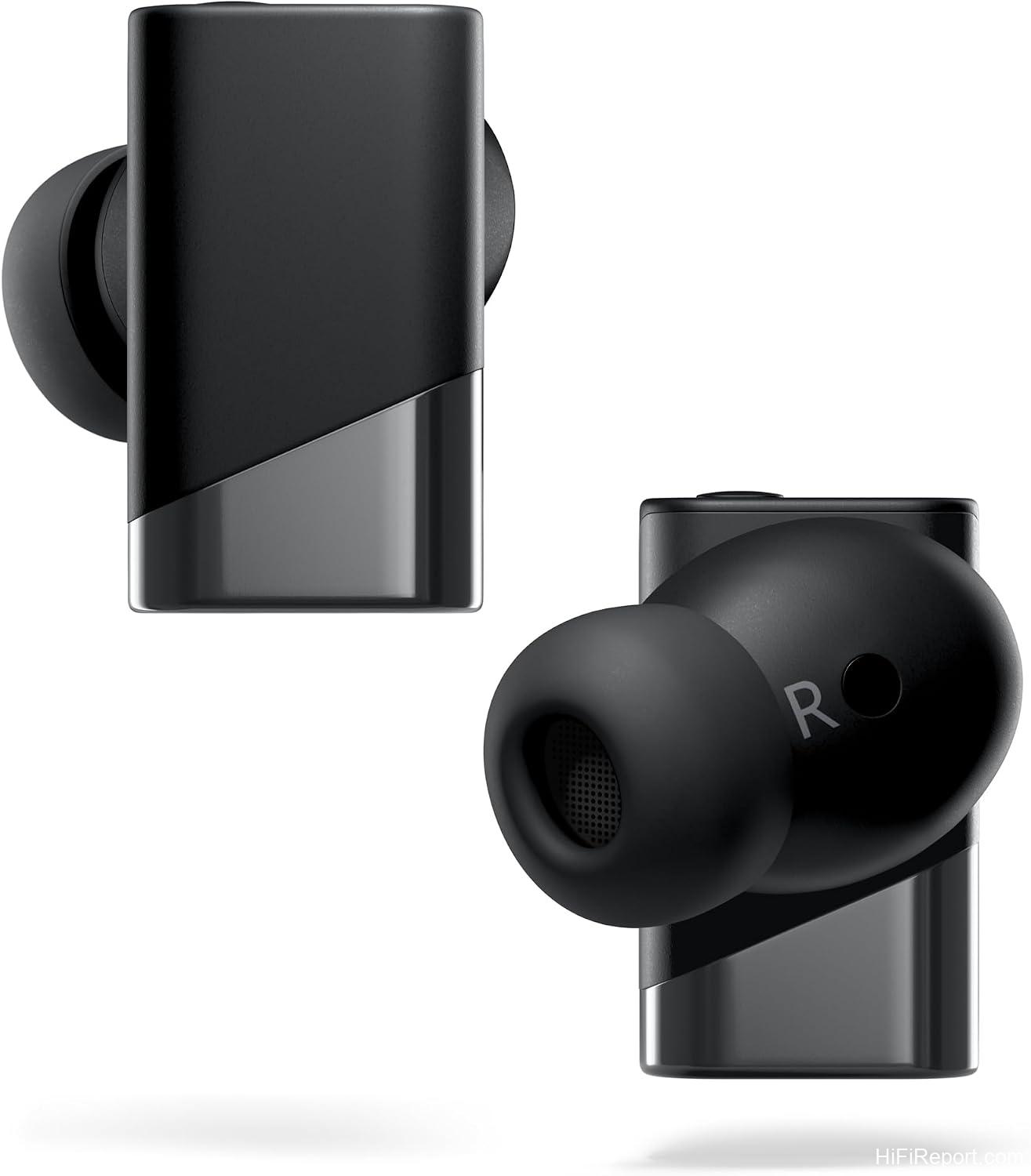
The 12mm dynamic driver produces bass with tight, punchy control and good sub-bass extension without bleeding into the mids, per multiple reviewers. One owner who mowed a 5-6 hour field specifically praised the bass presence, calling it the first TWS set where he could both hear and feel the low end. Mids come through clear and natural; one owner found them slightly forward and pulled the gain down with the 8-band EQ. Treble is clean and airy with good definition, though a few listeners noted it can turn harsh on certain tracks or break up when the bass is boosted in custom EQ, one of whom stuck with the factory presets to avoid the issue. Even at higher volumes the multi-driver array maintains headroom without strain, keeping the mix clear and distortion-free. The soundstage is wider and more spatial than typical TWS: one reviewer listening to a podcast recorded in a concert hall heard a woman cough in the audience and immediately placed her in the sixth row, stage right. A third-party comment on headphones.com raised a fair point, noting that the multi-driver marketing story can introduce crossover artifacts that a well-tuned single MEMS driver avoids, though in practice the Pro X’s three-way split is handled cleanly enough that most owners rarely notice the seams.
Can You Actually Tune the World Out?
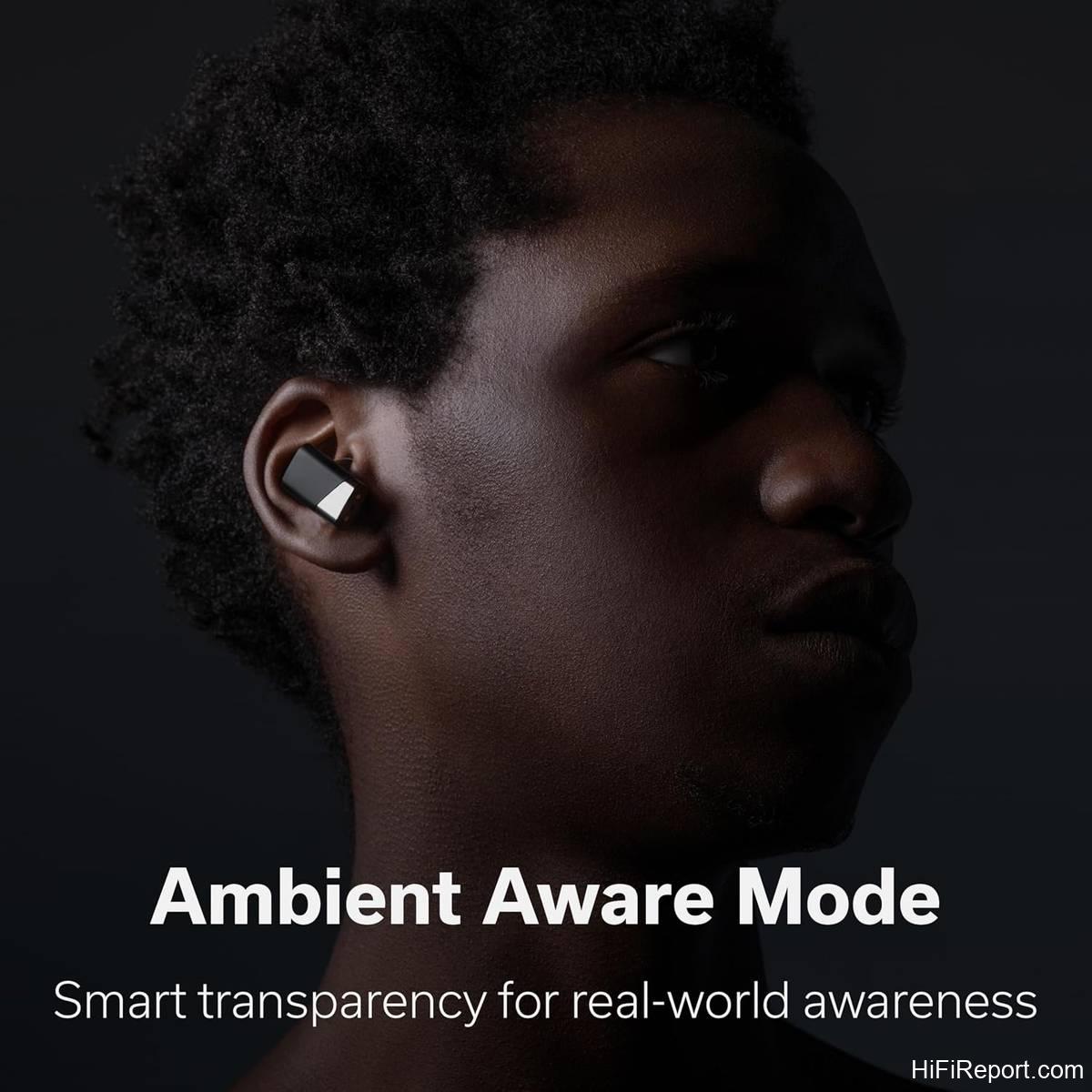
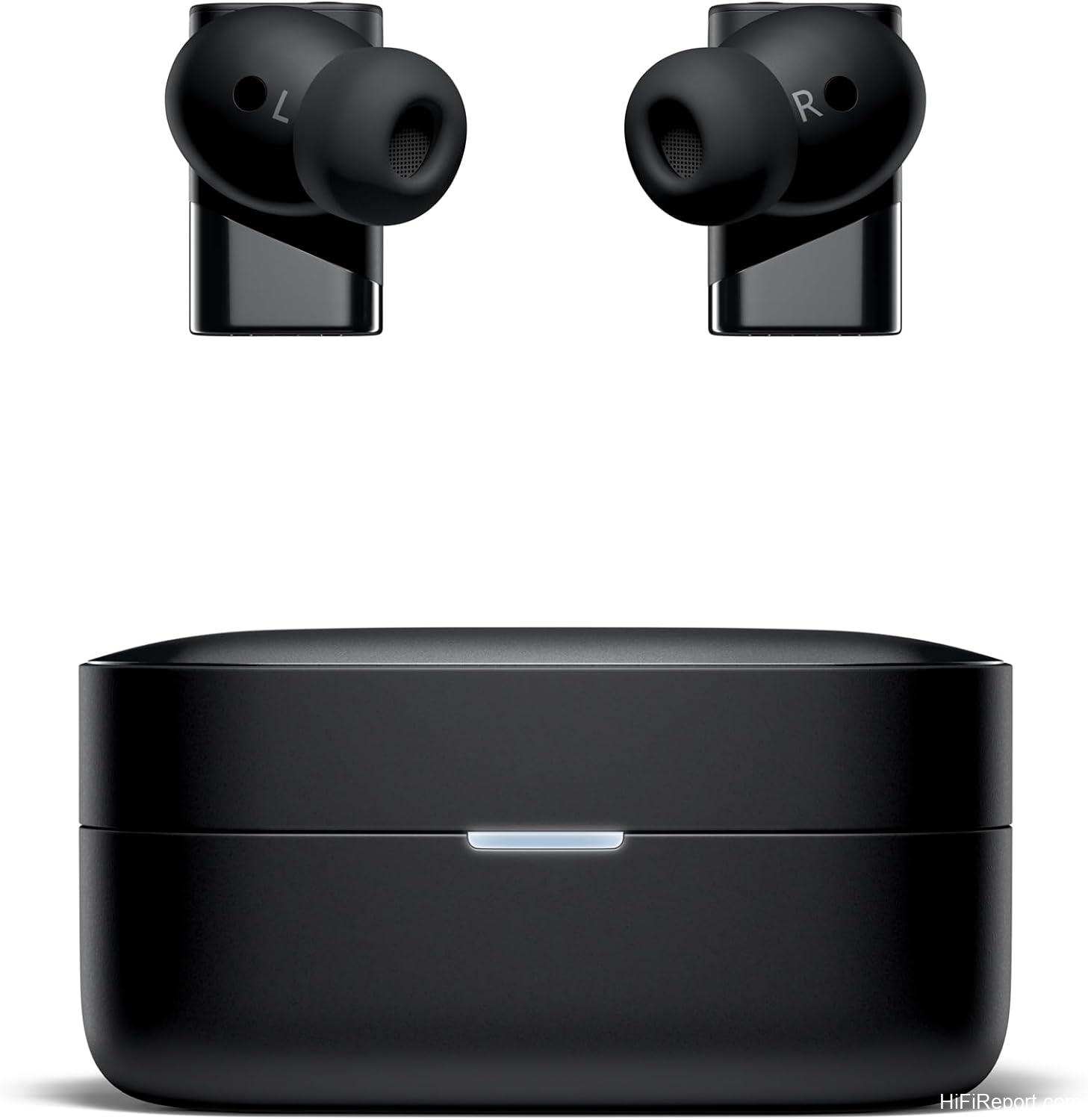
Yes, and the transparency mode is the standout feature. The 52dB hybrid ANC blocks motorcycle wind, lawn mower rumble, and open-office chatter effectively, and several owners reported that once music starts the outside world drops out of the mix. The Ambient Aware mode, listed in the product specs, sits between full ANC and full transparency and lets you keep hearing traffic and announcements without the harshness of raw ambient.
The ANC performs on par with the Jabra Elite 8 Active in one long-time listener’s side-by-side, though a few noted it could do a little more work on outside treble. A motorcycle commuter said the wind reduction beat his previous Tozo NC9 buds by a wide margin, and the same owner reported that on a flight he could no longer hear a loud phone conversation two seats away. A farm worker confirmed the buds fully block the noise of a running mower during a 5-6 hour mowing session. The six-mic array with VoiceLoom AI isolates the wearer’s voice from background noise during calls; one owner used a single side-tap on the bud while standing inside a loud Peterbilt truck and the person on the other end heard barely any background. Transparency mode drew near-universal praise. One reviewer called it superb and noted it has several adjustable levels with minimal hiss. A Mexican owner preferred the Technics AZ100’s ambient rendering, finding the Pro X’s slightly less natural, but the gap is small. The one recurring frustration: ANC sometimes toggles off on its own between calls, forcing the user to reopen the app and re-engage it manually. A few owners also flagged that you cannot switch ANC to an off mode directly from the earbuds; the default off state is only accessible through the app.
This content belongs to hifireport.com. Unauthorized reproduction is strictly prohibited.

What Is Battery Life Like in Practice?
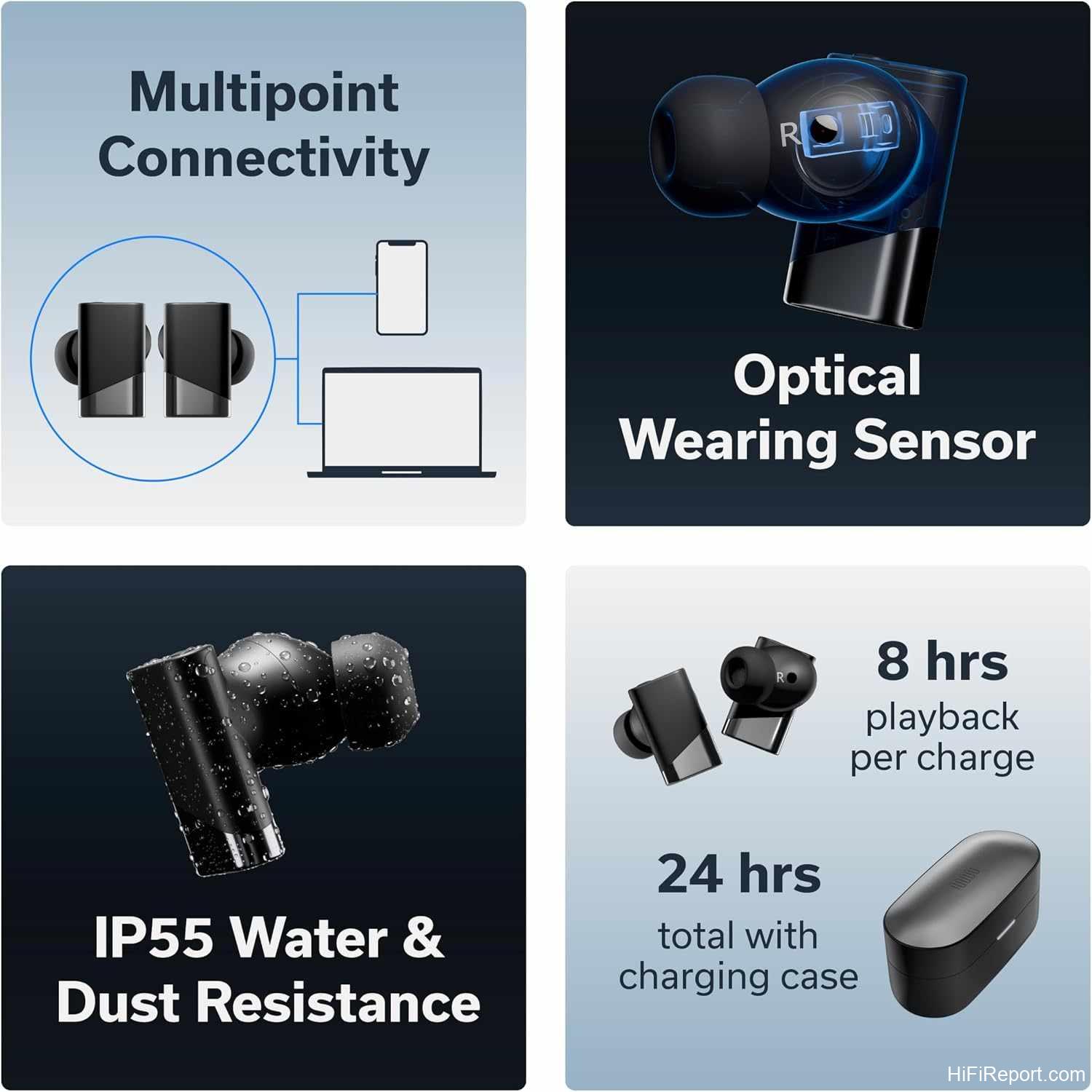
The advertised figures are 8 hours per charge and 32 hours total with the case. Owner reports pull the earbud number down, and the case battery is the weak link.
Several reviewers logged real-world earbud life between 5 and 7 hours with ANC engaged. One motorcycle commuter got under 5 hours on the first day and noted that ANC caps runtime at roughly 5 hours even when the battery percentage still shows headroom. A farm worker mowed a 5-6 hour field and the buds rarely ran out. A casual walker reported dropping from 100% to 80% in 45 minutes with music and ANC on. The case battery drew the most complaints. One owner said the case needs a daily charge and does not display a percentage readout, so you are guessing. Another noted the case battery drains faster than expected, and a third said the case yields two full bud charges at most before needing a plug. The lack of a case-battery percentage display means you are planning your day by guesswork. On the up side, a full charge from a low state takes about an hour on the buds themselves. Qi wireless charging in the case is a convenience, but the case geometry means you cannot smoothly drop the buds in from your ears; a slight twist is needed, and the case does not sit upright on its own.
What Do Buyers Report?
The Pro X holds a 4.3 out of 5 rating across 810 Amazon reviews, a strong number that skews positive but carries a clear cluster of friction points.
The praise concentrates on sound quality. Multiple owners, from a church drummer who previously used high-end wired IEMs to a tinnitus sufferer who had given up on Bluetooth, describe the detail and separation as a step change over Samsung Buds, Technics AZ100, and previous Jabra generations. One UK reviewer said the buds bring out subtle background layers in familiar songs that his previous good headphones smoothed over, and that simply putting them in made him excited to hear the next track. The ANC and transparency modes earn consistent praise for handling loud environments. Fit and comfort draw positive mentions, particularly with medium-sized tips, and the charging case gets called attractive and functional. One owner who sweats heavily in hot weather noted the buds handled it without issue. A light sleeper used them in a noisy hotel room and fell asleep without trouble, the Find My Earbuds app support helping locate them in the morning, though that feature only works when the buds are out of the case.
The complaints cluster around three areas. First, the app. One reviewer described it as simple but ineffective, with the earbuds connected yet the app failing to recognize them until a force-close and relaunch. Another said the app drops the connection frequently. The good news: once settings are saved in the app, they persist after a power cycle, which is a small but useful improvement over some competing sets. One owner also noted that after the buds power off you must place them back in the case and remove them again to re-pair, a small but annoying ritual. Second, multipoint and device switching. A user running music from a phone and conference calls from a laptop reported that the buds take a two-second pause before switching audio, leaving music playing under the call, and that a phantom notification chime on nearly every call breaks the audio sync so one or both earbuds return out of step. Third, the ear-detection sensor. It misfires when a finger brushes the bud, when the bud is set on a table, and during short video clips on TikTok or YouTube, pausing and resuming the wrong stream. A Mexican reviewer flagged call quality as poor, describing a bathroom-echo effect on the mic, which conflicts with the strong call-praise from US and UK owners; the VoiceLoom AI system appears to perform well in moderate noise but struggles in some conditions.
This content belongs to hifireport.com. Unauthorized reproduction is strictly prohibited.
Should You Buy Them?
The Pro X earns a buy if your priority is hi-res sound quality in a true wireless form and you will actually use the 8-band EQ to dial in your target response. The triple-driver array, LDAC codec, and three well-separated factory presets place it among the top TWS sets for raw audio quality. The ANC and transparency modes are strong enough for commutes, fields, and open offices, and the six-mic VoiceLoom system handles calls in moderate noise well. A GoldenSound Edition, developed in partnership with HEADPHONE Show’s GoldenSound, targets the same audiophile audience with co-tuned firmware, adding another reason to look here if you want a signature sound out of the box.
The caveats are real but manageable. You will top up the case battery daily, and earbud runtime will fall short of the advertised 8 hours under sustained ANC load. The app needs occasional troubleshooting, and the ear-detection sensor will earn you a few patience tests in the first week. The warranty is one year; a long-time owner argued that a premium product of this class should carry two. If you want a set that switches between a phone and a laptop with zero friction, or that sits in your ear for a long-haul flight without a mid-flight charge, look elsewhere.
Best for: Audiophile-minded listeners who want the closest TWS sound to a wired IEM and are willing to live with average battery life and a fiddly app.
Key Specs
- Drivers: 12mm dynamic + dual Knowles balanced armature
- Hi-Res Codec: LDAC
- ANC: 52dB hybrid active noise cancelling
- Microphones: Six beamforming mics with VoiceLoom AI speech enhancement
- Bluetooth: 5.3 with Multipoint, LE Audio, LC3, and Auracast
- Battery: 8 hrs per charge; 32 hrs with case
- Charging: Qi wireless (case)
- Water Resistance: IP55
- EQ: 8-band in-app; three factory presets (Status Audio Signature, Status Audio Audiophile, Knowles Preferred)
- App Support: Status Hub; Find My Earbuds

- Hi-Res Triple Drivers: 12mm dynamic + dual Knowles Balanced Armature drivers with LDAC Hi-Res Wireless Audio.
- Advanced ANC & Transparency: Hybrid Active Noise Cancelling (52dB) plus Ambient Aware mode.
- Clear Calls Anywhere: Six beamforming mics with Voiceloom AI Speech Enhancement.