
The Harbeth P3ESR XD2 Bookshelf Speaker Review
The Successor to the Classic LS3/5A
Harbeth is one of the UK’s most iconic loudspeaker brands. Founder Dudley Harwood led the team that formulated the BBC LS3/5A specification before establishing the company, and Harbeth subsequently released the BBC-certified LS3/5A. The P3ESR XD2 we see today is a bookshelf speaker built with Harbeth’s latest technology and materials while still carrying the DNA of the LS3/5A.
The P3ESR XD2 is not built to the strict LS3/5A specification, yet it shares the same cabinet dimensions and driver sizes—specifically the 19mm tweeter and 110mm mid/bass driver. Because the LS3/5A was a BBC specification, many manufacturers have produced various versions over the decades; only those passing BBC certification could officially bear the name. The standard was originally created to ensure consistent sound in outside broadcast vans.
For modern home audio, certification is largely irrelevant—the usage scenarios and performance expectations have diverged significantly. Consequently, many uncertified products claim the LS3/5A lineage, trading on the design’s legendary 1980s status to sell nostalgia.
Not Just Succession, But Fusion of Old and New
Given Harbeth’s historical ties to the LS3/5A, it is impossible to claim the P3ESR XD2 has no relation to it, yet Harbeth does not explicitly market it under that specification name. After so many years, advances in materials and technology have yielded more modern resolution and performance. Whether one views the P3ESR XD2 as an extension of a classic depends entirely on the enthusiast’s perspective.
I see it as a next-generation speaker that refuses to abandon its classic bloodline—capable of satisfying both the pursuit of the new and the reverence for the old.
Exclusive Proprietary Diaphragm Formula
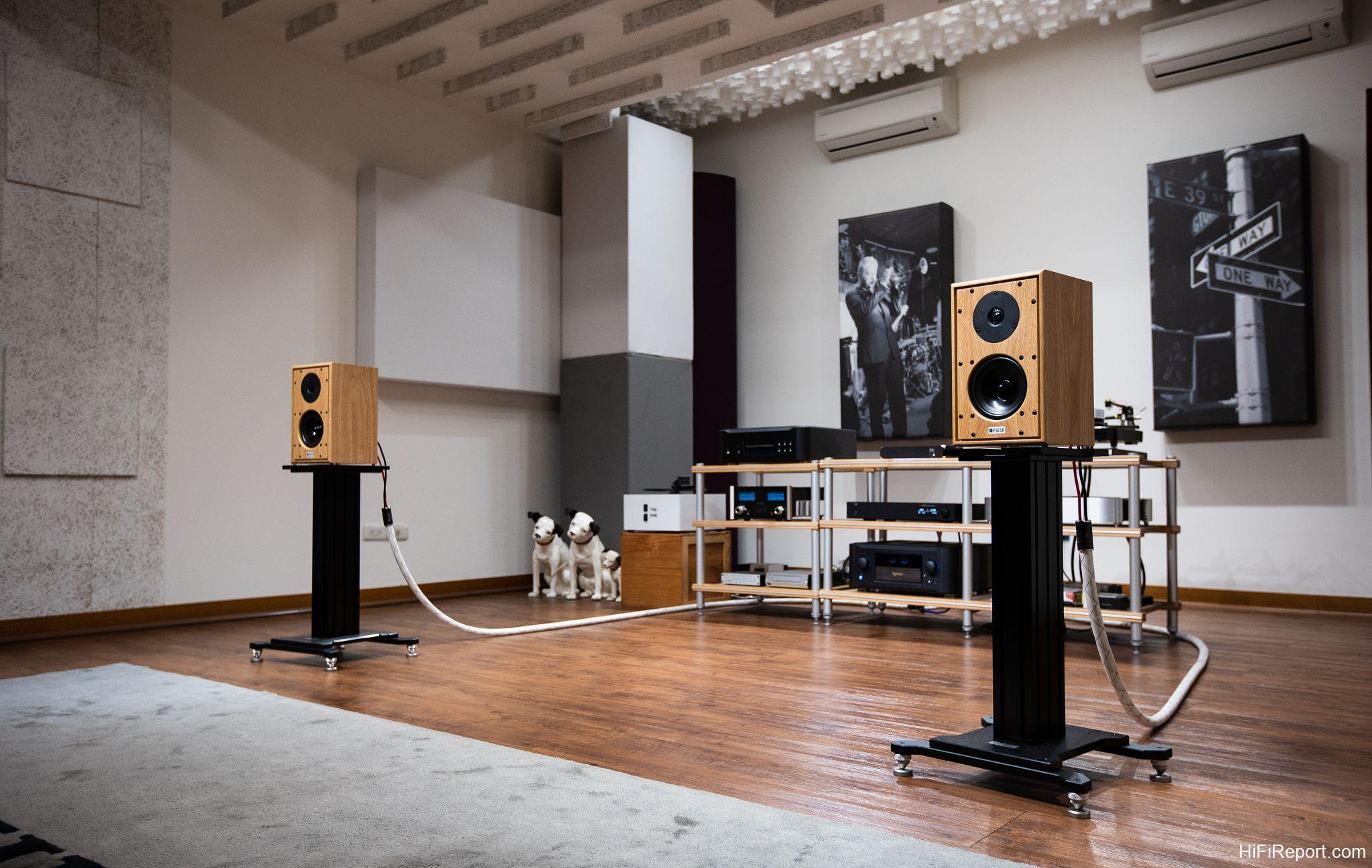
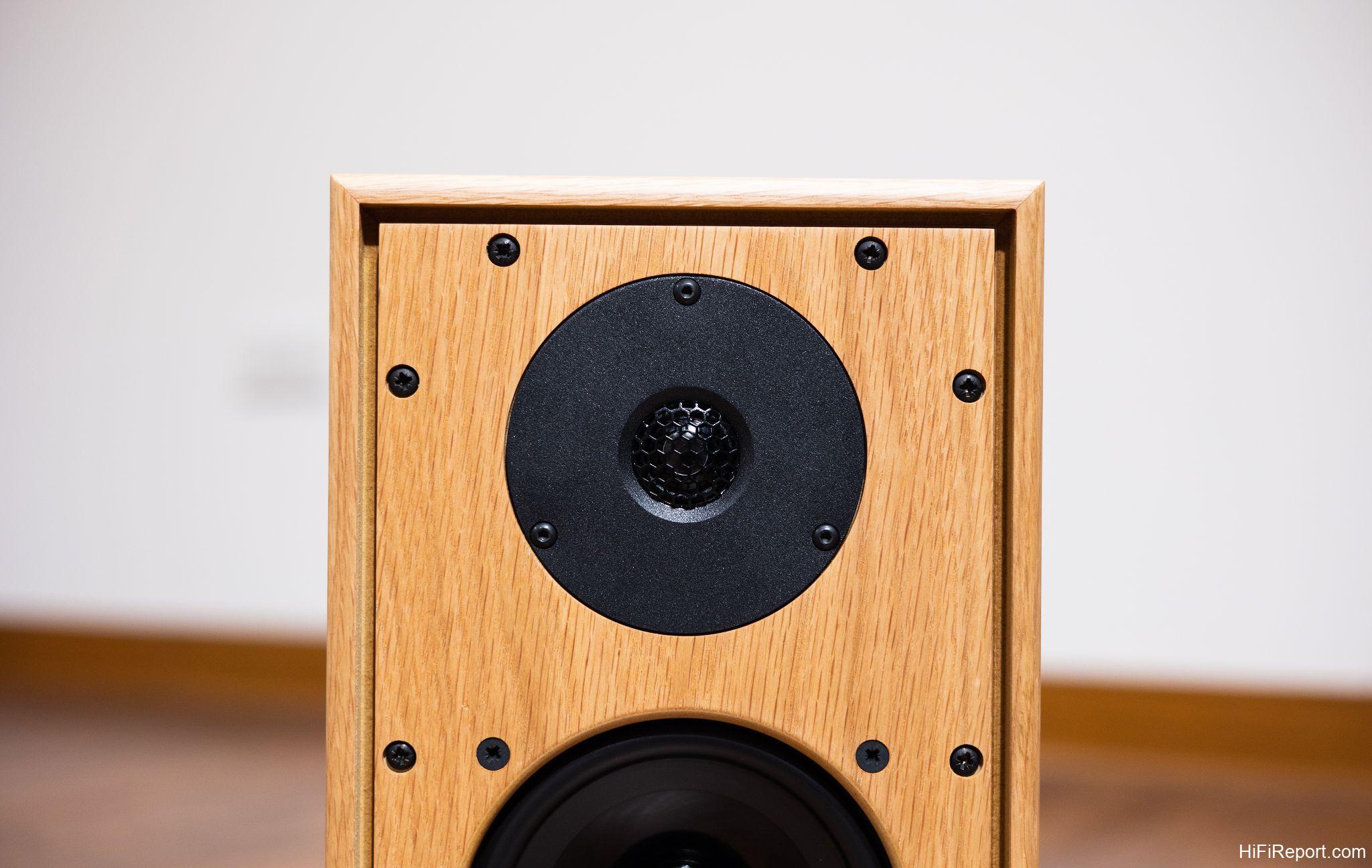
The P3ESR XD2 employs a 19mm ferrofluid-cooled soft-dome tweeter. A fixed honeycomb metal grille sits in front of the tweeter to aid high-frequency dispersion, with a transparent film-like material isolating the dome from the grille. The mid/bass driver is a 110mm RADIAL4 patented unit; its central phase plug and surrounding diaphragm are injection-molded as a single piece of the same material.
The P3ESR lineage spans several generations. Starting with the original P3ESR, Harbeth introduced their in-house RADIAL2 mid/bass driver—short for Research and Development In Advanced Loudspeakers. Developed throughout the 1990s, this proprietary plastic diaphragm formula replaced polypropylene (PP) to meet modern resolution demands. The RADIAL™ formula has undergone continuous refinement, culminating in the RADIAL4 found in today’s P3ESR XD2.
The Fine Tradition of Precision Matching
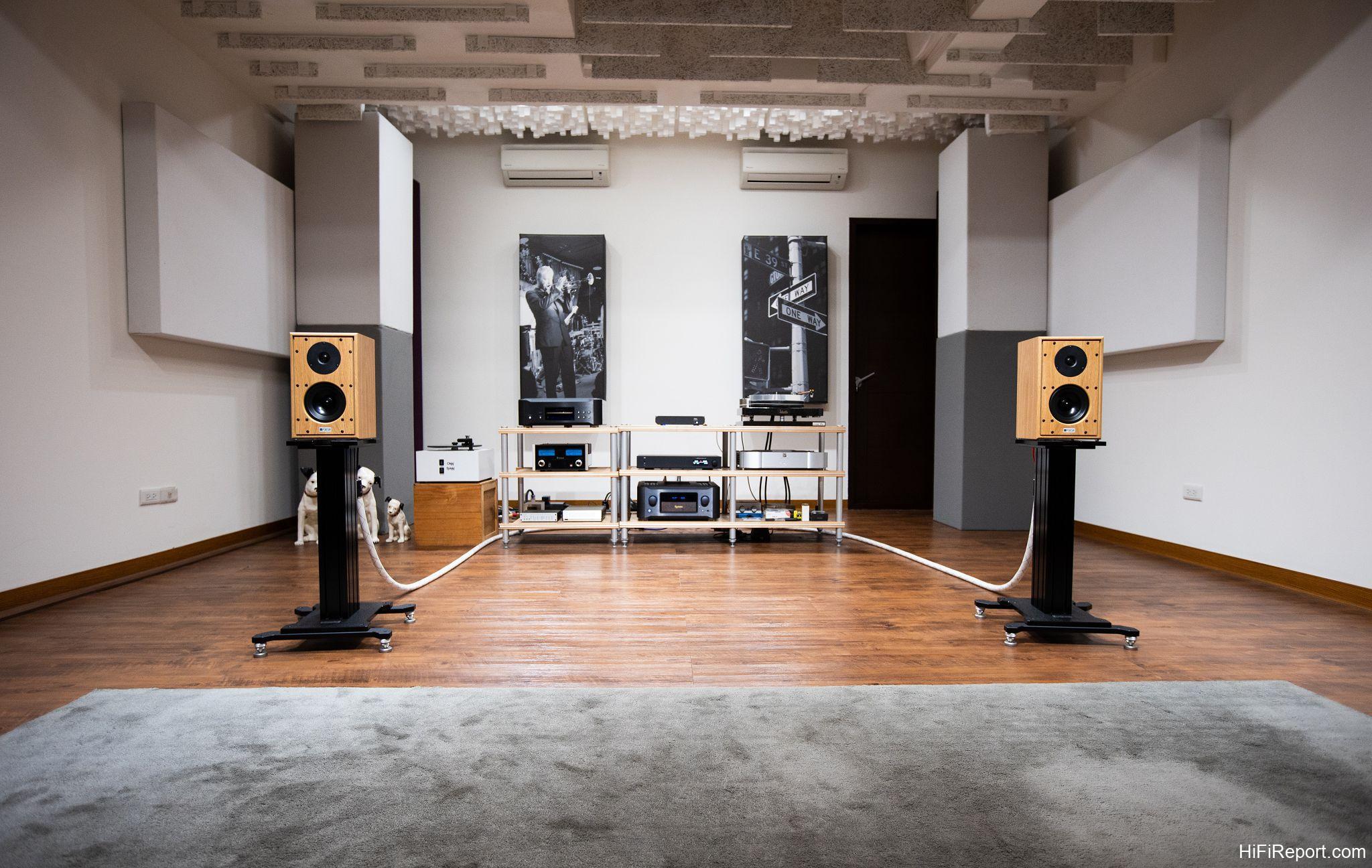
The P3ESR XD2 utilizes a newly designed crossover network capable of reproducing precise, clear, and deep sound. Sensitivity is rated at 83dB with a 6-ohm impedance—more than sufficient for a nearfield bookshelf monitor. Harbeth emphasizes that this is an easy-to-drive pair requiring no high-power amplification. The sealed-box design (no bass reflex port) requires only 30cm of rear-wall clearance, making it ideal for small rooms or nearfield setups.
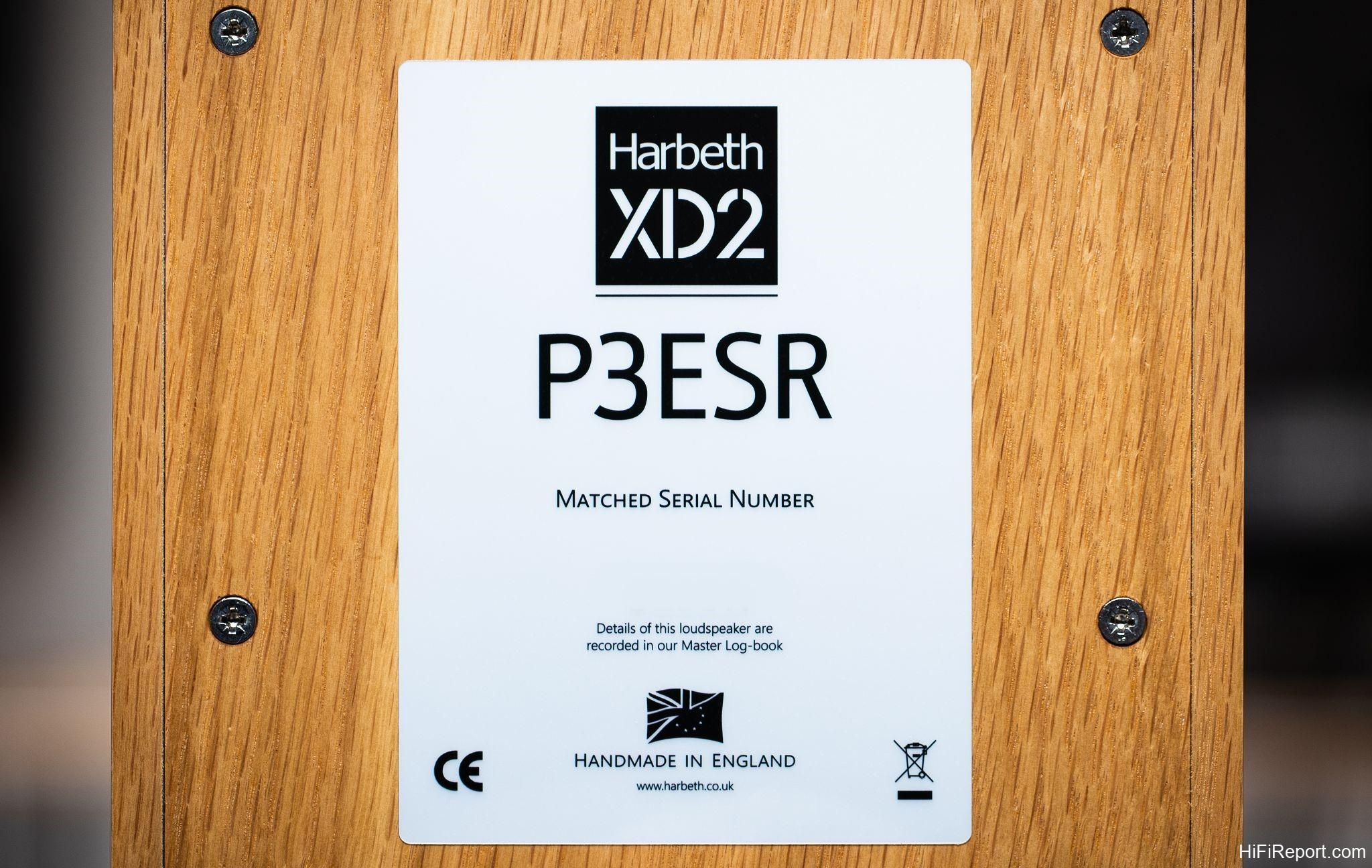
Cabinets are hand-built using premium veneers, so color and grain depth vary naturally. The rear label notes that the components are precision-matched, with detailed records kept in the factory database—a practice dating back to Harbeth’s own LS3/5A in 1987, which pioneered computer-matched components to wide acclaim.
Conveying Natural Harmonic Musical Charm
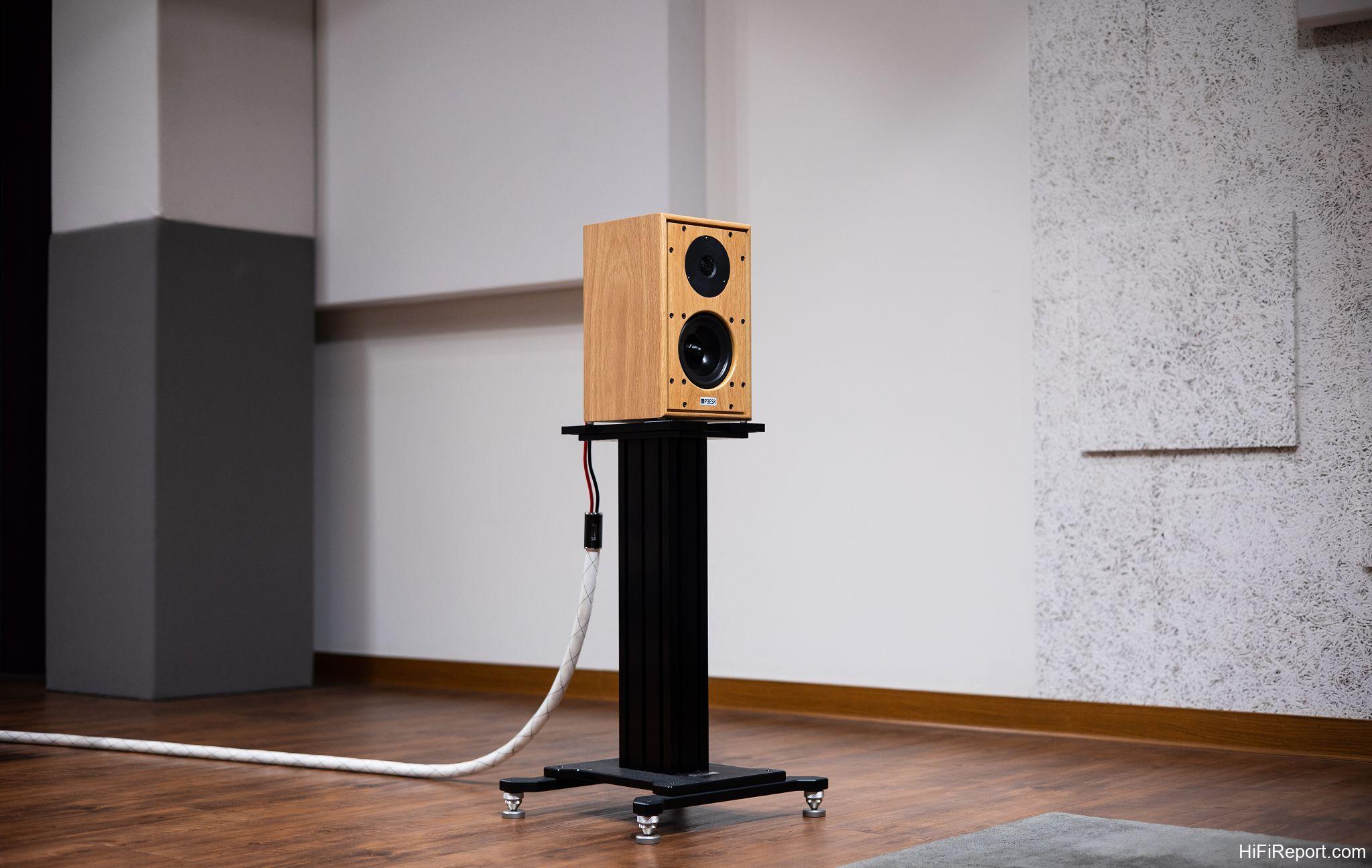
Using Ayako Ikeda’s *BEST II* as a reference, the P3ESR XD2 delivers vocal texture and resolution at an equally high level. It is exceptionally suited to jazz interpretations that prioritize charm and atmosphere—revealing captivating flavor without becoming overly rich, maintaining a listen-for-hours ease while drawing the listener deep into the musical scene. The P3ESR XD2 is perfectly at home in small-to-medium spaces such as living rooms, studies, or dens.
While it lacks visceral, hard-hitting impact, it still projects music into most corners of the room—impressive for a compact bookshelf of roughly 5 liters internal volume. Its strengths lie in exceptionally smooth frequency integration, superb mid-to-treble quality, and a natural sense of harmony. Vocal and instrumental timbres are rendered with fine detail; bass energy isn’t a headline feature, yet imaging and soundstage layering remain fully competent.
Quiet Composure, Delicate Elegance (Wacko Wang)
The evaluation began with Amos Lee’s “Arms Of A Woman.” The opening guitar plucks are rendered with exquisite delicacy—clean, refined timbre. The low-frequency presentation is warm, rich, and composed. String tones exhibit a springy, glossy quality, creating distinct contrast within the track. From the relatively calm opening, one perceives a laid-bare depiction of various timbres that still contains subtle, buoyant undulations—poised yet dynamically alive.
The latter section’s rhythmic drive stands out with tension, striking a superb balance between motion and stillness.
Regarding vocals, within a relatively gentle voice one senses a fine aura of air around the edges of the vocal lines, infusing the performance with greater emotion and softness. This adds significantly to the atmospheric mood; the very air in the listening space seems to thicken slightly. When the singing swells to a more passionate passage, the vocal lines surge with tensile strength, power building gradually as they soar through the space.
The coherence and purity of these lines are palpable—one feels the Harbeth P3ESR XD2 painting a vivid, colorful picture from a light, gentle track.
Tightly Integrated Elements, Beautifully Balanced
Next, James Blunt’s “1973” served as a reference. The drums sound slightly smaller in scale, yet the overall timbre is etched with greater refinement. Drum hits possess sufficient weight and detail; the sense of air contact and dynamic expression remains obvious. The presentation is more introverted and cohesive, with the drum’s physical form rendered more distinctly and three-dimensionally. The rhythm outlined by this delicate depiction is crisp and agile.
Paired with the other instruments, it creates a “small but complete” soundstage—compact in perspective, yet with every element arranged in orderly, rich, and remarkably clear fashion.
The piano feels lighter in touch yet perfectly captures a full sense of space—surrounding the listener, cascading in layers with depth, height, and gloss, all with clean, delicate timbre. Blended with electronic elements, it injects notable brightness into the track. The balance between vocals and instruments is equally even; the vocals sit proportionally within the surrounding space, separated by fine interstitial distances—never interfering, never protruding unnaturally.
One can deeply appreciate the virtuoso instrumental performance while effortlessly enjoying the vocal delivery.
Small Cabinet, Expansive and Graceful Presentation
Finally, “In Lumière’s Name” was used as a reference. At first listen, the presentation seems straightforward—organ and drums alternating with ample dynamic swings. The moment the violin enters, however, the effect is immediate. The physical friction of the instrument is depicted three-dimensionally; one senses the vibrating resonance.
Timbre is natural, delicate, and unforced, meandering through the space with graceful arcs, tracing circles unrestrained and free—depicting a wide stage where instruments perform with total liberty.
Detail retrieval is equally impressive. In higher-pitched plucks, a glint of brilliance shines through; initially seemingly cool, the sensation is actually warm, rendering a highly textured metallic quality—extended highs without glare, sharpness without coldness. The inherent breath of each instrument is restored accurately.
Drums are steady and substantial, possessing all requisite weight and density; strings are brilliant, crisp, and agile; piano and organ flow gracefully with clean, beautiful lines. Though the overall gestalt isn’t aggressive, the Harbeth P3ESR XD2 successfully restores the song’s intrinsic atmosphere—with remarkable finesse.
Harbeth P3ESR XD2 Bookshelf Speaker
* **Drive Units:** 110mm Harbeth-made RADIAL bass/mid drive unit; 19mm ferrofluid-cooled tweeter
* **Frequency Response:** 75Hz – 20kHz ±3dB free-space, grille on, smooth off-axis response
* **Impedance:** 6 ohms, easy to drive
* **Sensitivity:** 83dB/2.83V/1m axial
* **Recommended Amplifier Power:** >15W/channel
* **Power Handling:** 50W programme
* **Recommended Wall Distance:** > 0.30m
* **Dimensions:** 306 x 190 x 184mm (+12mm including grille and terminals)
* **Weight:** 6.1kg