
Totem Bison Twin Tower Speaker Review
It’s undeniable that my personal expectations for Totem speakers are high. Every time I review their products, whether bookshelf or floorstanding, entry-level or high-end, their overall sonic performance is consistently impressive. Vince Bruzzese, the founder and chief designer, is undoubtedly a master speaker designer. From drivers and crossovers to cabinets, everything is meticulously designed. Totem is also very down-to-earth. Their products are not extravagantly priced, nor do they feature impractical designs. Vince aims to ensure every penny spent contributes to performance. To maintain quality control and adhere to design principles, all Totem products are manufactured in their own factory in Canada.
The Bison Twin Tower floorstanding speaker under review is one of three models in Totem’s newly released Bison series, and it’s also the flagship of the series. The other two models are the Bison Tower floorstanding speaker and the Bison Monitor bookshelf speaker. “Bison” symbolizes strength, stability, and consistency. As North America’s largest and most powerful land mammal, the bison holds sacred significance for many indigenous tribes.

In terms of the manufacturer’s suggested retail price, the Bison Twin Tower is positioned slightly below the Forest and above the Hawk. The Bison Twin Tower employs a 2-way, 3-driver bass-reflex design. The 1.3″ tweeter and two 5.25″ woofers are all newly designed drivers custom-made for Totem. The tweeter features a powerful neodymium magnet, capable of extending effortlessly to 30kHz and seamlessly integrating with the midrange frequencies. The Bison series is available in three finish options: Black Ash, Satin White, and White Oak. The review sample is in White Oak.
Regarding the crossover, Totem adheres to the principle of quality over quantity. With custom-designed drivers, there’s no need for overly complex crossover circuits and components. Unlike common PCB circuit boards, Totem has found that PCB circuits are too fragile and prone to inconsistencies. Totem uses thin fiber boards or insulating polymers and secures components mechanically.
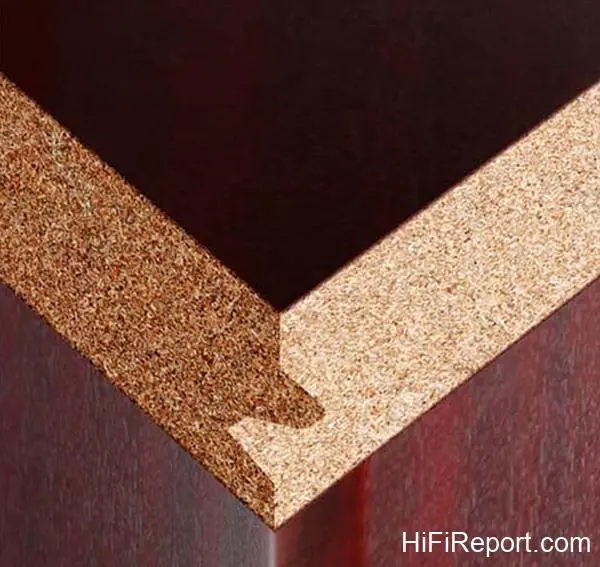
They believe this method of crossover construction results in better sound. For necessary solder joints, Totem spares no expense, using German WBT solder. For the cabinet, Totem employs a labor-intensive Lock-Miter joint assembly method, which is over 5 times stronger than traditional V-groove joints and offers superior resistance to warping, both internally and externally. A unique industrial-grade borosilicate damping material is used, which is more durable than traditional polyethylene, and its damping effect does not diminish over time. The variable density fiberboard used is denser at the edges than internally to reduce repetitive nodes and resonance.

The Bison Twin Tower features a Bi-Wiring design, offering greater flexibility in tuning and matching. The two sets of gold-plated speaker terminals can accommodate bare wire, Y-spades, or banana plugs.

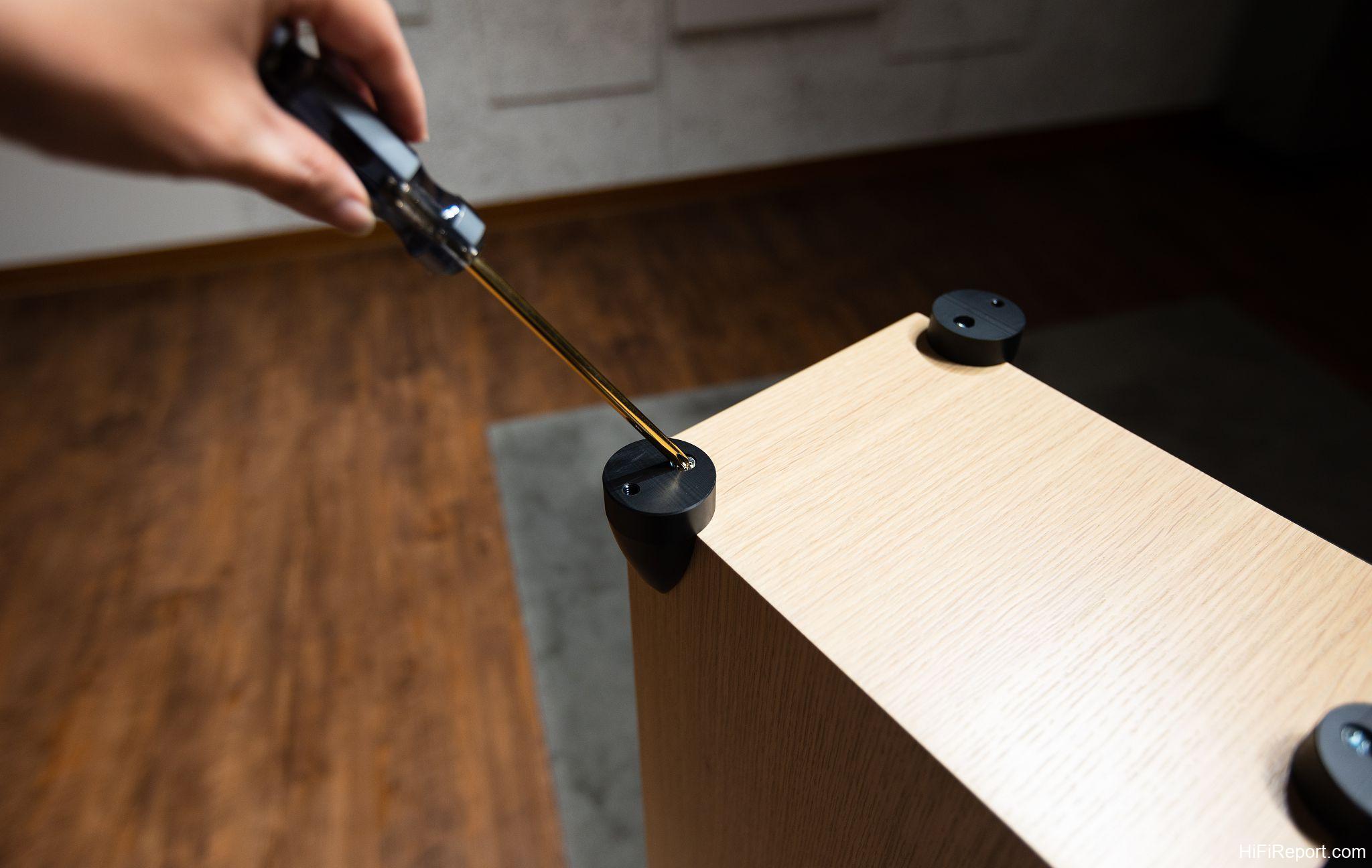
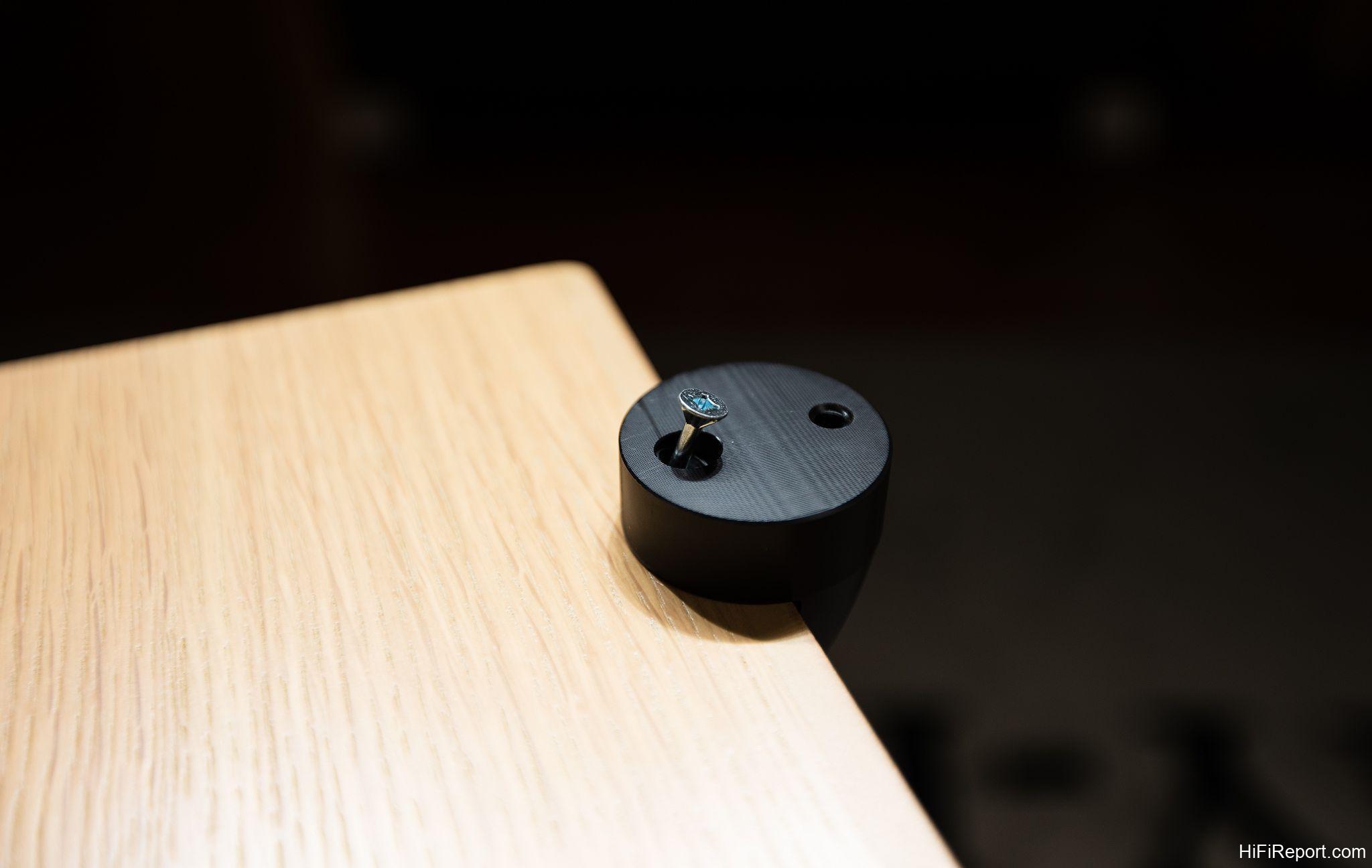
Below the speaker, Totem’s renowned and exclusive Delrin Decoupling Claw feet are used. Originally, due to high production costs, Delrin Decoupling Claw feet were only used in high-end models. However, Totem discovered a high-density Delrin machined composite material that performs exceptionally well at a lower cost, allowing the Bison Twin Tower to benefit from this technology. The Decoupling Claw feet have pre-drilled screw holes, allowing users to optionally install spikes (for example, for securing on thick carpets).
Magnetic grilles are included.

Canadian Craftsmanship: Authentic and Refined
Totem Acoustic is a relatively rare Canadian brand in the market. Their sonic performance has always been highly regarded internationally, positioned within a price range accessible to most people. Their speakers are typically compact, making them suitable for most spaces. I once met the owner, Vince Bruzzese, at an international audio show. Sporting a hairstyle reminiscent of Einstein, his warm smile and sincere product presentations to visitors conveyed his genuine passion for his creations.
He majored in science and mathematics during his education and even worked as a teacher. His foray into the audio industry was driven by his love for music and audio. Totem Acoustic invests considerable thought in design and places great emphasis on material selection. Beyond sonic performance, they prioritize long-term stability, ensuring drivers maintain the speaker’s overall performance even after twenty years of use. Maintaining accessible pricing for their products is also a consistent aspect of their philosophy.

Elegant and Refined Aesthetics
The Totem Acoustic Bison Twin Tower is a newly launched floorstanding speaker. Although called a “Tower,” its actual height is not imposing. When seated on a standard sofa, the tweeter is very close to ear level, likely a height carefully considered by the manufacturer. The cabinet’s texture clearly reveals the wood veneer grain. Our review sample came in White Oak, a visually elegant and warm finish, and a classic color choice. Before use, we attached the three included “claw” feet to the bottom of each speaker. The feet have a flat base, and optional spikes can be purchased and screwed onto the claws for vibration isolation. The distributor, ArchiAudiophile, directly provided Tiglon D-Ren isolation pads to further enhance the overall vibration control.
Deceptive Appearance, Unexpectedly Comprehensive Performance
For listening, we referenced “The Sound of Silence” from The Ghost of Johnny Cash. The Bison Twin Tower is quite easy to drive. The manufacturer recommends a minimum amplifier power of 30 watts. During our listening, we experienced a sound foundation with high density, thickness, and good penetration. The midrange and high-frequency ranges were balanced and smooth, without harshness. The timbre was neutral with a touch of warmth. In the low-frequency range, it genuinely sounded like a “Tower,” completely belying its slender appearance. Bass volume was ample and did not falter in our space. Bass control and clarity were not inferior to the midrange and high frequencies, with seamless and harmonious integration, and overall stability. Soundstage height and image localization were precise and unwavering.
Even more impressively, the Bison Twin Tower’s dispersion and sense of spaciousness were remarkably expansive while maintaining clarity. If this were my first encounter with Totem, I might be quite surprised. However, having listened to Totem speakers numerous times, this strength was within my expectations. Not just the Bison Twin Tower, but most Totem speakers exhibit a sound scale far exceeding expectations based on their physical size. I have also seen numerous online comments from international users praising this characteristic.
During our listening tests, we repeatedly moved the speaker positions, continuously widening the distance between the left and right channels, because the Bison Twin Tower’s energy truly exceeded visual expectations. If you’re considering Totem speakers, you might start by trying a model that appears slightly smaller than your room size. If your space is similar to ours, the Bison Twin Tower could be an excellent choice.

Rich Tonal Gradations, Balanced and Harmonious Soundscape
Totem’s newly released Bison Twin Tower floorstanding speaker doesn’t appear particularly tall, and upon unpacking, it also felt lightweight. A single person can easily lift one speaker. However, don’t underestimate these speakers based on this. After listening, you’ll realize that the Bison Twin Tower’s energy and presence far surpass its delicate appearance. For the initial listening test, we played “I Feel It In The Wind” by Smith & Thell.
The vocals in the beginning are soft, yet despite the gentleness, they don’t sound weak. Instead, there’s a sense of tonal gradation. The vocals are deep and centered, like a cone, with the music expanding outward from this center. Listening, it creates a balanced and harmonious soundscape. The airy quality around the edges of the softer vocals in this section also makes them stand out among the various instruments, presenting a remarkably refined balance.
Instruments felt quite full and solid. The drum sound exhibited a stable yet not overly heavy characteristic. As the low frequencies appropriately dispersed, a wide soundstage opened up before us. Notably, while listening, the instruments didn’t feel intensely tactile, but as they were presented in a vivid and lively manner, listeners could still perceive the lively presence of each instrument being played.
It felt more like an unspoken understanding existed, though not intentionally presented, it was readily apparent to the listener. Especially the string sounds, their presentation was natural, existing independently within the expansive soundscape. As the hand moved, pulling the sound out with a flourish, the music flowed smoothly and instantly became winding and resonant. Just considering the string performance alone, it felt like adding the finishing touch to the song, making the track even more outstanding.

Vivid and Textured Sound, Fully Expressive Performance
Next, we listened to “Carry Me Home” by The Sweeplings for reference. Again, the instruments felt remarkably vivid. From the very first sound of the song, it was impactful. The sound in the space was three-dimensional, as if the instruments were being played right before your eyes, possessing considerable vitality. And of course, it wasn’t limited to the beginning; throughout the song, the instrument sounds consistently maintained a lifelike, realistic quality.
During the listening of this track, the tactile presence of the instruments was more pronounced, and the texture of the sound was also very distinct. Through each pluck of the strings, you could clearly hear the notes descending, the sound rebounding, etc. The ringing sounds etched out the instrument’s elasticity. Each note fully expressed its independent yet connected nature. Vivid textures sculpted rays of light along the edges of the sound, enhancing the song’s dynamic range and maximizing its tension.

In this track, the vocals, through the Bison Twin Tower, exhibited excellent and rich fluidity. Whether in softer or more intense passages, a full and solid presentation was felt. This solid sound also demonstrated impressive layering. As the volume increased, the sound expanded, like layers of waves, with each wave pushing the previous one, and each wave larger than the last.
The vocal layers built up and then returned to calmness, fully showcasing the song’s power and momentum. Particularly at the end of the track, the solo and harmony vocals, even though the vocals were isolated, they didn’t sound monotonous at all. Instead, you could hear the astonishingly powerful energy in the singing. In the clean and transparent background before us, the sounds intertwined and overlapped, leaving a resonant and impactful ending.

Rich Song Dynamics, Comprehensive Soundscape, Enhanced Performance with Isolation Pads
The previous tracks were mostly focused on midrange and high frequencies. Finally, we chose a track with more bass, “Change On The Rise” by Avi Kaplan. During listening, the timbre presentation felt grounded, with ample richness. The male vocals were clean, comfortable, and captured the captivating magnetism just right. Personally, I found the drum bass particularly eye-catching in this track.
It wasn’t heavy but very stable, with plenty of air, so even at a moderate volume, it was easy to perceive the undeniable bass presence, effortlessly filling the space with energetic music, without sacrificing its lively dynamics. It further highlighted the interspersed hand claps in the music, which sounded much crisper. Although the song’s arrangement was relatively simple, you could sense excellence and richness in every detail. The powerful drums, the crisp and lively hand claps, and the magnetic vocals all contributed to a comprehensive soundscape. The timbre was refined, and the musicality was abundant, showcasing the song’s captivating atmosphere.
During this Bison Twin Tower listening session, Mr. Shu from ArchiAudiophile also provided Japanese Tiglon D-Ren Pro isolation pads for use as accessories, reportedly offering a significant and immediate positive impact on the sound. Therefore, for the final part of the review, we compared the sound with and without the pads. To summarize, I personally felt that the sound became more focused with the pads. Taking the drum sound as an example, the impact of each strike was more forceful, and the dispersed bass was more controlled, making the sonic image more defined.
The improvement in the hand claps was even more noticeable. Initially, the crispness was more pronounced in sections with fewer vocals and instruments, but now, the crispness seemed to permeate the entire track. And what was initially a slightly disjointed feeling, the hand claps now seamlessly integrated into all the sounds, with better richness and coherence. The vocals also noticeably descended slightly, giving a sense of a more stable and solid sonic foundation. The D-Ren Pro isolation pads indeed provided a substantial improvement in sonic performance, no wonder the manufacturer claims the product is a global bestseller.
Totem Bison Twin Tower Floorstanding Speaker
* Design: 2-way bass reflex
* Tweeter: 1 x 1.3 in / 33 mm Laser Etched Textile Soft Dome
* Woofer: 2 x 5.25 in / 133.35mm Copper Clad Voice Coil
* Impedance: 4 Ohm
* Sensitivity: 90 db
* Frequency Response: 31 Hz to 29.9 kHz ± 3 dB
* Recommended Amplifier Power: 30-200W
* Crossover Frequency: 2.5 kHz (second order)
* Break-in Time: 70-100 hours
* Dimensions: 187 x 975 x 260mm (without feet and grille)
* Weight: 19.46Kg