
Vertere DS-1S Vinyl System Review
I was truly surprised that Touraj not only remembered our conversation but actually took on what he initially considered an impossible challenge. The result was the launch of the DG-1 turntable and tonearm system in 2019. Little did anyone know that the COVID-19 pandemic would erupt shortly after its release. Touraj, ever the pragmatist, saw it as a silver lining.
He noted that the work slowdown and lack of distractions during the pandemic allowed him to fully dedicate himself to research and development. Consequently, before the DG-1 could even be properly promoted, it was upgraded directly to the DG-1S last year. This review focuses on this latest iteration.
The Visionary Behind Vertere
If you’re not familiar with Touraj Moghaddam, allow me to introduce this remarkable individual. He holds a Ph.D. in Mechanical Engineering. I began studying his turntable and tonearm designs over a decade ago when he was still at Roksan, the company he founded. Over the years, I’ve had numerous conversations with him. Every interview feels like a masterclass in mechanical physics, significantly deepening my understanding of how vinyl systems operate.
Touraj visits Taiwan frequently, often not just for audio business, but also to consult with high-tech companies. His expertise in mechanical physics makes him a sought-after advisor behind the scenes. In this review, you’ll gain insight into the characteristics a truly professional mechanical engineer believes a well-designed turntable should possess.
Unboxing the Complete DG-1S System
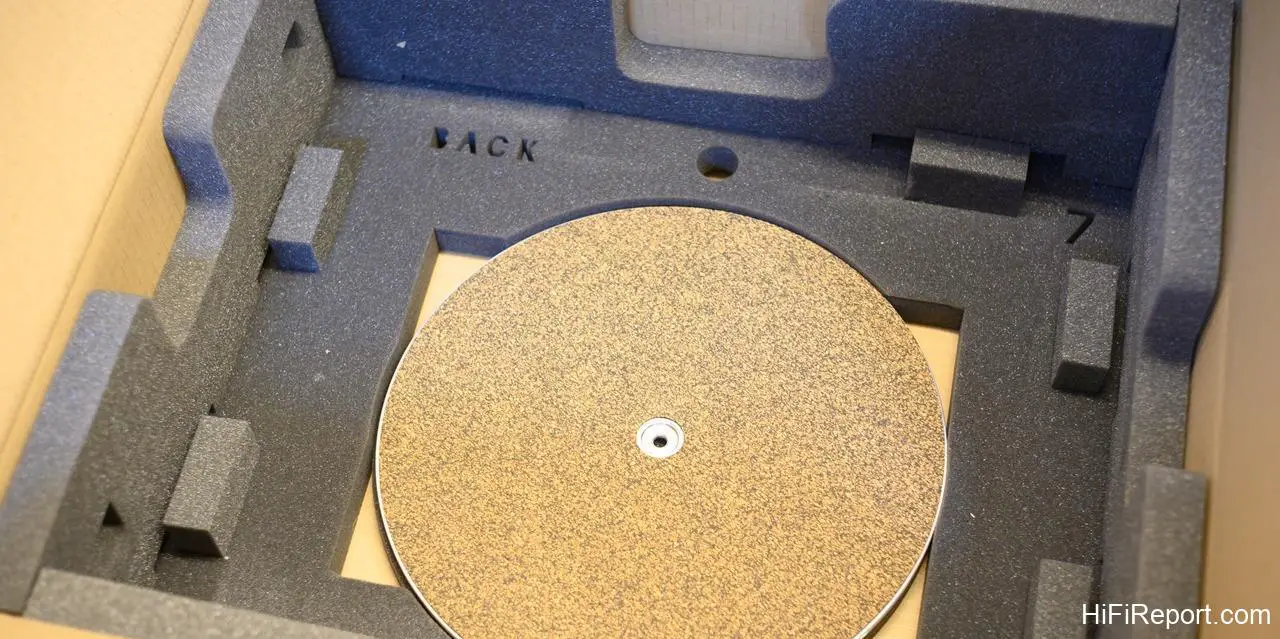
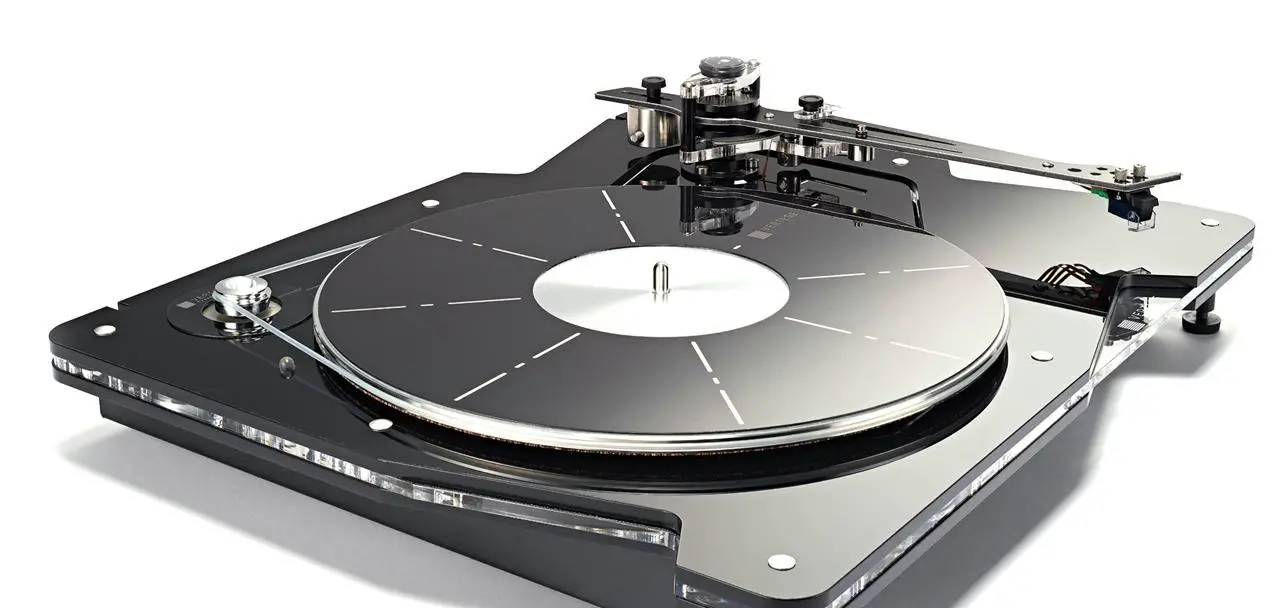
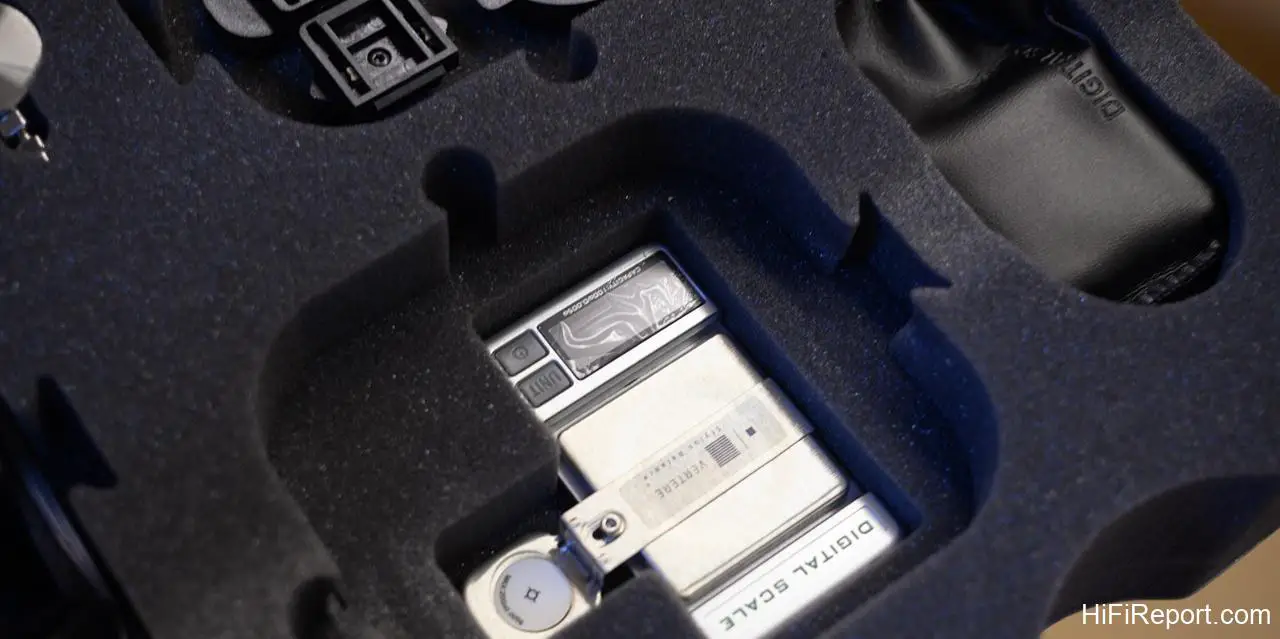
Let’s begin by introducing the DG-1S vinyl system featured in this review. The complete package includes the DG-1S turntable, the custom-designed Groove Runner S tonearm, Vertere’s proprietary Sabre MM cartridge, and all the necessary tools for vinyl setup, including a precision electronic stylus force gauge.
What’s more, the DG-1S is a system designed for easy, out-of-the-box setup. The tonearm and cartridge come pre-installed and meticulously adjusted from the factory. Essentially, all you need to do is mount the platter, fit the drive belt, and use the included gauge to set the tracking force. Then, it’s ready to play music. This makes it incredibly suitable for newcomers to vinyl who might not have prior experience with setup.
Effortless Out-of-the-Box Setup
If you’re a more experienced listener who already owns a preferred cartridge, you can certainly purchase a configuration that includes only the DG-1S turntable and tonearm, without the cartridge. It’s important to note that because the DG-1S turntable and Groove Runner S tonearm are optimally designed as an integrated system, they cannot be sold separately, nor can the Groove Runner S tonearm be mounted on other turntables.
Rethinking “Entry-Level” Vinyl
So, is the DG-1S considered entry-level? Within Vertere’s product line, the DG-1S is indeed positioned as an entry-level vinyl system. However, it’s fundamentally different from what most people perceive as affordable entry-level turntables. Its price point is significantly higher than typical budget models, and its innovative design and sonic performance entirely transcend the level of standard entry-level offerings.
Here, I want to clarify the common perception of an “entry-level turntable.” If you’re just casually exploring vinyl, an affordable model under approximately $1500 might suffice. But if you’re serious about delving into the world of vinyl, I highly recommend stepping up to the next budget tier as your starting point. This avoids the scenario where you buy a cheap turntable, only to quickly realize its limitations and incur the additional expense of upgrading hardware later.
I’ve genuinely encountered many vinyl curious beginners who bought inexpensive turntables only to find the sound wasn’t what they expected, barely an improvement over their familiar digital sources. Many became disheartened and even abandoned vinyl entirely. This is a true shame, as they never got to truly experience the captivating sonic magic of vinyl!
The “Entry-Level Summit” Argument
The DG-1S, the subject of this review, represents an excellent starting point for entering the vinyl realm. Its capabilities are not just a notch above typical entry-level decks; it possesses the strength to challenge turntables in higher tiers. Simply put, this is a vinyl system that allows you to reach the “summit” right from the “entry.”
Whether you’re a vinyl newcomer or an experienced listener looking to upgrade, owning this system means you essentially don’t need to worry about whether your hardware is good enough. You can simply relax and immerse yourself in the beautiful world of vinyl music. Viewed from this perspective, the DG-1S’s price, while higher than typical entry-level decks, is entirely reasonable and absolutely worthwhile.
“Entry-level summit”? Is the DG-1S really that capable? Why am I so confident? Because the DG-1S genuinely inherits all the design philosophies and technical characteristics of Vertere’s high-end turntables using a relatively limited budget. Achieving this goal was a significant challenge for Touraj; the design and manufacturing difficulty even surpassed that of Vertere’s flagship RG-1 turntable.
The Touraj Challenge: Design Philosophy
Touraj told me during his visit to Taiwan in late August that he invested a total of four years in developing this turntable. The first two and a half years were spent contemplating the optimal design to achieve performance close to their high-end turntables and tonearms at a lower cost. Even developing the RG-1 flagship turntable and Reference flagship tonearm didn’t take him this long in research and development!
Frankly, I think Touraj overthinks it. For other manufacturers, entry-level is just entry-level; no one compares an entry-level product to their flagship! But Touraj simply refused to compromise, insisting on doing what he believed was the correct design, thus creating this significant challenge for himself.
Touraj also mentioned that although the DG-1S’s structure appears simple, it is assembled from as many as 434 parts, 140 of which are specially custom-made, rather than using off-the-shelf components. Making things this complex – how does one lower the cost? Below, I will focus on the DG-1S turntable and outline its five key characteristics, discussing them one by one.
DG-1S Turntable: Technical Highlights
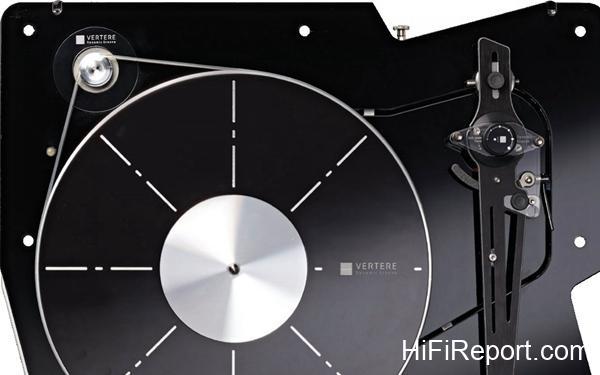
DG-1S Plinth Design
Traditional turntable plinths are generally categorized as either ‘soft’ or ‘hard’. Soft plinths utilize a suspended damping structure to isolate the stylus from vibrations that interfere with tracking. Hard plinths, conversely, use significant mass to resist vibrational interference.
How heavy does a hard plinth need to be to completely resist vibrational interference? Touraj uses the scale of vinyl grooves as a reference. A hard plinth must counteract minute vibrations down to one millionth of a meter to prevent the stylus from being affected. Achieving this would result in a turntable of unimaginable size and weight.
So, can soft plinths effectively dissipate vibrational interference? Touraj believes soft plinths can indeed reduce vibrational interference by controlling resonant frequencies, but tuning them to the ideal resonant frequency is extremely difficult. Furthermore, typical soft plinths only absorb vertical vibrations and cannot resolve the impact of horizontal vibrations.
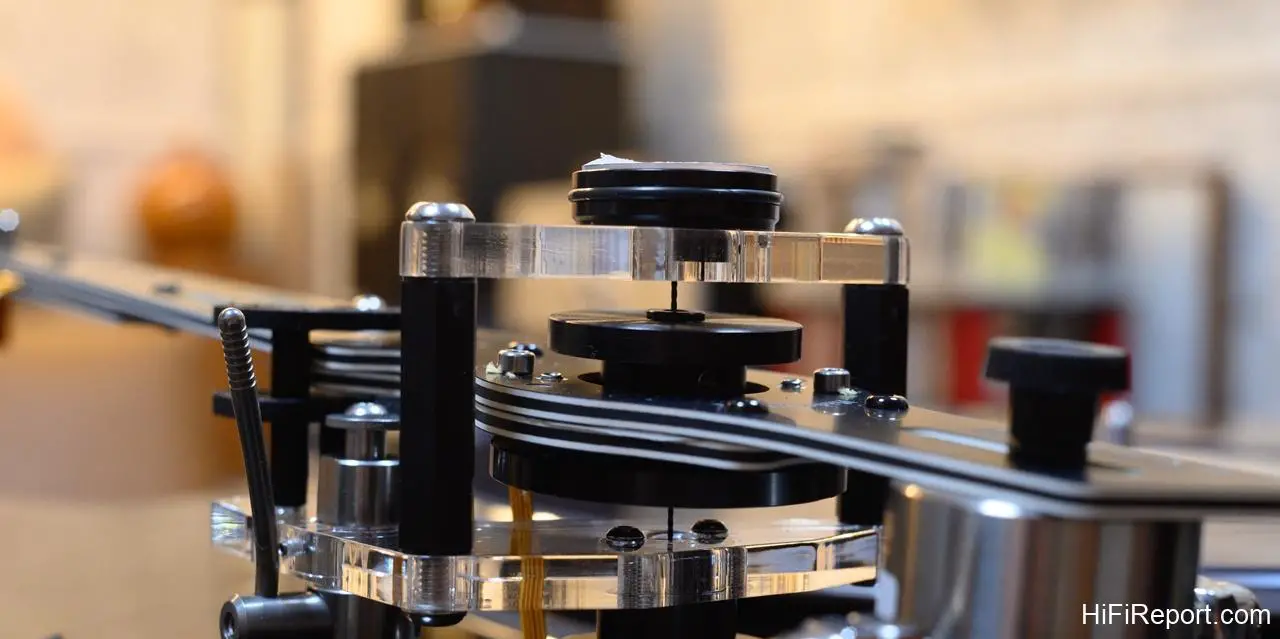
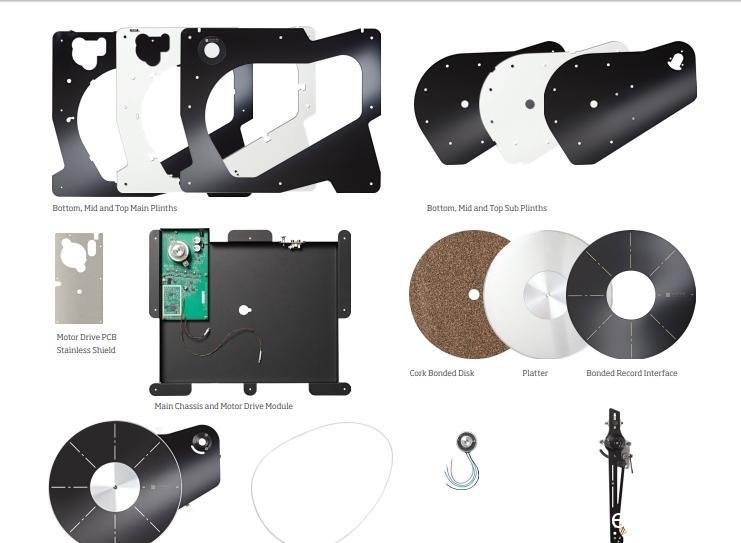
Is the DG-1S a soft or hard plinth? Its structure is essentially a soft plinth. The platter and tonearm are mounted on a sub-plinth that is suspended and damped, isolating it from the main plinth resting on the surface and the motor mounted to the main plinth. On the other hand, Vertere uses silicone blocks with harder damping properties for the suspension coupling between the main and sub-plinths, unlike the springs, leaves, or silicone belts used in typical soft plinths.
This structure can be seen as a simplified version of Vertere’s own high-end turntables. It can absorb both vertical and horizontal vibrations, exhibiting characteristics between soft and hard plinths. The sonic performance also combines the advantages of both designs, offering the smooth musicality of a soft plinth and the dynamic low-midrange and stability of a hard plinth.
Does the harder damping reduce the effectiveness of vibration absorption? The damping hardness must be matched to the weight of the main and sub-plinths. The RG-1 flagship turntable uses four layers of damping plinths, which certainly provides better vibration absorption. The DG-1S uses only one layer of damping, and the plinths are lightweight and thin designs, which helps reduce costs in this area.
However, as long as the damping and plinth weights are harmonized, effective vibration absorption can still be achieved. Additionally, the DG-1S’s main and sub-plinths are each constructed from three layers of laminated acrylic, and this multi-layer structure also helps dissipate vibrations.
DG-1S Motor System
One principle for good sound in turntable design is simplicity, especially minimizing the number of rotating components. This is to reduce interference from vibration, wobble, and friction noise as much as possible. Following this principle, using only one motor to drive the platter should be the simplest design.
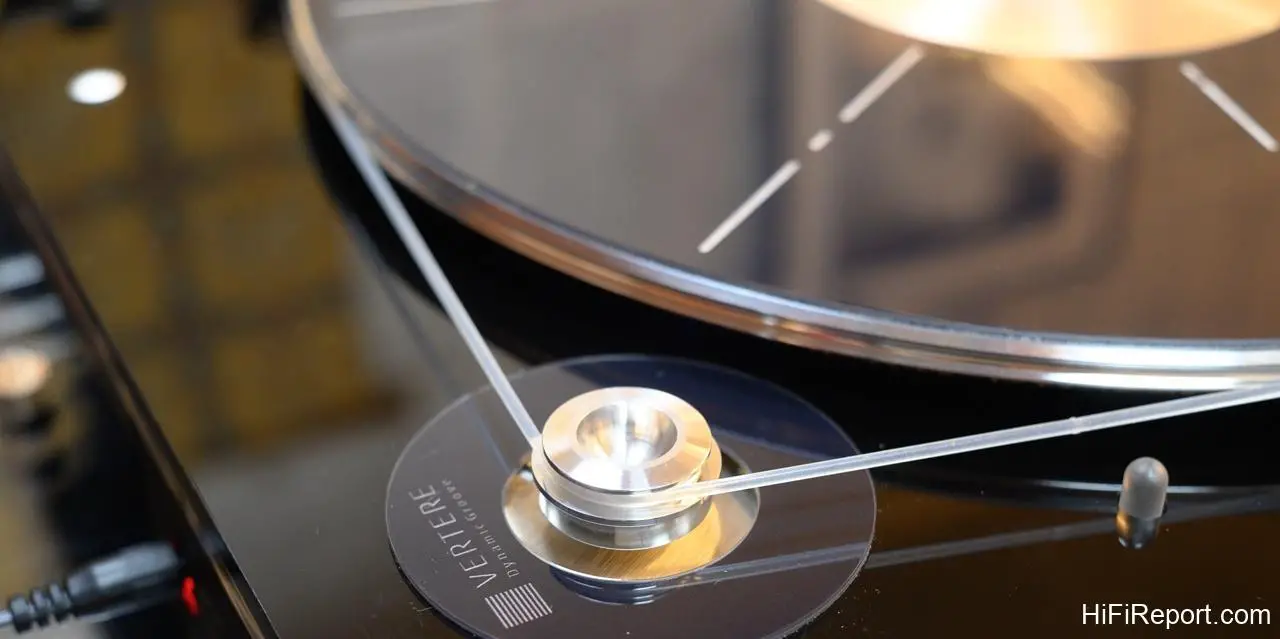
Vertere turntables universally use a single motor to drive the platter via a belt. However, the motor is not rigidly fixed but suspended. When the motor starts, you can see it (twist) in the opposite direction of rotation before reaching a stable equilibrium. This mechanism counteracts speed variations caused by uneven belt tension. The DG-1S fully inherits this design from their high-end turntables.
Turntables use two types of motors: AC synchronous motors and DC motors. The speed of an AC motor is locked to the power frequency. Theoretically, the power frequency is stable, so the AC motor’s speed remains constant. The speed of a DC motor changes with the supply voltage. This design is convenient for speed adjustment, but maintaining stable voltage is very difficult.
With the goal of maintaining stable speed, all Vertere turntables use AC motors. However, Touraj has extremely high requirements for the motor control circuitry. The phase waveforms of the power supply’s sine wave and cosine wave must be precisely tuned to their optimal coordination point to minimize motor vibration.
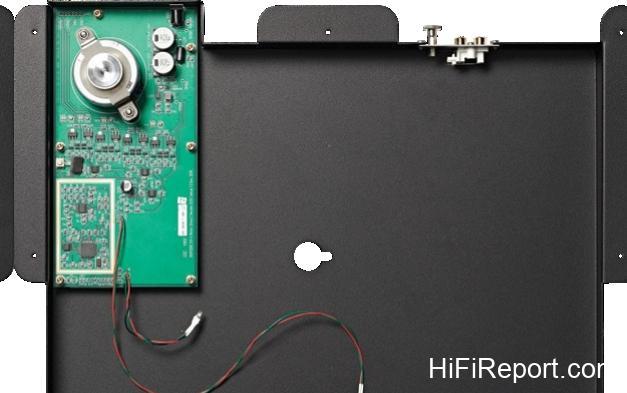
The complication is that in practice, because each motor has slight characteristic variations, the supply sine and cosine waves for each motor must be individually tuned to achieve the optimal state. Vertere’s high-end turntables feature external power controllers. The DG-1S, however, houses its 24-pole AC synchronous motor and control circuitry within a metal chassis integrated into the plinth. This allows for a slight reduction in manufacturing costs.
Nevertheless, the circuit design is actually identical to their Tempo external motor controller, and just like the Tempo, it can be fine-tuned via firmware upgrades to optimize the power waveforms.
DG-1S Bearing Precision
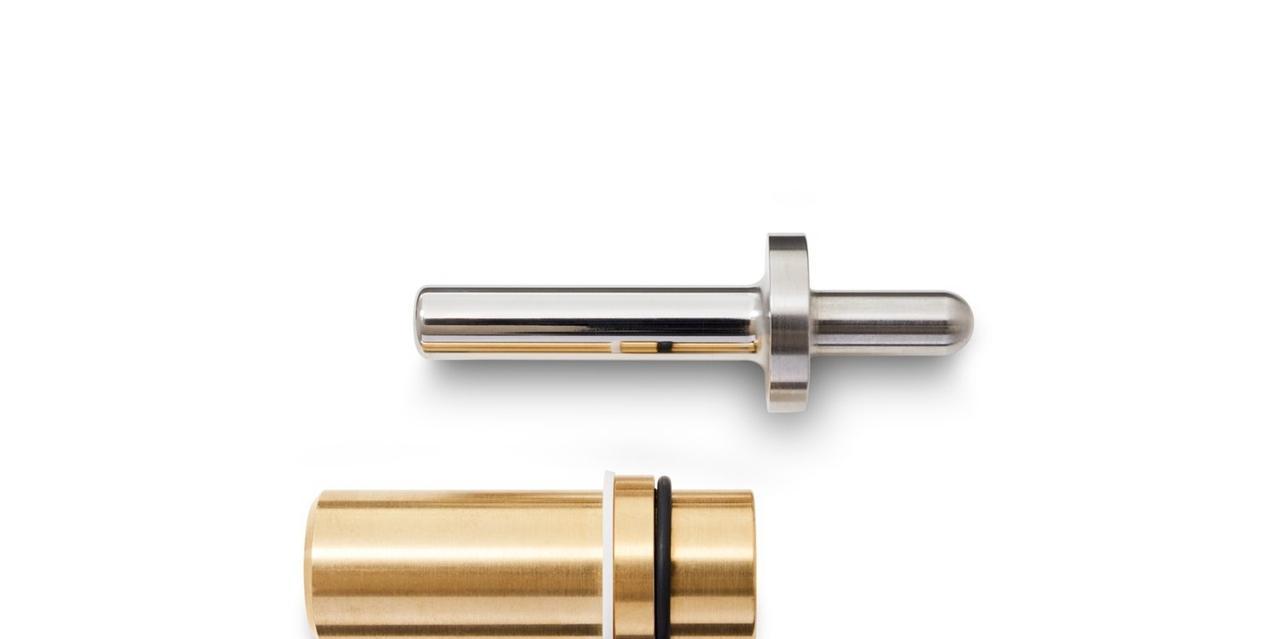
What does an error margin below 5 micrometers even mean? When you insert the DG-1S’s bearing spindle into the oiled bearing sleeve, the gap between the two is so close to airtight that it takes a full day for the spindle to completely sink into the sleeve! Furthermore, because the fit is so precise, you only need to apply the special lubricating oil during the initial assembly. Once assembled, the oil inside will not dry out, and no further lubrication maintenance is required.
The DG-1S’s bearing precision is even higher than the previous DG-1, matching the flagship RG-1 turntable. So, no cost savings were made in this area.
Please note that the DG-1S’s bearing spindle and sleeve are assembled at the factory. Users are advised not to pull the spindle out unnecessarily, as re-inserting it will require considerable effort.
DG-1S Platter Construction
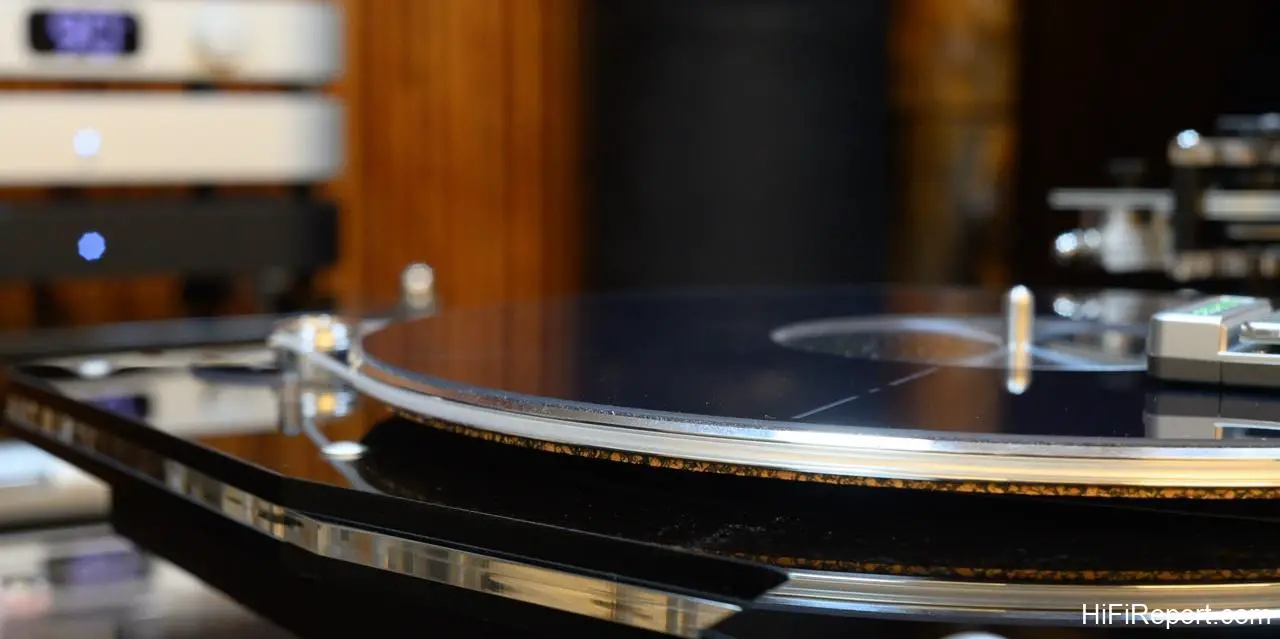
The main body of the DG1S platter is made of aluminum alloy. However, three layers of damping material—Neoprene, Nitrile, and cork—are added to the bottom to absorb vibrations. The surface is further treated with a high-hardness transparent PETG layer and a felt mat to absorb additional vibrations, effectively addressing platter vibration interference.
The rotational speed is provided by a precise motor controller, so it does not rely on the inertia of a heavy platter to maintain accurate and constant speed.
Groove Runner S Tonearm: Key Innovations
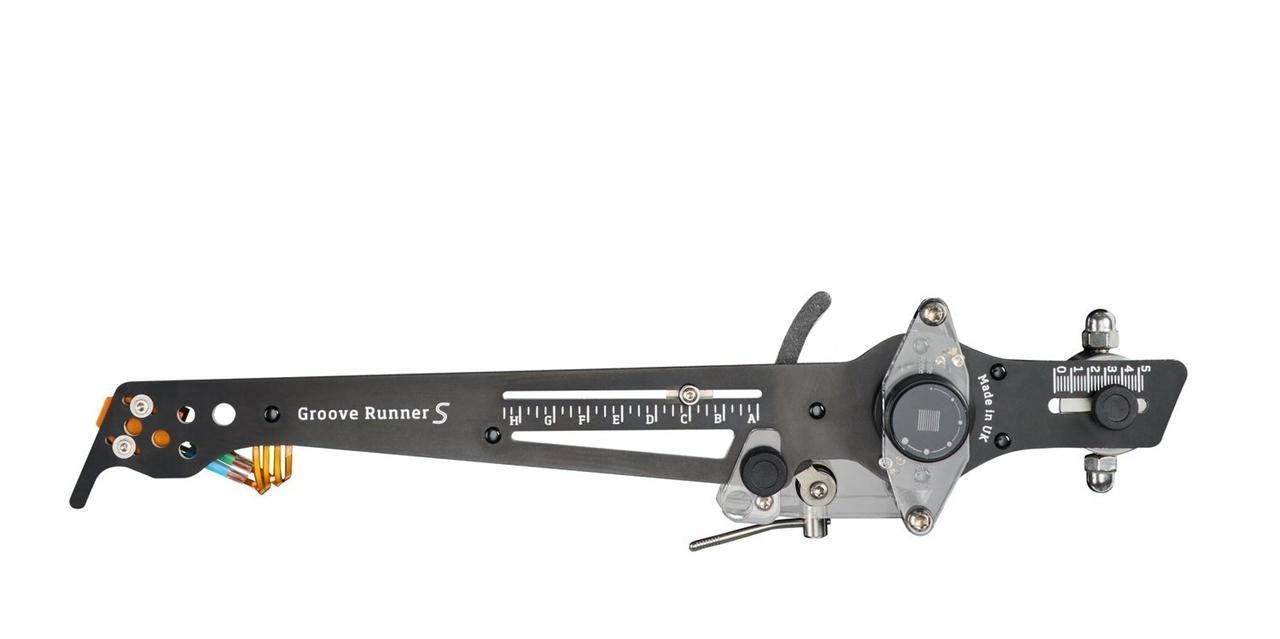
Next, I will summarize the three key features of the Groove Runner S flat tonearm:
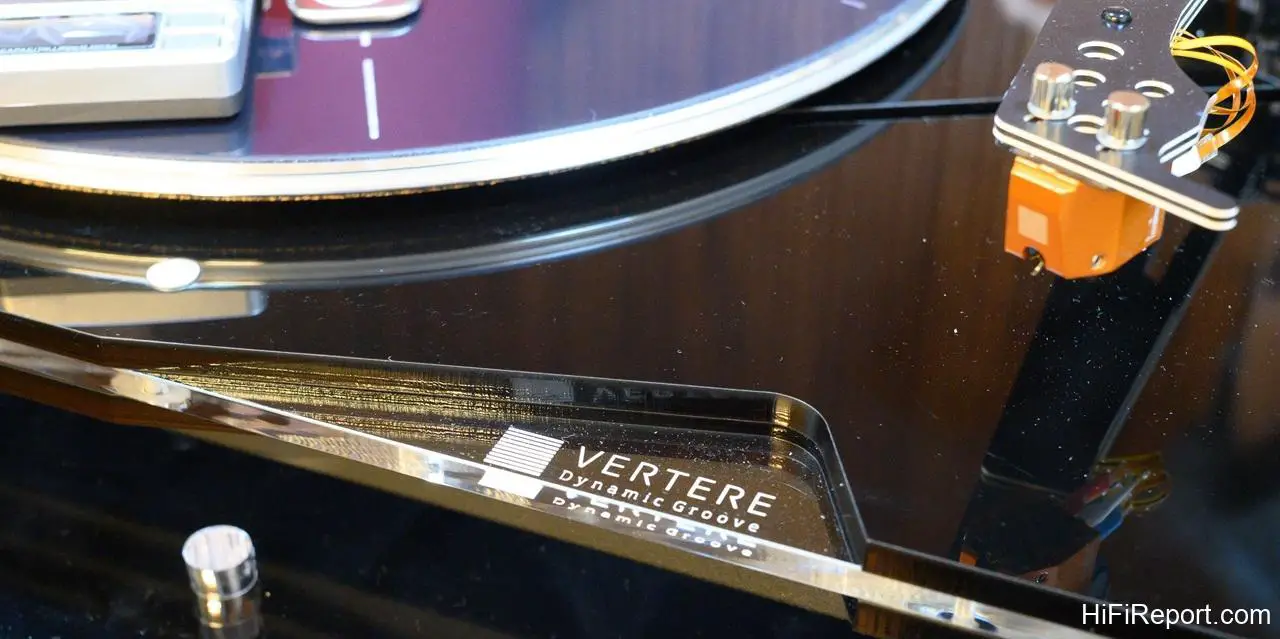
The upgraded Groove Runner S tonearm accompanying the DG-1S improves the shielding of the tonearm wiring and enhances the rigidity of the five-layer laminate structure.
Groove Runner S Thread Bearing System
The key advantage of this design lies in three points: First, when the thread bearings pivot, they introduce absolutely none of the friction found in typical pivot bearings. This allows the tonearm to move with complete freedom and entirely eliminates bearing friction noise. Second, by simply rotating the screws that fix the horizontal bearing threads, the force of the twisting threads can be used to adjust the tonearm’s anti-skate.
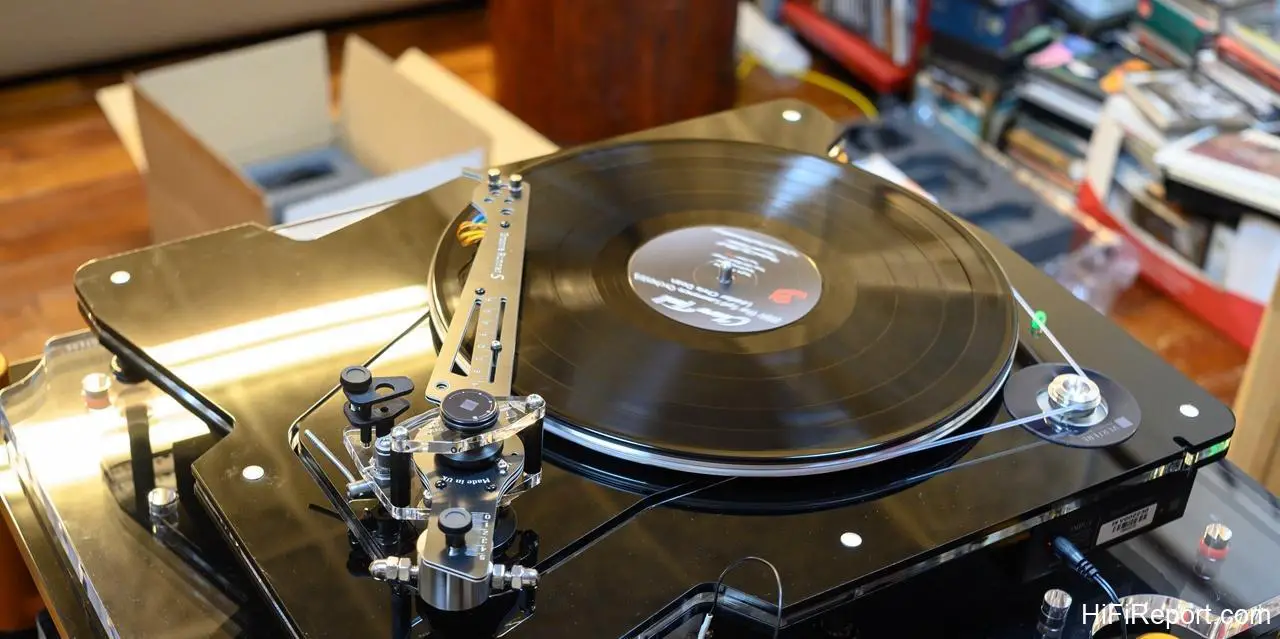
Third, by adjusting the screws on either side of the counterweight at the rear of the tonearm, you can adjust the horizontal alignment of the vertical-motion thread bearings, allowing for fine-tuning of the cartridge azimuth.
Tonearm Effective Mass Adjustment
Why is adjusting the tonearm’s effective mass important? Let’s explain the principle. A correctly designed tonearm must be extremely agile, allowing the cartridge to track the groove unimpeded. Yet, on the other hand, it must also be extremely stable. When the stylus vibrates according to the groove modulation to pick up the signal, the tonearm must not oscillate along with the stylus.
Only then can the mechanical vibrations picked up by the stylus tip be fully converted into electronic music signals.
How can a tonearm be both agile and stable? The thread bearing design mentioned earlier allows the tonearm to pivot freely without resistance. However, to ensure the tonearm is stable for signal retrieval, it must be properly matched with the tonearm’s effective mass. A tonearm’s effective mass is related to its center of gravity, as well as the cartridge’s weight and compliance.
Generally, high-compliance cartridges should be paired with tonearms of lower effective mass, while low-compliance cartridges require tonearms of higher effective mass. When the cartridge and tonearm effective mass are appropriately matched, lowering the tonearm’s resonant frequency to 8-12Hz, the tonearm can achieve both agile and stable tracking.
The problem is that most tonearms have a fixed effective mass. If your cartridge is not well-matched with the tonearm, the only solutions are to change the cartridge or change the tonearm. The DG-1S, however, is one of the very few tonearms with adjustable effective mass, solving the cartridge matching issue.
What if you don’t know how to adjust the effective mass? Don’t worry, the factory default setting is at position ‘D’. With the Sabre cartridge used here, slightly moving this adjustment mechanism can fine-tune the tracking force. When using other cartridges of similar weight, setting it near ‘D’ should also be suitable.
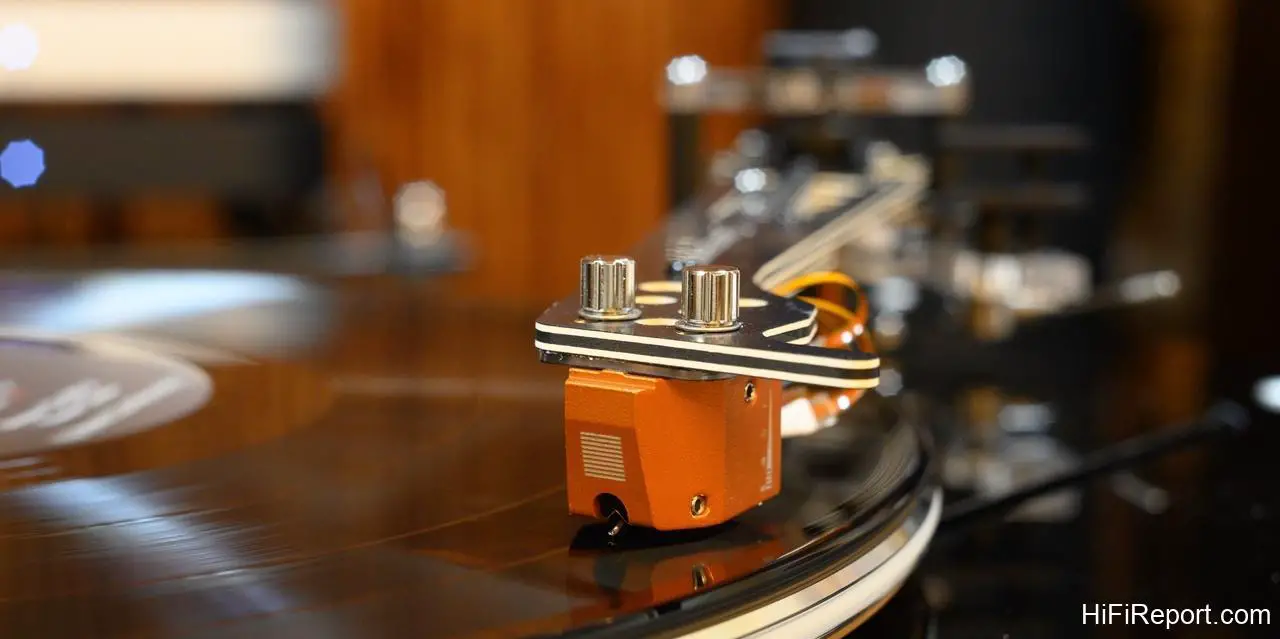
Sabre MM Cartridge: Precision Engineering
Sabre Cartridge Technical Design
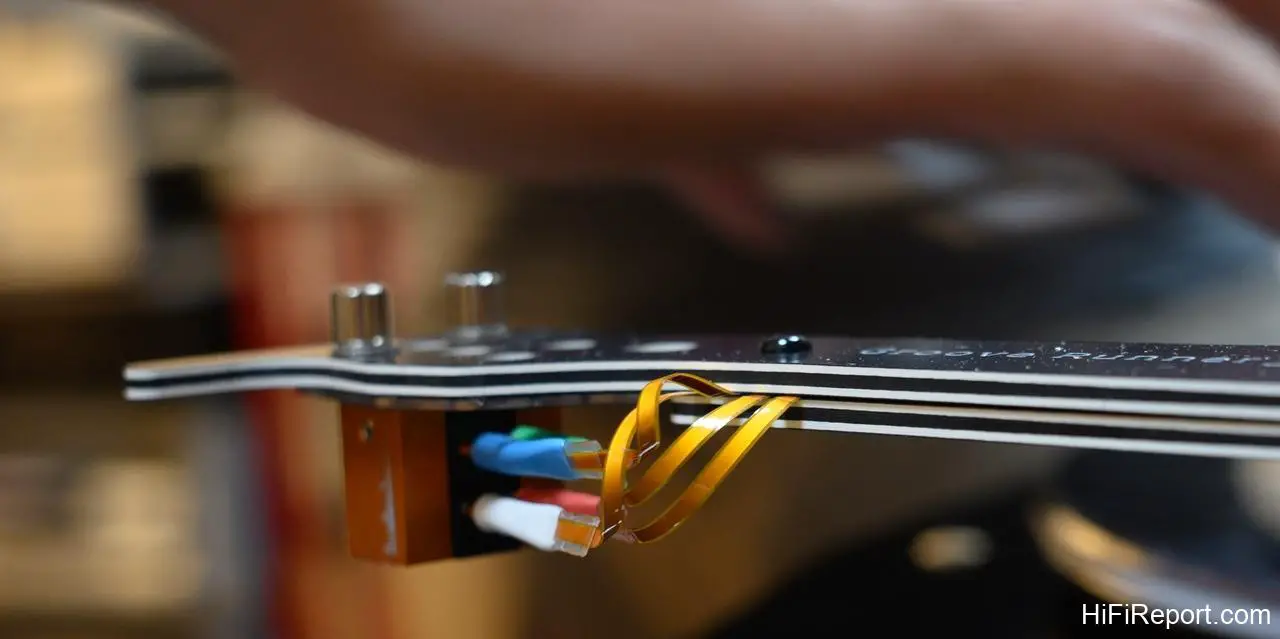
Finally, let’s talk about the Sabre MM cartridge. This is a completely in-house developed Vertere cartridge. The stylus and cantilever are provided by the industry’s top manufacturers, with geometry custom-designed according to Vertere’s specifications. A super-lightweight, powerful neodymium magnet is installed at the rear of the cantilever to ensure stable magnetic flux without degradation. The lightweight design also minimizes energy accumulation in the generating coils.
The thick aluminum alloy shell is a precision CNC-machined monolithic structure. The positions and torque for locking the cartridge are precisely calculated to reduce resonance interference. Most importantly, the assembly precision is extremely high; each cartridge’s cantilever is individually adjusted to ensure consistent quality for every unit leaving the factory.
Listening Impressions: Performance Unleashed
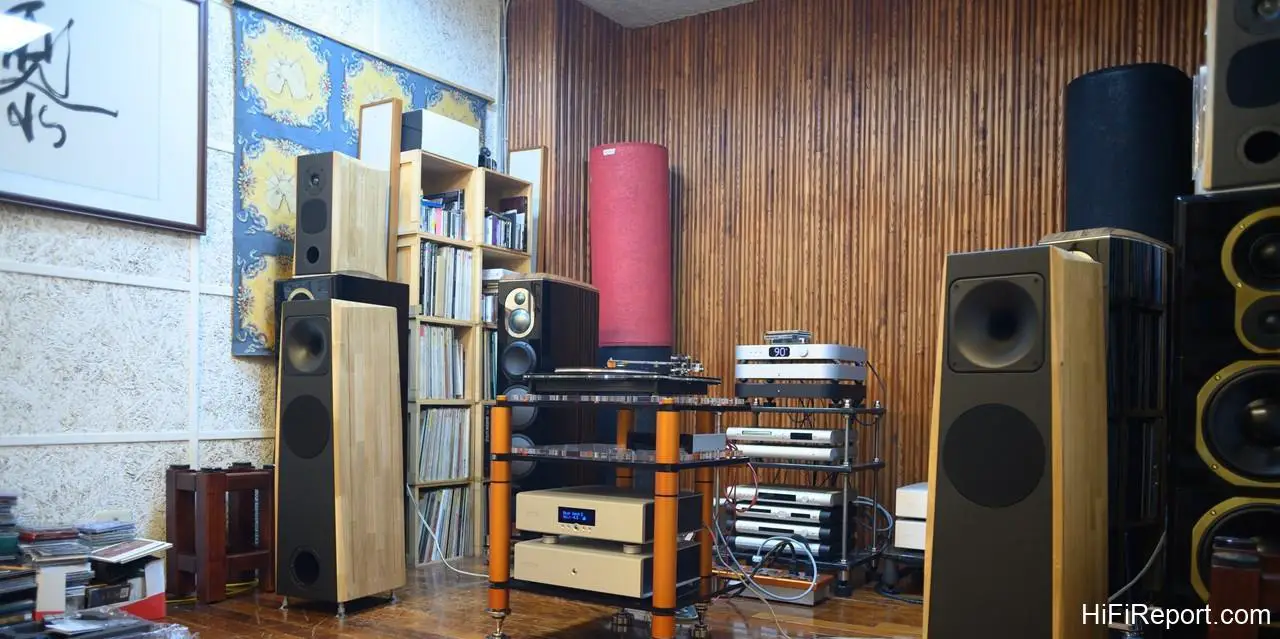
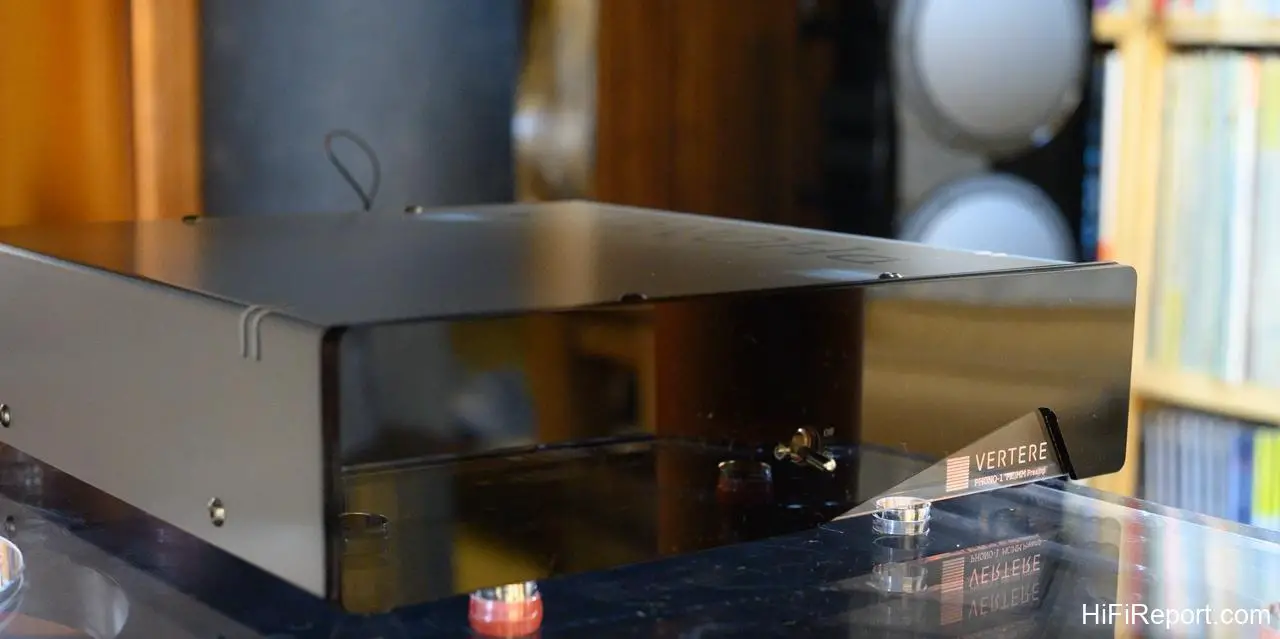
The listening test took place in the listening room at the distributor, Upper Audio. The entire DG-1S system, including the cartridge, was brand new out of the box. The accompanying Vertere Phono MkII phono stage was also brand new and needed time to run in. However, after a single afternoon session, I could already grasp the fundamental sonic character. Listening to Brendel’s performance of Mozart’s Piano Sonata K331, the piano’s high notes were bright and rounded.
The subtle variations in touch could be presented very directly, and the energy during forte passages was plentiful. It truly combined the delicacy and resolution of an MC cartridge with the abundant energy and dynamics of an MM cartridge.
The album “Heifetz on Television” I listened to is a live recording from Heifetz’s 1971 NBC television appearance. Previously, I always felt the violin tone had a slight haze. Surprisingly, when played back with the DG-1S, the haze completely dissipated, allowing me to hear a more authentic and direct violin sound. I must say, to truly appreciate Heifetz, you need to listen on vinyl.
The sense of realism, directness, and natural tone that the DG-1S reproduced from Heifetz’s performance is something I haven’t experienced with any digital source.
Finally, I listened to the album “Couldn’t Stand The Weather” released in 1984 by blues guitarist Stevie Ray Vaughan. Somewhere along the line, the track “Tin Pan Alley” became a frequently used test track for audiophiles.
Although the DG-1S turntable appears lightweight, the transient speed and punch of the drums, the direct and lively tone of the electric guitar, and the solidity and depth of the electric bass plucks exhibited the power and stability typically associated with heavy, hard plinth turntables.
The vivid sense of being present at the performance, the expansive soundstage, precise imaging, and the full-bodied, three-dimensional presentation are all playback characteristics that only truly top-tier vinyl systems can deliver.
Conclusion: Reaching the Summit
Am I mistaken? The Xerxes.20 was a classic turntable that sold continuously for over 30 years! In its time, its status was second only to Roksan’s flagship TMS turntable. Over a decade ago, I dedicated several lengthy articles in “Audio City” magazine to analyzing its technical features. Can the DG-1S truly surpass the Xerxes.20? After actually listening to it this time, I must admit that the DG-1S’s performance is indeed top-tier.
Whether you are new to vinyl or an experienced enthusiast, the DG-1S is the best choice for reaching the “summit” in one step within the approximately $6000 price range.
Specifications
* DG-1S Turntable:
* Structure: Three-layer acrylic plinth structure
* Motor: 24-pole AC synchronous motor
* Drive: Belt drive
* Dimensions (WHD): 469 x 384 x 130 mm
* Weight: 8 kg
* Groove Runner S Tonearm:
* Structure: Five-layer composite material flat tonearm structure
* Bearing: Thread suspension bearing design
* Effective Length: 240 mm
* Momentum: 240 grams
* Sabre MM Cartridge:
* Type: MM Cartridge
* Output: 4mV
* Input Impedance: 47k ohms
* Frequency Response: 15Hz – 25kHz
* Weight: 10.3 grams