
Audio Research GSi75 Vacuum Tube Amplifie Review
Audio Research, the esteemed American manufacturer of vacuum tube amplifiers with over 40 years of history, unveiled its brand new flagship G series last year. The “G” designation pays homage to the great Italian scientist Galileo Galilei. The G series design blends classic and modern aesthetics, initially featuring the GSPre preamplifier, GS150 power amplifier, and GSi75 integrated amplifier.
We have previously auditioned and tested the pre and power amplifiers, and their performance left a profound impression. As Audio Research’s latest flagship series, it truly showcases remarkable capabilities, delivering exceptional sonic performance alongside the warm and captivating allure of vacuum tubes. This review focuses on the newly arrived GSi75 integrated amplifier. “GS” signifies the G series, “i” denotes integrated, and “75” indicates its 75W power output.
The GSi75 can be considered a condensed essence of the GSPre preamplifier and GS150 power amplifier, further enhanced with a built-in high-resolution DAC, a premium MM/MC phono stage, and a headphone amplifier, providing a remarkably comprehensive feature set for those who appreciate simplicity. Like the GS150 power amplifier, the GSi75 also utilizes the novel KT150 power tube, marking Audio Research’s inaugural implementation of this tube type.
Despite being an integrated amplifier, it is quite substantial in size. The packaged weight reaches 35.4 kg, while the unit itself weighs 25 kg. The white packaging prominently displays the G series logo.
Upon opening the box, the first items encountered are two large accessory boxes.
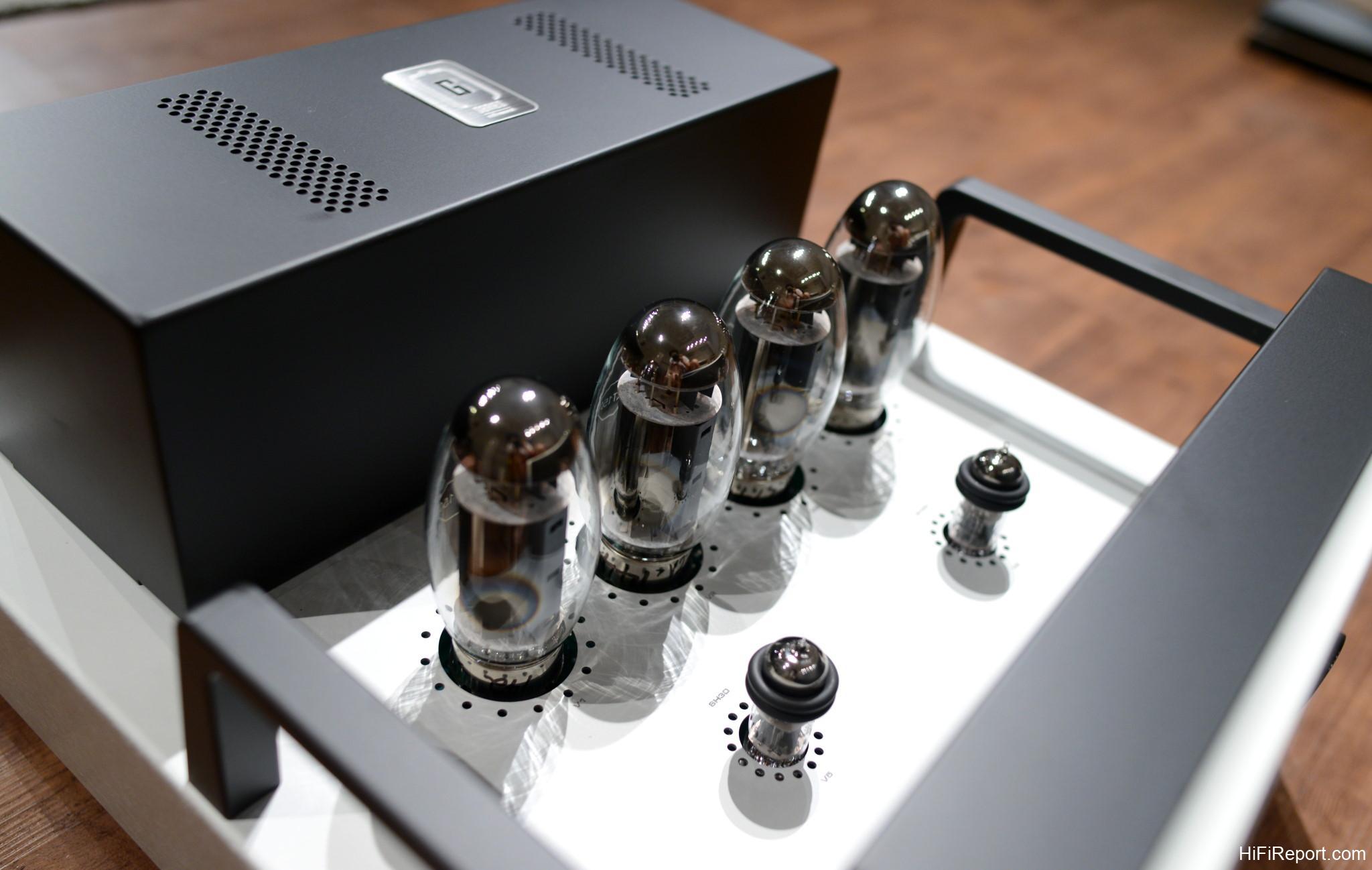
One box contains the vacuum tubes, including four matched KT150 power tubes and two 6H30 driver tubes. The KT150 is a new power tube introduced by Tung-Sol of the United States in 2013. Tung-Sol, who in 1955 invested in the production of the 6550 power tube, designed specifically for audio applications, is a widely used power tube in modern audio. In 2010, the KT120 was born as a replacement for the 6550. The KT150, along with the 6550 and KT120, are all manufactured in a new factory in Russia.
The KT150 boasts improved heat dissipation, higher current capacity, greater output, and extended lifespan compared to its predecessors. The only drawback is that the cost of the KT150 is double that of the KT120. Audio Research incorporates special rubber damping rings on its small signal tubes to prevent microphonic effects. These are intentional and should not be removed.
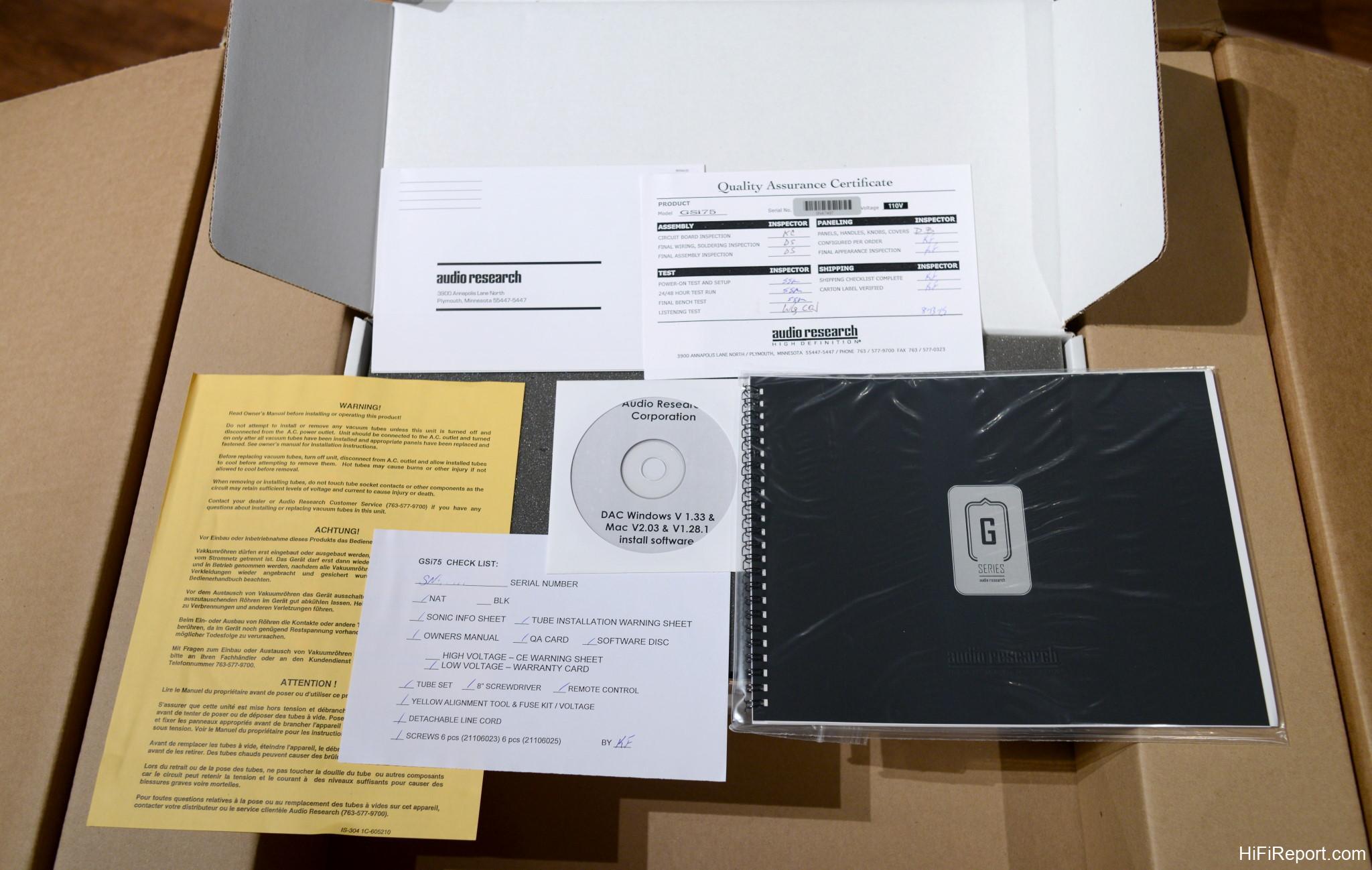
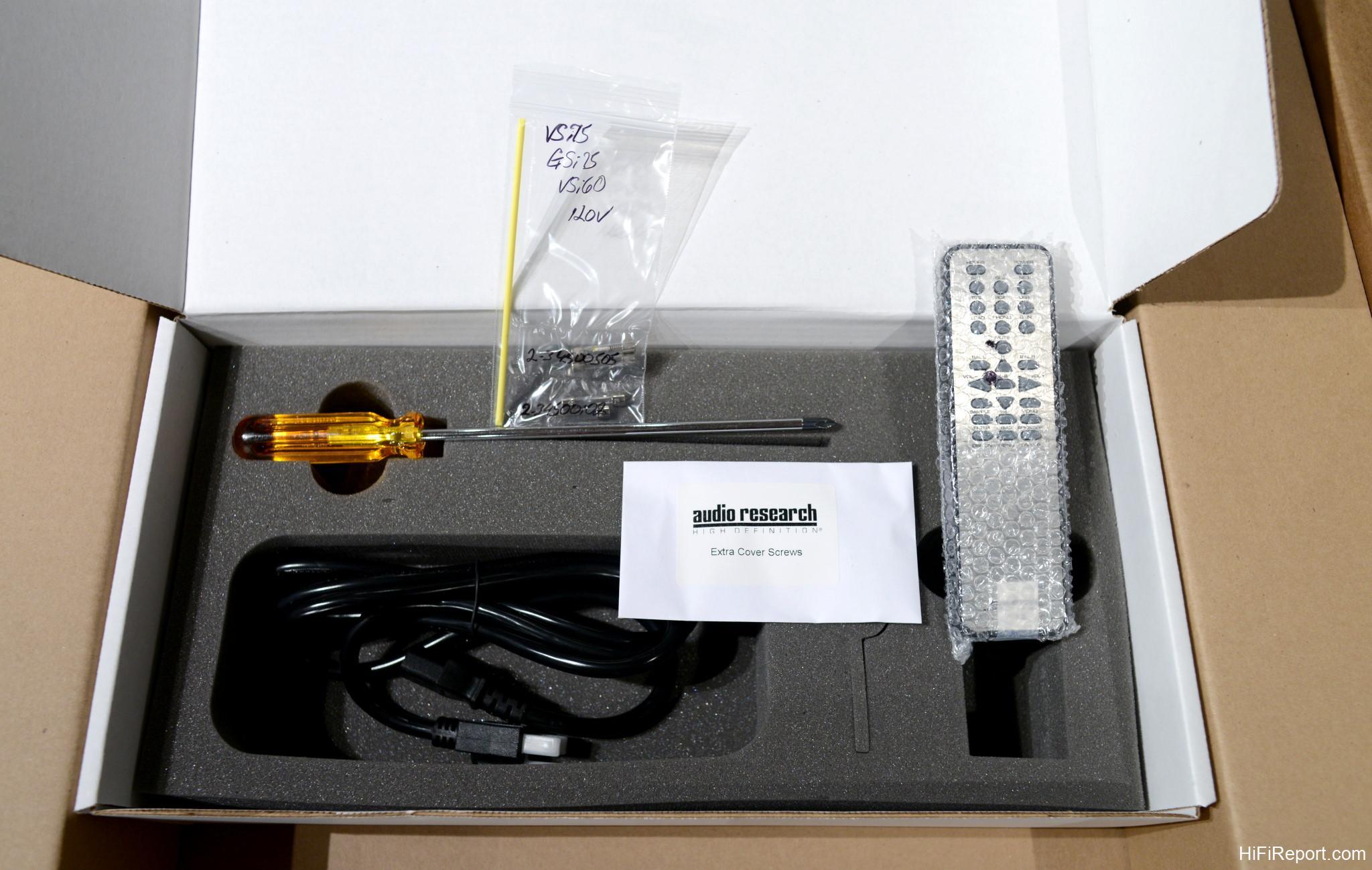
The other accessory box contains various documents, including a very detailed instruction manual, a USB driver disc, the factory warranty card, QC factory certification, and more. Furthermore, it houses the remote control, a screwdriver, bias adjustment tools, spare screws, a power cord, and other accessories.
The top of the unit indicates that the GSi75 requires a 600-hour break-in period. The manufacturer recommends against continuous operation for break-in due to it being a vacuum tube amplifier. Instead, they suggest patiently listening for a fixed duration each day to naturally achieve the necessary break-in time. How can one track the accumulated listening hours?
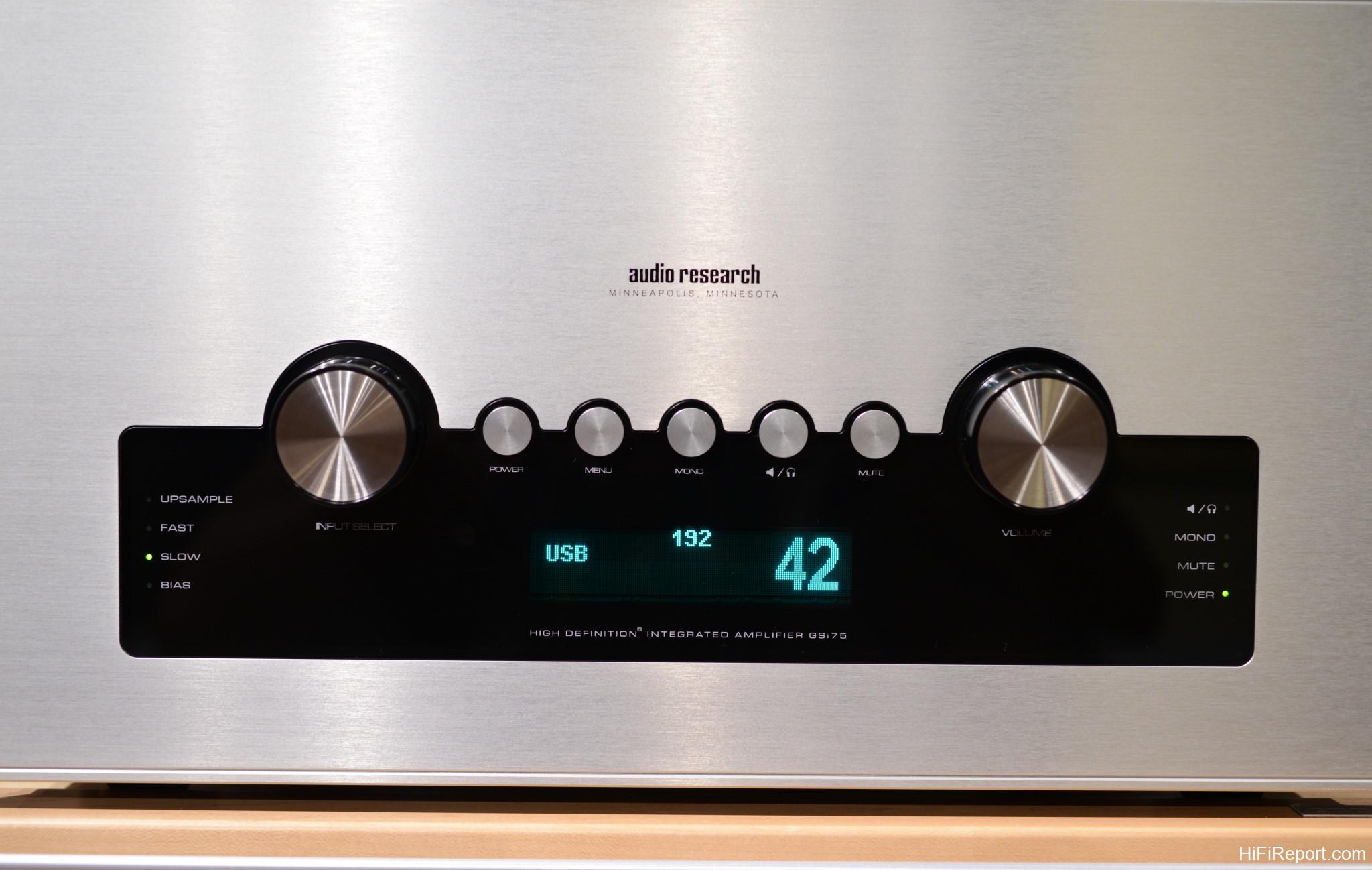
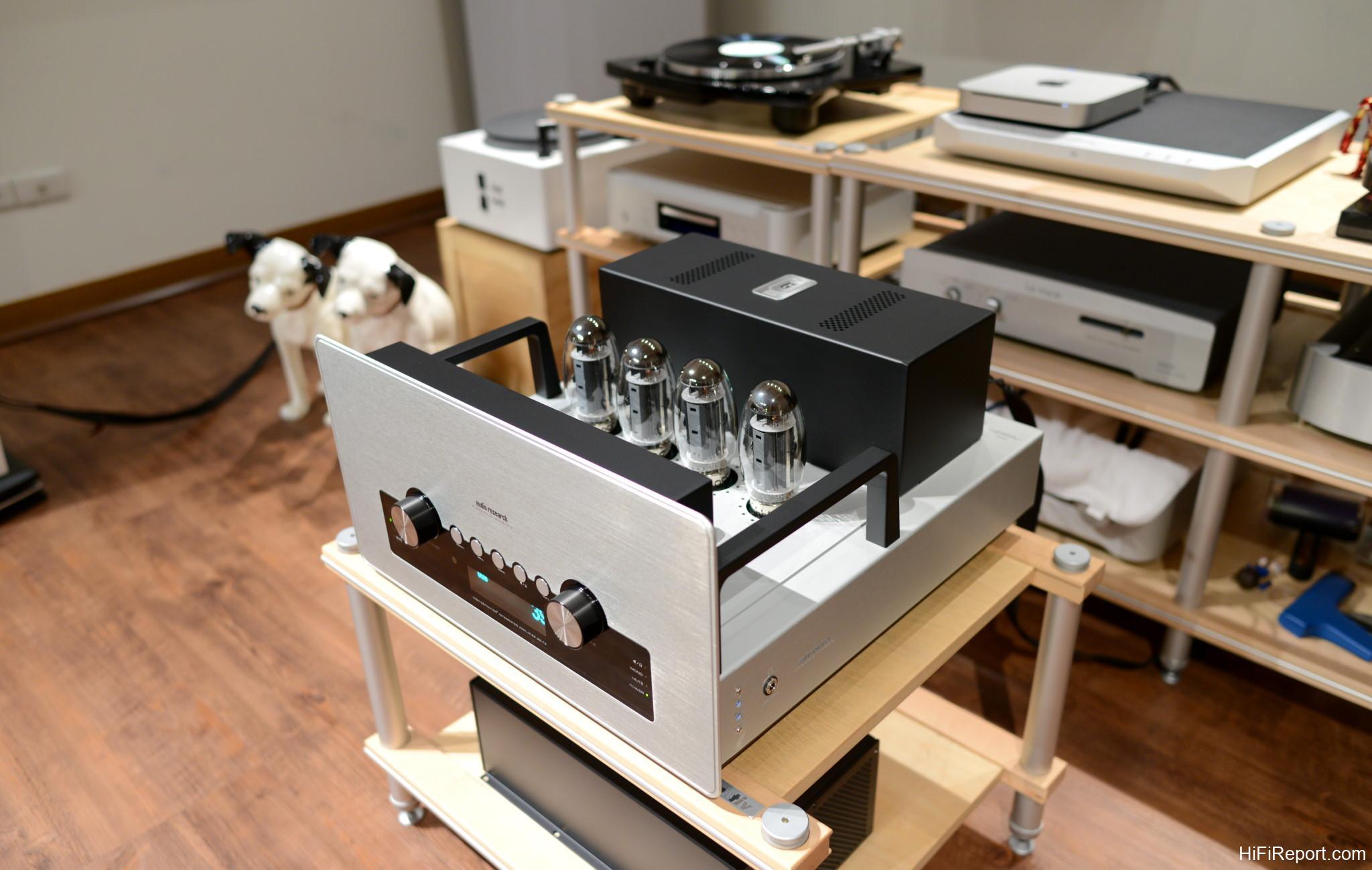
Similar to the GS150, the GSi75’s MENU option includes a function to display usage hours, eliminating the need for users to manually keep track. The G series handles deviate from previous Audio Research equipment, being positioned on the top panel’s sides rather than the front panel. The left knob on the front panel selects the input source, while the right knob controls volume. Above the central display screen are five buttons, from left to right: POWER, MENU, MONO, Headphone, and MUTE.
At the base of the black vacuum tube cage on the front panel, an orange label indicates a transparent spacer that needs to be removed after loosening the screws and opening the top cover. Why is the cover elevated with a spacer? I speculate it’s for protection during future transportation. Once the top cover is opened, the vacuum tubes can be installed.
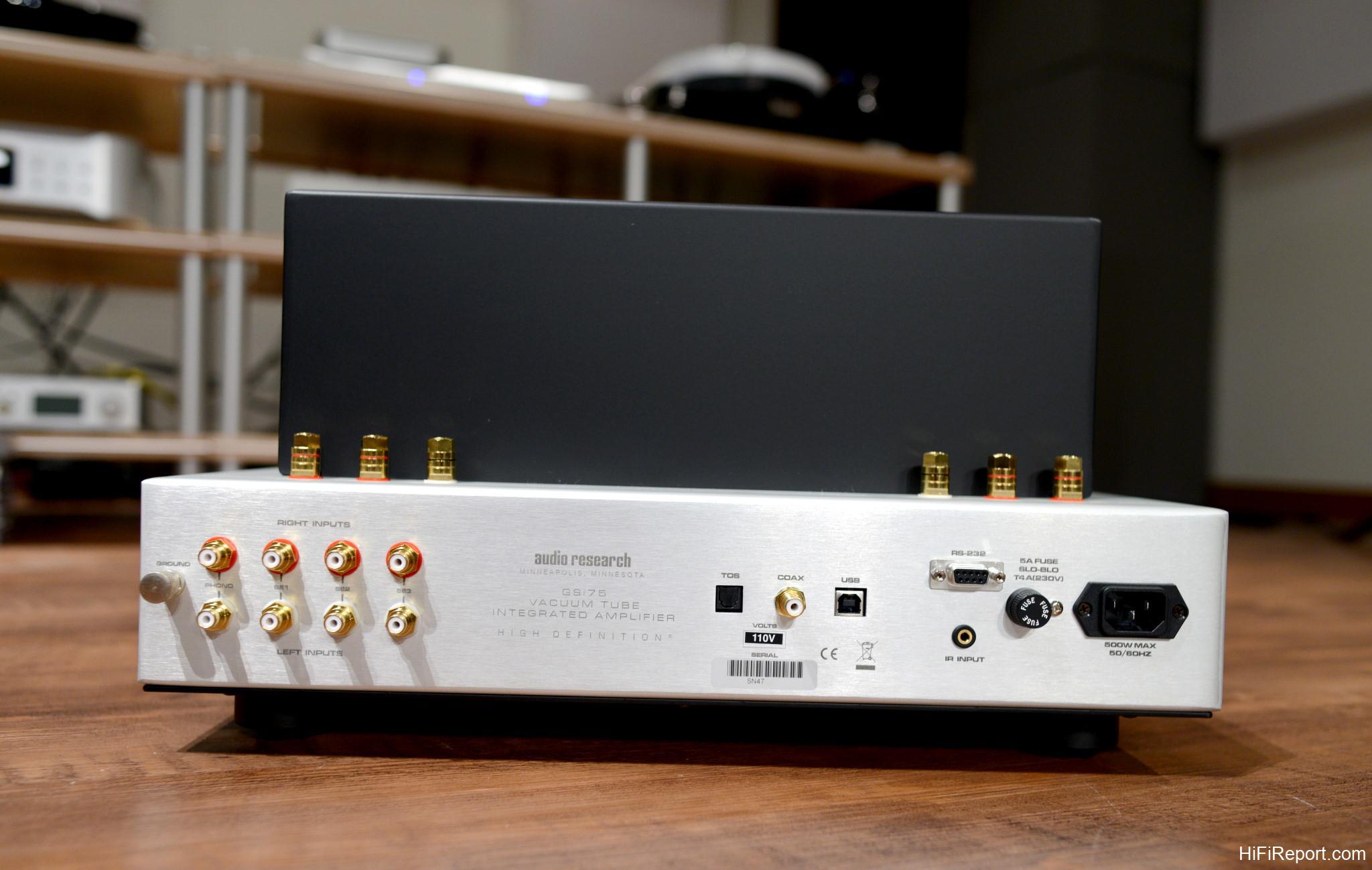
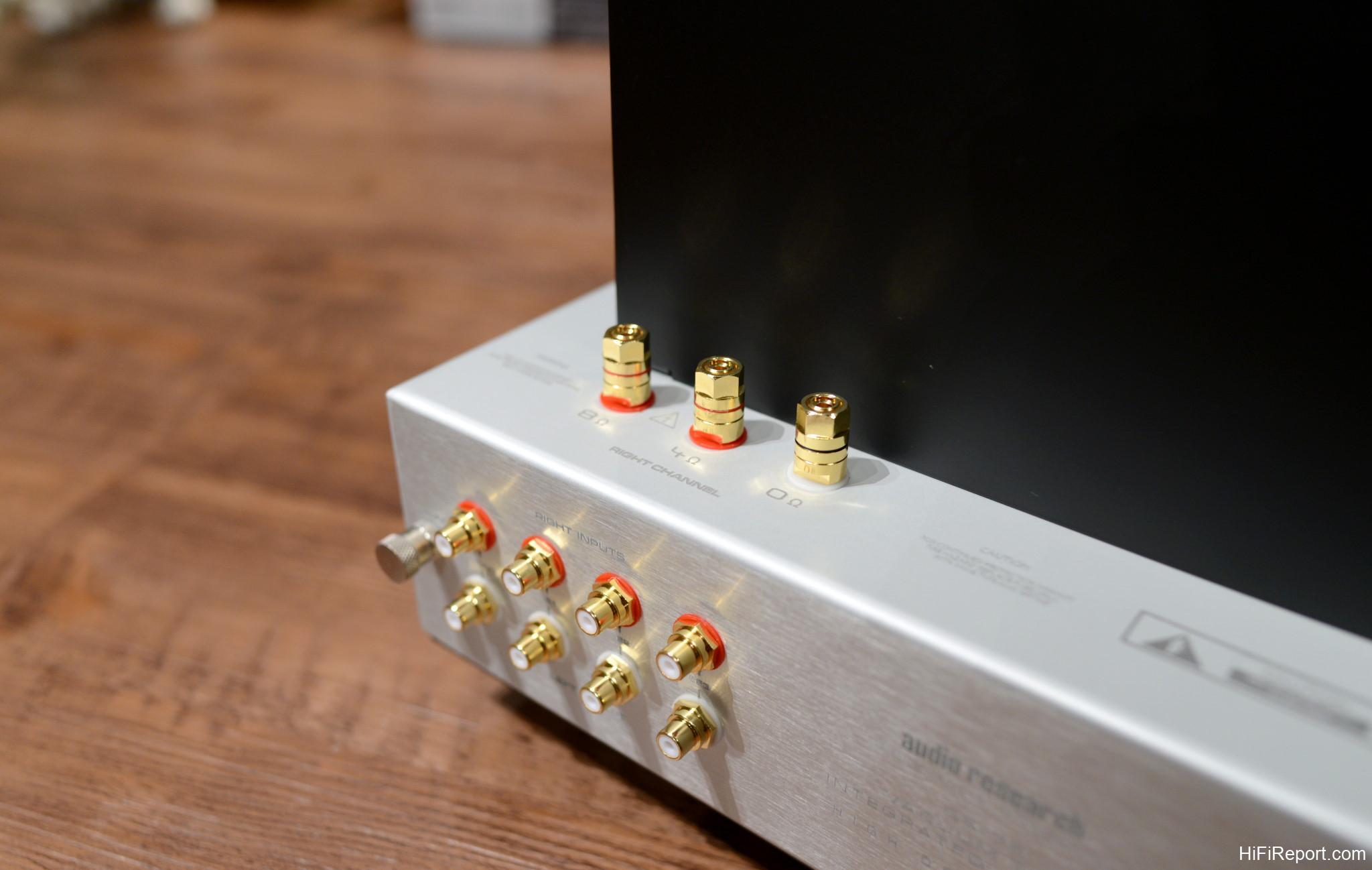
The rear panel of the GSi75 features connections including four sets of RCA inputs, one of which is designated for MM/MC phono. Digital input options comprise one optical, one RCA coaxial, and one USB input. The optical and coaxial inputs support decoding up to 24Bit/96kHz, while the USB input extends to 24Bit/384kHz and DSD 5.6MHz.
Speaker outputs are located on the top panel, offering 4-ohm and 8-ohm taps. The selection depends on which tap better matches the average impedance of your speakers. If your speakers are exactly 6 ohms, it’s advisable to experiment with both taps.
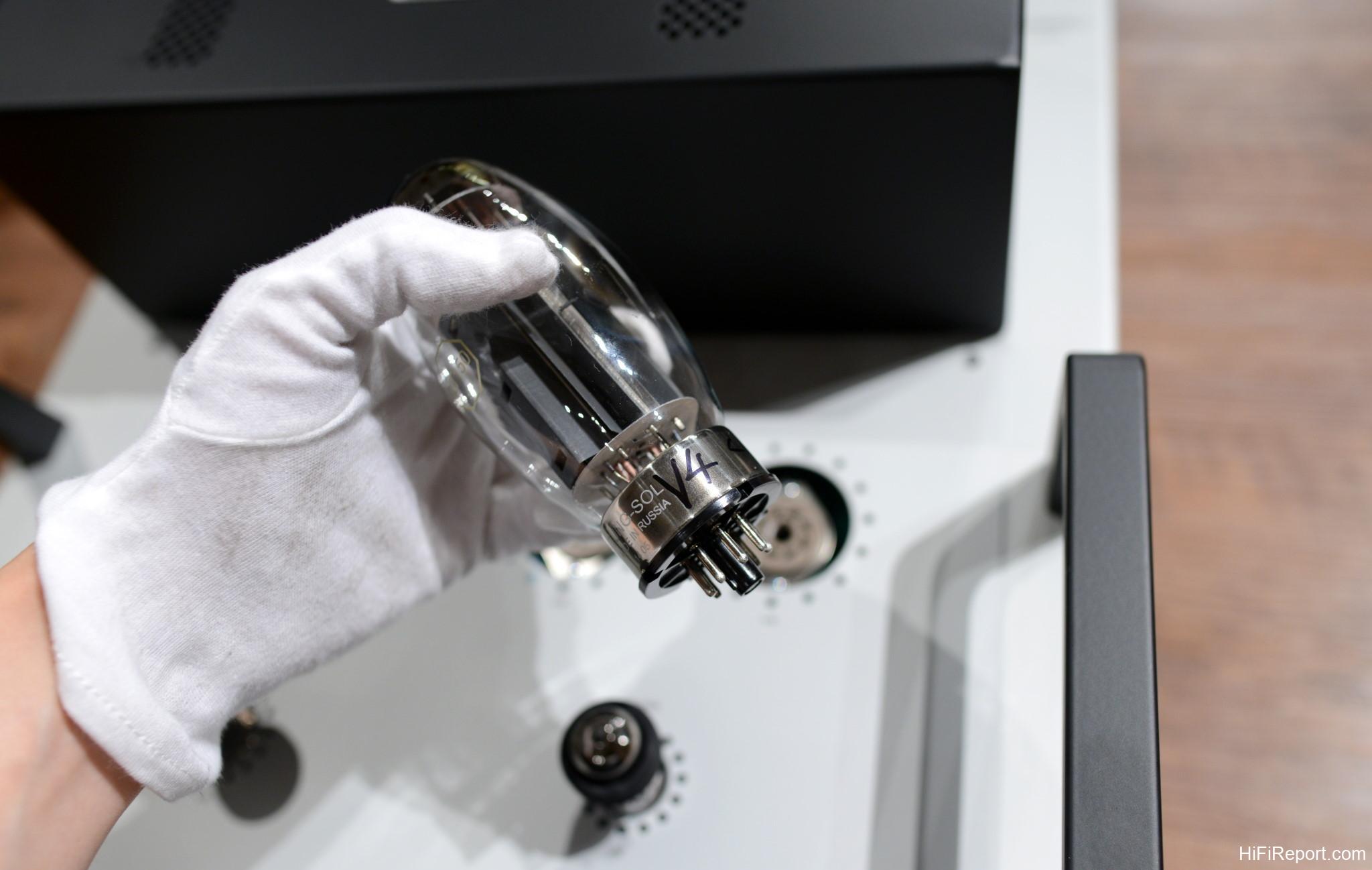
When installing vacuum tubes, I prefer wearing cotton gloves to prevent leaving sweat or fingerprints on the glass. The factory pre-matches the tubes, and each tube is labeled with its corresponding insertion number and location (e.g., V4 as shown in the photo). Vacuum tubes are generally keyed for correct orientation. Ensure accurate alignment before insertion and avoid forcing them.
Carefully insert all the vacuum tubes. Regarding whether to replace the top cover, it depends on whether there are children or pets at home who might touch them, or if dust accumulation is a concern. In the HiFiReport listening room, which is secure, and considering the visual appeal of exposed tubes, we opted not to replace the cover.
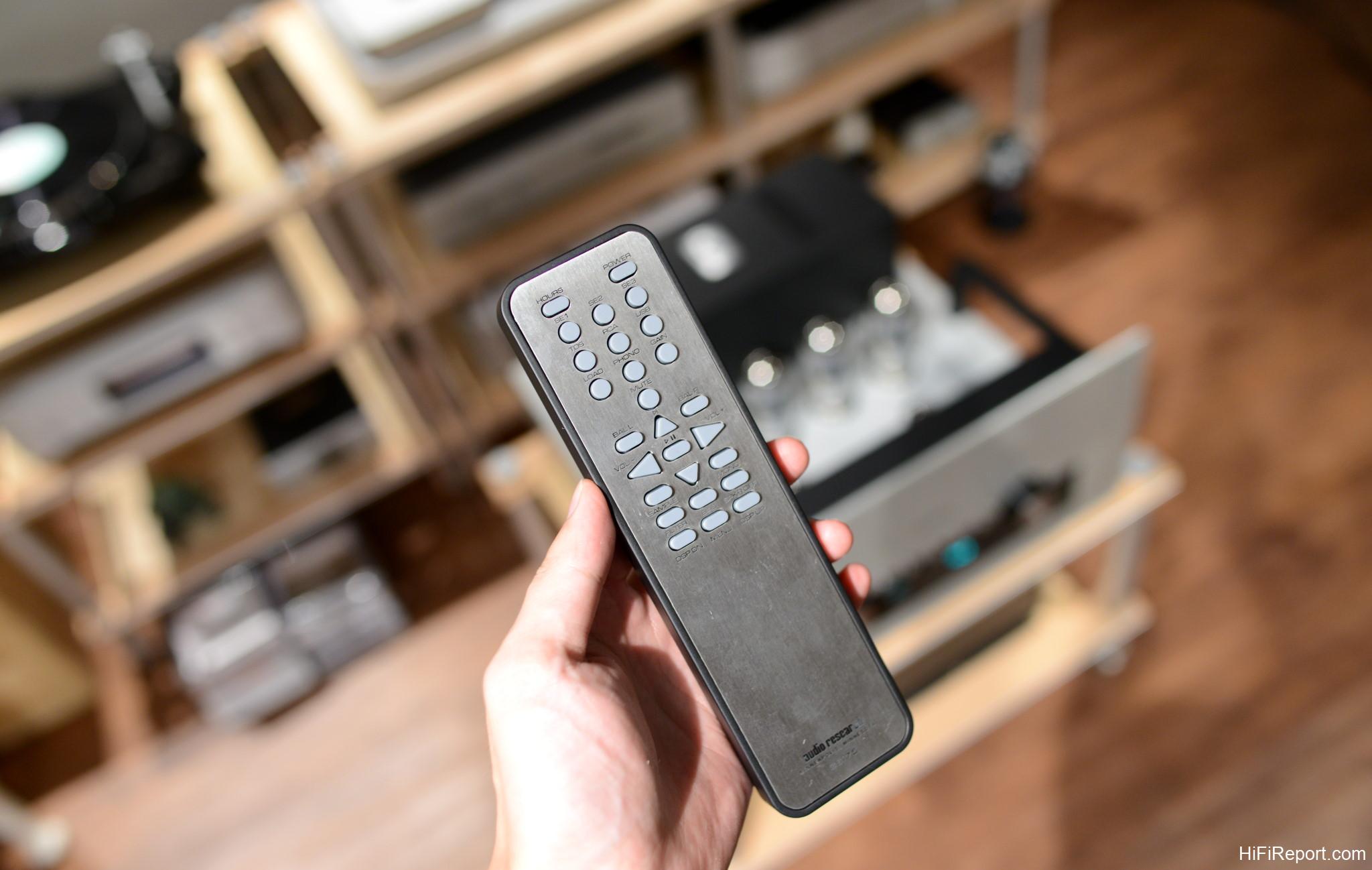
The newly designed metal remote control exudes a touch of retro charm, aligning with the G series’ overall aesthetic. Certain functions are exclusively accessible via the remote, such as display brightness, cartridge impedance settings, phono gain, upsampling, digital filters, bias adjustment, channel balance, and more. Therefore, the remote control is indispensable.
Next comes the practical testing and listening evaluation! Upon powering on, there is a 45-second mute period for warm-up and protection. When powering off, remember to first press MUTE before turning off the power.
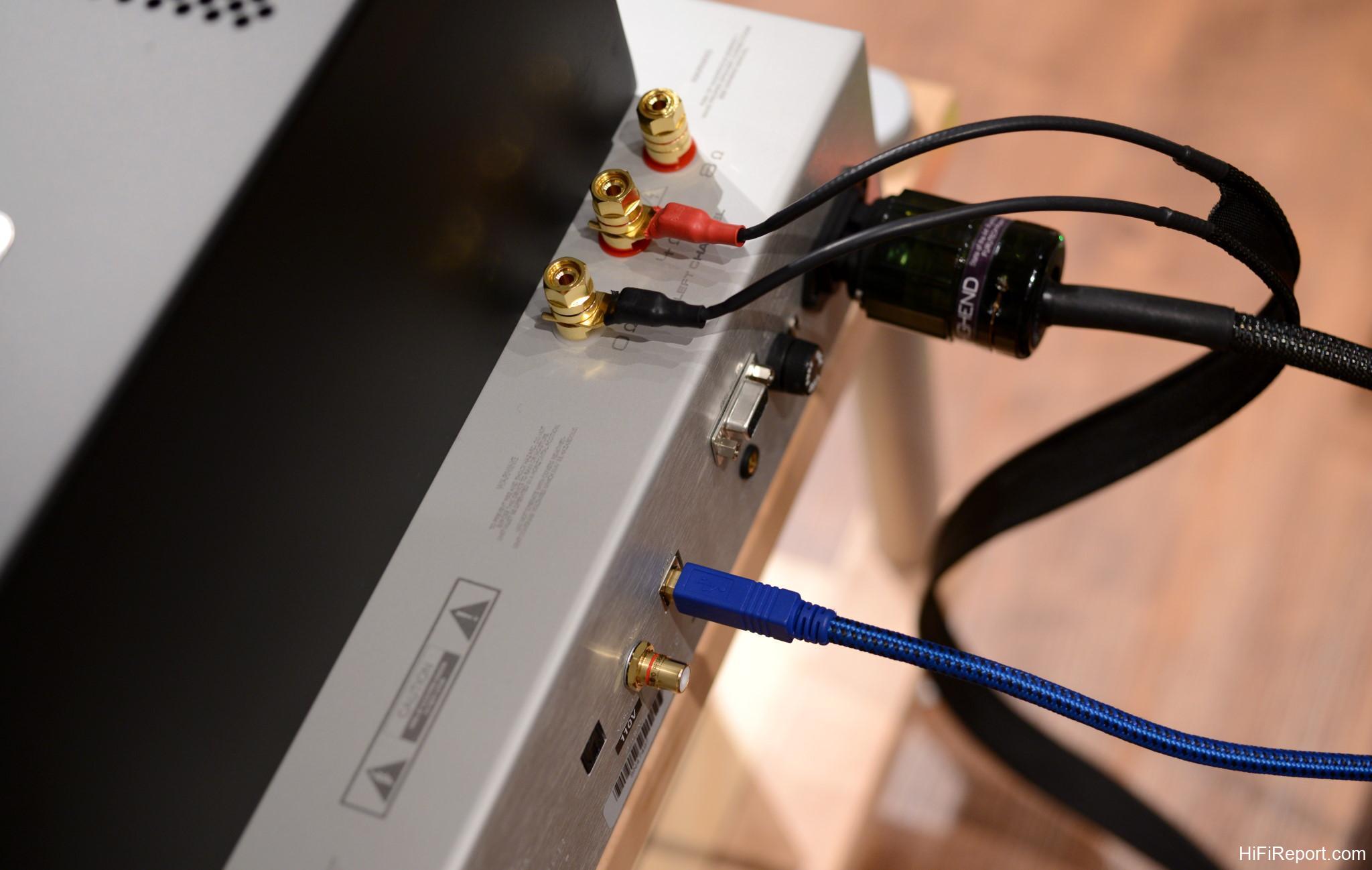
USB DAC Input
The GSi75 is feature-rich. I began by using a MAC MINI as the source, utilizing the GSi75’s built-in USB DAC for playback. Remember to select USB as the input source. During playback, the front panel will display the sampling frequency of the currently playing track. It’s worth noting that the GSi75 incorporates a built-in upsampling (UPSAMPLE) function, which can be toggled via the remote control.
When UPSAMPLE is enabled, the front display will show 384kHz or 352.8kHz, depending on whether the original signal is a multiple of 48kHz or 44.1kHz. Upsampling imparts its own sonic characteristics, and whether to enable it is a matter of personal preference.
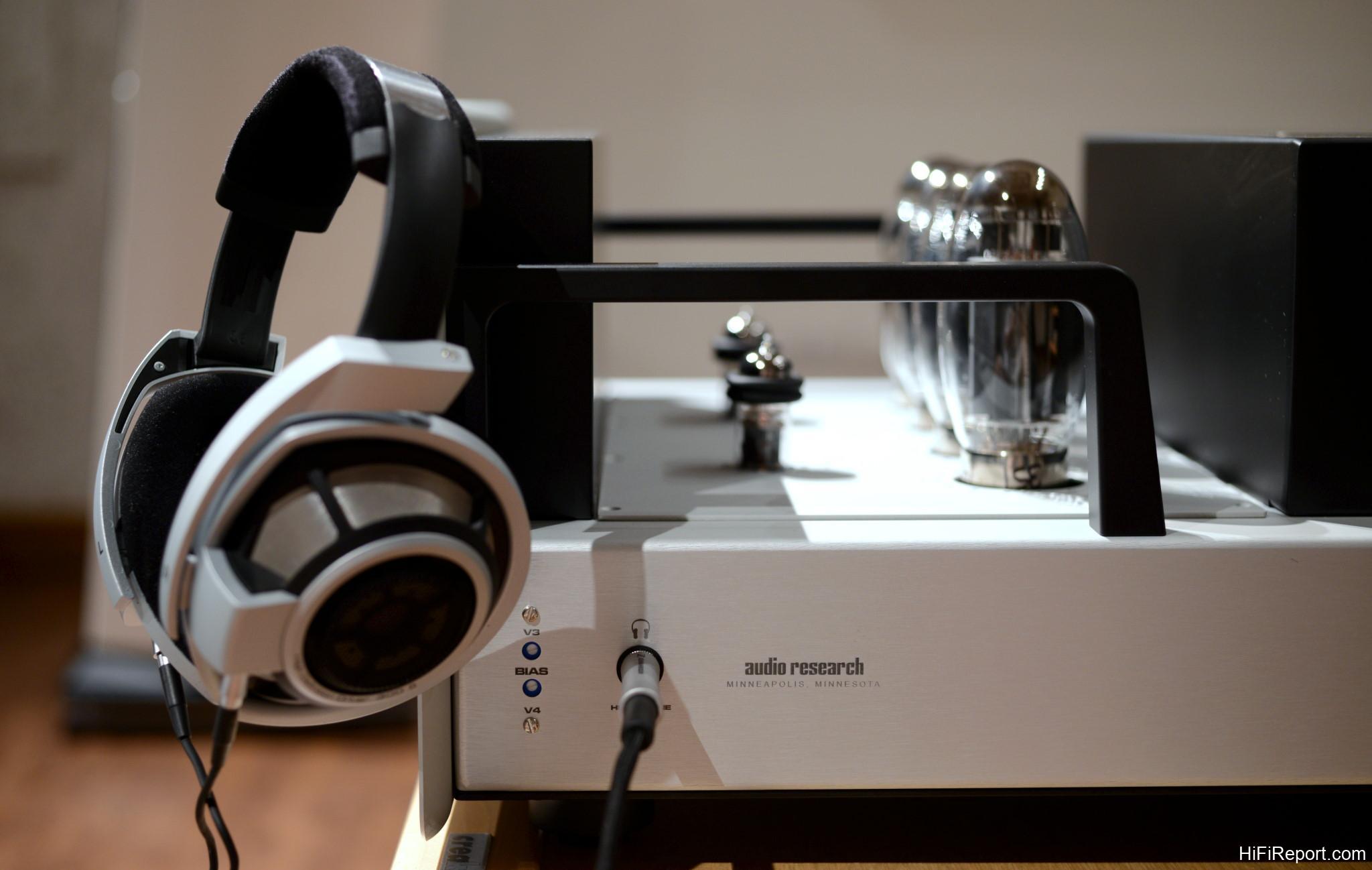
The allure of vacuum tube sound is truly captivating. The GSi75’s sonic signature blends modernity and classicism. Within its warm sonic embrace, it maintains excellent imaging and spatial presentation, exhibiting outstanding transparency.
The screenshot above shows the Audirvana playback software interface.
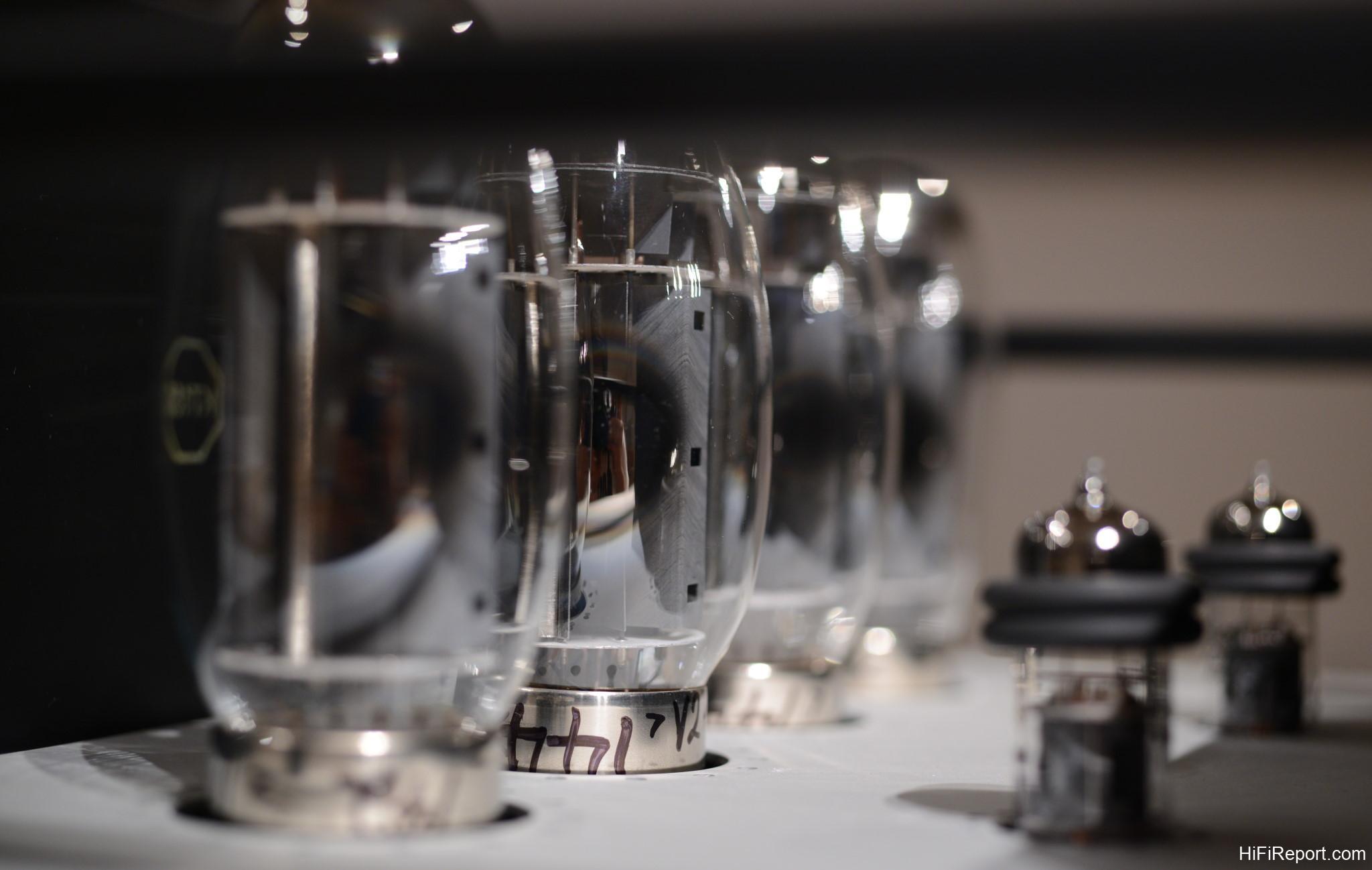
Headphone Amplifier Performance with Sennheiser HD800
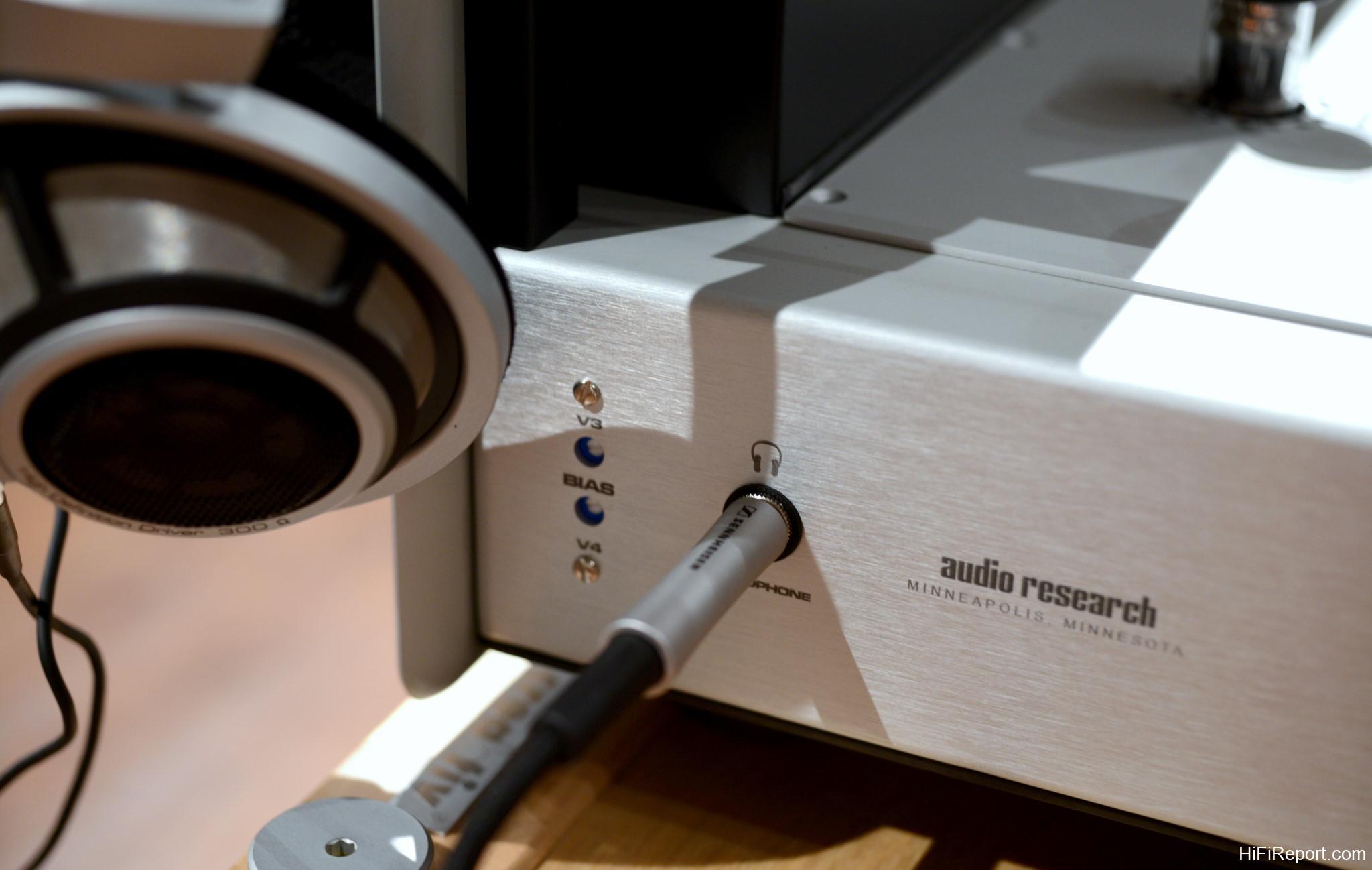
Next, I evaluated the GSi75’s headphone amplifier section. The headphone jack is situated on the right side panel. When switching to headphones, the headphone button on the front panel needs to be pressed; the speakers and headphones do not output simultaneously. Using the HD800 headphones provides a quick assessment of the headphone amplifier’s driving capability. Overall, the sonic character closely mirrors that experienced with speakers.
The advantage of headphones lies in even more distinct detail retrieval and imaging precision. The GSi75 drives the HD800s with aplomb, delivering a vibrant and engaging performance. If I were to nitpick, the low-frequency quantity is slightly less pronounced. However, to truly excel in this aspect with HD800s often requires dedicated, high-wattage headphone amplifiers, such as the Eddie Current Balancing Act.
Phono Stage Evaluation
Before the advent of CDs, vinyl records were the primary audio source in hi-fi systems. Consequently, early amplifiers commonly incorporated phono preamplifiers. As CDs gained popularity and vinyl listening declined, the phono stage feature was often omitted. However, with the recent resurgence of the vinyl market, many manufacturers are re-integrating phono stages into amplifiers.
For a company with Audio Research’s long history, this is hardly a challenge, as they have consistently retained phono stage functionality. The GSi75’s built-in phono stage allows for cartridge impedance matching and gain adjustments via the remote control. For my vinyl setup, I configured it to 100 ohms and High Gain. Unsurprisingly, the GSi75’s internal phono stage not only provides ample gain but also exhibits impressive dynamics.
This design is exceptionally convenient for those who prefer not to purchase a separate phono stage, and the quality is assuredly high, eliminating any concerns.
The GSi75’s sonic character persistently retains the captivating warmth and richness of vacuum tube amplifiers, akin to a fine vintage wine with high maturity and vivid hues. Like its G series siblings, the GSPre and GS150, the GSi75 possesses greater resolution and improved low-frequency speed and control compared to traditional tube amplifiers. While its tonal palette is imbued with warmth, it’s not an overly dense, dusky hue.
I perceive a greater emphasis on roundness, with the warm amber tone being less pronounced. The GSi75 excels in rendering various musical genres, consistently delivering excellent musicality. The allure of vocals is undeniably emotive, and in large-scale orchestral pieces, a majestic and grand soundstage is readily apparent.
Listening to the familiar Kit Chan album, , an album I’ve listened to countless times, the GSi75 imparts an even more rounded vocal texture to Kit Chan’s voice. The sonic quality is both relaxed and composed, naturally conveying the song’s emotions. In track 9, , these qualities are particularly pronounced, allowing Kit Chan to sing more effortlessly and naturally.
The soundstage presentation is appropriately sized and distanced, with clear imaging, as if a guitar and vocalist are rehearsing intimately nearby.
Moving to the wildly passionate Spanish Flamenco album, , the intense musical style and the GSi75’s tonal character are perfectly matched. Crucially, the GSi75 also possesses excellent resolution, capable of reproducing subtle nuances within the richly textured musical performance. This album and the GSi75 both exhibit excellent balance. Every listener will undoubtedly focus on the rhythmic footwork of the dancer on the wooden stage.
Therefore, when playing this album, I first adjusted the volume to my preferred level for the footwork sounds, then assessed whether other frequency ranges were excessive or lacking. The result was a well-balanced volume across all frequency bands.
The sonic elements within this album encompass remarkably direct male and female vocals, natural finger snaps, handclaps (not audience applause, but rhythmic handclaps integrated into the music), a variety of intensely passionate instruments, and, most importantly, the dancer’s footwork on stage. The GSi75 beautifully reproduces all the characteristics of this album. As the music reaches its climax, all elements pulsate intensely, creating a rich and rapid sonic tapestry.
The GSi75’s control over the sonic landscape and its natural conveyance of the sound are exceptionally well-executed. The incredibly natural handclaps are a stark contrast to the artificial applause often found in many albums, prompting me to listen attentively and appreciate them. Similarly, the unpretentious vocal delivery and the swift guitar strums, along with the focal point of the stage footwork, convincingly recreate the thickness and material texture of the wooden stage floor.
Even the stage’s height and hollow resonance are clearly discernible, a truly remarkable combination of album and equipment.
The GSi75’s tonal advantage is immediately apparent, instantly immersing the listener in a small tavern setting. The image clarity is exceptional, with distinct left, center, and right channel positioning. This is attributable not only to the GSi75’s excellent decoding and amplification capabilities but also to the album’s successful recording. The GSi75 masterfully conveys the joyful atmosphere of the music, and its speed and control in rendering the footwork are also commendable.
The forceful impact of each stomp and the clean, rapid decay are notable. The overall musicality and balance performance left a lasting impression.
The first track on Li Xiaopei’s album, a rendition of “Ambush from Ten Sides,” is exceptionally clean and high-resolution. The GSi75 has shed the sluggishness and muddiness often associated with older tube amplifiers, exhibiting enhanced resolution. This is well-demonstrated in “Ambush from Ten Sides,” with clear string plucking details, rapid rhythm, and generous, passionate, yet pleasing mid-high frequencies.
The rounded sonic character allows instruments to retain their natural sound while remaining non-strident and non-fatiguing. The low-frequency drum sounds are resonant, solid, and stable.
Jack Johnson’s maintains his signature relaxed and comfortable style. The GSi75 imbues this type of music with boundless charm. While Jack Johnson’s music is laid-back, it actually contains a wealth of sonic details. This is a significant reason why he maintains his consistent style without becoming monotonous. Each song, beyond the lyrical content, offers numerous guitar playing nuances and ambient sounds for attentive listening.
For instance, track 6, , features many delicate string strums and plucks, clearly audible on even moderately capable equipment with careful listening. This characteristic has been present since his earlier album, . Jack Johnson and his production team have clearly put considerable effort into this aspect, comparable to many audiophile albums.
And with excellent equipment like the GSi75, the album is elevated to an even higher level, rather than being confined to playback on a phone or computer.
The GSi75 also features an upsampling function. I carefully compared the sound with and without upsampling. The most noticeable change is a significant increase in sonic density. Initially, it might be perceived as a thickening of the sound, but closer listening reveals it to be an increase in density, subtly creating the illusion of greater thickness.
Sonic density and refinement can be considered the advantages of upsampling, while the original sound before upsampling is slightly more natural and smooth. Compared to the GS series pre-power amplifier combination, the GSi75’s sonic direction is consistent. However, the GSPre and GS150 combination demonstrates more pronounced strengths in power, control, rounded sonic texture, and lower noise floor.
The GSi75’s strengths lie in its versatility and comprehensive features, including the USB DAC, offering greater application flexibility and a higher value proposition. For those seeking an integrated amplifier, the GSi75 is an unmissable audition opportunity.
Audio Research GSi75 Specifications
* Power Output: 75 watts per channel continuous from 20Hz to 20kHz. 1 kHz total harmonic distortion typically 1.5% at 75 watts, .05% at 1 watt. * Power Bandwidth: (-3dB points) 12Hz to 70kHz. * Frequency Response: (-3dB points at 1 watt) 1.0Hz to 70 kHz. * Input Sensitivity: 0.55V RMS Single-ended for rated output. (32.5dB gain into 8 ohms.) * Input Impedance: 52.5K ohms Single-ended. * Inputs (5): 1, 2, 3, 4, 5 (Single Ended RCA connectors). * Maximum Input: 10V RMS (any input).
* Output Taps: 8 ohms, 4 ohms. * Overall Negative Feedback: 4dB. * Slew Rate: 10 volts/microsecond. * Rise Time: 4 microseconds. * Controls: Rotary volume (103 steps), Rotary input selector, Power, Mute, Bias. * Digital Sample Rates: 44.1kHz to 192kHz, SPDIF and USB 2.0 HS, DSD USB 2.0 HS
* Master Oscillator: 22.579mHz ±20Hz for 44.1, 88.2 & 176.4kHz. 24.576mHz ±20Hz for 48, 96 & 192kHz sample rates. * Intrinsic Jitter: <10ps
* Tubes Required: 2-Matched pair KT150-Power Output; 2 -6H30 driver.