
AVID Reference Four Review
Not only excelling in turntables, AVID’s newly launched amplifiers and speakers are equally impressive. AVID’s design philosophy for speakers mirrors that of their turntables: to eliminate vibration, the culprit behind sound degradation and distortion. The Reference series is constructed from premium aerospace-grade aluminum, boasting a thickness of 40mm.
Consequently, despite being bookshelf speakers, the Reference Four tips the scales at 25kg per unit due to its all-aluminum enclosure, and when paired with the dedicated 15kg stands, each side amounts to a substantial 40kg.
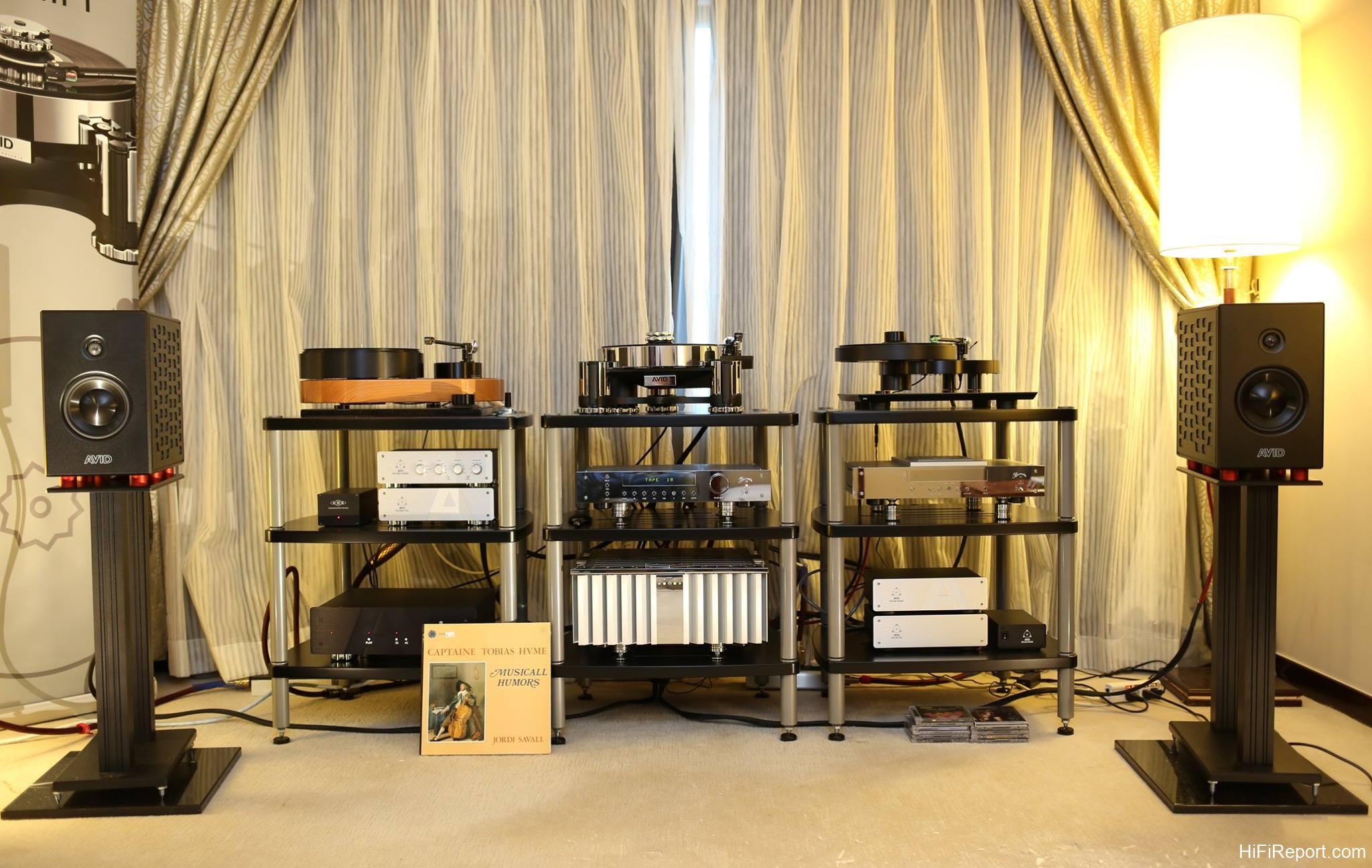
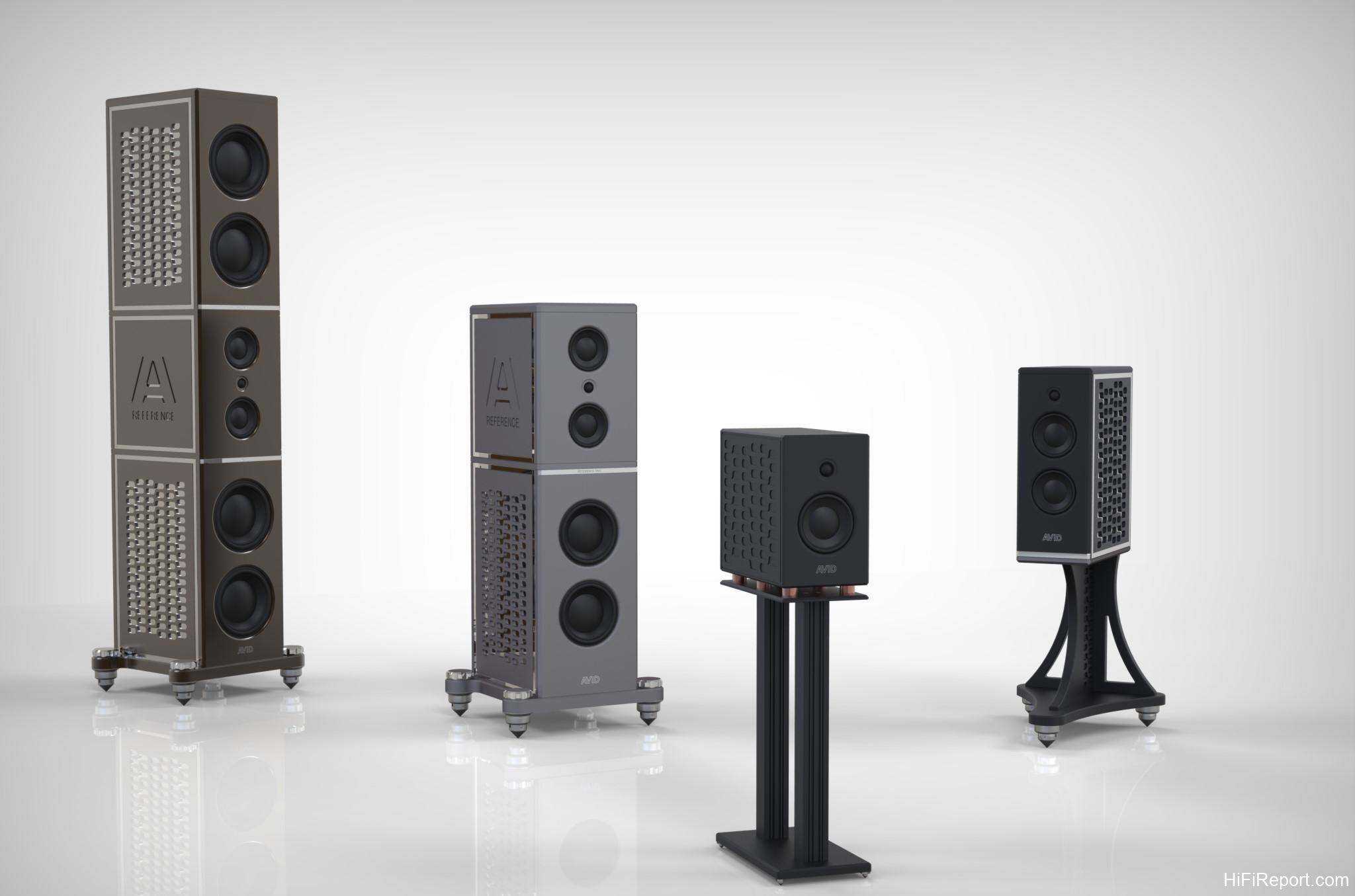
The AVID Reference speaker series encompasses four models, ranging from largest to smallest: One, Two, Three, and Four. The first two are floor-standing speakers, while the latter two are bookshelf designs. At this year’s Munich High End Show, the first three pairs were showcased, with the Reference Four officially unveiled after the event. Local distributor, (Fang Acoustics), is set to debut them at the upcoming (Howard) Audio Show in December.
The complete AVID Reference system made its inaugural appearance at the Munich High End Show.
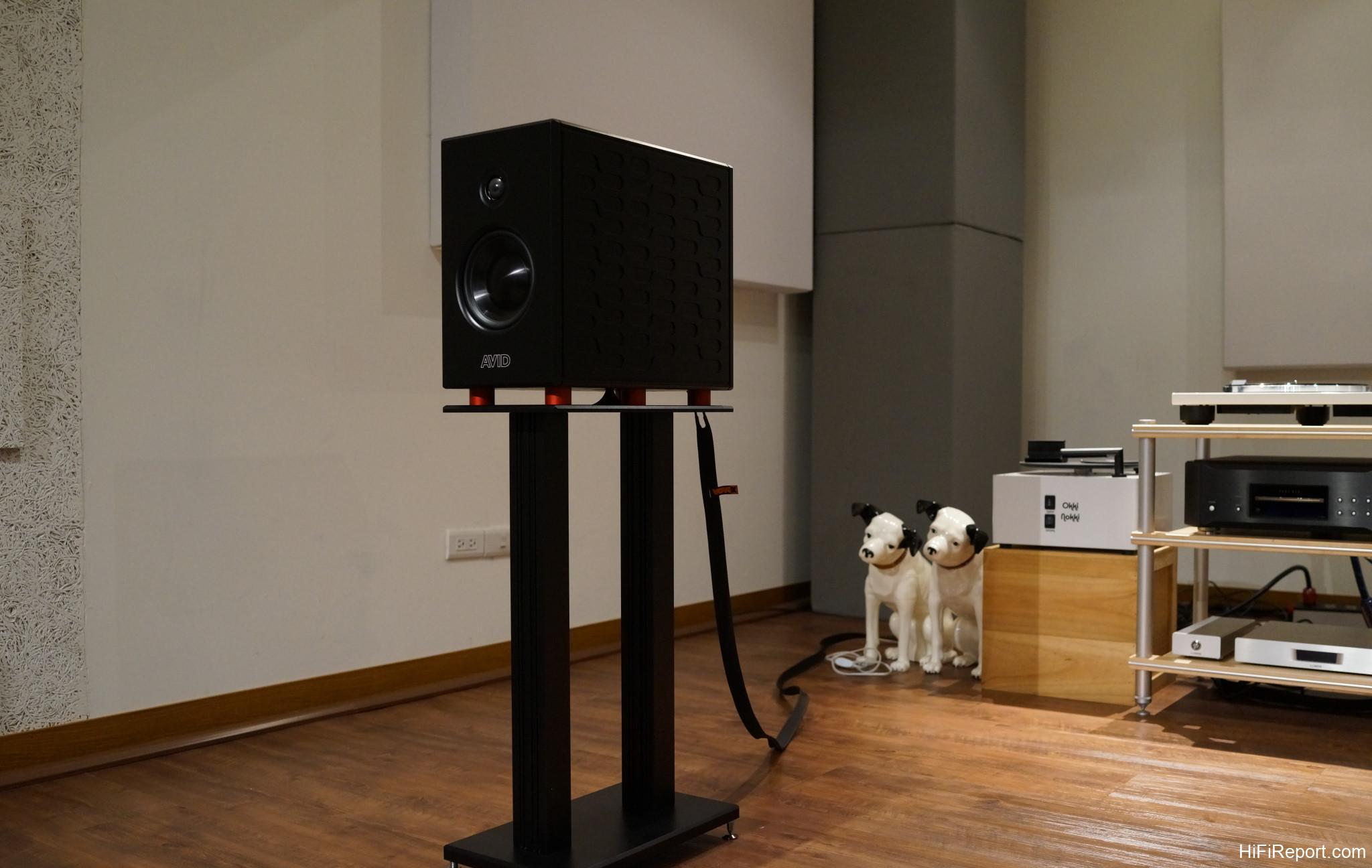
Following the (Howard) Audio Show, the Reference Four was scheduled for review at HiFiReport, allowing us to assess its potential within a familiar environment and system configuration. During transportation, the base plate beneath the speaker, which is actually the top panel of the dedicated stand, is pre-attached to the speaker. This panel needs to be detached for installation onto the stand.
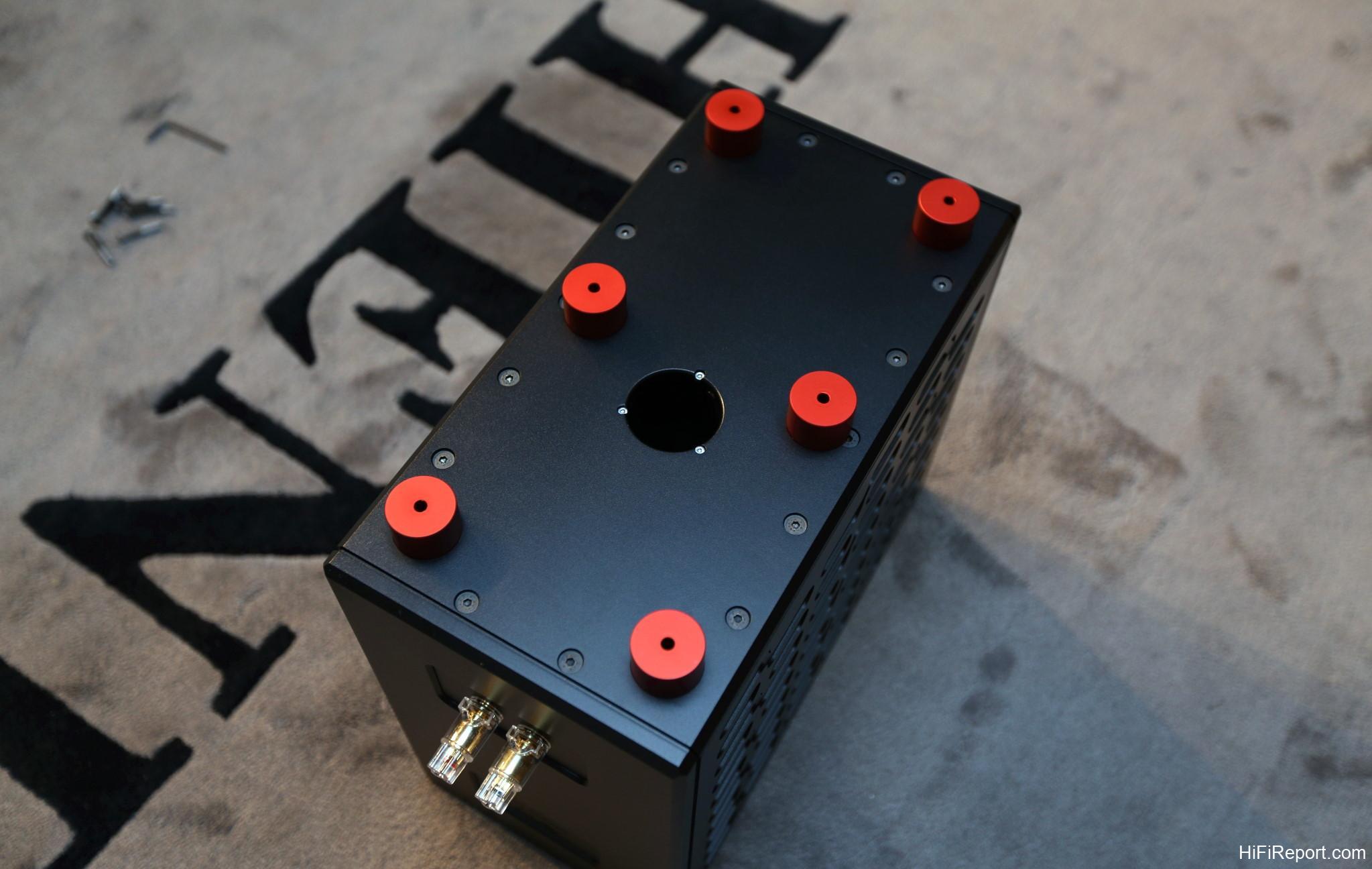
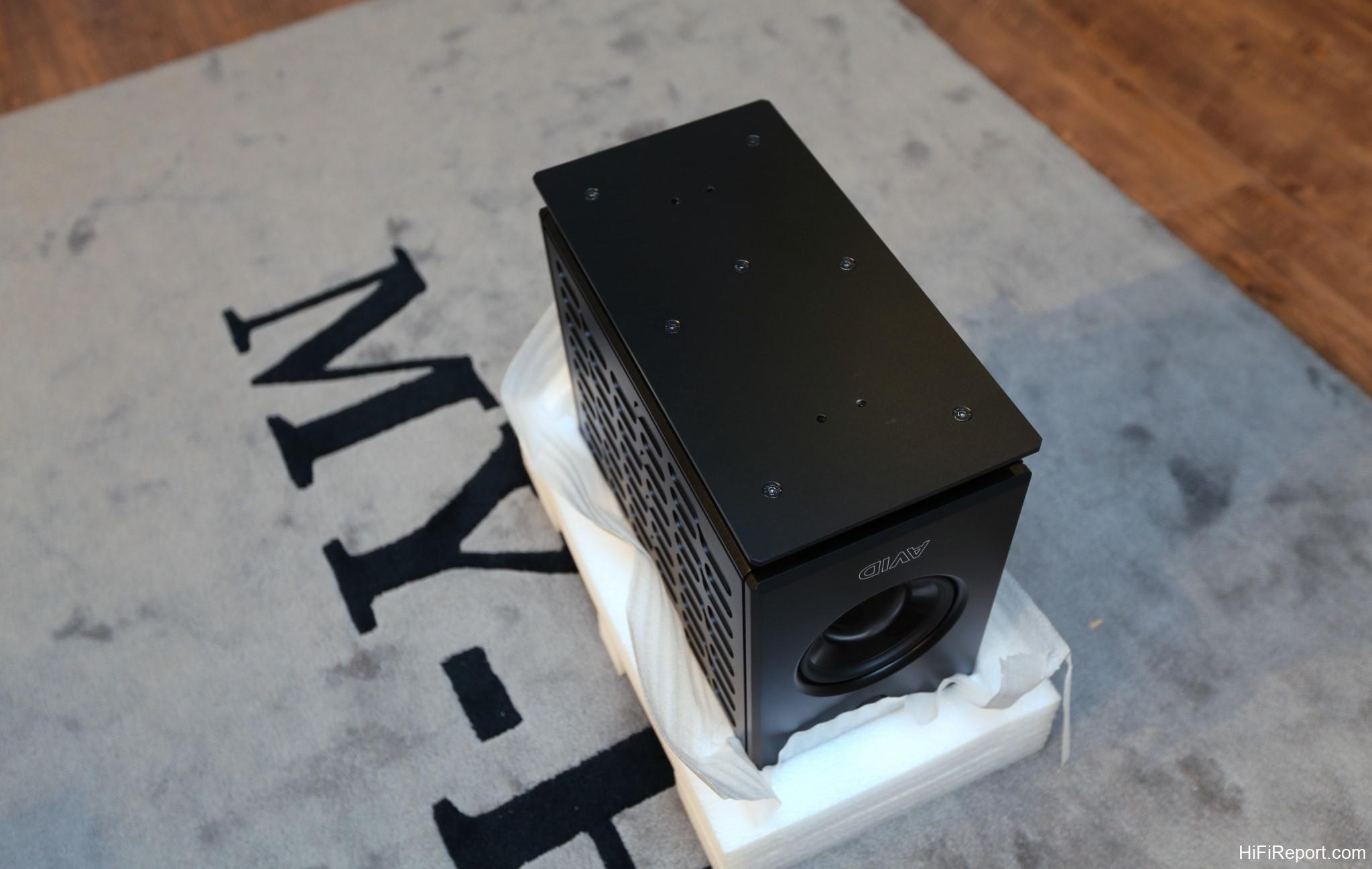
Unscrewing to detach the base plate.

With the base plate removed, the bass reflex port is revealed at the center underneath. Additionally, six red anodized metal cones are visible. The color of these cones can be customized.
The dedicated stand for the Reference Four.
Attaching the removed base plate to the stand. Another red damping cone is also visible here.
Subsequently, placing the speaker onto the stand and tightening the screws completes the assembly.
Speaker and stand become one. The installation process highlights AVID’s precision engineering, with exceptionally accurate fit and finish.
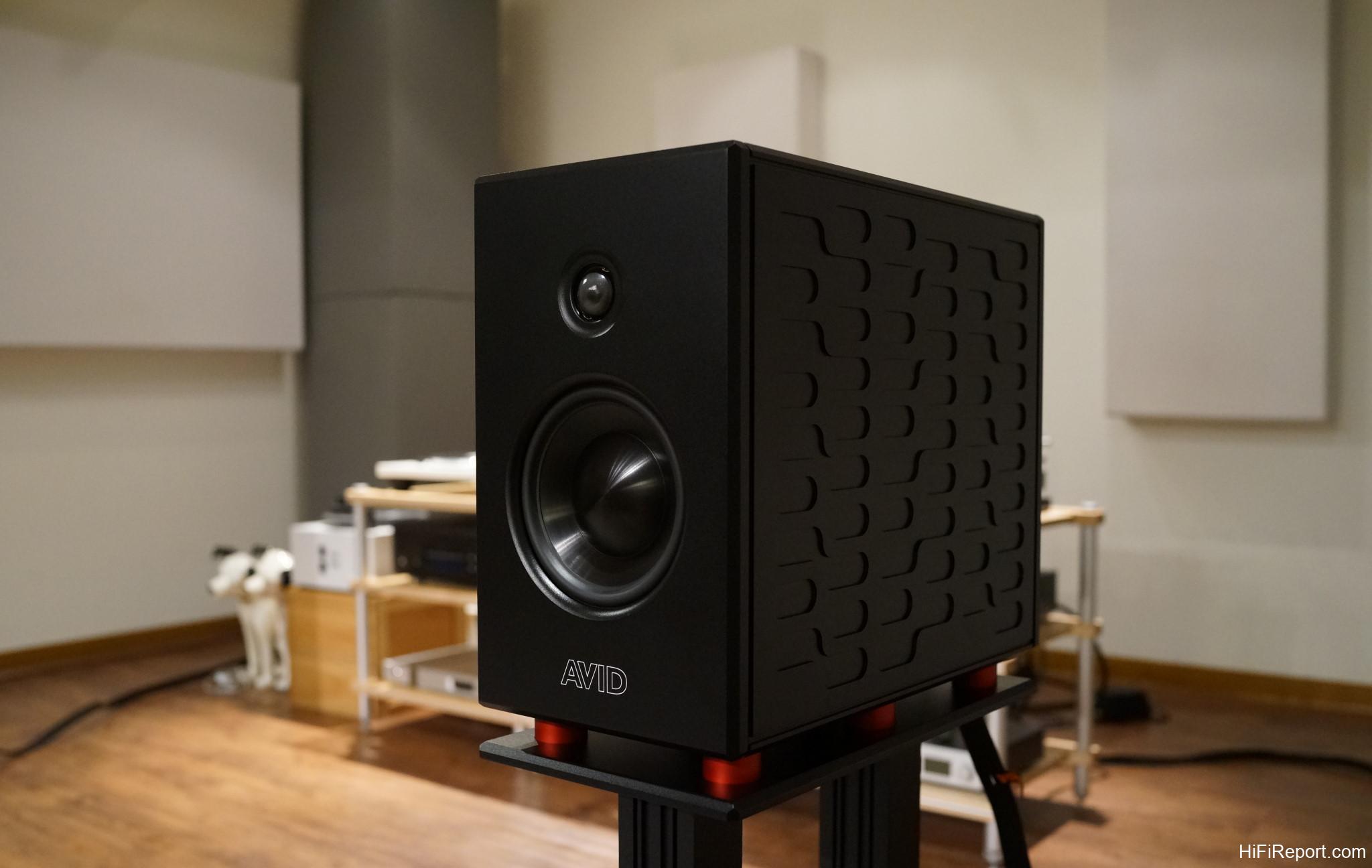
The bottom cones are height-adjustable. Leveling the speakers before listening, ensuring they are stable without any wobble, is crucial. This seemingly minor step is often overlooked by users, but improper adjustment can significantly impact sound performance.
AVID’s design philosophy for speakers, mirroring their turntables, centers around resolving vibration issues that degrade sound quality. This is naturally no challenge for Conrad, who has extensive expertise in vibration management. For the enclosure, the Reference series utilizes high-grade aerospace aluminum, reaching a thickness of 40mm. While traditional MDF is a common material, it struggles to fully address vibration issues, leading to coloration.
Aerospace aluminum, of course, offers far superior rigidity compared to MDF.
Regarding driver mounting, AVID deviates from the conventional method of directly screwing drivers onto the enclosure. This approach, they argue, inevitably leads to the drivers resonating with the enclosure. Instead, AVID designed exceptionally robust anti-vibration brackets that attach to the rear frame of the drivers. This significantly reduces the enclosure’s influence from diaphragm movement and conversely, minimizes the enclosure’s vibration feedback to the drivers.
AVID has also patented a tuning disc, positioned behind the driver bracket, to absorb and suppress vibrations from the driver’s magnet system. This tuning disc noticeably enhances sonic performance. Both the drivers and the aluminum alloy panels of the enclosure employ a sandwich damping structure, with resonance channeled out through internally tuned damping elements.
By effectively tackling speaker vibration, the AVID Reference speaker series boasts a remarkably black background as a defining sonic characteristic. Users can expect to hear more, richer details, greater dynamics, a more expansive soundstage, and a sound that is exceptionally pure and clean.
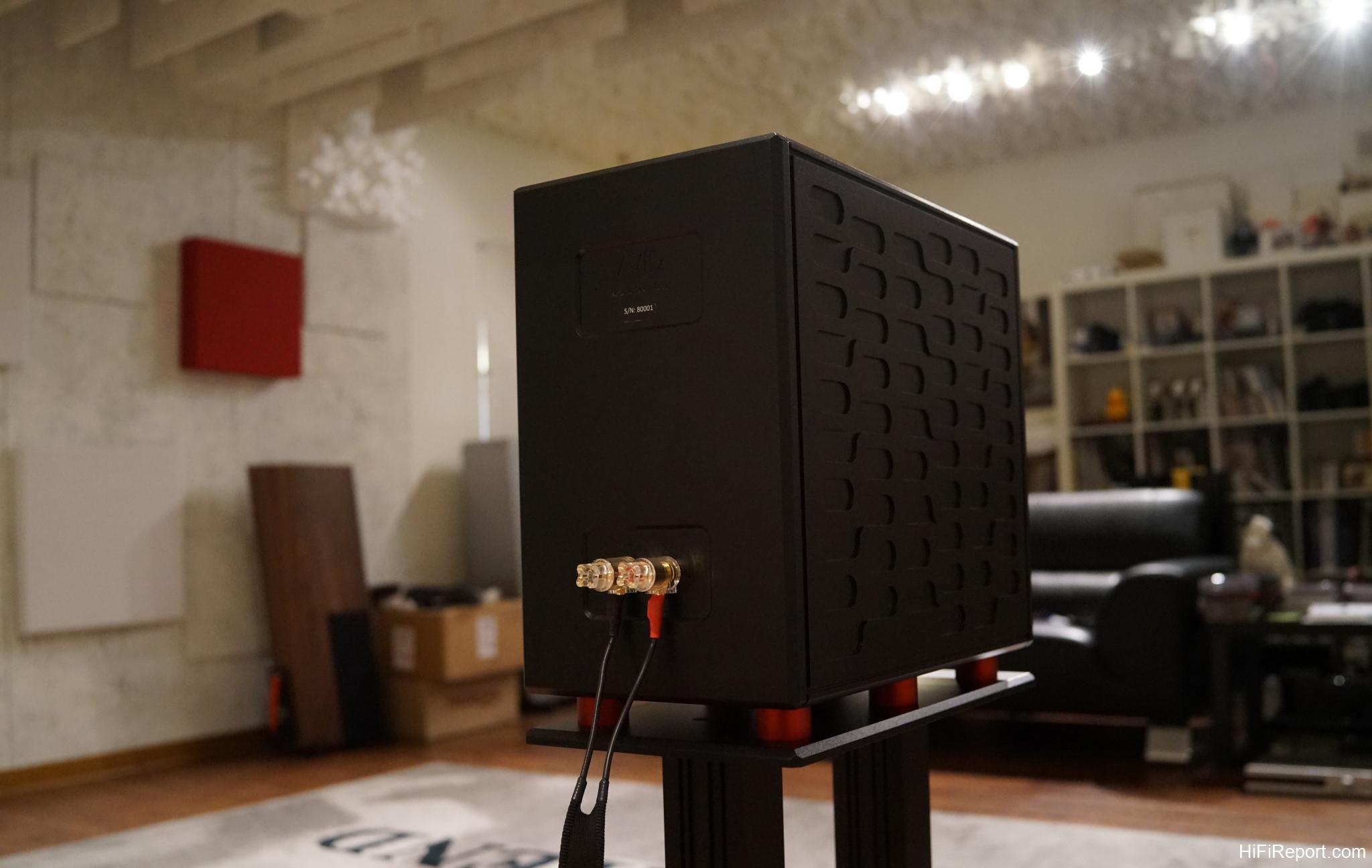
The rear of the Reference Four. You might notice that the screws are strategically placed at the bottom, leaving the rest of the speaker visually seamless.
High-quality, large gold-plated speaker terminals.
Featuring a 28mm tweeter and a 160mm mid-bass driver, both utilizing titanium voice coils. Special textured patterns are incorporated on the side panels.
Unexpected Warmth and Emotion, Minimal Vibration
During the review period, I deliberately placed my hand on the speaker cabinet while playing dynamic music. Although I anticipated minimal vibration, the reality was even less—almost imperceptible. Conrad has truly translated his vibration control expertise from turntables to these speakers. Another surprise with the Reference Four was that, contrary to expectations of a typically analytical sound from all-metal speakers, the listening experience was quite the opposite.
The Reference Four not only delivers precise sonic accuracy but also, in my opinion, surpasses in emotional musicality. Playing “Dixie Chicks – Wide Open Spaces,” a personal favorite from the American country music group, the music was incredibly relaxing and captivating. Lead singer Natalie Maines’ distinctive vocals, combined with Emily Erwin and Martie Seidel’s string arrangements, created an upbeat rhythm and exceptional recording quality.
The Reference Four rendered the music with warmth and comfort, feeling exceptionally natural, with swift rhythmic response and beautifully flowing strings. My mood instantly lifted!
Transported Back to the Live Performance
Next, I listened to the Beethoven Violin Concerto in D major, a collaboration between legendary conductor Herbert von Karajan, the Berlin Philharmonic, and a young Anne-Sophie Mutter. This recording is a staple in many collections, a well-known classic, and deeply romantic. Recorded in 1979, it possesses a more natural balance compared to some modern, overly produced recordings. The natural ambience of the concert hall is palpable.
Mutter, only 16 at the time, already showcased her prodigious talent, delivering not only nuanced and expressive playing but also a sweet and charming quality, making this DG recording one of her signature performances. Through the Reference Four’s rendition, I felt transported back to a live performance. The harmonics were rich and complete, incredibly vivid and faithful. The soundstage scale was astonishingly expansive for speakers of this size, filling the HiFiReport listening room.
Sonic Transparency and Instrument Definition
To fully explore the Reference Four’s capabilities, I primarily used vinyl records during the review. This “Jazz Impressions of a Boy Named Charlie Brown” soundtrack (50th Anniversary colored vinyl edition), performed by the Vince Guaraldi Trio (piano, double bass, drums), is an audiophile gem with exceptionally engaging music. Vince Guaraldi’s piano was crystal clear, transparent, and powerfully emotive, with a captivating texture.
Fred Marshall’s double bass and Jerry Granelli’s drums were equally impressive. The trio’s performance was seamlessly harmonious yet allowed each instrument to shine as a protagonist on the stage—utterly satisfying. The instrument imaging possessed a realistic three-dimensional presence, and the Reference Four effortlessly distinguished the tonal characteristics of each instrument.
Pristine Purity and High Density
Playing “The Best of Eva Cassidy,” the singer who tragically passed away at 33, her voice gained posthumous recognition and soared in popularity. Her already emotionally rich vocals sometimes carry a hint of melancholy. Eva Cassidy’s rendition of Cyndi Lauper’s “Time after Time,” featuring just her voice and acoustic guitar, is deeply moving. Her vocals are rich and sonorous yet transparent and clean. The dynamic nuances in her singing resonate deeply with the listener and linger in the air.
Listening to her interpretation of Sting’s “Fields Of Gold,” Eva Cassidy brings a completely different flavor. Her initially unaccompanied vocals, joined by the guitar, evoke a subtle sadness. The Reference Four’s clean, distortion-free presentation clearly delineates even the supporting guitar’s position and sound, with perfect separation and integration with Eva Cassidy’s vocals. In this track, you should also be able to discern the unique and captivating sweetness in Eva Cassidy’s voice.
Reigniting the Passion for Music
During my time with the Reference Four, I almost forgot I was conducting a speaker review. Instead, I was eagerly and continuously pulling out one beloved record after another. Regardless of the music genre, I found immense satisfaction. The Reference Four possesses exceptional qualities: neutral sonic character, balanced frequency response, ample bandwidth, and high-end refinement.
Unless there are insurmountable constraints, I strongly recommend using the dedicated stands to unlock the Reference Four’s full potential. The Reference Four reignited my passion for music!
AVID Reference Four Specifications
* Tweeter: 28mm Titanium Voice Coil
* Mid-Bass Driver: 160mm Titanium Voice Coil
* Frequency Response: 40Hz – 22kHz +/-3dB
* Sensitivity: 88dB 1W@1m
* Recommended Power: 40 – 300W
* Impedance: 6.5 Ohm
* Crossover: 2nd Order 2.5 Way
* Enclosure: Aerospace-grade Aluminum, O-Ring Sealed
* Speaker Dimensions: 367 x 210 x 440 (H x W x D)
* Dimensions with Stand: 995 x 230 x 440 (H x W x D)
* Speaker Weight: 25 KG
* Weight with Stand: 40 KG