
Borresen Z3 Floorstanding Speaker Review
Denmark, a land not only of fairy tales but also of audio excellence.
Numerous renowned audio companies hail from Denmark, a country that has also nurtured some of the most talented and celebrated figures in the Hi-Fi world.
If you consider yourself an audiophile, one name you undoubtedly recognize is Fleming Erik Rasmussen.
Fleming is none other than the founder of Gryphon Audio, a leading brand in high-end audio.
Another name you might have encountered is Michael Borresen.
This gentleman is the designer behind Nordost’s flagship Odin cables. He later ventured out to establish multiple companies and brands, encompassing speakers, electronics, cables, and isolation devices.
What kind of synergy would emerge from the collaboration of these two individuals? The answer lies in the Danish audio group – Audio Group Denmark.
Interestingly, the group is named Audio Group Denmark itself.
This conglomerate encompasses Michael Borresen’s current ventures: Aavik, specializing in electronics; Ansuz, focusing on cables and isolation products; and Borresen Acoustics, the speaker brand.
Fleming, in his own words, stated, “Actually, I can’t do much designing because Michael is a genius, but I have 30 years of experience and can offer them advice.” Fleming proudly declares, “I’ve never made a product that didn’t sell well.” This alone makes Audio Group Denmark’s recruitment of Fleming a significant event.
It’s akin to Real Madrid, a team of stars, bringing in the seasoned Carlo Ancelotti as their coach. We can eagerly anticipate the dramatic developments that Fleming’s arrival will bring to Audio Group Denmark.
However, even before Fleming joined, Audio Group Denmark was already a force to be reckoned with. Have you experienced Ansuz cables and isolation devices? Or their power distributors and network switches? If you have, you’ll understand why a designer as accomplished as Fleming would call Michael a genius.
Borresen Acoustics: A New Speaker Pinnacle
The same holds true for speakers. In 2019, I met Michael at the Munich High End Show. He was showcasing his new Borresen Acoustics speakers in a temporary structure in the open exhibition area. My initial impression was that he seemed to be reviving his designs from his Raidho days. Narrow baffles, small drivers, ribbon tweeters, exaggerated depth, and rearward-sloping cabinet shapes – almost everything reminiscent of Raidho was present in Borresen Acoustics.
“Completely different; this is my brand new design,” Michael firmly responded to my observation at the show. Shortly after returning to Taiwan, news broke of HiFiReport officially signing a distribution agreement with Borresen Acoustics. At the year-end audio show, we personally witnessed the Borresen 02, introduced by HiFiReport.
The Borresen 02 boasts a slender and elegant cabinet design with simple yet beautiful lines. The front baffle features a rounded design, with curved side panels flowing into a U-shaped spine at the rear. Streamlined grooves are incorporated into the cabinet sides at tweeter height, designed based on fluid dynamics to regulate internal airflow.
The tweeter is Michael’s favored ribbon design, with a diaphragm weighing a mere 0.01g. This lightweight construction contributes to high efficiency. The mid-bass driver utilizes a carbon fiber and Nomex Honeycomb composite sandwich structure, offering high rigidity, low mass, and high damping characteristics. The magnetic system employs special neodymium magnets with a flux density of 1.1 tesla. The base employs Ansuz Darkz technology for its footers, with optional upgrades available.
Borresen 02 (Image source: Borresen official website)
Z Series: Flagship Technology, Accessible Price
Why elaborate so much on the 02’s design? Because the 0 series represents Borresen’s current flagship line. Astonishingly, the Z series, positioned for greater affordability, extensively incorporates technologies from the 0 series. You might hesitate to call the Z series “value-priced,” considering even the entry-level Z1 bookshelf speaker starts at $10,000 USD. However, the Z series undeniably warrants the attention of enthusiasts who appreciate Michael Borresen’s design philosophy.
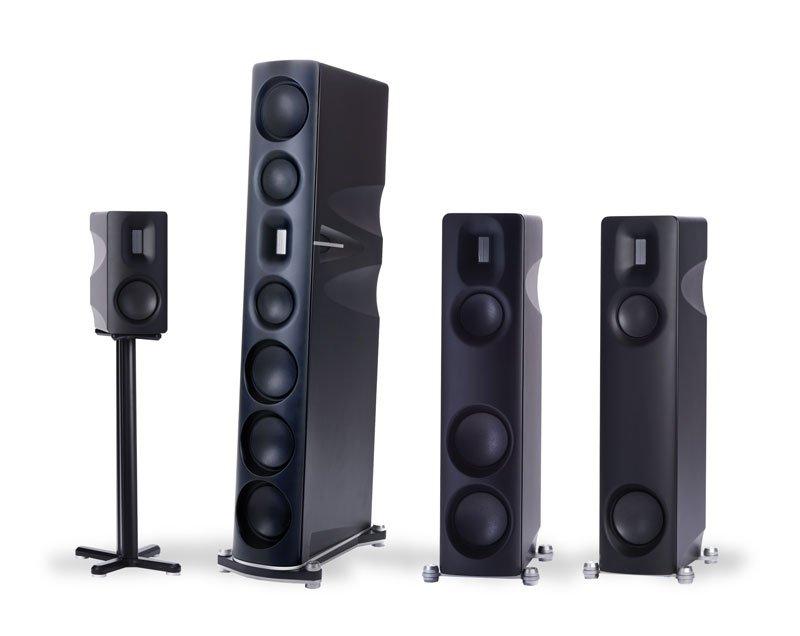
Offering 0 series DNA at less than half, or even nearly one-third, of the price, the Z series speakers deserve a closer look. The 0 series comprises four models, and the Z series mirrors this with four models as well. The Z1 is a bookshelf speaker, with optional dedicated stands featuring Michael’s unique vibration damping and isolation designs. The Z2, Z3, and Z5 are all floorstanding speakers. The Z2 and Z3 share the same cabinet size and largely similar design, with the Z2 featuring one fewer woofer than the Z3, yet priced at 7,000 Euros less, approximately 70% of the Z3’s price, making it arguably the most appealing model in the series. The flagship Z5 stands over 150cm tall and weighs 75kg per speaker, suited for larger listening spaces.
And what about our focus today, the Z3? Borresen Z series speakers (Image source: Borresen official website). The Borresen Z3 deviates from the narrow baffle, deep cabinet, and rearward slope design of the 0 series. It adopts a more rectangular cabinet form, with a slight backward tilt to adjust the time alignment of the high, mid, and low frequencies. Furthermore, the edges are rounded, giving it a softer appearance despite its generally boxy shape. Parabolic grooves are carved into the upper and lower sections of the side panels, seemingly purely for aesthetic appeal, adding a touch of visual dynamism.
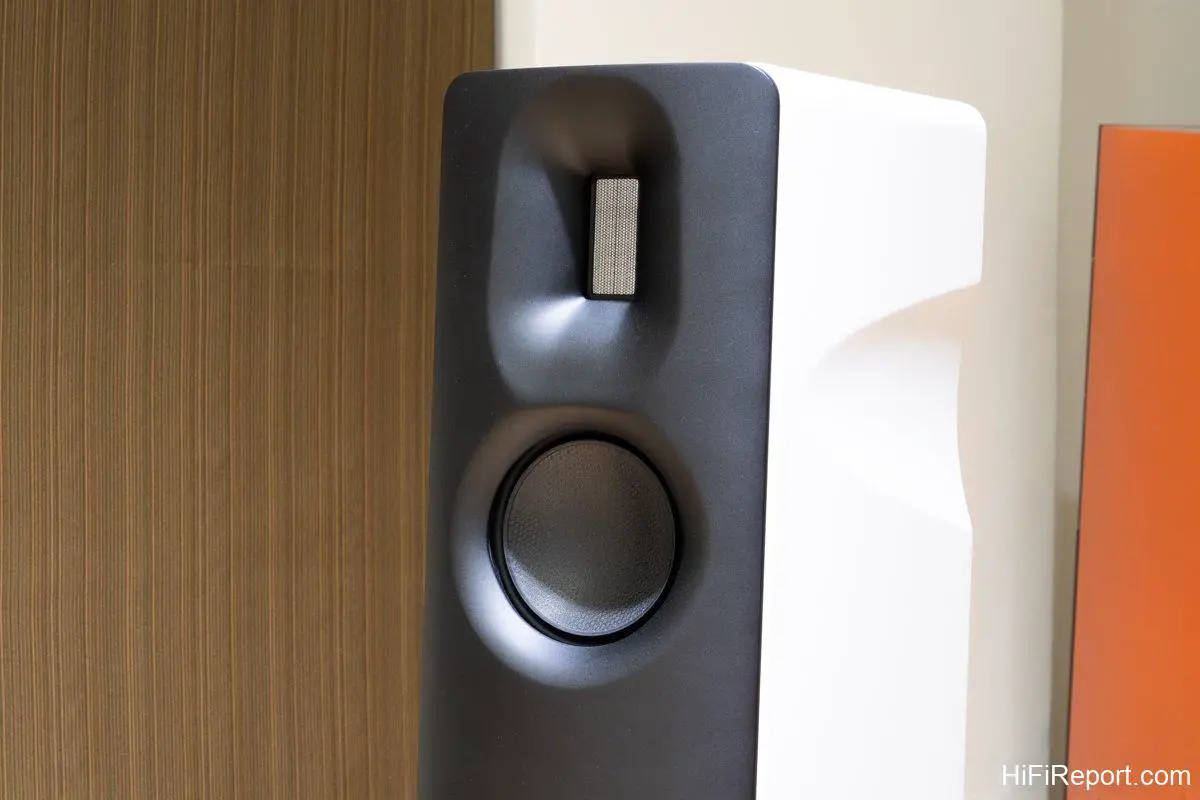
The front baffle retains the rounded design of the 0 series, with the drivers “recessed” behind it. The thick front baffle provides a shallow waveguide opening for the high, mid, and low-frequency drivers.
0.01g Ribbon Tweeter
The ribbon tweeters used in Borresen speakers are in-house designs, unique to the brand. Through Finite Element Analysis, they are optimized to ensure linear performance. The Z3’s ribbon tweeter, like that of the 0 series, has a diaphragm mass of only 0.01 grams. This lightness results in high sensitivity, reaching 94dB, and a wide frequency response extending up to 50kHz, with a lower reach down to 2.5kHz.
Notably, conventional ribbon tweeters, being fully conductive, have extremely low DC resistance, requiring a transformer for amplifier drive. However, Borresen’s ribbon tweeter operates without a transformer. The reason for this is not detailed by the manufacturer, but it’s a question to ask Michael directly in future encounters.
Sandwich Cone Mid-Bass and Special Magnet System
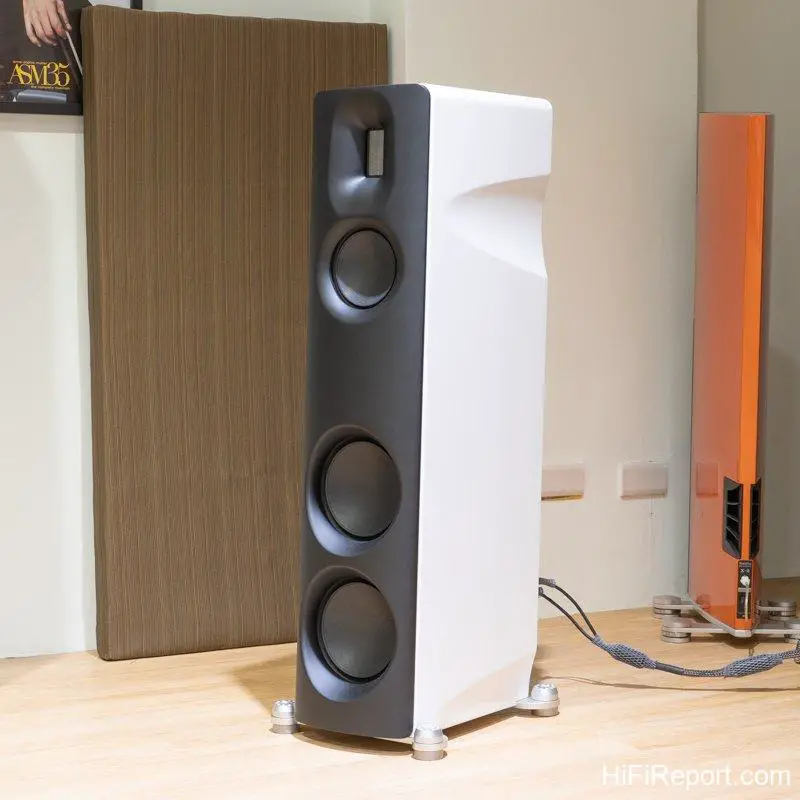
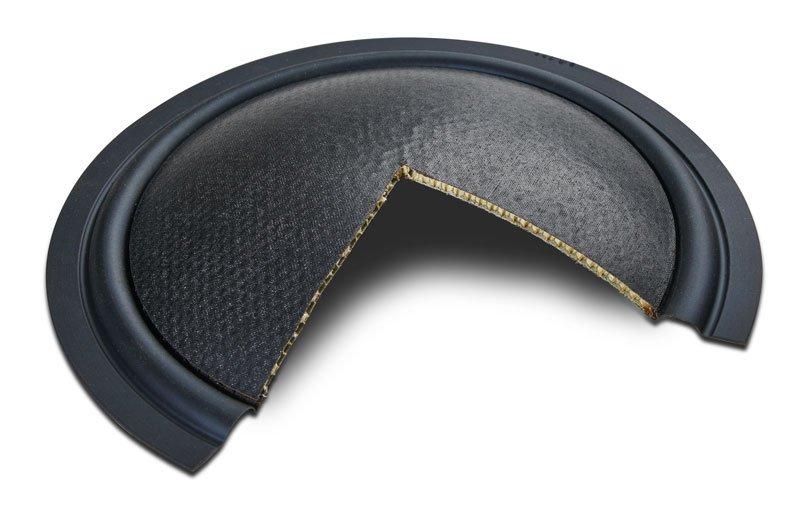
Not only the tweeter but also the mid and low-frequency drivers draw inspiration from the 0 series. The Z3 employs a 4.5-inch midrange driver and two 8-inch woofers. The fundamental design of the mid-bass driver cones mirrors that of the 0 series, using a 4mm thick Nomex honeycomb core sandwiched between two layers of carbon fiber. This composite sandwich structure achieves a cone mass of just 5.5 grams. These lightweight, high-rigidity, and high-damping material properties, commonly seen in Formula 1 racing, are ideal for driver diaphragms.
(Image source: Borresen official website)
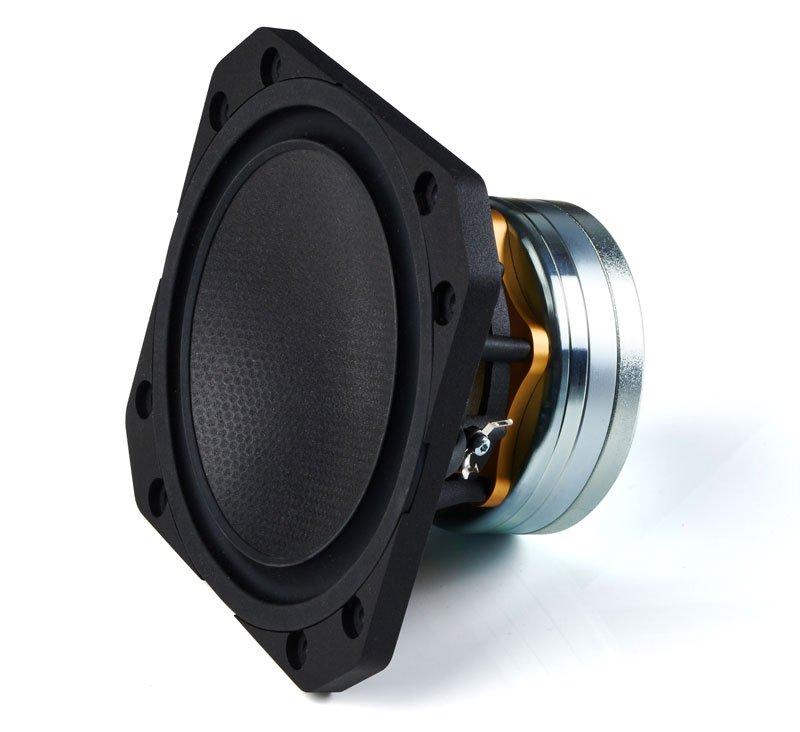
Regarding the magnetic system, Borresen adopted an iron-free design in the 0 series, minimizing inductance to below 0.04mH, roughly one-tenth of typical speaker inductance. For the Z series, Michael’s challenge was to develop a magnetic system with similar characteristics and performance at a lower cost. Ultimately, the Z series achieved an inductance of 0.06mH. This results in a more linear magnetic field and makes the drivers easier for amplifiers to drive.
(Image source: Borresen official website)
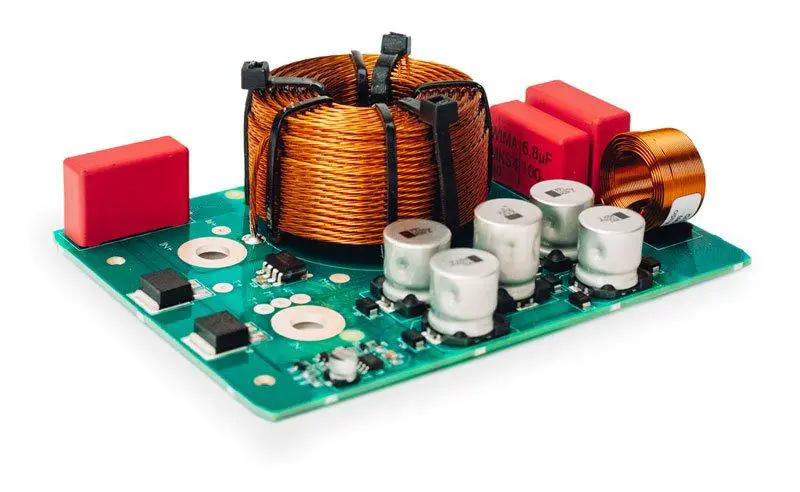
The Z series crossover network utilizes components of the same grade as the 0 series, implemented in a parallel configuration. Borresen emphasizes the mechanical stability of the crossover to prevent vibration interference and self-resonance from degrading sound quality.
(Image source: Borresen official website)
Low-Frequency Coupling with Space
While inheriting designs from the 0 series, the Z series also incorporates unique elements. For instance, in driver placement, Michael rarely positioned woofers near the floor in his past speaker designs. However, in the Z2, Z3, and Z5, woofers are arranged from the bottom upwards. This configuration leverages floor reflections to reinforce bass, enabling the smaller Z series cabinets to produce richer, fuller, and more solid low frequencies.
Bass Reflex Port Aerodynamics
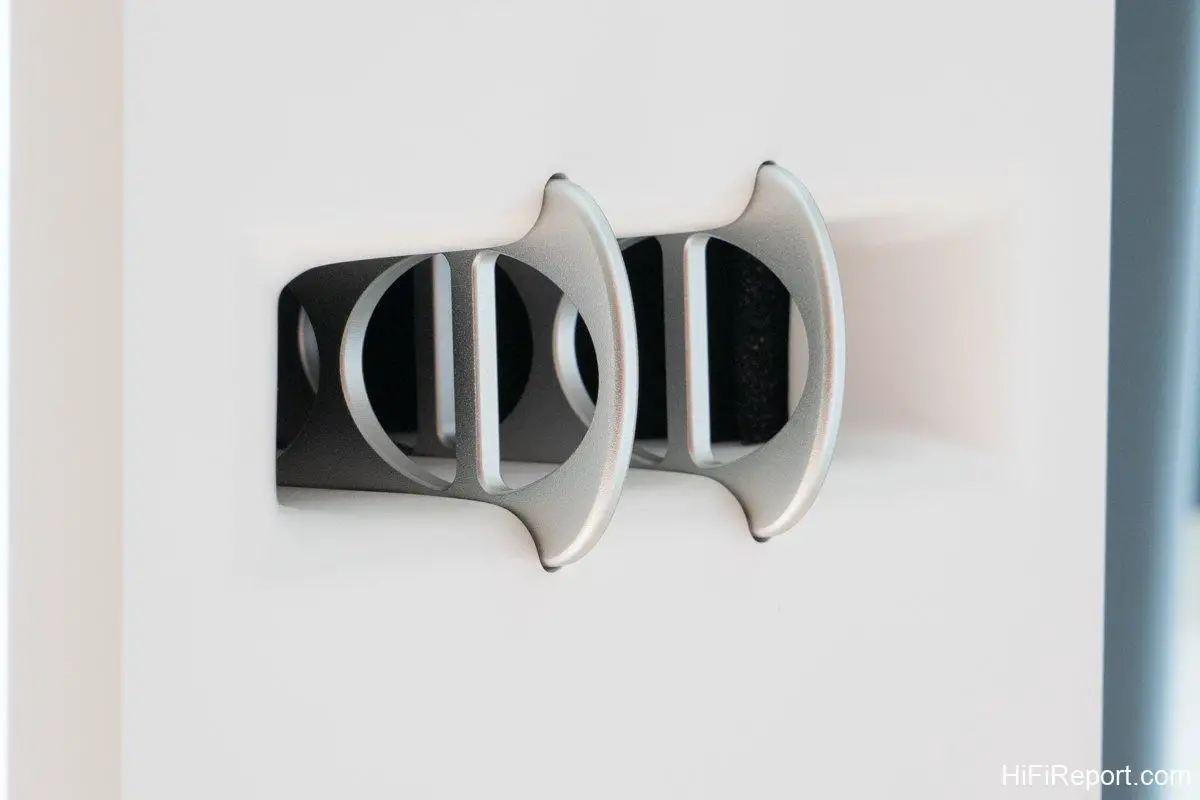
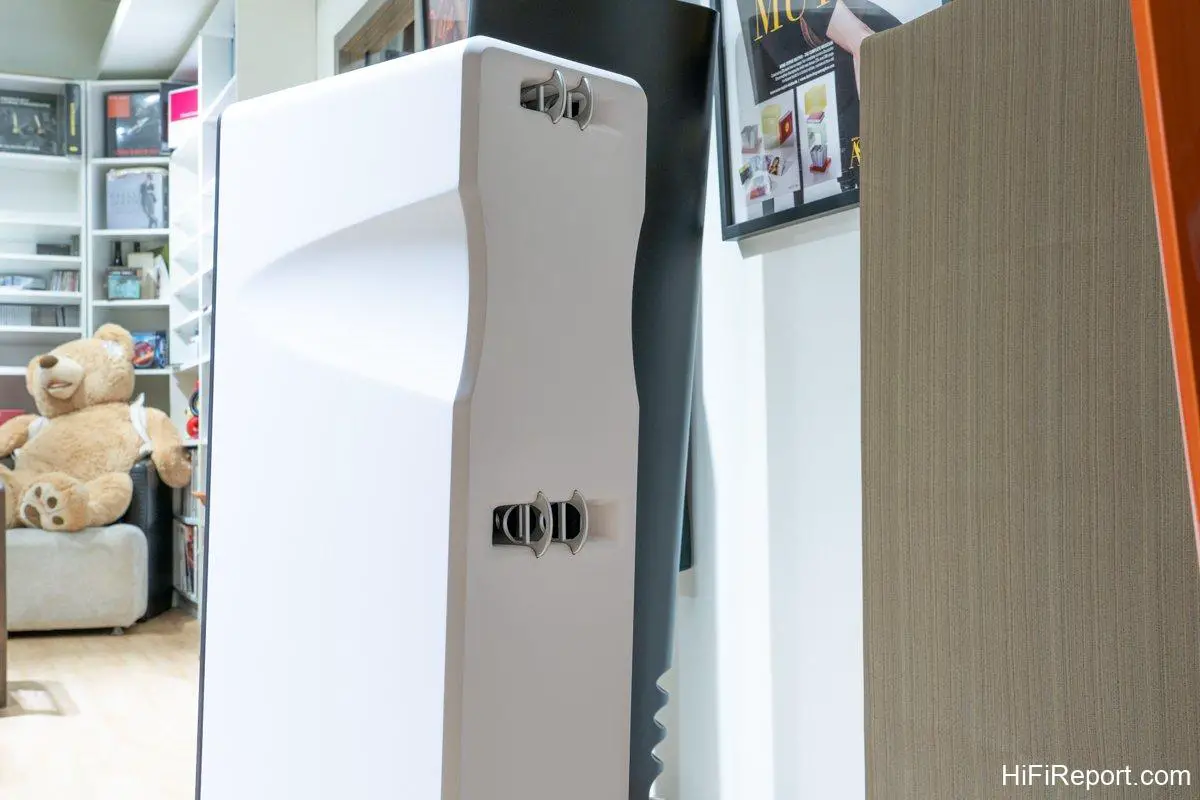
As for the bass reflex port, the Z series features a rear-mounted, elongated rectangular port with rounded edges and internal metal bracing. This bracing, not quite a baffle due to its significant (openwork), is designed to reduce airflow noise and accelerate air movement. This design is also found in the 0 series. To further minimize airflow friction and noise within the port, wave-shaped sound-absorbing cotton is used internally. These details are best appreciated firsthand, as the official website provides no information on them.
Optional Ansuz Darkz Footers
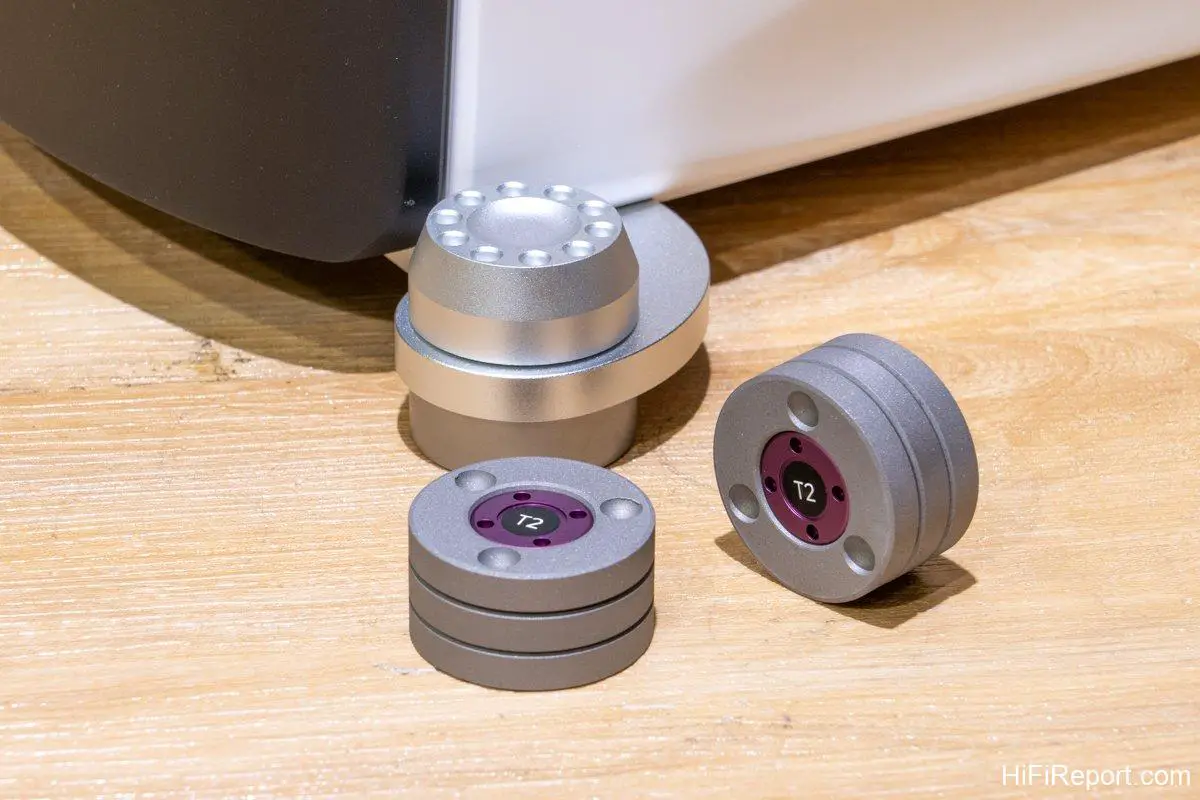
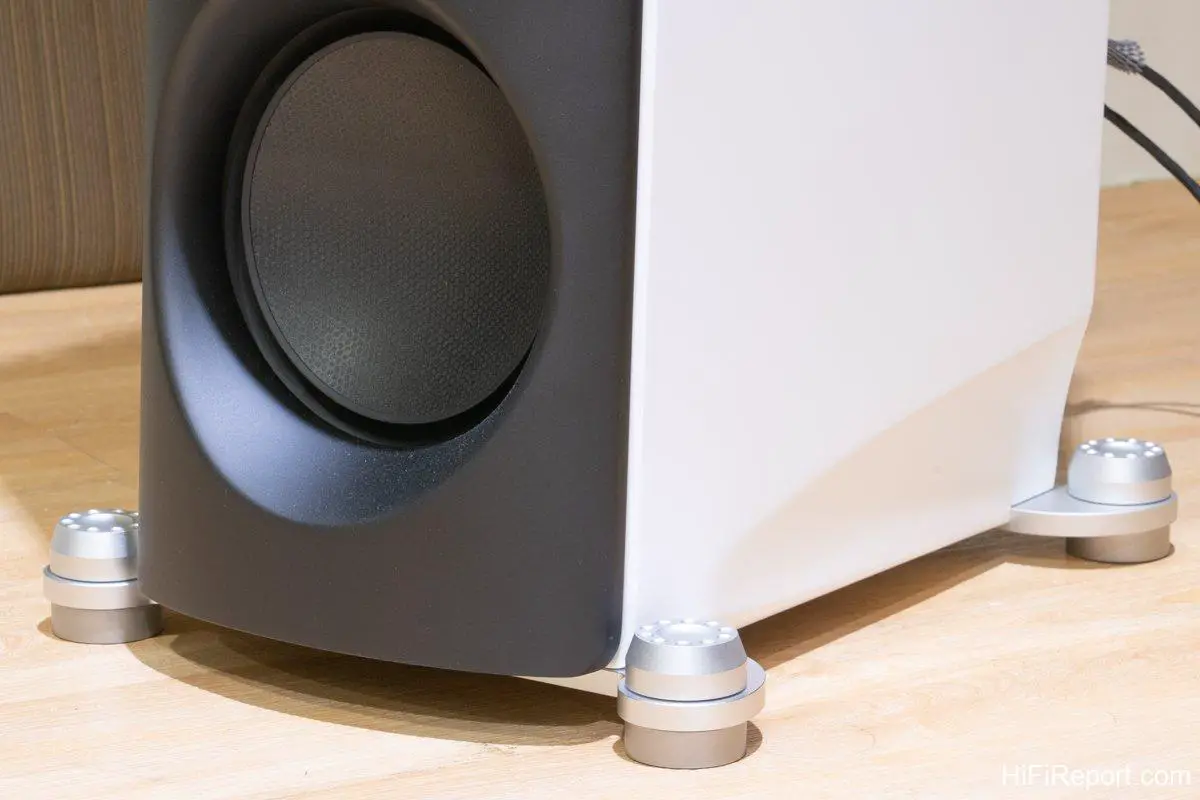
The speaker base uses flat feet instead of conventional spikes. Flat feet avoid leaving marks on flooring, but are their vibration damping properties sufficient? Rest assured, Michael is a vibration control expert. The feet have a circular groove around their base, a design also seen in Aavik electronics and Ansuz switches and power distributors. This groove is intended for optional Ansuz Darkz footers, specifically for accommodating the titanium balls that couple with the Darkz. It’s a clever design, integrating products within the group, allowing users a clear path for progressively enhancing their audio system’s performance.
Cryogenic Treatment Option
Finally, another intriguing aspect is that Borresen offers a cryogenic treatment option for the Z series, in addition to the standard version. Cryogenic treatment incurs an additional cost, varying by model. The manufacturer states that all metal components of the speaker undergo cryogenic treatment, a 72-hour process. The first 24 hours involve slowly lowering the temperature from room temperature to -196°C, followed by 24 hours of deep cryogenic soaking, and finally, 24 hours of gradual warming back to room temperature.
Cryogenic treatment reduces gaps between metal crystals, increases crystal density, and relieves internal mechanical stress. This process purportedly enhances metal conductivity by approximately 6-8%, giving the metal properties akin to single crystals, resulting in a clearer, more natural, and more detailed sound. Interested? Borresen makes buying speakers similar to purchasing a luxury car, offering optional upgrades beyond the standard version.
Full Michael Borresen System: Borresen Way Setup
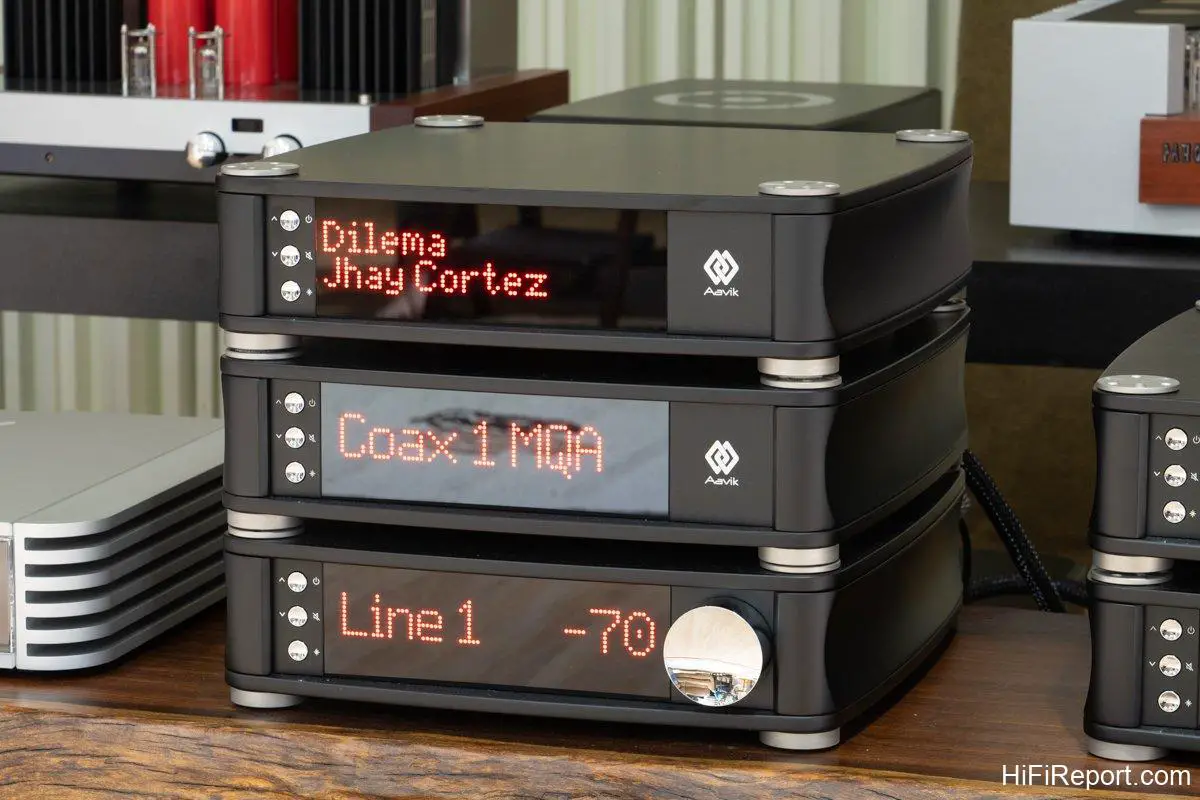
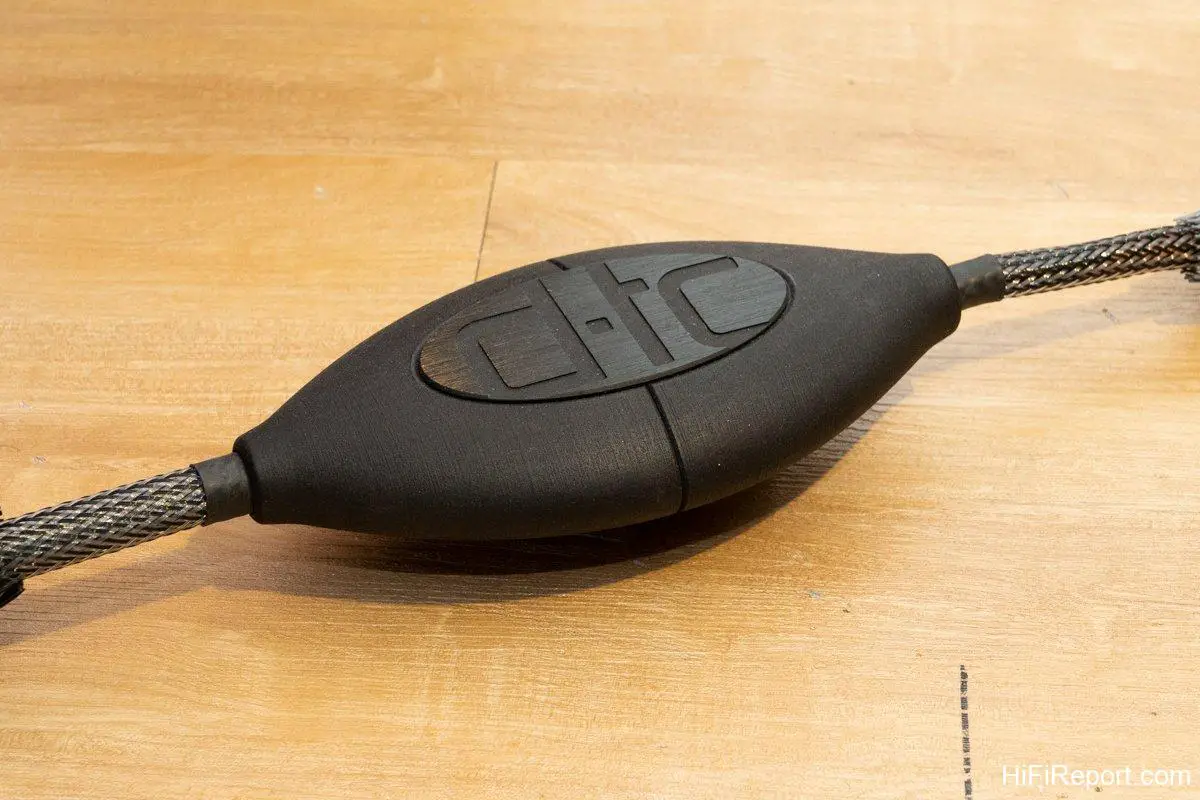
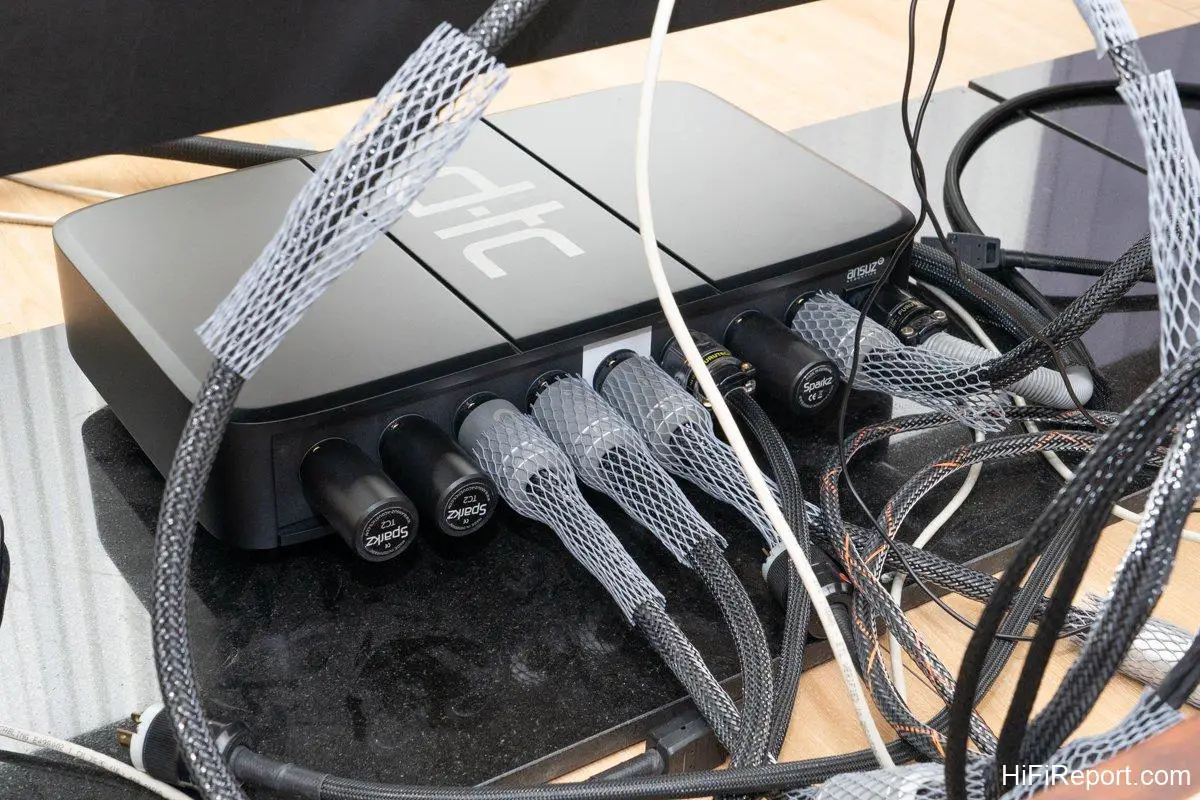
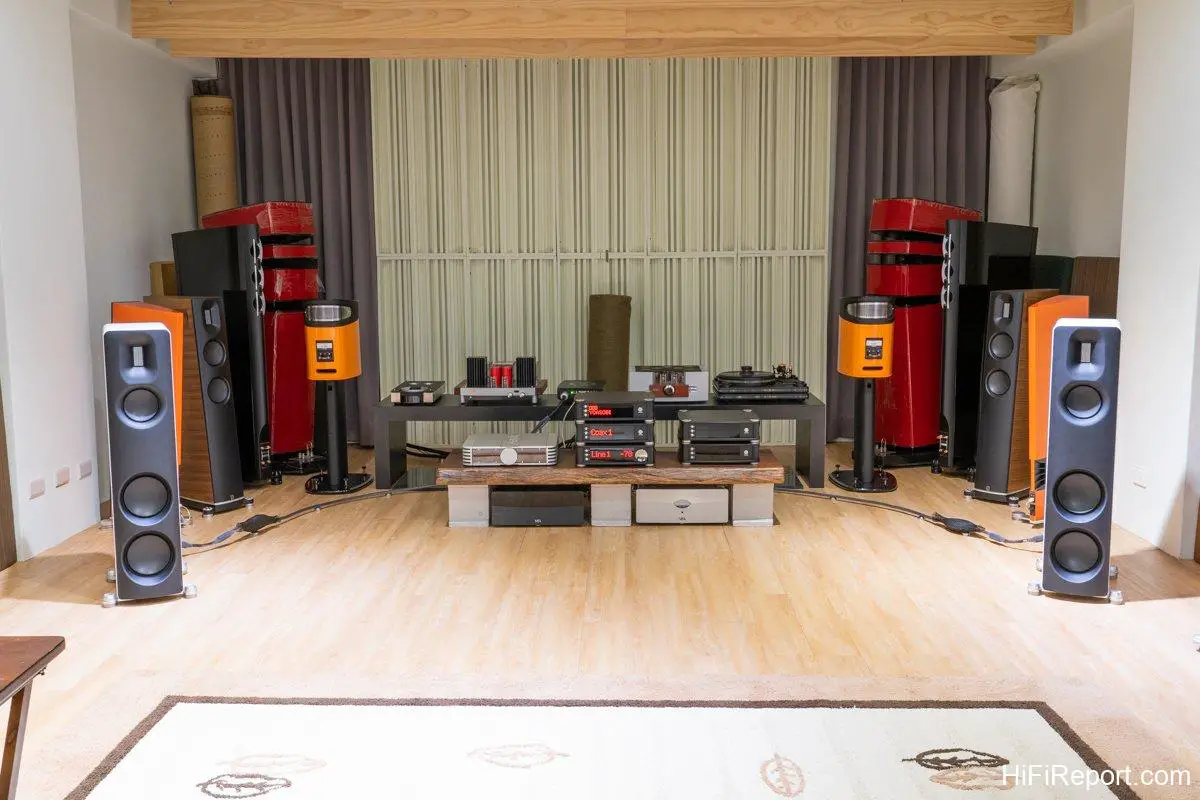
Alright, let’s talk about the sound. The listening session took place in HiFiReport’s large listening room. Shop manager, Xiao Cai, paired the Z3s with an Aavik 180 series system, including the S-180 streamer, D-180 DAC, and I-180 integrated amplifier, streaming music from Tidal and Qobuz. Ansuz cables were used throughout, with flagship D.TC speaker cables. Equipment was powered through a D.TC power distributor, further enhanced by three Ansuz Sparkz resonators for filtering. For network streaming, a Silent Angel Z1 served as the Roon Core, connected to an Ansuz A2 switch via network cable.
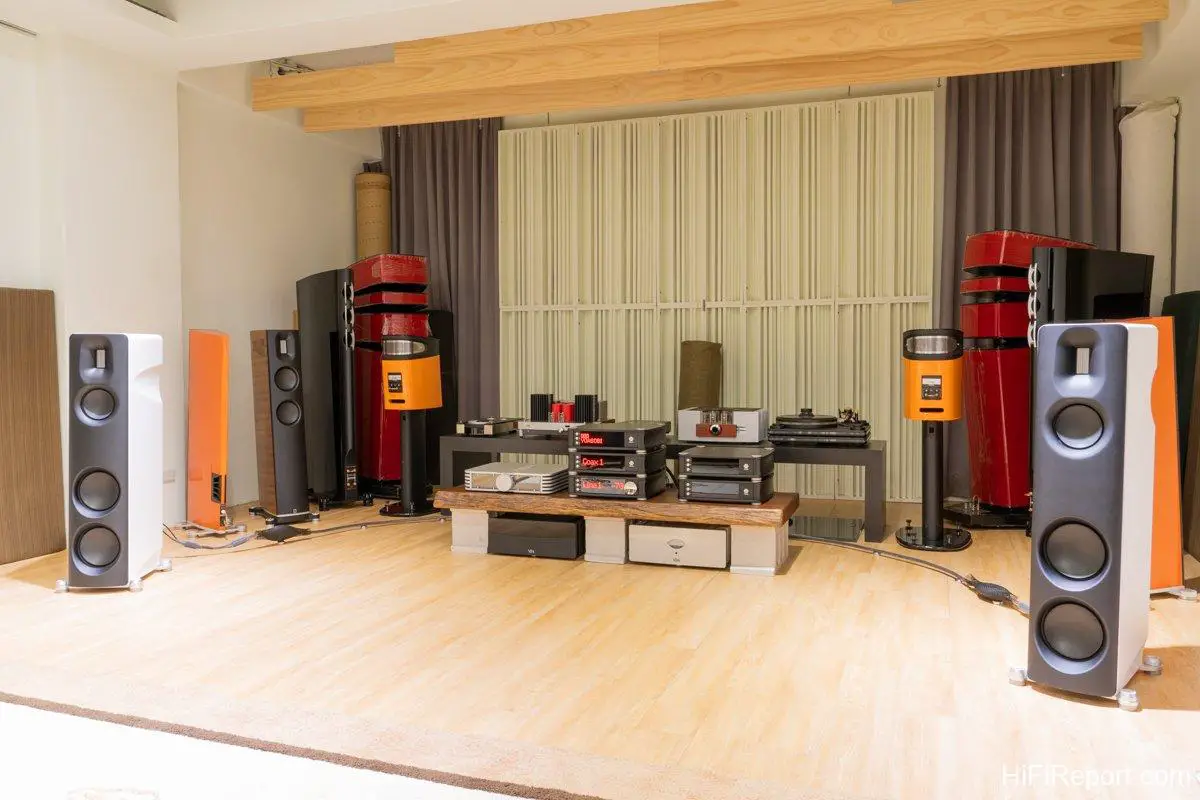
The Borresen Z3s were positioned widely apart, as recommended by the manufacturer, placing them close to the side walls to maximize soundstage width, and then adjusting toe-in to refine imaging. From my listening position, the Z3s were almost directly facing me, projecting just outside my shoulders. This setup yielded rich detail and a large, full-bodied image without any sense of hollowness. Music filled every corner within my visual field. With a complete system designed by Michael and setup following his recommendations, what I heard at HiFiReport was essentially the Michael Borresen sound.
Grand Soundstage, Rich Detail, Powerful Bass
The sound I experienced was grand, robust, detailed, with focused imaging, brilliant highs, precise mids, and powerful bass. The speakers completely disappeared, creating a wide and deep soundstage. Despite the Z3’s moderate size, it filled HiFiReport’s nearly 20- (700 sq ft) listening room without any sense of inadequacy. The dynamics and impact were on par with much larger speakers. However, my initial impression was that the bass might be slightly overemphasized.
I discussed this with Xiao Cai, who concurred. He mentioned that the bass performance is indeed a highlight of the Z3, almost comparable to the flagship Z5, which is significantly larger. Although HiFiReport’s listening room is large, the Z3s were positioned close to the back wall, which also had other speakers placed against it. Specifically, a pair of narrow and thin Raidho X2s, positioned against the wall behind the Z3s, effectively created a corner space behind them.
“Could we move those Raidho speakers?” “Well…” Xiao Cai hesitated, and I understood. So how to address the bass issue? “Let’s try moving the speakers forward a bit.” Xiao Cai was committed to resolving the issue, as he also felt the bass was a bit prominent. He moved behind the speakers, squatted down, and gently pushed the Z3s forward. HiFiReport’s listening room has durable flooring, and the Z3’s flat feet made them easy to move. After a slight adjustment forward, the bass indeed improved, and the overall sound became more transparent and balanced. Excellent, now we could begin serious listening.
Concrete Bass, Brilliant Highs
Listening to Beethoven’s Triple Concerto, with Daniel Barenboim conducting and playing piano, Anne-Sophie Mutter on violin, and Yo-Yo Ma on cello, the surging low strings in the first movement were palpable. The Z3s didn’t gloss over these low frequencies, rendering them with concrete and full-bodied presence. When the orchestra played tutti, the entire stage unfolded before me, with clear layering and unfolding of orchestral sections.
Mutter’s violin sounded delicate and elegant, with brilliant highs and intricate bow-string texture, unearthing details that might otherwise be missed. The violin’s higher registers exhibited a slight edge, flowing freely with emotion. Barenboim’s piano was rounded and crystalline, with solid yet not harsh note articulation. The piano’s sustain, reproduced by the Borresen Z3, was captivating. The upward bloom and decay were subtly richer than typical soft-dome tweeters, adding vibrancy to the musical colors. The cello, with its warm and rich tone, provided the violin with the gentlest of responses, in a solid and reassuring voice.
Surprising Dynamics, Beyond Size
Listening to “John Williams in Vienna,” one of the maestro’s most brilliant late-career live recordings, the Vienna Philharmonic is arguably the most renowned orchestra Williams has collaborated with for recordings, and a world-class ensemble. For example, the opening track, “The Flight to Neverland” from “Hook,” uses short, clear motifs to build the theme, repeating and varying instrumentations and harmonies. The resounding percussion creates a joyous and lively atmosphere. The Z3s conveyed the freedom and romance of soaring through vast skies, transporting the listener to boundless air.
In the “Jurassic Park” theme, the opening French horns hint at a forest setting. Beyond the forest lies a vast grassland, inhabited by various dinosaurs. The A section theme repeats in evolving forms. John Williams avoids complex variations, instead creating new possibilities through orchestration and instrumentation. The passionate B section lifts the listener higher, layer upon layer, continuously pressing and pushing the Z3’s dynamic capabilities.
Even more demanding for the Z3 was the second track, “Excerpts” from “Close Encounters of the Third Kind.” The opening dissonant violin ensemble, with delicate yet sharp notes, creates a mysterious and tense atmosphere. Then, rich low frequencies build up and erupt. The Z3’s bass performance is truly beyond expectations. The speakers aren’t particularly large, and the two 8-inch woofers aren’t intimidating, yet they extract such full and powerful bass.
Listening to the music unfold layer by layer, under the delicate and bright strings, the music shifts to a gentler tone. The constantly moving strings create a sense of musical layering behind the resolute brass phrases. The famous five-note motif appears, followed by another climax, then gradually building to a peak of immense and awe-inspiring musical scale before sharply descending, with the music gradually returning to peace and even tranquility. The dynamic variations in between, as presented by the Z3s, elucidated John Williams’s musical expression of a cosmic perspective.
Powerful Yet Supple
Listening to Martha Argerich’s 2006 Lugano Festival live recording of Shostakovich’s Piano Concerto No. 1. The instrumentation of this piece is intriguing, consisting of only five strings, a piano, and a trumpet, omitting woodwinds, brass, and percussion from the standard orchestra. Despite this, Shostakovich still created a vibrant and colorful musical world, both brilliant and imaginative.
The first movement begins Allegro, with fast and urgent music. The strings are dense and delicate, emitting a gentle and bright luster. But Argerich’s piano is fiercely powerful, with a wild temperament. When the piano plunges into the low register, its profound weight feels like it’s pulling you down to the earth. The Queen’s forceful playing, the speed and power of those notes, are overwhelming.
The music transitions to the second movement, Lento, where the piano sings in a romantic tone, revealing a rounded and full texture. The violins are silky smooth, radiant, and mutually responsive, creating a truly captivating romantic atmosphere. After a moment of romance, a climax ensues. The piano, after a series of brilliant arpeggios, descends layer by layer, then dragging its heavy footsteps, gradually fading, receding, and disappearing. The intense emotions within the music, as interpreted by the Z3s, were truly infectious. Subsequently, the trumpet softly plays a melancholic melody, developed from the earlier themes. The trumpet sound is warm and full, with a charmingly gentlemanly tone.
Transparent Soundstage, Abundant Detail, Clear and Beautiful
This speaker placement is not common for me; it’s usually only at HiFiReport that I encounter this setup with Raidho and Borresen speakers. This placement tends to create a slightly larger image. This works perfectly for large-scale orchestral music. For chamber music, the volume needs to be slightly lowered to achieve a more refined listening experience.
Listening to Renaud Capucon and a group of French musicians performing Schubert’s “Trout Quintet.” In this piano quintet, Schubert removed the second violin and added a double bass to enhance the low-frequency foundation and improve the sonic impact. The Z3’s rich and full bass provided a solid and powerful foundation for the music.
The violin was elegant and joyful, radiant, with a clear yet beautiful texture. The piano was crystalline and sparkling, with solid, crisp, and clear notes, depicting the shimmering light of a mountain stream under sunlight. The cello was melodious and soothing, with a slightly nasal, humming tone, truly pleasant and endearing. The double bass was full, deep, and powerful; the double bass in “The Trout” is always a good test for low-frequency performance.
After adjusting the speaker position, removing the excess bass, the remaining low frequencies sounded just right. Borresen speakers excel at detail retrieval. The soundstage is transparent, crystal clear, and every instrument is clearly discernible. Although Michael Borresen often prefers to showcase his speakers’ dynamics and speed with electronic, pop, rock, and blues music at audio shows, it doesn’t mean Borresen speakers are unsuitable for classical music. At least for classical music lovers like myself, they offer considerable listening pleasure.
Layered Electronic Sounds, Clear Vocals
Switching back to music genres Michael himself enjoys, the Z3s truly came into their element. Listening to Christine and the Queens’ self-titled album, the electronic rhythm in “Saint Claude” is fast and elastic. The underlying electronic bass spreads like a cloud, deep, profound, and full. Then, the keyboard plays organ-like sounds, and Christine’s vocals emerge within. Perhaps due to the significant toe-in, the image is full, rich, and clear. The electronic effects have excellent layering, without any muddiness.
In “Christine,” the electronic drums are punchy and elastic, especially the kick drum, which is full, rounded, and substantial, incredibly satisfying through the Z3s. Christine’s enunciation and pronunciation are remarkably clear, another benefit of toe-in, as the drivers project almost directly towards the ears, maximizing mid-high frequency presence. As for the swirling electronic sounds in “Science Fiction,” they were truly captivating in the spacious room.
Can Borresen speakers be placed in a more conventional manner, facing straight ahead or closer together? Of course, but the results might be different. However, I’m confident that a forward-facing placement wouldn’t deliver the same grand and full-bodied image and room-filling sound.
Surprisingly Mighty
Listening to the “A Star Is Born” soundtrack was also fascinating. This soundtrack is cleverly arranged, placing songs in the film’s narrative order, interspersed with dialogue snippets, creating a sense of reliving the movie. The album’s first two tracks feature Bradley Cooper, as rock singer Jack, performing on stage. The enthusiastic cheers of the audience fill a spacious soundstage, creating a cinematic atmosphere.
The music begins with the electric guitar’s sharp cry. The drums hit hard and powerfully, the kick drum deep and forceful, each beat feeling like a punch to the gut. I pushed the Z3s with slightly higher volume, attempting to transform HiFiReport’s listening room into a concert venue. Bradley Cooper’s vocals are warm, full, and imbued with rawness and world-weariness. Before the wall of electric guitars, every sound is strong, robust, thick, and full. The Z3’s energy is astonishing. Standing at just 102cm tall, its energy and dynamic performance are truly surprising for such a compact giant.
As for the dialogues, the Z3’s clear imaging and outline rendered the voices as clearly as if a center channel was present. Especially when Lady Gaga, as Ally, angrily shouts after an argument with Jack, the raw emotion was almost overwhelming. The Z series doesn’t yet offer a center channel, but based on my experience, following Borresen’s recommended placement provides a solid and full vocal image even with just two speakers.
Accessible High-End
This concludes my initial experience with the Z3s. At the April audio show this year, HiFiReport showcased the Borresen Z3s in their room. However, audio show coverage is always rushed, leaving little time for in-depth listening. This time, I truly experienced the Z3’s performance. It exhibits a different character from the 0 series, with fuller and more relaxed bass, sacrificing some of the 0 series’ precision, but offering a more effortless listening experience.
Borresen Acoustics, while lowering speaker prices, strives to create an alternative sonic approach without compromising quality, appealing to a different group of enthusiasts. Do you see them waving? Visit HiFiReport to witness the demeanor of this accessible high-end speaker.
Specifications
* Type: 4-driver 2.5-way bass reflex floorstanding speaker
* Drivers: Ribbon tweeter x1, 4.5-inch midrange x1, 8-inch woofer x2
* Frequency Response: 35Hz-50KHz
* Sensitivity: 89 dB/1W
* Impedance: > 4 ohms
* Recommended Amplifier Power: > 50W
* Dimensions: 1025 x 225 x 400 mm (H x W x D)
* Weight: 35.5 kg