
Dynaudio Contour Legacy Review
In a market constantly awash with new technologies and products, striking the balance between honoring classic heritage and integrating the essence of modern techniques is a challenge every top-tier audio brand grapples with. For audiophiles familiar with Dynaudio’s Contour series, the Contour 1.8, launched in the 1990s, likely holds a special place, arguably one of the most representative embodiments of the “Danish sound” of that era.
The Contour series, being one of Dynaudio’s most significant product lines, has undergone continuous evolution for over 30 years, with each generation bringing groundbreaking technical advancements.
In 2020, Dynaudio initiated its “Heritage” series with the Heritage Special bookshelf speaker, a modern reinterpretation of the brand’s classic designs. Its launch caused quite a stir, and the limited run of 2500 pairs quickly sold out. Building on this success, Dynaudio unveiled the second model in the Heritage series at the 2024 Munich High End show: the limited-edition Contour Legacy speaker. This model takes the classic 90s Contour series and infuses it with cutting-edge modern technology.
Each pair is handcrafted by senior artisans — Martin, Anne, Daniel, Claus, and Kamil — at Dynaudio’s factory in Skanderborg, Denmark, and bears a unique serial number, attesting to its exceptional collectible value.
Design Philosophy
As the second chapter in the Heritage series, the Contour Legacy feels like a bridge across time, seamlessly blending classic aesthetics with innovative engineering. Its external design continues the American Walnut style of the Heritage Special, while the cabinet proportions faithfully follow the design language of the original Contour series, steadfastly adhering to a simple, rectilinear enclosure.
Indeed, in recent loudspeaker cabinet design trends over the past decade, cabinets with rounded corners and geometric curves have become mainstream. This design not only helps mitigate internal standing waves but also gives the exterior a smoother, more modern, and less imposing look. You can see such design elements across Dynaudio’s current speaker ranges.
However, the Heritage series deliberately diverges from this trend. I believe this commitment demonstrates Dynaudio’s strong intent and determination in cabinet design: to achieve the superior acoustic performance of modern speaker cabinets using traditional rectangular shapes through advanced internal structural design and meticulous damping.
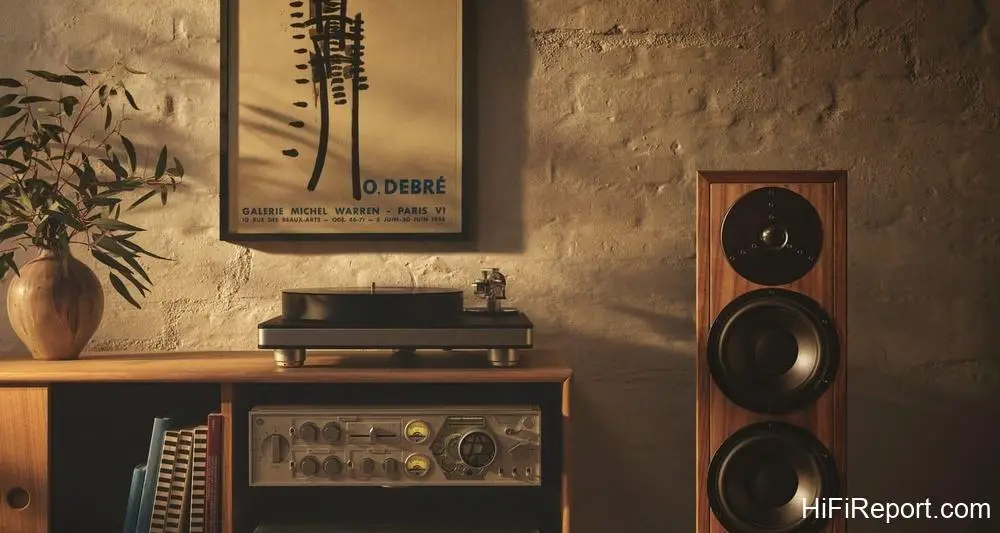
Furthermore, the construction of each Contour Legacy cabinet embodies the essence of Danish craftsmanship. Artisans carefully select wood panels with similar grain patterns to ensure perfect symmetry in the appearance of every pair. The cabinet joints are crafted with extreme precision, cut to sub-millimeter accuracy, and then meticulously glued by the factory’s “gluing masters.”
This exquisite artisanal tradition harks back to the golden age of Danish furniture manufacturing, with every detail reflecting the Nordic design philosophy of “form follows function.”
The internal cabinet structure also showcases Dynaudio’s acoustic mastery, utilizing special bracing structures to enhance rigidity and carefully designed filling methods to eliminate cabinet resonances. The double-tapered bass reflex ports on the rear not only allow low-frequency energy to exit smoothly but also reduce noise caused by turbulent airflow. The Contour Legacy features a cast iron base, providing excellent stability while contributing to the overall clean and sharp appearance.
Every design detail of the Contour Legacy has been meticulously refined, preserving the spirit of traditional craftsmanship while fully embodying the achievements of modern acoustic technology.
Flagship Drivers
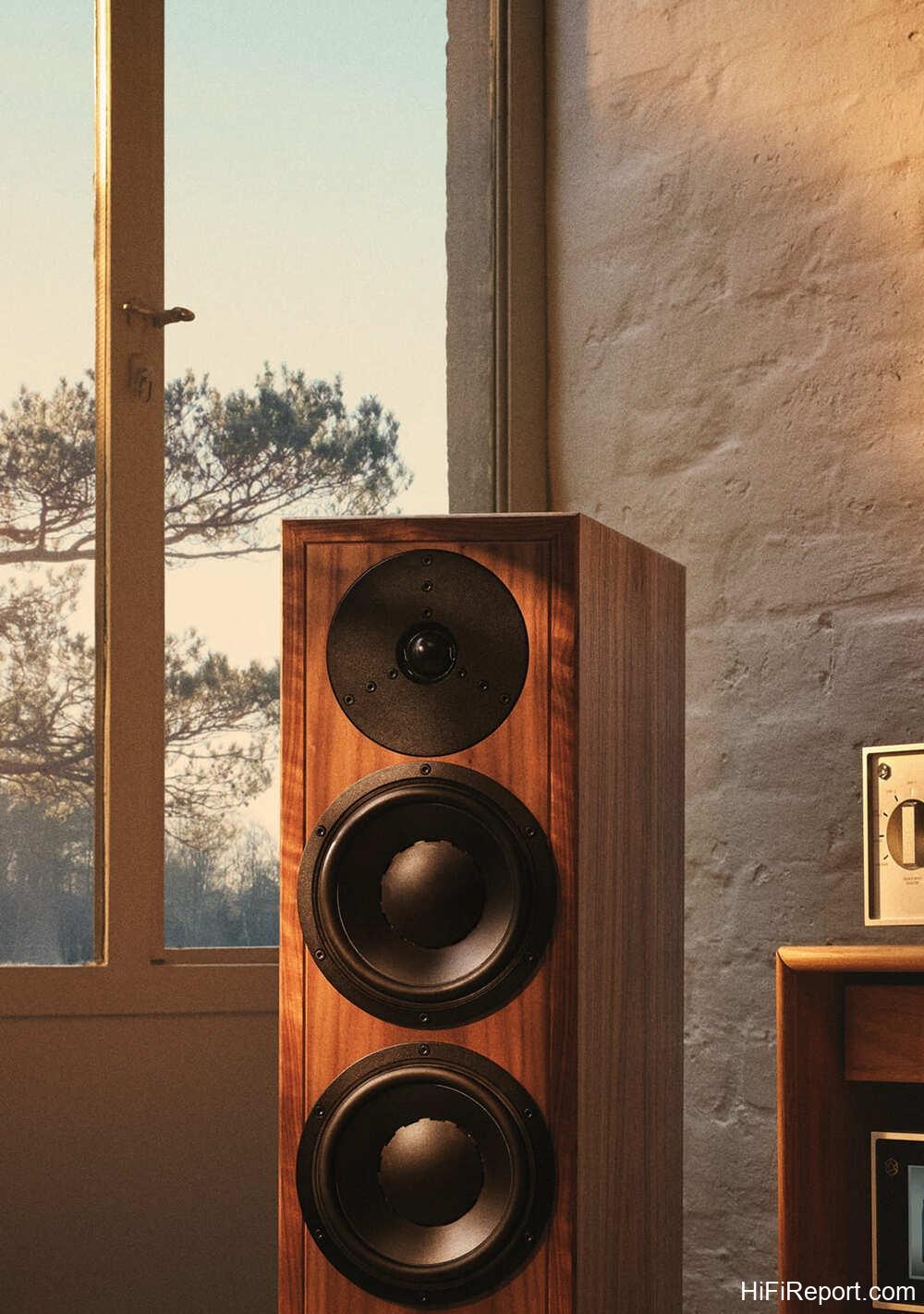
Don’t let the understated appearance of these compact floorstanders fool you; the Contour Legacy is equipped with drivers sourced entirely from Dynaudio’s flagship series! The tweeter features the flagship 28mm Esotar 3 unit, the latest generation of Dynaudio’s cutting-edge technology. Its unique Hexis inner dome design effectively eliminates unwanted resonances and ensures a flatter frequency response.
The diaphragm is made from a special fabric material that is extremely lightweight and optimally rigid, retaining detail without becoming overly sharp. The optimized magnetic system significantly reduces distortion, resulting in more natural and refined high-frequency reproduction.

For the mid-bass, the Contour Legacy utilizes a dual 18cm MSP driver configuration derived from the Evidence series, further optimized by Dynaudio engineers specifically for this model. The parallel arrangement allows the two drivers to specialize: the upper unit handles the mid-bass frequencies, while the lower unit is dedicated to low-frequency reproduction.
To match the impedance of the two drivers, specially designed high-impedance voice coils were developed, along with a dedicated crossover network to harmonize this unique driver combination. This design not only provides a greater dynamic range but also delivers enhanced control and layering in the low-frequency band.
Crossover and Tuning
To unleash the true potential of these flagship drivers, the crossover network was designed without compromise! Dynaudio assembled the finest components from top European audio component manufacturers like Duelund, Mundorf, and Van den Hul. The craftsmanship of these century-old companies is perfectly integrated with Dynaudio’s latest crossover technology. Every component is rigorously selected to ensure the signal path from crossover to driver remains pristine.

From high frequencies to low frequencies, from the crossover network to the internal wiring, every link demonstrates Dynaudio’s meticulous craftsmanship and dedication to perfection.
Every product in the Heritage series undergoes the brand’s most stringent tuning process. Dynaudio engineers spend vast amounts of time on acoustic tuning: after each modification, they conduct two weeks of extensive listening. Approximately 70% of the adjustments are based on listening results, rather than solely relying on measurement data.
During the tuning process, engineers not only ensure balance across all frequency bands but also pay close attention to the playback performance of various music genres. From solo instruments to large orchestras, from modern pop to classical music, every type of music must be flawlessly reproduced to live up to the “classic” moniker.
As for measurement, Dynaudio’s “Jupiter” facility plays a critical role. This is the world’s largest loudspeaker measurement facility, capable of completing measurements in 20 minutes that would take days using traditional methods. This high-efficiency measurement process not only ensures a high yield rate for products but, more importantly, its speed allows engineers to dedicate more time to listening-based tuning, enabling them to pursue the most ideal sound performance.
Listening Experience
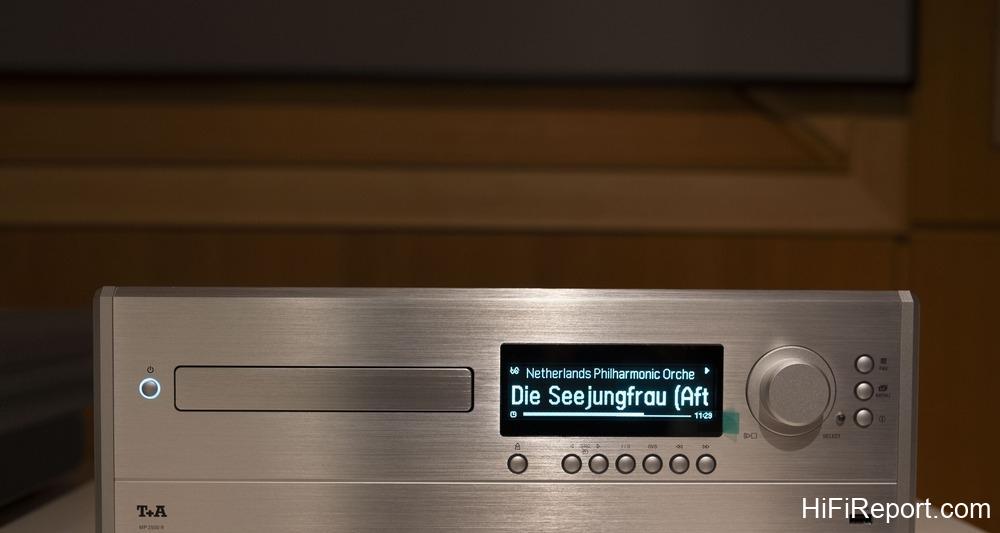
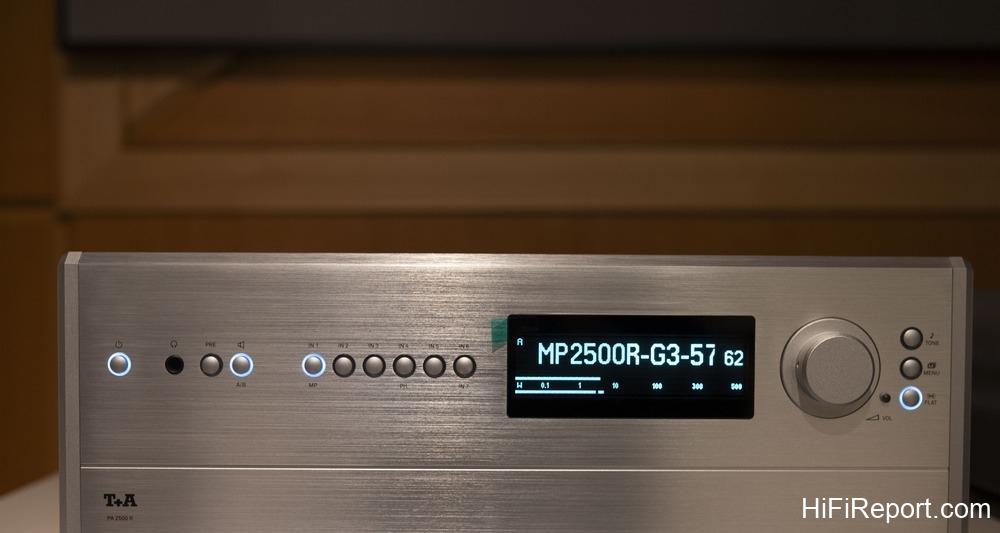
My listening session with the Contour Legacy took place in the listening room at Sun Moon Audio, paired with T+A’s venerable R series SACD streamer MP2500R and integrated amplifier PA2500R. Both T+A’s R series and Dynaudio’s Contour series have been product staples since the 1990s, a combination often featured in audio magazines back then, and their pairing feels entirely harmonious even today.
It’s worth noting that the MP2500R used for playback has been upgraded to the G3 generation, supporting higher resolution and more streaming services. While the exterior might look unchanged, the prominent “MP2500R G3” input displayed on the PA2500R’s screen offers a clear hint.
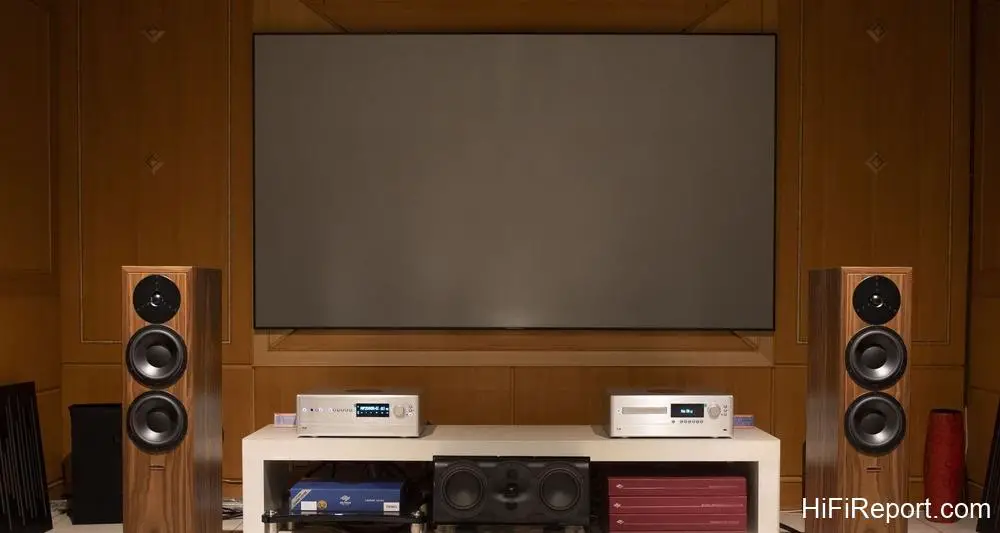
After over two months of warm-up, the Contour Legacy was ready for battle. I challenged it with the “The Rite of Spring” from RR’s recording of Eiji Oue conducting the Minnesota Orchestra. Typically, using this album to test speakers can be quite demanding, as Stravinsky’s complex rhythms, instantaneous dynamic shifts, and the timbre and quality of solo instruments require a system highly skilled in its craft to satisfy my taste.
But the Contour Legacy far exceeded my expectations, or perhaps, I was fooled by its gentle exterior! Facing the onslaught of bass drums, timpani, and brass sections, the Contour Legacy showed absolutely no fear. Its speed, impact, and the vibration of the drum skins were impeccable, truly feeling like listening to speakers in the hundred-thousand-dollar range (USD). The sound quality could be described in one word: exhilarating!
Speaking of impressions of Denmark, one cannot forget the world-famous fairy tale master, Hans Christian Andersen! This time, I chose musical works inspired by Andersen’s writings to deeply appreciate the Contour Legacy’s Danish soul. First, from the same album, Stravinsky’s symphonic poem/ballet “The Nightingale,” adapted from the opera of the same name.
In the third movement, “Song of the Nightingale,” Stravinsky showcases the rich timbral interplay between the flute and various instruments, unfolding from solo flute, clarinet, solo violin, to piccolo, accompanied by two harps to create delicate, rich, and intricate timbral gradients.
At this point, the Esotar 3 unit played an exceptionally crucial role. When examined alongside the overlapping instruments, it essentially represents an interplay of overtone series. To convey the subtle differences in timbre requires exceptional performance in the ultra-high frequency range, and in this regard, the Esotar 3 lives up to its flagship status, performing with outstanding realism and fidelity.
Perhaps the most famous work based on Andersen’s fairy tales is Zelinsky’s “The Little Mermaid.” This masterpiece, nearly lost to the world, was rediscovered and reconstructed in the 1980s, becoming one of Zelinsky’s most frequently performed works alongside the trend of decadent music revival.
The solo violin portraying the protagonist, the Little Mermaid, became alluringly enchanting and vividly lifelike with the assistance of the Esotar 3 unit.
Zelinsky’s vibrant and agile orchestration transformed the story’s three major sections – “The Little Mermaid saves the prince in a storm and longs to live with him on land,” “Transformed into a human but unable to speak, she arrives at the palace, the prince marries another woman,” and “Disheartened, she returns to the sea and chooses self-sacrifice, turning into foam and dissipating in the wind” – into three immortal movements.
The Contour Legacy’s reproduction was as realistic as a film adaptation, vividly bringing to life the details of orchestration that might be difficult for the average listener to grasp. Scene by scene, it guided the listener through the Little Mermaid’s life. This powerful ability to visualize music left me in awe, making me realize the Contour Legacy is a master storyteller.
Recreating an Enduring Classic
“What makes a speaker a classic is not merely technological breakthrough, but the perfect fusion of art and craftsmanship, and the ultimate interaction with the listener through music.” This is the concept the Contour Legacy conveyed to me through its sound. Dynaudio’s creativity in elevating traditional values into modern masterpieces, combined with the design philosophy inheriting existing flagship technologies and acoustic principles, is perfectly showcased in the Contour Legacy.
It stands as a milestone work that connects the past and the future. Unfortunately, limited editions are inherently cruel; the Contour Legacy has an allocation of only 1000 pairs. However, I believe anyone who experiences the sound of the Contour Legacy will undoubtedly harbor the dream of owning it.
Specifications
* Product Type: 2.5-way, 3-driver, bass reflex floorstanding speaker
* Release Year: 2024
* Drivers Used: 28mm Esotar 3 tweeter, 2 x 18cm MSP mid-bass drivers
* Frequency Response: 42~29kHz (±3dB)
* Crossover Point: 3400Hz
* Sensitivity: 90dB (2.83V/m)
* Nominal Impedance: 4 ohms
* Recommended Amplifier Power: 15~225 watts
* Weight: 32.5 kg (approx. 71.6 lbs)