
Dynaudio New Contour 20 Review
Dynaudio, the esteemed Danish loudspeaker manufacturer, unveiled its highly anticipated New Contour series in the latter half of 2016 and into this year, marking a significant moment in the audio world. While model updates and new product launches are commonplace among audio companies, Dynaudio’s New Contour series has garnered exceptional attention.
This is because the New Contour represents a comprehensive, inside-out overhaul, presenting a dramatically different face from both its predecessors in the Contour line and Dynaudio’s overall heritage. The company placed immense emphasis on the research and development of the New Contour, and the results speak for themselves.
Dynaudio’s Enduring Classic Series
Dynaudio produced several videos detailing the New Contour’s features, underscoring the importance of this series. The original Contour, launched in 1989, enjoyed remarkable sales success over many years and significantly boosted Dynaudio’s global recognition. It served as a cornerstone in propelling Dynaudio onto the international stage, making the Contour series a vital core product for the brand.
The second-generation Contour series appeared in 2003, and now, in 2016, we witness the third iteration, each generation separated by over a decade. To emphasize the intrinsic value of the Contour, even though its price range (traditional passive speakers) overlaps with the Focus XD (digital wireless active speakers), their applications remain distinct. The Contour offers greater flexibility in unlocking sonic potential.
In theory, active speakers like the Focus XD, with their ability to control various parameters for optimal settings, represent the ideal state for speaker design. However, the passive Contour, through the traditional connectivity of hi-fi systems, can evoke a unique analog flavor.
New Contour: Four Model Lineup
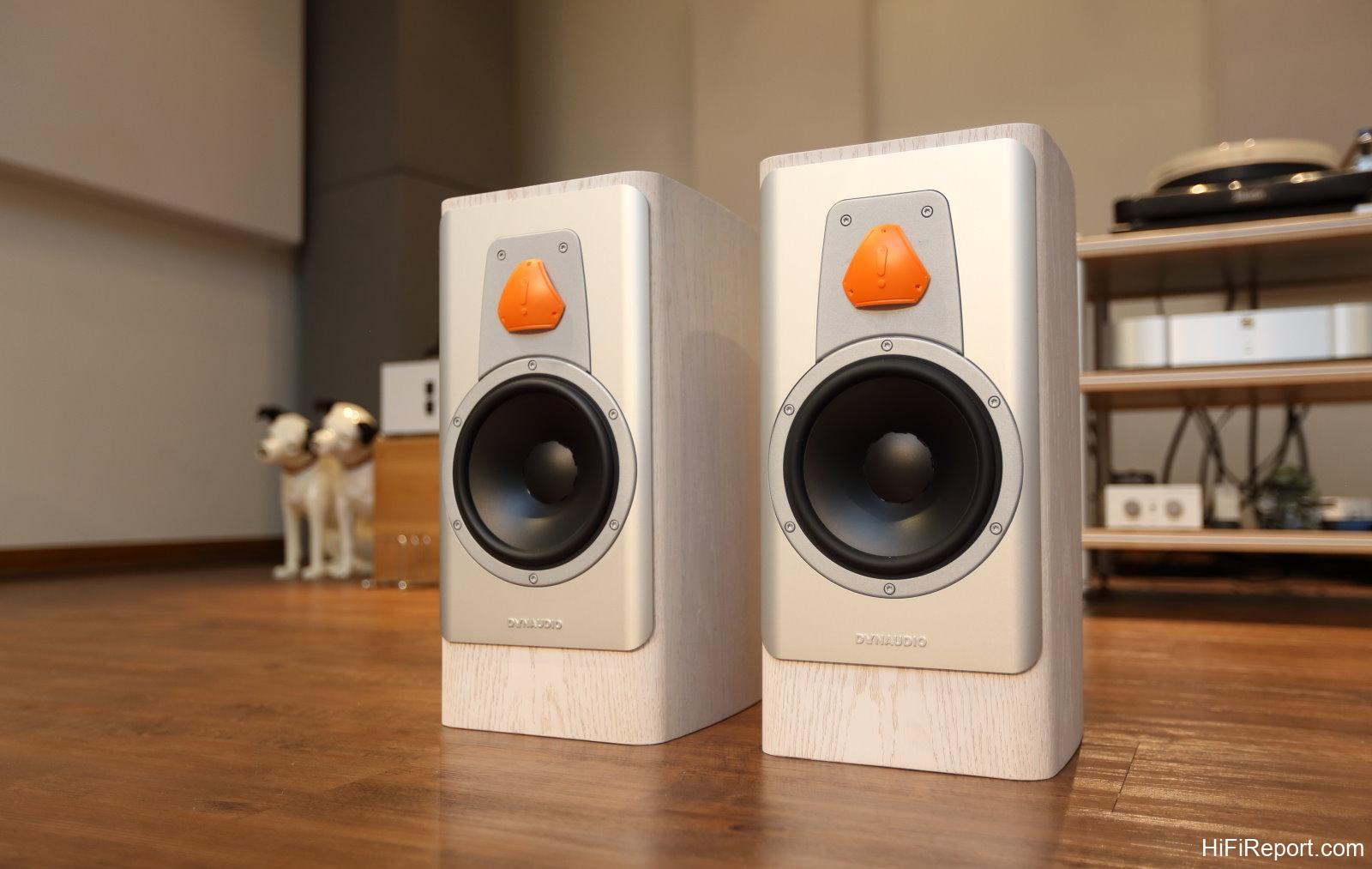
The New Contour series comprises four models: the Contour 60 and Contour 30 floor-standing speakers, the Contour 20 bookshelf speaker, and the Contour 25c center channel speaker. HiFiReport recently received the New Contour 20 for review, allowing us substantial time to live with, observe, and critically listen to the sound of this all-new Contour.
The New Contour 20 is surprisingly hefty for a bookshelf speaker, weighing in at 15.5 kilograms (34 lbs). The protective foam packaging likely adds another 5 kilograms (11 lbs), highlighting the robust protection provided during shipping.
Premium Esotar 2 Tweeter and New Mid-bass Driver
Upon unboxing, the New Contour 20 reveals a two-driver configuration. The tweeter is protected during transit by a striking orange plastic cover marked with an exclamation point. Dynaudio aficionados will recognize the delicate silk soft-dome tweeter, a signature of their designs. This time, the New Contour boasts Dynaudio’s top-tier Esotar 2 tweeter, identical to that found in their flagship, million-dollar-level loudspeakers.
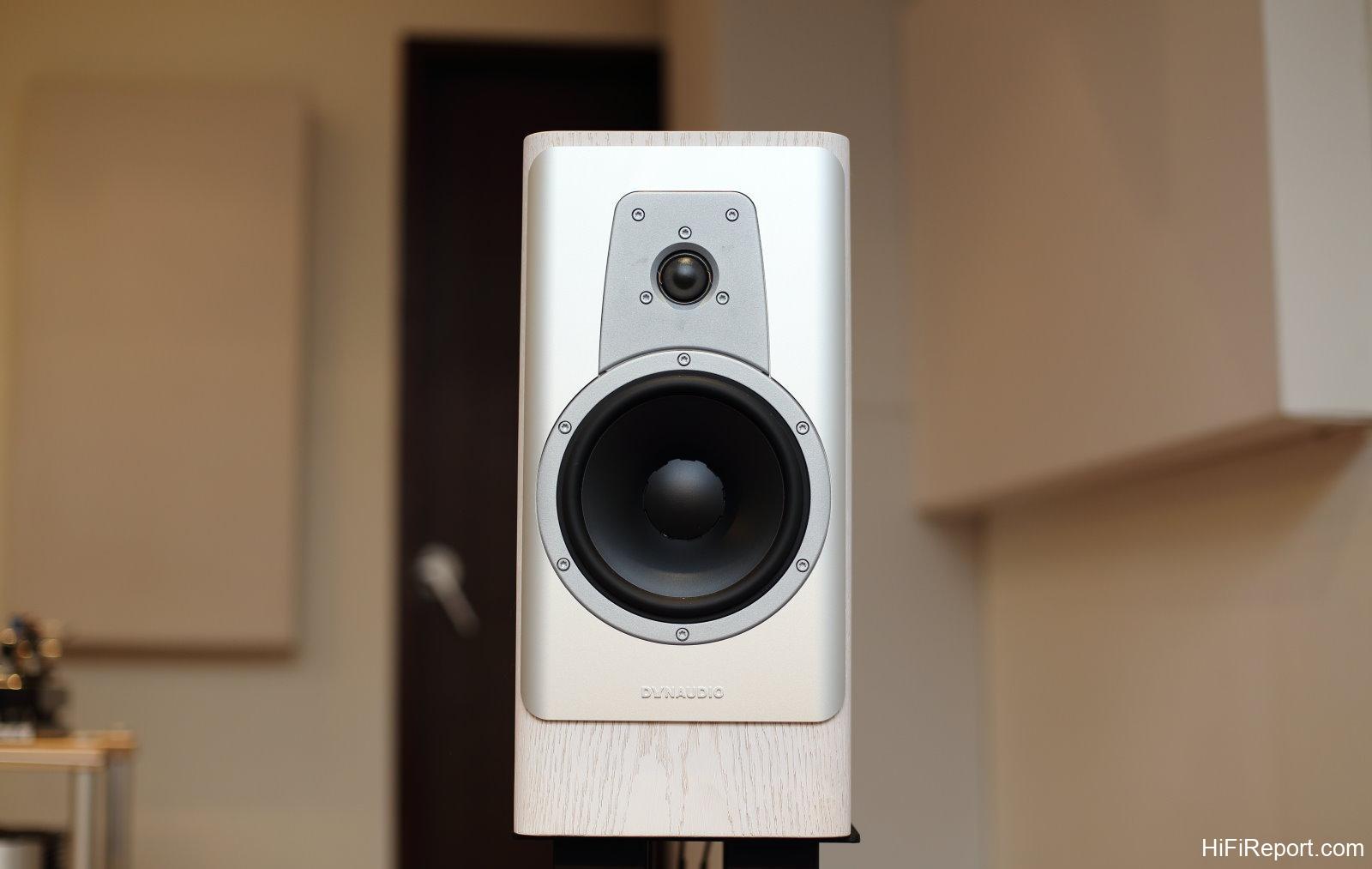
Remarkably, this premium tweeter is now accessible in the New Contour 20, priced under USD 20,000 (Note: Original text mentions “20”, assuming NTD, converting to USD roughly). The mid-bass driver is Dynaudio’s in-house developed MSP driver, specifically the newly engineered 18W55 model, which we will detail further.
Solid Aluminum Baffle
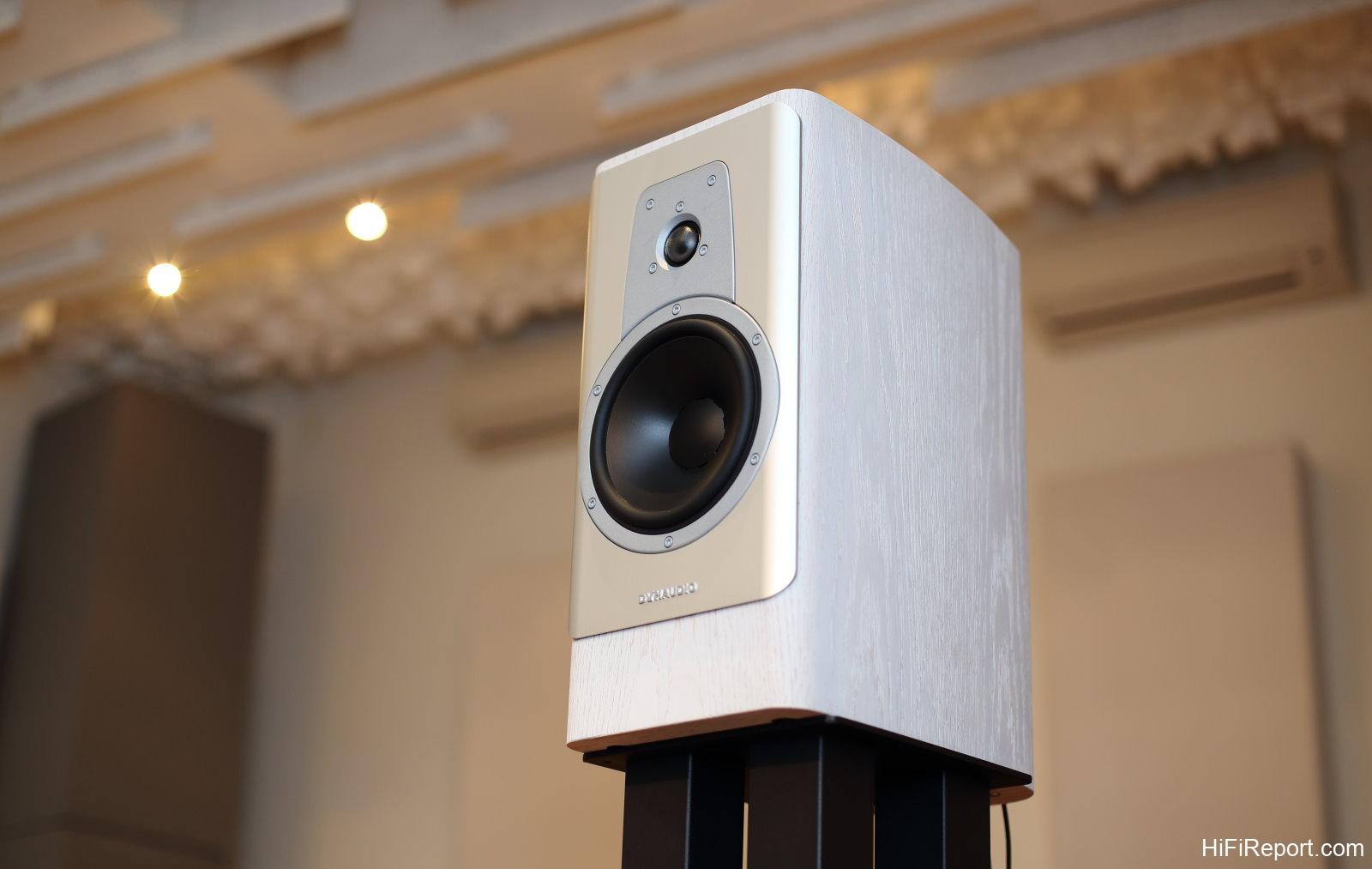
A visually striking feature is the substantial metal front baffle. This element first appeared in the second-generation Contour series and has been refined for the new generation. The entire series features a 14mm thick aluminum front baffle, curved at the sides and extending rearward. This is crafted from a solid 2cm thick aluminum billet, CNC machined rather than stamped from thin sheets, ensuring rigidity.
The mid-bass driver is directly mounted to this front baffle, which is then integrated with the cabinet, effectively controlling driver vibrations and preventing them from transmitting to the enclosure. The tweeter is first mounted to a darker, separate aluminum plate before being attached to the front baffle, providing an extra layer of vibration isolation.
Ingenious Discovery Design
Our review unit arrived in an oak finish, a light and exceptionally beautiful veneer resembling high-end furniture. The oak veneer features varying grain patterns, offering a tactile and luxurious feel. The New Contour cabinet construction begins with over 40 hours of wood hardening, followed by a first sanding with sandpaper. After another 24-hour waiting period, a second sanding is performed.
The process utilizes 16 sheets of sandpaper, ranging from P600, P1500, and finally P3000 grit, taking over three weeks to complete this stage alone.
The New Contour marks the first use of a curved cabinet design in the series. Beyond acoustic considerations, this aims to inject a sense of modernity and innovation. Off-axis performance is also a key focus, ensuring excellent sound quality even when listeners are not positioned in the “sweet spot.”
Dynaudio has always maintained in-house manufacturing, from individual drivers to complete loudspeaker systems. This allows them to develop optimal components and control quality without relying on and then modifying parts from other manufacturers. In the New Contour series, everything from screws to drivers is newly designed.
To balance Dynaudio’s heritage with fresh innovation, the new engineering team comprises in-house veterans alongside newly recruited acoustics graduates and seasoned engineers from other companies. This diverse input is reflected in the New Contour, which retains traditional cabinet dimensions while incorporating modern curves.
Designers employed a clever “Discovery Design” philosophy, creating subtle details that are revealed upon closer inspection, embodying the idea of “more felt than spoken.” For example, viewing the front baffle from different angles reveals its seemingly floating or flush appearance.
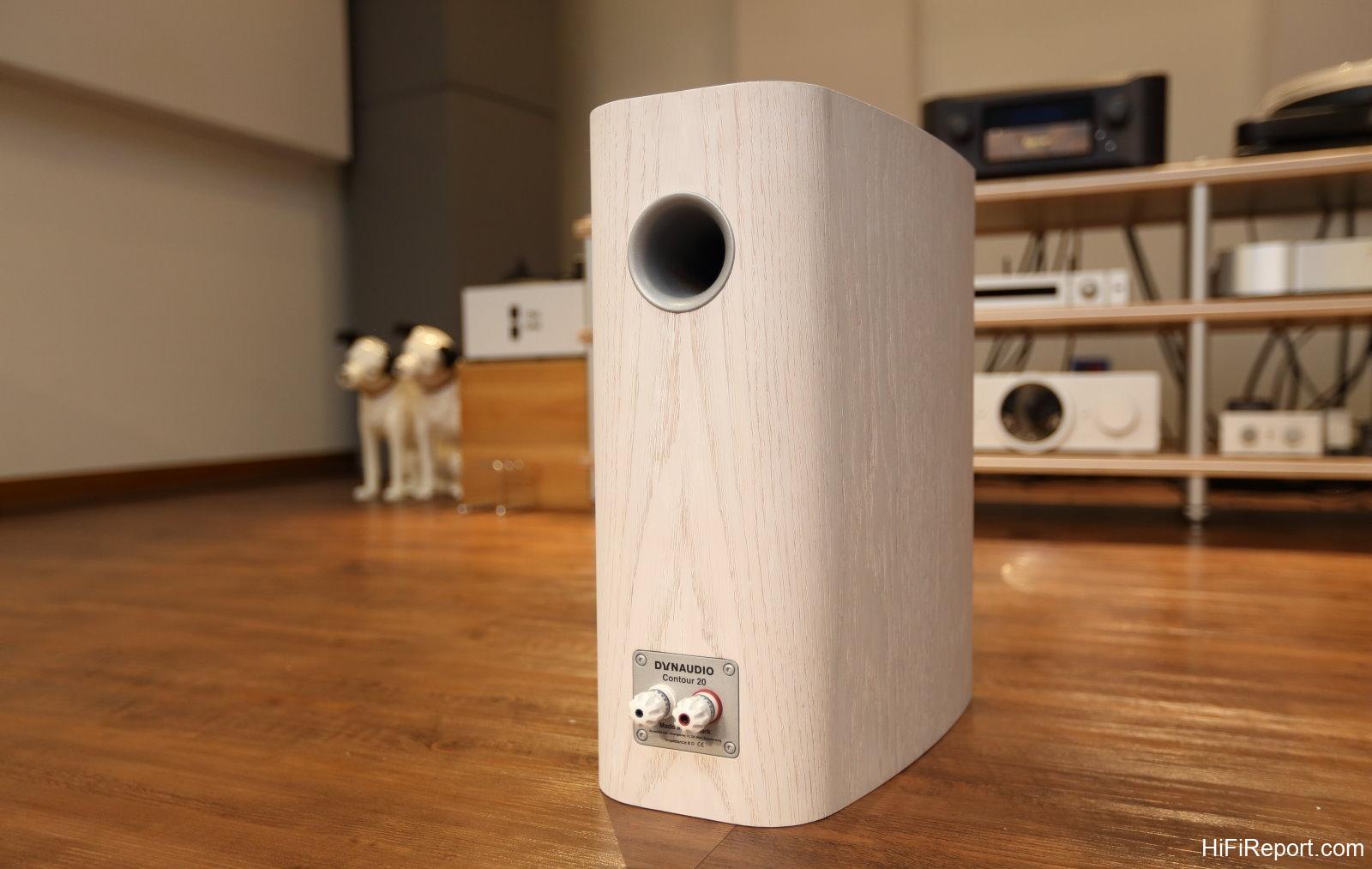
The New Contour 20 features a rear-firing bass reflex port with a narrow inner diameter and a wider outer flare, designed to reduce air turbulence noise. The speaker terminals are high-quality WBT products. The curved cabinet shape is also clearly visible from the rear, and I personally anticipate that future Dynaudio mid-to-high-end speakers may adopt this curved cabinet aesthetic.
Exclusive Esotar 2 Tweeter: Supreme High-Frequency Performance
The New Contour series utilizes Dynaudio’s finest tweeter, the 28mm Esotar 2. Its production is labor-intensive, involving manual coating of a special damping material onto the hemispherical dome diaphragm. The internal voice coil is immersed in a unique magnetic fluid, which provides damping, heat dissipation, and reduces stress on components during operation. This enhances power handling and extends the frequency response.
The tweeter is mounted on a 5mm thick aluminum plate, which is then combined with the 14mm aluminum front baffle and an MDF backplate to form a multi-layered structure.
Bespoke MSP Mid-bass Driver
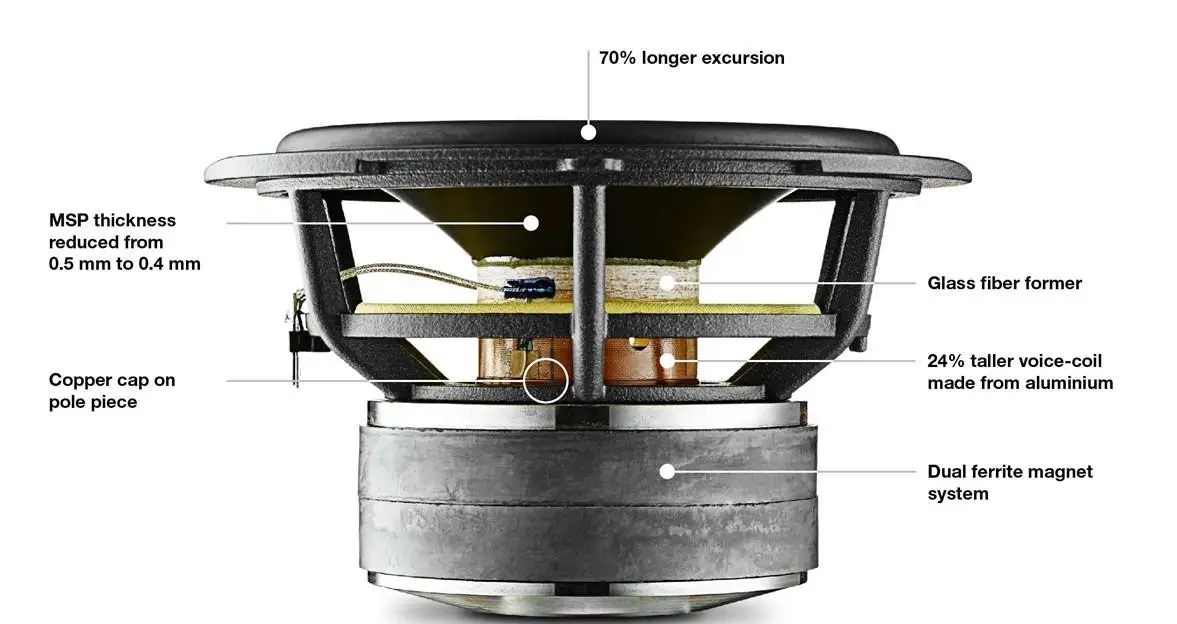
The all-new 18cm 18W55 mid-bass driver features Dynaudio’s proprietary MSP (Magnesium Silicate Polymer) cone. The diaphragm thickness has been reduced from 0.5mm to 0.4mm, while the excursion capability has increased by 70%. It incorporates a new glass fiber voice coil former, and the aluminum voice coil height has been increased by 24%. The spider and surround are also entirely new designs.
A powerful dual-ferrite magnet system is employed, and to accommodate this larger magnet structure, the development team moved the magnet assembly outside the driver frame – a departure from previous Dynaudio driver designs.
The design team also utilized Finite Element Analysis (FEA) to refine the spider design, incorporating asymmetric and smaller corrugations to improve overall performance. This enhances control over voice coil movement, especially at higher frequencies and volumes.
[Image of Esotar 2 tweeter]
*Esotar 2 tweeter as provided by the manufacturer.*
[Image of 18W55 MSP mid-bass driver]
*18W55 MSP mid-bass driver as provided by the manufacturer. The driver features a unibody metal basket, and the magnet assembly utilizes dual ferrite magnets of impressive size. All these detailed changes and advancements are mutually reinforcing.*
Custom Crossover: The Key to Exceptional Sound
Significant changes in the drivers of the New Contour series necessitate corresponding crossover modifications. The design team emphasizes that even exceptional drivers will sound uninspiring without a well-designed crossover. It’s crucial to reiterate that both the crossover and drivers in the New Contour are designed and manufactured in-house. This in-house capability is paramount in crafting high-fidelity loudspeakers.
The design team has complete freedom to modify any component of the drivers or crossover to achieve optimal sonic performance. The New Contour crossover is a second-order design, employing Mundorf components for critical parts, while more common components are used in less critical areas to manage costs.
Internal Cabinet Damping: Eliminating Resonance
Cabinet rigidity and resonance control are inherent design considerations. While cabinet shape itself doesn’t directly correlate with resonance elimination, the damping materials used significantly impact this aspect. The New Contour employs three different types of damping materials with varying densities to effectively eliminate resonance. The cabinet itself is constructed from multi-layered MDF, with a substantial 38mm thick back panel and a 26mm front baffle.
Side panel thicknesses vary between 16mm and 19mm (for the Contour 60) depending on the model. Internal bracing is also incorporated to further reduce cabinet resonance.
KERF-cut MDF damping is added to the inner sides of the cabinet, enhancing stability and mitigating internal standing waves.
[Link to Dynaudio New Contour driver introduction video]
*Manufacturer’s video introducing the New Contour drivers.*
[Link to Dynaudio New Contour crossover introduction video]
*Manufacturer’s video introducing the New Contour crossover.*
[Link to Dynaudio New Contour cabinet construction video]
*Manufacturer’s video introducing the New Contour cabinet construction.*
[Image of New Contour 20 side profile]
*The New Contour 20 is truly beautiful from the side profile.*
[Image of New Contour 20 in listening room]
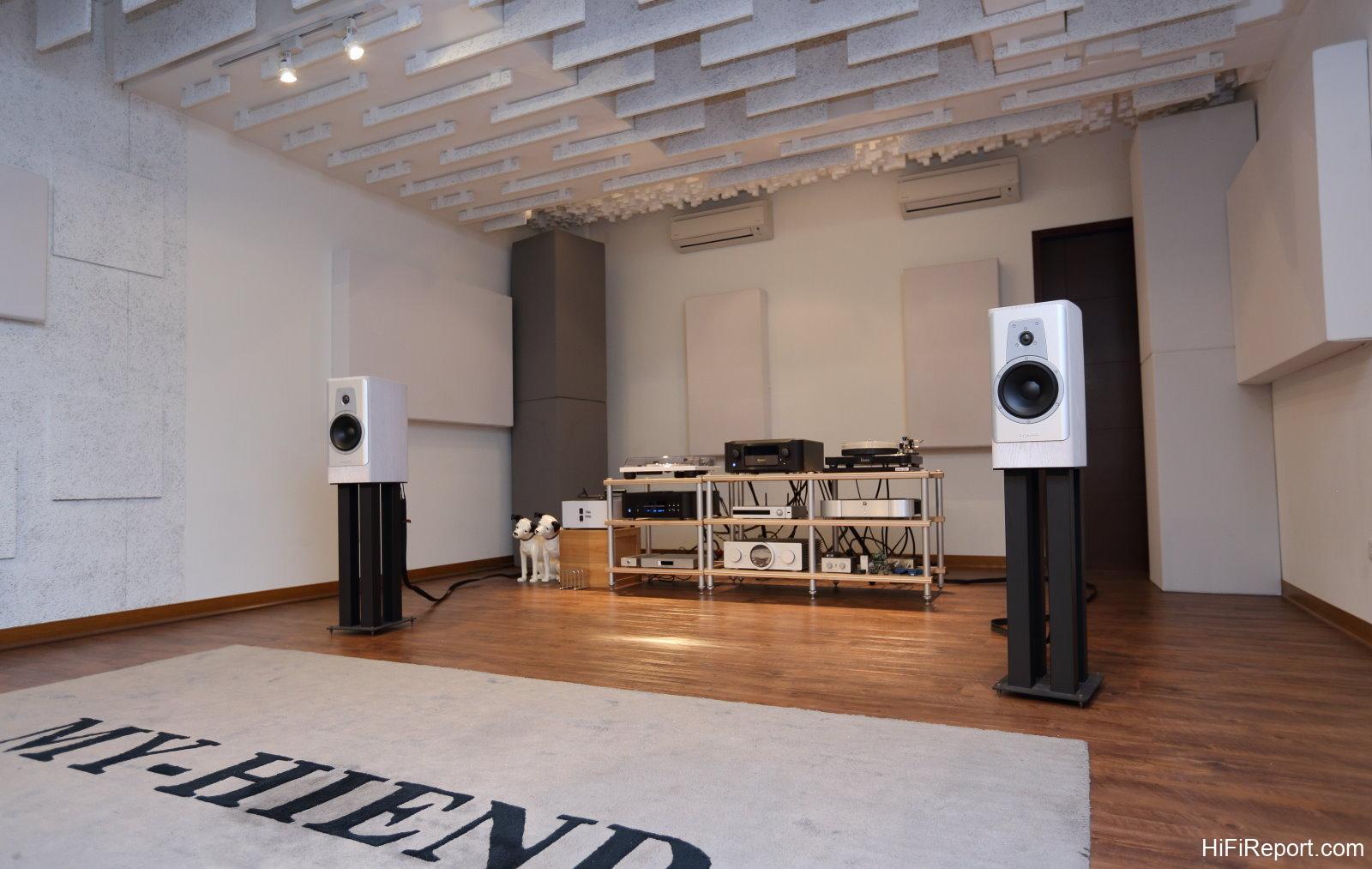
*Although the New Contour 20 is the smallest and only bookshelf speaker in the series, its sound effortlessly fills HiFiReport’s listening room.*
Inheriting Traditional Sonic Strengths
Having previously auditioned the second-generation Contour series and higher-end Dynaudio speakers, my prior impressions were of a clear, natural, and precisely imaged soundstage, with high accuracy and low coloration. Musical engagement wasn’t particularly emphasized, and the soundstage presentation was expansive without becoming bloated. However, listening to the New Contour 20 presented a slightly different experience, with enhanced musicality and a more engaging sonic character.
Clarity and Naturalness with Captivating Charm
I began with the familiar “The Perfect Sound – 2015 Hong Kong High-End Audio Visual Show SACD Compilation,” starting with Jacky Cheung’s “How Can You Bear To Leave Me?”. With simple guitar accompaniment to the iconic vocalist, the Contour 20 immediately showcased Dynaudio’s hallmark clarity. The subtle nuances of guitar string plucks, the delicate resonance of the guitar body, all were vividly present in the room.
As Cheung began to sing, his rich, resonant voice declared the Contour 20’s captivating nature. Vocals possessed an undeniable allure, while maintaining the signature Dynaudio clarity and naturalness. Moving to Eva Cassidy’s “Fields Of Gold,” the quiet backdrop allowed Eva’s poignant and emotionally charged vocals to captivate the listener. When experiencing the Contour 20, resist the urge to immediately crank up the volume to test its limits.
Instead, listen attentively at lower volumes to appreciate its mastery of sonic detail, the textural richness of the sound, and the nuanced micro-dynamics—a truly beautiful sonic landscape unfolds.
Full-bodied and Balanced Midrange and Treble
HiFiReport’s 2014 compilation album, “Audiophile Voices & Instruments HiFiReport Selection,” featuring 16 tracks spanning Western classical, vocals, Mandarin pop, and Chinese orchestral music, provided further insights. Listening to track 3, Vivaldi’s “Winter” from The Four Seasons (Allegro non Molto), and track 5, Bach’s “Violin Concerto No. 1 Allegro,” both violin concertos, revealed exceptional performance.
Despite different recordings and interpretations, the violin’s fullness and clarity in the upper registers were consistently impressive. The balance and harmony between the solo violin and the orchestral accompaniment were remarkably even. The high-frequency extension was complete, fully demonstrating the capability of Dynaudio’s top-tier tweeter. Track 11, Zhang Xiaoyin’s harp performance of “Dream Waltz,” showcased the harp’s round and full tone.
The soundstage presented excellent height and depth layering, with even the performer’s breathing clearly audible.
Rendering the Full Scale of Large Orchestral Performances
Playing orchestral pieces like “Tutii” can challenge any bookshelf speaker, and today was no exception. The Contour 20’s crossover point is set at 2,200Hz, below which the same mid-bass driver handles all frequencies. This piece reveals the driver’s capabilities when faced with large-scale, complex orchestral music. However, complexity did not faze the Contour 20. Even with a multitude of instruments playing simultaneously, the presentation remained clear and distinct.
The midrange was energetic and vibrant, with excellent imaging and soundstage width, consistent with previous listening experiences. While low-frequency energy cannot match floor-standing speakers, the Contour 20 still possesses impressive depth. The approximately 7-inch (18cm) mid-bass driver adequately reproduced the outline of the image even with deep bass drum strikes and ultra-low frequencies. Simultaneously, other frequencies maintained remarkable clarity.
Furthermore, during listening, the speakers were positioned more than 3 meters from the rear wall. Moving them closer would naturally further enhance the bass presence. Overall, the Contour 20’s mid-bass performance in this aspect is satisfying.
Revealing Live Performance Realism
“SUPREME SESSIONS 2,” recorded using only two microphones for a small-ensemble jazz performance, offers a simple and direct recording approach. Listening to it through the Contour 20, subtle differences in microphone placement across tracks become apparent. The primary focus of each recording, and the relative distances of various instruments, are readily discernible.
Sometimes the microphones are centered on vocals, while other times they are positioned to capture two primary instruments at opposite ends of the soundstage. Instrument layering and sonic capture are direct, natural, and unexaggerated, revealing the ambiance of the recording space. Even incidental sounds during the performance are clearly rendered. The Cuban vocalist Lisette Hernandes Pigueiras’s voice is naturally authentic, and the music’s style is enjoyable and relaxing.
Danish Tradition Meets Modern Innovation
The Dynaudio New Contour 20 is a resounding success, representing a nearly complete redesign of this iconic speaker line. It confidently upholds the legacy of Dynaudio’s most classic series. The aesthetic changes are commendable, particularly the curved cabinet, a significant departure. While perhaps not revolutionary for other manufacturers, Dynaudio could have easily continued with their previous design language without criticism.
Yet, their willingness to innovate and introduce a fresh aesthetic is praiseworthy. Dynaudio’s technical prowess and driver manufacturing capabilities are beyond reproach. Their near-total in-house production, especially for critical components like cabinets, drivers, and crossovers, is increasingly rare in the OEM era. This vertical integration means success or failure rests squarely on their shoulders. Exceptional R&D and the creation of outstanding products are paramount to success.
The New Contour 20 is a triumph, and it heightens my anticipation for the flagship New Contour 60.
Dynaudio Contour 20 Bookshelf Speaker Specifications
* Sensitivity: 86dB (2.83V / 1m)
* Continuous Power Handling: 180W
* Impedance: 4 Ohms
* Frequency Response (± 3 dB): 39Hz – 23kHz
* Enclosure Type: Bass Reflex Rear Ported
* Crossover: 2-way
* Crossover Frequency: 2200Hz
* Crossover Topology: 2nd order
* Mid-bass Driver: 18cm MSP cone
* Tweeter: 28mm Esotar2
* Weight: 15.5kg / 34lb