
Farad Super10 Linear Power Supply Review
The rise of streaming audio has brought a proliferation of components like network switches, streamers, and NAS drives. A straightforward and effective way to elevate the sound quality of such devices is to upgrade their power supply to a linear unit. This trend recently saw a name frequently surface across online audio forums: Farad.
Their Super3 linear power supply became a hot topic, earning widespread acclaim purely through word-of-mouth, with some enthusiasts even hailing it as potentially “the best linear power supply in the world.” This piqued my curiosity immensely. Linear power supplies aren’t new technology; the barrier to entry isn’t particularly high, they aren’t typically expensive, and there are numerous DIY options available. So, what made the Super3 capture the attention of so many audiophiles?
Farad is a Dutch company founded in 2019 by Mattijs de Vries, operating under the umbrella of the Dutch audio brand Pink Faun Music. Mattijs boasts over 25 years of experience in the audio industry, having initially specialized in researching audiophile-grade electronic components like NOS (New Old Stock) capacitors and resistors. His extensive knowledge of high-end circuit materials clearly shows in the Super3.
Named for its 3A current output, the Super3 offers custom voltages ranging from 5V to 24V and features dual regulation and filtering stages to effectively suppress EMI and RFI noise from the AC mains.
While these features might not seem groundbreaking, the Super3’s pivotal advantage lies in its proprietary “EDLC Supercapacitor” technology. According to Farad, this novel capacitor design offers impressive transient power capability and low ESR (Equivalent Series Resistance).
What’s truly astonishing is the sheer energy storage capacity packed into a relatively small size: between 1,000,000µF and 3,300,000µF (actual capacitance varies with input voltage), which is over a hundred times that of typical electrolytic capacitors! Comprising these EDLC supercapacitors and a custom-designed, double-shielded, high-inductance toroidal transformer, the Super3 provides a remarkably stable DC supply, akin to battery power.
The Super3’s popularity among audiophiles extends beyond its technical merits. It perfectly caters to the enthusiast’s desire for optimization. Each unit is handmade in the Netherlands using carefully selected, high-grade components.
Furthermore, Farad offers numerous upgrade options, such as premium fuses from Quantum Science Audio or Synergistic Research and the option to upgrade the AC input socket to a Furutech Rhodium unit, allowing users to tailor the DC power supply to their ideal specifications. Combining excellent performance, upgrade potential, and a competitive price point, it’s no wonder the Super3 became a go-to choice for many.
Introducing the Super10
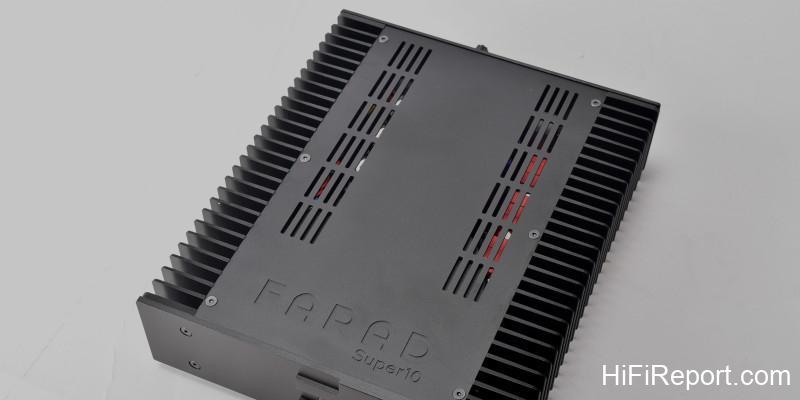
Following the immense success of the Super3, Farad introduced their top-tier model: the Super10. This unit departs from the Super3’s approachable price, breaking the $3,000 mark and firmly positioning itself at the apex of DC power supplies. The Super10 certainly justifies its price tag with a more sophisticated circuit design and an external appearance that screams high-end audio, a stark contrast to the often utilitarian look of many linear power supplies.
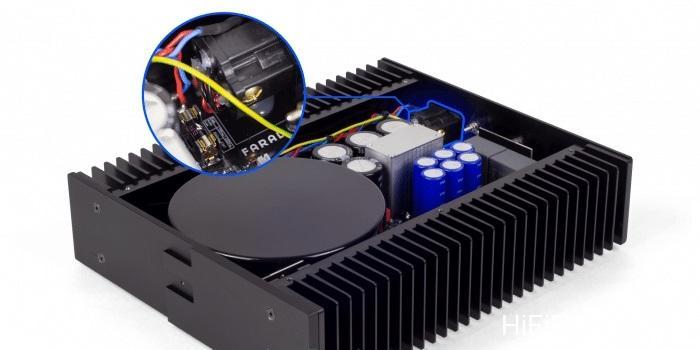
The chassis is constructed from thicker aluminum plates, making it larger and more substantial. Weighing in at approximately 7.6 kg (16.6 lbs), it feels even more solid than amplifiers of a similar size. The front panel features a sculpted geometric pattern created via CNC machining, with only a single central LED indicating the power status. The top plate is subtly etched with the Farad logo, maintaining a minimalist and stylish aesthetic.
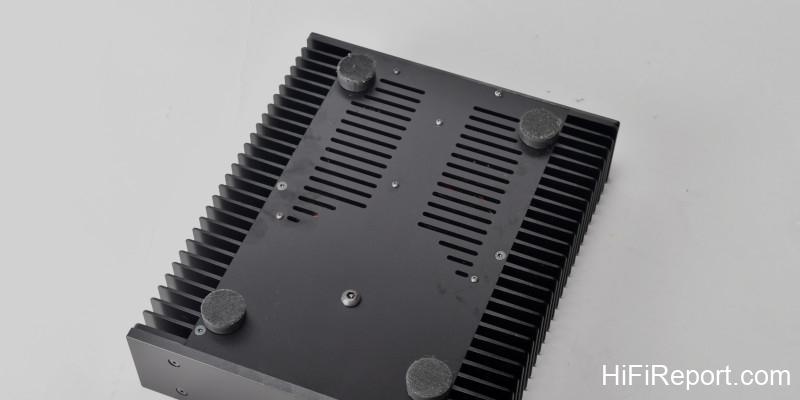
Large heatsinks are integrated into both sides of the unit, ensuring the Super10 maintains optimal operating temperature even under high current demand.
Connectivity and Internal Design
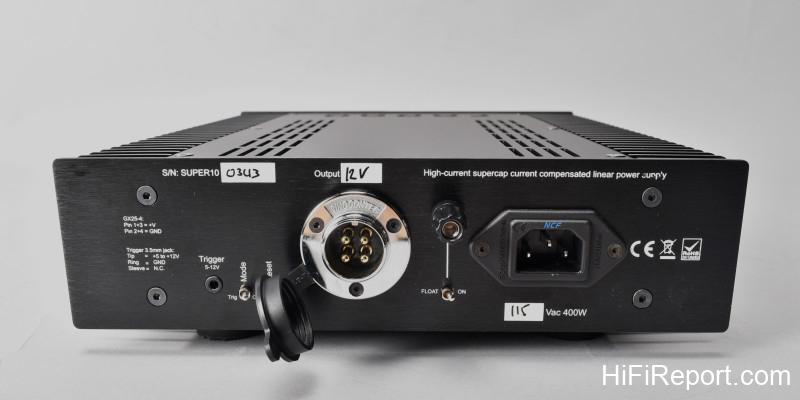
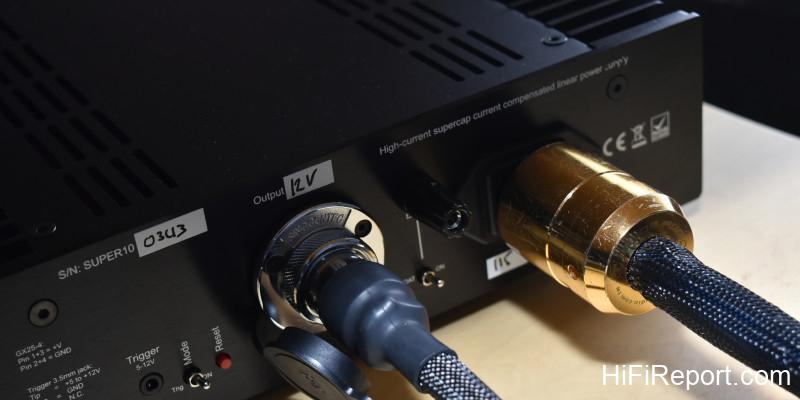
Flipping to the Super10’s rear panel, you’ll notice premium appointments right away. The AC input socket is a top-of-the-line Furutech FI-09 NCF, and internally, it comes equipped with a Synergistic Research Pure Purple fuse. Many users often underestimate the importance of the DC power cable in a linear power supply setup; its impact on sound quality is comparable to that of a standard AC power cable. The crucial element here is the connector at the equipment end.
The Farad Super3 utilized an aviation-grade GX16-4 connector, offering lower impedance transmission compared to common 2.5mm or 2.1mm DC plugs.
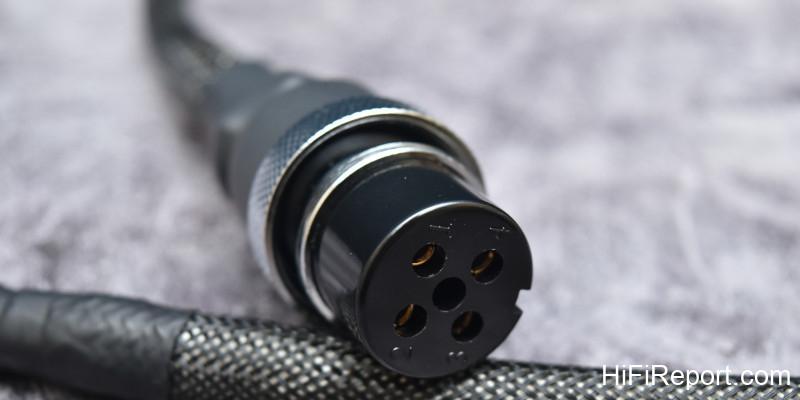
The Super10 takes this a step further with a larger, high-current GX25-4 DC output connector on the rear panel, measuring 2.5 cm in diameter. It features a gold-plated 4-pin structure, with two pins for power and two for ground. This larger size results in even lower output impedance than the Super3’s connector, a key factor in the Super10’s ability to deliver high current.
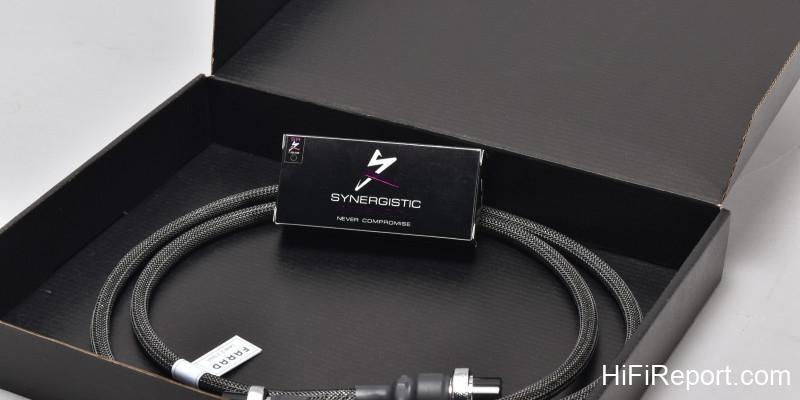
Farad also offers three grades of DC power cables: the standard is Level 2 copper, with upgrade options to Level 2 silver or Level 3 cables. All Farad DC cables are terminated with audiophile-grade gold-plated connectors from Oyaide in Japan for optimal conductivity.
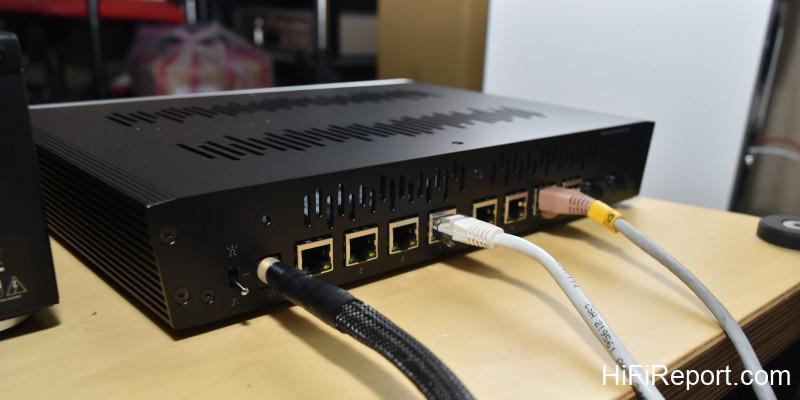
On the left side of the Super10’s rear panel is a trigger mode toggle switch. The ‘On’ position keeps the Super10 permanently powered, while the ‘Trig’ position allows it to power on in conjunction with the connected audio equipment, utilizing a 3.5mm trigger input. The right side features a ground terminal for connecting an external ground box and a ‘FLOAT’ switch to disconnect the ground loop, preventing potential noise from shared ground paths.
These design details are features rarely found in conventional linear power supplies on the market.
Powering Performance
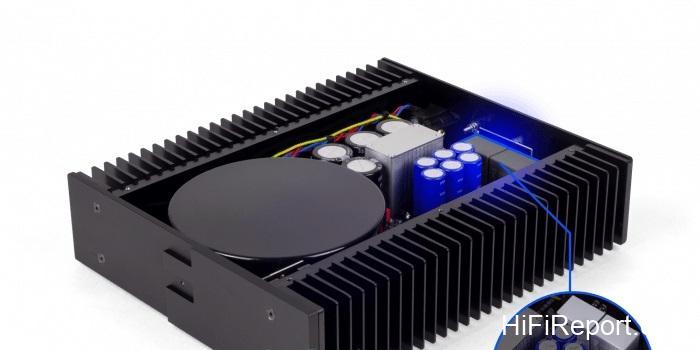
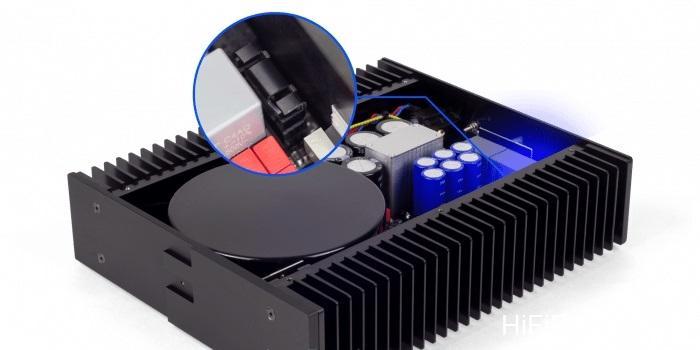
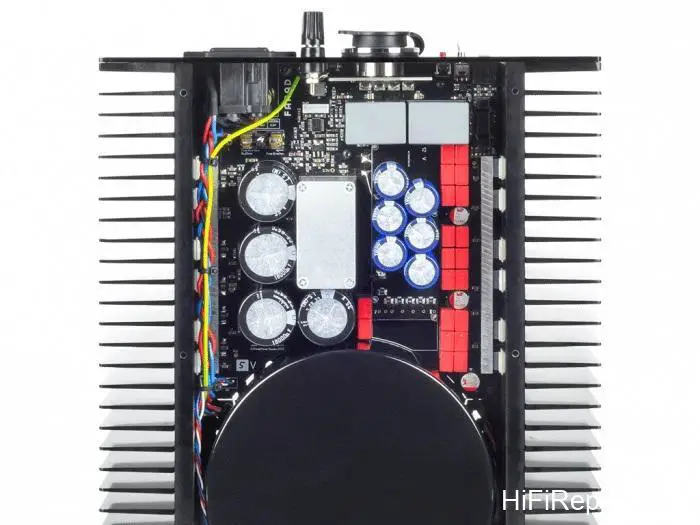
The Super10’s meticulous design extends beyond its exterior; the internal circuitry is packed with premium components. The PCB is entirely custom-designed and built around a bespoke double-shielded toroidal transformer. This transformer is larger than the one used in the Super3 and boasts high inductance, enabling it to provide a maximum output current of 10A, making it more suitable for high-current demanding equipment.
However, increasing the transformer size can also lead to increased vibration and noise. To counteract this, the Super10’s transformer features not only its inherent double shielding but also an external metal shield, effectively eliminating transformer vibration and noise interference.
Following the transformer is a Pi filter bank comprising 72,000µF of electrolytic capacitors. This stage provides multiple layers of filtering for high-frequency noise from the mains and significantly reduces the ripple often associated with linear power supplies. The EDLC supercapacitors in the Super10 possess an astounding energy storage capacity, with a total average capacitance ranging from 4.5F (4,500,000µF) to 16F. This provides a robust foundation for handling musical dynamics.
Looking across the landscape of linear power supplies, perhaps only Farad’s own flagship SuperATX can surpass this.
The Super10 also incorporates a unique feature: Active Current Compensation. At its core is a regulator circuit built around a microprocessor and an Hf Pi filter utilizing ultra-low ESR foil capacitors. This system actively monitors and controls conditions such as short circuits, over/under voltage, reverse voltage, overheating, and surge current.
For instance, it can provide a voltage boost to compensate for voltage loss across the PCB and internal wiring, and conversely, reduce voltage when the connected equipment requires a large current surge, ensuring stable current output at all times. Finally, the Super10 features an output stage with a 230µF capacitor bank, composed of high-quality film capacitors like MKS and MKP types, to ensure the best possible sound quality.
According to Farad, this film capacitor-based output stage offers superior high-frequency filtering and faster current delivery compared to traditional electrolytic capacitor-based designs, better meeting the power demands of digital audio equipment.
Listening Impressions
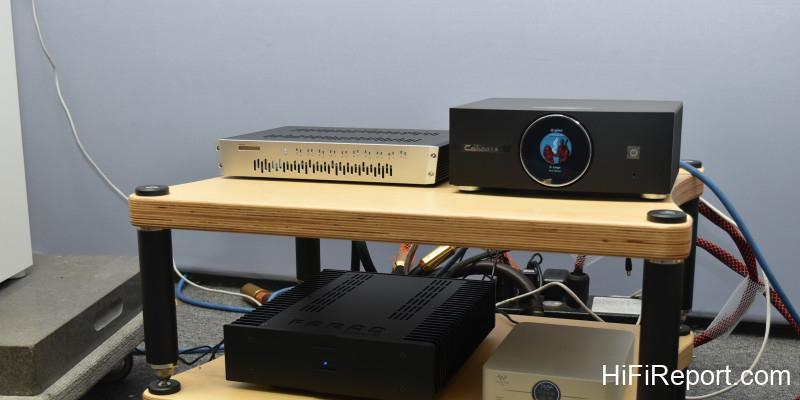
For the primary listening test, I used a SOtM sNH-10G network switch, feeding the signal directly into a Cabasse Abyss streaming amplifier driving Canton GLE 496.2 floorstanding speakers. I compared the sound quality with the Super10 powering the switch versus using the SOtM’s original power adapter. Having heard and used several linear power supplies in my own system, I thought I had a general idea of the improvements the Super10 might offer.
However, when I played the first track, “Vivaldi’s Concerto for Two Cellos,” from the album *Doppio Espressivo*, the music utterly exceeded my expectations!
With the Super10 powering the switch, the low-frequency presence, energy, and richness all jumped to another level. Simply upgrading the switch’s power supply made my system sound significantly larger than before – an effect I’ve never experienced to this degree with similar products.
The opening cello dynamics built an astonishing sense of momentum. The cellos exhibited greater definition and texture, with incredibly incisive bowing. The woody resonance was also richer and more resonant. But don’t assume the Super10 only boosts energy. A common criticism of many linear power supplies is high-frequency roll-off. This unit, while providing more abundant musical energy and stronger dynamics, also added greater refinement to the string textures.
All the subtle performance details seemed to come alive instantly, becoming more focused with clearer outlines, free from any fuzzy edges. The soundstage was no longer constrained but opened up naturally and spacious, allowing for more precise localization within the acoustic environment.
Playing Vivaldi’s “Four Seasons” violin concertos, the violin bowing had a delicate luster, and you could clearly feel the elastic texture drawn by the bow across the strings. From quiet passages to the powerful unison of the strings, not only was the dynamic contrast improved, but the music remained consistently stable, completely free from any sense of being uncontrolled or chaotic.
The individual performance details of each violin were distinct, and the separation was exceptionally high, rendering subtle nuances with greater sophistication and layering.
Moving on to The Oscar Peterson Trio’s album “We Get Requests,” the piano playing sounded crisp and agile. The nimble keystrokes coalesced into rich, palpable notes hanging in the air. In the lower registers, I could hear abundant string vibration, and the piano’s soundboard resonance had impressive scale. The accompanying jazz drums also benefited from the Super10’s improved transient response. The snare hits were full of snap and impact, with the complete resonance of the drum shell audible.
The cymbal crashes had a dense, layered texture, each strike feeling like it stirred the air, lingering long after the initial impact. The double bass texture was particularly captivating, with notes that were full and solid, carrying greater weight. Simultaneously, the low frequencies exhibited superior control, as if the energy was held firmly by an invisible hand. I could discern both the airy, woody character and the clearer details of string vibration.
When I played “Ain’t No Sunshine” from Eva Cassidy’s album “Time After Time,” the musical background became incredibly dark and silent. The plucked acoustic guitar notes condensed into rich, solid entities in the air. Then, Eva Cassidy’s voice emerged from the darkness, the imaging becoming more defined and prominent. Her vocals no longer sounded thin or lacking in power; I could feel the energy in her voice, yet the form was healthy, focused, and completely non-fatiguing.
Even in the quiet, whispered phrases, the subtle throat sounds and articulation changes were remarkably clear.
I’ve heard many budget-friendly linear power supplies in the past, and they certainly offer some sonic improvements. While the Super10 is significantly more expensive than comparable products, it completely redefined my expectations for a linear power supply. It has the power to transform even an affordable network switch, creating a ripple effect of substantial audio upgrades throughout the system.
If you’re an audiophile operating at the high end of the spectrum and want to unlock your equipment’s full potential in terms of musical scale, dynamics, and refinement, the Super10 is undoubtedly the unit to consider.
Specifications
* Type: DC Output Linear Power Supply
* AC Input: 100-120Vac / 50-60Hz (115Vac version), 220-240Vac / 50-60Hz (230Vac version)
* AC Input Socket: Furutech FI-09 NCF
* DC Output Connector: GX25-4
* Dimensions: 260 (10.2”) x 320 (12.6“) x 70 (2.8“) mm (W x D x H)
* Weight: 7.6 kg (16.6 lbs)