
Furutech DeStat III Review
There are many things and methods to remove dust, but products that can remove “static electricity” are more specialized, requiring dedicated products to be effective. Japanese brand Furutech has been developing static elimination products for a long time, and their DeStat static eliminator has reached its third generation, with new breakthroughs in static elimination capabilities and industrial design.
“Static electricity” is the electrical property that appears after free charges are transferred between objects. It can be either positive or negative. The most common phenomenon of “electrostatic attraction (ESA)” is when your hand sticks to a plastic bag. Everyone has probably experienced the shock of static discharge, the stinging sensation is unforgettable. Getting “stung” by a doorknob – that’s “electrostatic discharge (ESD)”.
The impact of static electricity is very broad, and areas including daily life, medicine, and industry must pay attention to the potential problems caused by static electricity. Audio equipment is no exception. Like all electronic products, the design and production processes of audio equipment must consider static electricity issues to prevent damage.
For audio users, if static electricity accumulates on equipment or records, it will also affect system operation and, consequently, sound performance. The Furutech DeStat utilizes positive and negative ions, along with a fan to blow these ions onto the statically charged object. These ions combine with the static charge, achieving static elimination. Simultaneously, the fan’s airflow can also blow away dust on the object’s surface, offering dual benefits of static removal and dust removal.
Presidential candidate Donald Trump’s hair and balloons attracted each other due to static electricity. Perhaps everyone played with this as a child. (Photo source: Google)
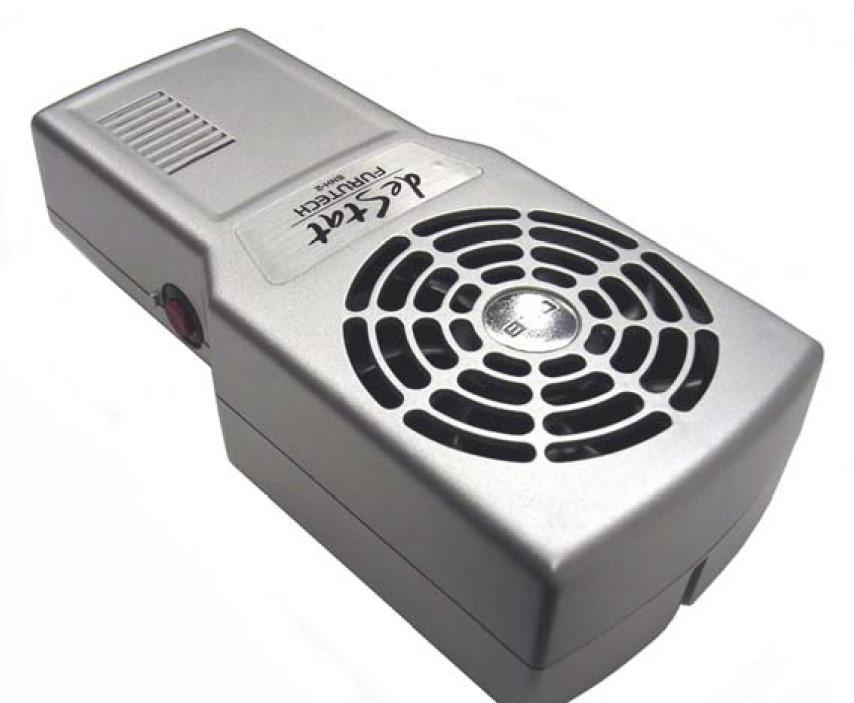
Furutech DeStat Static Eliminator Generation I: A long, rectangular design, battery-powered, blowing out negative ions to neutralize positive ions on objects, thereby eliminating static.
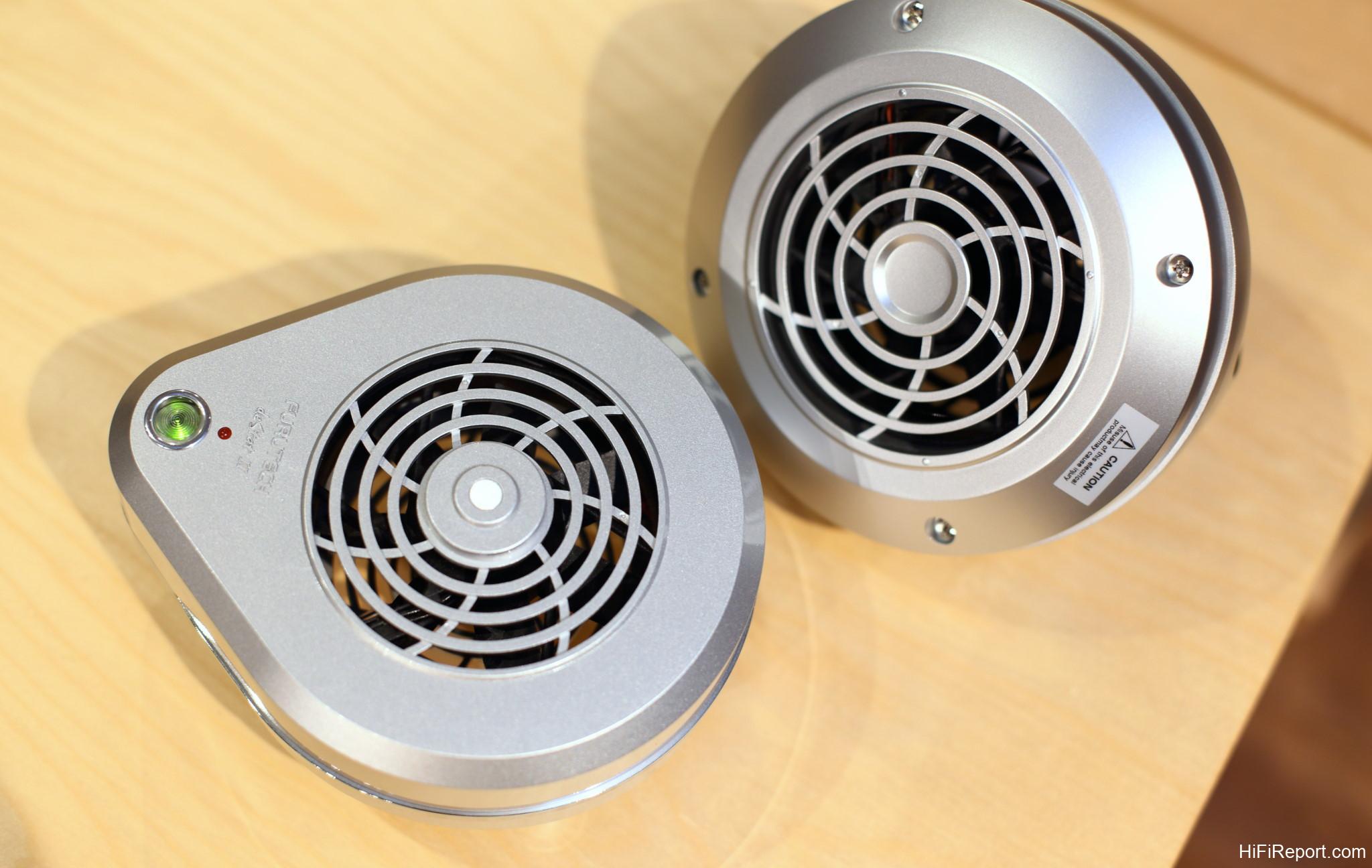
Furutech DeStat Static Eliminator Generation II: The appearance was changed to a teardrop-shaped round design, convenient for handheld use. Users could also place it on a table. In the center of the fan area, there was a small raised circle where CDs could be inserted directly for processing, very convenient. Generation II adopted a rechargeable built-in battery and simultaneously blew out positive and negative ions. The static elimination effect was significantly better than Generation I.
This review focuses on the latest Furutech DeStat Static Eliminator Generation III.
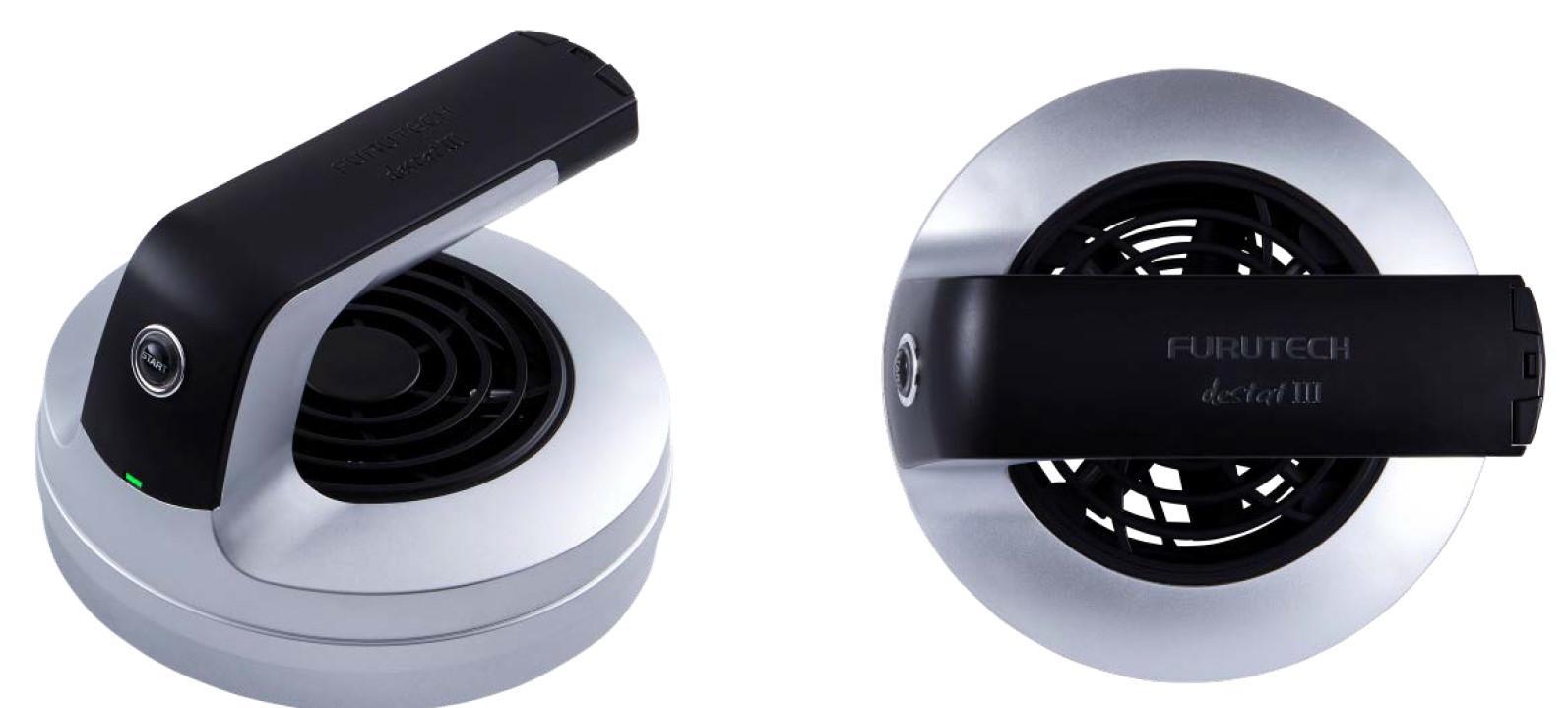
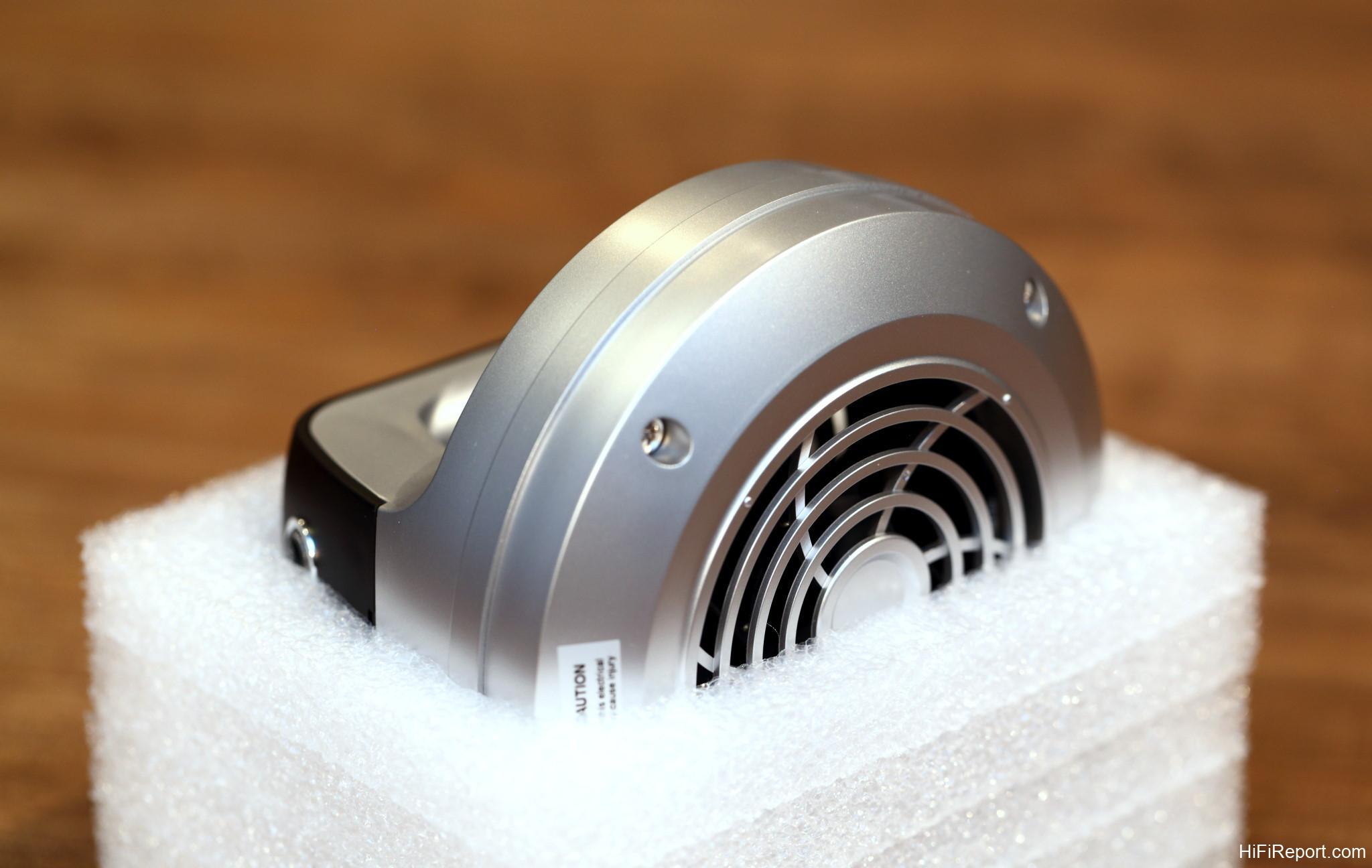
As you can see, Generation III and Generation II share a similar round main body design. Generation III adds a handle on top, and the fan surface is now facing downwards.
Furthermore, Generation III reverts to battery power, similar to Generation I.
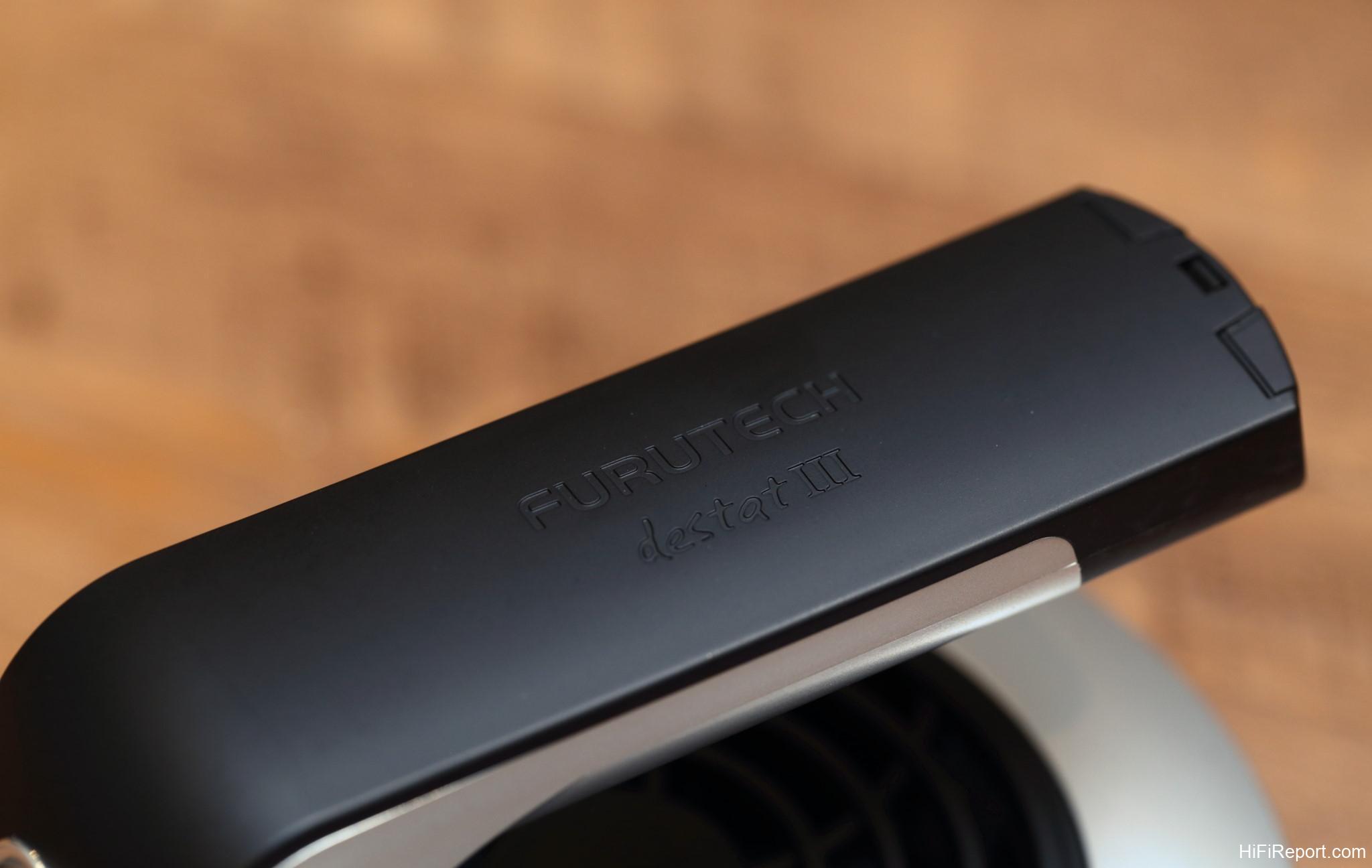
A very well-made handle with the Furutech DeStat III marking on top.
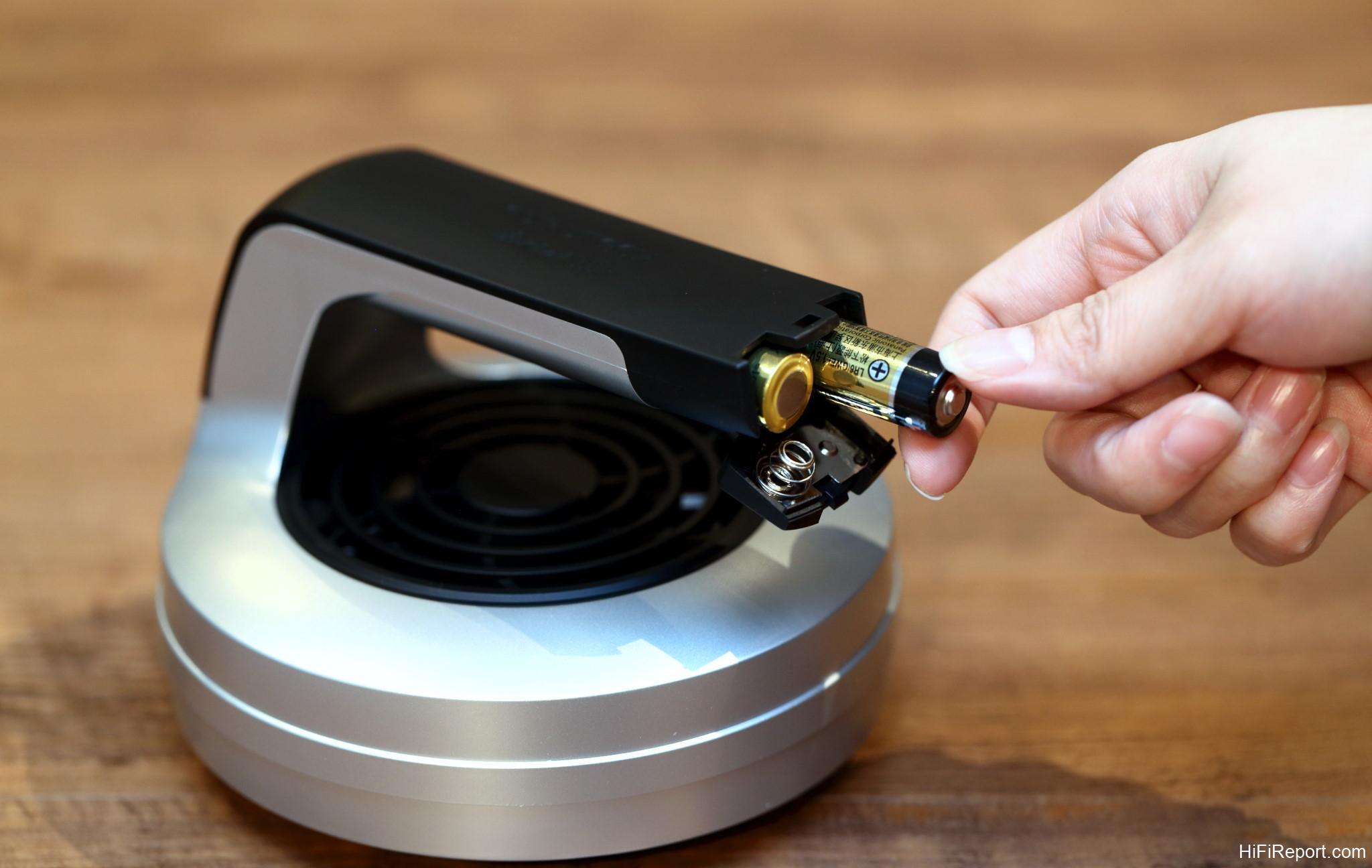
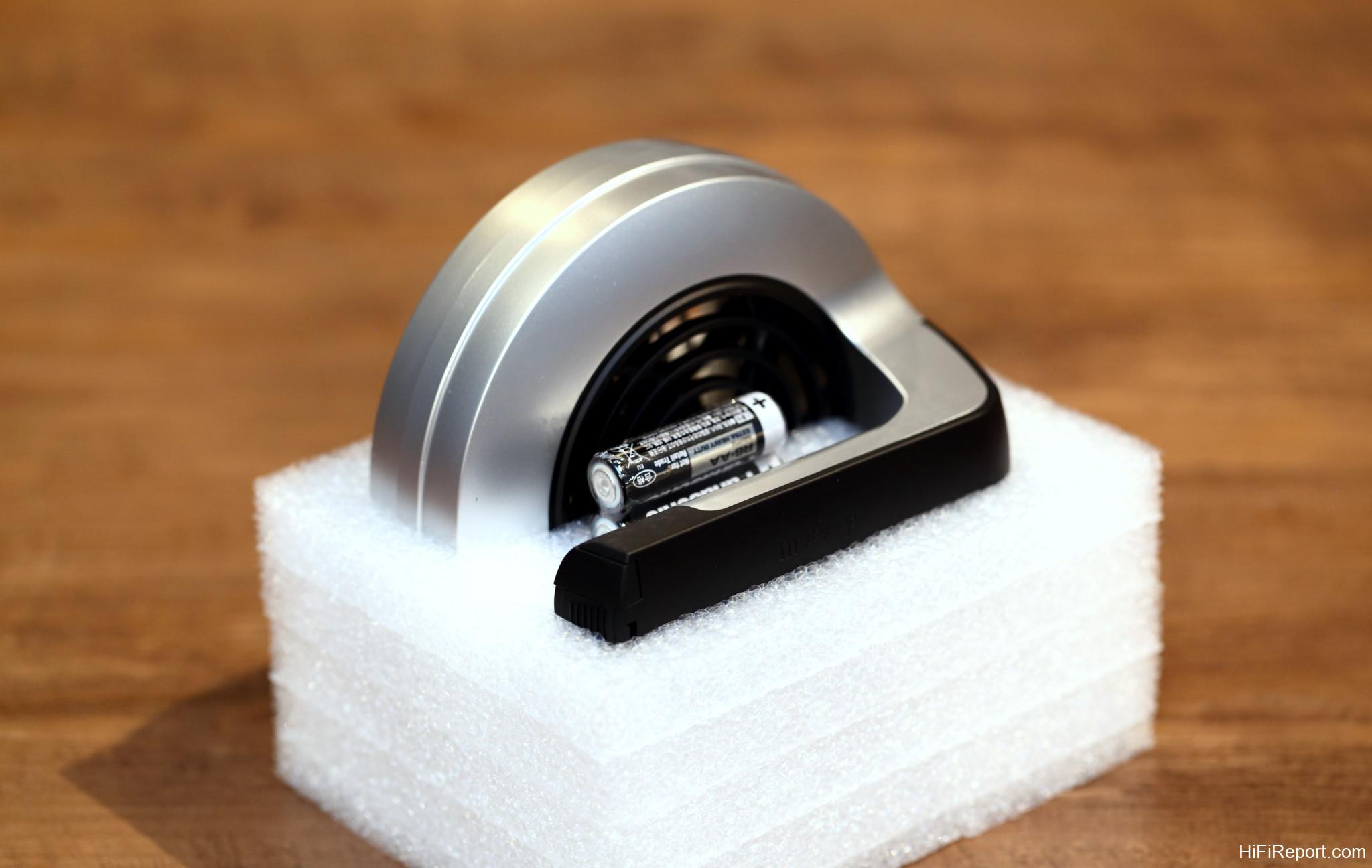
It uses 4 AA batteries, installed inside the handle.
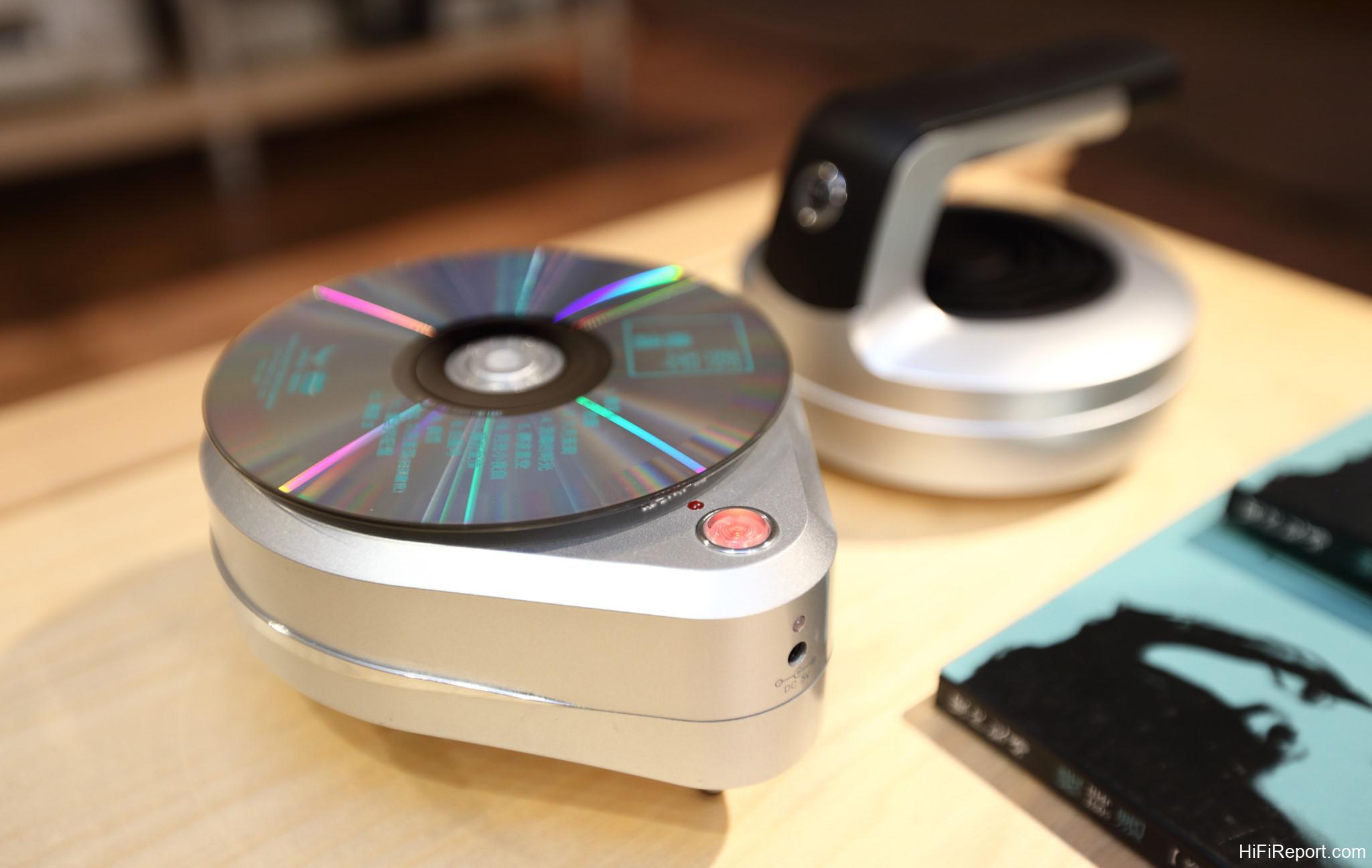
The START switch is located at the front. Pressing it starts operation for 15 seconds each time. A green light indicates sufficient power for operation, while a red light indicates the need to replace batteries.
The manufacturer’s static removal test video demonstrates that the static on an LP is completely eliminated after one use of DeStat III (15 seconds). According to manufacturer data, DeStat III’s static elimination capability is improved by 30% compared to Generation II.
Immediate Sonic Improvement
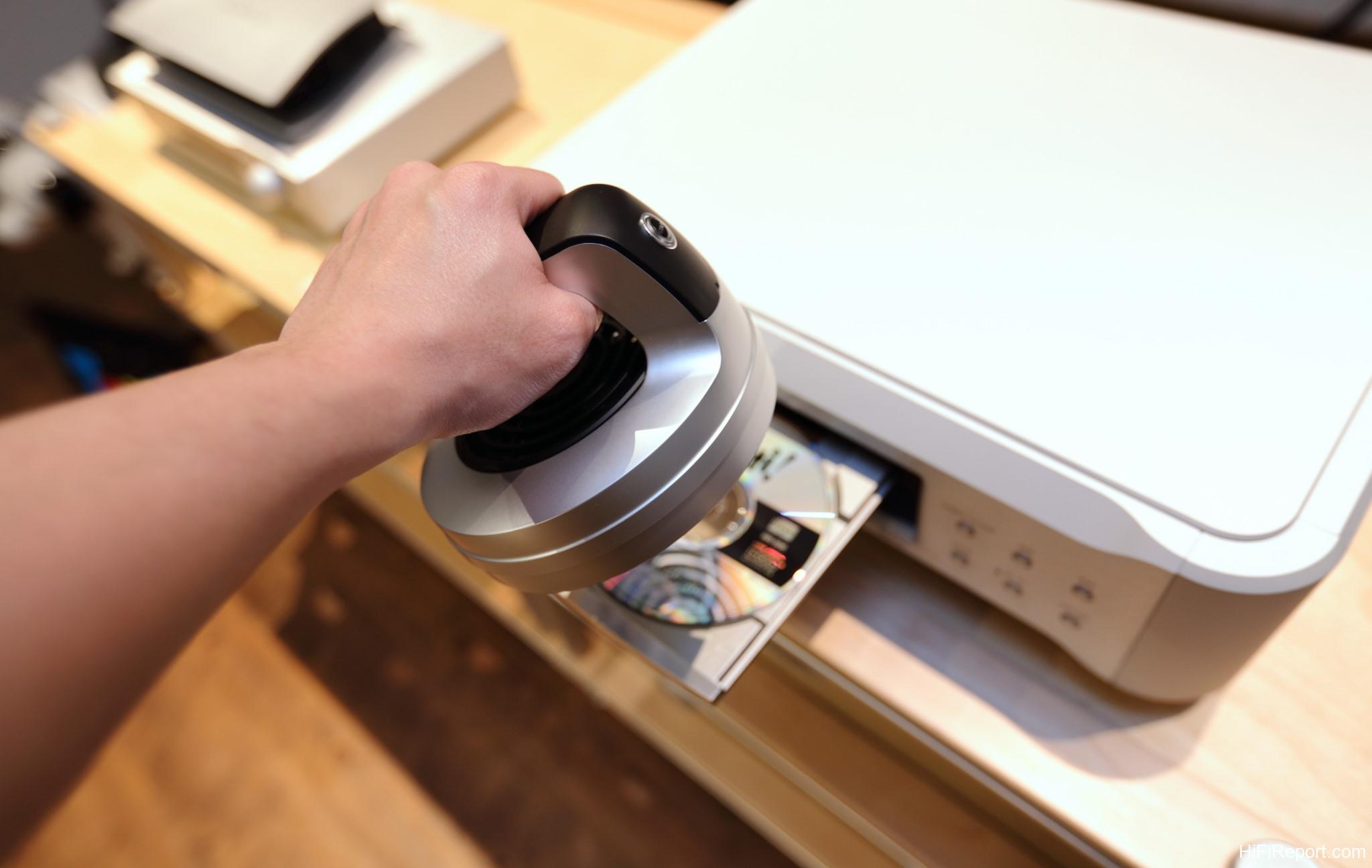
In actual listening sessions, for each album, I first played it directly for about half an hour. Then, I used the static eliminator to treat the front and back of the record separately before playing the same tracks again. (CD trays can also be treated.)
Transparency Greatly Enhanced, Imaging and Focus Improved
Listening to Anne Bisson’s *Blue Mind*, this album is relatively simple, making it easy to compare the effectiveness of static eliminators or any changes. After using the static eliminator on the CD disc itself, there was a very noticeable change. The most significant improvement was in the coherence of the sonic image. Although there was no increase in sonic power, the focus of each sound increased, making it feel more impactful.
Consequently, the clarity of each sonic image increased, resulting in better instrument separation in the overall music. This was the most obvious change. For example, in the sixth track “September in Montreal,” the opening cymbal crash was more prominent, and its presence and audibility throughout the music playback were better than before.
Grand Orchestral Works Sound More Real and Alive
Playing the much more complex *Tutti*, the sound was noticeably clearer after using the static eliminator. For example, in the ninth track “Antonio Vivaldi,” I initially felt the violin positioning was a bit vague, and the lines were not clear enough. However, after treatment with the static eliminator, not only the violin sound but also the sonic images of all instruments became much clearer. This wasn’t an increase in resolution, but rather an increase in clarity.
The separation between instruments improved significantly, making the music more organized and ordered, especially noticeable in string and brass instruments.
Sound Becomes Cleaner and More Detailed
Playing the familiar Diana Krall’s *The Girl In The Other Room*, the enhanced coherence appeared again obviously. In the third track “Temptation,” the tambourine sound became brighter, and the vocals became more delicate. In the eighth track “Black Crow,” the three-dimensionality and detail of the vocals increased, and the background seemed cleaner, resulting in a slight improvement in the texture of the sound, especially a significant enhancement in detail.
After eliminating static from LPs, the dust on them does not stick as stubbornly as before and is easier to remove with a record brush. Visible parts like the cartridge and tonearm can also be treated with DeStat III, which will also help improve the sound.
Significant Improvement on Cables and Connectors
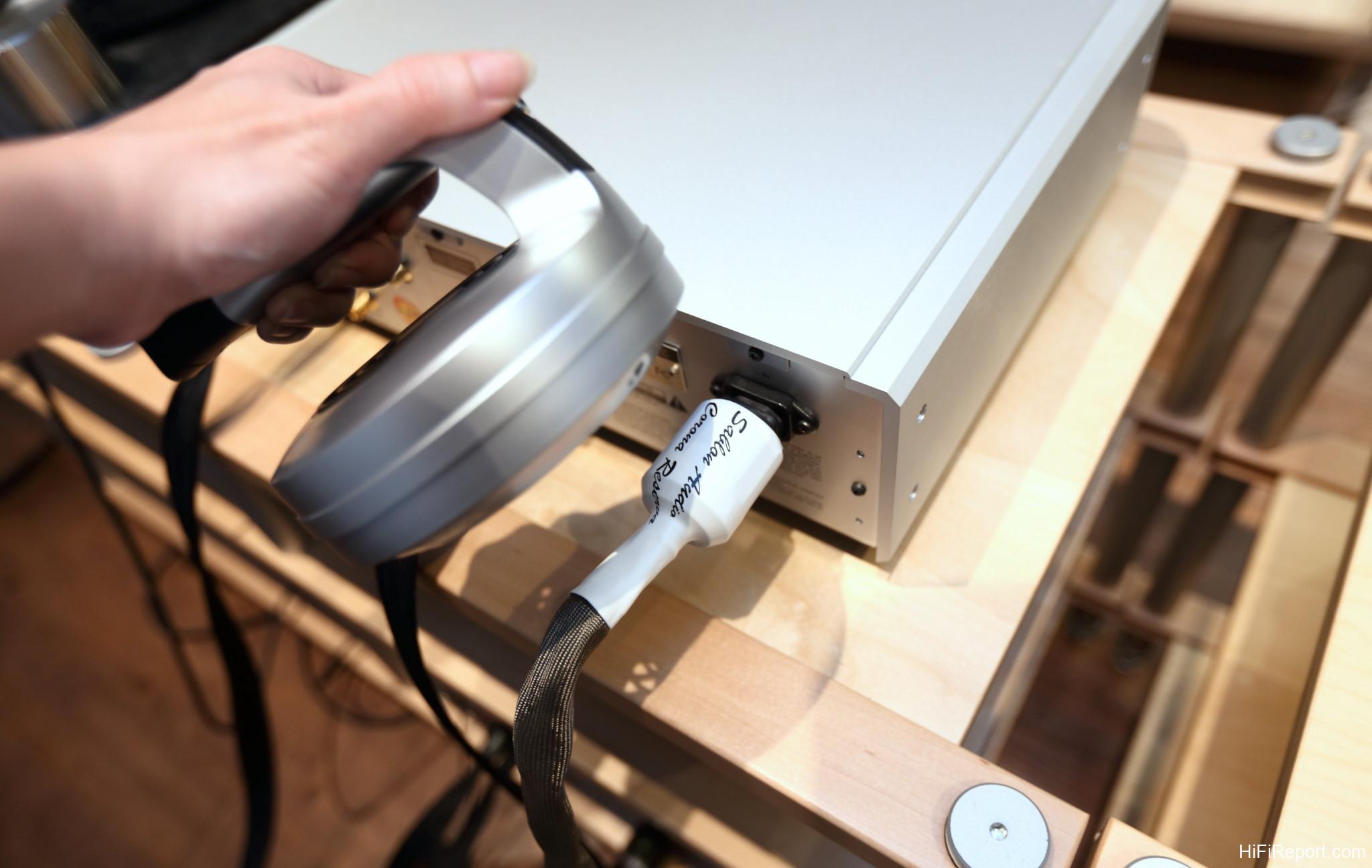
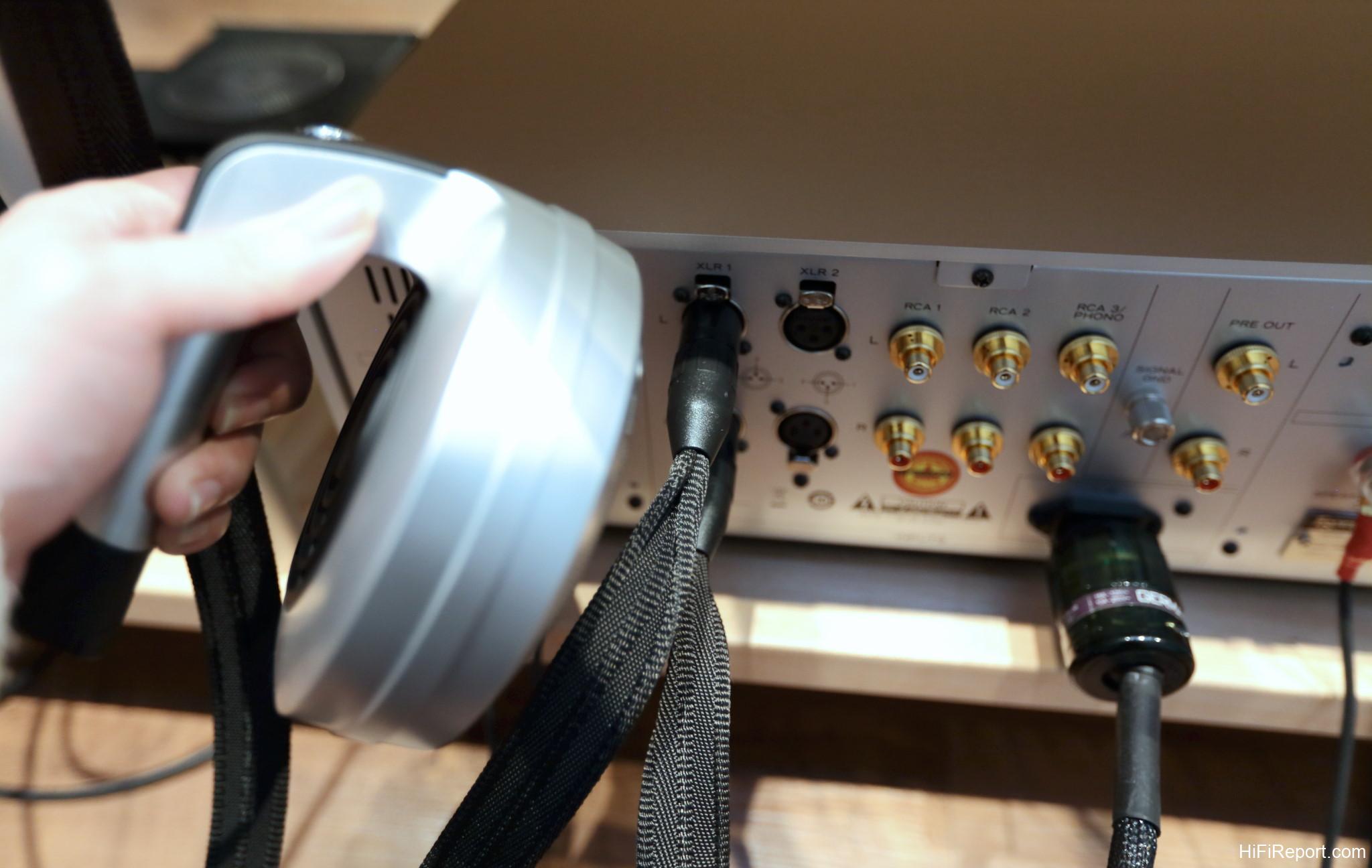
Next, I used the static eliminator to sweep over all the cables from end to end, especially applying it more to the connectors and the back panels of the turntable and amplifier. Afterwards, I continued listening to the same tracks from the same Diana Krall album. This static eliminator truly has a significant effect. The cleanliness of the mid-high frequencies was indeed purer. Especially on vocals and piano sounds, the sonic image felt very well-contained, with less fuzziness.
The high-frequency extension was also more transparent and brighter. In the eighth track “Black Crow,” the electric guitar and drums were more prominent, which is definitely an overall improvement.
Cables, connectors, and even the main body of the equipment can all be “blown”.
Generation III vs. Generation II: Both Achieve Obvious Positive Improvements
I found two identical copies of Tsai Chin’s *Golden Voice*. I used Generation II and Generation III to eliminate static from one disc each, attempting to hear if there was a significant difference between the two. Unfortunately, I did not hear any obvious difference between the two discs. Perhaps it is because their function is essentially the same, and both can effectively eliminate static. The CD discs return to their cleanest original state, becoming static-free.
What is certain is that whether using Generation II or Generation III, the obvious positive improvement compared to playback without using a static eliminator is easily audible.
I wonder if it’s just my imagination, but the air outlet of Generation III seems to be slightly larger than Generation II.
Highly Recommended Purchase – A Must-Have for Audiophiles
Static elimination is inherently a very scientific and well-founded action. Moreover, after actual testing, the improvement in sound quality from the Furutech DeStat is very obvious and positive. This is why I bought the DeStat II with my own money after auditioning it. Now, the newly launched Generation III, after checking the price online, surprisingly hasn’t increased in price and is even cheaper than Generation II. If you don’t have one yet, buy it quickly and enjoy it sooner.
If you are a user of Generation I, it is also recommended to upgrade to Generation III because Generation I only generates negative ions, while Generation II and Generation III generate both positive and negative ions simultaneously, resulting in a much greater improvement in effectiveness. These tests are all focused on audio, but DeStat is equally useful for video. After static elimination on Blu-ray and DVD discs, both video and audio quality will be improved simultaneously!
Specifications
* **Product Name:** Furutech DeStat III Static Eliminator
* **Ion Generation Method:** Positive and Negative Ions
* **Power Source:** 4 x AA Batteries
* **Operating Time:** 15 seconds per operation
* **Indicator Lights:** Green (sufficient power), Red (low battery)
* **Dimensions:** (Similar to DeStat II, with added handle, specific dimensions not provided in the text)
* **Weight:** (Not provided in the text)